

Many people experience straining during bowel movements. But, its effect on blood vessel health is often ignored. Studies hint at a possible connection between constipation and a higher risk of aneurysms. An aneurysm is when blood vessels weaken and bulge.constipation aneurysm relationship7 Essential Facts About Abdominal Aneurysm Surgery Recovery Time
We will look into the current research and what experts say about this connection. We’ll see how constipation might play a role in aneurysm formation. Knowing this possible risk factor is key for those at risk of blood vessel problems.
Key Takeaways
- Constipation may be linked to an increased risk of aneurysms.
- Straining during bowel movements can put pressure on blood vessels.
- Understanding the connection between constipation and aneurysms can help identify possible risk factors.
- More research is needed to confirm the link between constipation and aneurysm development.
- Keeping a healthy bowel routine is important for blood vessel health.
What Are Aneurysms and Why They Occur

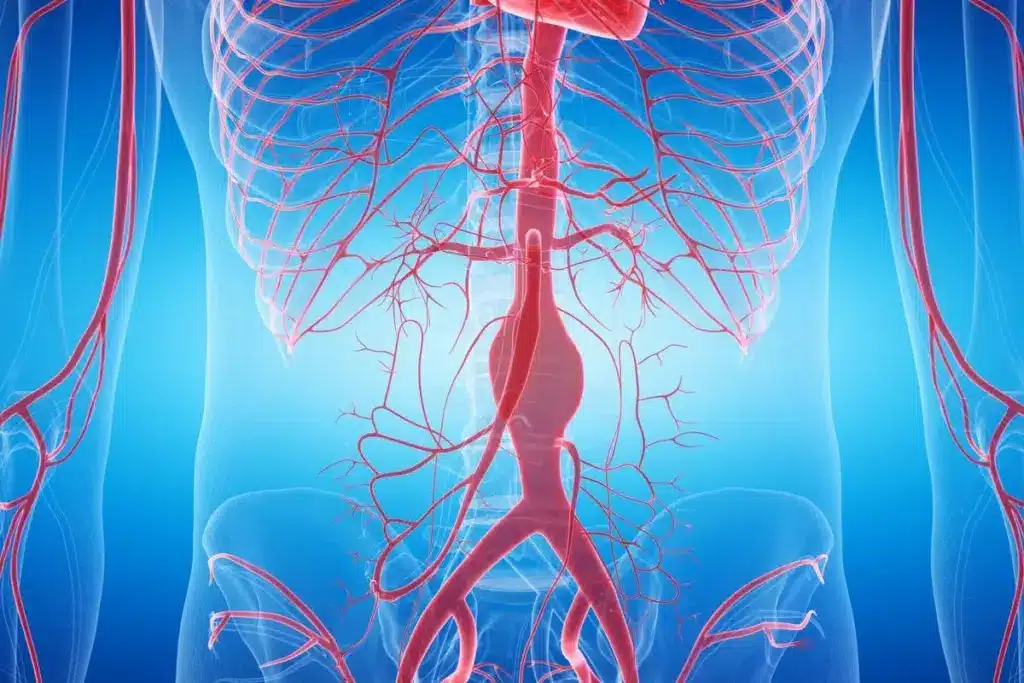
It’s important to know about aneurysms to understand the risks of constipation. An aneurysm is when a blood vessel bulges or balloons. This happens because the vessel wall weakens.
Definition and Common Locations of Aneurysms
Aneurysms can happen in different parts of the body. They are most common in the brain and the aorta. The formation of an aneurysm is due to genetics and lifestyle.
Cerebral aneurysms are often linked to genetics. Aortic aneurysms are related to smoking, high blood pressure, and atherosclerosis. Knowing these risk factors helps in prevention and early detection.
Primary Risk Factors for Aneurysm Development<image2>
Several factors contribute to aneurysm development. These include:
- Genetic predisposition: Family history increases risk.
- Hypertension: High blood pressure weakens vessel walls.
- Smoking: Tobacco use is a major risk factor.
- Atherosclerosis: Plaque buildup in arteries contributes to aneurysms.
Knowing these risk factors helps in reducing aneurysm risk. The constipation aneurysm link also offers insights into prevention. Straining during bowel movements can harm vascular health.
By tackling these factors and living a healthy lifestyle, one can lower aneurysm risk. Managing constipation well is also key. It helps avoid straining, which can put pressure on blood vessels and affect aneurysm risk factors.
Understanding Chronic Constipation
It’s key to understand chronic constipation to see if it’s linked to health issues like aneurysms. We’ll look into what constipation is, how common it is, and how it affects health.
Medical Definition of Constipation
Constipation means having fewer than three bowel movements a week. You might also have hard or lumpy stools, strain during bowel movements, or feel like you didn’t fully empty your bowels. Chronic constipation happens when these symptoms last for months or more.
Doctors see constipation as a symptom, not a disease. It can come from diet, lifestyle, or health problems. Changes in bowel habits might show there’s something wrong, as studies suggest.
Prevalence and Impact on Overall Health
Chronic constipation is a big health problem worldwide. Its frequency changes based on who’s studied and how it’s diagnosed.
- Constipation can cause discomfort, pain, and lower your quality of life.
- It might also lead to heart problems because of the strain during bowel movements.
- It can affect your mind too, causing stress and anxiety.
Looking into constipation and aneurysms, knowing how common and impactful chronic constipation is is vital.
“Changes in bowel habits can be a sign of underlying conditions,” a point that highlights the need to treat constipation seriously. It’s not just a symptom but a possible sign of bigger health issues.
The Physiology of Straining During Bowel Movements
Straining during bowel movements sets off a chain of body responses. This process involves the cardiovascular and respiratory systems.
The Valsalva Maneuver Explained
When we strain, we often do the Valsalva maneuver. This is when we push air out while our throat is closed. It raises chest pressure and affects our heart.
The Valsalva maneuver is marked by:
- Increased intrathoracic pressure
- Reduced venous return to the heart
- Initial increase in blood pressure followed by a decrease
- Compensatory mechanisms to maintain blood flow to vital organs
Acute Cardiovascular Effects of Straining
The Valsalva maneuver causes quick heart changes during straining. These changes include:
|
Physiological Change |
Effect During Straining |
|---|---|
|
Blood Pressure |
Initial increase due to increased intrathoracic pressure |
|
Heart Rate |
Compensatory increase to maintain cardiac output |
|
Venous Return |
Reduced due to increased intrathoracic pressure |
Straining affects the heart in big ways. Knowing this helps us see the dangers of long-term constipation on heart health.
“The Valsalva maneuver, while a natural response to straining, can have significant implications for individuals with pre-existing cardiovascular conditions.” – A Cardiologist
Looking into how straining affects the body helps us understand its link to heart health and aneurysm risks.
The Constipation Aneurysm Relationship: Current Evidence
Exploring cardiovascular health, we find a link between constipation and aneurysms. This connection has caught the eye of many in the medical field.
Clinical Studies Examining the Connection
Studies have looked into the bond between constipation and aneurysms. A study in the Journal of Vascular Surgery showed that chronic constipation raises the risk of abdominal aortic aneurysms. This is due to the strain from bowel movements, which can increase pressure inside the belly.
Other research has explored how straining affects the body. It involves the Valsalva maneuver, which can change how blood flows. This might harm the blood vessels over time.
Limitations in Current Research
Though the evidence is strong, there are some drawbacks. Many studies use data from the past, and we need more studies that look forward in time. Also, different studies use different ways to define constipation, making it hard to agree on findings.
- Limited sample sizes in some studies
- Variability in defining constipation
- Lack of long-term follow-up data
Expert Medical Opinions on Causality
Doctors have different views on whether constipation causes aneurysms. Some think the pressure from straining could be the link. Others believe that things like high blood pressure and hardening of the arteries might be the real culprits.
Most agree that there’s a connection, but we need more research. As one doctor said, “The connection between constipation and aneurysms shows how important it is to look at bowel habits when checking vascular health.”
Mechanical Effects: How Straining Impacts Vascular Structures
Straining during bowel movements puts our vascular structures under stress. This stress is not just from physical exertion. It involves complex changes that affect vascular health.
Increased Intra-abdominal Pressure Mechanisms
Straining increases intra-abdominal pressure. This pressure affects the vascular structures in the abdominal cavity. It can weaken the walls of major blood vessels over time.
The Valsalva maneuver plays a role in this. It’s a forced exhalation against a closed glottis. This increases pressure in the thoracic cavity, affecting vascular pressure. It’s often used during straining, with significant effects on vascular structures.
Vascular Wall Stress During Prolonged Straining
Prolonged straining, like in chronic constipation, causes sustained vascular wall stress. This stress affects not just abdominal vessels but can impact blood pressure and vascular integrity body-wide.
The ongoing strain on vascular walls may lead to or worsen vascular conditions, including aneurysms. Understanding this link is key to managing constipation’s risks to vascular health.
Constipation and Aortic Aneurysm Connection
Looking into the link between constipation and aortic aneurysms shows us how straining affects our bodies. This connection is complex, involving both physical and biological factors.
Abdominal Aortic Aneurysms and Constipation
People with chronic constipation face a higher risk of abdominal aortic aneurysms (AAAs). Straining during bowel movements can raise pressure inside the belly. This extra pressure might stress the aortic wall, possibly leading to aneurysm growth.
Research has explored the connection between constipation and AAAs. While the findings are not definitive, managing constipation might help lower the risk of AAAs.
Thoracic Aortic Aneurysms and Straining
Thoracic aortic aneurysms (TAAs) happen in the chest area of the aorta. Like AAAs, factors that increase pressure on the aortic wall can affect TAA development. Constipation’s straining can be one such factor that might contribute to TAA growth.
The Valsalva maneuver, which happens during straining, affects blood pressure and heart function. This sudden increase in chest pressure can have significant effects on the heart and blood vessels.
Case Studies and Clinical Observations
Case studies have shown a possible link between constipation and aortic aneurysms. For example, a patient with severe constipation was at higher risk of an aortic aneurysm due to prolonged straining.
- Managing constipation is key for those at risk of aortic aneurysms, say doctors.
- More research is needed to fully grasp the connection between these conditions.
- Healthcare providers should consider this link when treating patients with chronic constipation.
Understanding the link between constipation and aortic aneurysms helps us manage these conditions better. This knowledge could help reduce the risk of aneurysm formation or rupture.
Brain Aneurysms and Constipation: Examining the Link
Recent studies have shown a possible link between constipation and brain aneurysms. This connection is important to understand. It involves looking at the mechanisms and risks.
How Straining Affects Cerebral Blood Pressure
Constipation often leads to straining, which can raise brain blood pressure. This happens because straining increases pressure in the body. This pressure can affect the brain’s blood vessels.
The sudden increase in brain blood pressure can stress blood vessel walls. This stress can potentially lead to the rupture of an aneurysm. The risk depends on the aneurysm’s size and location.
Risk Assessment for Patients with Known Cerebral Aneurysms
For those with cerebral aneurysms, managing constipation is key to avoid rupture. Healthcare providers suggest lifestyle changes and sometimes medical treatments to reduce straining. It’s also important for these patients to know the signs of a rupture, like sudden severe headache or vision changes.
Assessing risk involves looking at the aneurysm’s size and location, the patient’s vascular health, and their history of straining. A healthcare provider’s evaluation is needed to create a personalized plan.
Headaches with vomiting or vision changes need urgent medical attention. They could be signs of a brain aneurysm. Managing constipation is vital for patients with cerebral aneurysms to avoid complications.
Hypertension: The Common Denominator in Both Conditions
Hypertension is a key factor that links constipation and aneurysms, impacting vascular health. We’ll see how controlling hypertension is vital in stopping aneurysms and treating constipation.
Blood Pressure Management for Aneurysm Prevention
Keeping blood pressure in check is essential to stop aneurysms from forming. Healthy blood pressure through lifestyle changes and meds can lower aneurysm risks.
We suggest a detailed plan for blood pressure control. This includes regular checks, a balanced diet, and stress relief. Meditation and deep breathing are great for managing blood pressure.
|
Blood Pressure Category |
Systolic Blood Pressure (mmHg) |
Diastolic Blood Pressure (mmHg) |
|---|---|---|
|
Normal |
Less than 120 |
Less than 80 |
|
Elevated |
120-129 |
Less than 80 |
|
Hypertension Stage 1 |
130-139 |
80-89 |
|
Hypertension Stage 2 |
140 or higher |
90 or higher |
How Constipation Contributes to Hypertension
Constipation can raise blood pressure by increasing abdominal pressure during straining. This Valsalva maneuver causes blood pressure spikes.
Long-term constipation can lead to constant blood pressure increases. We need to treat both conditions together.
Breaking the Cycle of Pressure and Strain
To stop constipation, straining, and high blood pressure, we need a multi-step plan. We suggest eating right, drinking more water, and exercising regularly.
Also, managing high blood pressure through lifestyle and medicine can reduce aneurysm risks. By tackling these linked issues, we can boost heart health.
Warning Signs That Require Immediate Medical Attention
Knowing the signs that mean you need to see a doctor fast is key. Aneurysms and bad constipation can be very serious if not treated right away.
Symptoms of Aneurysm Rupture or Expansion
An aneurysm bursting is a big emergency. Look out for these signs:
- Sudden, severe headache often described as “the worst headache of my life”
- Nausea and vomiting
- Confusion or altered mental state
- Seizures
- Loss of consciousness
These signs mean you need to get help right away.
Dangerous Constipation Complications
Constipation isn’t usually a big deal, but it can cause serious problems. These include:
- Fecal impaction: a condition where stool becomes stuck in the colon or rectum
- Bowel obstruction: a blockage that prevents normal bowel movements
- Volvulus: twisting of a portion of the intestine
Signs of these problems are severe belly pain, vomiting, and trouble passing gas or stool.
When to Seek Emergency Care
If you’re feeling symptoms of an aneurysm or constipation problems, get help fast.
|
Symptom |
Possible Condition |
Action |
|---|---|---|
|
Sudden severe headache |
Aneurysm rupture |
Call emergency services |
|
Severe abdominal pain, vomiting |
Bowel obstruction or fecal impaction |
Seek immediate medical attention |
|
Confusion, altered mental state |
Aneurysm rupture or other neurological issue |
Go to the emergency room |
Prompt action can save lives and prevent long-term damage. If unsure, always choose to get medical help.
Diagnostic Approaches for At-Risk Patients
Early detection is key, and finding chronic constipation can help prevent aneurysms. We focus on spotting at-risk individuals. We use the right screening and assessment techniques.
Screening Recommendations for Those with Chronic Constipation
For those with chronic constipation, regular screening is a must. It helps check their risk of aneurysms. Here’s what we recommend:
- A thorough medical history to identify any familial predispositions to aneurysms
- Assessment of lifestyle factors that may contribute to constipation and vascular health
- Regular blood pressure monitoring to manage hypertension, a common risk factor for aneurysms
These steps are key for early detection and prevention. By spotting risk factors early, we can act fast to prevent them.
Vascular Assessment Techniques
Vascular assessment techniques are vital for diagnosing and monitoring aneurysms. Here are some important ones:
- Ultrasound: A non-invasive method used to visualize the vascular structures and detect any abnormalities.
- CT Angiography: Provides detailed images of the blood vessels, helping to identify aneurysms and assess their size and location.
- MRI Angiography: Offers a detailed view of the vascular anatomy without the need for ionizing radiation.
These methods are essential for diagnosing aneurysms and tracking their growth over time.
Comprehensive Evaluation Protocols
A thorough evaluation protocol is needed for at-risk patients. It includes:
- Combining clinical assessment with advanced imaging techniques
- Regular follow-up appointments to monitor vascular health
- Patient education on managing constipation and maintaining vascular health
By using a complete approach, we ensure at-risk patients get the care they need. This helps prevent aneurysm development or rupture.
Dietary Strategies to Prevent Constipation and Reduce Aneurysm Risk
Changing your diet can help prevent constipation and lower the risk of aneurysms. A good diet is key for both your bowel health and your blood vessels.
Fiber-Rich Foods for Regular Bowel Movements
Eating more fiber helps keep your bowels regular and prevents constipation. Foods high in fiber include:
- Fruits such as apples, berries, and prunes
- Vegetables like broccoli, carrots, and leafy greens
- Legumes, including beans, lentils, and chickpeas
- Whole grains like oats, quinoa, and brown rice
Adding these foods to your diet can make your stool softer and bulkier. This makes it easier to go to the bathroom.
Hydration Guidelines for Optimal Bowel Function
Drinking enough water is key for good bowel function. Water helps break down nutrients and fiber, making them easier for your body to use. It also softens your stool, making it easier to pass.
Try to drink at least eight glasses of water a day. But, your needs might be different based on how active you are, where you live, and your health.
Foods That Support Vascular Health
Some foods can help prevent constipation and also support your blood vessels. These include:
- Fatty fish rich in omega-3 fatty acids, such as salmon and mackerel
- Nuts and seeds, like walnuts, which are full of antioxidants
- Olive oil, which is full of healthy fats
- Berries and other fruits that are high in antioxidants
A study found that eating lots of fruits, vegetables, and whole grains is good for your blood vessels.
“A healthy diet is not just about preventing constipation; it’s also about supporting overall vascular health.”
By following these dietary tips, you can help keep your bowels and blood vessels healthy.
Safe Medical Interventions for Constipation in Aneurysm Patients
Constipation in aneurysm patients needs careful treatment. We must balance regular bowel movements with avoiding straining. It’s important to think about how different treatments affect both constipation and aneurysm health.
Appropriate Laxative Options
Choosing the right laxative is key for aneurysm patients with constipation. Osmotic laxatives like polyethylene glycol and lactulose are often suggested. They draw water into the bowel, making stool softer and promoting regular bowel movements without too much straining.
Stimulant laxatives, such as bisacodyl, should be used with caution. They work well but might cause stomach cramps and could raise intra-abdominal pressure. This is a worry for aneurysm patients.
Medications and Supplements to Avoid
Some medications and supplements can make constipation worse or be risky for aneurysm patients. For example, bulk-forming laxatives need enough water to work and might not be good for everyone, mainly if they don’t drink enough. Also, some herbal supplements can interact with other drugs or affect blood vessel health in unexpected ways.
- Avoid laxatives that can cause significant straining or abdominal pressure.
- Be cautious with herbal supplements that may interact with anticoagulant medications.
- Monitor the use of medications that can affect bowel habits or vascular health.
Working with Healthcare Providers on a Safe Regimen
Creating a safe treatment plan for constipation in aneurysm patients needs teamwork with healthcare providers. Regular check-ups are important to see if the chosen treatments are working. If not, the plan can be changed.
By teaming up with healthcare experts, patients can lower the risks of constipation and aneurysms. This ensures a full care plan for their vascular health.
Lifestyle Modifications to Address Both Conditions
Making smart lifestyle choices can help with constipation and aneurysms. Changing your diet, staying active, managing stress, and getting enough sleep are key. These steps can boost your vascular health and bowel function.
Evidence-Based Exercise Recommendations
Exercise is vital for a healthy life, helping prevent constipation and aneurysms. Aerobic exercises like walking, cycling, or swimming are great. Aim for 150 minutes of moderate activity or 75 minutes of vigorous activity weekly.
|
Exercise Type |
Benefits |
Recommended Frequency |
|---|---|---|
|
Aerobic Exercise |
Improves cardiovascular health, aids in bowel regularity |
At least 150 minutes/week (moderate intensity) |
|
Resistance Training |
Enhances muscle strength, supports overall health |
2-3 times/week |
|
Flexibility Exercises |
Improves flexibility, reduces muscle tension |
2-3 times/week |
Stress Management Techniques
Stress can make constipation and aneurysm risks worse. Using stress management techniques is key. Mindfulness meditation, deep breathing, and yoga can help lower stress.
- Mindfulness meditation: Practice daily for 10-15 minutes
- Deep breathing exercises: Engage in deep, controlled breathing several times a day
- Yoga: Participate in yoga classes or follow online tutorials
Sleep Optimization for Bowel and Vascular Health
Good sleep is essential for health, including bowel and vascular health. Sleep optimization means a regular sleep schedule, a comfy sleep space, and no stimulants before bed.
By adopting these lifestyle changes, we can greatly improve our health. This reduces risks from constipation and aneurysms. Always talk to a healthcare professional before starting new lifestyle or exercise plans.
Special Considerations for High-Risk Populations
High-risk groups, like the elderly and those with genetic conditions, need special care for constipation and aneurysm risks. These groups face unique challenges that can worsen the link between constipation and vascular health.
Elderly Patients with Constipation and Vascular Disease
Elderly people are more likely to have constipation and vascular diseases. Decreased activity, age-related bowel changes, and conditions like hypertension increase aneurysm risk.
To help elderly patients with constipation, healthcare providers should:
- Encourage more fluid and fiber in their diet
- Support regular, safe physical activity
- Check and adjust medications that cause constipation
- Use laxatives or stool softeners if needed
Pregnant Women and Postpartum Considerations
Pregnancy brings big changes, like hormonal shifts and increased venous pressure, leading to constipation. Iron supplements also add to the risk.
Pregnant women with constipation should follow these tips:
- Eat more fiber
- Stay hydrated
- Do gentle exercises approved by their doctor
- Use safe laxatives if advised by a doctor
Patients with Genetic Predispositions to Aneurysms
People with a family history of aneurysms or conditions like Marfan syndrome are at higher risk. Managing constipation is key to protecting their vascular system.
For those with genetic predispositions, managing constipation is vital. They should:
- Get regular check-ups
- Make dietary and lifestyle changes
- Avoid straining
- Get screened for aneurysms as advised
Understanding the challenges of these high-risk groups and using the right management strategies can greatly reduce aneurysm risk.
Conclusion: Maintaining Vascular Health Through Proper Bowel Management
We’ve looked into how constipation and aneurysms are connected. We found that chronic straining can be risky. Keeping your bowel movements regular is key to your vascular health.
Good bowel management means eating right, staying active, and sometimes, getting medical help. Eating foods high in fiber, drinking plenty of water, and exercising regularly can help. These steps can lower your chance of constipation and aneurysms.
Knowing how constipation and aneurysms are linked helps us take care of our blood vessels. By living a healthy lifestyle and getting medical help when needed, we can fight vascular diseases. This way, we can prevent them from getting worse.
FAQ
Can straining during bowel movements due to constipation lead to the formation or rupture of an aneurysm?
Straining during bowel movements can increase pressure inside the belly. This might stress blood vessels and help cause aneurysms. But, more research is needed to fully understand this link.
How does constipation affect blood pressure, and what is the link to aneurysm risk?
Constipation can make blood pressure go up because of the strain it causes. High blood pressure is a risk factor for aneurysms. So, managing constipation might help lower this risk.
Are there specific dietary changes that can help prevent both constipation and reduce the risk of aneurysms?
Yes, eating foods high in fiber and staying hydrated can help prevent constipation. Foods rich in antioxidants and omega-3 fatty acids also support vascular health and may lower aneurysm risk.
What are the warning signs that necessitate immediate medical attention for someone experiencing constipation and at risk for aneurysms?
Severe belly or back pain, sudden and severe headache, or signs of bowel obstruction need immediate medical help. These could mean an aneurysm rupture or other serious problems.
How can individuals with a history of constipation and at risk for aneurysms manage their condition safely?
Working with healthcare providers to create a safe bowel management plan is key. This includes using laxatives correctly, making lifestyle changes, and regular vascular checks.
Are there specific populations that are at higher risk for the complications associated with constipation and aneurysms?
Elderly people, pregnant women, and those with a family history of aneurysms are at higher risk. They need special care and tailored management plans.
What lifestyle modifications can help manage both constipation and aneurysm risk?
Regular exercise, stress management, and good sleep can help with both constipation and aneurysm risk. These changes support overall health and bowel function.
How often should individuals with chronic constipation undergo vascular assessments to monitor aneurysm risk?
Healthcare providers will decide how often vascular assessments are needed based on individual risk factors. Regular check-ups can catch issues early.
Can managing constipation help prevent the development or progression of aneurysms?
While the exact link is not fully understood, managing constipation can improve vascular health. This might lower blood pressure and reduce aneurysm risk.
National Center for Biotechnology Information. Evidence-Based Medical Insight. Retrieved from https://pubmed.ncbi.nlm.nih.gov/30761728/
National Center for Biotechnology Information. Evidence-Based Medical Insight. Retrieved from https://pubmed.ncbi.nlm.nih.gov/30761728/