
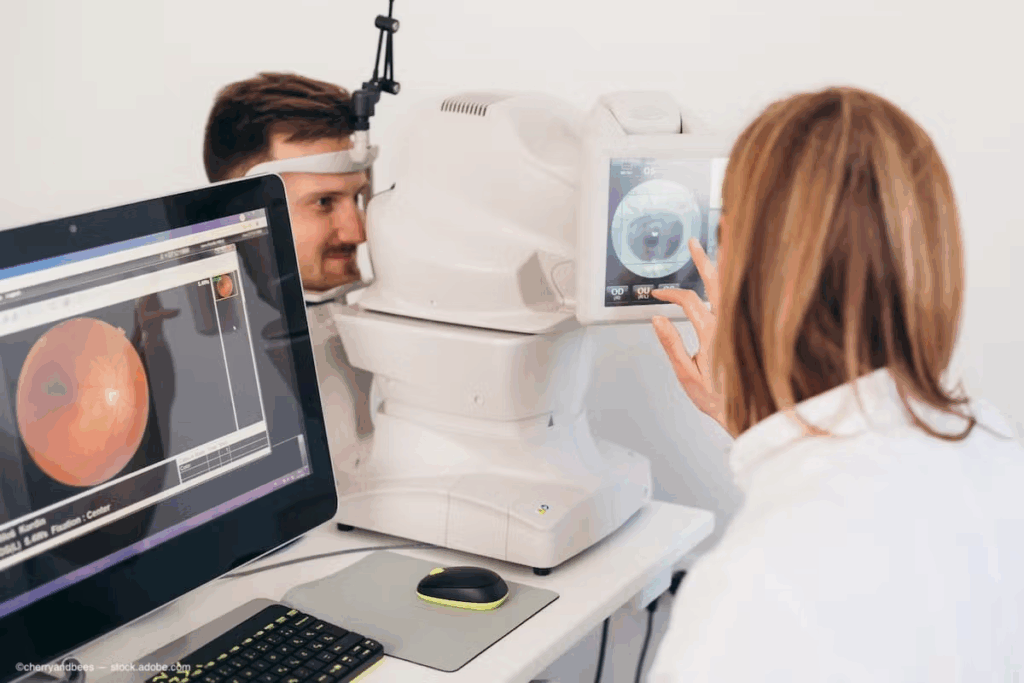
Our eyes have their own special way of fighting off germs. This is thanks to a clever system called immune privilege. It keeps our vision safe while keeping the rest of our body healthy.Discover the unique mechanisms of the eye immune system and its role in ocular health and protection. Understanding the eye immune system.
New studies using special cameras and research on the immune system have shown something interesting. Our eyes have special immune cells that move around to protect them. This changes how we think about the eye and its connection to the rest of our body’s defenses.
At Liv Hospital, we understand how important this system is for our eyes. The eye’s immune system works hard to keep our vision clear. It does this by stopping too much inflammation, thanks to things like the blood-retinal barrier and special factors in eye fluids.
Key Takeaways
- The eye has a unique immunological identity.
- Ocular immune privilege protects vision and maintains overall health.
- Specialized immune cells patrol ocular surfaces.
- The eye’s immune system prevents excessive inflammation.
- Ocular fluids contain immunosuppressive factors.
The Concept of Ocular Immune Privilege
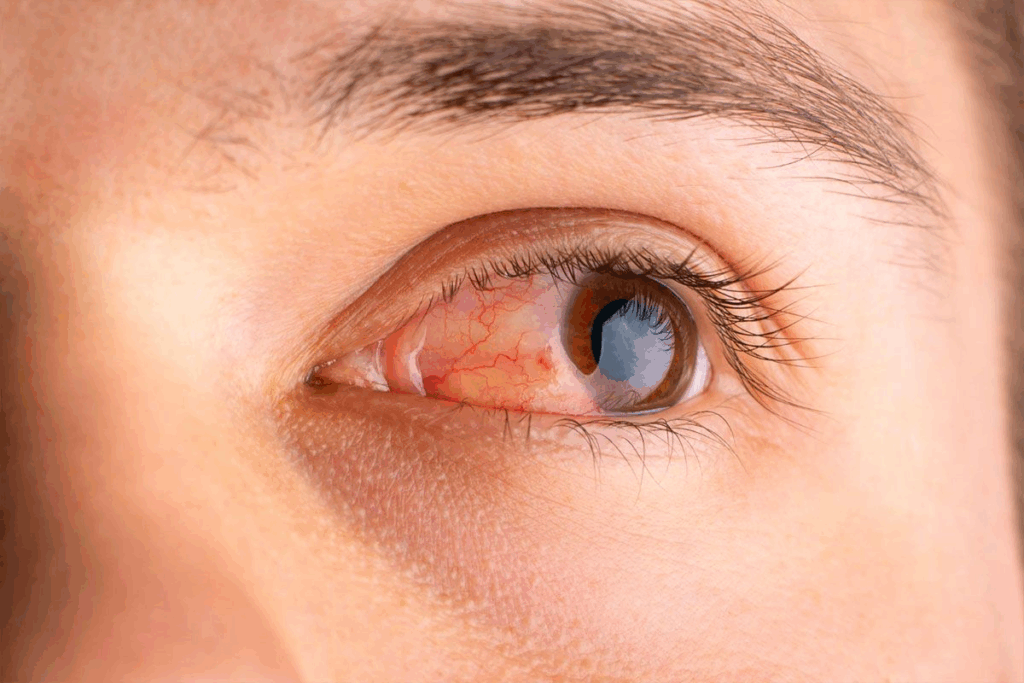
The eye’s immune system works under a special rule called ocular immune privilege. This rule is key to keeping our vision clear. It helps the eye protect itself without harming its delicate parts.
Definition and Evolutionary Purpose
Ocular immune privilege means the eye can fight off harmful inflammation. It does this by controlling its immune response. This way, the eye stays safe from damage.
This special protection helps the eye work well, even when it faces many dangers. It keeps the eye clear and transparent, which is vital for seeing well.
Historical Discovery and Research
For many years, scientists have studied the eye’s unique immune system. They found that the eye and brain have special ways to keep their immune systems in check. This includes using immunosuppressive factors in eye fluids.
Research has shown that the eye’s immune privilege is not just a lack of response. It’s an active process involving many cells and molecules. This research is important for finding new ways to treat eye diseases and understanding the immune system better.
How the Eye Immune System Differs from Systemic Immunity
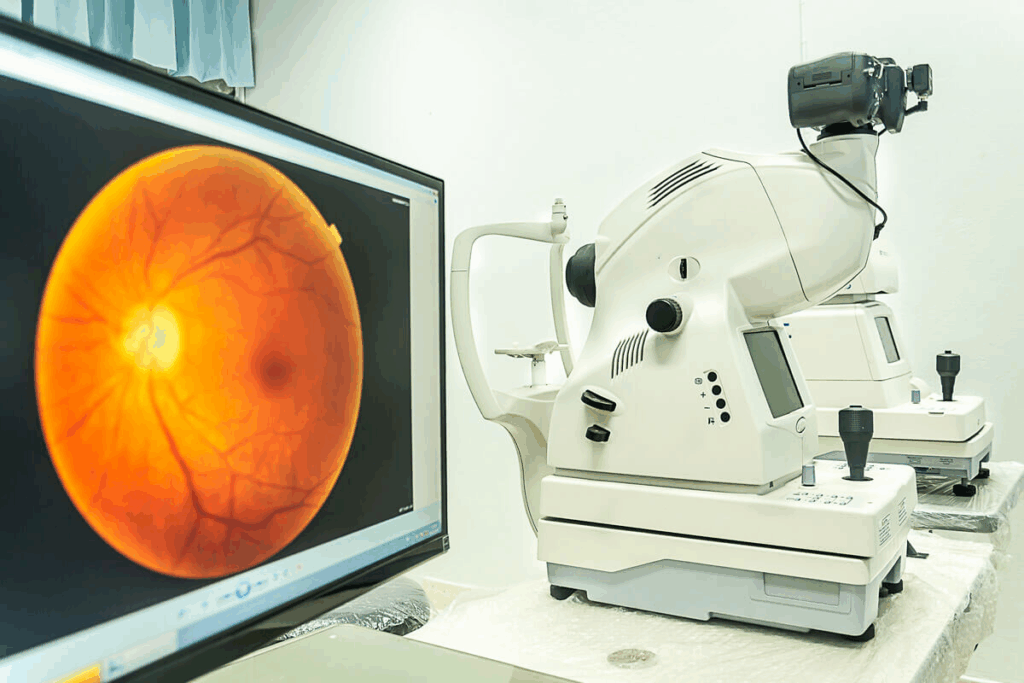
The eye’s immune system is different from the body’s overall immune response. The body’s immune system fights off many pathogens and substances. But the eye’s immune system focuses on protecting the eye’s delicate parts and keeping vision clear.
The eye has a special ability called “immune privilege.” This means it limits immune responses to protect its sensitive tissues. It does this with specialized immune cells and anti-inflammatory cytokines.
Unique Characteristics of Ocular Immunity
Ocular immunity has special traits that make it different from systemic immunity. These include:
- The eye has blood-ocular barriers that keep systemic immune cells and molecules out.
- The eye makes anti-inflammatory cytokines to keep it non-inflammatory.
- The eye has tolerogenic antigen-presenting cells that help it stay tolerant, not immune.
These traits help the eye keep its immune system balanced. They prevent too much inflammation that could harm the eye’s delicate tissues.
Specialized Cells and Molecules
The eye’s immune system uses specialized cells and molecules made for its unique environment. For example, the cornea has resident dendritic cells that start immune responses. The eye also makes various cytokines and chemokines to control immune responses and keep tissues healthy.
Some important cells and molecules in ocular immunity are:
- Macrophages that remove pathogens and debris from the eye.
- T regulatory cells that help prevent autoimmune responses.
- Complement proteins that help get rid of pathogens from the eye.
These specialized cells and molecules work together to protect the eye from harm. They keep its delicate structures safe.
Protective Barriers: The First Line of Defense
The eye has several protective barriers that are key to its immune defense. These barriers help keep the eye safe and vision clear. They block harmful invaders and prevent inflammation, protecting the eye’s special immune status.
The Blood-Retinal Barrier
The blood-retinal barrier is a special wall that keeps the retina safe from the blood. It’s made of tight connections between cells, controlling what can pass through. This barrier is vital for the eye’s immune protection, keeping immune cells and big molecules out.
The blood-retinal barrier is key to avoiding retinal damage and keeping vision sharp. If it breaks down, it can cause swelling, inflammation, and serious vision loss.
Blood-Aqueous Barrier
The blood-aqueous barrier works like the blood-retinal barrier, controlling what moves between the blood and the aqueous humor. It’s made of tight cell connections in the iris and ciliary body. This barrier keeps the aqueous humor clear and safe from harmful substances.
The blood-aqueous barrier is important for the eye’s immune balance. It helps keep the aqueous humor free from pathogens and too many immune cells, supporting the eye’s immune status.
Absence of Lymphatic Drainage
The eye doesn’t have a lymphatic system, which is a big part of its immune privilege. The lymphatic system helps start immune responses by moving antigens and immune cells. Without it, the eye is less likely to have an immune response, protecting it from inflammation and damage.
“The absence of lymphatic drainage in the eye contributes significantly to its immune privilege, reducing the risk of inflammatory responses.”
In summary, the eye’s protective barriers, like the blood-retinal and blood-aqueous barriers, and the lack of lymphatic drainage, work together. They are essential for keeping the eye safe from invaders, reducing inflammation, and protecting vision.
Immunosuppressive Environment of the Eye
The eye has a special way to keep vision clear and prevent damage from the immune system. This is thanks to its unique environment. It’s made up of special fluids and anti-inflammatory helpers.
Composition of Ocular Fluids
Ocular fluids, like aqueous and vitreous humor, are key to this environment. They have anti-inflammatory and immunosuppressive molecules. These help control the immune response.
The aqueous humor, for example, has transforming growth factor-beta (TGF-β) and other cytokines. These help keep the eye’s immune system in check. The vitreous humor also has these factors, helping to protect the eye.
Anti-Inflammatory Cytokines and Factors
Anti-inflammatory cytokines are vital for the eye’s immune protection. TGF-β, interleukin-10 (IL-10), and others help reduce inflammation. They also support the eye’s tolerance to immune responses.
These cytokines not only fight inflammation but also help create regulatory T cells. These cells add to the eye’s immune protection.
Regulation of Complement System
The complement system is a part of the immune response that needs careful control. The eye has ways to manage this system. It prevents inflammation and damage to its tissues.
Complement inhibitors in ocular tissues help control the complement system. They keep it from causing harm. This is how the eye maintains its immune-protective environment.
Component | Function | Effect on Immune Response |
TGF-β | Suppresses inflammation | Reduces immune response |
IL-10 | Anti-inflammatory cytokine | Promotes tolerance |
Complement Inhibitors | Regulates complement system | Prevents damage from complement activation |
Tissue-Resident Memory T Cells in Ocular Immunity
Recent studies have shown how important tissue-resident memory T cells are for eye health. They help protect the eye from infections and keep the immune system balanced.
Recent Discoveries Through Intravital Imaging
Intravital imaging has changed how we see tissue-resident memory T cells in the eye. This method lets researchers watch these cells live, giving us insights into their role in the eye.
Studies using this imaging show that these T cells move a lot. They patrol the cornea, helping to spot and fight off pathogens early.
Patrolling Mechanisms in the Cornea
The cornea is the eye’s outer layer and faces many pathogens. Tissue-resident memory T cells in the cornea are key to its defense. They move around, ready to act if needed.
By moving through the cornea, these T cells can find and fight off threats. This keeps the cornea safe and strong.
Communication with Other Immune Components
Tissue-resident memory T cells don’t work alone. They talk to other immune cells to make sure the eye is protected. This teamwork is essential for the eye’s immune health.
They work with dendritic cells and macrophages to boost the immune response. This can lead to more immune cells being called to fight off infections.
Function | Description | Importance |
Patrolling | Tissue-resident memory T cells survey the corneal tissue for pathogens. | Essential for early detection and response to infections. |
Communication | Interaction with other immune cells to coordinate an immune response. | Critical for effective immunity and preventing excessive inflammation. |
Immune Homeostasis | Maintenance of a balanced immune response to prevent damage to the eye. | Vital for preserving vision and ocular health. |
As we learn more about tissue-resident memory T cells, it’s clear they are vital for eye protection. Their ability to patrol and communicate with other immune cells is key to the eye’s defense.
Anterior Chamber-Associated Immune Deviation (ACAID)
The eye’s immune system has a special way called Anterior Chamber-Associated Immune Deviation (ACAID). It helps keep the eye healthy. ACAID is a complex process that makes the eye tolerate certain antigens.
Tolerance Induction Mechanism
ACAID works by moving antigen-presenting cells from the eye to the spleen and thymus. There, they help the body not react too strongly to certain substances. This is key to avoiding eye diseases.
When substances enter the eye’s front chamber, they are caught by special cells. These cells then go to the spleen. There, they help T cells not to overreact, keeping the body calm.
Migration of Antigen-Presenting Cells
The movement of antigen-presenting cells from the eye to the spleen is vital. The eye’s design and special chemicals help guide these cells. This ensures they reach their destination correctly.
In the spleen, these cells show the substances to T cells in a way that promotes calmness. This calmness is due to the production of anti-inflammatory chemicals and the suppression of inflammation.
Role of Spleen and Thymus in Eye Immunity
The spleen and thymus are key players in ACAID. The spleen is where antigen-presenting cells teach T cells to be calm. The thymus helps by removing T cells that might attack the body’s own cells, including those in the eye.
Together, the spleen and thymus keep the immune system from attacking the eye. This prevents diseases that could harm vision.
When the Eye Immune System Malfunctions
The eye’s immune system is delicate and important. When it gets out of balance, big problems can happen. The eye’s immune privilege helps protect it but can also make it vulnerable to certain issues when the immune system goes wrong.
Autoimmune Disorders Affecting the Eyes
Autoimmune disorders happen when the body’s immune system attacks its own tissues. In the eye, this can cause uveitis and autoimmune retinopathy. These conditions can lead to severe inflammation and vision loss if not treated right.
It’s key to understand these conditions to find good treatments. For example, symptoms of uveitis include eye pain, light sensitivity, and blurred vision. These symptoms need quick medical help.
Autoimmune Disorder | Symptoms | Treatment Approaches |
Uveitis | Eye pain, sensitivity to light, blurred vision | Corticosteroids, immunosuppressive drugs |
Autoimmune Retinopathy | Vision loss, night blindness, visual field defects | Immunosuppressive therapy, management of associated autoimmune diseases |
Infection-Related Immune Responses
Infections can cause immune responses in the eye, leading to inflammation and damage. Endophthalmitis is a severe case where an eye infection can cause quick vision loss if not treated fast.
Managing infection-related immune responses means finding the cause and treating it with the right medicine. Sometimes, treatments to reduce inflammation are also needed to prevent damage.
Trauma and Inflammatory Consequences
Trauma to the eye can break the immune privilege and cause inflammation. Sympathetic ophthalmia is a rare but serious condition. It happens when trauma to one eye causes inflammation in the other, potentially leading to vision loss in both eyes.
It’s important to understand the inflammatory effects of trauma to prevent vision loss. This includes treating the injury quickly and watching for signs of sympathetic ophthalmia.
Clinical Applications and Therapeutic Approaches
Advances in ocular immunology have led to new ways to treat eye disorders. Our understanding of the eye’s immune system has changed how doctors treat patients. This has led to more effective treatments.
Corneal Transplantation Success
The eye’s immune-privileged status helps corneal transplants succeed. Immunomodulatory therapies are key in keeping this privilege. They help lower the chance of graft rejection.
We’ve seen big improvements in patient results thanks to better immune management during transplants.
Immunomodulatory Treatments for Eye Disorders
Immunomodulatory treatments are vital for eye disorders like uveitis. They aim to control the immune response, reducing inflammation. Corticosteroids and other drugs are used to help patients with severe inflammation.
Emerging Therapies Targeting Ocular Immunity
Research into the eye’s immune system is uncovering new targets for treatment. New therapies, like biologic agents and gene therapies, are promising. They aim for more precise and effective treatments with fewer side effects.
As we learn more about ocular immunity, we’ll find more treatments. The future of ophthalmology is bright, with ongoing research leading to new treatments and better care.
Conclusion: Balancing Protection and Vision Preservation
The eye’s immune system is very complex. It protects the eye’s delicate parts while keeping our vision clear. We’ve looked at how the eye’s immune system works, including its unique features.
Knowing about the eye’s immune system helps us see how it keeps the eye safe and vision clear. This balance is key to keeping the eye healthy. If this balance is off, it can cause eye problems.
By understanding this balance, we can find better ways to treat eye issues. Studying the eye’s immune system helps us manage autoimmune diseases, infections, and inflammation from injuries. This leads to better care for patients.
As we learn more about the eye’s immune system, we can create new treatments. These treatments will help protect vision and keep the eyes healthy.
FAQ
Do eyes have their own immune system?
Yes, the eyes have a special immune system called ocular immune privilege. It protects vision and prevents too much inflammation.
What is ocular immune privilege?
Ocular immune privilege means the eye’s immune system is controlled. This prevents too much inflammation, keeping vision safe.
How does the eye’s immune system differ from systemic immunity?
The eye’s immune system has special cells and molecules. They work together to keep the eye healthy, unlike the body’s immune system.
What are the protective barriers of the eye’s immune system?
The eye has barriers like the blood-retinal and blood-aqueous barriers. These stop pathogens and reduce inflammation risk.
What is the role of immunosuppressive factors in the eye?
Immunosuppressive factors, like anti-inflammatory cytokines, help control the immune response. They protect the eye from damage.
What is ACAID, and how does it work?
ACAID, or Anterior Chamber-Associated Immune Deviation, helps the eye stay healthy. It promotes tolerance by moving immune cells to the spleen and thymus.
What happens when the eye’s immune system malfunctions?
If the eye’s immune system fails, it can cause eye diseases. This can lead to vision loss if not treated.
How has understanding the eye’s immune system led to clinical applications?
Knowing about the eye’s immune system has helped in corneal transplants and treatments for eye diseases. It offers new hope for eye care.
Why is the balance between protection and vision preservation important?
Keeping the eye safe while preserving vision is key. It helps in finding effective treatments for eye diseases.
Does the eye have a separate immune system?
Yes, the eye has its own immune system. It’s different from the body’s immune system and protects the eye.
Why does the immune system attack the eyes?
Sometimes, the immune system attacks the eyes due to autoimmune diseases. This disrupts the eye’s immune balance.
What is the role of tissue-resident memory T cells in ocular immunity?
Tissue-resident memory T cells are important in the eye. They help keep the eye’s immune system in balance.
How do ocular fluids contribute to the immunosuppressive environment of the eye?
Ocular fluids have factors that help suppress the immune response. This protects the eye from damage.
References
National Center for Biotechnology Information. Evidence-Based Medical Guidance. Retrieved from https://www.ncbi.nlm.nih.gov/pmc/articles/PMC4698145/



 Departments
 Related Videos
 Our Doctors
 News
News