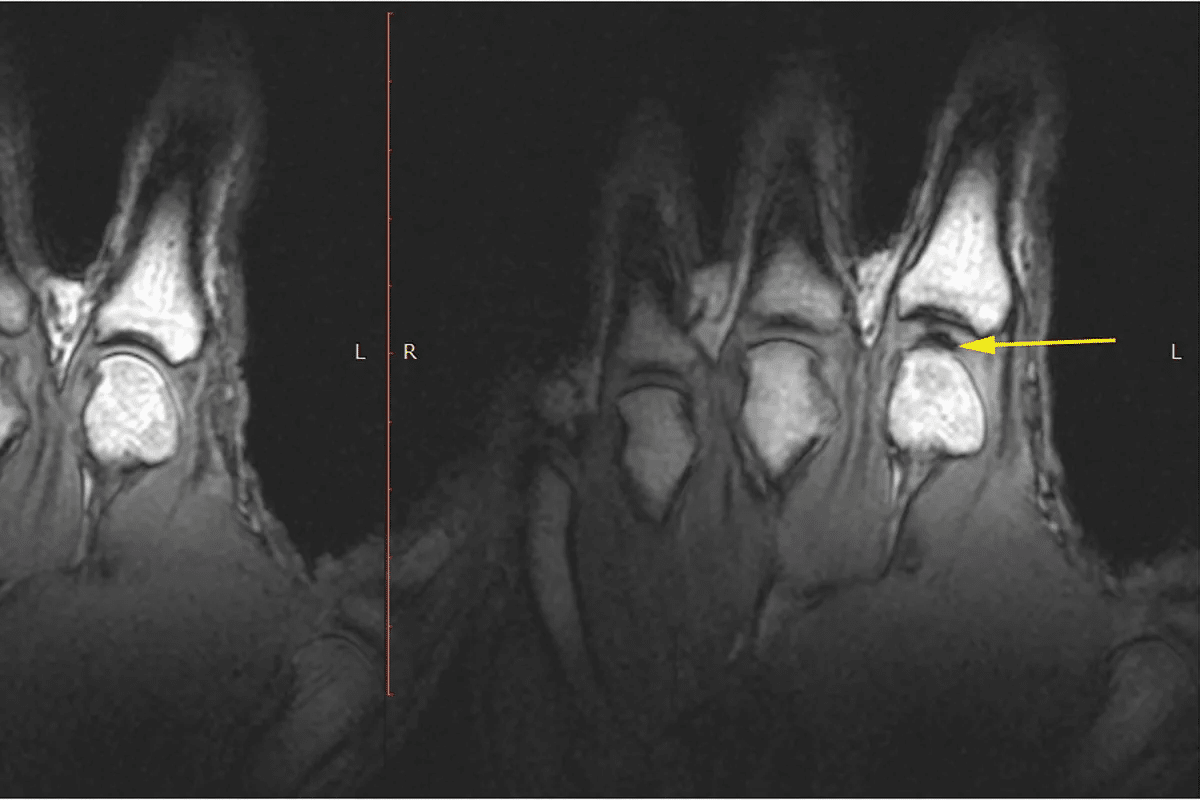
Answering does an mri show arthritis (yes, especially soft tissue/early changes) and explaining its diagnostic role.
If you’re dealing with ongoing joint pain, you might wonder if an MRI scan can pinpoint arthritis. The truth is, MRI technology is a top-notch tool. It shows joint details and inflammation that X-rays can’t.
At Liv Hospital, we use the latest MRI technology and proven diagnostic methods. This helps us give patients a clear arthritis diagnosis. Our goal is to catch the disease early and track it closely, which is key to managing it well.
Key Takeaways
- MRI is a valuable diagnostic tool for detecting arthritis.
- It provides detailed images of joint structures and inflammation.
- Liv Hospital uses cutting-edge MRI technology for accurate diagnosis.
- Early detection and monitoring are key for managing arthritis effectively.
- MRI scans help track how arthritis progresses.
Understanding MRI Technology and Its Role in Medical Imaging
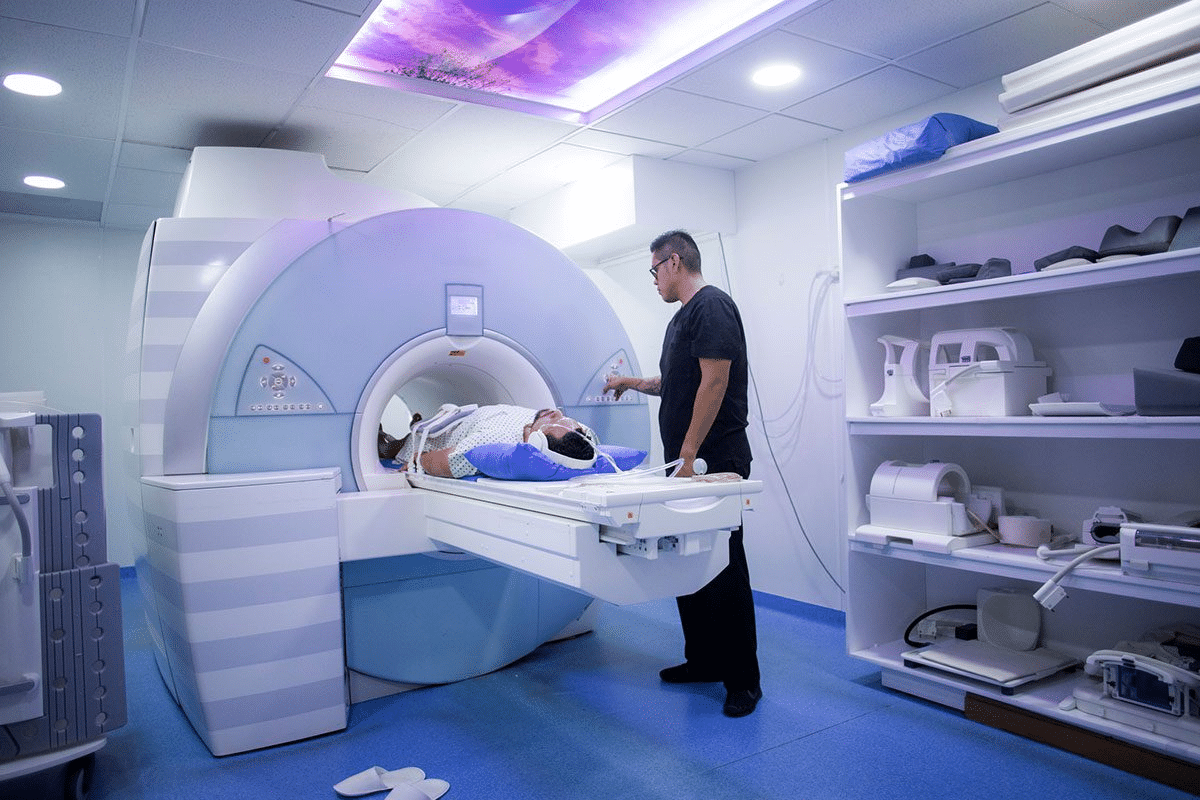
We use MRI technology to see inside the body, focusing on joints and arthritis. MRI is key in medical imaging. It lets us see soft tissues, bones, and joints without surgery.
How MRI Works: The Basics
MRI machines use a strong magnetic field and radio waves. They create detailed images of the body’s inside. This is great for checking joint health, showing soft tissue changes before bone damage.
The process involves:
- Aligning hydrogen atoms in the body using a strong magnetic field.
- Using radio waves to disturb these aligned atoms, creating signals that are then captured by the MRI machine.
- Processing these signals into highly detailed images of the body’s internal structures.
Advantages of MRI Over Other Imaging Techniques
MRI has many benefits over other imaging methods, like checking joints and arthritis. Some key advantages are:
- High-resolution imaging of soft tissues: MRI shows bone, cartilage, and other joint tissues clearly.
- Early detection of arthritis: MRI spots soft tissue changes before bone damage, helping treat arthritis early.
- Non-invasive: MRI is safe, avoiding risks of more invasive tests.
Types of MRI Scans Used for Joint Assessment
There are different MRI scans for checking joint health. Each has its own use:
- Conventional MRI: Shows detailed images of joint structures like cartilage and tendons.
- Contrast-enhanced MRI: Highlights inflammation or specific conditions in the joint with a contrast agent.
- Functional MRI: Looks at how joints move and blood flows.
Knowing how MRI works helps doctors better diagnose and treat arthritis. This improves patient care.
Does an MRI Show Arthritis? Exploring Detection Capabilities
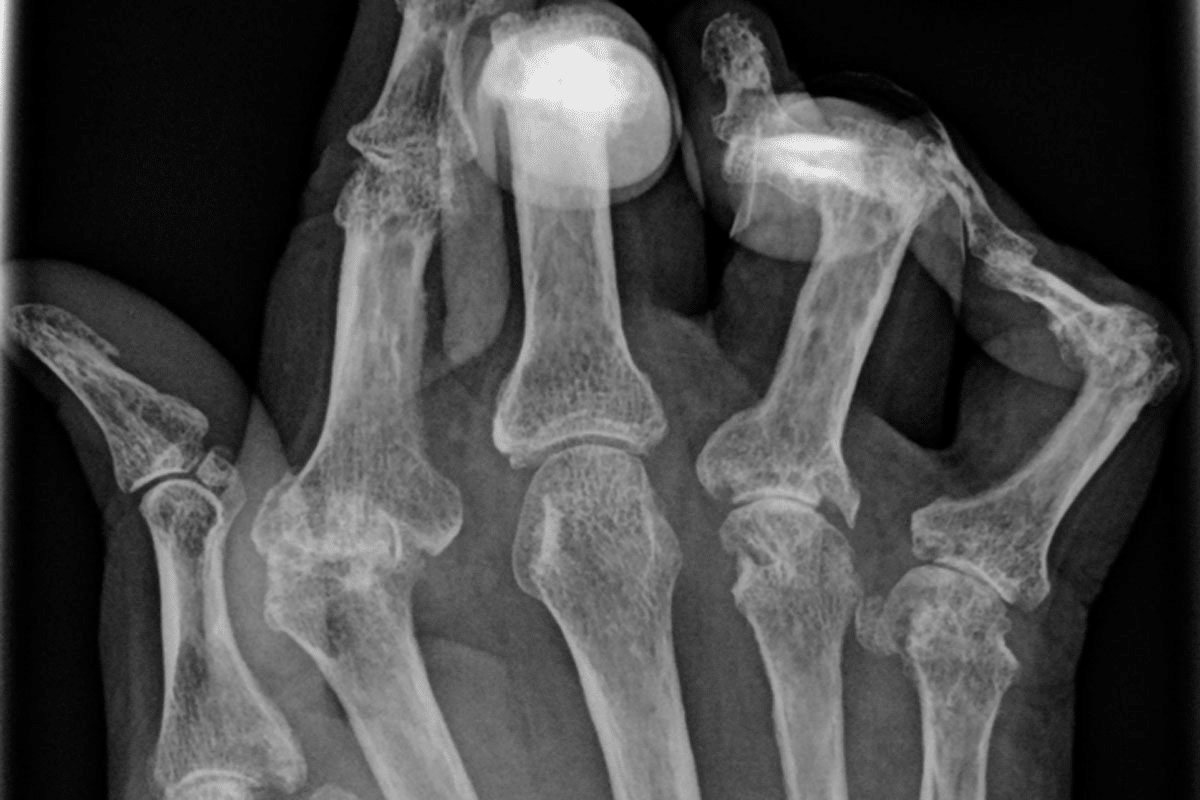
Many people wonder if an MRI can spot arthritis. We’ll look into MRI’s ability to find arthritis. This includes how well it works, its accuracy, and more.
MRI Sensitivity for Arthritis Detection
MRI is great at catching early signs of arthritis. It can spot bone damage and swelling in the bone marrow. MRI is better than X-rays or CT scans at finding these signs early.
Studies show MRI’s sensitivity for arthritis is around 61 percent. This means it’s pretty good at finding arthritis, but not perfect.
Specificity Rates and Diagnostic Accuracy
But MRI’s specificity for arthritis is even better. It’s about 82 percent accurate. This means MRI is very good at saying who doesn’t have arthritis.
This helps avoid unnecessary treatments. It’s a big plus for patients.
Research Findings on MRI Effectiveness
Many studies have looked at MRI’s role in arthritis diagnosis. They all agree: MRI is a key tool for spotting arthritis early. It helps doctors start treatment sooner, which can lead to better results for patients.
Research also shows MRI’s strengths over other tests. For example, MRI is better at seeing soft tissue damage. This is important for diagnosing arthritis.
What Arthritis Features Can MRI Detect?
MRI technology has changed how we diagnose arthritis. It gives us detailed images of joint structures. This helps us spot arthritis early and keep track of it.
Visualization of Bone, Cartilage, and Synovial Inflammation
MRI is great for seeing bone, cartilage, and inflammation clearly. It can spot cartilage loss, inflammation, and other joint problems. MRI scans show how much cartilage is damaged, which helps us understand how severe arthritis is.
A study in the Journal of Rheumatology showed MRI can predict joint damage in rheumatoid arthritis. This makes MRI key for tracking disease and making treatment plans.
Detection of Bone Marrow Edema
Bone marrow edema is another important sign MRI can find. It’s inflammation in the bone marrow, linked to pain and swelling. MRI is very good at spotting bone marrow changes, helping us catch edema early.
|
Feature |
Description |
Clinical Significance |
|---|---|---|
|
Bone Marrow Edema |
Inflammation within the bone marrow |
Associated with pain and swelling |
|
Cartilage Loss |
Degradation of cartilage in joints |
Indicative of arthritis progression |
|
Synovial Inflammation |
Inflammation of the synovial membrane |
Common in rheumatoid arthritis |
Early Signs of Arthritis Visible on MRI
MRI can spot early signs of arthritis, even before symptoms are bad. It can find joint swelling, tendonitis, and early damage. Finding these signs early lets doctors start treatment quickly, which can slow the disease.
“MRI has become an essential tool in the diagnosis and management of arthritis, providing unparalleled insights into joint pathology.” – Medical Expert, Rheumatologist
Using MRI, we can understand arthritis better and make better treatment plans. MRI’s detailed images help us track the disease and adjust treatments. This improves how well patients do.
MRI for Different Types of Arthritis
MRI technology is key in diagnosing arthritis, giving us detailed views of joint health. It helps us see how much damage and inflammation there is. This info is vital for making treatment plans.
Rheumatoid Arthritis Detection
Rheumatoid arthritis (RA) mainly affects the joints and is chronic. MRI is great for checking RA, spotting synovitis, tenosynovitis, and bone marrow edema. These signs are important for diagnosing RA.
Studies show MRI catches these signs in 39% of early arthritis and 68% of RA cases. This makes MRI very good at finding RA.
Osteoarthritis Imaging
Osteoarthritis (OA) is the most common arthritis, caused by cartilage breakdown in joints. MRI shows OA well, including cartilage loss and bone spurs. This helps us understand how severe OA is and what treatment to use.
Psoriatic and Other Inflammatory Arthritis
Psoriatic arthritis (PsA) is linked to psoriasis and is inflammatory. MRI can spot inflammation and damage in PsA. It also helps with other inflammatory arthritis, like ankylosing spondylitis, by showing spine and joint changes.
Using MRI, we can better understand arthritis types. This helps us create more focused treatments to help patients.
Early Detection Benefits: How MRI Reveals Arthritis Before Symptoms Worsen
MRI technology has changed how we find arthritis early. This is key for managing the disease well. MRI helps a lot in this early detection.
Detecting Bone Erosions Up to Two Years Earlier Than X-rays
MRI finds bone damage in arthritis much sooner than X-rays do. Research shows MRI spots these changes up to two years before X-rays can. This early catch lets doctors start treatments sooner.
Spotting bone damage early is very important. It means doctors can start strong treatments early. This can stop the disease from getting worse.
Identifying Early Inflammatory Changes
MRI is great at finding early signs of inflammation in joints. This is a key sign of arthritis. Finding these signs early helps doctors catch the disease before it causes a lot of damage.
Seeing inflammation and damage in soft tissues is a big help. MRI gives a full view of the joint. This helps doctors understand how bad the disease is and plan the best treatment.
Monitoring Disease Progression
MRI is also key for tracking how arthritis changes over time. Regular scans help doctors see if treatments are working. They can then change the treatment if needed.
This ongoing check-up is vital for the best treatment. MRI helps tailor care to each patient’s needs. This ensures patients get the best care possible.
Comparing MRI to Other Arthritis Diagnostic Methods
MRI is key in diagnosing arthritis. But how does it stack up against other imaging methods? Doctors often use different imaging techniques to check for arthritis. Each method has its own strengths and weaknesses.
MRI vs. Conventional Radiographs (X-rays)
X-rays have been used for years to check bones and joints in arthritis patients. But they don’t show soft tissues well. MRI, on the other hand, is great at showing soft tissues like cartilage and ligaments. This is important because soft tissue changes often happen before bone damage.
MRI can spot inflammation and cartilage wear early. This early detection helps doctors act fast, which can slow down the disease.
|
Imaging Modality |
Soft Tissue Visualization |
Bone Detail |
Early Arthritis Detection |
|---|---|---|---|
|
X-rays |
Limited |
Excellent |
Limited |
|
MRI |
Excellent |
Good |
Excellent |
MRI vs. CT Scans for Joint Imaging
CT scans show bones well and are good for finding bone damage in arthritis. But they don’t show soft tissues as well as MRI. MRI can see both bone marrow edema and soft tissue inflammation, making it a better tool for arthritis.
CT scans are faster and easier to get than MRI. But MRI’s detailed look at soft tissues is key for diagnosing and treating arthritis.
MRI vs. Ultrasound for Arthritis Assessment
Ultrasound is used for arthritis checks and is non-invasive and quick. It can spot inflammation and some bone damage. But it depends on the person doing the scan and can’t see deep joints as well as MRI.
MRI gives a full view of the joint, including deep structures, without needing a skilled operator. This makes MRI great for complex cases or when a detailed look is needed.
In summary, MRI is top for arthritis diagnosis because of its clear soft tissue images and full joint view. Knowing the good and bad of each imaging method helps doctors choose the best test for their patients.
The MRI Procedure for Arthritis Assessment
Understanding the MRI procedure for arthritis is key. MRI is a safe, noninvasive way to check for arthritis. It plays a big role in diagnosing the condition.
What to Expect During an Arthritis MRI
When you get an MRI for arthritis, you’ll wear a hospital gown. You’ll also remove any items that could get in the way, like jewelry or glasses. The MRI machine is a big, tube-like device with a strong magnet.
Patients lie on a table that moves into the machine. It might seem scary, but our team is there to help. They’ll guide you through the process and keep you safe.
Contrast vs. Non-Contrast MRI for Arthritis
In some cases, a contrast agent is used to make certain areas clearer. This decision depends on what the doctor needs to see. The agent is usually given through an IV and is safe for most people.
Our team decides if you need contrast or not. It helps show more details about the joint, like inflammation.
Duration and Positioning for Joint MRIs
An MRI for arthritis can take anywhere from 40 to 80 minutes. You’ll need to stay very quiet and not move. This helps get clear pictures.
How you’re positioned is important for good images. For example, if you’re getting a knee MRI, your knee will be in a special coil. This lets us see the joint clearly.
|
Joint Being Assessed |
Typical Scan Duration |
Patient Positioning |
|---|---|---|
|
Knee |
30-45 minutes |
Lying on back with knee in coil |
|
Shoulder |
30-45 minutes |
Lying on back with arm at side |
|
Hand/Wrist |
20-40 minutes |
Sitting with arm extended |
Knowing what to expect from an MRI for arthritis helps. Our team is here to make sure you’re comfortable and safe during the test.
Interpreting MRI Results in Arthritis Diagnosis
Understanding MRI results is key in diagnosing arthritis. It shows detailed images of joints and tissues. MRI has changed rheumatology by letting doctors see joint damage and inflammation clearly.
Common MRI Findings in Early Arthritis
In early arthritis, MRI spots important signs. These include:
- Synovial inflammation, seen as enhancement on post-contrast images
- Bone marrow edema, showing active inflammation
- Early cartilage damage, seen as thinning or irregularities
MRI Markers in Established Rheumatoid Arthritis
In rheumatoid arthritis, MRI markers are vital. They help measure disease severity and how it’s changing. Key markers are:
- Bone erosions, showing structural damage
- Tenosynovitis, or inflammation of the tendon sheaths
- Synovitis, or inflammation of the synovial lining
These markers help doctors check if treatment is working. They can change treatment plans if needed.
How Radiologists and Rheumatologists Use MRI Data
Radiologists and rheumatologists work together to understand MRI data. They use it to make treatment plans and track disease changes. We use MRI data to:
- Confirm or rule out arthritis
- Assess disease severity and extent
- Guide treatment decisions, like using DMARDs
- Monitor treatment response over time
Together, radiologists and rheumatologists offer full care for arthritis patients.
Limitations of MRI in Arthritis Diagnosis
MRI is a powerful tool for diagnosing arthritis, but it has its limits. It can spot bone marrow edema and synovial inflammation well. Yet, several factors can affect its effectiveness.
When MRI Might Miss Arthritis
MRI is not perfect. It might miss early signs of arthritis or certain changes. For example, very early erosive changes can be hard to see, even with high-resolution scans.
The quality of the MRI scan and the radiologist’s skill are key. Differences in scanner quality and radiologist experience can affect how accurately arthritis is detected.
Cost and Accessibility Considerations
MRI scans are pricey, making them less accessible to some. This is a big issue in areas with limited healthcare resources.
Not all places have MRI machines, and even fewer have the high-field strength needed for detailed images. This can lead to long waits or travel for patients.
Contraindications for MRI Scans
MRI scans aren’t for everyone. Certain implants and metal fragments can be a problem. Claustrophobia also makes MRI scans tough for some.
Pregnant women, specially in the first trimester, are often advised against MRI scans. This is due to concerns about the effects of strong magnetic fields on the fetus.
In summary, MRI is very useful for arthritis diagnosis but has its limits. Knowing these can help healthcare providers make better decisions about MRI use and results.
Conclusion: The Value of MRI in Arthritis Diagnosis and Management
MRI is key in finding and treating arthritis early. It gives detailed info on joint health. This helps doctors treat patients better and faster.
Many ask if MRI can spot arthritis. The answer is yes. MRI scans can find different types of arthritis. This makes MRI a big help in diagnosing.
Can MRI catch arthritis early? Yes, it can. MRI shows signs of arthritis before symptoms get bad. It shows bone, cartilage, and inflammation clearly. This helps doctors understand how severe arthritis is.
MRI has changed how we deal with arthritis. It lets doctors track the disease and change treatments as needed. As medical tech gets better, MRI’s role in fighting arthritis will grow. This will make life better for people with arthritis all over the world.
FAQ
Does an MRI show arthritis?
Yes, MRI is very good at showing arthritis. It can spot rheumatoid, osteoarthritis, and psoriatic arthritis. It does this by showing detailed images of joints and inflammation.
Will arthritis show up on an MRI?
Arthritis can be seen on an MRI. It looks for changes in bone, cartilage, and soft tissues. It also checks for inflammation and joint damage.
Can an MRI scan detect arthritis?
Yes, MRI scans can find arthritis early. They look for signs like bone marrow edema, synovial inflammation, and cartilage breakdown.
What type of MRI is best for arthritis?
For arthritis, a high-field MRI is best. It uses special sequences to show soft tissue and inflammation, like T2-weighted or STIR images.
How accurate is MRI in diagnosing arthritis?
MRI is very accurate for arthritis diagnosis. It works best when used with clinical evaluation and other tests. It shows detailed images of joints and inflammation.
Can MRI detect early signs of arthritis?
Yes, MRI can spot early arthritis signs. It looks for bone erosions, synovial inflammation, and cartilage changes. These signs are often seen before symptoms appear.
Is MRI better than X-ray for diagnosing arthritis?
MRI is more sensitive than X-ray for arthritis. It can see soft tissue changes and early joint damage that X-rays miss.
What are the limitations of using MRI for arthritis diagnosis?
MRI has some limits. It’s expensive, not always available, and not safe for everyone. This includes those with metal implants or claustrophobia.
How do I prepare for an MRI for arthritis?
To get ready for an MRI, tell your doctor about metal implants, claustrophobia, or other conditions. Follow any specific instructions they give you.
What can I expect during an MRI procedure for arthritis?
During the MRI, you’ll lie on a table that slides into the machine. It will take images of your joints. You might get a contrast agent to make the images clearer. The whole process usually takes 15 to 60 minutes.
How are MRI results used in arthritis diagnosis and treatment?
MRI results help doctors diagnose arthritis. They also track how the disease is progressing. This information helps decide on treatments, like DMARDs or biologic agents.
References
Government Health Resource. Evidence-Based Medical Guidance. Retrieved fromhttps://www.rheumatology.org/Practice-Quality/Clinical-Support/Clinical-Practice-Guidelines/Rheumatoid-Arthritis-Diagnosis-and-Management



 Departments
 Related Videos
 Our Doctors
 News
News