Did you know that nearly 1 in 5 people in the United States will get a skin fungus infection? These infections can be uncomfortable, unsightly, and sometimes painful. Many wonder if they will ever truly go away.fungiLower back cramps when lying down: A critical sign?
Dealing with a persistent skin issue can be frustrating and concerning. The good news is that with the right treatment and management, you can get rid of skin fungus. You can also prevent it from coming back.
In this article, we will dive into the details of skin fungus infections. We will look at what causes them and how to get rid of them effectively.
Key Takeaways
- Skin fungus infections are common and can be treated with the right approach.
- Understanding the causes and risk factors is key for effective management.
- Proper hygiene and preventive measures can help prevent future occurrences.
- Various treatment options are available, including topical and oral medications.
- Consulting a healthcare professional is essential for accurate diagnosis and treatment.
Understanding Skin Fungi
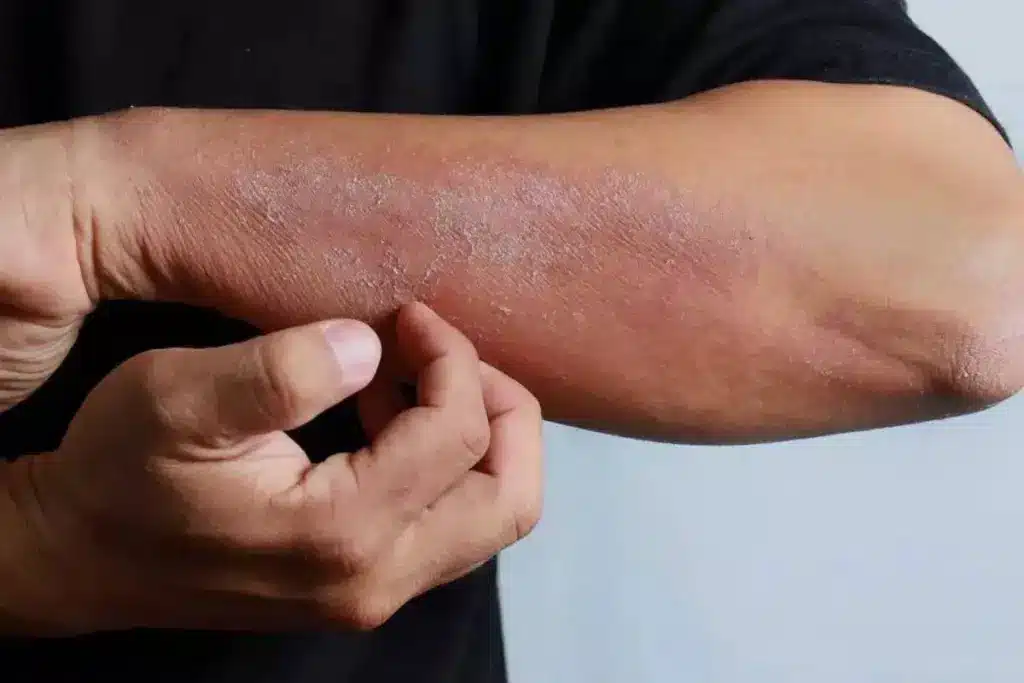
It’s important to know about skin fungi to deal with their discomfort and health problems. Fungi are everywhere in our world. Some can make our skin sick, causing many symptoms.
What Are Fungi?
Fungi are not plants or animals. They get their food by breaking down organic stuff or living with other organisms. Skin fungi like warm, wet places, making some body parts more likely to get infected.
Types of Skin Fungi
There are many kinds of fungi that can infect our skin. Dermatophytes, yeasts, and molds are some examples. Dermatophytes cause athlete’s foot and ringworm. Yeasts, like Candida, often infect moist areas.
|
Type of Fungus |
Common Infections |
Typical Locations |
|---|---|---|
|
Dermatophytes |
Athlete’s foot, ringworm |
Feet, groin, body |
|
Yeasts (e.g., Candida) |
Candidiasis |
Moist areas (armpits, groin) |
|
Molds |
Onychomycosis (nail fungus) |
Nails |
How Skin Fungi Affect the Skin
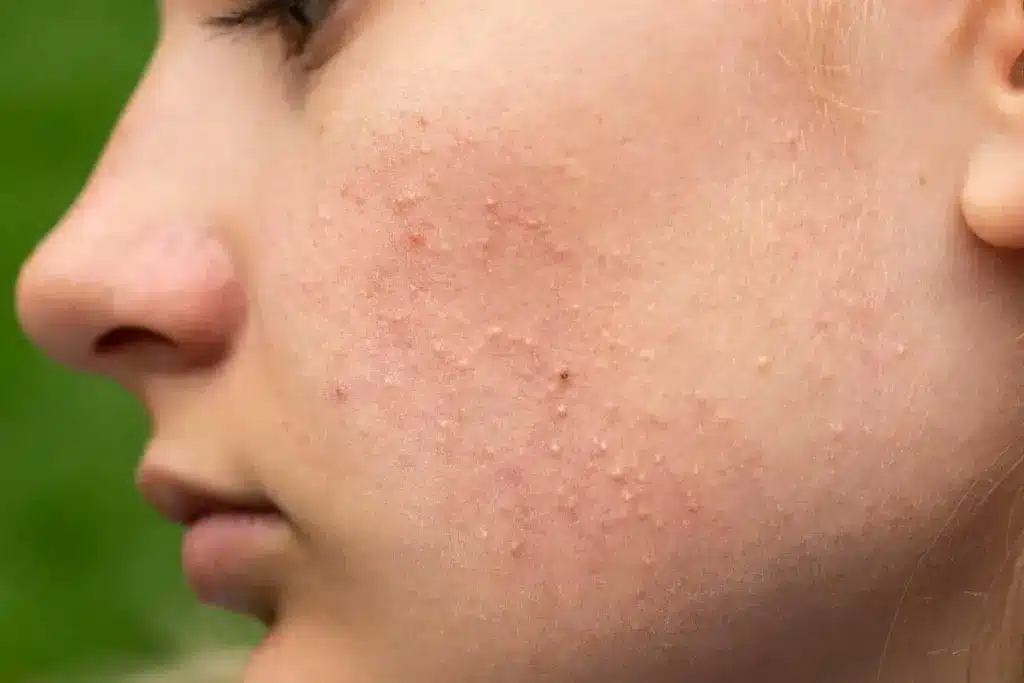
Skin fungi can make our skin itch, turn red, and flake. They can also cause blisters or cracks. How bad it gets depends on the fungus, where it is, and our health.
Knowing about skin fungi and how they infect us is key to treating and preventing them. By understanding the different fungi and their effects, we can protect our skin and get the right medical help.
Common Types of Skin Fungal Infections
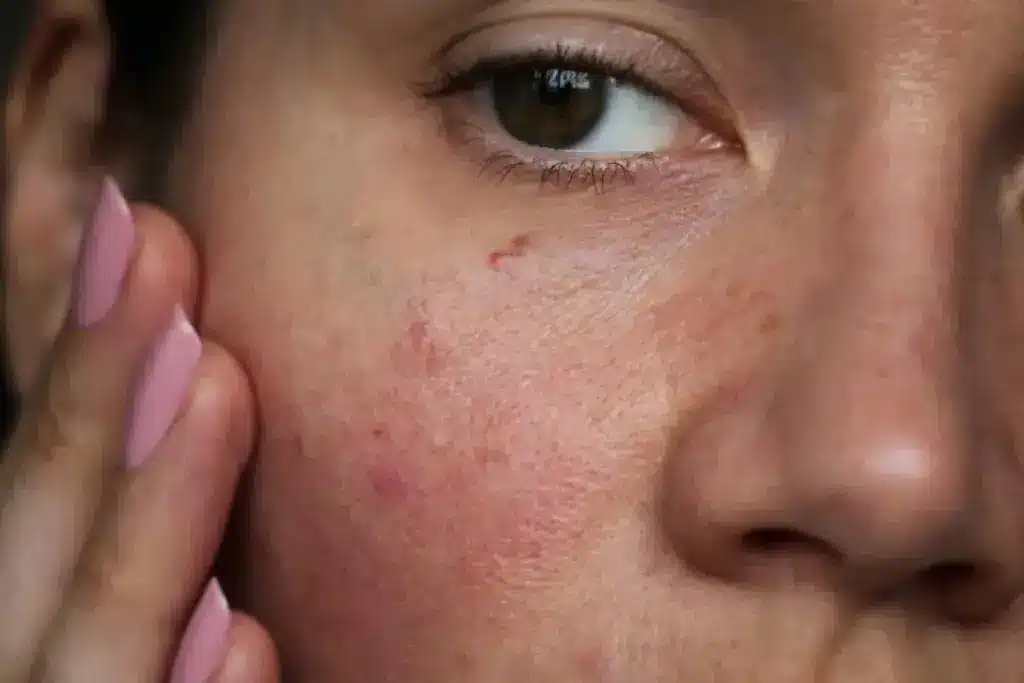
We see many types of skin fungal infections every day. Some are more common than others. These infections can make us uncomfortable and affect our daily lives. Let’s look at the most common ones, like athlete’s foot, ringworm, and nail fungus.
Athlete’s Foot
Athlete’s foot, or tinea pedis, is a fungal infection of the feet. It likes warm, moist places, so it’s common in athletes and those who wear tight shoes. Symptoms include itching, burning, and skin cracks, often between the toes.
To fight athlete’s foot, keep your feet clean, wear breathable shoes, and use antifungal treatments. Use over-the-counter creams or powders with clotrimazole or terbinafine.
Ringworm
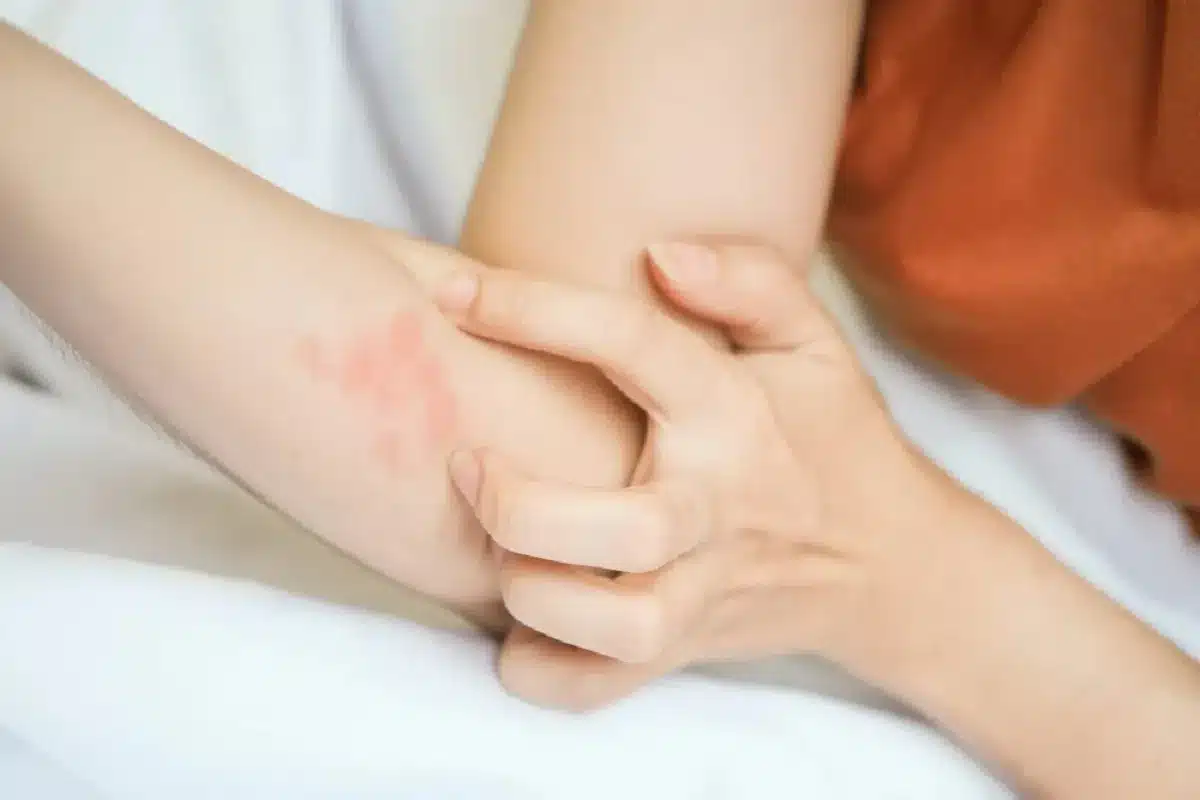
Ringworm, or tinea corporis, is a fungal infection that causes a ring-shaped rash on the body. It’s contagious and spreads through contact with an infected person or object. It can appear anywhere on the body and is often itchy and red.
Looking at ringworm pictures can help you identify it. Treatment usually involves antifungal creams or pills, depending on how bad it is.
Nail Fungus
Nail fungus, or onychomycosis, makes nails discolored, thick, and brittle. It’s hard to treat and often needs both creams and pills. Keeping your nails clean and not sharing tools can prevent it.
In severe cases, nail fungus can cause pain or make it hard to walk. If symptoms don’t get better or get worse, see a doctor.
|
Type of Infection |
Common Symptoms |
Treatment Options |
|---|---|---|
|
Athlete’s Foot |
Itching, burning, cracking between toes |
Antifungal creams, good foot hygiene |
|
Ringworm |
Ring-shaped rash, itching, redness |
Antifungal creams, oral medications |
|
Nail Fungus |
Nail discoloration, thickening, brittleness |
Topical and oral antifungal medications |
Symptoms of Skin Fungal Infections
Skin fungal infections show many symptoms that can really mess up your day. They can make you uncomfortable, change how you look, and get worse if not treated.
Itching and Redness
Persistent itching is a big sign of skin fungal infections, along with redness and swelling. This itching can be mild or very bad and can mess up your daily life and sleep.
- Itching that gets worse over time
- Redness and swelling around the affected area
- Warmth or tenderness to the touch
Scaling and Flaking
Fungal infections can make your skin scaly and flaky. The area might crack or bleed, which is common in athlete’s foot.
- Visible scaling or flaking skin
- Cracking or fissures in the skin
- Dryness or roughness of the skin
Blisters and Cracking
In serious cases, skin fungal infections can cause blisters or cracking of the skin. This can hurt a lot and make you more likely to get other infections.
Key symptoms include:
- Fluid-filled blisters
- Painful cracks or fissures
- Increased sensitivity of the skin
Spotting these signs early can help you get medical help fast. This can lower the chance of serious problems and help you get better sooner.
Causes of Skin Fungal Infections
It’s important to know why skin fungal infections happen. These infections, also known as dermatophytosis, come from many sources. These include environmental factors, how we live and keep clean, and our immune system’s health.
Environmental Factors
Where we live affects our risk of getting skin fungal infections. Warm and humid climates are perfect for fungi to grow. This is why these infections are more common in warm places.
Poor ventilation and high humidity in small spaces also help fungi grow on our skin. Walking barefoot in places like swimming pools and gyms can expose us to fungi. So, it’s key to be careful in these areas.
Lifestyle and Hygiene
Our lifestyle and how we keep clean play a big role in getting skin fungal infections. Poor hygiene can make our skin a perfect place for fungi to grow. Wearing tight or poorly ventilated clothing traps moisture, making it worse.
Sharing things like towels, clothes, or shoes can spread these infections. It’s also important to clean and dry items that might touch infected areas.
Weakened Immune System
People with a weakened immune system are more likely to get skin fungal infections. This includes those with chronic illnesses or on treatments that weaken the immune system. A weak immune system makes it hard to fight off these infections.
Staying healthy, eating well, and exercising can help keep our immune system strong. This can lower our risk of getting fungal infections.
Diagnosing Skin Fungal Infections
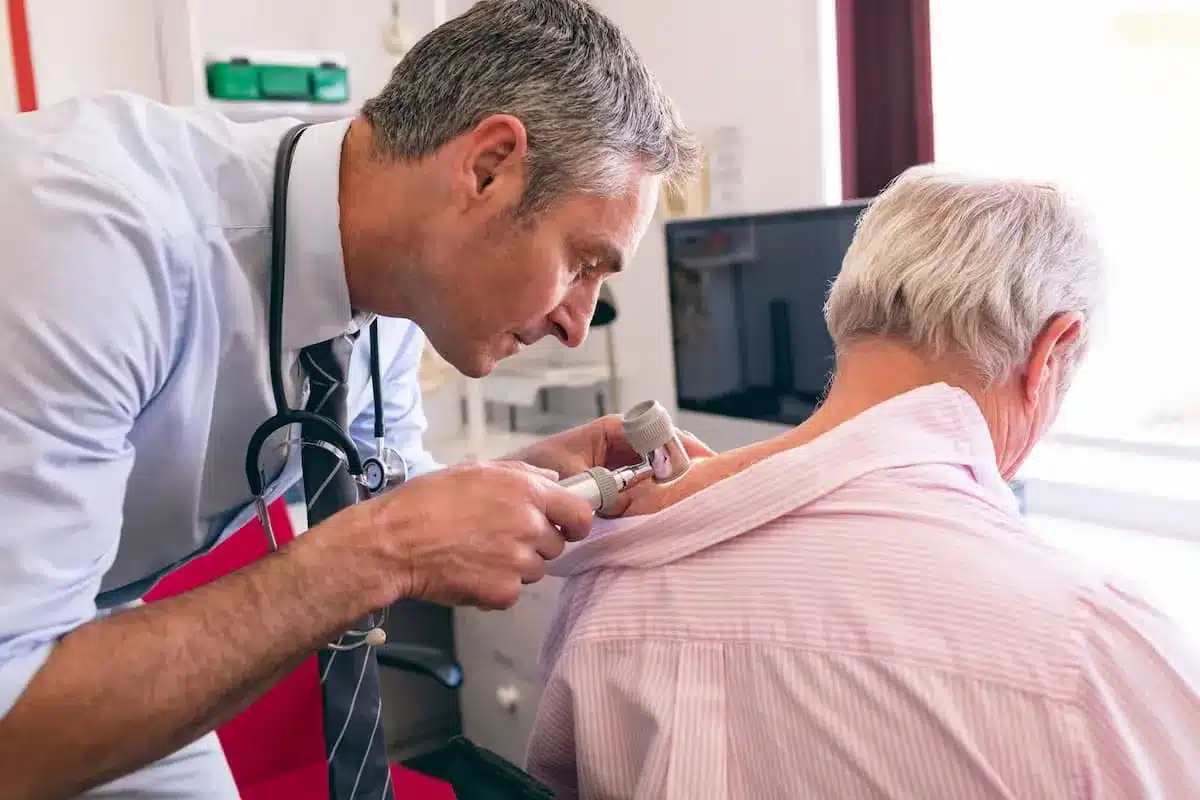
To find out if you have a fungal infection, we use a few steps. First, we do a detailed check to see if you have one and what kind it is. This is key to picking the right treatment.
Clinical Examination
First, we do a clinical check. We look for signs like itching, redness, and flaking. Where the problem is and how it looks helps us guess what it might be.
For example, an athlete’s foot shows up between the toes. Ringworms can pop up anywhere. A good check helps us guess what it is and what tests we need next.
Key factors considered during a clinical examination include:
- The appearance of the affected area
- The location of the infection
- The patient’s symptoms and medical history
Laboratory Tests
Lab tests are often needed to confirm a fungal infection. They help us find out which fungus is causing the problem. Common tests include:
|
Test Type |
Description |
Purpose |
|---|---|---|
|
KOH Test |
A sample is treated with potassium hydroxide (KOH) to dissolve skin cells, making fungal elements more visible under a microscope. |
To identify fungal elements such as hyphae and spores. |
|
Fungal Culture |
A sample is taken from the affected area and grown in a culture medium to identify the specific fungus. |
To determine the exact type of fungus causing the infection. |
|
Microscopic Examination |
A sample is examined under a microscope to directly observe fungal elements. |
To quickly identify fungal infections. |
“Lab tests are key to accurately diagnosing fungal infections. They help us tell different fungi apart and decide on treatment.”
– Expert Opinion
Imaging Studies
Sometimes, we use imaging to see how far the infection has spread. This is more common if it’s in the nails or has spread. X-rays or ultrasound can show how bad it is and what it’s touching.
For nail fungus, imaging helps us see how much of the nail is affected. This helps us decide how to treat it.
By using clinical checks, lab tests, and sometimes imaging, we can accurately diagnose fungal infections. Then, we can plan the best treatment.
Treatment Options for Skin Fungi
Treating skin fungi needs a detailed plan. This plan looks at the infection’s type and how bad it is. It also considers the person’s health. A good approach mixes medical treatments and steps to prevent more problems.
Over-the-Counter Medications
For mild to moderate infections, over-the-counter (OTC) treatments are often used first. These include creams, ointments, and powders with clotrimazole, miconazole, or terbinafine. It’s important to use these as directed and for the full time, usually weeks.
OTC medications have several benefits:
- They’re easy to get without a doctor’s note.
- There are many types, like creams and sprays.
- They work well for mild to moderate infections.
Prescription Antifungal Treatments
If OTC treatments don’t work or the infection is serious, stronger treatments might be needed. These can be stronger creams or pills. Pills, like terbinafine or itraconazole, are good for infections that spread or affect the nails.
When you get prescription treatments, remember to:
- Follow your doctor’s advice exactly.
- Finish the treatment to avoid the infection coming back.
- Watch for side effects and tell your doctor if you notice any.
Home Remedies
There are also home remedies to help with skin fungal infections. Keeping the area clean and dry is key. Wearing breathable clothes and using antifungal powders or sprays can also help. Taking care of your nails is important, too, when you have nail fungus. Using the best nail clippers can stop the infection from spreading and help your nails grow healthy.
“Good nail hygiene is key in fighting fungal infections. Trimming your nails regularly with clean, sharp clippers can lower the risk of problems.”
- A Dermatologist
Combining medical treatments with good hygiene and prevention can help manage skin fungal infections. This approach can also lower the chance of the infection coming back.
Timeframe for Healing from Skin Fungi
Knowing how long it takes to heal from skin fungi is key. It helps manage your expectations and speeds up recovery. The time it takes to see improvements can vary a lot.
Factors Affecting Recovery
Many things can affect how fast you recover from skin fungi. These include the type and severity of the infection, how well the treatment works, and your overall health and hygiene. For example, superficial fungal infections like athlete’s feet might get better quickly. But nail fungus can be harder to treat and take longer.
- The type and severity of the fungal infection
- The effectiveness of the chosen treatment
- Individual health and hygiene practices
- The presence of any underlying health conditions
Typical Duration of Treatment
Treatment for skin fungal infections can last from a few weeks to several months. Mild cases of athlete’s foot might clear up in 2-4 weeks. But nail fungus can take 6-12 months or more to fully go away.
It’s important to be patient and stick to your treatment plan. This will help you get the best results.
When to Expect Improvement
You can start to see symptom improvement in a few weeks after starting treatment. But it’s important to keep going with the treatment to avoid the infection coming back. For some infections, like ringworm, you might see improvement in 1-2 weeks. But for more serious infections or those involving the nails, it might take longer.
To help your recovery, keep the affected area clean and dry. Wear breathable clothes and don’t share personal items. Combining these habits with your treatment will help you recover faster.
Preventing Skin Fungal Infections
To prevent skin fungal infections, it’s important to practice good hygiene and make smart choices about clothing. Managing any skin conditions you have is also key. These steps can help lower your risk of getting a fungal infection.
Personal Hygiene Tips
Good personal hygiene is essential in stopping fungal infections. Keep your skin clean and dry, focusing on areas that get wet like between your toes and in the groin. Washing with soap and water, then drying well, can stop fungi from growing.
Don’t share personal items like towels and razors because fungal infections can spread. Using antifungal soaps or body washes can also protect you.
Clothing and Footwear Choices
The clothes and shoes you wear matter a lot in preventing fungal infections. Choose breathable fabrics like cotton to keep your skin dry. Wearing loose clothes and changing socks often, like after working out, helps too.
For shoes, pick ones made from breathable materials. Wear sandals or flip-flops in public showers. Letting shoes dry completely before wearing them again is also a good idea.
|
Clothing/Footwear Choice |
Benefit |
|---|---|
|
Breathable fabrics |
Reduces moisture, preventing fungal growth |
|
Avoiding tight-fitting clothing |
Improves airflow, reducing sweat accumulation |
|
Regularly changing socks |
Prevents moisture buildup |
Managing Skin Conditions
It’s important to manage any skin conditions you have to prevent fungal infections. Conditions like eczema or psoriasis can make you more likely to get a fungal infection. Work with a healthcare provider to treat these conditions properly.
“Proper skin care and management of underlying conditions are key to preventing fungal infections.” – A Dermatologist
By following these tips, staying clean, choosing the right clothes and shoes, and managing your skin, you can lower your risk of fungal infections.
When to See a Doctor
If you think you have a skin fungal infection, knowing when to see a doctor is key. Mild cases might be treated with over-the-counter products. But, some situations need a doctor’s help.
Worsening Symptoms
If your symptoms get worse, it’s time to visit a doctor. Look out for increased redness, swelling, or the infection spreading. These signs can mean the infection is getting worse and might need urgent care.
For example, if an athlete’s foot spreads to your toenails or hurts, see a doctor. Also, if ringworm doesn’t get better with over-the-counter creams, you should get medical help.
|
Symptom |
Description |
Action |
|---|---|---|
|
Increased Redness |
The affected area becomes more red or inflamed. |
Consult a doctor if redness spreads or worsens. |
|
Swollen Skin |
The skin around the infection becomes swollen. |
Seek medical help if swelling is significant or painful. |
|
Pus or Discharge |
The presence of pus or discharge indicates a possible bacterial infection. |
Immediate medical attention is required. |
Recurring Infections
Getting skin fungal infections over and over can be tough. Seeing a doctor is key if you keep getting them. It might mean there’s something else going on that needs fixing.
- Discuss your medical history with your doctor to identify any underlying conditions.
- Follow a personalized hygiene and prevention plan.
- Consider lifestyle changes to reduce the risk of future infections.
Concerns About Skin Health
If you’re worried about your skin or a fungal infection, it’s best to talk to a doctor. They can help figure out the best treatment and reassure you. Looking at skin fungal infection pictures can also help you understand your situation better.
Dealing with skin fungal infections can be tough. But, with the right care and steps to prevent them, you can beat them. Don’t hesitate to get medical help if you’re unsure or if your symptoms get worse.
Long-Term Outlook for Skin Fungal Infections
The outlook for skin fungal infections depends on several factors. These include the type of fungus and how well treatment works. Knowing these factors helps manage expectations and plan treatment.
Complete Recovery: Is It Possible?
Many skin fungal infections can be cured with the right treatment. For example, athlete’s feet and ringworms often get better with antifungal meds. But, recovery chances depend on the infection’s severity, the patient’s health, and following treatment.
Some fungal infections, like nail infections, are harder to treat. They might need longer treatment. Also, some infections can come back if you don’t take preventive steps.
Potential Complications
Untreated or poorly managed fungal infections can cause problems. These include:
- Spreading to other body parts or people
- Secondary bacterial infections
- Permanent damage, like scarring or nail changes
- Rarely, serious infections like bloodstream infections
Knowing these risks shows why it’s key to see a doctor if symptoms don’t get better or get worse.
Managing Recurrences
To stop infections from coming back, several steps can help:
|
Strategy |
Description |
Benefits |
|---|---|---|
|
Maintaining Good Hygiene |
Wash and dry the area well, use antifungal soaps |
Reduces fungal growth, stops spread |
|
Wearing Breathable Clothing |
Choose clothes and shoes that let air in and wick moisture |
Less moisture, less chance for fungus to grow |
|
Using Antifungal Products |
Apply creams, powders, or sprays as directed |
Prevents coming back, treats current infections |
Understanding the long-term outlook and using these strategies can help manage the condition. It also lowers the risk of complications.
Living with Chronic Fungal Infections
Living with chronic fungal infections can be tough, but there are ways to handle it. You need a mix of medical care, lifestyle changes, and support to manage it well. This includes dealing with fungus on your skin.
Coping Strategies
Dealing with chronic fungal infections is more than just treating symptoms. It’s about taking care of your whole self. Try stress-reducing activities like meditation or yoga to ease the emotional burden.
Talking openly with doctors and family can also help. It offers emotional support and makes managing the condition easier.
Support Resources
Having the right support can greatly help in managing chronic fungal infections. Look for healthcare experts, support groups, and online resources. These can offer valuable advice and information.
Explore these options to find what works best for you.
Lifestyle Modifications
Changing your lifestyle can also help manage chronic fungal infections. Simple steps like wearing breathable clothes and keeping the area clean can help a lot. Also, avoid sharing personal items to prevent spreading the infection.
|
Lifestyle Change |
Benefit |
|---|---|
|
Wearing breathable clothing |
Reduces moisture accumulation, making the environment less conducive for fungal growth. |
|
Keeping the affected area clean and dry |
Prevents the spread of fungal infections and promotes healing. |
|
Avoiding sharing personal items |
Reduces the risk of spreading the infection to others or re-infecting oneself. |
By making these lifestyle changes and using support resources, you can manage chronic fungal infections better. This will improve your overall quality of life.
Conclusion
Understanding skin fungus is key to managing and treating it. We’ve looked at different types of fungal infections, their symptoms, causes, and treatments. Knowing the signs of skin fungus helps people get medical help early and avoid bigger problems.
Key Takeaways and Support
Let’s recap the main points. Keeping clean, choosing the right clothes, and managing skin conditions help prevent fungal infections. If you’re dealing with ongoing skin fungus, see a doctor for help and advice.
Empowerment Through Knowledge
Knowing about skin fungi and how to treat them empowers us to fight infections. By understanding what makes fungi grow, like bad environments and weak immune systems, we can keep our skin healthy. This reduces the chance of getting infections.
Handling skin fungus well means using medicine, changing our lifestyle, and taking care of ourselves. By doing these things, we can beat fungal infections and keep our skin strong and healthy.
FAQ
What is a skin fungal infection?
A skin fungal infection happens when fungi grow on the skin. It causes symptoms like itching, redness, and scaling.
How do I know if I have a skin fungal infection?
Signs of a skin fungal infection include itching, redness, scaling, and blisters. If you notice these, see a doctor for a proper diagnosis.
What are the most common types of skin fungal infections?
The most common types are athlete’s foot, ringworm, and nail fungus. These are caused by different fungi and can be treated with antifungal meds.
Can skin fungal infections be treated with over-the-counter medications?
Yes, many can be treated with over-the-counter antifungal meds. But, if it’s severe or doesn’t get better, see a doctor for a prescription.
How can I prevent skin fungal infections?
To prevent them, practice good hygiene and wear breathable clothes. Avoid sharing personal care items. Keeping your skin clean and dry helps too.
Can I use home remedies to treat skin fungal infections?
Some home remedies, like tea tree oil, might help. But, always talk to a doctor before using them to treat a fungal infection.
How long does it take to recover from a skin fungal infection?
The time it takes to recover varies. It depends on the infection’s type and severity, and how well treatment works. Mild cases might clear up in weeks, while severe ones can take months.
Can skin fungal infections recur?
Yes, they can come back if the causes aren’t fixed. Good hygiene, breathable clothes, and managing skin conditions can help prevent this.
When should I see a doctor for a skin fungal infection?
See a doctor if symptoms get worse, if you keep getting infections, or if you’re worried about your skin. A doctor can diagnose and treat it effectively.
How can I manage chronic fungal infections?
Managing chronic infections needs medical treatment, lifestyle changes, and coping strategies. Working with a healthcare team can help create a personalized plan.
What are the best nail clippers to use for nail fungus?
For nail fungus, use clean, sterile clippers to avoid spreading the infection. Choose clippers made for fungal nails and follow good hygiene when using them.
How do I kill mould on my skin?
To kill mould on your skin, use antifungal treatments. Over-the-counter creams or ointments can work, but severe cases might need prescription meds. Keeping your skin clean and dry also helps prevent mould growth.
References
National Center for Biotechnology Information. Evidence-Based Medical Insight. Retrieved from https://pubmed.ncbi.nlm.nih.gov/29276083/