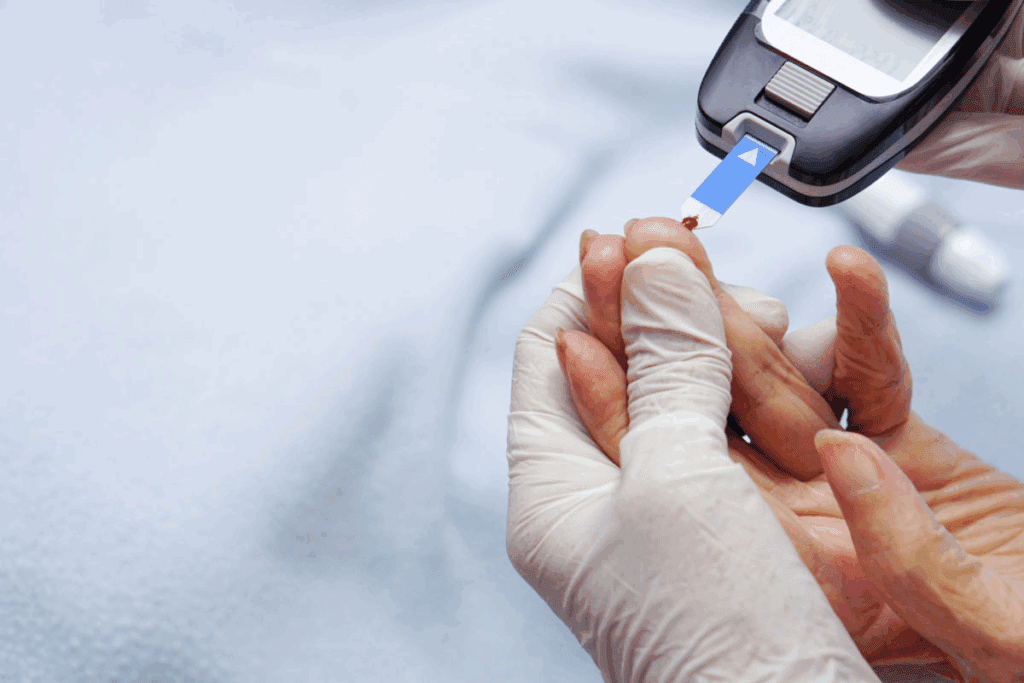
Knowing your hemoglobin A1c results is key to managing your health and avoiding type 2 diabetes. At Liv Hospital, we help patients by giving them the knowledge they need. We offer a wide range of healthcare services that focus on catching problems early and preventing them.
An HbA1c level below 5.7% is seen as normal. Levels between 5.7% and 6.4% show prediabetes. The HbA1c test shows your blood sugar levels over the last two to three months. It gives a clear picture of how well you’ve been controlling your blood sugar.
We aim to give top-notch healthcare with full support for patients from abroad. Knowing your HbA1c levels is the first step to managing your health and stopping diabetes.
Learn the keyhba1c prediabetes level (5.7% to 6.4%). Understand what this range means and how to prevent progression to Type 2 diabetes clearly.
Key Takeaways
- Normal HbA1c levels are below 5.7%.
- Prediabetes is indicated by an HbA1c level between 5.7% and 6.4%.
- The HbA1c test measures average blood glucose levels over the past two to three months.
- Understanding HbA1c levels is essential for early detection and management of prediabetes and diabetes.
- Liv Hospital provides extensive healthcare services for international patients.
Understanding HbA1c and Its Significance
HbA1c is key in managing diabetes. It shows how well blood sugar is controlled. The HbA1c test measures blood sugar levels over two to three months.
What HbA1c Measures in Your Blood
The HbA1c test looks at sugar-coated hemoglobin in the blood. It shows average blood glucose levels over time, not just at one moment.
Glycated hemoglobin forms when hemoglobin binds with glucose. The more glucose, the more hemoglobin gets glycated. This test tells us about blood sugar control.
Why HbA1c Provides a Better Long-Term Picture
HbA1c gives a long-term view, unlike daily blood tests. It averages out highs and lows, showing how well blood sugar is managed.
This long-term view is vital. It helps doctors adjust treatment plans. For those with prediabetes or diabetes, it motivates lifestyle changes and sticking to medication.
The Importance of Regular Monitoring
Regular HbA1c tests are key for managing diabetes and prediabetes. They show the effect of diet, exercise, and medication on blood sugar.
Regular monitoring helps doctors spot trends and make treatment decisions. For those at risk of diabetes, early detection is possible, making it easier to manage.
Normal HbA1c Ranges for Non-Diabetics
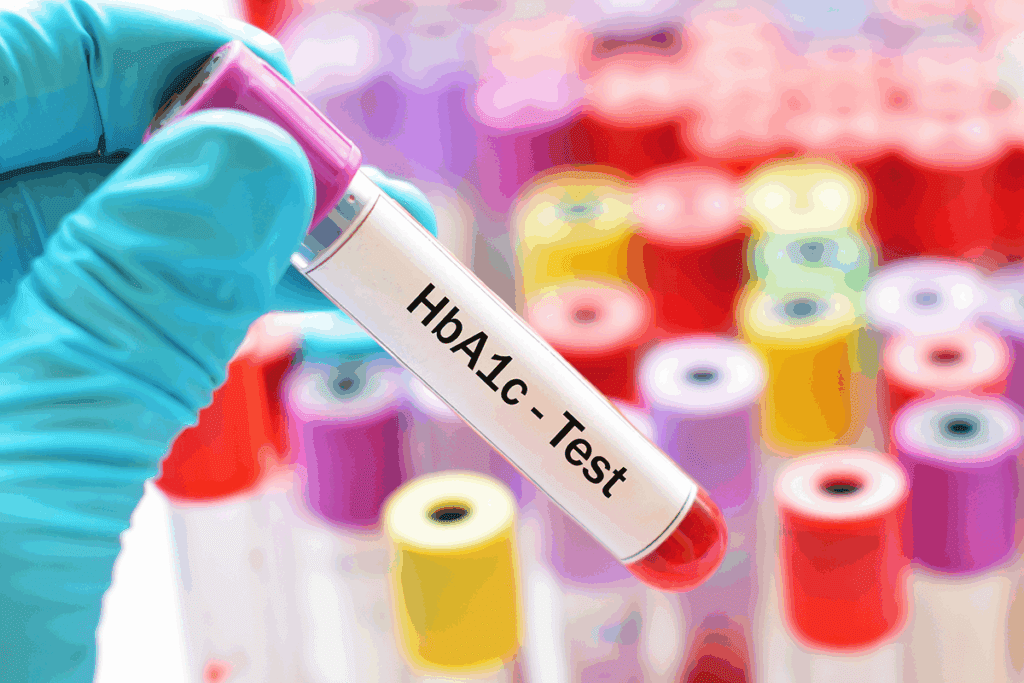
The normal HbA1c range for non-diabetics is key for checking long-term blood sugar levels. For those without diabetes, an HbA1c under 5.7% is normal. This is important because it shows good blood sugar control, lowering the risk of diabetes and its problems.
The Healthy A1c Range Below 5.7%
An HbA1c under 5.7% is seen as normal. This shows that blood glucose levels are well-managed. Maintaining this level is a sign of good metabolic health.
Is an A1c of 5 Good? Understanding Optimal Levels
An A1c of 5 is good because it’s in the normal range, showing good blood sugar control. Levels around 5% mean blood sugar is well-managed, lowering the risk of diabetes problems. But, it’s important to remember that what’s optimal can vary based on health and age.
What Makes 5.4 A1c a Good Result
A 5.4% HbA1c is a good result because it’s in the normal range. This shows that blood glucose is well-managed, and the risk of insulin resistance or type 2 diabetes is lower. Regular monitoring and a healthy lifestyle help keep A1c levels optimal.
In conclusion, it’s important for non-diabetics to understand and keep normal HbA1c levels. By keeping their A1c below 5.7%, they can greatly lower their risk of diabetes and related health issues. Regular check-ups and a healthy lifestyle are essential for achieving and keeping optimal HbA1c levels.
HbA1c Prediabetes Level: The Critical Range
An HbA1c level between 5.7% and 6.4% signals prediabetes. This condition can lead to type 2 diabetes if not managed. We will explore the importance of this range and its impact on your health.
The 5.7% to 6.4% Threshold Explained
The American Diabetes Association says prediabetes is an HbA1c level of 5.7% to 6.4%. This means your blood sugar is higher than normal but not high enough for diabetes. Early detection in this range offers a chance to stop type 2 diabetes before it starts.
Being in this range comes with risks. It’s vital to monitor your health closely.
What an A1c of 5.7 Means for Your Health
An A1c of 5.7% is close to the prediabetes threshold. It shows you’re at risk for diabetes. Knowing the risks and making lifestyle changes can help lower your A1c levels and prevent diabetes.
Here’s a look at the risks at different A1c levels in the prediabetes range:
| A1c Level | Risk Category | Recommended Action |
|---|---|---|
| 5.7% – 5.9% | Prediabetes (Lower Risk) | Lifestyle modifications, monitoring |
| 6.0% – 6.4% | Prediabetes (Higher Risk) | Intensified lifestyle changes, possible medication |
Borderline Results: When to Be Concerned
Borderline A1c results, like those near 5.7%, need careful thought. It’s important to talk to your healthcare provider about your results. Your family history, age, and other health issues can affect your risk.
Regular check-ups and a healthy lifestyle are key to managing prediabetes and stopping it from becoming diabetes.
The Complete Guide to HbA1c Testing
The HbA1c test is a simple yet powerful tool for assessing blood sugar control. It shows your average blood glucose levels over the past two to three months. This makes it very useful for managing diabetes and prediabetes.
How to Check Your A1c: The Testing Process
Checking your A1c level is easy. It involves a blood test. Here’s what you need to know:
- A healthcare professional will draw a small sample of blood from a vein in your arm.
- The blood sample is then sent to a laboratory for analysis, or some tests can give results right away.
- The test measures the percentage of glucose that has bound to hemoglobin in red blood cells.
No fasting is required for an HbA1c test. This makes it more convenient than glucose tests that need fasting. This is a big advantage of HbA1c testing.
No Fasting Required: Advantages Over Glucose Tests
The HbA1c test has several advantages over traditional glucose tests. Some key benefits include:
- Convenience: No fasting is needed, making it easier to schedule and undergo the test.
- Comprehensive picture: HbA1c gives a longer-term view of blood glucose control, unlike glucose tests.
- Less affected by short-term fluctuations: Factors like recent meals or stress have less impact on HbA1c results.
Where to Get Tested and What to Expect
You can get an HbA1c test at various healthcare facilities, including:
- Your primary care physician’s office
- Specialist clinics, such as endocrinologists
- Local laboratories
- Some pharmacies that offer health clinics
When you get tested, a healthcare professional will explain the procedure and answer your questions. The blood draw is usually quick and not very painful.
By understanding the HbA1c testing process and its advantages, you can better manage your blood sugar levels. This helps you make informed decisions about your health.
How Often Should You Get an A1c Test?
The American Diabetes Association has guidelines for A1c testing. It’s key for people with prediabetes or diabetes to keep their condition in check.
Recommended Testing Frequency for Different Risk Groups
How often you should get an A1c test depends on your health. For those with diabetes, the ADA suggests testing at least twice a year. But, if your treatment or blood sugar levels change, you might need to test more often.
Testing Frequency Guidelines:
| Risk Group | Recommended Testing Frequency |
|---|---|
| Stable Diabetes Patients | At least twice a year |
| Patients with Changing Treatment Plans | More frequently (e.g., quarterly) |
| Prediabetes | Annually or as recommended by healthcare provider |
Monitoring Schedule After a Prediabetes Diagnosis
After finding out you have prediabetes, it’s important to keep an eye on it. The schedule for monitoring can change based on your risk factors and other health issues.
Annual testing is often advised for those with prediabetes. It helps track your condition and make any needed changes to your lifestyle or treatment.
When More Frequent Testing Is Necessary
If you have diabetes or prediabetes, you might need to test more often. This is the case if your treatment changes, your blood sugar levels aren’t where they should be, or if you notice your glucose control getting worse.
Following the recommended A1c testing schedule is important. It helps people with prediabetes or diabetes manage their condition better. This can lower the risk of serious health problems.
Interpreting Your HbA1c Results Accurately
Getting your HbA1c results right is important for knowing if you have prediabetes. We’ll show you how to understand the A1c range, what a good result is, and what can change your test results.
Understanding the Complete A1c Range
The HbA1c test shows your blood sugar levels over 2-3 months. It’s a percentage that shows how much glucose is in your hemoglobin. For people without diabetes, a normal HbA1c is below 5.7%.
A1c levels between 5.7% and 6.4% mean you have prediabetes. This is when your blood sugar is higher than normal but not diabetes level. An A1c of 5.4% is great, showing your blood sugar is well-managed.
What Makes 5.4 HbA1c a Good Result
An HbA1c of 5.4% is good because it means your blood sugar is under control. This level means you’re not at high risk for diabetes problems. Keeping this level up is key, through healthy eating and exercise.
Factors That Can Affect Your Test Results
Many things can change your HbA1c test results. Medical conditions like anemia or hemoglobin variants can make the test less accurate. Age, ethnicity, and some medicines can also affect your results. Talking to your doctor about these can help you understand your results better.
Knowing how these factors can change your HbA1c results helps you make better health choices. Regular checks and lifestyle changes can keep your blood sugar at the best level.
Risk Factors for Elevated HbA1c Levels
Knowing the risk factors for high HbA1c levels is key to managing them. High HbA1c levels come from lifestyle choices, genetics, and medical conditions. It’s important to understand these factors to keep blood glucose levels healthy.
Lifestyle Contributors to Higher A1c
Lifestyle choices greatly affect HbA1c levels. Dietary habits are very important; eating foods high in sugar and carbs can raise blood sugar. Not being active enough can also make it harder for insulin to work, raising HbA1c levels.
Other lifestyle factors include stress and sleep patterns. Stress can increase blood sugar, and not sleeping well can mess with insulin sensitivity.
Genetic and Family History Considerations
Genetics and family history also matter a lot. If you have a family history of diabetes, you might have higher HbA1c levels. Some people are born with genes that make it harder for their bodies to manage blood sugar.
Medical Conditions That Impact Blood Glucose Control
Some medical conditions can really affect blood sugar and HbA1c levels. For example, polycystic ovary syndrome (PCOS), hypertension, and dyslipidemia can mess with how your body handles glucose. Also, some medicines like steroids and certain antipsychotic medications can make blood sugar go up.
| Risk Factor Category | Specific Factors | Impact on HbA1c |
|---|---|---|
| Lifestyle Factors | Diet high in sugar, lack of physical activity, stress, poor sleep | Increases blood glucose levels, contributes to insulin resistance |
| Genetic/Family History | Family history of diabetes, genetic predispositions | Affects insulin production and sensitivity |
| Medical Conditions | PCOS, hypertension, dyslipidemia | Impacts glucose metabolism, raises blood glucose levels |
By understanding and tackling these risk factors, people can take steps to manage their HbA1c levels. This can help prevent diabetes.
Effective Strategies to Lower Your HbA1c
Lowering your HbA1c levels is possible with the right diet, exercise, and lifestyle changes. These steps can help those with prediabetes control their blood sugar better. This can also lower the chance of getting diabetes.
Dietary Approaches for Better Glucose Control
Eating a balanced diet is key to managing blood sugar. Reducing sugar intake and eating more fiber can help a lot. Foods like fruits, veggies, and whole grains slow down sugar absorption. This makes it easier for the body to handle insulin.
- Incorporate more plant-based meals into your diet.
- Choose whole grains over refined grains.
- Limit your intake of sugary drinks and foods high in added sugars.
Exercise Recommendations for Prediabetics
Regular exercise is vital for managing prediabetes and lowering HbA1c levels. It makes your body better at using insulin. Aim for at least 150 minutes of moderate-intensity aerobic exercise, or 75 minutes of vigorous-intensity aerobic exercise, or a combination of both, per week.
- Engage in brisk walking, cycling, or swimming for aerobic exercise.
- Incorporate strength training exercises at least twice a week.
- Consider high-intensity interval training (HIIT) for improved insulin sensitivity.
Lifestyle Modifications That Make a Difference
Other lifestyle changes can also impact HbA1c levels. Maintaining a healthy weight is important because extra weight can cause insulin resistance. Stress management, like meditation or yoga, can also help. Chronic stress can increase blood sugar levels.
By using these strategies, you can lower your HbA1c levels and manage prediabetes. It’s important to work with a healthcare provider. They can help create a plan that fits your needs and health goals.
Understanding Progression from Prediabetes to Diabetes
It’s important to know how prediabetes can turn into diabetes. Prediabetes means your blood sugar is too high. If not controlled, it can lead to type 2 diabetes. We’ll look at how fast this happens, the warning signs, and why checking your HbA1c is key to stopping diabetes.
The 21.3% Five-Year Progression Rate Explained
About 21.3% of people with prediabetes will get type 2 diabetes in five years. This shows why it’s critical to act early and keep an eye on your health. Many things can affect how fast you move from prediabetes to diabetes, like your lifestyle, genes, and other health issues.
Key Factors Influencing Progression:
- Lifestyle choices such as diet and physical activity
- Genetic predisposition and family history
- Presence of other medical conditions
Warning Signs Your Prediabetes Is Worsening
It’s important to know the signs that your prediabetes is getting worse. These include:
- Increased thirst and urination
- Fatigue
- Blurred vision
- Slow healing of cuts and wounds
If you notice any of these symptoms, seeing a doctor is a must.
How Regular HbA1c Monitoring Helps Prevent Diabetes
Checking your HbA1c regularly is a big help in managing prediabetes and stopping it from becoming diabetes. It lets you and your doctor see if your blood sugar is changing. This helps you make the right choices for your health.
| HbA1c Level | Status | Recommended Action |
|---|---|---|
| Below 5.7% | Normal | Maintain healthy lifestyle |
| 5.7% to 6.4% | Prediabetes | Lifestyle modifications, regular monitoring |
| 6.5% and above | Diabetes | Medical treatment, lifestyle changes |
By understanding how prediabetes can turn into diabetes and using regular HbA1c checks, you can take steps to manage your health well.
Conclusion: Taking Control of Your HbA1c Levels
Managing HbA1c levels is key for those with prediabetes or diabetes. Making dietary changes and staying active can greatly improve health. Liv Hospital offers top-notch healthcare and support for international patients.
Controlling HbA1c involves monitoring, lifestyle changes, and sometimes medical help. Knowing the importance of HbA1c and acting early can lower diabetes risk.
At Liv Hospital, we focus on giving our patients the care and support they need. Our team helps create personalized plans to manage HbA1c and boost well-being. By managing HbA1c, people can move towards a healthier life.
FAQ
What is a good HbA1c level for prediabetes?
For those with prediabetes, keeping your HbA1c under 6.4% is key. An HbA1c of 5.4% shows your blood sugar is well-controlled.
What does HbA1c measure in the blood?
HbA1c shows how much hemoglobin in your blood is glycated. It gives a two to three month average of your blood sugar levels.
How often should I get an A1c test?
How often you need an A1c test varies. If you have prediabetes or diabetes, check every three to six months.
Is an A1c of 5.4 good?
Yes, an A1c of 5.4% is excellent. It means your blood sugar is well-managed and in the normal range.
What is the prediabetes range for HbA1c?
Prediabetes HbA1c levels are 5.7% to 6.4%. An A1c of 5.7% signals a higher risk of diabetes.
How can I lower my HbA1c levels?
To lower your HbA1c, try these: eat less sugar and more fiber, exercise regularly, stay at a healthy weight, and manage stress.
What factors can affect HbA1c test results?
Certain health issues, like anemia or hemoglobin variants, can skew HbA1c results. Always consider these when looking at your results.
What are the warning signs that my prediabetes is worsening?
Signs your prediabetes is getting worse include rising HbA1c levels, symptoms of high blood sugar, and other health issues. Regular HbA1c checks can spot these early.
Can lifestyle modifications make a difference in managing prediabetes?
Yes, making lifestyle changes can greatly help manage prediabetes. This includes changing your diet, exercising regularly, and keeping a healthy weight.
How does the HbA1c test compare to glucose tests?
The HbA1c test is easier because it doesn’t require fasting. It gives a long-term view of your blood sugar levels, unlike glucose tests.
References:
National Center for Biotechnology Information. HbA1c Levels: Managing Prediabetes and Preventing Type 2 Diabetes. Retrieved from https://www.ncbi.nlm.nih.gov/pmc/articles/PMC8026645/



 Departments
 Related Videos
 Our Doctors
 News
News