
Understanding your Hemoglobin A1C level is key to knowing your blood sugar control. Hemoglobin A1C shows your blood sugar levels over the last 3 months. It measures how much glucose is attached to hemoglobin in red blood cells.
For people who don’t have diabetes, a normal A1C level is below 5.7%. This means your blood sugar is under 117 milligrams per deciliter. An A1C of 5.4 is excellent, showing you have great control over your blood sugar.
At Liv Hospital, we offer trusted diabetes care. We use the latest tests and focus on you. We help you understand your A1C numbers and how to keep your blood sugar healthy.
Learn the keyhemoglobin a1c fasting fact (no fasting needed). Understand what a normal A1C range is and if 5.4% is a good result clearly.
Key Takeaways
- A1C measures average blood glucose levels over the past 3 months.
- A normal A1C level is below 5.7%.
- An A1C of 5.4 is considered good and indicates excellent glucose control.
- Liv Hospital offers complete diabetes screening and management.
- Understanding your A1C is vital for keeping your blood sugar healthy.
Understanding Hemoglobin A1C Testing
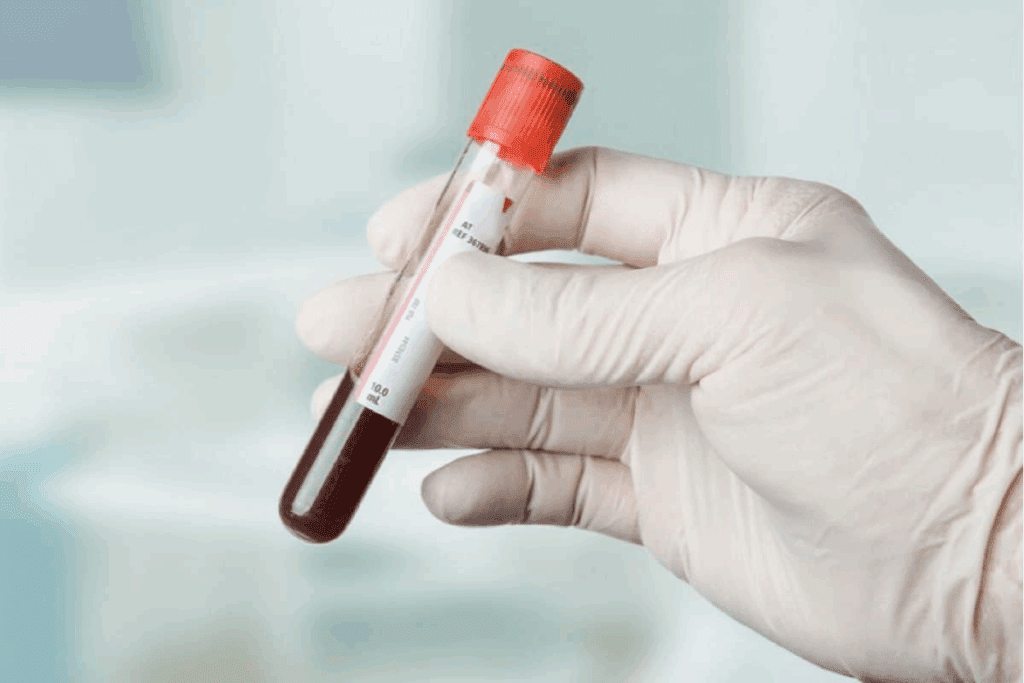
The Hemoglobin A1C test, or A1C test, shows average blood sugar levels over two to three months. It’s a key tool for doctors to check if diabetes management is working. It helps spot problems early.
What Hemoglobin A1C Measures
Hemoglobin A1C checks how much glucose is attached to hemoglobin in red blood cells. Hemoglobin carries oxygen in the body. When blood sugar levels are high, glucose binds to hemoglobin, creating glycated hemoglobin or HbA1c.
The A1C test shows average blood sugar levels over the life of red blood cells, about 3 months. This means it reflects blood sugar control over time.
How the Test Works
The A1C test is a simple blood test that doesn’t need fasting. A healthcare professional takes a blood sample. Then, the sample goes to a lab for analysis.
The test measures glycated hemoglobin. This gives a picture of blood sugar control over the past months. It’s key for diagnosing diabetes and checking treatment plans.
Knowing how the A1C test works helps manage blood sugar levels. It lets people work with their doctors to stay healthy.
The Science Behind Hemoglobin A1C Fasting

The Hemoglobin A1C test is great because it checks blood sugar without needing you to fast. This makes it easy for both patients and doctors. It gives a clear picture of how well blood sugar has been controlled over time.
Why Fasting Isn’t Required for A1C Tests
The Hemoglobin A1C test looks at glucose attached to hemoglobin in red blood cells over 2 to 3 months. It doesn’t need you to fast because it shows long-term glucose levels, not just what they are right now. This is a big plus over regular blood sugar tests, which often need you to fast or are taken at certain times.
Here are some key reasons why fasting isn’t required for A1C tests:
- The test measures glucose attached to hemoglobin, not current blood glucose levels.
- It provides an average glucose level over an extended period, smoothing out daily fluctuations.
- The test is not affected by short-term dietary changes or recent meals.
Difference Between A1C and Regular Blood Glucose Tests
It’s important to know the difference between A1C and regular blood glucose tests. Regular blood glucose tests check blood sugar at a specific moment. But the A1C test shows average blood sugar levels over the last 2 to 3 months.
Some key differences include:
- Purpose: Regular blood glucose tests are for checking current blood sugar levels, to adjust diet, exercise, or medication. The A1C test is for looking at long-term glucose control.
- Timing: Blood glucose tests are usually taken before or after meals, or at bedtime. A1C tests can be taken at any time, without worrying about when you last ate.
- Information Provided: Blood glucose tests give a snapshot of blood sugar at a particular moment. A1C tests give a broader view of glucose control over time.
By understanding these differences, patients and healthcare providers can use both tests well. This helps manage diabetes and prediabetes.
Normal Hemoglobin A1C Ranges Explained
Knowing the normal Hemoglobin A1C range is key to checking your health. Hemoglobin A1C, or HbA1c, is a blood test. It shows your average blood sugar levels over the last 3 months.
Standard Ranges for Non-Diabetics
For those without diabetes, a normal A1C level is below 5.7%. This means your blood sugar levels are healthy. An A1C of below 5.7% shows your average blood sugar is under 117 mg/dL.
Keeping your A1C in the normal range is vital. It lowers the risk of diabetes-related problems. These include heart disease, kidney damage, and nerve damage.
How A1C Percentages Correlate to Average Blood Sugar
A1C percentages match your average blood sugar levels. The higher the A1C, the higher your blood sugar has been. Here’s how different A1C levels relate to your average blood sugar:
- A1C of 5.4% means your average blood sugar is about 112 mg/dL.
- A1C of 6.0% means your average blood sugar is about 126 mg/dL.
- A1C of 7.0% means your average blood sugar is about 154 mg/dL.
Understanding this link is key to managing your blood sugar. Keeping a healthy A1C level can greatly lower your risk of diabetes complications.
Is an A1C of 5.4 Good?
An A1C of 5.4 is seen as a good sign for blood sugar control. But what does it really mean? Let’s dive into what this value signifies on the A1C scale and its health implications.
Where 5.4 Falls on the A1C Scale
The A1C test shows your blood sugar levels over 2-3 months. A level below 5.7% is normal. So, an A1C of 5.4 is well within the normal range. This means your blood sugar is under good control.
What a 5.4 A1C Means for Your Health
An A1C of 5.4 shows your blood sugar is well-managed. This is a good sign for your health. It means you have a lower risk of diabetes and heart diseases.
Keeping this level up with a healthy diet and exercise can help your health in the long run.
Prediabetes A1C Range: 5.7% to 6.4%
Prediabetes is a condition where blood sugar levels are higher than normal. It’s diagnosed when A1C results are between 5.7% and 6.4%. This range shows a higher risk of getting type 2 diabetes. Knowing this range is key for early action and prevention.
Recognizing Prediabetes
Understanding A1C test results is important for recognizing prediabetes. An A1C level between 5.7% and 6.4% means you have prediabetes. It shows your blood sugar is higher than it should be but not high enough to be diabetes.
Health Implications of Prediabetic A1C Levels
An A1C level between 5.7% and 6.4% has big health implications. It means you’re at a higher risk of getting type 2 diabetes and heart diseases. Catching it early and acting fast can lower these risks.
Early intervention strategies include making healthy lifestyle changes. This includes eating better and being more active. These steps can stop you from getting type 2 diabetes and lower heart disease risks.
Diabetes Diagnosis: A1C of 6.5% or Higher
It’s important for patients and doctors to know how diabetes is diagnosed. This diagnosis changes a person’s life and treatment plan.
Clinical Criteria for Diabetes Diagnosis
The A1C test is key in diagnosing diabetes. A level of 6.5% or higher means you have diabetes. Doctors worldwide agree on this standard.
Key factors in diabetes diagnosis include:
- A1C level of 6.5% or higher
- Presence of symptoms such as increased thirst and urination
- Random plasma glucose level of 200 mg/dL or higher
Remember, one test isn’t enough. Doctors need to confirm it with more tests.
What to Do If Your A1C Indicates Diabetes
If your A1C shows diabetes, talk to your doctor right away. They will help you make a plan. This plan might include diet changes, medicine, or insulin.
Immediate steps to consider:
- Schedule a consultation with your healthcare provider to discuss your test results.
- Begin monitoring your blood glucose levels as advised by your healthcare provider.
- Start making dietary changes to manage your blood sugar levels effectively.
The American Diabetes Association says early treatment is key. “Diabetes self-management education and support are critical to helping people with diabetes manage their condition and prevent complications,” they state.
Managing diabetes well needs a team effort. This includes medical care, lifestyle changes, and support. By knowing the diagnosis criteria and acting early, people can live well with diabetes.
Interpreting A1C Results Across Different Populations
It’s important to understand how A1C results change in different groups. A1C levels can be affected by age, ethnicity, and race. This means we need to look at these factors when we read test results.
Variations by Age Group
Older adults might have higher A1C levels. This is because their bodies don’t handle glucose as well and their red blood cells turn over faster. So, it’s key to use age-specific ranges when checking A1C levels.
Ethnic and Racial Differences in A1C Interpretation
Studies have found that A1C levels can differ by ethnicity and race. For example, African Americans and Hispanics/Latinos might have higher A1C levels than non-Hispanic whites. This is due to genetics and how long red blood cells last.
| Population Group | Average A1C Level | Factors Influencing A1C |
|---|---|---|
| Non-Hispanic Whites | 5.5% | Genetic predisposition |
| African Americans | 5.7% | Hemoglobin variants, red cell turnover |
| Hispanics/Latinos | 5.8% | Diet, lifestyle factors |
Healthcare providers can give better diagnoses and treatment plans by considering these factors. A1C interpretation is not the same for everyone. It’s a detailed process that looks at each person’s unique characteristics.
Health Risks Associated with Elevated A1C Levels
It’s key to know the health risks tied to high A1C levels for good diabetes care. High A1C levels can harm more than just your diabetes. They can also hurt your heart and increase your chance of dying.
Cardiovascular Risks Above 5.4%
Research shows that A1C levels over 5.4% raise your heart disease risk. This risk grows as A1C levels go up. Keeping your blood sugar in check is vital to avoid heart problems.
Every 1% jump in A1C means a big increase in heart disease risk. This shows why it’s so important to manage your A1C with your doctor. It helps lower your heart disease risk.
Stroke Risk and A1C Correlation
The link between A1C levels and stroke risk is a big worry. High A1C levels can up your stroke risk, starting at 5.4%. Keeping your blood sugar in check is key to avoiding stroke.
It’s also important to manage other risk factors like high blood pressure and high cholesterol. This helps lower your stroke risk if your A1C is high.
Overall Mortality Risk by A1C Percentage
Overall mortality risk goes up with higher A1C levels. This is true for many people, showing how important it is to keep your blood sugar in check.
Having an A1C over 6.5% raises your death risk a lot. But even slightly high A1C levels, between 5.7% and 6.4%, increase your death risk too.
By knowing these risks and keeping your A1C healthy, you can lower your risk of heart disease, stroke, and death.
Progression from Prediabetes to Diabetes
Many people with prediabetes will get diabetes. This is a big worry for doctors. It can cause serious health problems if not handled right.
Statistics on Diabetes Development
People with prediabetes are more likely to get type 2 diabetes. The Centers for Disease Control and Prevention (CDC) says 15-30% of people with prediabetes will get diabetes in 3-5 years if they don’t change their lifestyle.
Things that make it more likely to get diabetes include:
- Being overweight or not active
- Having a family history of diabetes
- Having had gestational diabetes or a baby over 4 kg
- Having high blood pressure or cholesterol
Timeframe for Disease Progression
How fast someone goes from prediabetes to diabetes can vary a lot. This depends on their health, lifestyle, and genes.
Acting early to manage prediabetes can slow down or stop diabetes from happening. Eating well, staying active, and keeping a healthy weight are key.
Here are some important facts about how long it takes to get diabetes:
| Timeframe | Risk of Developing Diabetes |
|---|---|
| 3-5 years | 15-30% |
| 5-10 years | 30-50% |
| 10+ years | 50% or higher |
Knowing these facts can help people with prediabetes take steps to manage their condition. This can lower their chance of getting diabetes.
How Often Should You Check Your A1C?
Knowing when to check your A1C levels is key to managing your health. The right time for A1C tests varies based on your diabetes status and other health risks.
Recommended Testing Frequency for Different Risk Groups
If you don’t have diabetes, the American Diabetes Association suggests an A1C test every three years if you’re over 45. If you’re under 45 and have risk factors like being overweight or a family history of diabetes, you should also get tested.
For those with prediabetes, testing should happen once a year. This is because prediabetes is a high-risk state that can turn into diabetes. Catching it early can help prevent or delay diabetes.
For people with diabetes, how often you should get tested varies. If you manage your diabetes with lifestyle changes or oral meds, test every 3-6 months. If you’re on insulin, you might need to test every 3 months.
When to Increase Testing Frequency
There are times when you might need to test your A1C more often. If you’re changing your treatment plan, your doctor might suggest more frequent tests to see if it’s working.
Also, if you’re having symptoms of high or low blood sugar, or if you’re sick, your doctor might want you to test more. Pregnancy is another time when more frequent testing is recommended, as controlling blood sugar is very important.
As Medical Expert. Nathan, a diabetes expert, says, “A1C testing is vital for diabetes management. Regular tests help doctors adjust your treatment to keep your blood sugar in check.” Regular monitoring can spot trends and patterns, allowing for timely actions.
- For non-diabetics over 45: at least once every three years.
- For those with prediabetes: once a year.
- For diabetics on lifestyle changes or oral medications: every 3-6 months.
- For diabetics on insulin therapy: every 3 months.
By knowing the right testing frequency and adjusting it based on your health, you can work with your healthcare provider to manage your A1C levels well.
Strategies to Lower and Maintain Healthy A1C Levels
To keep A1C levels healthy, you need a complete plan. This includes changing your diet, exercising, and making lifestyle changes. Managing blood sugar is key for health, mainly for those with diabetes or prediabetes.
Dietary Approaches for Blood Sugar Control
Eating right is key to controlling blood sugar. Choose whole, unprocessed foods like veggies, fruits, whole grains, lean proteins, and healthy fats. These foods are full of nutrients, fiber, and antioxidants that help keep blood sugar in check.
Stay away from foods high in added sugars, refined carbs, and saturated fats. Watch your carb intake because carbs directly affect blood sugar. Working with a dietitian or healthcare provider to create a meal plan tailored for you is a good idea.
| Food Group | Recommended Foods | Foods to Limit |
|---|---|---|
| Vegetables | Leafy greens, broccoli, bell peppers | Starchy vegetables like corn, potatoes |
| Fruits | Berries, citrus fruits, apples | Fruits high in sugar like mangoes, grapes |
| Grains | Whole grains like brown rice, quinoa | Refined grains like white bread, pasta |
Exercise Recommendations for A1C Reduction
Exercise is vital for managing A1C levels. Try for 150 minutes of moderate-intensity aerobic exercise weekly. Or, do 75 minutes of vigorous-intensity aerobic exercise, or mix both. Also, do strength training exercises at least twice a week.
Exercise lowers blood sugar and boosts insulin sensitivity. This reduces diabetes risks. Always talk to a healthcare provider before starting any new exercise, even more so if you have health issues.
Lifestyle Modifications That Impact A1C
Other lifestyle changes can also affect A1C levels. Use stress management techniques like yoga, meditation, or deep breathing. These can help manage stress, which affects blood sugar.
Make sure to get enough sleep, aiming for 7-8 hours a night. Poor sleep can harm glucose metabolism. Quitting smoking and limiting alcohol also improve health and help control blood sugar.
By following these dietary, exercise, and lifestyle tips, you can lower and keep A1C levels healthy. This reduces the risk of diabetes complications.
Conclusion
Understanding Hemoglobin A1C is key to managing blood sugar and avoiding diabetes problems. We’ve looked at why A1C tests are important, how they relate to blood sugar, and what different levels mean for health.
Keeping A1C levels healthy is possible with the right diet, exercise, and lifestyle changes. We talked about spotting prediabetes and how to keep A1C levels in check. These steps can greatly lower the chance of getting diabetes and heart disease.
A1C tests are a great way to check blood sugar control and find the right management plan. We suggest talking to doctors to find the best plan for you. Also, make sure to get A1C tests as often as your doctor says.
By actively managing A1C levels, people can improve their health and lower diabetes risks. This summary wraps up our discussion on Hemoglobin A1C. It shows how important it is to manage your health wisely.
FAQ
What is Hemoglobin A1C, and why is it important?
Hemoglobin A1C (HbA1c) is a blood test that shows your average blood sugar over 2-3 months. It’s key for managing diabetes. It gives a clear view of your blood sugar control.
Is an A1C of 5.4 considered good?
Yes, an A1C of 5.4 is good. It means your blood sugar is well-controlled.
What is the normal range for Hemoglobin A1C?
For non-diabetics, the normal A1C range is 4% to 5.6%. An A1C of 5.4 is within this range, showing good blood sugar control.
How often should I check my A1C levels?
How often you check your A1C depends on your health and risk. People with diabetes should test at least twice a year. Those at risk or with prediabetes should test more often.
What is the A1C range for prediabetes?
Prediabetes A1C levels are 5.7% to 6.4%. This shows your blood sugar is higher than normal but not diabetes level.
Can I lower my A1C levels through diet and exercise?
Yes, diet and exercise can lower your A1C. Eating a balanced diet low in sugar and fats, and staying active, helps control blood sugar.
What are the health risks associated with elevated A1C levels?
High A1C levels raise your risk of heart disease, stroke, and death. Keeping your blood sugar in check is vital to reduce these risks.
How does A1C testing differ from regular blood glucose tests?
A1C tests your blood sugar average over 2-3 months. Blood glucose tests check your sugar at one time. A1C doesn’t need fasting.
Are there any ethnic or racial differences in A1C interpretation?
Yes, A1C meanings can vary by ethnicity and race. It’s important to consider these differences when looking at your A1C results.
What should I do if my A1C indicates diabetes?
If your A1C shows diabetes, work with your doctor to manage it. This might include diet changes, medication, or insulin.
Can I prevent the progression from prediabetes to diabetes?
Yes, early action and lifestyle changes can stop or slow prediabetes to diabetes. Eating well, exercising, and checking your blood sugar can help.
References:
Government Health Resource. Hemoglobin A1C: Understanding Normal Ranges and Blood Sugar Control. Retrieved from https://www.cdc.gov/diabetes/diabetes-testing/prediabetes-a1c-test.html