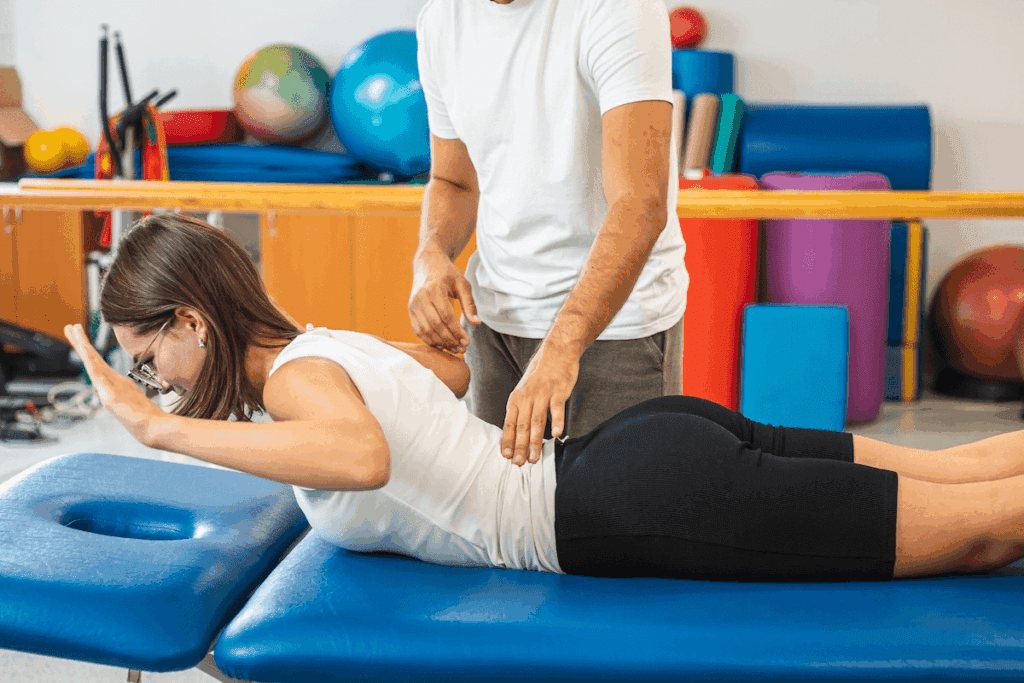
A hip flexor strain is a common injury. It causes pain, stiffness, and less mobility in the front of the hip. The hip flexors help you move your leg and knee up towards your body. Detailed recovery protocol for hip flexor strain treatment, including RICE, gentle stretching, and strengthening.
At Liv Hospital, we know how tough a hip flexor strain can be. It’s a big problem for athletes and anyone who does a lot of sprinting, kicking, or quick changes in direction. It’s important to find good ways to treat and recover from this injury.
Knowing what causes and shows a hip flexor strain is key to getting better. Our team is dedicated to giving you care that’s tailored to you. We use the latest research to help you heal from this injury.
Key Takeaways
- Understanding the causes and symptoms of hip flexor strain is key to recovery.
- Good treatment can help you move better and get stronger.
- Getting care that fits you can lead to better results.
- Good recovery plans are vital for athletes and those who are active.
- Liv Hospital is committed to giving you the best care for hip flexor strain recovery.
Understanding Hip Flexor Injuries
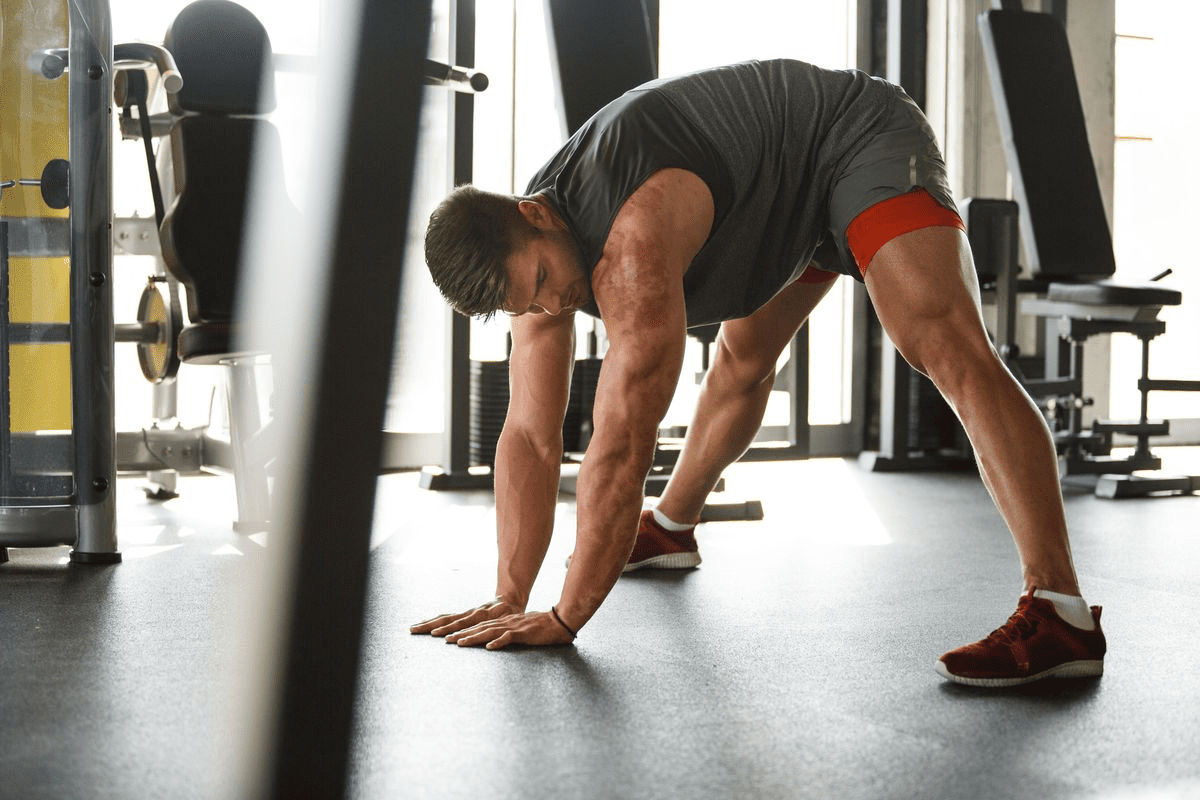
It’s important to know about hip flexor injuries to prevent and treat them well. These injuries, like strains and tears, affect both athletes and casual exercisers.
What Are Hip Flexors and Their Function
The main hip flexor is the iliopsoas. It’s a group of two muscles: the psoas major and the iliacus. Together, they help us lift our leg up towards our body. They are key for walking, running, and climbing stairs.
The iliopsoas muscle is essential for movement and stability. It starts from the lower back and pelvis and attaches to the thigh bone. When it contracts, it lifts the knee towards the chest, important for sports and daily activities.
Common Causes of Hip Flexor Strain
Hip flexor strains happen from overuse, bad stretching, or sudden moves. Athletes in sports like sprinting, jumping, or quick changes are at risk. Cycling or rowing, which involve repetitive hip flexion, can also strain the muscles.
Other reasons include not warming up or cooling down right, muscle imbalances, and bad training methods. Hip flexor strains are common in sports like soccer, football, and gymnastics, where the hip flexors are under a lot of demand.
Risk Factors and Prevalence Statistics
Studies show hip flexor strains affect athletes in many sports. NCAA data says the injury rate is 1.60 per 10,000 athlete-exposures. Older adults, those with past injuries, and people with muscle imbalances or bad biomechanics are at higher risk.
Knowing these risk factors helps in preventing and treating early. We can target prevention by training, stretching, and strengthening exercises. This can lower the chance of hip flexor strains.
What Does a Hip Flexor Strain Feel Like?
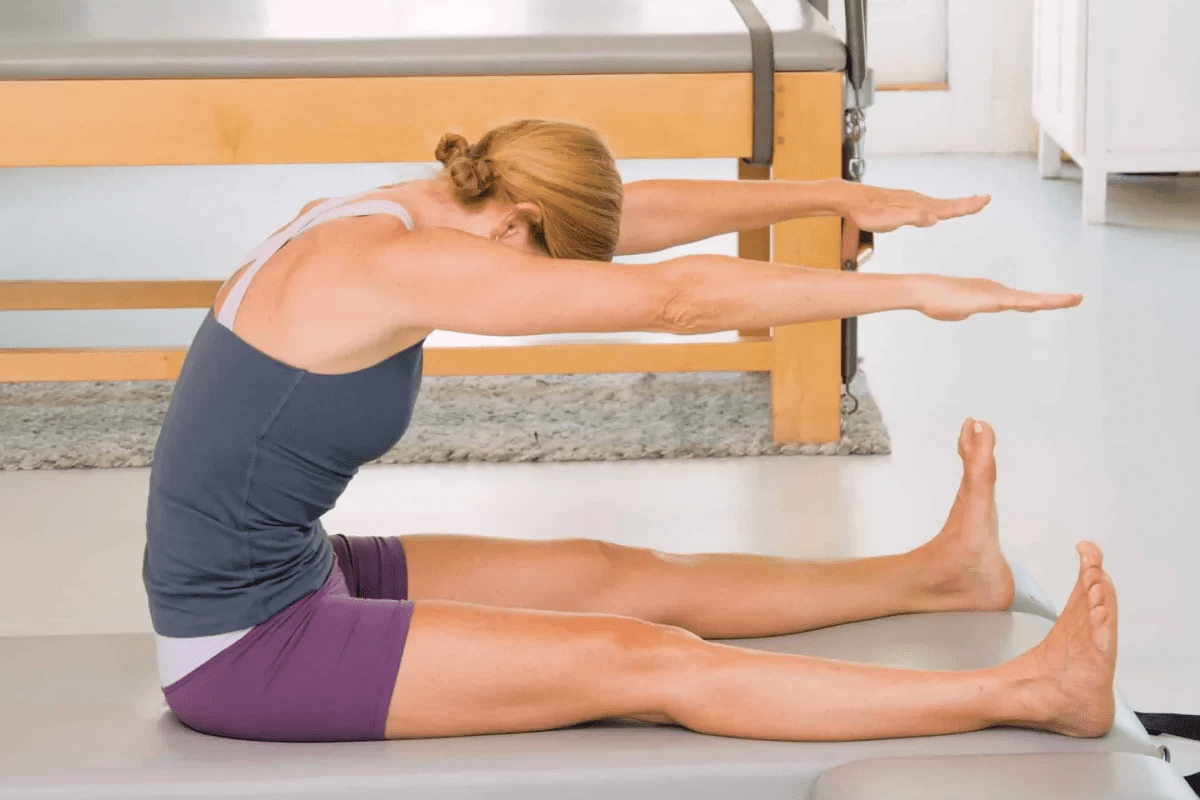
A hip flexor strain can feel different for everyone. It can range from a mild ache to severe pain. You might feel discomfort where your thigh meets your hip.
Primary Symptoms and Pain Patterns
Hip flexor strains can cause sharp pain, mild discomfort, and pulling sensations. The pain might be constant or only happen during activities like walking or sprinting. Some people might also feel cramping and sharp pain, or have trouble walking without limping.
The pain patterns can help figure out how bad the injury is. The pain usually happens in the front of the hip, groin, or upper thigh. Knowing these patterns is key to figuring out how severe the strain is.
Differentiating Between Mild, Moderate, and Severe Strains
Telling the difference between mild, moderate, and severe hip flexor strains is important for treatment. Mild strains cause mild pain and pulling, with little effect on movement. Moderate strains lead to more pain and discomfort, possibly causing a limp. Severe strains are marked by intense pain, swelling, and a big drop in mobility.
- Mild strains: Mild pain, minimal impact on mobility
- Moderate strains: Noticeable pain, possible limp or altered gait
- Severe strains: Intense pain, significant swelling, reduced mobility
Where Hip Flexor Pain Is Typically Felt
Hip flexor pain usually shows up in the front of the hip, groin, or upper thigh. The pain’s location and how bad it is can change based on the strain’s severity and the muscles involved. Activities that lift the knee or bend at the hip can make the pain worse, making simple tasks hard.
Knowing where hip flexor pain is felt can help spot the injury and get the right medical help. It’s important to catch the symptoms early to avoid making the injury worse and to recover quickly.
Immediate Hip Flexor Strain Treatment
When you get a hip flexor strain, acting fast is key to getting better. The first steps you take can really help your recovery. They can also stop the injury from getting worse.
The RICE Protocol Explained
The RICE method is a top choice for treating injuries like hip flexor strains. RICE means Rest, Ice, Compression, and Elevation.
- Rest: Stay away from activities that make the injury worse. Let your hip flexor heal.
- Ice: Put ice on the hurt area for 20 minutes, every 3 to 4 hours. It helps with pain and swelling.
- Compression: Use a bandage to squeeze the area. It helps lessen swelling.
- Elevation: Lift your leg up to your heart level. It helps with swelling and blood flow.
Over-the-Counter Pain Medications
Medicines like ibuprofen and naproxen can help with pain and swelling. They’re often suggested for hip flexor strains.
Make sure to take the right amount and talk to a doctor first. This is important if you have other health issues or are on other medicines.
When to Seek Medical Attention
Even though many hip flexor strains can be treated at home, sometimes you need to see a doctor. You should get medical help if you have:
- Severe pain or swelling
- Instability or weakness in the hip or leg
- Significant bruising or discoloration
- Symptoms that get worse over time
- Difficulty walking or bearing weight on the affected leg
If you’re not sure about your injury or have concerns, it’s best to talk to a healthcare professional. They can give you advice tailored to your situation.
Professional Medical Interventions
Professional medical help is key for treating hip flexor injuries, mainly for serious cases. It’s important to know the medical ways to heal and avoid future injuries when a hip flexor strain happens.
Diagnostic Procedures for Hip Flexor Injuries
Getting a correct diagnosis is the first step in treating hip flexor strains well. Doctors start with a detailed physical check-up. They look at pain, how well you can move, and muscle strength. Sometimes, X-rays or MRI scans are needed to check for other issues or how bad the strain is.
We use these tools to make a treatment plan that fits each patient’s needs.
Physical Therapy Approaches
Physical therapy is a big part of treating hip flexor strains. A physical therapist will help patients:
- Stretch and strengthen the hip flexor muscles and nearby areas
- Improve flexibility and range of motion
- Build muscle strength to support the hip joint
With a special exercise plan, physical therapy helps get back to normal and lowers the chance of getting hurt again.
Treatment Options for Torn Hip Flexors
For serious hip flexor strains or tears, more serious treatment might be needed. This could include:
Treatment Option | Description |
Advanced Physical Therapy | Special exercises and manual therapy to help heal and strengthen the muscles around. |
Corticosteroid Injections | To cut down inflammation and ease pain in serious cases. |
Surgical Intervention | In rare, severe cases where other treatments didn’t work, surgery might be needed to fix the damaged tendon or muscle. |
We help patients choose the best treatment plan based on how bad their condition is and their overall health.
Recovery Timeline for Hip Flexor Strains
The time it takes to recover from hip flexor strains depends on how bad the injury is. Knowing how long it will take to get better helps manage your expectations and follow the right treatment.
Mild Strain Recovery Process
Mild hip flexor strains usually heal in 1 to 3 weeks with rest and gentle stretching. It’s important to stay away from activities that make it worse. Gentle stretching exercises help with healing and improve flexibility.
Moderate Strain Healing
Moderate hip flexor strains need 4 to 8 weeks of careful care and rehab. This includes rest and a physical therapy program with strengthening exercises for the hip flexor muscles.
Severe Strain and Torn Hip Flexor Recovery
Severe strains or torn hip flexors take several months to fully heal. A detailed rehab plan, including physical therapy and medical help, is needed for a full recovery.
It’s key to be patient and stick to a rehab plan, no matter the severity. Coming back too fast can cause more harm or long-term problems. Always listen to your body and move at a pace that feels right.
Effective Hip Flexor Strain Treatment Protocols
Treating hip flexor strains needs a mix of gentle stretching and strengthening exercises. The plan should help with pain relief and improve strength and flexibility over time.
Gentle Stretching Techniques
Gentle stretching is key in recovery. It boosts flexibility and eases muscle tension. Here’s how to stretch your hip flexors:
- Stand with your feet shoulder-width apart and take a large step forward with one foot.
- Lower your body until your back knee is almost touching the ground, keeping your front thigh parallel to the floor.
- Lean forward slightly to stretch the front of your hip.
- Hold for 30 seconds and switch legs.
Key Stretching Tips:
- Always warm up before stretching.
- Stretch to the point of tension, not pain.
- Hold stretches for 20-30 seconds.
Strengthening Exercises for Recovery
Strengthening the muscles around your hip is key for recovery and preventing future injuries. We suggest these exercises with a healthcare professional’s guidance:
Exercise | Description | Repetitions |
Leg Lifts | Lie on your back with one leg straight and the other bent. Lift the straight leg to the height of the bent knee, then lower. | 10-15 |
Thigh Contractions | Sit on the floor with your legs straight out. Contract the thigh muscles by tightening them. | 10-15 |
Gentle Resistance Training | Use resistance bands or light weights to perform leg lifts and other exercises. | Varies |
Start these exercises with professional guidance to ensure proper form and avoid making the injury worse.
Lifestyle Modifications During Hip Flexor Recovery
To recover from a hip flexor strain, making lifestyle changes is key. These changes can help your recovery, lessen pain, and prevent more injuries.
Ergonomic Considerations for Work and Home
Having an ergonomic workspace at home and work is important. It helps avoid putting too much strain on your hip flexors. Use ergonomic furniture and pay attention to how you sit and stand.
For example, when sitting, make sure your feet are flat on the floor or on a footrest. This keeps your spine straight and eases hip flexor strain.
Ergonomic Adjustment | Benefit |
Monitor at eye level | Reduces neck strain |
Keyboard and mouse close to body | Minimizes reaching and strain |
Chair height adjusted for feet on floor | Promotes good posture |
Sleep Positions to Reduce Hip Flexor Strain
Choosing the right sleep position can help your hip flexors recover. Sleeping on your back with a pillow under your knees keeps your hips neutral, easing strain.
Side sleepers can use a pillow between their knees. This keeps their hips aligned and reduces pressure on the hip flexors.
Activity Modifications for Daily Living
Changing how you do daily activities is also important. Avoid activities that make your hip flexor strain worse, like running or jumping. Instead, choose low-impact options like swimming or cycling.
Be careful with your body mechanics in daily tasks. For example, bend at the knees when lifting to spread the weight evenly.
- Use assistive devices when necessary
- Avoid heavy lifting
- Take regular breaks to stretch
By making these lifestyle changes, you can help your hip flexor strain heal. This reduces the chance of more injuries and speeds up your recovery.
Preventing Future Hip Flexor Injuries
To avoid hip flexor strains, you need a solid plan. This includes good warm-ups, strengthening exercises, and knowing what risks are out there. By using these methods in your daily routine, you can lower your chance of getting hurt.
Proper Warm-Up and Stretching Routines
A good warm-up gets your muscles ready for action. It boosts blood flow, makes muscles less stiff, and improves how your muscles work together. Make sure your warm-up includes stretches that focus on the hip flexors.
- Leg swings: Standing leg swings help loosen the hip joint and prepare the hip flexors for activity.
- Hip circles: Making large circles with your hips can help warm up the hip flexors and surrounding muscles.
- Lunges: Dynamic lunges can help stretch and activate the hip flexors.
Strengthening Supporting Muscle Groups
It’s key to strengthen muscles that help the hip flexors. This includes the glutes, core, and lower back. When these muscles are strong, they share the workload better, which lessens the stress on the hip flexors.
Exercise | Muscle Group | Benefits |
Squats | Glutes, Quadriceps | Strengthens hip and leg muscles |
Planks | Core | Improves core stability |
Bridges | Glutes, Hamstrings | Strengthens posterior chain |
Sport-Specific Prevention Strategies
Every sport and activity puts different demands on the hip flexors. Knowing these demands and using strategies specific to your sport can help prevent injuries.
Runners should work on their glutes and do exercises that improve hip flexibility. Cyclists need to keep their bike fit right and do strength training to support their hip flexors.
By taking these steps, you can greatly lower your risk of hip flexor strains. This helps you stay at your best in whatever activities you enjoy.
Conclusion
Recovering from a hip flexor strain takes time and the right treatment. Knowing the causes and symptoms is the first step. This helps in starting the recovery journey.
Immediate treatment and professional help are key. Making lifestyle changes also plays a big role. Gentle stretches and strengthening exercises help heal and prevent future injuries.
Preventing hip flexor injuries is just as vital. Proper warm-ups, stretching, and strengthening are important. Sport-specific prevention strategies also help reduce the risk of re-injury.
By focusing on hip flexor health, you can regain strength and mobility. This lets you return to your activities with confidence. The right treatment and recovery plans are essential for long-term hip health.
FAQ
What does hip flexor pain feel like?
Hip flexor pain is usually sharp or dull. It’s felt in the front of the hip or groin. Activities like lifting the knee or bending at the hip can make it worse.
How do I treat a hip flexor strain?
To treat a hip flexor strain, rest, ice, compress, and elevate (RICE) are key. Gentle stretching and strengthening exercises also help. Over-the-counter pain meds can manage pain and swelling.
What are the symptoms of a pulled hip flexor?
A pulled hip flexor shows as pain or tenderness in the front of the hip or groin. You might also see swelling or bruising. It’s hard to walk or lift the knee.
Can ibuprofen help with hip flexor strain?
Yes, ibuprofen can help with pain and swelling from a hip flexor strain. But, always follow the dosage and talk to a doctor if you have health issues.
How long does it take to recover from a hip flexor strain?
Recovery time for a hip flexor strain varies. Mild strains might take 1-3 weeks. But, more severe ones can take 4-8 weeks or even months to heal.
What are some effective exercises for hip flexor strain recovery?
Gentle stretches and strengthening exercises are key. Try hip flexor stretches, lunges, and leg raises. They help recover and strengthen the hip flexors.
How can I prevent future hip flexor injuries?
To prevent future injuries, warm up and stretch properly. Strengthen muscles that support the hip flexors. Also, modify activities to lessen stress on the hip flexors.
When should I seek medical attention for a hip flexor strain?
Seek medical help for severe pain, swelling, or bruising. If walking or lifting your knee is hard, get help. Also, if you’ve had hip flexor injuries before or have health issues, see a doctor.
What are some lifestyle modifications I can make to aid in hip flexor recovery?
Make ergonomic changes at work and home. Sleep comfortably and modify daily activities to ease stress on the hip flexors. These steps help in recovery and comfort.
References
https://my.clevelandclinic.org/health/diseases/23978-hip-flexor-strain



 Departments
 Related Videos
 Our Doctors
 News
News