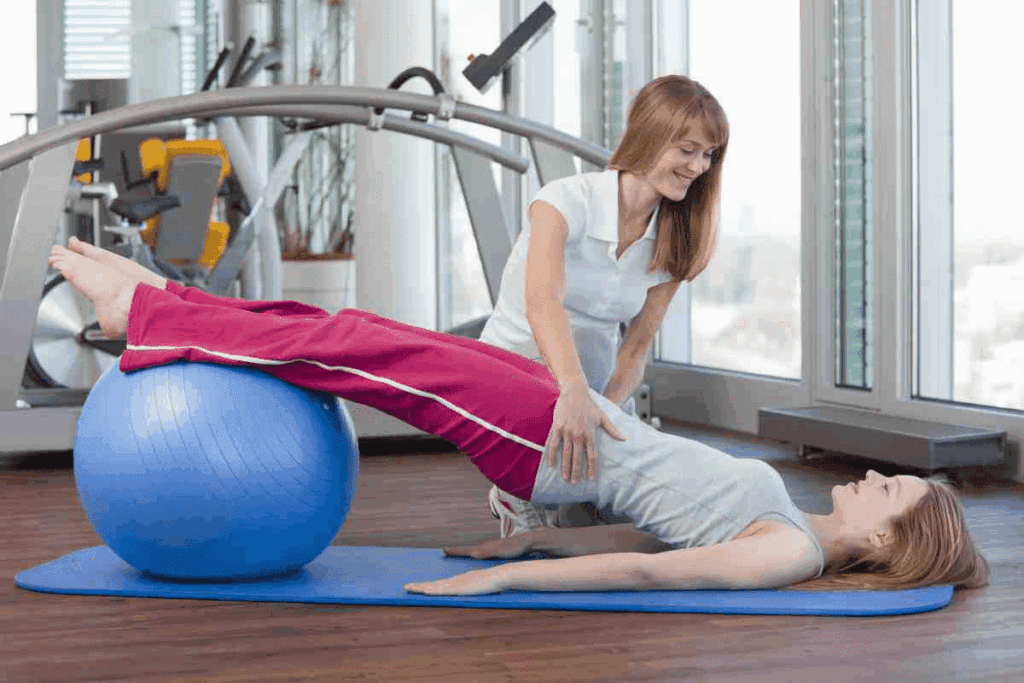
Rehab after hip injuries or surgery is key to getting back your mobility and function. Hip physical therapy exercises are essential in this journey. They help patients regain strength and flexibility. At Liv Hospital, we offer top-notch medical care and tailor-made physical therapy plans.
Our goal is to help you enjoy your favorite activities again. Whether you’re healing from surgery or dealing with osteoarthritis, we’re here for you. By strengthening your core and hip muscles, we aim for your full recovery.
Comprehensive guide to performing essentialhip pt exercises (Physical Therapy) for post-op and non-surgical rehab.
Key Takeaways
- Personalized physical therapy programs for effective rehabilitation
- Evidence-based care pathways for hip rehabilitation
- Focus on strengthening core and hip muscles
- Improved mobility and function after hip injuries or surgery
- Comprehensive support for international patients
Understanding Hip Anatomy and Common Issues
The hip joint is huge and complex, playing a key role in our movement. It’s a ball-and-socket joint made of the femoral head and the acetabulum of the pelvis. This setup allows for many movements. It’s supported by muscles, tendons, and ligaments that help it move smoothly.
Key Hip Joint Components
The hip joint has important parts that work together for movement. The femoral head, or ball, fits into the acetabulum, or socket. This makes the joint stable yet able to move. The ligaments and muscles around it help with movements like bending and rotating.
Common Hip Injuries and Conditions
Hip injuries and conditions can really hurt our mobility and quality of life. Issues like osteoarthritis cause cartilage loss and pain. Labral tears damage the cartilage around the socket. Hip impingement makes the ball and socket rub the wrong way. Physical therapy is often a good way to treat these problems.
How Hip Function Affects Mobility
Hip function is key for moving around easily. It helps us do things like walk, run, and climb stairs. If the hip isn’t working right, it can cause pain and make it hard to move. Knowing how the hip works helps us fix it and get back to normal.
The Science Behind Hip Rehabilitation

Research shows that good hip rehab programs can really help patients. They make the hip work better and hurt less. Each program is made just for the person, based on their injury, health, and goals.
Research-Backed Benefits
Many studies prove that exercise helps with hip problems. A study in the Journal of Orthopaedic and Sports Physical Therapy found that physical therapy boosts hip strength and walking speed. These gains help patients move better and avoid more injuries.
“Exercise-based rehab is key for hip health,” studies say. It makes muscles stronger, joints more flexible, and improves balance.
How Physical Therapy Promotes Healing
Physical therapy is essential for healing. It increases blood flow, strengthens hip muscles, and makes joints move better. Physical therapists use various methods to fix hip pain and problems.
- Manual therapy reduces pain and swelling.
- Specific exercises build hip muscle strength and stability.
- Learning how to move right helps avoid future injuries.
Expected Outcomes and Timeframes
How well hip rehab works depends on the person’s condition and how well they follow the program. Most see better pain control and function in 6 to 12 weeks. Staying consistent and patient is important, as rehab takes time.
“The key to successful hip rehabilitation lies in a well-structured program that is tailored to the individual’s needs and goals.” – Expert in Orthopaedic Rehabilitation
Understanding hip rehab and sticking to a good plan can lead to big improvements. Patients can see better hip function and a better life overall.
Preparing for Hip Rehabilitation
Before starting hip rehabilitation, it’s important to prepare well. A personalized plan is key for a successful recovery. This starts with thorough preparation.
Professional Assessment and Diagnosis
A healthcare professional’s assessment and diagnosis are vital before starting rehab. They help find the cause of hip problems, like injuries or chronic conditions. Your healthcare provider will check your hip, look at your medical history, and might do imaging tests.
Key components of a professional assessment include:
- Physical examination to assess hip mobility and strength
- Review of medical history to understand previous injuries or conditions
- Imaging tests (X-rays, MRI) to visualize the hip joint and surrounding structures
- Functional tests to evaluate daily activity limitations
Setting Realistic Goals
Setting realistic goals is a key step in rehab. Work with your healthcare provider to set goals that fit your needs. These goals help guide your rehab and give you a sense of accomplishment.
Consider the following when setting your rehab goals:
- Specific: Clearly define what you want to achieve
- Measurable: Quantify your goals so progress can be tracked
- Achievable: Ensure your goals are realistic based on your condition and abilities
- Relevant: Align your goals with your personal needs and rehabilitation requirements
- Time-bound: Establish a timeline for achieving your goals
Creating a Safe Exercise Environment
Creating a safe space for exercises is essential for hip rehab. Set up a dedicated area without obstacles or distractions. Use the right equipment and follow proper techniques to avoid injury and ensure success.
Focus on professional assessment, setting realistic goals, and a safe exercise space for effective hip rehab. This approach not only helps your recovery but also lets you actively participate in your healing.
Essential Hip PT Exercises for Strength Building
Hip strengthening exercises are key in hip physical therapy. They help improve stability and reduce pain. It’s important to strengthen the muscles around the hip joint.
Hip Abductor Strengthening
Hip abductor muscles are vital for maintaining proper gait and hip stability. Strengthening these muscles can help alleviate pain and improve mobility.
- Side-Lying Leg Lifts: Lie on your side with your legs straight. Lift the top leg towards the ceiling, keeping it straight, and then lower it back down. Repeat for 10-15 repetitions.
- Standing Hip Abduction: Stand with your feet shoulder-width apart. Slowly lift one leg out to the side, keeping it straight, and then return to the starting position. Repeat on the other side.
Hip Extensor Exercises
Hip extensor muscles are important for activities like walking and climbing stairs. Strengthening these muscles can improve overall hip function.
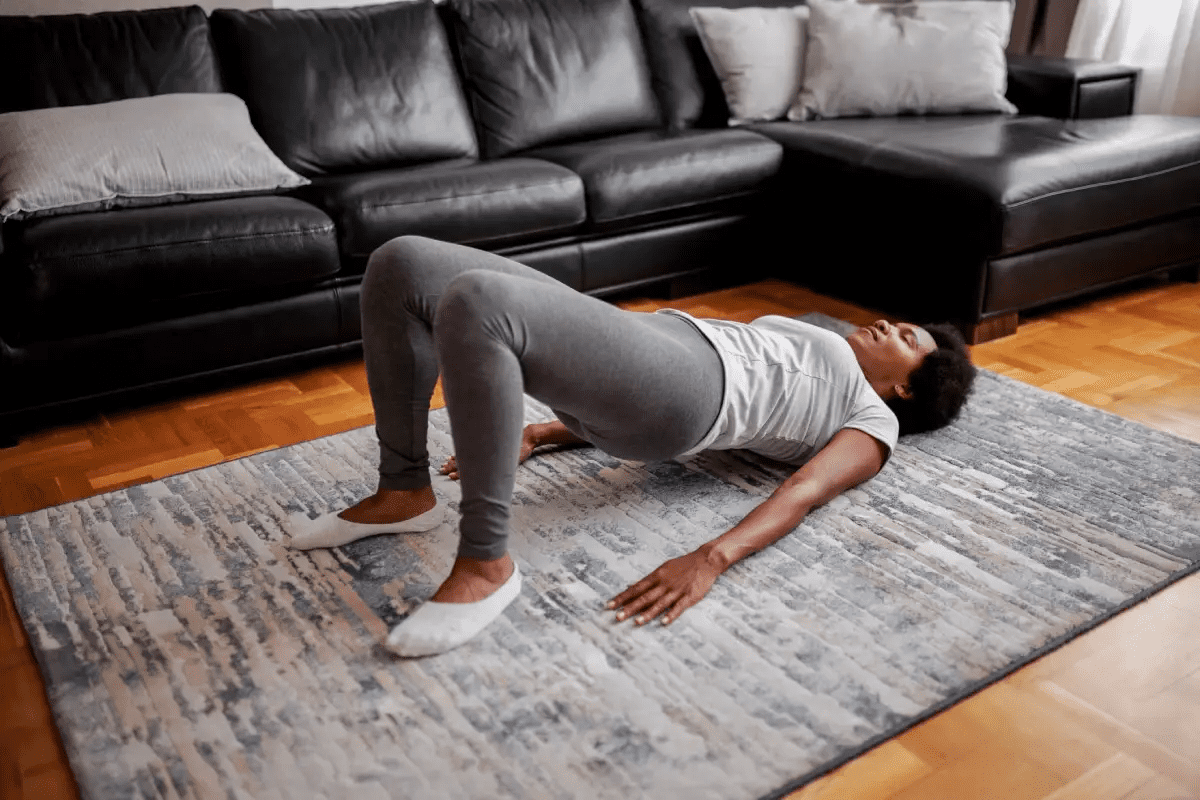
- Glute Bridges: Lie on your back with your knees bent and feet flat on the floor. Lift your hips towards the ceiling, squeezing your glutes, and then lower them back down. Repeat for 10-15 repetitions.
- Standing Hip Extension: Stand with your feet shoulder-width apart. Slowly lift one leg backward, keeping it straight, and then return to the starting position. Repeat on the other side.
Hip Flexor Strengthening
Hip flexor muscles are essential for activities such as walking and running. Strengthening these muscles can improve overall hip mobility and reduce pain.
- Lying Leg Raises: Lie on your back with your legs straight. Lift one leg towards the ceiling, keeping it straight, and then lower it back down. Repeat on the other side.
- Standing Hip Flexion: Stand with your feet shoulder-width apart. Slowly lift one knee towards your chest, and then return to the starting position. Repeat on the other side.
By adding these exercises to your rehabilitation program, you can strengthen your hip muscles. This improves stability and enhances overall hip function.
Flexibility and Mobility Exercises for Hip Recovery
Flexibility and mobility exercises are key for hip injury recovery. They help improve joint flexibility and reduce stiffness. This is important for effective hip recovery.
Improving hip flexibility and mobility does more than just increase range of motion. It also boosts the hip joint’s functionality. This is done through exercises that target specific hip areas.
Hip Flexor Stretch
The hip flexor stretch is essential for hip flexor flexibility. It’s important for walking and running. Here’s how to do it:
- Stand with your feet shoulder-width apart.
- Take a large step forward with one foot.
- Lower your body until your back knee almost touches the ground.
- Lean forward slightly, stretching the front of your hip.
- Hold for 30 seconds and switch legs.
Piriformis and Glute Stretches
Stretching the piriformis and gluteal muscles is vital for hip mobility. Tightness in these muscles can cause discomfort and reduce mobility.
To stretch the piriformis:
- Lie on your back with your affected leg crossed over your other leg.
- Grasp your knee with your hand and gently pull it toward your opposite shoulder.
- Hold for 30 seconds and release.
For glute stretches:
- Lie on your back with your knees bent.
- Cross one foot over the opposite knee.
- Gently pull your knee toward your chest.
- Hold for 30 seconds and switch sides.
Dynamic Mobility Drills
Dynamic mobility drills move your joints through motion while keeping muscles active. They’re great for improving hip mobility.
Exercise | Description | Repetitions |
Hip Circles | Stand with your feet together and move your hips in a large circle. | 5 circles each direction |
Leg Swings | Stand with your feet hip-width apart and swing one leg forward and backward. | 10 swings each leg |
Lateral Leg Swings | Stand with your feet together and swing one leg from side to side. | 10 swings each leg |
Adding these exercises to your rehab program can greatly improve your hip’s range of motion. It also reduces stiffness, helping in a faster recovery.
Balance and Proprioception Training
Proprioceptive training is key in helping people regain balance and coordination after hip surgery. It boosts neuromuscular control, which reduces the risk of falls and enhances mobility.
Single-Leg Stance Progressions
Single-leg stance exercises are essential for balance training in hip rehabilitation. We start with basic stances and make them harder by adding movements or reducing support.
- Begin with double-leg stance, then progress to single-leg stance.
- Hold onto a stable object for support initially, then release as balance improves.
- Add dynamic movements like leg lifts or arm raises to challenge balance further.
Balance Board Exercises
Balance boards are great for improving proprioception and balance. They make the hip joint and surrounding muscles adapt to unstable conditions.
Exercise | Description | Repetitions |
Double-Leg Balance | Stand on the balance board with both feet, maintaining balance. | 3 sets of 30 seconds |
Single-Leg Balance | Stand on the balance board with one foot, holding the other foot off the ground. | 3 sets of 20 seconds per leg |
Functional Movement Patterns
Functional movement patterns are vital for using balance and proprioception in daily life. We include movements that are similar to real-life actions, like walking, turning, and stepping.
Examples include:
- Heel-to-toe walking.
- Step-ups and step-downs.
- Turning and changing direction while walking.
By adding these exercises to a rehabilitation program, people can see big improvements in balance, proprioception, and hip function.
Post-Surgery Hip Rehabilitation Protocol
Recovering from hip surgery needs a step-by-step plan. This plan helps patients get stronger and move better. It’s all about getting back to normal.
Phase 1: Early Recovery Exercises
Right after surgery, the goal is to heal gently. These exercises are key:
- Gentle hip flexion and extension
- Isometric contractions of the surrounding muscles
- Ankle pumps and toe wiggles to improve circulation
These moves keep the joint moving and prevent stiffness.
Phase 2: Intermediate Strengthening
Next, the focus shifts to building muscle strength. This phase includes:
- Progressive resistance exercises to strengthen the hip muscles
- Balance training to improve proprioception
- Weight-bearing exercises to enhance bone density
Building strong hip muscles is key for moving well and supporting the joint.
Phase 3: Advanced Functional Training
The last step is about getting ready for everyday activities and sports. This includes:
- Agility drills and complex movement patterns
- Functional strength training
- Endurance exercises to improve overall fitness
Precautions and Modifications
It’s important to watch for any issues during recovery. If you notice:
- Pain or discomfort that persists or worsens
- Swelling or bruising that doesn’t improve with rest
- Instability or feeling of the hip “giving way”
Adjusting the plan based on how you feel is vital for success.
Specialized Hip PT Exercises for Different Conditions
Hip PT exercises vary based on the condition. Conditions like osteoarthritis, hip impingement, bursitis, and labral tears need specific exercises. These exercises help manage and recover from these conditions effectively.
Osteoarthritis Management
Osteoarthritis is a disease that wears down joints. It affects hip function. To manage it, a mix of strengthening, flexibility, and aerobic exercises is needed.
- Strengthening Exercises: Squats, lunges, and leg press build hip strength.
- Flexibility Exercises: Stretching, like hip flexor and piriformis, improves flexibility.
- Aerobic Exercises: Low-impact activities like cycling or swimming boost heart health without hurting the condition.
The Arthritis Foundation says, “Exercise is key in managing osteoarthritis. It reduces pain and improves function.”
“Regular exercise can help reduce osteoarthritis pain and improve joint function.”
Arthritis Foundation
Hip Impingement Rehabilitation
Hip impingement happens when the femoral head and acetabulum don’t fit right. Exercises are needed to improve mobility and strength.
Exercise | Purpose | Frequency |
Hip Flexor Stretch | Improve flexibility | 3 times a week |
Clamshell Exercise | Strengthen hip abductors | Daily |
Single-Leg Squat | Enhance balance and strength | 3 times a week |
Bursitis Relief Techniques
Bursitis is inflammation of the bursae, fluid-filled sacs that cushion joints. Relief includes exercises and modalities like heat or cold therapy.
Stretching exercises are key for bursitis relief. Focus on stretches for the hip flexors, piriformis, and IT band.
Labral Tear Recovery
A labral tear damages the cartilage around the hip socket. Recovery starts with pain management and then strengthening and functional exercises.
As we explore these conditions, it’s clear that specialized hip PT exercises are vital. Tailored exercises lead to better management and recovery. This improves quality of life for individuals.
Equipment and Tools for Effective Hip Rehabilitation
Hip rehabilitation can be improved with special equipment and tools. These help build strength, stability, and flexibility. The right tools support the healing process and prevent injuries.
Resistance Bands and Their Applications
Resistance bands are great for hip rehab. They offer adjustable, low-impact resistance to strengthen hip muscles. Key benefits include:
- Improved strength and flexibility
- Portability and ease of use
- Adjustable resistance levels
We suggest resistance bands for hip rehab. They fit easily into daily life and target various muscles.
Stability Tools
Stability tools like balance boards and BOSU balls boost balance and proprioception. They challenge the body, strengthening hip muscles and improving mobility. The use of stability tools can significantly enhance the rehabilitation process by:
- Improving balance and coordination
- Enhancing proprioception
- Strengthening core and hip muscles
Foam Rollers and Self-Massage Techniques
Foam rollers aid in self-myofascial release, easing muscle tension and improving circulation. They help reduce soreness and aid in recovery. Effective self-massage techniques include:
- Rolling out the IT band and hip flexors
- Releasing tension in the glutes and piriformis
- Improving blood flow to the affected areas
Using these tools, hip rehab becomes more effective and complete.
Integrating Hip PT Exercises into Daily Life
To keep your hips healthy, add physical therapy exercises to your daily routine. This boosts your rehab and improves your overall health. Doing hip PT exercises daily can make you more mobile, lessen pain, and stop injuries.
Creating a Sustainable Exercise Routine
Building a sustainable exercise routine is key for hip health. Start by setting achievable goals and making a schedule. Then, slowly increase the workout intensity as you get stronger and more flexible.
Make your workouts fun by trying different exercises that work various hip muscles. This keeps things interesting and helps you rehab fully.
Ergonomic Considerations
Keeping your workspace and daily activities ergonomic is important for hip health. Simple changes, like the right chair height or stretching breaks, can help a lot.
If you sit a lot, keep good posture and use ergonomic furniture. This supports your spine’s natural curve.
Activity Modifications for Hip Health
Changing your daily activities to protect your hips is important. Avoid harmful movements like deep bends or twists. Instead, choose low-impact activities like swimming or cycling.
By choosing wisely, you can avoid injuries and keep your hip healthy.
Signs of Progress and When to Adjust Your Program
Keep an eye on your progress to see if your rehab is working. Look for signs like less pain, better mobility, and stronger muscles. If you hit a roadblock or feel worse, it’s time to tweak your plan.
Regular check-ins with your healthcare provider can help you adjust your exercises wisely.
Signs of Progress | Actions to Take |
Reduced pain | Continue with current exercises, consider increasing intensity |
Improved mobility | Introduce more challenging exercises, enhance flexibility training |
Increased strength | Progress to more advanced strengthening exercises |
Conclusion
Hip rehabilitation is a complex process that needs a detailed approach. We’ve looked at hip anatomy, common injuries, and the science behind rehab. A good rehab program, including physical therapy, helps improve outcomes and quality of life.
Adding key PT exercises, flexibility, and balance training helps in recovery. It’s vital to tailor rehab plans to meet individual needs and conditions. This ensures the best results.
Good hip rehab helps in healing, reduces pain, and brings back function. We suggest working with healthcare pros to create a personalized plan. This way, individuals can regain mobility, feel better overall, and keep their hips healthy for the long term.
FAQ
What are the benefits of hip physical therapy exercises?
Hip physical therapy exercises can help you move better and feel stronger. They also improve flexibility. This helps your body heal and lowers the chance of getting hurt again.
How do I prepare for hip rehabilitation?
To get ready for hip rehab, start with a professional check-up and diagnosis. Set goals that are realistic. Make sure your workout space is safe. A plan made just for you is key to getting better.
What are some essential hip PT exercises for strength building?
Key exercises for hip strength include hip abductors, hip extensors, and hip flexors. These exercises make your hip more stable and functional.
How can I improve flexibility and mobility after a hip injury?
Do stretches for your hip flexors, piriformis, and glutes. Also, try dynamic mobility drills. These can help you move better and feel less stiff.
What is the importance of balance and proprioception training in hip rehabilitation?
Training for balance and proprioception is very important. It includes single-leg stances, balance board exercises, and functional movements. This training helps you stay balanced and reduces injury risk.
What is the typical post-surgery hip rehabilitation protocol?
After surgery, your rehab will go through different stages. You’ll start with basic exercises, then move to strengthening, and eventually to more advanced training. Always follow the doctor’s advice to ensure a safe and effective recovery.
Are there specialized hip PT exercises for different conditions?
Yes, there are special exercises for various hip conditions. For example, there are exercises for osteoarthritis, hip impingement, bursitis, and labral tears. These exercises are designed to meet specific needs and help you recover well.
What equipment and tools are used in hip rehabilitation?
In hip rehab, you might use resistance bands, stability tools, and foam rollers. These tools help by adding resistance, improving balance, and helping with self-massage and relaxation.
How can I integrate hip PT exercises into my daily life?
To make hip PT exercises a part of your daily routine, create a consistent workout plan. Think about how your daily activities affect your hips. Always watch for progress and adjust your plan as needed.
How long does it take to recover from hip surgery or injury?
The time it takes to recover from hip surgery or injury varies. It depends on the injury’s severity, how well your rehab goes, and your individual health. A good rehab plan can help you recover faster and better.
Can hip physical therapy exercises help with chronic hip pain?
Yes, hip PT exercises can help with chronic hip pain. They strengthen the muscles around your hip, improve flexibility, and help your hip move right. This can reduce pain over time.
References
https://pmc.ncbi.nlm.nih.gov/articles/PMC9464790