Did you know that uterine fibroids affect millions of women worldwide? They often cause a lot of discomfort and health problems. For many, the thought of surgery is scary, leading them to look for other ways to treat it.
Looking into non-surgical methods for fibroids is key for those who don’t want surgery. This guide will explore different options. We’ll look at their benefits and how they help with women’s health.
We’ll cover everything from making lifestyle changes to new medical treatments. You’ll learn about the many ways to treat fibroids without surgery. This will help you make better choices for your uterine health.
Key Takeaways
- Understanding the alternatives to surgery for managing fibroids.
- Exploring non-surgical treatments that prioritize uterine health.
- Learning about the impact of lifestyle changes on fibroid management.
- Discovering innovative medical treatments for women’s health.
- Making informed decisions about your care without resorting to surgery.
Understanding Uterine Fibroids: What They Are and Why They Develop

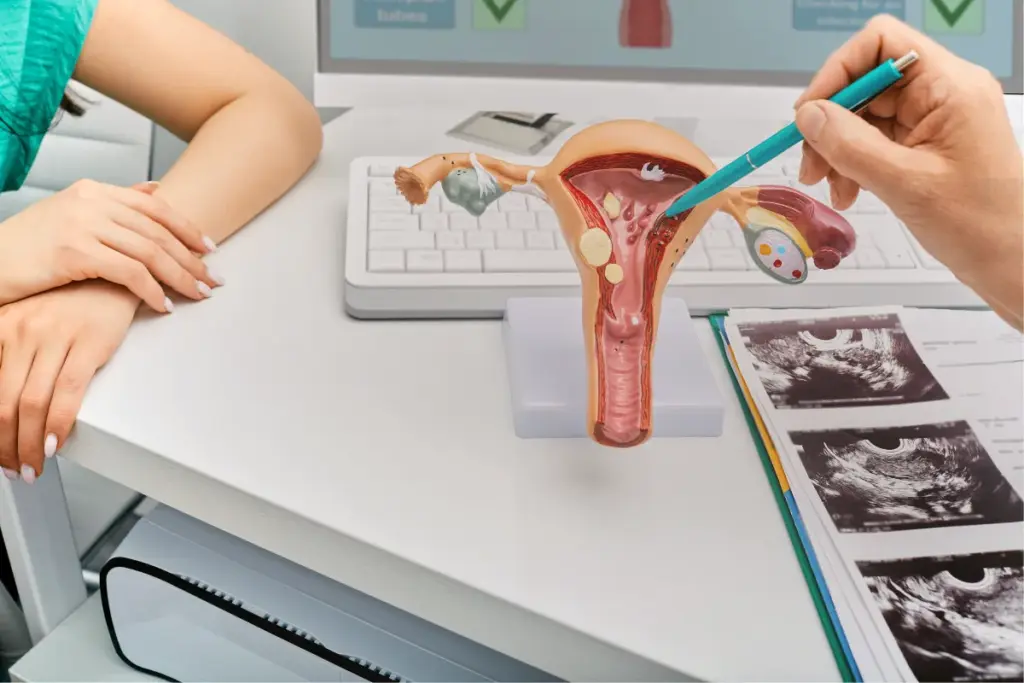
Uterine fibroids are non-cancerous growths that can appear in or on the uterus. They vary in size and number. These growths are common among women of reproductive age. The exact cause is unknown, but hormonal influences, genetics, and environmental factors may play a role.
Fibroids can greatly affect a woman’s quality of life. They can cause heavy menstrual bleeding, long menstrual periods, and pelvic pain. Knowing the different types and their locations is key to finding the right treatment.
Types of Uterine Fibroids and Their Locations
There are several types of uterine fibroids, classified by their location:
- Intramural Fibroids: These are the most common type, growing within the muscular uterine wall.
- Submucosal Fibroids: These fibroids develop just beneath the uterine lining, potentially causing heavy menstrual bleeding.
- Subserosal Fibroids: Growing on the outside of the uterus, these fibroids can press against other organs, causing discomfort.
- Pedunculated Fibroids: These are fibroids that grow on stalks, either inside or outside the uterus.
Common Causes and Risk Factors
While the exact cause of uterine fibroids is unknown, several factors are believed to contribute to their development:
- Hormonal Influences: Estrogen and progesterone, hormones that stimulate the uterine lining during each menstrual cycle, may promote fibroid growth.
- Genetics: Women with a family history of fibroids are more likely to develop them.
- Other Factors: Obesity, vitamin D deficiency, and certain dietary habits may also influence fibroid development.
Understanding these causes and risk factors can help in managing and treating uterine fibroids effectively.
Recognizing Fibroid Symptoms: When to Consider Treatment
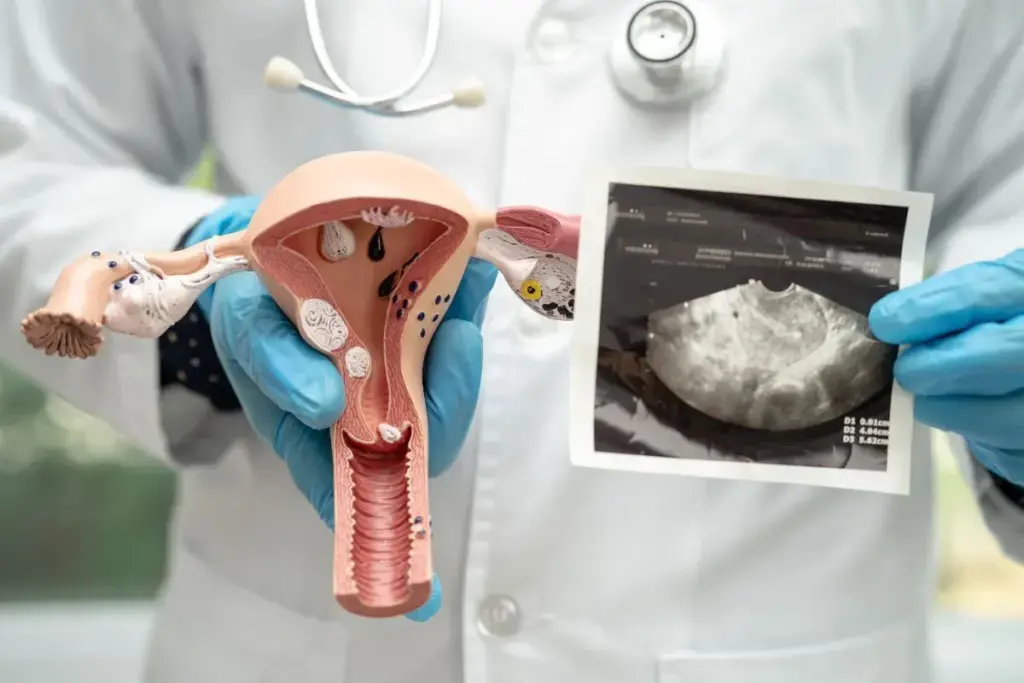
It’s important to know the common symptoms of uterine fibroids. These symptoms can really affect a woman’s life. Knowing them helps decide when to see a doctor.
Common Symptoms of Uterine Fibroids
The symptoms of uterine fibroids can differ. They depend on the fibroids’ size, number, and where they are. Here are some common ones:
- Heavy Menstrual Bleeding: This is a common symptom. It can lead to anemia and feeling very tired.
- Pelvic Pain or Pressure: Women might feel pain or pressure in their pelvis. This can happen all the time or just during certain times of their cycle.
- Frequent Urination: Big fibroids can push on the bladder. This can cause you to pee a lot or have trouble emptying your bladder.
- Constipation: Fibroids can also press on the rectum. This can make it hard to go to the bathroom or cause constipation.
These symptoms can really affect your daily life. If they keep happening or get worse, you should see a doctor.
How Fibroids Are Diagnosed
Doctors use a few ways to find out if you have uterine fibroids. They look at your medical history, do a physical check, and use imaging tests. The main tests are:
- Ultrasound: This is often the first test. It can show if you have fibroids, how big they are, and where they are.
- MRI (Magnetic Resonance Imaging): MRI gives detailed pictures of your uterus and fibroids. It helps doctors figure out the best treatment for you.
- Other Imaging Tests: Sometimes, doctors might use other tests like hysteroscopy or saline sonohysterography. These tests help them look at your uterus and fibroids more closely.
Getting a correct diagnosis is key. It helps doctors create a treatment plan that’s right for you.
Comprehensive Overview of Fibroid Non-Surgical Treatment Options
Learning about non-surgical fibroid treatments can help patients make better choices. These treatments have grown, giving many ways to handle symptoms.
There are two main types: medical and natural. Medical treatments use hormones and drugs to shrink fibroids. Hormonal treatments, like GnRH agonists, make it seem like you’re in menopause, which can shrink fibroids.
Medical vs. Natural Approaches
Doctors often suggest medical treatments based on symptoms and health. Natural approaches focus on diet, lifestyle, and herbs. They aim to stop fibroids from growing.
“Dietary changes can play a significant role in managing fibroids. Foods rich in antioxidants, such as berries and leafy greens, can help reduce inflammation and promote overall health.” –Women’s Health Specialist
Some research links diet to fibroid growth. Eating a lot of red meat and not enough fruits and veggies might increase fibroid risk.
|
Treatment Approach |
Description |
Potential Benefits |
|---|---|---|
|
Medical |
Hormonal therapies and medications |
Effective in reducing fibroid size and symptoms |
|
Natural |
Dietary changes, herbal remedies, and lifestyle modifications |
Promotes overall health, potentially reduces fibroid growth |
Factors That Determine Treatment Success
How well non-surgical treatments work depends on several things. These include fibroid size, location, age, and health.
Smaller fibroids usually respond better to treatment. Women close to menopause might see symptom improvement, needing less treatment.
Knowing these factors helps patients and doctors create a treatment plan. This plan meets the patient’s specific needs and aims for the best health.
Medical Approaches to Shrinking Fibroids
Many women choose medical treatments to shrink fibroids without surgery. These methods can be very effective in reducing fibroid size and easing symptoms.
Hormonal Medications and Their Effectiveness
Hormonal medications, like Gonadotropin-Releasing Hormone (GnRH) agonists, are often used to treat fibroids. They work by lowering estrogen levels, which can cause fibroids to shrink. GnRH agonists are good at reducing fibroid size and are sometimes used before surgery. But, they can have side effects and are only used for a few months because of the risk of bone loss and other menopausal symptoms.
Non-Hormonal Medical Options
Non-hormonal treatments are options for women who can’t or don’t want to use hormonal therapies. Tranexamic acid is used to manage heavy menstrual bleeding caused by fibroids. Also, drugs that target fibroid growth pathways are being studied. These drugs might reduce fibroid size and symptoms.
Emerging research is looking into these non-hormonal treatments. They aim to manage fibroids effectively without the side effects of hormonal therapies.
Uterine Fibroid Embolization: A Minimally Invasive Alternative
Women looking for non-surgical ways to treat fibroids might find uterine fibroid embolization appealing. This method is known for being effective and less invasive.
This procedure cuts off the fibroid’s blood supply, causing it to shrink. An interventional radiologist uses a small catheter to deliver embolic agents to the arteries feeding the fibroid. This blocks the blood flow, starving the fibroid of oxygen and nutrients, leading to its shrinkage.
The Procedure Process
The process starts with a small incision in the groin. A catheter is then inserted into the femoral artery. Under fluoroscopic guidance, the catheter is directed to the uterine arteries that supply the fibroid.
Next, embolic material, like microspheres or gelatin sponge particles, is injected. This blocks the blood flow to the fibroid.
Recovery and Success Rates
Uterine fibroid embolization has a quick recovery time. Most women can go home the same day or the next day. The procedure’s success rate is high, with many patients seeing a significant reduction in fibroid size and symptoms.
|
Procedure Aspect |
Details |
Benefits |
|---|---|---|
|
Procedure Time |
Typically 1-2 hours |
Quick and efficient |
|
Recovery Time |
1-7 days |
Fast return to normal activities |
|
Success Rate |
80-90% symptom reduction |
High effectiveness in symptom management |
It’s important for patients to talk to their healthcare provider. They should discuss their situation and what to expect from the procedure. This helps determine if uterine fibroid embolization is the right choice for them.
MRI-Guided Focused Ultrasound: Advanced Technology for Fibroid Treatment
MRI-guided focused ultrasound has changed how we treat uterine fibroids. It’s a non-invasive method that uses MRI to guide focused ultrasound waves. These waves heat and destroy fibroid tissue.
The Procedure Process
The MRI-guided focused ultrasound procedure happens in an MRI scanner. This lets doctors watch the treatment in real-time. The patient lies on a table with an ultrasound transducer.
The MRI gives clear images of the fibroid. This helps doctors target the fibroid without harming nearby tissues.
During the treatment, patients might need to stay very quiet and hold their breath. This helps get clear images. The treatment can last from 1 to 3 hours, depending on the fibroids’ size and number.
Candidates and Effectiveness
Not every woman with fibroids can have MRI-guided focused ultrasound. Whether or not it’s right for you depends on several things. These include the fibroids’ size, number, and location, and your overall health.
Research shows that this treatment can greatly reduce fibroid symptoms for many women. Its precision and ability to target fibroids without harming nearby tissue make it effective.
Key benefits of MRI-guided focused ultrasound include being non-invasive and having a quick recovery. It also might help women keep their fertility. Always talk to your doctor to see if this treatment is right for you.
Dietary Changes That Help Manage Fibroids
Eating foods rich in nutrients and antioxidants can help with fibroid symptoms. It’s important to know which foods to eat and avoid. This can greatly improve your quality of life.
Beneficial Foods for Fibroid Management
Some foods are good for women with fibroids because of their nutrients. These include:
- Leafy Greens: Full of antioxidants and fiber, spinach and kale can fight inflammation.
- Fatty Fish: Rich in omega-3s, salmon and sardines can ease symptoms.
- Whole Grains: Brown rice, quinoa, and whole-wheat bread are high in fiber, helping manage symptoms.
- Fruits: Berries, citrus fruits, and apples are packed with antioxidants, reducing inflammation.
Foods to Limit or Avoid
Some foods can make symptoms worse. It’s best to limit or avoid:
- Processed Foods: Full of unhealthy fats, salt, and sugar, they can worsen symptoms.
- Red Meat: Eating red meat may increase fibroid risk and severity.
- Dairy Products: Too much dairy can lead to hormone issues, affecting fibroid growth.
- Sugary Drinks and Foods: High sugar intake causes inflammation, making symptoms worse.
Knowing how diet affects fibroids can help women make better choices. This can improve their health and well-being.
|
Food Category |
Beneficial Foods |
Foods to Avoid |
|---|---|---|
|
Protein Sources |
Fatty fish, legumes |
Red meat, processed meats |
|
Grains |
Whole grains, quinoa |
Refined grains, white bread |
|
Dairy |
Low-fat or non-dairy alternatives |
High-fat dairy products |
Herbal Remedies and Supplements for Fibroid Treatment
Looking into natural ways to handle uterine fibroids, herbal remedies and supplements are getting more attention. They might not replace doctor’s advice, but they can help with symptoms. They can also work alongside traditional treatments.
Evidence-Based Herbal Options
Some herbal remedies have shown promise in managing fibroids. Here are a few:
- Chasteberry: It’s known for balancing hormones, which might lessen fibroid symptoms.
- Turmeric: Turmeric’s curcumin has anti-inflammatory effects that could help shrink fibroids.
- Green Tea: Green tea’s antioxidants might slow down fibroid growth.
Supplement Recommendations and Dosages
There are also supplements that might help with fibroids. Here are a few:
- Omega-3 Fatty Acids: In fish oil, omega-3s have anti-inflammatory benefits.
- Vitamin D: Keeping vitamin D levels up is important, as low levels can increase fibroid risk.
- Magnesium: This mineral can ease symptoms like bloating and cramping from fibroids.
Always talk to a healthcare provider before trying new supplements or herbal remedies. They can help ensure you’re getting the right treatment safely and effectively.
The Role of Exercise in Managing Fibroids
Physical activity can help ease symptoms of uterine fibroids. Regular exercise can manage fibroid symptoms by reducing stress, improving blood flow, and keeping a healthy weight.
Exercise is key in managing fibroids. Adding physical activity to your daily life can lessen fibroid symptoms.
Best Types of Exercise for Fibroid Patients
Some exercises are better for women with fibroids. These include:
- Aerobic Exercises: Activities like brisk walking, cycling, and swimming boost heart health and reduce stress.
- Yoga: This low-impact exercise manages stress and improves flexibility. It can also ease menstrual cramps from fibroids.
- Strength Training: Building muscle through strength training helps keep a healthy weight and boosts overall health.
A study in the Journal of Women’s Health Physical Therapy found that regular exercise greatly improves life quality for women with fibroids.
“Exercise is a vital part of a healthy lifestyle, and it benefits women with fibroids. Regular physical activity can lessen symptoms and enhance overall well-being.” -Women’s Health Specialist
Creating an Exercise Routine for Fibroid Management
To manage fibroids through exercise, a consistent and balanced routine is key. Here are some tips:
- Start Slowly: Begin with short, manageable sessions and gradually increase duration and intensity.
- Mix It Up: Combine different types of exercises to keep the routine interesting and prevent burnout.
- Schedule It: Treat exercise as a non-negotiable part of your daily schedule.
|
Exercise Type |
Benefits |
Frequency |
|---|---|---|
|
Aerobic |
Improves cardiovascular health, reduces stress |
3-4 times a week |
|
Yoga |
Reduces stress, improves flexibility |
2-3 times a week |
|
Strength Training |
Builds muscle, maintains healthy weight |
2-3 times a week |
By adding exercise to your lifestyle, you can actively manage fibroids and improve your health.
Stress Management Techniques to Support Fibroid Healing
Managing stress is key for women with uterine fibroids. High stress can make symptoms worse. Stress management is more than just relaxing; it’s a big part of treating fibroids and improving health.
How Stress Affects Fibroid Growth
Chronic stress can mess with our body’s hormonal balance. This can affect fibroid growth. When stressed, our body makes cortisol, a hormone that can raise estrogen levels. Fibroids grow because of estrogen, so stress can make them grow more.
The link between stress and fibroid growth is complex. It involves many pathways. Knowing this helps us create better management plans.
Effective Stress Reduction Practices
There are many ways to reduce stress and help fibroids heal. Some top practices include:
- Meditation and Mindfulness: Regular meditation lowers cortisol, helping us relax and reducing stress.
- Yoga: Yoga combines physical poses, breathing, and meditation to lower stress and boost well-being.
- Deep Breathing Exercises: Simple yet powerful, deep breathing calms the mind and lowers stress.
- Progressive Muscle Relaxation: This method involves tensing and relaxing muscles to release tension.
Adding these practices to your daily life can greatly help manage stress and aid in fibroid healing.
By using these stress management techniques, people can take charge of their health. This can lessen the impact of fibroids on their life quality.
Alternative Therapies for Fibroid Treatment
Women looking for fibroid relief are exploring alternative therapies. These include acupuncture and herbal remedies. They offer a holistic way to manage fibroid symptoms alongside traditional treatments.
Acupuncture and Traditional Chinese Medicine
Acupuncture is a key part of traditional Chinese medicine. It involves inserting fine needles into specific body points to stimulate healing. Studies show it may help with fibroid symptoms by improving blood flow and reducing inflammation.
Benefits of Acupuncture for Fibroids:
- Reduces pain and discomfort
- Regulates menstrual cycles
- Enhances overall well-being
Traditional Chinese medicine also uses herbal remedies for fibroids. Some herbs are thought to shrink fibroids or lessen symptoms.
Castor Oil Packs and Aromatherapy
Castor oil packs are another alternative therapy for fibroids. Applying castor oil to the abdomen may reduce inflammation and improve circulation.
|
Therapy |
Benefits |
Application |
|---|---|---|
|
Castor Oil Packs |
Reduces inflammation, improves circulation |
Topical application on the abdomen |
|
Aromatherapy |
Reduces stress, promotes relaxation |
Inhalation or topical application of essential oils |
Aromatherapy uses essential oils to reduce stress and promote relaxation. This may help manage fibroid symptoms.
While these therapies show promise, it’s vital to talk to a healthcare provider before starting them.
Balancing Hormones Naturally to Shrink Fibroids
Estrogen levels and fibroid growth are closely linked. Hormone balance is key in managing fibroids. Estrogen promotes fibroid growth, making it vital to find natural treatments.
Understanding the Estrogen-Fibroid Connection
Estrogen is important for fibroid growth. Fibroids have more estrogen receptors than normal uterine tissue. This makes them grow more in high estrogen environments.
Key factors influencing estrogen levels include:
- Dietary habits
- Environmental exposures
- Stress levels
- Overall health and hormonal balance
Natural Hormone Balancing Strategies
Natural hormone balancing needs a mix of diet, lifestyle, and supplements. Here are some strategies:
- Dietary Changes: Eating foods like cruciferous vegetables and omega-3 rich foods helps balance hormones.
- Lifestyle Adjustments: Exercise, stress management, and enough sleep are key for hormonal balance.
- Supplements: Supplements like vitamin D and omega-3 fatty acids can help. Always talk to a healthcare provider before starting supplements.
A women’s health specialist says, “A holistic approach to managing fibroids by focusing on hormone balance can be highly effective. It’s not just about reducing estrogen levels but also about creating a balanced hormonal environment.”
“A holistic approach to managing fibroids by focusing on hormone balance can be highly effective.”
|
Natural Strategy |
Description |
Potential Benefit |
|---|---|---|
|
Dietary Changes |
Incorporating hormone-balancing foods |
Reduces estrogen levels |
|
Lifestyle Adjustments |
Regular exercise, stress management |
Improves overall hormonal balance |
|
Supplements |
Vitamin D, omega-3, probiotics |
Supports hormone balance |
Understanding the estrogen-fibroid connection and using natural hormone balancing strategies can help shrink fibroids and improve health.
When to Consider Medical Intervention: Red Flags and Warning Signs
Certain symptoms and warning signs show when you need medical help for fibroids. Many women manage their fibroids with lifestyle changes and alternative therapies. But, some symptoms are so severe they need immediate medical care.
Symptoms That Require Immediate Attention
Severe pain, heavy bleeding, and signs of anemia are symptoms that need quick medical check-ups. Heavy menstrual bleeding can cause anemia. This leads to fatigue, weakness, and shortness of breath.
It’s important to watch your symptoms and get medical help if you notice:
- Severe pelvic pain or pressure
- Heavy or prolonged menstrual bleeding
- Signs of anemia, such as dizziness or pale skin
- Difficulty urinating or frequent urination
- Constipation or bloating
Monitoring Fibroid Growth and Changes
It’s key to keep an eye on how your fibroids grow. Changes in size or symptoms might mean you need a new treatment plan.
|
Monitoring Aspect |
Importance |
Action Required |
|---|---|---|
|
Fibroid Size |
Tracks growth or shrinkage |
Regular ultrasounds or MRIs |
|
Symptom Severity |
Assesses impact on quality of life |
Symptom journaling, regular check-ups |
|
Bleeding Patterns |
Identifies heavy or irregular bleeding |
Menstrual tracking, reporting changes |
In conclusion, knowing the red flags and warning signs for medical help is key for managing fibroids. By watching your symptoms and fibroid changes, you can work with your doctor to find the best treatment.
Creating a Complete Fibroid Management Plan
Managing fibroids well needs a mix of treatments. This plan involves teaming up with doctors and using different treatments together. This way, you get the best results.
Collaboration with Healthcare Professionals
Getting help from doctors is key to managing fibroids. They can figure out how bad your fibroids are, suggest treatments, and check on your progress. It’s important to find a doctor who knows what you need and who you feel at ease with.
Key things to talk about with your doctor include:
- Your symptoms and how they affect your daily life
- Your plans for having kids and how they might affect your treatment
- Any treatments you’ve tried before and how they worked
- The good and bad of different treatment options
Integrating Multiple Treatment Strategies
Using more than one treatment can often work better. This might mean combining traditional medicine with natural therapies or making lifestyle changes. A mix of treatments can help you feel better and live better.
A complete fibroid management plan might include:
|
Treatment Category |
Examples of Treatments |
|---|---|
|
Medical Treatments |
Hormonal therapies, pain management medications |
|
Lifestyle Changes |
Dietary modifications, exercise routines |
|
Alternative Therapies |
Acupuncture, herbal supplements |
By teaming up with doctors and mixing treatments, you can make a plan that fits you. This plan will help you feel better and live better.
Conclusion: Taking Control of Your Fibroid Health Journey
Learning about fibroids is the first step to managing them well. Knowing the causes, symptoms, and treatment options helps you make smart choices for your health. Whether you choose medical treatments, natural remedies, or both, it’s key to take charge of your health.
Changing your diet, managing stress, and trying alternative therapies can help a lot. It’s important to work with your healthcare team to make a plan that fits you. This way, you can feel better, stop fibroids from growing, and live a better life. You’ll be in control of your health.
FAQ
What are the most effective non-surgical treatments for fibroids?
Non-surgical treatments for fibroids include uterine fibroid embolization and MRI-guided focused ultrasound. Hormonal and non-hormonal medications, dietary changes, and herbal remedies also help. Stress management techniques are important too.
Can dietary changes really help manage fibroids?
Yes, dietary changes can help manage fibroids. Eating foods rich in antioxidants, fiber, and omega-3 fatty acids is beneficial. Avoiding processed and high-sugar foods also helps.
Are there any herbal remedies that can help shrink fibroids?
Yes, herbal remedies like chasteberry, turmeric, and ginger can help. They have anti-inflammatory and hormone-balancing properties that may shrink fibroids.
How does stress affect fibroid growth?
Stress can lead to hormonal imbalances, which may cause fibroids to grow. Stress-reducing activities like meditation, yoga, or deep breathing can help.
Can exercise help manage fibroid symptoms?
Yes, exercise can help manage fibroid symptoms. It improves circulation, reduces stress, and promotes hormone balance. Cardio, strength training, and flexibility exercises are beneficial.
What is uterine fibroid embolization, and is it a safe procedure?
Uterine fibroid embolization cuts off blood supply to fibroids, causing them to shrink. It’s generally safe but may have risks like infection or allergic reactions.
How does MRI-guided focused ultrasound work, and is it effective?
MRI-guided focused ultrasound uses sound waves to heat and destroy fibroid tissue. It’s non-invasive and can reduce fibroid size and symptoms. Success depends on fibroid size and location.
Can hormone imbalance contribute to fibroid growth?
Yes, hormone imbalance, like estrogen dominance, can contribute to fibroid growth. Natural strategies like dietary changes, stress management, and herbal remedies can help balance hormones and shrink fibroids.
When should I consider medical intervention for my fibroids?
Seek medical attention for severe symptoms like heavy bleeding, pelvic pain, or difficulty conceiving. Regular monitoring of fibroid growth is also important to determine the best treatment.
How can I create a complete fibroid management plan?
Work with healthcare providers and combine treatment approaches. Make lifestyle changes like dietary modifications and stress management. This will help create a personalized fibroid management plan.
References
National Center for Biotechnology Information. Evidence-Based Medical Insight. Retrieved from https://pubmed.ncbi.nlm.nih.gov/28477145/