
Blurry or distorted vision, wavy lines, or trouble reading can be scary. If you’re seeing these problems, you might have fluid accumulation behind your eye. This issue, called macular edema or central serous retinopathy, happens when blood vessels leak into the macula. This part of the retina is key for clear vision fluid behind eye symptoms.
At Liv Hospital, we know how serious this condition is. We work fast to fix it and keep your vision safe.
Dealing with fluid behind the eye needs a full plan. This includes natural ways and advanced medical treatments. Our goal is to give you top-notch care and help you manage your vision health.
We want you to know how to handle this condition. By learning about the causes, symptoms, and natural treatments, you can take charge of your eyes.
Key Takeaways
- Macular edema is a condition where fluid accumulates behind the eye, affecting vision.
- Leaking blood vessels into the retina’s macula can cause this condition.
- Natural management strategies and advanced treatments are available.
- Liv Hospital provides international-standard care for ophthalmologic conditions.
- Prompt diagnosis and management are key to saving your vision.
Understanding Fluid Behind the Eye
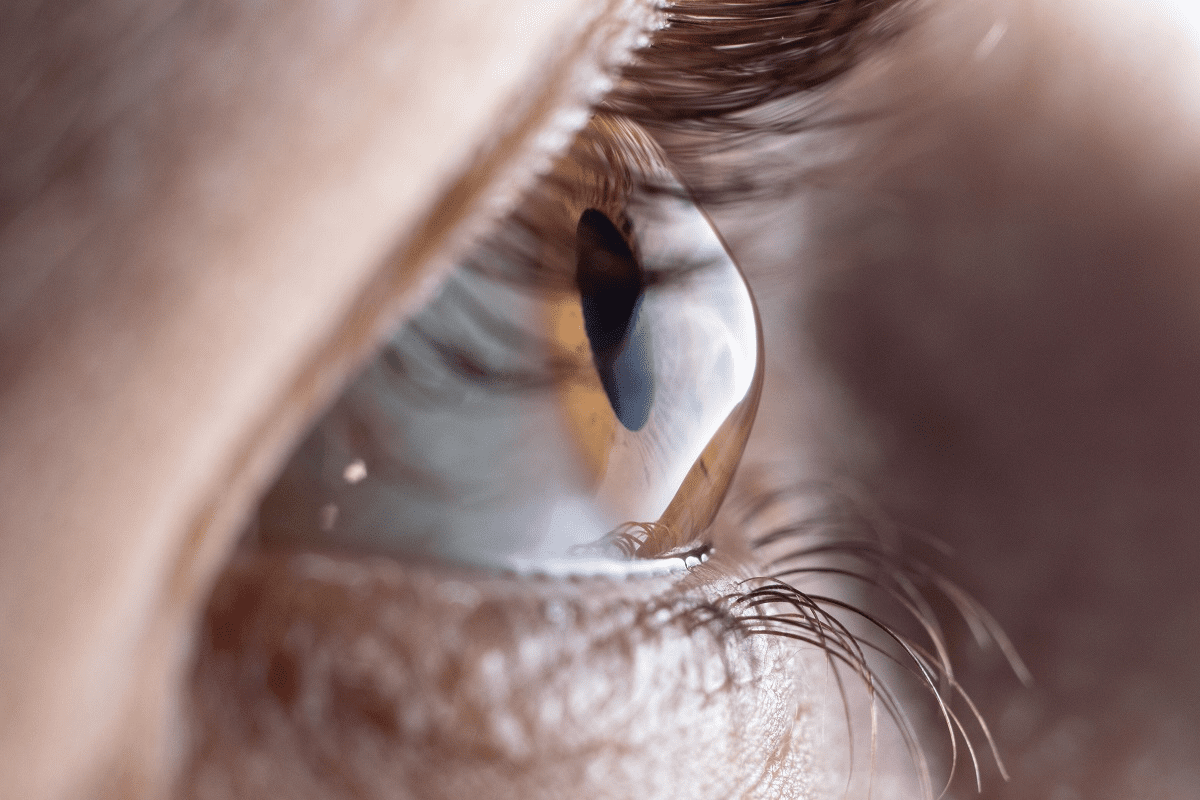
Fluid behind the eye is a big worry for eye health. It’s linked to macular edema and central serous retinopathy. These conditions cause fluid to build up in or behind the retina, leading to vision issues.
What is Macular Edema and Central Serous Retinopathy?
Macular edema happens when blood vessels leak fluid into or under the retina. This affects the macula region, which is key for central vision. It can be caused by diabetes, age-related macular degeneration, or surgery problems. Medical Expert, a top eye doctor, says, “Macular edema is a big reason for vision loss in diabetics.”
“Macular edema is a significant cause of visual impairment, and understanding its causes is key for managing it well.” – Medical Expert
Central serous retinopathy, or CSR, is when fluid builds up behind the retina. This causes vision to get distorted. It’s often tied to stress and using corticosteroids. Studies show that stress can make people more likely to get CSR.
How Fluid Accumulation Affects Vision
Fluid buildup behind or under the retina can really mess with your vision. In macular edema, the fluid makes the macula swell. This leads to blurry and distorted vision. People might find it hard to read, drive, or see faces clearly.
CSR also messes with vision, causing a gray or blind spot in the field of vision. How much vision is affected depends on how much fluid there is and why it’s there. Getting a quick diagnosis and treatment is key to avoiding permanent vision loss.
Prevalence and Risk Demographics
Macular edema is common in people with diabetes, with about 20% of diabetics getting it. Age-related macular degeneration is another big risk factor. CSR usually hits middle-aged folks, with men getting it more than women.
Knowing who’s at risk helps catch problems early. Regular eye exams are a must for those with risk factors to keep an eye on their vision.
Fluid Behind Eye Symptoms
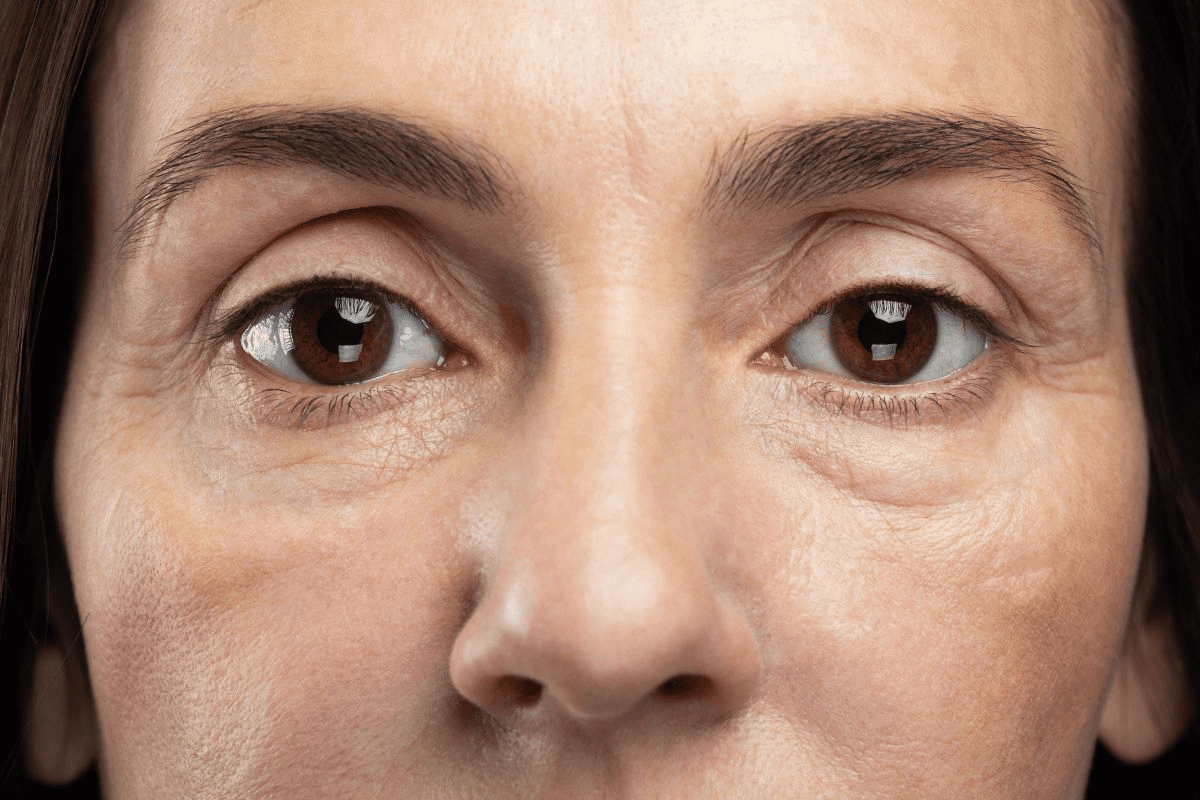
Fluid buildup behind the eye can cause vision and eye comfort issues. It’s important to know these symptoms early for treatment.
Visual Disturbances
Visual problems are a key sign of fluid behind the eye. You might see blurred or wavy vision in the center. This can make everyday tasks hard, like reading or driving.
People might also see distorted images. Straight lines look bent or crooked. This is common in conditions like macular edema and central serous retinopathy.
Color issues can also happen. Your vision’s vibrancy and clarity might change. These problems can really affect your life, so seeing a doctor quickly is important.
Physical Sensations
Fluid behind the eye can also cause physical feelings. You might feel pressure or discomfort in your eye. Some people might even feel mild pain or like there’s something in their eye.
The symptoms’ presence and how bad they are can differ. It depends on the cause and how much fluid there is. Knowing these symptoms helps you get the right medical help.
Common Causes of Retinal Fluid
Retinal fluid buildup can come from many medical issues and lifestyle habits. Knowing these causes helps in finding the right treatments.
Medical Conditions
Several health problems can cause fluid to gather behind the retina. These include:
- Diabetes: Diabetic retinopathy can cause macular edema, leading to fluid buildup.
- Hypertension: High blood pressure can affect the blood vessels in the retina, potentially causing fluid leakage.
- Age-related Macular Degeneration: This condition can lead to fluid accumulation due to the degeneration of the macula.
- Retinal Vein Occlusion: Blockage of the retinal veins can cause fluid leakage and accumulation.
- Uveitis: Inflammation of the uvea can lead to fluid buildup behind the retina.
Managing your overall health is key to preventing retinal fluid buildup.
Lifestyle Factors
Lifestyle choices also affect the risk of retinal fluid. These include:
- Smoking: Smoking can increase the risk of retinal diseases and fluid accumulation.
- Diet: A diet high in processed foods and low in essential nutrients can contribute to inflammation and fluid buildup.
- Stress: Chronic stress is associated with central serous retinopathy, a condition characterized by fluid accumulation behind the retina.
Diagnosing Fluid Behind the Retina
Diagnosing fluid behind the retina is key for effective treatment. It involves clinical evaluation and advanced imaging. We will look at early signs and professional diagnostic methods.
Early Warning Signs
It’s important to recognize early signs of fluid behind the retina. Symptoms include distorted vision, blind spots, and changes in visual acuity. Stress and high cortisol levels can lead to fluid leakage, affecting eye health.
Some people notice fluctuations in vision. Vision may clear up and then blur again. This could mean issues like macular edema or central serous retinopathy.
Professional Diagnostic Methods
Diagnosing macular edema and central serous retinopathy requires a thorough eye exam. This includes visual acuity tests and imaging like optical coherence tomography (OCT). OCT gives detailed retina images, helping spot fluid and its effect on vision.
Eye care professionals might also do fundus fluorescein angiography. This test shows blood vessels in the retina, helping find leaks or issues. This info is key for a good treatment plan.
By using clinical evaluation and advanced imaging, we can accurately diagnose fluid behind the retina. This allows for a personalized treatment plan to improve vision.
Anti-Inflammatory Diet for Eye Health
Eating foods that fight inflammation can help keep your eyes healthy. An anti-inflammatory diet includes foods that lower body inflammation. This can help with eye problems too.
Foods That Reduce Inflammation
Some foods are great for fighting inflammation and eye health. These include:
- Fatty fish like salmon and sardines, full of omega-3s.
- Leafy greens like spinach and kale, rich in antioxidants.
- Nuts and seeds, such as walnuts and chia seeds, with omega-3s and antioxidants.
- Whole grains like quinoa and brown rice, high in fiber.
- Turmeric, with curcumin, a strong anti-inflammatory.
These foods are good for your eyes and overall health by reducing inflammation.
Foods to Limit or Avoid
It’s also key to know which foods to avoid. Foods that can cause inflammation include:
- Processed foods, high in unhealthy fats, sugars, and sodium.
- Sugary drinks and foods, leading to inflammation.
- Refined carbs like white bread and pasta, causing inflammation.
- Foods with saturated and trans fats, like fried foods and some snacks.
By cutting down on these foods and eating anti-inflammatory foods, we can support our eye health. This might also help reduce fluid behind the eye.
Essential Nutrients and Supplements
Certain vitamins, minerals, and antioxidants are key for healthy vision. A balanced diet with these nutrients supports eye health well.
Vitamins for Eye Health
Vitamins C and E are vital for the eyes. Vitamin C fights oxidative stress, and Vitamin E protects the retina. You can find these in citrus fruits, nuts, and leafy greens.
- Citrus fruits like oranges and grapefruits are high in Vitamin C.
- Nuts and seeds such as almonds and sunflower seeds are rich in Vitamin E.
- Leafy greens like spinach and kale are packed with both vitamins.
Minerals and Antioxidants
Minerals and antioxidants are also important for eye health. Lutein and zeaxanthin protect the macula and lower macular degeneration risk. Omega-3 fatty acids reduce eye inflammation.
- Lutein is found in leafy greens and eggs.
- Zeaxanthin is abundant in corn, eggs, and orange peppers.
- Omega-3 fatty acids are found in fatty fish like salmon and sardines.
Eating a balanced diet with whole foods and supplements can help. Always talk to a healthcare professional before starting supplements.
By eating a nutrient-rich diet and knowing about vitamins, minerals, and antioxidants, we can keep our vision healthy. This helps prevent fluid buildup behind the eye.
Herbal Remedies for Reducing Eye Fluid
Herbal remedies are a natural way to manage fluid behind the eye. Some herbs have anti-inflammatory properties. These can help reduce fluid and improve eye health.
Beneficial Herbs
Several herbs are good for reducing eye fluid. These include:
- Turmeric: It has curcumin, which fights inflammation and is antioxidant.
- Ginger: It has compounds that may reduce fluid buildup.
- Ginkgo Biloba: It improves blood flow and may reduce eye fluid.
Herbal experts say these herbs are great for eye health. “Their anti-inflammatory properties can help reduce swelling and fluid in the eyes.”
“Herbal remedies like turmeric and ginger have been used for centuries to treat various inflammatory conditions, and their benefits can extend to eye health.”
Preparation Methods
These herbs can be used in different ways to get the most benefits:
Herb | Preparation Method | Benefits |
Turmeric | Tea or Capsules | Anti-inflammatory |
Ginger | Tea or Extract | Reduces inflammation |
Ginkgo Biloba | Capsules or Extract | Improves circulation |
Always talk to a healthcare professional before trying new herbal remedies. This is important if you’re on medication or have health issues.
Hydration and Fluid Balance
Keeping our body fluids in balance is key, and this includes the area around our eyes. “Drinking enough water is vital for our health, and it’s often overlooked for eye health,” says Medical Expert, a top eye doctor. Drinking the right amount of water helps keep our body fluids balanced. This reduces the chance of fluid building up behind our eyes.
Optimal Water Intake Guidelines
The amount of water we need changes based on our age, sex, and how active we are. The National Academies of Sciences, Engineering, and Medicine suggest women need 2.7 liters and men need 3.7 liters of water daily. But, our personal needs can differ.
To see if you’re drinking enough, watch your urine color. If it’s pale yellow, you’re good. Also, listen to your body’s thirst signals to know how much water you need.
Reducing Fluid Retention
To cut down on fluid retention, change what you eat and how you live. Reducing salt intake is a big help, as too much salt can make you hold water. Eating foods like cucumbers and celery, which help you pee more, is also good.
Stress can make fluid retention worse. So, finding ways to manage stress, like meditation or deep breathing, is important. “Stress can make fluid retention worse, so managing stress well is key,” says Medical Expert, a health expert.
“Drinking enough water and eating a balanced diet are key to managing fluid behind the eye. By making smart choices about what we drink and eat, we can help keep our eyes healthy.”
Understanding the role of hydration and finding ways to keep our fluids balanced can help us manage fluid behind the eye naturally.
Stress Reduction Techniques
Stress can harm your eyes, leading to fluid leakage behind the retina. It can also worsen eye health issues. So, it’s key to use stress-reducing methods every day.
Meditation and Mindfulness Practices
Meditation and mindfulness can lower stress a lot. They help you focus on the now, using breathing or images to calm down. Regularly meditating can cut down cortisol, the stress hormone, and might prevent eye fluid buildup.
“Mindfulness is the practice of being present in the moment, and it can have a profound impact on our stress levels and overall well-being.”
– Jon Kabat-Zinn, Mindfulness Expert
Begin with 5-10 minute meditation sessions. As you get used to it, you can make them longer.
Breathing Exercises
Breathing exercises are great for stress relief. Diaphragmatic breathing, or belly breathing, calms your nervous system. It uses your diaphragm for better oxygen and might lower blood pressure and stress.
- Find a comfortable seated or lying position.
- Place one hand on your belly and the other on your chest.
- Inhale deeply through your nose, allowing your belly to rise while your chest remains steady.
- Exhale slowly through your mouth, feeling your belly fall.
Sleep Optimization
Good sleep is vital for managing stress and health. Bad sleep can make stress worse and harm your eyes. To sleep better, stick to a schedule, make your bedroom cozy, and avoid caffeine and screens before bed.
Sleep Optimization Tips | Description |
Maintain a Consistent Sleep Schedule | Go to bed and wake up at the same time daily, including weekends. |
Create a Restful Sleep Environment | Ensure your bedroom is dark, quiet, and at a comfortable temperature. |
Avoid Pre-Bedtime Stimulants | Limit exposure to screens and avoid caffeine and heavy meals before bedtime. |
Using these stress-reducing methods daily can help avoid eye fluid buildup and boost your health.
Eye Exercises and Vision Therapy
To help with fluid behind the eye, eye exercises and vision therapy are key. They boost eye health, lessen symptoms, and improve vision. We’ll look at how focusing, eye movement, and screen breaks can help your eyes.
Focusing Techniques
Focusing techniques are simple ways to better focus and cut down eye strain. Try focusing on a point, then a farther point, and keep switching. This strengthens your focusing muscles.
Another method is to focus on your thumb a few inches away, then slowly move it back while keeping focus. This improves your eye’s ability to adjust to different distances.
Eye Movement Exercises
Eye movement exercises make your eyes more flexible and coordinated. A simple one is to move your eyes in circles, first one way and then the other. Do this a few times to loosen your eye muscles.
Another good exercise is to look up and down, then side to side, and diagonally. These movements stretch and strengthen your eye muscles, boosting your eye health.
Digital Screen Breaks
In today’s world, digital screen breaks are vital. Too much screen time can cause eye strain and fatigue. The 20-20-20 rule helps: every 20 minutes, look 20 feet away for 20 seconds.
Also, adjust your screen’s brightness and contrast to ease eye strain. Make sure your workspace is well-lit and glare-free to keep your eyes comfortable.
Exercise | Benefit | Frequency |
Focusing Techniques | Improves focusing ability | 3 times a day |
Eye Movement Exercises | Enhances eye flexibility | 2 times a day |
Digital Screen Breaks | Reduces eye strain | Every 20 minutes |
When to Seek Medical Treatment
It’s important to know when to see a doctor if you have fluid behind your eye. Natural methods can help, but some cases need quick medical care to avoid serious problems.
Warning Signs That Require Immediate Attention
Knowing the signs that mean you need to see a doctor right away is key. These include:
- Sudden vision loss: A sudden drop in vision could mean a serious issue.
- Severe eye pain: If your eye hurts a lot, it might be an emergency.
- Increased sensitivity to light: Being very sensitive to light could be a sign of a problem that needs a doctor’s check.
Conventional Medical Treatments
Medical treatments for fluid behind the eye depend on the cause. Some common ones are:
- Injections: Anti-VEGF shots help with conditions like macular edema.
- Laser therapy: Laser treatments can help with fluid and conditions like diabetic retinopathy.
- Surgery: Sometimes, surgery is needed for issues like retinal detachment or macular edema.
Integrating Natural and Medical Approaches
Using both natural remedies and medical treatments can help manage fluid behind the eye. Medical treatments fix the immediate problem. Natural methods support eye health and might prevent future issues.
Eating an anti-inflammatory diet with omega-3s and antioxidants is good for your eyes. Stress-reducing activities like meditation and yoga can also help your overall health.
Always talk to a doctor before mixing natural remedies with medical treatments. This ensures your treatment plan is safe and effective.
Conclusion
We’ve looked into fluid behind the eye, its causes, symptoms, and treatments. Managing it needs a mix of natural and medical steps. This approach helps keep your vision safe.
Knowing the causes and symptoms helps you act early. Eating right, taking nutrients, and reducing stress are key. These steps help manage fluid behind the eye.
But, knowing when to see a doctor is also vital. Some signs need quick action. Medical treatments can help with fluid issues. It’s best to use both natural and medical ways for the best results.
In short, managing fluid behind the eye is possible with the right mix of natural and medical care. We urge everyone to be proactive and informed about their eye health.
FAQ
What is fluid behind the eye, and how does it affect vision?
Fluid behind the eye, also known as retinal fluid, is when fluid builds up. It happens in the space between the retina and the tissue underneath. This can lead to blurred vision, distorted vision, and blind spots.
What are the common causes of fluid behind the eye?
Fluid behind the eye can be caused by medical conditions like diabetes and hypertension. It can also be caused by lifestyle factors such as smoking and a poor diet.
What are the symptoms of fluid behind the eye?
Symptoms include blurred vision, distorted vision, and blind spots. You might also feel eye strain and discomfort.
How is fluid behind the eye diagnosed?
A thorough eye exam is needed to diagnose fluid behind the eye. This includes tests like optical coherence tomography (OCT) and fluorescein angiography.
Can diet help manage fluid behind the eye?
Yes, eating an anti-inflammatory diet can help. Include fruits, vegetables, and omega-3 fatty acids to promote eye health.
Are there any supplements that can help reduce fluid behind the eye?
Supplements like omega-3 fatty acids, vitamin D, and antioxidants can help. They reduce inflammation and support eye health.
How can stress reduction techniques help manage fluid behind the eye?
Stress reduction techniques like meditation and breathing exercises can help. They reduce stress and promote eye health.
Can eye exercises help manage fluid behind the eye?
Yes, eye exercises like focusing techniques can help. They improve eye health and reduce symptoms.
When should I seek medical treatment for fluid behind the eye?
Seek medical help immediately if you have sudden vision loss or severe eye pain. Other severe symptoms also require immediate attention.
Can fluid behind the eye be treated naturally?
Some cases can be managed naturally with diet, supplements, and stress reduction. But, always consult a healthcare professional for proper diagnosis and treatment.
What is the role of hydration in managing fluid behind the eye?
Hydration is key for eye health. Drinking enough water can help reduce fluid retention.
Are there any herbal remedies that can help reduce eye fluid?
Yes, herbal remedies like turmeric, ginger, and green tea can help. They reduce inflammation and promote eye health.
References
Government Health Resource. Evidence-Based Medical Guidance. Retrieved from https://www.aao.org/eye-health/diseases/macular-edema-explained



 Departments
 Related Videos
 Our Doctors
 News
News