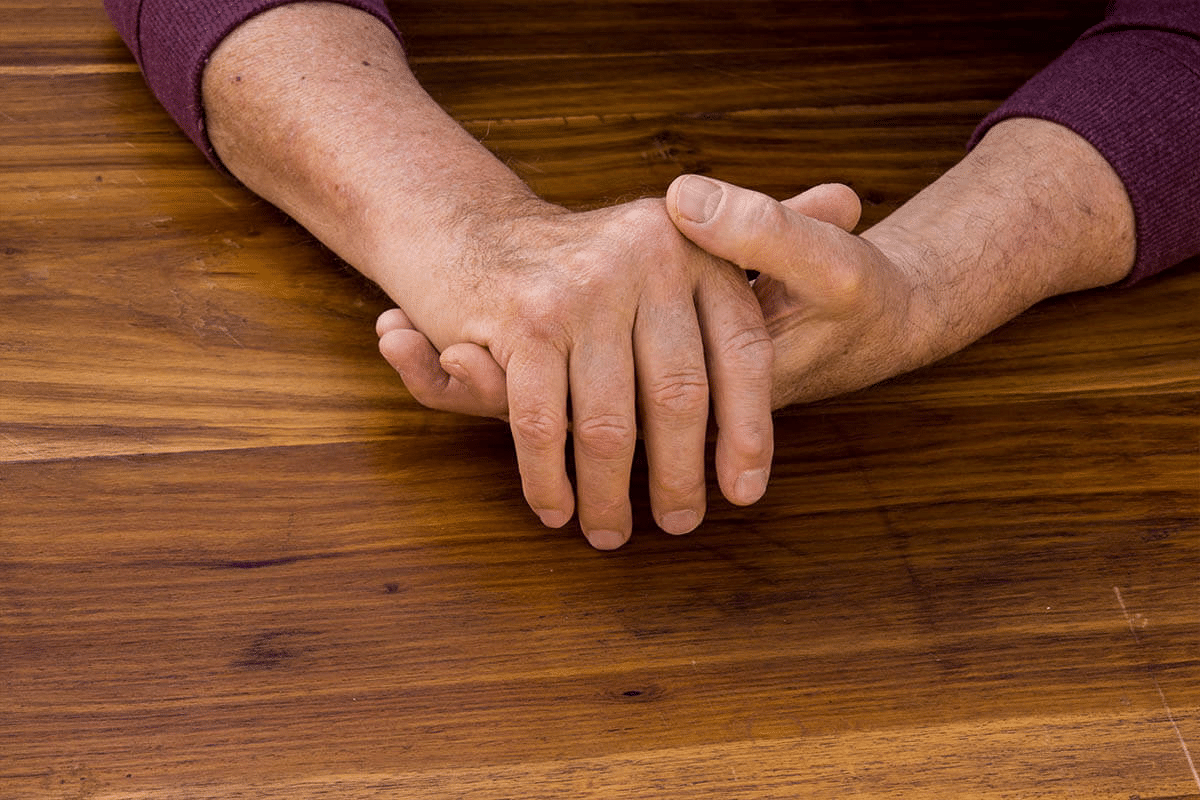
Guide on managing osteoarthritis in fingers, providing relief tips focusing on splinting, heat, and appropriate hand exercises.
Osteoarthritis in fingers is a common problem that affects millions worldwide. It causes chronic pain, stiffness, and swelling. At Liv Hospital, we know how important it is to manage osteoarthritis symptoms in hands. This helps keep your hands working well and improves your life quality.
Recent studies show that hand osteoarthritis affects 44.2% of women and 37.7% of men. It’s key to manage osteoarthritis of the fingers well. This reduces pain and boosts grip strength. We offer expert advice and new treatment options to help you manage your condition.
Key Takeaways
- Understand the prevalence and impact of osteoarthritis in fingers.
- Learn effective strategies for managing osteoarthritis symptoms in hands.
- Discover innovative treatment options for osteoarthritis of the fingers.
- Improve hand function and quality of life with expert advice.
- Empower yourself with knowledge to manage osteoarthritis effectively.
Understanding Osteoarthritis in Fingers
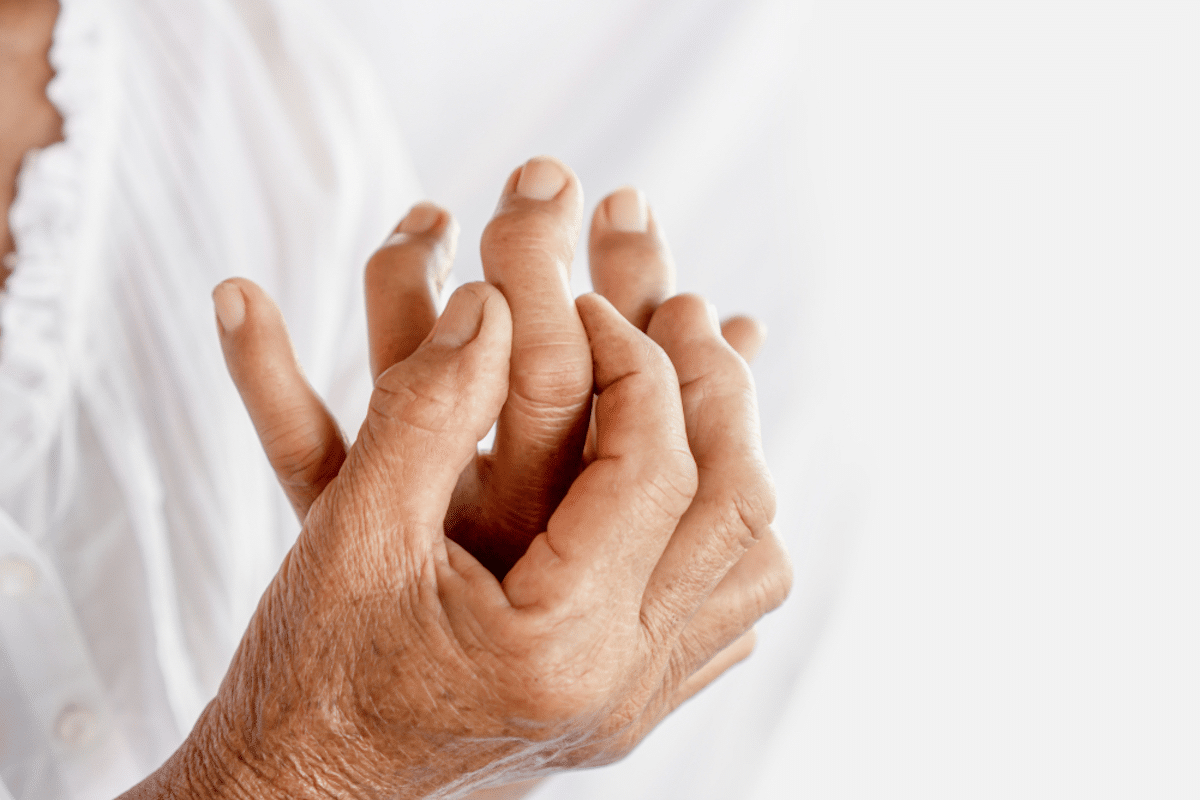
Osteoarthritis in fingers causes pain, stiffness, and makes it hard to move. Knowing how common it is, who it affects, and which joints it hits is key to managing it well.
Prevalence and Demographics
Osteoarthritis in fingers is a big health problem. It affects many people, changing their quality of life. Women are more likely to get it, mainly in certain joints.
As people get older, the risk of osteoarthritis in hands goes up. About 35% of people have it in the finger tips, 21% in the wrist area, and 18% in the middle joints.
Common Joint Involvement Patterns
Some finger joints get osteoarthritis more than others. The joints at the tips and middle of the fingers are often hit. This leads to bumps called Heberden’s and Bouchard’s nodes.
- The thumb’s joint is also a common spot for osteoarthritis. It causes thumb pain and weakness.
- How osteoarthritis affects different people can vary. This changes the symptoms and how much it limits movement.
Knowing which joints are usually affected helps doctors diagnose and treat finger osteoarthritis better.
Recognizing the Symptoms and Signs
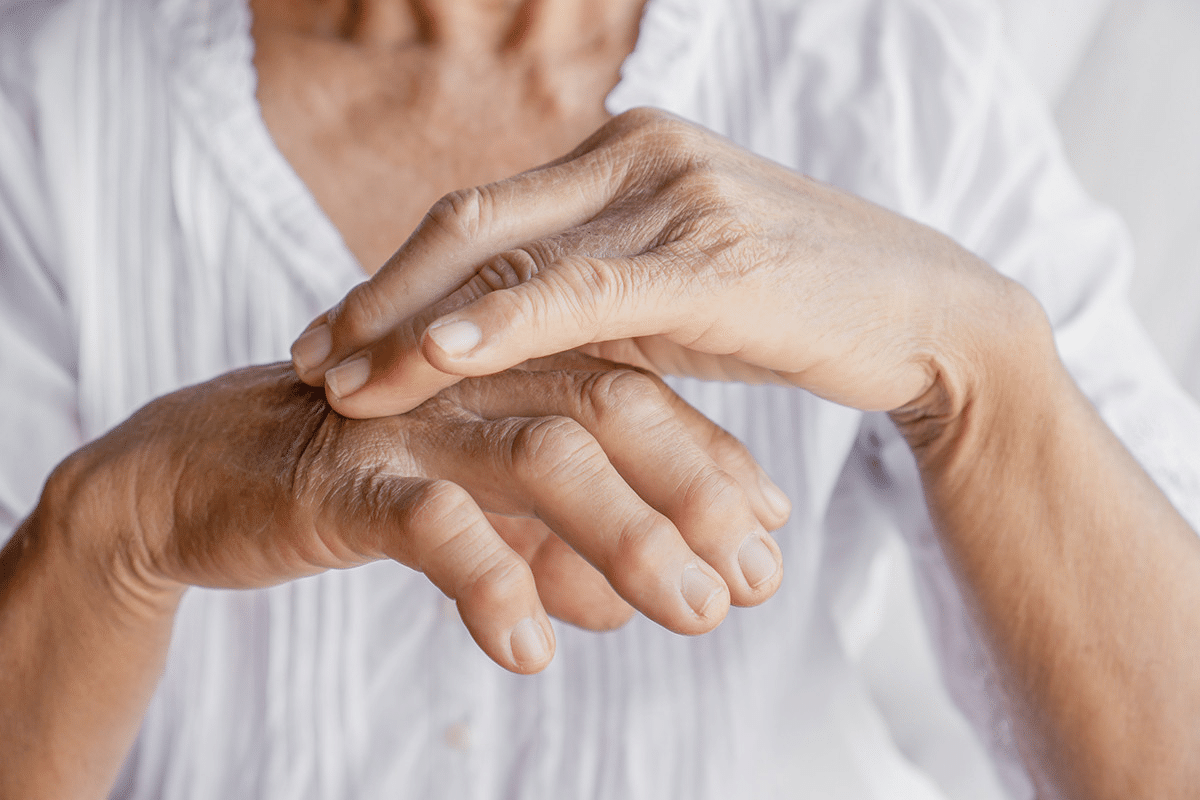
Spotting the first signs of osteoarthritis in fingers is vital for managing it well. Osteoarthritis in fingers shows through various symptoms. These symptoms start slowly and get worse over time.
Early Warning Signs
The first signs of osteoarthritis in fingers include pain and stiffness. This pain is often felt after rest or when not active. People may also find it hard to move their fingers freely, making daily tasks tough.
Bony enlargements or Heberden’s nodes and Bouchard’s nodes are also early signs. These are firm, bony lumps that appear at the joint closest to the fingertip (Heberden’s nodes) or at the middle joint of the finger (Bouchard’s nodes).
Progressive Symptom Development
As osteoarthritis gets worse, symptoms get more noticeable. Patients may feel more pain when gripping or pinching. This condition also makes the hand’s grip weaker, affecting hand function.
The joints may swell and feel tender. Some people might hear a grinding sensation or a crunching sound (crepitus) when moving their fingers. This happens because the cartilage wears down and bone spurs form.
When to Seek Medical Attention
Seeing a doctor is key if symptoms don’t go away or get worse. Early treatment can help manage the condition better and prevent more damage to the joints.
If you have severe pain, significant loss of function, or if symptoms affect your daily life, see a doctor. A healthcare provider can suggest the best treatment and improve your quality of life.
Medical Diagnosis Process
To diagnose osteoarthritis in finger joints, we use physical exams and imaging tests. Getting the diagnosis right is key to treating it well.
Physical Examination Techniques
A detailed physical exam is the first step. We check for swelling, redness, and deformity in the fingers. We also test how well the joints move and check for pain.
We focus on the DIP and PIP joints, as they often get affected. We look for Heberden’s and Bouchard’s nodes, which are signs of osteoarthritis.
Imaging Tests for Confirmation
Imaging tests help confirm the diagnosis. X-rays are usually the first choice. They show joint narrowing, bone growths, and bone hardening. Sometimes, we use MRI or ultrasound to see more damage and rule out other issues.
Differentiating from Other Hand Conditions
It’s important to tell osteoarthritis apart from other hand problems. We look at other causes of pain, like rheumatoid arthritis and tendinitis. A detailed history, physical exam, and imaging help us make the right diagnosis.
By using physical exams, imaging, and careful diagnosis, we can accurately find osteoarthritis in fingers. Then, we can start the right treatment.
Non-Prescription Pain Management Strategies
Osteoarthritis pain in fingers can be really tough. But, there are many ways to feel better without a doctor’s prescription. Finding the right pain management is key to keeping your life good and your daily tasks easy.
Over-the-Counter Medications
First, you might try over-the-counter (OTC) medicines for osteoarthritis pain. Nonsteroidal anti-inflammatory drugs (NSAIDs) like ibuprofen and naproxen are good for pain and swelling. Always follow the dose and talk to a doctor before starting any new medicine.
- Ibuprofen: It’s known for fighting inflammation and easing pain.
- Naproxen: This NSAID gives longer relief and is great for osteoarthritis pain.
- Acetaminophen: It helps with pain but doesn’t fight swelling.
Topical Pain Relief Options
Topical pain relief is another way to tackle osteoarthritis pain. Topical NSAIDs and capsaicin cream are favorites.
- Topical NSAIDs: These creams or gels are applied to the skin over the joint. They offer pain relief without the side effects of pills.
- Capsaicin Cream: Made from chili peppers, it works by blocking pain signals to the brain.
Natural Anti-Inflammatory Supplements
Some people like to try natural supplements for osteoarthritis pain. Omega-3 fatty acids in fish oil and glucosamine and chondroitin are popular choices.
- Omega-3 Fatty Acids: They have anti-inflammatory effects and can lessen joint pain and stiffness.
- Glucosamine and Chondroitin: These might help with joint health, but results can differ.
Always talk to a doctor before taking new supplements. This ensures they won’t harm you or interact with other medicines.
Medical Treatment Options
Medical treatments are key when other methods don’t work for osteoarthritis in fingers. They help manage pain and improve hand use.
Prescription Medications
Prescription medications are used when over-the-counter options don’t help. These include stronger NSAIDs or DMARDs. They reduce inflammation and slow the disease. We help find the right medication and dosage for each patient.
Injection Therapies
Injection therapies are another choice for osteoarthritis. Corticosteroid injections can greatly reduce pain and swelling. A healthcare professional injects them directly into the joint.
Surgical Interventions
In severe cases, surgical interventions might be needed. This includes joint fusion or replacement. These surgeries aim to ease pain, improve function, and enhance life quality. We talk about the benefits and risks with our patients.
It’s important to talk to a healthcare provider. They can suggest the best treatment based on the disease’s severity and the patient’s needs.
Hand Exercises to Maintain Mobility
Hand exercises are key in managing osteoarthritis symptoms. Doing specific exercises daily helps keep your hands moving and less stiff.
Start with simple exercises you can do every day. “Regular hand exercises can greatly improve hand function and lessen pain,” say healthcare experts.
Range-of-Motion Exercises
Range-of-motion exercises keep your fingers and hands flexible. These involve moving your fingers in different ways.
- Gently bending your fingers down toward your palm
- Straightening your fingers
- Spreading your fingers apart and then bringing them together
Doing these exercises often can cut down stiffness and boost finger movement.
Strengthening Exercises
Strengthening exercises boost grip strength and hand function. You can use tools or simple hand movements for these.
Examples include:
- Squeezing a soft rubber ball
- Using hand grip strengtheners
- Doing finger bends with light weights
These exercises build the strength needed for everyday tasks.
Daily Exercise Routine
Having a daily exercise routine is vital for hand exercises. Set aside time each day for these exercises.
A regular routine helps you:
- Keep hand mobility
- Lessen pain and stiffness
- Enhance overall hand function
Consistency is key in hand exercises for osteoarthritis. By making these exercises a daily habit, you’ll see big improvements in hand health.
“Exercise is a vital part of managing osteoarthritis. Regular hand exercises can enhance function and reduce pain.”
Assistive Devices and Ergonomic Tools
For those with osteoarthritis in their fingers, using assistive devices and ergonomic tools can make a big difference. These tools help lessen the strain on joints, improve function, and boost independence.
Splints and Braces
Splints and braces are key for managing finger osteoarthritis. They offer support to the affected joints, cutting down on pain and swelling. By keeping the joint stable, they help it rest and heal, which is great during flare-ups.
Types of Splints and Braces:
- Resting splints: These keep the hand and fingers in a neutral position, easing strain and pain.
- Functional splints: Worn during activities, these splints support the fingers while allowing some movement.
- Custom-made splints: Made to fit an individual’s hand, these offer personalized support and comfort.
Ergonomic Tools for Daily Activities
Ergonomic tools make daily tasks simpler by easing the strain on fingers and hands. They’re super helpful for tasks like cooking, writing, and personal care.
|
Activity |
Ergonomic Tool |
Benefit |
|---|---|---|
|
Cooking |
Adaptive utensils with large grips |
Reduces strain on fingers while preparing meals |
|
Writing |
Pens with ergonomic grips |
Eases the grip required for writing, reducing fatigue |
|
Personal Care |
Modified hairbrushes and toothbrushes |
Makes personal grooming tasks less painful |
Adaptive Equipment for Independence
Adaptive equipment is vital for keeping independence in daily tasks. It’s made to help with the limitations of osteoarthritis, making tasks easier to do.
Examples of Adaptive Equipment:
- Buttonhooks and zipper pulls for dressing
- Jar openers and adaptive kitchen tools
- Reachers and grabbers for picking up items
By using these assistive devices and ergonomic tools, people with finger osteoarthritis can lessen their discomfort and stay independent.
Heat and Cold Therapy Applications
Heat and cold therapy are simple ways to help with osteoarthritis in fingers. Knowing how they work helps people create a treatment plan. This plan can include switching between heat and cold to find the best relief.
Benefits and Methods of Heat Therapy
Heat therapy helps by making fingers less stiff and more mobile. It does this by increasing blood flow, relaxing muscles, and easing pain. There are a few ways to use heat therapy:
- Using a warm washcloth
- Applying a heating pad on a low setting
- Taking a warm bath or shower
- Utilizing a paraffin wax bath
Heat therapy should be applied for 15-20 minutes at a time. It’s important to check the temperature to avoid burns, which is more critical for those with less sensation.
Cold Therapy Techniques
Cold therapy helps by reducing pain and swelling from osteoarthritis. It numbs the pain and cuts down blood flow to the area. Cold therapy can be applied in a few ways:
- Cold packs or cold compresses
- Ice wrapped in a cloth to avoid direct contact with the skin
- Cold baths
Cold therapy should be used for shorter durations than heat therapy, about 10-15 minutes. It’s important to watch skin temperature and sensation to avoid frostbite.
Alternating Heat and Cold Protocols
Switching between heat and cold therapy can be very effective. It combines the benefits of both, helping with pain and stiffness. A common approach is:
- Starting with heat therapy to relax muscles and improve mobility
- Following with cold therapy to reduce inflammation from increased mobility
- Alternating between heat and cold as needed, starting with heat before activities and cold after
By using heat and cold therapy, people with osteoarthritis in their fingers can find a lot of relief. This can greatly improve their quality of life.
Lifestyle Modifications for Joint Protection
Making lifestyle changes is key to protecting our joints and easing osteoarthritis symptoms. By changing our daily habits and surroundings, we can lessen the pressure on our finger joints.
Joint Protection Principles
Protecting our joints means using methods that lessen stress and strain. This includes using the strongest joints for tasks, avoiding repetitive motions, and using assistive devices when needed. Proper joint protection can help prevent deformities and reduce pain.
For example, when carrying bags, we should distribute the weight evenly across our body or use a backpack. This avoids putting too much strain on our fingers and hands.
Activity Pacing Strategies
Activity pacing is about balancing rest and activity to avoid overexertion. By pacing our activities, we can manage fatigue and reduce the risk of worsening osteoarthritis symptoms. Pacing helps in maintaining a consistent level of activity without overloading the joints.
- Break tasks into smaller, manageable chunks.
- Take regular breaks to rest your hands and fingers.
- Alternate between tasks that require different types of hand movements.
Home Environment Adaptations
Adapting our home environment can greatly impact managing osteoarthritis. Simple changes, like using ergonomic tools and adapting storage solutions, can make daily tasks easier on our joints. An adapted home environment supports independence and reduces strain.
For instance, using lever handles on doors and faucets can reduce finger strain. Also, installing storage that’s easy to access can minimize stretching or bending.
Dietary Approaches to Reduce Inflammation
We can help ease osteoarthritis symptoms by eating anti-inflammatory foods. Eating the right foods can help manage osteoarthritis in fingers. This approach can complement treatment and reduce symptoms.
Anti-Inflammatory Foods
Eating foods that fight inflammation can help with osteoarthritis. Some key foods include:
- Fatty Fish: Salmon and sardines are full of omega-3s, which fight inflammation.
- Turmeric: It has curcumin, a strong anti-inflammatory.
- Ginger: Studies show it can reduce inflammation and pain.
- Leafy Greens: Spinach and kale are packed with antioxidants and anti-inflammatory compounds.
- Nuts and Seeds: Walnuts and flaxseeds are rich in healthy fats and antioxidants.
Foods to Limit or Avoid
It’s also key to avoid foods that can make inflammation worse. Some foods to limit include:
- Processed Foods: They’re often full of unhealthy fats, sugars, and sodium.
- Sugary Drinks: They can cause inflammation and lead to weight gain.
- Refined Carbohydrates: White bread and pastries can cause inflammation.
- Red and Processed Meats: Eating too much of these can increase inflammation.
Maintaining Healthy Weight
Keeping a healthy weight is vital for managing osteoarthritis. Extra weight puts more stress on joints, making symptoms worse. A balanced diet and exercise can help keep a healthy weight.
|
Dietary Approach |
Benefit |
|---|---|
|
Incorporating Anti-Inflammatory Foods |
Reduces inflammation and potentially alleviates osteoarthritis symptoms. |
|
Limiting Pro-Inflammatory Foods |
Decreases factors that can worsen inflammation. |
|
Maintaining a Healthy Weight |
Reduces stress on joints, potentially slowing disease progression. |
Conclusion: Living Well with Finger Osteoarthritis
Living well with finger osteoarthritis means using a mix of treatments and lifestyle changes. This includes medical care, exercises, and tools to help you. These steps help manage symptoms and improve life quality.
We talked about ways to ease finger osteoarthritis pain. This includes using pain relief without a prescription, medical treatments, and keeping hands moving. Tools and ergonomic items also help reduce finger strain and boost independence.
Handling osteoarthritis symptoms is a continuous effort. It’s about making smart choices about treatment and lifestyle. Working with doctors to create a personal plan helps ease symptoms and keep hands working. This way, people can live well with osteoarthritis, doing daily tasks and enjoying life.
FAQ
What are the common symptoms of osteoarthritis in fingers?
Symptoms include pain, stiffness, and limited finger mobility. This makes daily activities hard.
How is osteoarthritis in fingers diagnosed?
Doctors use a physical exam, X-rays, and rule out other conditions to diagnose it.
What are the non-prescription pain management strategies for osteoarthritis in fingers?
Over-the-counter meds, topical creams, and natural supplements are options.
How can hand exercises help manage osteoarthritis in fingers?
Exercises improve flexibility and grip strength. They help with hand function.
What are the benefits of using assistive devices and ergonomic tools for osteoarthritis in fingers?
They reduce pain and help with daily tasks. This keeps you independent.
How does heat and cold therapy help manage osteoarthritis in fingers?
Heat relaxes muscles, while cold reduces inflammation. Both offer pain relief.
What lifestyle modifications can help manage osteoarthritis in fingers?
Use joint protection, pace activities, and adapt your home. This reduces joint strain.
How can dietary approaches help reduce inflammation and manage osteoarthritis in fingers?
Eat anti-inflammatory foods and avoid certain ones. Keep a healthy weight to support treatment.
What are the medical treatment options for osteoarthritis in fingers?
Options include prescription meds, injections, and surgery. These improve pain and function.
How can osteoarthritis in fingers be managed effectively?
Use a mix of treatments, exercises, devices, and lifestyle changes. This eases symptoms and keeps hands functional.
What are the early warning signs of osteoarthritis in fingers?
Look for pain and stiffness, mainly after rest. Know when to see a doctor.
Can osteoarthritis of the hands be treated with natural remedies?
Natural remedies like supplements can help. But, talk to a doctor before trying them.
References
National Center for Biotechnology Information. Evidence-Based Medical Guidance. Retrieved from https://www.ncbi.nlm.nih.gov/pmc/articles/PMC1856004/



 Departments
 Related Videos
 Our Doctors
 News
News