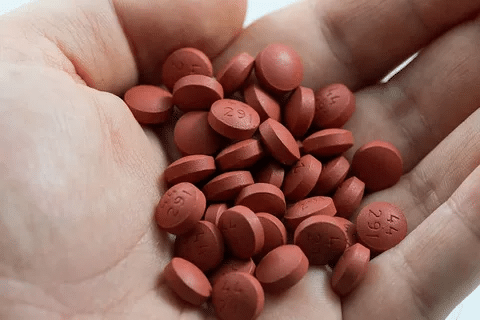
Gout affects millions of adults worldwide, causing sudden and intense pain. This pain can be very debilitating. It’s important to find effective treatment to manage symptoms and prevent damage.naproxen vs ibuprofen for goutNaproxen vs Ibuprofen for Arthritis: Which Is Better for Joint Pain and Swelling?
NSAIDs are a cornerstone of acute gout treatment. Ibuprofen and naproxen are two common choices. Both can help ease gout flare symptoms, but they work differently and at different times.
At Liv Hospital, we help patients choose the best NSAID strategy. We base our choices on solid research. Our aim is to give rapid relief and improve the quality of life for those with gout.
Key Takeaways
- Gout is a common condition that needs effective treatment.
- NSAIDs are a main treatment option for acute gout.
- Ibuprofen and naproxen are two common NSAIDs.
- The choice of NSAID affects how fast and safely you recover.
- Liv Hospital offers personalized treatment plans for gout relief.
Understanding Gout: Causes and Symptoms

Gout is a painful condition caused by uric acid crystals in the joints. It leads to inflammation and severe pain. Knowing its causes and symptoms is key to managing it.
What Causes Uric Acid Crystallization
Uric acid crystallization happens when there’s too much uric acid in the blood. This forms sharp crystals in the joints. Factors like diet, genetics, and certain medical conditions can trigger this. These crystals cause the intense pain and inflammation of gout.
Recognizing Gout Symptoms and Affected Joints
The symptoms of gout vary but often include sudden, severe pain, redness, and swelling. The big toe is most commonly affected. But ankles, knees, wrists, and fingers can also be hit. Spotting these symptoms early is vital for timely treatment.
Common Triggers for Gout Flares
Gout flares can be set off by many things, like dietary choices, dehydration, and medications. Foods high in purines, like red meat and seafood, raise uric acid levels. Dehydration also makes uric acid more concentrated, leading to crystals. Knowing and managing these triggers can lessen gout attacks.
The Role of NSAIDs in Gout Treatment

NSAIDs are key in managing gout because they reduce inflammation. These drugs, or Nonsteroidal Anti-Inflammatory Drugs, help treat pain and swelling in gout.
How NSAIDs Work to Inhibit Cyclooxygenase Enzymes
NSAIDs block cyclooxygenase (COX) enzymes. These enzymes make prostaglandins, which cause pain and swelling. By stopping COX enzymes, NSAIDs cut down prostaglandin production. This helps ease pain and swelling.
Why NSAIDs Are First-Line Treatment for Acute Gout
NSAIDs are the top choice for treating acute gout. They are great at reducing inflammation and pain. They work fast during gout flares to ease symptoms.
NSAIDs target the pain and swelling’s source. They cut down prostaglandin production. This helps get rid of gout symptoms.
|
NSAID |
Dosage |
Frequency |
|---|---|---|
|
Ibuprofen |
400-800 mg |
Every 8 hours |
|
Naproxen |
250-500 mg |
Every 12 hours |
Importance of Early Intervention Within 24 Hours
Starting NSAIDs early is key to managing gout flares. Starting treatment within 24 hours can make a big difference. It can lessen the flare’s severity and length.
Quick NSAID treatment can ease pain and swelling. This helps people get back to their normal life and quality of life.
Naproxen vs Ibuprofen for Gout: Key Differences
Naproxen and ibuprofen are both good for treating gout. But, they differ in ways that might make one better for you.
Duration of Action
Naproxen lasts longer, about 12-15 hours, so you take it less often. Ibuprofen, with a shorter half-life of 2-4 hours, needs more frequent doses.
Naproxen’s extended relief is great for those who find it hard to take medicine often. But, ibuprofen’s quick start might be better in some situations.
Effectiveness Rates in Clinical Studies
Studies show both naproxen and ibuprofen work well for gout. They help reduce pain and swelling during a flare.
|
Medication |
Effectiveness Rate |
Dosing Frequency |
|---|---|---|
|
Naproxen |
85-90% |
Twice daily |
|
Ibuprofen |
80-85% |
Three to four times daily |
The table shows how well naproxen and ibuprofen work. Naproxen is a bit more effective and easier to take.
Dosing Frequency and Patient Convenience Factors
How often you take medicine matters a lot. Naproxen is taken twice a day, which is easier for some. Ibuprofen is taken more often, but it’s more flexible.
When picking between naproxen and ibuprofen, think about what’s best for you. Consider how often you need to take it, any side effects, and how your body reacts.
How to Use Naproxen for Gout Flares
Naproxen is a common treatment for gout flares. It helps reduce the pain and discomfort of gout attacks. When taken as directed, naproxen can lessen the severity and length of gout episodes.
Recommended Dosages for Acute Gout Attacks
The usual dose of naproxen for gout attacks is 250 mg to 500 mg, taken twice a day. But, the right dose can change based on the patient and how bad the flare is.
|
Dosage |
Frequency |
Duration |
|---|---|---|
|
250 mg |
Twice daily |
Until symptoms subside |
|
500 mg |
Twice daily |
Until symptoms subside |
Timing and Administration Guidelines
For the best results, start taking naproxen as soon as gout symptoms appear. It’s important to stick to the dosage and schedule your doctor gives you.
Administration Tips:
- Take naproxen with food or milk to lessen stomach side effects.
- Swallow the tablets whole; do not crush or chew them.
- Drink plenty of water to stay hydrated.
Expected Timeline for Symptom Relief
Most people feel better from gout symptoms a few hours after taking naproxen. The medication’s full effect is usually seen in 24 to 48 hours.
- Within 2-4 hours: Initial relief from pain and inflammation.
- Within 24 hours: Significant reduction in gout symptoms.
- Within 48 hours: Maximum relief achieved.
How to Use Ibuprofen for Gout Relief
For those with gout, knowing how to use ibuprofen is key. It’s a nonsteroidal anti-inflammatory drug (NSAID) that helps with pain and swelling. It’s often used to ease gout flare-ups.
Proper Dosing Protocols for Acute Flares
When using ibuprofen for gout, following the right dosage is important. Adults usually take 400 mg to 800 mg at a time. The maximum daily dose is 3200 mg. But, the exact amount can change based on how bad the flare is and your health.
It’s best to talk to a doctor to figure out the right dose for you. Also, be aware of any side effects and watch how your body reacts to the medicine.
|
Dose |
Frequency |
Maximum Daily Dose |
|---|---|---|
|
400 mg – 800 mg |
Every 6-8 hours |
3200 mg |
Frequency of Administration Throughout the Day
Ibuprofen doesn’t last as long as some other NSAIDs. So, it might need to be taken more often. Usually, it’s taken every 6 to 8 hours as needed.
Sticking to the dosing schedule is key to managing gout symptoms. Skipping doses or taking it too infrequently can cause more pain and make it less effective.
Managing Breakthrough Pain Between Doses
Breakthrough pain can happen if the ibuprofen wears off before the next dose. You can take more ibuprofen within the allowed time, as long as you don’t go over the daily limit.
Or, you might talk to your doctor about changing your dosing schedule or adding another medicine. Working closely with your doctor is important to find the best way to handle your gout symptoms.
Understanding how to use ibuprofen for gout can help manage symptoms and improve life quality. Always talk to a healthcare professional before starting or changing any medication.
Choosing Between Naproxen and Ibuprofen
Choosing between naproxen and ibuprofen for gout symptoms is important. Both medications are effective in managing gout flares. But, they differ in ways that might make one better for a patient.
Patient-Specific Factors to Consider
Several factors are important when choosing between naproxen and ibuprofen. These include the severity of gout symptoms and how often attacks happen. Also, a patient’s overall health matters.
For example, patients with a history of gastrointestinal issues might need a different approach. This is because their health concerns are different from those without such issues.
Lifestyle and preferences also play a big role. The frequency of medication dosing can affect how well a patient sticks to the treatment. Naproxen’s longer action might be more convenient for some. Others might prefer ibuprofen’s more frequent dosing.
Medical History Considerations
A patient’s medical history is key in choosing an NSAID for gout treatment. Pre-existing conditions like kidney disease, cardiovascular disease, or stomach ulcers can affect the choice. For example, kidney disease might require dose adjustments or closer monitoring.
Consulting with Healthcare Providers for Personalized Recommendations
Choosing between naproxen and ibuprofen can be complex. Consulting with a healthcare provider is essential. They can consider a patient’s medical history and current health to give personalized advice.
Healthcare providers can also talk about possible side effects and how to handle them. By working with a healthcare provider, patients can make informed decisions about their gout treatment. They can create a plan that meets their unique needs.
Safety Considerations and Possible Side Effects
NSAIDs can help with gout, but we must think about the risks. It’s important to treat gout well and avoid new health problems.
Common Side Effects of NSAIDs
NSAIDs help with pain and swelling, but they can cause side effects. You might feel nausea, stomach pain, and diarrhea. Some people get dizziness or headache. Knowing these side effects helps manage them better.
- Gastrointestinal issues (nausea, stomach pain, diarrhea)
- Dizziness or headache
- Increased risk of bleeding
Risk Factors for Adverse Reactions
Some things can make NSAID side effects worse. These include age, kidney disease, and heart problems. If you’ve had stomach ulcers or bleeding issues, you’re at higher risk. Knowing these risks helps make better choices about NSAIDs.
- Age: Older adults are more susceptible to NSAID side effects.
- Kidney disease: NSAIDs can further impair kidney function.
- Cardiovascular concerns: NSAIDs may increase the risk of heart attack or stroke.
Special Populations: Elderly, Kidney Disease, and Cardiovascular Concerns
Some groups need extra care. Elderly patients might need lower doses because of kidney issues and sensitivity. People with kidney disease should be watched closely, as NSAIDs can worsen kidney problems. Those with heart issues should talk to their doctor, as NSAIDs might not be right for them.
Knowing the risks and side effects of NSAIDs helps patients choose wisely. Always talk to a doctor to find the safest and most effective treatment for gout.
Long-Term Management Beyond NSAIDs
Managing gout long-term needs more than just NSAIDs. NSAIDs help with acute attacks, but they don’t fix the root causes of gout.
Uric Acid-Lowering Medications
Allopurinol and febuxostat are key for managing gout over time. They lower uric acid levels in the body. This stops urate crystals from forming and causing gout attacks.
Allopurinol is often the first choice because it’s effective and safe. But, some people might need febuxostat due to side effects or other reasons.
Lifestyle Modifications for Gout Prevention
Changing your lifestyle is also vital in preventing gout attacks. Eating less of foods high in purines and drinking less alcohol can help keep uric acid levels down.
- Keep a healthy weight to lower gout risk.
- Drink lots of water to stay hydrated.
- Avoid foods with high purines, like organ meats and some seafood.
Creating a Comprehensive Gout Management Plan
A good gout management plan includes medication, lifestyle changes, and regular check-ups. It’s important for patients to work with their doctors to create a plan that fits their needs.
Regular visits to the doctor are key. They help adjust the treatment plan and watch for any side effects of the medication.
Conclusion
Managing gout well means understanding it, using the right medicines, and changing your lifestyle. We’ve seen how ibuprofen and naproxen help by cutting down inflammation and pain during attacks.
Choosing the right NSAID is key. It depends on how bad your symptoms are, your medical history, and what you need. Knowing the differences between naproxen and ibuprofen helps you make the best choice for you.
But NSAIDs are just part of the solution. Long-term plans are needed to stop gout from coming back. This includes medicines that lower uric acid and making lifestyle changes. A full plan can greatly improve your life.
It’s vital to talk to your doctor to find the best treatment. With the right plan, you can feel better and have fewer gout attacks.
FAQ
Is ibuprofen effective for treating gout?
Yes, ibuprofen is effective for treating gout. It reduces inflammation and eases pain during gout flares.
What is the safest medication for gout?
The safest medication for gout varies by patient. Factors like medical history and current health are important. NSAIDs like ibuprofen and naproxen are safe when used correctly.
Can I take Advil for a gout flare?
Yes, Advil (ibuprofen) can be used for a gout flare. Always follow the dosage and talk to a doctor if symptoms don’t improve.
How do NSAIDs help with gout?
NSAIDs help by blocking enzymes that cause inflammation and pain. They are a first choice for treating gout within 24 hours of symptoms starting.
What is the best pain reliever for gout?
The best pain reliever for gout is often an NSAID, like ibuprofen or naproxen. They work well because of their anti-inflammatory effects. The right choice depends on the patient’s situation and medical history.
Are there any medications for reducing uric acid?
Yes, there are medications like allopurinol and febuxostat for lowering uric acid. They are used long-term to prevent gout flares.
Can I use naproxen and ibuprofen together for gout relief?
It’s not usually a good idea to use naproxen and ibuprofen together. Both are NSAIDs and can cause more harm. Always talk to a doctor before choosing between them.
What are the common side effects of NSAIDs used for gout?
NSAIDs can cause stomach problems like nausea and pain. They can also increase the risk of heart issues and kidney damage in some people.
How can I manage gout long-term?
Managing gout long-term means using uric acid-lowering drugs, making lifestyle changes, and creating a gout management plan. This helps prevent flares and improves life quality.
What lifestyle changes can help prevent gout flares?
To prevent gout flares, stay healthy, drink plenty of water, eat less purine, and avoid certain foods and alcohol.
No suitNational Center for Biotechnology Information. Evidence-Based Medical Guidance. Retrieved from https://pmc.ncbi.nlm.nih.gov/articles/PMC2847514/able reference found.