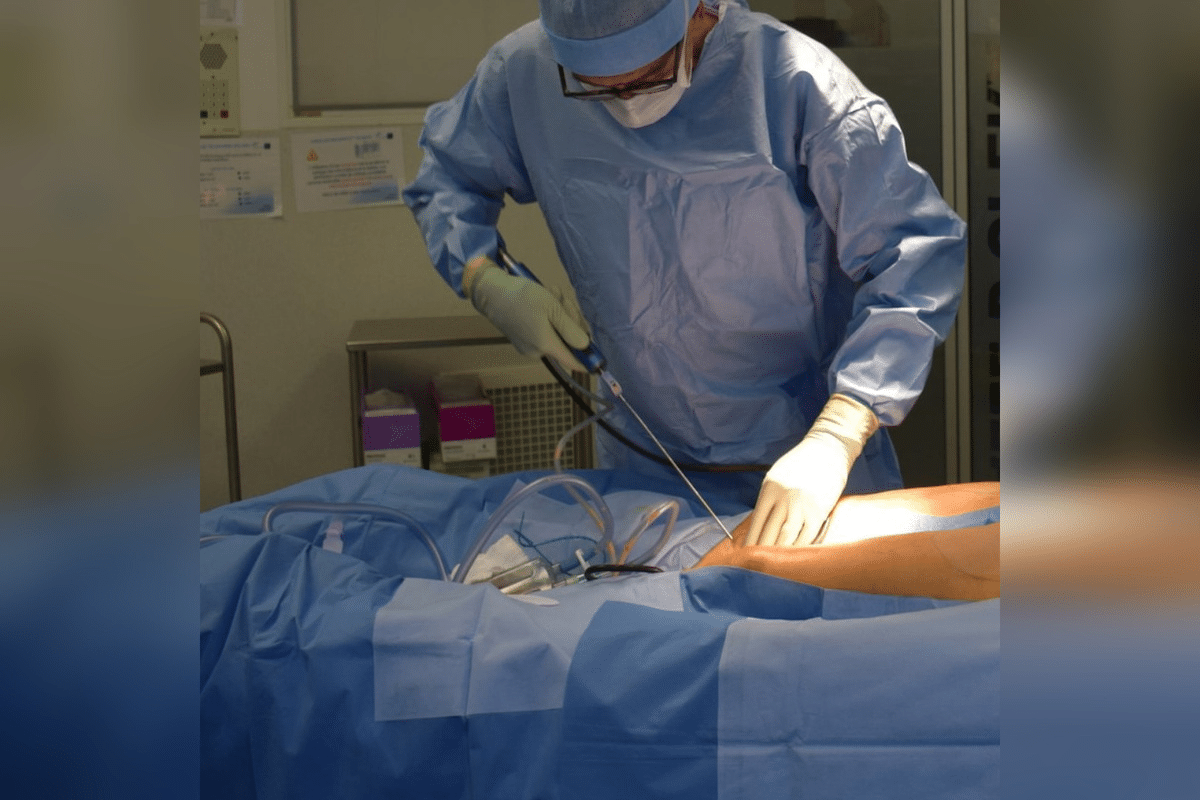
Recovering from shoulder surgery is more than just resting. It needs a careful and personal plan for physical therapy. At Liv Hospital, we know every patient’s path is different. A plan made just for you is key to getting your strength, mobility, and confidence back exercises after shoulder surgery.
If you’ve had rotator cuff repair or another shoulder surgery, your recovery will mix range of motion, strengthening, and stabilization exercises. Our team is dedicated to giving you caring, science-backed help every step of the way.
Key Takeaways
- Structured physiotherapy is essential for recovery after shoulder surgery.
- A personalized rehabilitation plan helps restore strength and mobility.
- Range of motion, strengthening, and stabilization exercises are key.
- Liv Hospital offers compassionate, evidence-based care for patients.
- A tailored approach ensures a safe and effective recovery.
Understanding the Shoulder Surgery Recovery Process
Recovering from shoulder surgery is complex. It depends on the surgery type and the patient’s health. Each surgery is unique, and recovery times vary.
Recovery can take up to six months. Rotator cuff repairs might need nine months. This shows why a tailored recovery plan is key.
Types of Shoulder Surgeries and Recovery Expectations
There are many shoulder surgeries, each with its own recovery time. Common ones include rotator cuff repair, labral repair, and shoulder replacement.
|
Surgery Type |
Typical Recovery Time |
Key Rehabilitation Focus |
|---|---|---|
|
Rotator Cuff Repair |
6-9 months |
Strengthening rotator cuff muscles, improving range of motion |
|
Labral Repair |
4-6 months |
Restoring shoulder stability, improving flexibility |
|
Shoulder Replacement |
3-6 months |
Regaining strength, improving mobility and function |
Knowing what each surgery needs helps set realistic recovery goals. It also guides the rehab process.
The Role of Structured Physiotherapy in Recovery
Physiotherapy is vital after shoulder surgery. It helps with healing, restoring function, and getting back to normal activities.
A good physiotherapy plan includes exercises based on the patient’s needs and surgery type. These might include gentle exercises, strengthening, and functional training.
Following a structured physiotherapy program can greatly improve recovery. It helps achieve better shoulder function and lowers the risk of complications.
The Importance of Physical Therapy After Shoulder Surgery

Physical therapy is key to recovering well after shoulder surgery. It makes the journey to full recovery easier. With the right therapy, patients can reach their best outcomes.
Benefits of Consistent Physical Therapy Engagement
Regular physical therapy after shoulder surgery brings many benefits. Improved mobility and strength are top advantages. Doing the right exercises helps patients recover faster and lowers the chance of getting hurt again.
Studies show that sticking to physical therapy speeds up recovery. Patients who follow their rehab plans do better and are happier with their results.
Research-Backed Recovery Outcomes
Many studies prove physical therapy’s role in shoulder surgery recovery. They show that a well-planned physiotherapy program improves outcomes.
|
Study |
Sample Size |
Outcome |
|---|---|---|
|
Smith et al. (2020) |
100 patients |
Improved shoulder function and reduced pain |
|
Johnson et al. (2019) |
50 patients |
Faster recovery times and lower re-injury rates |
|
Williams et al. (2018) |
75 patients |
Enhanced range of motion and strength |
These studies highlight physical therapy’s importance in shoulder surgery recovery. By sticking to a physical therapy plan, patients can have a better and lasting recovery.
Pre-Exercise Considerations and Safety Precautions
Recovering safely after shoulder surgery means paying attention to a few key things. Before you start exercising, it’s important to know what will help or hinder your recovery.
Consulting with Your Healthcare Provider
Always talk to your doctor before starting any exercise after shoulder surgery. They will check if you’re ready for physical activity. They’ll look at your recovery progress and give advice on when and how to start exercising.
Make sure to discuss these points with your doctor:
- The type of surgery you had and how it affects your recovery
- Any exercises or movements to avoid
- When you can start exercising and how to progress
Setting Up a Safe Exercise Space at Home
Having a safe place to exercise at home is key. Clear a big area where you can move easily. Make sure the floor is not slippery and have a chair nearby for support.
Think about these things for your exercise space:
- Good lighting to see what you’re doing
- A smooth floor for floor exercises
- A phone nearby in case of emergencies
Essential Equipment for Rehabilitation Exercises
The right tools can make your exercises more effective. You might not need everything at first, but some items can help a lot. Start with simple things like a towel or cane.
Some important tools include:
- Resistance bands for strengthening
- Ergonomic tools for comfort
- A sling for support in the early stages
By thinking about these things and taking the right steps, you can have a safe and effective recovery after shoulder surgery.
Phase 1: Initial Post-Operative Recovery Period
The early stages of recovery after shoulder surgery need careful attention and a clear plan. Patients must manage pain and swelling, use their sling right, and do gentle movements to avoid stiffness.
Managing Pain and Swelling
Managing pain well is key in the first recovery phase. We suggest a mix of medicine, rest, and ice to help. It’s important to take pain medicine as your doctor tells you to stay comfortable. Ice packs on the area can also cut down swelling and pain.
Keeping the arm up and using compression bandages helps with swelling too. We tell patients to watch their pain closely and tell their doctor if it gets worse.
Proper Sling Usage for 4-6 Weeks
Wearing a sling right is key for healing and protecting the surgery area. We tell patients to wear it all the time, except for gentle exercises or baths, for 4-6 weeks. The sling should fit well, with the arm supported and the shoulder straight.
It’s very important to follow your doctor’s sling use instructions. Using it wrong can cause problems or make recovery longer.
Gentle Movements to Prevent Stiffness
Making gentle movements is key to keep the shoulder moving and prevent stiffness. We start with simple swings and then move to more active exercises with a physical therapist’s help.
It’s important to do these exercises gently and not push past what feels pain-free. Regular gentle exercises can greatly help by lowering stiffness risk and making recovery smoother.
Recommended Exercises After Shoulder Surgery
After shoulder surgery, the right exercises after shoulder surgery are key to recovery. A good rehab program helps regain strength and mobility. It also lowers the chance of complications. We suggest a customized exercise plan for a safe and effective recovery.
Optimal Exercise Frequency and Duration
In the early recovery stages, finding the right exercise balance is important. We recommend exercising for 10 to 15 minutes, 2 to 3 times daily. This helps keep the shoulder moving gently and building strength without overdoing it.
Monitoring Pain Levels During Exercise
Monitoring pain levels is essential during rehab. Patients should listen to their body’s response to exercises. If pain gets worse during or after, it’s time to ease up or talk to a doctor.
Progression Principles for Safe Recovery
Gradually moving forward in exercises is important. We stress the need to progress at a comfortable pace. This lets the shoulder heal right. The pace should match the patient’s comfort and pain, keeping exercises challenging but doable.
By sticking to these tips and working with healthcare pros, patients can have a safe and effective recovery after shoulder surgery.
Phase 2: Early Passive Rehabilitation Exercises
After shoulder surgery, we move into Phase 2. Here, we focus on early passive exercises. These exercises aim to gently move the shoulder, improve flexibility, and aid healing without stressing the surgery area too much.
Pendulum Swings for Gentle Mobilization
Pendulum swings are a simple yet effective way to gently move the shoulder. To do this, lean forward a bit and let your affected arm hang. Then, swing your arm in small circles first clockwise and then counterclockwise. This exercise keeps the joint mobile and reduces stiffness. Start with small swings and gradually make them bigger as you get more comfortable.
Assisted Range of Motion Techniques
Assisted range of motion techniques use your other arm or a device to help move your operated shoulder. This is key in the early stages of rehab as it allows for stretching without stressing the healing tissues too much. You can use a cane, stick, or your other hand to help move your arm through different motions, like raising it forward and rotating it outward.
Towel Stretches for Flexibility
Towel stretches are great for improving shoulder flexibility. Hold a towel behind your back with both hands. Then, use your good arm to pull the towel and your operated arm up, stretching your shoulder. Hold the stretch for a few seconds and then release. This helps increase flexibility and range of motion. Remember to keep the stretch gentle and within a comfortable range.
These early passive exercises are vital in the second phase of recovery after shoulder surgery. By adding pendulum swings, assisted range of motion, and towel stretches to your daily routine, you can help with gentle movement, improve flexibility, and support healing.
Phase 3: Active Range of Motion Development
Phase 3 of the post-operative rehabilitation process focuses on developing active range of motion. This is a key step towards getting strength and function back in the shoulder.
As we move into this phase, it’s important to start exercises that help move the shoulder joint gently but effectively. One such exercise is wall walks. It helps improve the range of motion gradually.
Wall Walks and Slides
Wall walks are done by standing with feet shoulder-width apart, facing a wall. Slowly walk your fingers up the wall, raising your arm as high as you can. Then, return to the starting position. Repeat this several times to strengthen the shoulder muscles through gentle mobilization.
Shoulder Abduction and Adduction Movements
Another important exercise in Phase 3 is shoulder abduction and adduction. Abduction means moving the arm away from the body. Adduction means bringing it back towards the body. These movements are essential for restoring natural motion and are done carefully to avoid injury.
Assisted Shoulder Elevation Exercises
Assisted shoulder elevation is also a key part of this phase. It involves using the other arm or a device to help lift the operated arm. This increases the range of motion and reduces stiffness. The aim is to achieve smooth, unassisted movement over time.
By adding these exercises to the rehabilitation plan, patients can improve their active range of motion. This helps them recover well and return to their normal activities.
Phase 4: Strengthening the Shoulder Complex
The fourth phase of shoulder surgery recovery focuses on a strong shoulder complex. We concentrate on exercises that boost the strength and stability of the shoulder muscles. This is key for full functionality and returning to daily activities and sports.
Isometric Exercises for Initial Strengthening
Isometric exercises are key in the initial strengthening phase. They involve contracting muscles without moving the joint. This helps build strength without straining the shoulder too much. Examples include wall push-ups and shoulder blade squeezes.
We suggest starting with gentle contractions and gradually increasing the intensity as the shoulder heals.
Progressive Resistance Band Techniques
Progressive resistance band techniques are great for strengthening the shoulder complex. These bands offer a gentle yet challenging resistance. Exercises such as banded external rotations and shoulder rotations are very beneficial.
We advise increasing the resistance level gradually. This keeps the muscles challenged and promotes strength gains.
Light Weight Training Protocol
Light weight training is also vital for strengthening the shoulder complex. Using light weights with higher repetitions builds muscular endurance and strength. It’s essential to start with very light weights and monitor pain levels.
Adjust the weight and repetitions based on individual tolerance and progress.
By adding these exercises to the rehabilitation routine, patients can effectively strengthen their shoulder complex. This enhances overall recovery and functionality.
Rotator Cuff-Specific Rehabilitation Exercises
Rehabbing the rotator cuff is key to getting your shoulder back to normal after surgery. The rotator cuff is made of muscles and tendons that help your shoulder move and stay stable. Knowing how it works is important for a good rehab plan.
Understanding Rotator Cuff Anatomy and Function
The rotator cuff has four muscles and their tendons. They surround the shoulder joint, helping it move and stay stable. These muscles help you lift, rotate, and stabilize your arm.
Key components of the rotator cuff include:
- Supraspinatus
- Infraspinatus
- Teres minor
- Subscapularis
Each muscle has its own role. For example, the supraspinatus helps with lifting, and the infraspinatus is key for rotating your arm outward.
External Rotation Strengthening Exercises
Strengthening your arm’s external rotation is vital for rotator cuff rehab. These exercises focus on the infraspinatus and teres minor muscles. They help with rotating your arm outward and keeping your shoulder stable.
Some good exercises for this are:
- Resistance Band External Rotation: Hold a resistance band and rotate your arm outward against it.
- Light Dumbbell External Rotation: Lie on your side and use a light dumbbell for these rotations.
|
Exercise |
Repetitions |
Sets |
|---|---|---|
|
Resistance Band External Rotation |
10-15 |
3 |
|
Light Dumbbell External Rotation |
12-15 |
3 |
Internal Rotation and Stabilization Techniques
Internal rotation exercises work the subscapularis muscle. This muscle is important for rotating your arm inward and keeping your shoulder stable. Strengthening it helps your shoulder work better.
“A well-balanced rotator cuff rehabilitation program should include both external and internal rotation exercises to ensure complete strengthening of the shoulder joint.”
Some good exercises for this are:
- Resistance Band Internal Rotation: Hold a resistance band and pull it toward your body with your arm rotated inward.
- Scapular Squeeze: Squeeze your scapulae together to engage the stabilizing muscles.
Adding these exercises to your rehab plan can strengthen your rotator cuff. It improves your shoulder’s function and lowers the chance of future injuries.
Monitoring Progress and Avoiding Recovery Setbacks
After shoulder surgery, it’s key to keep an eye on how we’re doing. This lets us see if we’re healing right, spot any problems early, and make smart choices about our care.
Signs of Proper Healing and Progress
Knowing the signs of healing can give us peace of mind and keep us on the right path. Some important signs include:
- Gradual reduction in pain: As we heal, pain should get less.
- Improved range of motion: Our shoulder should get more flexible and move better.
- Increased strength: Our shoulder should get stronger over time.
These signs mean we’re healing as we should.
Warning Signs That Require Attention
Recovery is a slow process, but some signs mean we might have a problem. We should watch out for:
- Increasing or severe pain: If pain gets worse or is too much, it’s a worry.
- Swelling or redness: A lot of swelling or redness could mean infection.
- Fever: A high fever might mean we have an infection.
- Instability or weakness: Feeling unstable or very weak suddenly is a red flag.
Spotting these signs early can stop big problems.
When to Contact Your Healthcare Provider
We should know when to call our healthcare team. If we see any warning signs or have doubts, we should reach out. Also, regular check-ups are important to keep track of our healing and answer any questions.
By staying alert and informed, we can move through recovery confidently. This way, we can avoid setbacks and get the best results.
Returning to Daily Activities and Sports
Going back to daily life and sports after shoulder surgery needs careful planning. It’s important to balance getting stronger and not pushing your shoulder too hard. We’ll help you safely do everyday tasks, understand when to start sports again, and keep your shoulder healthy long-term.
Safe Reintroduction of Everyday Tasks
Starting with simple tasks is key when you’re getting back to normal. Begin with things that don’t hurt your shoulder, like:
- Light housekeeping
- Cooking
- Dressing
- Using a computer or smartphone
As your shoulder gets better, you can do more. But always watch your pain. If it hurts, stop and rest.
Timeline for Returning to Different Physical Activities
How long it takes to get back to sports depends on your surgery and health. Here’s a general idea:
- 6-8 weeks: Start with light activities like walking or swimming.
- 3-4 months: You can try strengthening exercises and sports like golf or doubles tennis.
- 4-6 months: High-impact sports or activities that involve heavy lifting, throwing, or contact.
Always listen to your doctor or physical therapist. They can give you a plan that fits your recovery.
Long-Term Shoulder Health Maintenance
Keeping your shoulder healthy long-term means regular exercise, good posture, and avoiding injuries. Here are some tips:
- Keep doing exercises to keep your shoulder flexible and strong.
- Work on your posture to avoid putting too much strain on your shoulder.
- Don’t lift heavy things or do activities that hurt your shoulder.
- See your healthcare provider regularly to check on your shoulder’s health.
By following these tips and listening to your body, you can have a successful recovery. And you’ll keep your shoulder healthy for many years.
Conclusion
Recovering from shoulder surgery needs a full plan. This includes a good physiotherapy program and sticking to rehabilitation exercises. We’ve covered the main steps of getting better, from the first few days after surgery to getting stronger.
Following the right exercises after surgery and sticking to physical therapy is key. It helps ensure a safe and effective recovery. It’s important to work with healthcare providers to keep track of progress and solve any problems quickly.
A successful recovery is more than just doing exercises. It’s also about creating a safe place to heal, managing pain, and slowly getting back to normal. With patience and the right help, people can get their strength and mobility back. This leads to a full recovery.
FAQ
What is the importance of physiotherapy after shoulder surgery?
Physiotherapy is key in healing and getting back to normal after shoulder surgery. It helps patients regain strength and flexibility. This ensures a successful recovery.
What are the benefits of consistent physical therapy engagement after shoulder surgery?
Regular physical therapy improves recovery, reduces pain, and enhances shoulder function. Studies show it speeds up healing and lowers complication risks.
What safety precautions should I take before starting exercises after shoulder surgery?
Always check with your doctor before starting exercises. Make sure your home is safe for workouts. You’ll need the right equipment for a smooth recovery.
What are the recommended exercises after shoulder surgery, and how often should I perform them?
Exercises depend on your surgery type and needs. Start with gentle movements and gradually do more. Your doctor will guide you on how often and for how long.
What are some early passive rehabilitation exercises I can do after shoulder surgery?
Early exercises include pendulum swings and towel stretches. These help keep your shoulder flexible and prevent stiffness.
How do I progress from passive to active range of motion exercises after shoulder surgery?
Move to active exercises like wall walks and shoulder movements as you get stronger. These exercises help improve shoulder function and strength.
What are some strengthening exercises I can do during the later stages of recovery after shoulder surgery?
Later, try isometric exercises and light weight training. These strengthen your shoulder and improve stability.
How can I monitor my progress and avoid recovery setbacks after shoulder surgery?
Watch for healing signs and warning signs. Regular check-ups with your doctor are also important for a smooth recovery.
When can I return to daily activities and sports after shoulder surgery?
The return time varies based on your surgery and recovery. Always follow your doctor’s advice to ensure a safe return to activities.
What are some long-term shoulder health maintenance strategies I can adopt after shoulder surgery?
Keep exercising and adopt healthy habits like good posture. These help prevent future injuries and keep your shoulder healthy.
What are the best exercises for rotator cuff surgery rehabilitation?
Focus on exercises that strengthen and stabilize your rotator cuff. These help restore shoulder function and strength.
How often should I perform exercises after rotator cuff surgery?
Your doctor will tell you how often to exercise. Start with gentle exercises and gradually increase as you get stronger.
What are some safe exercises I can do 4 weeks post-op rotator cuff surgery?
At 4 weeks, you can do more advanced exercises like assisted movements and strengthening. Always check with your doctor first.
Reference
National Center for Biotechnology Information. Evidence-Based Medical Guidance. Retrieved from https://www.ncbi.nlm.nih.gov/pmc/articles/PMC11156828/