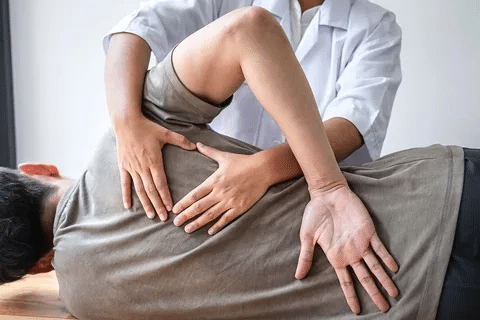
Lower back pain is a big problem worldwide, affecting millions. It’s a top cause of disability and a big worry for health systems. Studies show that 80 percent of people have at least one bad back pain episode in a year treatment for low back pain physiotherapy.
At Liv Hospital, we know how much lower back pain hurts people’s lives. We use evidence-based physiotherapy to help each patient. Our care is based on the latest research and practices. It helps not just ease pain but also get people moving again.
Key Takeaways
- Lower back pain is a global health concern affecting a significant portion of the adult population.
- Effective physiotherapy can play a critical role in managing and recovering from lower back pain.
- Personalized care approaches are essential for addressing the unique needs of individuals with lower back pain.
- Evidence-based physiotherapy treatments can help restore function and mobility.
- Liv Hospital is committed to delivering high-quality, patient-centered care for individuals suffering from lower back pain.
Understanding Low Back Pain (LBP): Causes and Prevalence
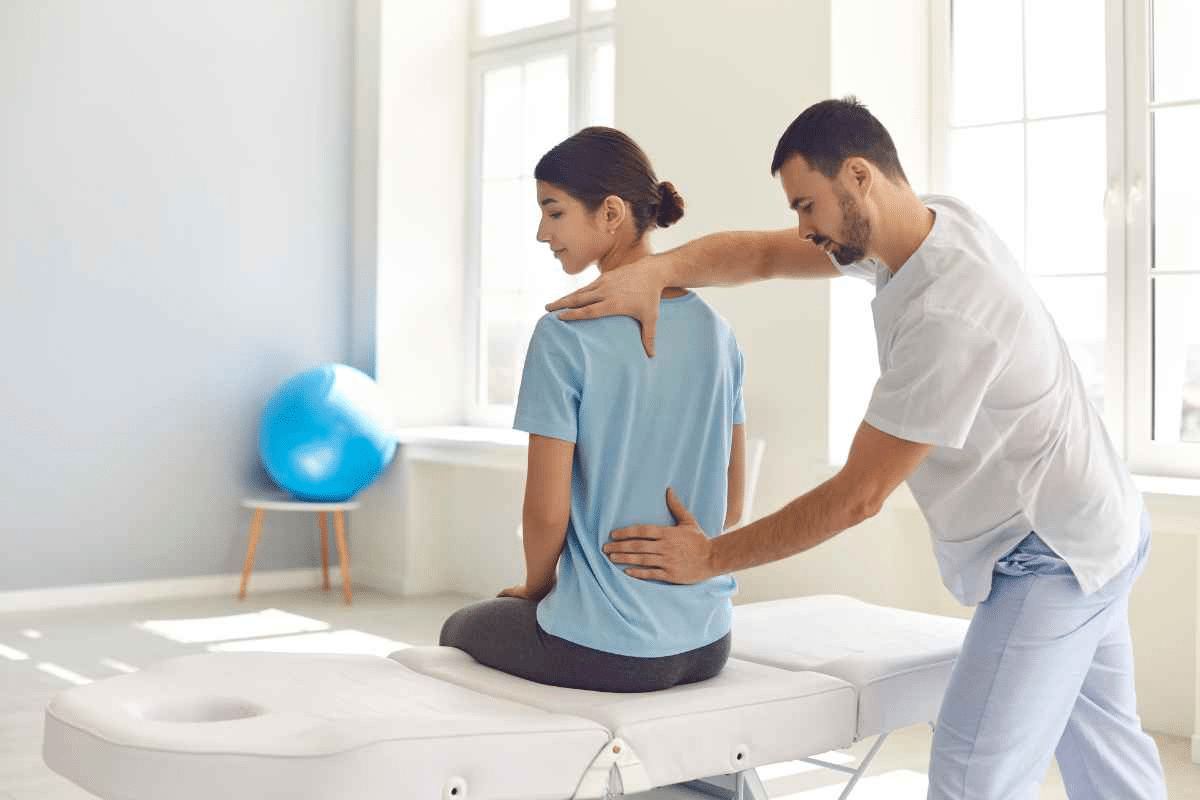
Low back pain (LBP) is a common issue that affects many people. It refers to pain in the lower back, from the twelfth rib to the buttocks. This pain can be short-term or long-lasting, caused by different factors.
Common Causes and Risk Factors
Many things can lead to LBP. Common causes include muscle or ligament strain, bulging or ruptured discs, arthritis, skeletal irregularities, and facet syndrome. Lifestyle choices and genetics also play a role.
Knowing what causes LBP helps in finding the right treatment. Healthcare experts can tailor plans based on each patient’s needs.
Acute vs. Chronic Low Back Pain
LBP is divided into acute and chronic types. Acute LBP starts suddenly and usually goes away in a few weeks. Chronic LBP lasts more than 12 weeks and needs more complex care.
It’s important to know the difference. Acute LBP might get better with simple treatments. But chronic LBP needs a mix of therapies and lifestyle changes.
The Global Impact of LBP
LBP is a big problem worldwide, affecting millions. It’s a top reason for disability and costs a lot in terms of money and quality of life. We need better ways to prevent and manage LBP.
By understanding LBP, we can help reduce its impact. This improves the lives of those suffering from it.
The Science Behind Treatment for Low Back Pain Physiotherapy

Physiotherapy is a key part of treating low back pain, backed by scientific evidence. It works by understanding how our bodies handle pain. This makes it a powerful tool in managing low back pain.
Physiological Mechanisms of Pain Relief
Physiotherapy uses different ways to help with low back pain. It uses movement and exercise to release pain-relieving chemicals in our bodies. Techniques like manual therapy also help by improving joint mobility and easing muscle tension.
Evidence suggests that physiotherapy can greatly improve pain and function in those with low back pain. A study showed that those who got physiotherapy had less pain and disability than those who didn’t.
“Physiotherapy is recognized as a first-line non-pharmacological treatment for chronic low back pain, with evidence supporting its effectiveness in reducing pain and disability.”
Evidence-Based Effectiveness
The success of back pain physiotherapy is well-documented in research. Studies have shown that physiotherapy, including exercise and manual therapy, can reduce pain and improve function in low back pain patients.
|
Treatment Approach |
Effect on Pain |
Effect on Function |
|---|---|---|
|
Exercise Therapy |
Significant Reduction |
Moderate Improvement |
|
Manual Therapy |
Moderate Reduction |
Significant Improvement |
When to Choose Physiotherapy for LBP
Physiotherapy is best for those with chronic low back pain or who haven’t seen results from other treatments. A lower back pain physiotherapist can create a treatment plan that meets your specific needs.
In conclusion, back pain and physiotherapy are closely linked. Physiotherapy is a highly effective treatment for low back pain. Understanding how it works and the evidence supporting it helps people make better choices for their care.
Initial Assessment: What to Expect at Your First Physiotherapy Session
Understanding your lower back pain is key. We do this through a detailed assessment at your first visit. We aim to get all the info we need to create a good treatment plan for you.
Comprehensive Evaluation Process
At your first visit, we do a full evaluation. This includes talking about your medical history and doing a physical check-up. We’ll ask about your symptoms, when they started, and what makes them better or worse.
Then, we check your posture, how you move, and your muscle strength. We also do tests to see how your spine moves and if nerves are irritated. These steps help us figure out the best way to treat your pain.
Diagnostic Tests and Measurements
Sometimes, we need to do more tests to confirm what’s going on. This might include X-rays or MRI scans. Our physiotherapist will work with your doctor to make sure these tests are done and used to guide your treatment.
We also use tools to measure your pain and how well you can move. These help us see how you’re doing and adjust your treatment as needed.
Developing a Personalized Treatment Plan
After your assessment and any tests, we create a treatment plan just for you. This plan will have your treatment goals, what we’ll do, and what we hope to achieve.
Our plans for treating lower back pain are flexible. We can change them if needed based on how you’re doing. We’ll make sure you’re okay with and committed to your plan.
Your plan might include exercises to strengthen your core, stretching, manual therapy, and tips on posture and movement. By focusing on you, we aim to help you feel better and live better.
Core Strengthening Exercises for Low Back Pain Relief
Keeping your spine healthy is key, and core stability plays a big role. For those with lower back pain, core exercises are vital. They help build strength and flexibility, easing pain and preventing more issues.
The Role of Core Stability in Spine Health
Core stability means your torso muscles support your spine and keep you upright. A strong core spreads out the weight on your spine, lessening the chance of injury and pain. Core muscles include not just the abdominals, but also the back muscles, glutes, and even the diaphragm, all working together to provide stability.
Beginner-Level Core Exercises
For newbies, start with simple exercises that build strength slowly. Some good ones for beginners include:
- Plank: This holds the whole core, boosting stability.
- Bridging: Works the glutes and lower back muscles.
- Pelvic Tilts: These gentle moves loosen tight lower back muscles.
These exercises are easy on the body, making them great for those with lower back pain.
Advanced Progression Techniques
When you get stronger and more confident, try harder exercises. These can make your core even stronger. Advanced techniques include:
|
Exercise |
Description |
Benefit |
|---|---|---|
|
Russian twists |
Twisting motion targeting obliques |
Improves rotational strength |
|
Leg raises |
Lifting legs while in a plank or supine position |
Targets lower abs |
|
Dynamic planks |
Variations of the plank with movement |
Enhances overall core engagement |
These exercises not only strengthen your core but also boost your overall fitness and resilience.
Stretching and Flexibility Techniques for LBP Management
Stretching exercises are key in physiotherapy for low back pain relief. They improve flexibility and reduce stiffness. This helps lessen the discomfort of LBP.
Key Muscle Groups to Target
Managing low back pain involves focusing on specific muscle groups. These include the hamstrings, hip flexors, and lower back muscles. Stretching these areas is vital.
- Hamstrings: Tight hamstrings can lead to lower back pain by changing how we walk and putting more stress on the back.
- Hip Flexors: The hip flexors are important for posture and movement. Stretching them can help ease tension in the lower back.
- Lower Back Muscles: Stretching the muscles in the lower back can help relieve pain and boost flexibility.
Safe Stretching Protocols
To get the most from stretching while avoiding injury, it’s important to follow safe protocols.
|
Stretching Technique |
Description |
Benefits |
|---|---|---|
|
Knee to Chest Stretch |
Lie on your back, bring one knee towards your chest, and hold. |
Stretches lower back and gluteal muscles. |
|
Cat-Cow Stretch |
Alternate between arching your back (like a cat) and rounding it (like a cow) while on your hands and knees. |
Improves flexibility and reduces stiffness in the spine. |
|
Hamstring Stretch |
Sit on the floor with your legs straight out in front of you. Lean forward to stretch the back of your legs. |
Reduces tension in the hamstrings, which can contribute to lower back pain. |
Incorporating Mobility Work into Daily Routine
Making mobility exercises part of your daily routine can boost your stretching program. Simple actions like standing and stretching at work or adding gentle stretches to your morning and evening routines can help a lot.
Combining stretching and flexibility exercises with other physiotherapy methods can greatly help those with low back pain. It can lead to significant relief and better quality of life.
Manual Therapy Approaches in Physiotherapy for LBP
Manual therapy is key in treating low back pain through physiotherapy. It uses various techniques to ease pain and boost movement. We adjust these methods to fit each patient’s unique situation.
Soft Tissue Mobilization Techniques
Soft tissue mobilization works on muscles, tendons, and ligaments. It aims to improve blood flow, lessen muscle tightness, and aid in healing. Massage therapy and trigger point therapy are often used to tackle pain and tension.
- Massage therapy relaxes muscles and boosts circulation.
- Trigger point therapy targets specific muscle areas of tension.
Joint Manipulation and Mobilization
Joint manipulation and mobilization help improve joint movement and reduce stiffness. These methods apply specific forces to joints to restore normal movement and ease pain.
Joint manipulation uses a quick, gentle thrust. Mobilization involves slower, controlled movements. Both methods are great for treating LBP by improving joint function and reducing inflammation.
Myofascial Release Methods
Myofascial release focuses on the fascia, a network of connective tissue around muscles. It uses sustained pressure to release fascial restrictions, improving movement and reducing pain.
This method is very helpful for those with chronic LBP. It tackles fascial restrictions that can cause ongoing pain.
By using these manual therapy methods in a treatment plan, we offer effective relief for low back pain. Our physiotherapists work with patients to create a personalized program. This program meets each patient’s specific needs and supports long-term recovery.
Physical Modalities and Pain Management Strategies
Physiotherapy for lower back pain uses physical methods and pain management to ease pain and help heal. These methods are key in managing pain and improving treatment results.
Heat and Cold Therapy Applications
Heat and cold therapy are used to treat lower back pain. Heat therapy relaxes muscles, improves blood flow, and reduces stiffness. It’s good for long-term pain. Cold therapy reduces inflammation and numbs sharp pain. The choice between heat and cold depends on the patient’s needs and what they prefer.
“The use of heat or cold can greatly affect pain perception and healing,” say physiotherapy experts. We suggest starting with cold for new injuries and switching to heat for long-term pain.
Electrical Stimulation Options
Electrical stimulation is a helpful method in physiotherapy for lower back pain. Transcutaneous Electrical Nerve Stimulation (TENS) interrupts pain signals to the brain, giving relief. Other electrical methods, like Interferential Current (IFC), help by improving blood flow and reducing muscle spasms.
Ultrasound and Laser Therapy
Ultrasound therapy uses sound waves to repair tissues and reduce inflammation. It’s good for soft tissue injuries and healing. Laser therapy uses light to stimulate cells, reduce pain, and inflammation.
Both ultrasound and laser therapy are non-invasive and can help other physiotherapy treatments.
Pain Neuroscience Education
Pain neuroscience education is a big part of managing lower back pain. It teaches patients about pain’s neurophysiology, showing that chronic pain doesn’t always mean tissue damage. This education helps patients take charge of their recovery, reducing fear and avoidance.
By learning about pain, patients can better handle their condition and improve their life quality.
Multidisciplinary Approaches to Chronic LBP
Treating chronic low back pain (LBP) needs a holistic approach. This includes physical therapy, psychological support, and complementary therapies. Chronic LBP affects not just the body but also the mind and emotions.
Integrating Multiple Treatment Modalities
Managing chronic LBP effectively requires combining different treatments. Physiotherapy is key for improving mobility and strength. Pain management strategies are also important for reducing pain.
We use various treatments like manual therapy, exercises, and education on body mechanics. Our goal is to give patients the knowledge and skills to manage their condition well.
|
Treatment Modality |
Description |
Benefits |
|---|---|---|
|
Physiotherapy |
Personalized exercise programs and manual therapy |
Improved mobility, strength, and reduced pain |
|
Psychological Support |
Counseling and cognitive-behavioral therapy |
Better coping mechanisms, reduced stress |
|
Complementary Therapies |
Acupuncture, massage, and relaxation techniques |
Pain relief, improved well-being |
The Role of Psychological Support
Chronic LBP is a challenge for both the body and mind. Psychological support is essential for coping with the emotional and mental strain of chronic pain.
We add psychological support to the treatment plan with counseling and cognitive-behavioral therapy. These help patients develop coping strategies and improve their mental health.
Complementary Therapies
Complementary therapies are also important for managing chronic LBP. These include acupuncture, massage therapy, and relaxation techniques. They provide additional pain relief and improve quality of life.
By adding these therapies to the treatment plan, we offer a more complete approach to managing chronic LBP. This addresses the patient’s overall well-being.
Ergonomic Adjustments and Self-Management Strategies
Lower back pain physio often means making ergonomic changes and using self-management strategies. These practices help prevent pain from coming back. By doing these things every day, people can lower the chance of making their back pain worse.
Workplace Modifications
Managing back pain physio starts with making changes at work. This includes:
- Adjusting chair height and lumbar support to keep the spine right
- Setting computer monitors at eye level to avoid tilting the head
- Using a keyboard tray to keep wrists straight while typing
- Taking regular breaks to stand, stretch, and move around
Proper Body Mechanics
Knowing and using proper body mechanics is key for managing back pain. This means:
- Lifting objects with the legs instead of the back
- Bending at the knees when picking up items from the floor
- Avoiding twisting motions that can strain the lumbar region
- Maintaining good posture while standing and sitting
Activity Pacing and Energy Conservation
Activity pacing and energy conservation are important for managing lumbar pain. Balancing work and rest helps avoid overdoing it and keeps energy levels steady.
Some good ways to do this include:
- Breaking tasks into smaller, manageable chunks
- Prioritizing tasks based on importance and energy needed
- Using assistive devices to reduce strain on the lower back
- Practicing relaxation techniques, such as deep breathing or meditation, to reduce stress
By making these ergonomic changes and using self-management strategies, people can take charge of their lower back pain. This improves their overall quality of life.
Conclusion: Long-Term Management and Prevention of Low Back Pain
Effective treatment for low back pain physiotherapy includes many steps. These include core strengthening, stretching, manual therapy, and physical modalities. Knowing the causes and how common LBP is helps people manage it better.
Managing lower back pain long-term means living a healthy lifestyle. This includes regular exercise, good posture, and managing stress. These habits help prevent back pain from coming back. Making ergonomic changes and using self-management strategies daily also supports spine health.
By following these tips, people can lower their risk of LBP. This improves their quality of life. Understanding LBP and its effects helps people take charge of their health and make smart choices about their care.
FAQ
What is LBP in medical terms?
LBP stands for Low Back Pain. It’s a common condition that causes discomfort or pain in the lower back.
What are the common causes of lower back pain?
Lower back pain can be caused by muscle strain, poor posture, and herniated discs. Spinal stenosis and degenerative disc disease are also common causes.
How does physiotherapy help in managing lower back pain?
Physiotherapy improves mobility and strengthens core muscles. It also helps improve posture. These changes reduce pain and prevent future episodes.
What can I expect during my first physiotherapy session for lower back pain?
At your first session, you’ll get a full evaluation. This includes a review of your medical history and physical examination. You’ll also have diagnostic tests to create a personalized treatment plan.
What is the role of core stability in maintaining spine health?
Core stability is key to spine health. It provides support and stability to the spine. This reduces the risk of injury and helps alleviate lower back pain.
Are there any specific exercises for lower back pain relief?
Yes, exercises like pelvic tilts, knee to chest stretches, and bridges can help. They strengthen core muscles and improve flexibility, easing lower back pain.
How do manual therapy techniques help in managing LBP?
Manual therapy techniques, such as soft tissue mobilization and joint manipulation, can manage LBP. They reduce pain, improve mobility, and promote relaxation.
What are the benefits of a multidisciplinary approach to managing chronic LBP?
A multidisciplinary approach, including physiotherapy and psychological support, offers complete care. It improves treatment outcomes for chronic LBP.
How can I manage lower back pain at work?
To manage lower back pain at work, make ergonomic adjustments and take regular breaks. Maintain proper body mechanics and pace activities to conserve energy.
What is the definition of lumbar pain?
Lumbar pain is discomfort or pain in the lower back region. It’s often used the same as low back pain.
What does lbp mean in medical abbreviation?
LBP is a medical abbreviation for Low Back Pain.
Reference
Key Treatment For Low Back Pain Physiotherapy Guide https://pmc.ncbi.nlm.nih.gov/articles/PMC6251828/