
Gout is a painful arthritis that affects millions. It happens when uric acid crystals build up in joints and tissues. Allopurinol, a xanthine oxidase inhibitor, is a key treatment. It lowers blood uric acid levels. Defining what is allopurinol (a xanthine oxidase inhibitor) and explaining its role in reducing uric acid levels.
Allopurinol works by blocking the xanthine oxidase enzyme. This action reduces serum uric acid levels. It stops both sudden attacks and long-term damage to joints.
As a gout med, Allopurinol is vital for managing gout. It’s used for long-term treatment and prevention.
Key Takeaways
- Allopurinol is a first-line urate-lowering therapy for managing gout.
- It works by inhibiting xanthine oxidase, reducing uric acid production.
- Regular Allopurinol intake can prevent gout attacks and joint damage.
- Allopurinol is classified as a xanthine oxidase inhibitor drug.
- It’s used for the long-term treatment and prevention of gout.
What Is Allopurinol: Drug Classification and Overview
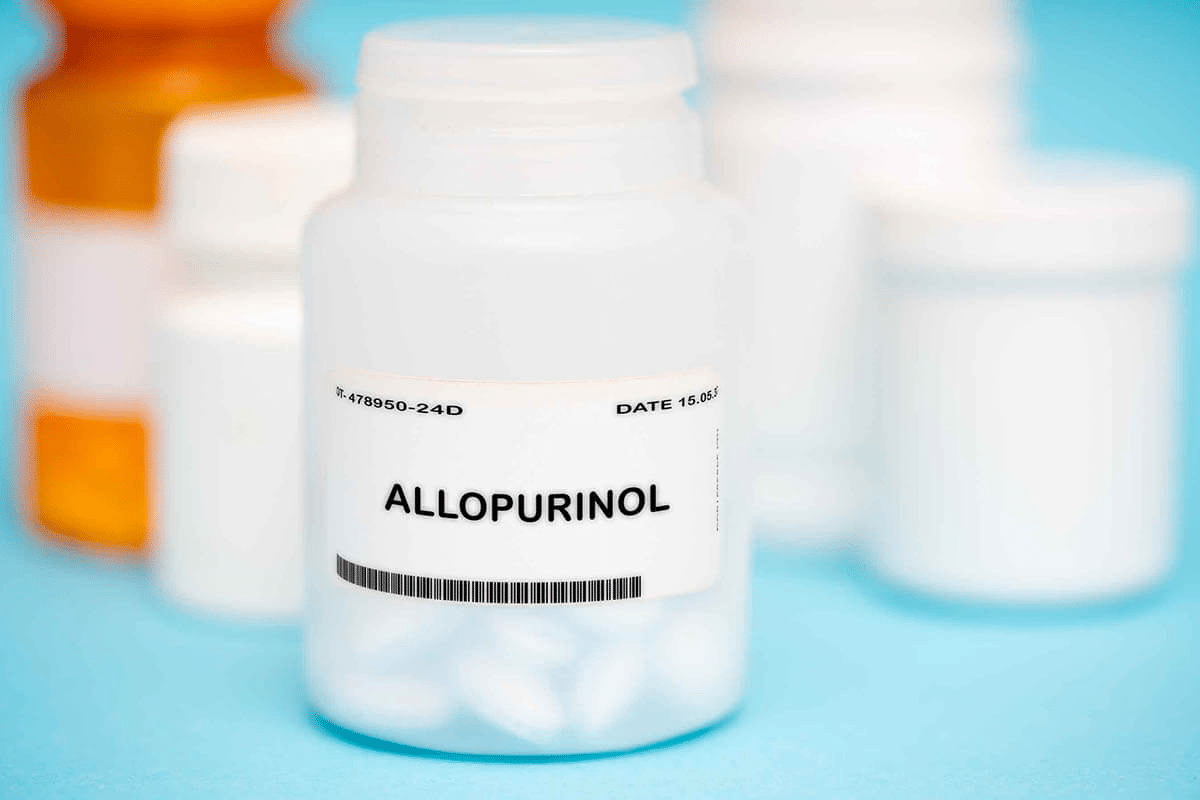
Allopurinol is a xanthine oxidase inhibitor. It’s key in lowering uric acid levels. This helps manage gout.
Chemical Classification as a Xanthine Oxidase Inhibitor
Allopurinol falls under the xanthine oxidase inhibitors category. This class of drugs blocks the enzyme xanthine oxidase. This enzyme is involved in uric acid production.
By stopping uric acid production, allopurinol prevents urate crystals. These crystals cause gout symptoms.
“Allopurinol is a purine analog that acts as a competitive inhibitor of xanthine oxidase,” as noted in various medical literature. This mechanism is key to its effectiveness in managing gout.
Historical Development and FDA Approval
Allopurinol was created in the 1950s for new treatments. It was approved by the FDA in 1966 for gout treatment. The historical development of allopurinol marks a significant milestone in the management of gout and hyperuricemia.
After its approval, allopurinol became a key treatment for gout. It helps lower uric acid levels and prevent gout flares. Its long history makes it a trusted choice for gout patients.
Understanding Gout: The Disease Allopurinol Treats
Gout is a type of inflammatory arthritis that causes sudden, severe pain. It happens when there’s too much urate in the blood. Normally, the body makes urate, which dissolves in the blood and is then passed out in urine.
Pathophysiology of Gout and Hyperuricemia
Gout is caused by too much uric acid in the blood. This leads to sharp crystals forming in joints or tissue, causing pain and swelling. Hyperuricemia is when there’s too much uric acid in the blood. It can happen if the body makes too much or if the kidneys don’t get rid of enough.
The causes of gout are complex. They include genetics, environment, and how the body reacts to urate crystals. When these crystals build up in joints, they start an inflammatory response, leading to a gout attack.
Symptoms and Progression of Untreated Gout
Gout symptoms vary but often include intense pain and swelling in the big toe. If not treated, gout can cause long-term joint damage and lead to chronic gouty arthritis.
Untreated gout goes through several stages:
- Asymptomatic hyperuricemia
- Acute gout
- Intercritical gout
- Chronic tophaceous gout
Managing gout’s progression is key to treatment. Knowing how the disease progresses helps in managing it effectively.
|
Stage |
Characteristics |
|---|---|
|
Asymptomatic Hyperuricemia |
Elevated uric acid levels without symptoms |
|
Acute Gout |
Sudden onset of joint pain and inflammation |
|
Intercritical Gout |
Periods between acute gout attacks |
|
Chronic Tophaceous Gout |
Long-term deposition of urate crystals, leading to chronic arthritis |
Understanding gout’s causes and progression helps doctors treat it better. Treatments like Allopurinol can manage the condition effectively.
Mechanism of Action: How Allopurinol Works in the Body
Allopurinol is effective against gout because of its unique action. It targets the disease’s root cause to reduce symptoms.
Inhibition of Xanthine Oxidase Enzyme
Allopurinol blocks the xanthine oxidase enzyme. This enzyme is key in making uric acid. It turns hypoxanthine into xanthine and then xanthine into uric acid. By stopping this enzyme, Allopurinol cuts down uric acid production in the body.
Reduction of Uric Acid Production and Crystal Formation
Lowering uric acid is key to stopping urate crystals, which cause gout. Allopurinol reduces uric acid, dissolving crystals and stopping new ones. This helps ease gout symptoms and prevents future attacks.
|
Mechanism |
Effect |
Clinical Benefit |
|---|---|---|
|
Inhibition of xanthine oxidase |
Reduced uric acid production |
Prevention of urate crystal formation |
|
Lowering of uric acid levels |
Dissolution of existing crystals |
Alleviation of gout symptoms |
|
Prevention of new crystal formation |
Reduction in gout attacks |
Improved quality of life for patients |
Understanding Allopurinol’s action shows its importance in managing gout. It greatly improves life for those with this condition.
Clinical Efficacy of Allopurinol in Gout Management
Allopurinol is a xanthine oxidase inhibitor that has shown great results in treating gout. It works by lowering serum urate levels. This makes it a key player in managing gout.
Research Evidence on Serum Urate Level Reduction
Many studies have shown Allopurinol’s success in lowering serum urate levels. About 96 out of 100 patients reached target levels with Allopurinol compared to placebo. This proves its effectiveness in real-world settings.
A study in a top medical journal showed Allopurinol greatly reduced serum urate levels in gout patients. It also led to fewer gout flare-ups during the study.
“Allopurinol is a cornerstone in the management of gout, with its efficacy in reducing serum urate levels being a significant factor in its clinical success.”- Journal of Rheumatology
Comparative Efficacy Against Placebo and Other Treatments
Allopurinol clearly outperforms placebo in lowering serum urate levels. It is more effective at reaching target levels than placebo.
|
Treatment |
Target Serum Urate Levels Achieved |
|---|---|
|
Allopurinol |
96% |
|
Placebo |
20% |
Compared to other urate-lowering therapies, Allopurinol shows similar results. This makes it a solid choice for treating gout.
In conclusion, Allopurinol is a top choice for managing gout, thanks to solid clinical evidence. It effectively lowers serum urate levels and prevents gout attacks. This makes it a key part of gout treatment.
Dosage and Administration Guidelines
Managing gout with Allopurinol needs careful attention to dosage and how it’s given. We’ll cover the main points for healthcare providers to follow. This ensures safe and effective treatment.
Starting Dose and Titration Protocol
The first dose of Allopurinol is usually 100 mg a day. This dose is then increased by 100 mg every 2 to 5 weeks. This slow increase helps avoid sudden gout attacks.
We check the patient’s urate levels with blood tests every 2-4 weeks. This lets us adjust the dose as needed. It makes sure the patient gets the right amount.
Maximum Daily Dosages
The highest daily dose of Allopurinol is 800 mg. But, doses over 300 mg need careful watching because of possible side effects. Sometimes, doses up to 800 mg are needed to reach the target uric acid levels.
Target Uric Acid Levels for Different Patient Populations
The goal of Allopurinol treatment is to keep serum urate levels under 6 mg/dL. For those with severe gout, even lower targets might be needed. We adjust treatment based on each patient’s needs, like kidney function and other health issues.
By following these guidelines, we can make Allopurinol work best. This reduces side effects and helps manage gout long-term. It improves patient outcomes.
Potential Side Effects and Adverse Reactions
It’s important to know about Allopurinol’s side effects for managing gout. Allopurinol is usually safe but can cause serious side effects.
Common Side Effects
Common side effects of Allopurinol include:
- Skin rash: This is a common reaction that might need you to stop taking the drug.
- Diarrhea: Stomach problems can happen. It’s good to know how to handle them.
- Nausea: Some people feel sick to their stomach. Taking it with food can help.
Serious Adverse Reactions Including DRESS Syndrome
Allopurinol can lead to serious skin issues like Stevens-Johnson syndrome, toxic epidermal necrolysis, and Drug Reaction with Eosinophilia and Systemic Symptoms (DRESS). DRESS is a serious condition with a rash, fever, and organ problems.
It’s key to know the signs of these serious reactions. If you see them, get medical help right away.
Risk Factors for Adverse Reactions
Some things can make side effects from Allopurinol worse, including:
- Initial dosing: Starting with a high dose can raise the risk of side effects.
- Pre-existing renal impairment: If you have kidney issues, you might need a different dose.
- Concomitant medications: Taking other drugs with Allopurinol can change its safety.
It’s wise to watch patients closely and adjust as needed to lower these risks.
Patient Monitoring and Education for Allopurinol Therapy
Effective Allopurinol therapy needs careful monitoring and education. This ensures the best treatment results. We will look at key aspects of patient care, like lab tests, teaching patients, and handling gout flares.
Laboratory Monitoring Requirements
Lab tests are key to check if Allopurinol is working and safe. Here’s a suggested monitoring plan:
- Serum urate levels: Check every 2-3 weeks at first, then every 6 months.
- Liver function tests: Do these often, mainly when starting treatment.
- Renal function tests: Check these regularly because Allopurinol is removed by the kidneys.
- Complete Blood Count (CBC): This test helps watch for blood-related side effects.
Patient Education and Medication Adherence
Teaching patients is vital for Allopurinol success. We focus on:
- Explaining why Allopurinol is used and its benefits.
- Knowing about possible side effects and when to get help.
- Following the exact dosage as prescribed.
- Making lifestyle changes, like diet and staying hydrated, to help Allopurinol work better.
Managing Acute Gout Flares While on Allopurinol
During the start of Allopurinol, gout flares can happen. Here’s what we suggest:
- Keep taking Allopurinol even during flares, stopping can make them last longer.
- Use anti-inflammatory drugs, like NSAIDs or colchicine, to ease flare symptoms.
- Consider taking colchicine or NSAIDs before starting Allopurinol to lower flare risk.
|
Monitoring Parameter |
Frequency |
Purpose |
|---|---|---|
|
Serum Urate Levels |
Every 2-3 weeks until target achieved, then every 6 months |
Assess efficacy of Allopurinol therapy |
|
Liver Function Tests |
Periodic, specially during initial treatment |
Monitor for hepatotoxicity |
|
Renal Function Tests |
Regular assessment |
Adjust Allopurinol dose as needed for renal impairment |
|
Complete Blood Count (CBC) |
Periodic |
Detect possible hematologic effects |
Lifestyle Considerations and Long-Term Management with Allopurinol
Allopurinol is key in managing gout, but lifestyle changes make it more effective. Understanding how diet affects treatment is important. It’s vital for long-term gout management with allopurinol.
Dietary Recommendations for Patients on Allopurinol
Changing your diet is a big part of managing gout with allopurinol. A balanced diet can lower uric acid levels and stop gout attacks. It’s best to eat less of foods high in purines, like organ meats and some seafood.
Drinking lots of water is also key. Alcohol, like beer and liquor, can cause gout attacks. Adults should not drink more than 14 units of alcohol a week. This helps keep uric acid levels down and reduces gout flares.
|
Food Category |
Recommended Intake |
Foods to Limit or Avoid |
|---|---|---|
|
Meat and Poultry |
Moderate portions |
Organ meats (liver, kidney) |
|
Seafood |
Limit servings |
Anchovies, sardines, mussels |
|
Alcohol |
Not more than 14 units/week |
Beer, liquor |
Long-Term Prognosis and Treatment Duration
Most people on allopurinol see a big drop in gout attacks and feel better over time. Treatment duration can vary, but many need it for life to keep uric acid levels right.
It’s important to check uric acid and kidney function often. Teaching patients about sticking to their treatment and making lifestyle changes is also key for long-term success.
Combining allopurinol with a healthy lifestyle can help control gout better. This reduces the chance of serious problems later on.
Conclusion: The Role of Allopurinol in Modern Gout Management
Allopurinol is key in managing gout today. It works by lowering uric acid levels, which stops gout attacks and protects joints. It’s a vital part of treating this long-term condition.
Starting allopurinol early after diagnosis can greatly help patients. It’s often the first choice for treating gout. Its benefits are clear, making it a good option for managing the condition.
Allopurinol helps by keeping uric acid levels down, which stops crystals from forming. These crystals cause gout symptoms. With the right dose and care, allopurinol is a safe, long-term solution. It greatly improves life for those with gout.
FAQ
What is Allopurinol used for?
Allopurinol is used to treat gout and high uric acid levels. It reduces uric acid production in the body. This helps prevent gout attacks and manage symptoms.
How does Allopurinol work to treat gout?
Allopurinol blocks the xanthine oxidase enzyme. This enzyme is key in making uric acid. By stopping this, Allopurinol prevents urate crystals that cause gout attacks.
What is the drug classification of Allopurinol?
Allopurinol is a xanthine oxidase inhibitor. This means it works by reducing uric acid production.
What are the common side effects of Allopurinol?
Side effects include rash, stomach problems, and liver function changes. Serious side effects like DRESS syndrome can also happen.
How should Allopurinol be dosed and administered?
Dosage varies based on the patient’s condition and response. Treatment starts with a low dose, which may increase. The maximum daily dose should not be exceeded.
What are the dietary recommendations for patients on Allopurinol?
Patients should eat healthy, drink plenty of water, and avoid high-purine foods. This helps manage uric acid levels.
Can Allopurinol cause serious adverse reactions?
Yes, Allopurinol can cause serious reactions like DRESS syndrome. Patients should watch for signs of severe reactions.
How long does it take for Allopurinol to start working?
It may take weeks for Allopurinol to affect uric acid levels and gout symptoms. Patients should keep taking their medication as directed.
Is Allopurinol suitable for everyone with gout?
Allopurinol works well for most people with gout. But, it’s not for everyone, like those with certain health issues. Patients should talk to their doctor about their health history.
What is the role of patient education in Allopurinol therapy?
Teaching patients about Allopurinol is key. They need to understand the importance of sticking to their treatment plan and making lifestyle changes.
How is Allopurinol therapy monitored?
Monitoring includes checking uric acid levels and liver function. It also involves watching for signs of bad reactions. This helps adjust the dose and manage side effects.
Can lifestyle changes enhance the effectiveness of Allopurinol?
Yes, healthy diet, staying hydrated, maintaining a healthy weight, and limiting alcohol can help Allopurinol work better.
Reference
National Center for Biotechnology Information. Allopurinol: Mechanism and Use in Gout Treatment. Retrieved from https://www.ncbi.nlm.nih.gov/books/NBK499942/