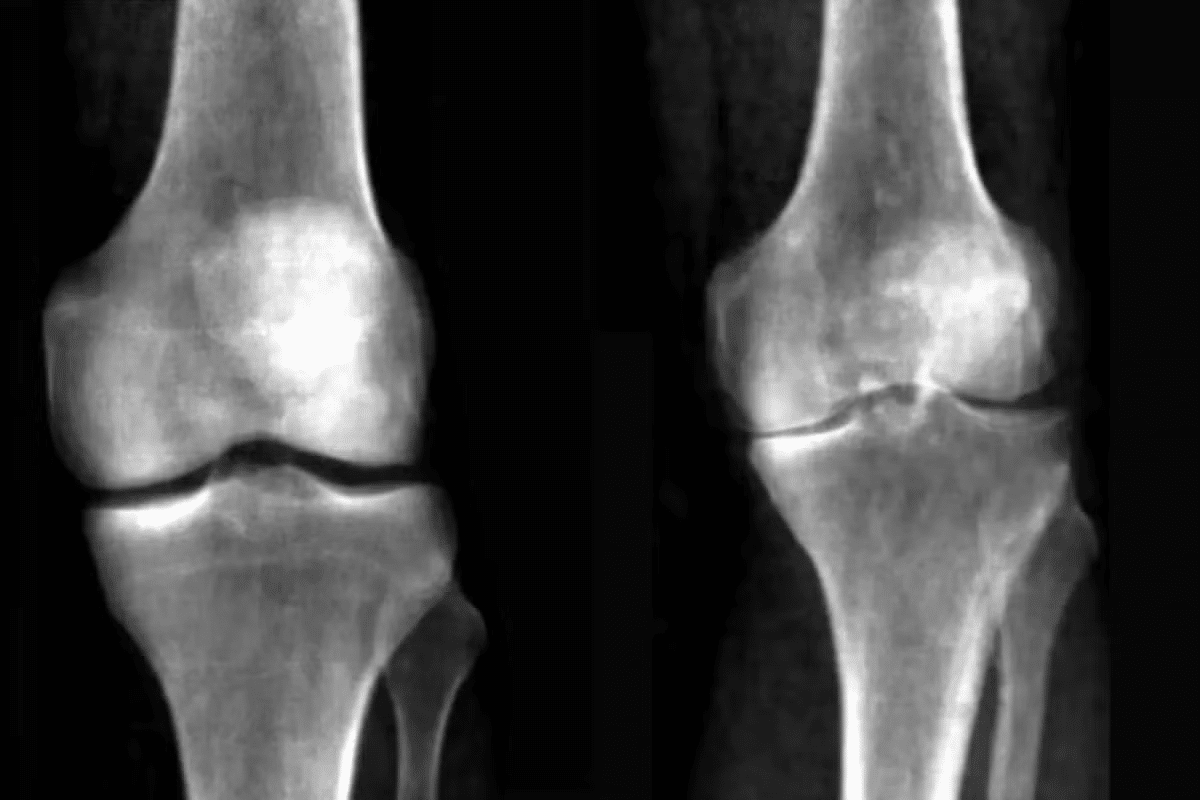
Calcium pyrophosphate deposition disease (CPPD), also known as pseudogout or pyrophosphate arthropathy, is a type of arthritis. It affects the joints and the soft tissues around them. This condition happens when calcium pyrophosphate dihydrate crystals build up in the cartilage and soft tissues of the joints calcium pyrophosphate deposition disease.
It usually affects older adults. It can be hard to diagnose because it looks like other joint problems, like gout or rheumatoid arthritis. At Liv Hospital, we focus on our patients. We work hard to diagnose and treat CPPD arthritis well. This helps our patients manage their condition better and live a better life.
Key Takeaways
- CPPD arthritis is a crystal-induced inflammatory arthropathy.
- It is commonly known as pseudogout or pyrophosphate arthropathy.
- CPPD occurs when calcium pyrophosphate dihydrate crystals accumulate in joints.
- It often affects older adults and can be misdiagnosed.
- Liv Hospital provides a patient-centered approach to treating CPPD arthritis.
Calcium Pyrophosphate Deposition Disease: An Overview
CPPD disease is a type of joint problem that has caught the eye of researchers. It’s caused by calcium pyrophosphate dihydrate crystals in joints. This leads to different symptoms.
To get what CPPD is, knowing its definition and medical terms is key. Calcium Pyrophosphate Deposition Disease is what CPPD stands for. It’s different from other joint issues like gout.
Definition and Medical Terminology
CPPD disease happens when calcium pyrophosphate dihydrate crystals build up in joints. This can cause sudden joint pain, known as pseudogout. Or, it can lead to long-term joint damage.
Medical terms for CPPD include “calcium pyrophosphate dihydrate crystal deposition disease” and “pyrophosphate arthropathy.” Knowing these terms helps doctors diagnose and treat CPPD better.
CPPD Medical Abbreviation Explained
The CPPD medical term is used a lot in healthcare. It stands for Calcium Pyrophosphate Deposition Disease. This term makes it easier for doctors to talk about it and write it down.
It’s important to note that CPPD and pseudogout are not the same. Pseudogout is the sudden, painful episodes that can happen with CPPD.
Relationship to Pseudogout and Other Crystal Arthropathies
CPPD is linked to other joint problems like gout and basic calcium phosphate crystal deposition disease. Even though they seem similar, they are different. This is because of the type of crystals and how they affect joints.
The table below shows how CPPD (including pseudogout) differs from other common joint problems:
|
Condition |
Type of Crystal |
Commonly Affected Joints |
Clinical Presentation |
|---|---|---|---|
|
CPPD/Pseudogout |
Calcium Pyrophosphate Dihydrate |
Knee, wrist, metacarpophalangeal joints |
Acute inflammatory arthritis (pseudogout) or chronic degenerative joint disease |
|
Gout |
Monosodium Urate |
Big toe, ankle, knee |
Acute inflammatory arthritis |
|
Basic Calcium Phosphate Crystal Deposition Disease |
Basic Calcium Phosphate |
Shoulder, hip |
Periarthritis, tendinitis, or destructive arthropathy |
The Prevalence and Demographics of CPPD
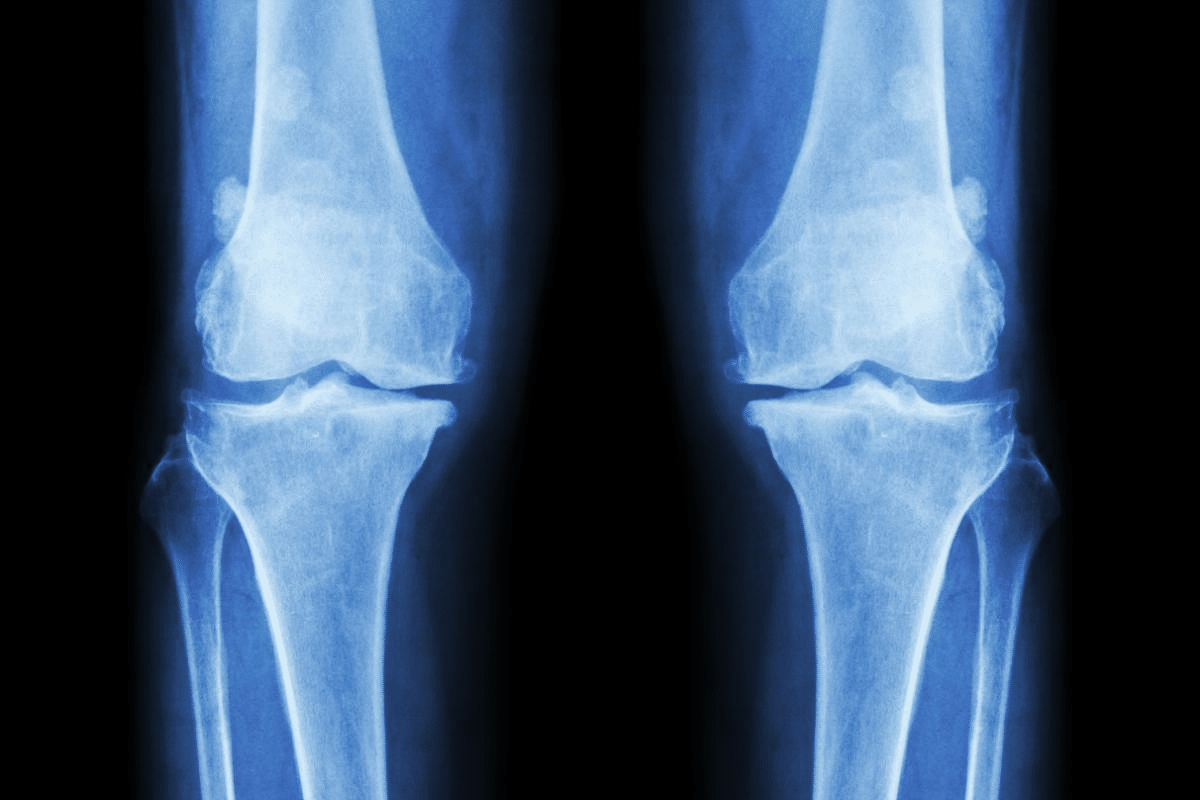
CPPD arthritis is more common with age, hitting people over 60 hard. As more people get older, knowing about CPPD’s demographics is key for doctors and researchers.
Age-Related Incidence Rates
CPPD mainly hits older adults, with 4-7% of them affected. It gets more common with age, posing a big risk for the elderly.
Risk Factors for Developing CPPD
Several factors increase the risk of getting CPPD. These include age, genetics, and some metabolic conditions. Knowing these can help spot and manage CPPD early.
Epidemiological Studies and Statistics
Recent studies have shed light on CPPD’s prevalence. For example, a study on US veterans found over 25,000 with CPPD. This shows CPPD’s big impact on healthcare.
To better understand CPPD’s prevalence and demographics, let’s look at some data:
|
Age Group |
Prevalence Rate |
Number of Individuals |
|---|---|---|
|
60-69 years |
3.5% |
10,000 |
|
70-79 years |
5.2% |
15,000 |
|
80 years and older |
7.5% |
5,000 |
The data shows CPPD’s prevalence goes up with age. As the population ages, healthcare needs to be ready to handle more CPPD cases.
Pathophysiology: How Calcium Pyrophosphate Crystals Form
To understand CPPD, we need to know how calcium pyrophosphate dihydrate crystals form and settle in joints. These crystals build up in joint cartilage and soft tissues. This leads to inflammation and damage in the joints.
Crystal Formation Process
The process of calcium pyrophosphate crystals forming is complex. It’s influenced by many biochemical and physiological factors. It happens when these crystals deposit abnormally in the joint, mainly in the cartilage.
While we don’t know all the details, research points to several factors. These include joint degeneration, metabolic disorders, and genetic predisposition.
Factors Contributing to Crystal Deposition
Several things can lead to calcium pyrophosphate crystals settling in joints. These include:
- Age-related wear and tear on joints
- Metabolic disorders such as hyperparathyroidism
- Genetic predisposition
- Previous joint injuries or surgeries
Comparison with Other Calcium Crystal Diseases
CPPD is similar to other calcium crystal diseases, like basic calcium phosphate crystal deposition disease. But, the type of crystals and symptoms can vary a lot.
Knowing these differences is key for correct diagnosis and treatment.
Clinical Manifestations of CPPD Arthritis
It’s important to understand the signs of CPPD arthritis to diagnose and treat it well. This condition can show up in different ways, from sudden inflammation to long-term damage.
Acute Attacks (Pseudogout)
Acute CPPD arthritis, or pseudogout, causes sudden pain, swelling, redness, and warmth in the joints. It’s similar to gout but is caused by different crystals.
The pain from an acute attack can be very bad and usually gets worse in 24 to 48 hours. Things that can trigger an attack include:
- Trauma
- Surgery
- Medical illnesses
- Certain medications
Chronic CPPD Arthropathy
Chronic CPPD arthropathy is different because it causes slow joint damage and pain. It can look like osteoarthritis but happens faster and in unusual joints.
Chronic CPPD arthropathy is marked by:
- Progressive joint damage
- Degenerative changes on radiographs
- Variable levels of inflammation
Commonly Affected Joints
CPPD arthritis can affect many joints, but some are more common. The most often affected joints are:
In summary, CPPD arthritis can show up in many ways, from sudden attacks to long-term damage. Knowing these signs is key to diagnosing and treating it right.
Diagnosing Calcium Pyrophosphate Deposition Disease
To diagnose Calcium Pyrophosphate Deposition Disease (CPPD), we use a few key steps. These include clinical evaluation, imaging studies, and joint fluid analysis. Getting the diagnosis right is key to treating the disease well.
Clinical Evaluation and Patient History
First, we do a detailed check-up and look at the patient’s history. We look at their symptoms, past health, and physical check-ups. We’re looking for signs of CPPD, like sudden pain in big joints like the knee or wrist.
We also think about other diseases that might look like CPPD, like gout or osteoarthritis. Knowing how long the symptoms last and how bad they are helps us understand the situation better.
Imaging Studies
Imaging tests are very important for diagnosing CPPD. X-rays help us see if there’s calcium buildup in the cartilage. We might also use ultrasound or MRI to see more details about the joint and any crystals.
Joint Fluid Analysis and CPPD Crystal Identification
The best way to confirm CPPD is by looking at the joint fluid. We take fluid from the joint and check it under a microscope. If we see certain crystals, we know it’s CPPD.
|
Diagnostic Method |
Description |
Key Findings |
|---|---|---|
|
Clinical Evaluation |
Assessment of patient symptoms and medical history |
Acute monoarthritis, joint pain |
|
Imaging Studies |
Use of X-rays, ultrasound, or MRI to detect crystal deposits |
Chondrocalcinosis, joint damage |
|
Joint Fluid Analysis |
Examination of synovial fluid for CPPD crystals |
Rhomboid or rod-shaped crystals with weak positive birefringence |
By using all these methods together, we can accurately find out if someone has CPPD. Then, we can make a treatment plan that fits their needs.
Differential Diagnosis: Distinguishing CPPD from Similar Conditions
Diagnosing CPPD arthritis can be tricky because it looks like other arthritis types. This makes it important to figure out the exact cause. A detailed check is needed to find the right diagnosis.
CPPD vs. Gout
CPPD and gout both involve crystals in the joints. But, they have different crystals and symptoms. Gout has monosodium urate crystals, while CPPD has calcium pyrophosphate dihydrate crystals.
|
Characteristics |
CPPD |
Gout |
|---|---|---|
|
Crystals Involved |
Calcium Pyrophosphate Dihydrate |
Monosodium Urate |
|
Commonly Affected Joints |
Knees, wrists, hips |
Big toe, ankles, knees |
|
Clinical Presentation |
Acute attacks, chronic arthropathy |
Acute attacks, tophi formation |
CPPD vs. Osteoarthritis
CPPD can be told apart from osteoarthritis by looking at joint fluid and X-rays. Both can cause pain and stiffness. But, CPPD often shows more inflammation.
CPPD vs. Rheumatoid Arthritis
Rheumatoid arthritis is an autoimmune disease with symmetrical joint pain and specific antibodies. CPPD, on the other hand, is caused by crystals and can affect joints in a more random way. It doesn’t have the same antibodies as rheumatoid arthritis.
Key differences between CPPD and rheumatoid arthritis include:
- Presence of rheumatoid factor and anti-CCP antibodies in rheumatoid arthritis
- Symmetric vs. asymmetric joint involvement
- Systemic manifestations in rheumatoid arthritis
Getting the right diagnosis is key for treating CPPD or other arthritis types. It helps doctors choose the best treatment plan.
CPPD Treatment: Managing Acute Attacks
Managing acute CPPD attacks requires a mix of medicine, lifestyle changes, and sometimes, procedures. The aim is to lessen pain, swelling, and discomfort. This improves the patient’s life quality.
Pain Management Strategies
Managing pain is key in treating acute CPPD attacks. We suggest using both medicine and non-medicine methods to control pain well.
- Nonsteroidal anti-inflammatory drugs (NSAIDs) are often the first choice for pain and swelling.
- Colchicine is another option for treating acute CPPD attacks, if NSAIDs can’t be used.
- Oral corticosteroids may be given to lessen inflammation and pain.
Anti-inflammatory Medications
Anti-inflammatory drugs are vital in managing acute CPPD attacks. They reduce swelling, easing pain and discomfort.
NSAIDs are commonly used for acute CPPD attacks. They block the production of prostaglandins, which cause inflammation.
Joint Aspiration and Injections
Joint aspiration and injections are procedures that help a lot during acute CPPD attacks.
Joint aspiration removes extra fluid from the joint, reducing pain and swelling. Sometimes, corticosteroid injections are given to the joint for more anti-inflammatory effects.
Rest and Physical Therapy During Flares
Rest and physical therapy are important for managing acute CPPD attacks. During flares, the joint needs rest to avoid more irritation.
Gentle physical therapy keeps the joint mobile and strong. We advise seeing a physical therapist for a custom exercise plan that fits the patient’s needs.
Long-term Management of CPPD Arthropathy
Managing CPPD arthropathy long-term needs a mix of preventive meds, lifestyle changes, and joint care. A good plan can lessen CPPD attacks, making life better for patients.
Preventive Medications
Preventive meds are key in fighting CPPD arthropathy. They cut down on attacks and slow the disease. Common ones include:
- Colchicine: Stops attacks and lowers inflammation.
- Nonsteroidal anti-inflammatory drugs (NSAIDs): Manage pain and swelling.
- Corticosteroids: Reduce swelling during attacks.
Table: Preventive Medications for CPPD Arthropathy
|
Medication |
Purpose |
Common Side Effects |
|---|---|---|
|
Colchicine |
Prevent acute attacks, reduce inflammation |
Gastrointestinal issues, muscle weakness |
|
NSAIDs |
Manage pain and inflammation |
Gastrointestinal issues, kidney damage |
|
Corticosteroids |
Reduce inflammation during acute attacks |
Weight gain, mood changes, increased blood pressure |
Lifestyle Modifications
Changing your lifestyle is key in managing CPPD arthropathy. These changes can lower attack risks and boost health. Good changes include:
- Keeping a healthy weight to ease joint stress.
- Doing regular, gentle exercises to keep joints moving.
- Staying away from too much alcohol, which can cause attacks.
Joint Protection Techniques
Keeping joints safe is critical for CPPD patients. Ways to do this include:
- Using aids like canes or walkers to lessen joint stress.
- Avoiding too much strain on joints.
- Keeping good posture to spread out weight evenly.
Surgical Interventions for Severe Cases
For severe CPPD, surgery might be needed. This can include:
- Removing extra fluid and crystals from the joint.
- Replacing or repairing damaged joints.
By using meds, making lifestyle changes, protecting joints, and sometimes surgery, patients can manage CPPD well. This improves their life quality.
Self-Management Strategies for Living with CPPD
For those with CPPD arthritis, it’s key to manage the condition well. This means taking steps to control symptoms, keep joints healthy, and adjust to daily life changes.
Daily Pain Management Techniques
Managing pain is a big part of living with CPPD. Here are some ways to do it:
- Using heat or cold therapy to reduce pain and inflammation
- Practicing relaxation techniques such as deep breathing or meditation
- Maintaining a pain diary to track symptoms and identify patterns
“Pain management is not just about medication; it’s about adopting a holistic approach to well-being,” says Medical Expert, a rheumatologist. “By using different techniques, patients can better control their symptoms.”
Exercise and Physical Activity Recommendations
Regular exercise is key for keeping joints mobile and reducing stiffness. Good activities include:
- Gentle stretching exercises to improve flexibility
- Low-impact aerobics such as swimming or cycling
- Strengthening exercises to support the joints
Always talk to a healthcare provider before starting any new exercise program to make sure it fits your needs and abilities.
Dietary Considerations
There’s no special “CPPD diet,” but some diet changes can help. These include:
- Maintaining a healthy weight to reduce pressure on joints
- Incorporating anti-inflammatory foods into your diet
- Staying hydrated to help flush out crystals
A recent study found that “Dietary interventions can play a significant role in managing chronic inflammatory conditions.”
Assistive Devices and Home Modifications
Using assistive devices and making home changes can make daily life easier. Examples are:
- Using canes or walkers to reduce strain on affected joints
- Installing grab bars and non-slip mats in bathrooms
- Adapting kitchen utensils for easier use
By using these strategies, people with CPPD can live more active and fulfilling lives.
Conclusion: Navigating Life with CPPD Arthritis
Understanding CPPD arthritis is key to improving life quality for those with it. Managing CPPD well needs a full approach. This includes medical care, lifestyle changes, and self-care.
Living with CPPD means handling both sudden attacks and ongoing joint problems. A broad care plan helps tackle CPPD’s challenges. This includes using pain relief, anti-inflammatory drugs, and injections.
Managing CPPD also means making lifestyle adjustments. This includes exercising, eating right, and using aids. Taking charge of CPPD can lessen its daily impact.
We stress the need for a detailed care plan for better CPPD outcomes. Working with healthcare and using self-care strategies can improve life quality. This way, people with CPPD can live better despite the condition.
FAQ
What is CPPD arthritis?
CPPD arthritis, also known as calcium pyrophosphate deposition disease, is a type of arthritis. It happens when calcium pyrophosphate dihydrate crystals build up in the joints. This leads to joint pain and inflammation.
What is the difference between CPPD and pseudogout?
CPPD is a broader term that includes various conditions, including pseudogout. Pseudogout is a type of acute CPPD arthritis. It is known for sudden joint pain and swelling.
What are the common symptoms of CPPD arthritis?
Symptoms of CPPD arthritis vary. But common signs include joint pain, stiffness, and swelling. These often affect the knees, hips, and wrists.
How is CPPD arthritis diagnosed?
Diagnosing CPPD arthritis involves several steps. It includes a clinical evaluation, imaging studies, and joint fluid analysis. These help find calcium pyrophosphate dihydrate crystals.
What are the treatment options for managing acute CPPD attacks?
For acute CPPD attacks, treatment options include pain management and anti-inflammatory medications. Joint aspiration and injections may also be used. Rest and physical therapy are recommended during flares.
How can CPPD arthritis be managed long-term?
Long-term management of CPPD arthritis includes preventive medications and lifestyle changes. Joint protection techniques and surgical interventions may be needed for severe cases.
What lifestyle changes can help alleviate CPPD symptoms?
To alleviate CPPD symptoms, maintaining a healthy weight and regular exercise are key. Dietary modifications can also improve joint health.
Are there any assistive devices that can help with daily activities?
Yes, assistive devices like canes, walkers, and orthotics can aid in daily activities. They help individuals with CPPD arthritis move more easily and independently.
Can CPPD arthritis be cured?
While there’s no cure for CPPD arthritis, a good treatment plan can manage symptoms. It can slow disease progression and improve quality of life.
What is the prevalence of CPPD arthritis among older adults?
CPPD arthritis is more common in older adults. Its prevalence increases with age, mainly after 60.
How does CPPD differ from other types of arthritis, such as gout or osteoarthritis?
CPPD arthritis is different from other arthritis types like gout or osteoarthritis. It has unique causes, symptoms, and treatment methods.
References
Key What Is Calcium Pyrophosphate Deposition Disease & Treatment? https://www.ncbi.nlm.nih.gov/books/NBK540151/