Epiretinal membrane (ERM) surgery is a delicate procedure. It needs careful post-operative care. Knowing the recovery timeline is key, like when you can drive again. Find out the typical recovery timeline for when can i drive after epiretinal membrane surgery safely. Plan for when can i drive after epiretinal membrane surgery.
About 30 million people in the United States have ERM in at least one eye. After surgery, patients usually need weeks to recover before driving. The exact time depends on how long the membrane was there and the eye’s health.
Recovery timelines and safety considerations are vital to plan your post-operative period. We will guide you through the essential information to ensure a smooth and safe recovery.
Key Takeaways
- ERM surgery requires several weeks of recovery before driving again.
- The recovery time varies depending on individual factors.
- Understanding the recovery timeline is key for planning.
- ERM affects about 30 million people in the United States.
- Post-operative care is essential for a safe recovery.
Understanding Epiretinal Membrane (ERM)

ERM, or epiretinal membrane, is a thin layer of scar tissue on the retina’s inner surface. It can cause big problems with vision, making life harder for those affected.
What is an Epiretinal Membrane?
An epiretinal membrane is a thin layer of scar tissue over the macula. The macula handles central vision and fine details. This membrane can cause visual distortion and blurred vision, making simple tasks hard.
The exact cause of ERM is not known, but it’s linked to aging, retinal tears, and eye inflammation. As we get older, our retinas change, which can lead to ERM.
Prevalence in the United States
ERM is common, hitting many people, mostly the elderly. About 30 million people in the U.S. have it. It’s more common with age, making it a big worry for older folks.
Research shows ERM is common after 50 and gets more common with age. This makes regular eye exams very important for seniors.
How ERM Affects Vision and Daily Activities
An epiretinal membrane can cause many vision problems, including:
- Blurred vision
- Distorted vision (metamorphopsia)
- Hard time with reading and other tasks needing clear vision
These issues happen because the membrane makes the retina pucker or distort. This messes up how visual signals get to the brain. People with ERM might struggle with reading, driving, and seeing faces.
In short, knowing about epiretinal membrane is key for those with vision issues. By spotting symptoms and getting medical help, people can get better treatment. This can greatly improve their vision and life quality.
Symptoms and Diagnosis of Epiretinal Membrane

Knowing the symptoms and how to diagnose Epiretinal Membrane is key. It helps get the right treatment quickly. ERM can make everyday tasks hard because of vision problems.
Common Visual Symptoms
ERM often causes blurred vision and distorted vision. It makes reading and doing things that need clear vision hard. Some people see a gray spot or blind spot in their vision.
Common symptoms include:
- Blurred or distorted central vision
- Difficulty reading or recognizing faces
- Double vision or ghosting
- Visual distortion, where straight lines appear wavy or crooked
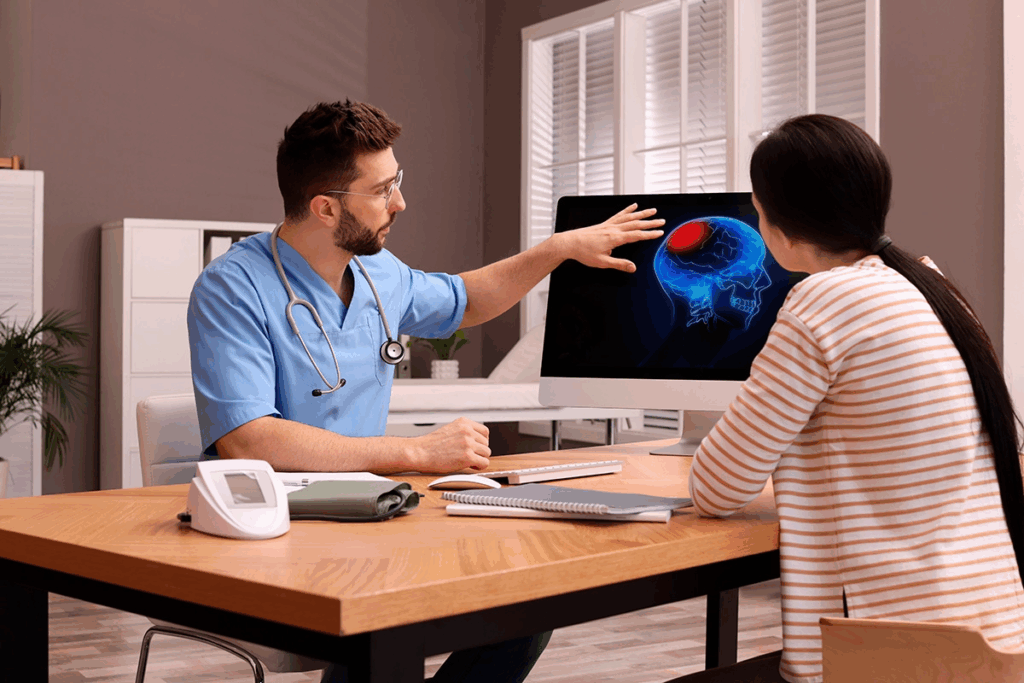
Diagnostic Tests and Procedures
To diagnose ERM, a thorough eye check is needed. This includes:
- Optical Coherence Tomography (OCT): A non-invasive imaging test that provides detailed pictures of the retina.
- Fundus Fluorescein Angiography (FFA): Helps in assessing the retinal vasculature and detecting any leakage or abnormalities.
- Visual Acuity Tests: Measures the sharpness of vision.
When Surgery Becomes Necessary
Surgery is needed when ERM badly affects vision and daily life. The decision to have surgery depends on how bad the symptoms are and how much they impact daily life.
Surgical Consideration | Criteria |
Severity of Symptoms | Significant visual distortion or blurred vision affecting daily life |
Impact on Daily Activities | Difficulty reading, driving, or performing tasks requiring clear vision |
Progression of ERM | Worsening of symptoms over time |
Knowing these factors helps decide when surgery is needed.
Preparing for Epiretinal Membrane Surgery
Getting ready for ERM surgery involves several steps. We’ll help you through each one to make sure your surgery goes well. This includes planning and paying attention to details.
Pre-Surgical Evaluations
We do a series of checks before your surgery. These help us understand your eye health and plan the best treatment. You might have:
- A detailed eye exam to check your vision and eye health.
- Imaging tests, like optical coherence tomography (OCT), to look at your retina and ERM.
- A look at your medical history to spot any risks or complications.
These steps are key to creating a good treatment plan for you.
Medication Considerations
We’ll check your medications before surgery. Tell us about all your medications, including blood thinners and steroids.
We might ask you to:
- Stop taking some medications before surgery.
- Change your dosage or when you take it to reduce risks.
Arranging Post-Surgery Transportation
After surgery, you’ll need a ride home. You can’t drive because of the anesthesia and vision changes.
Make sure someone is there to drive you home safely. Choose a friend or family member for this.
The Epiretinal Membrane Surgery Procedure
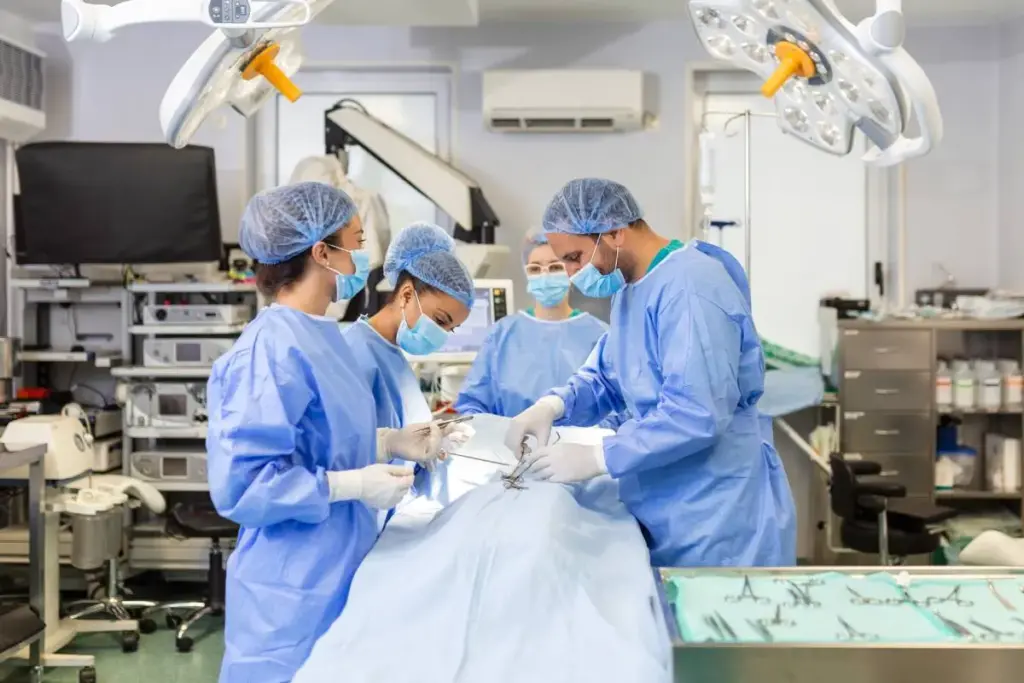
ERM surgery is a detailed process with several steps. It’s designed to be as gentle as possible. This ensures the epiretinal membrane is removed effectively.
Vitrectomy and Membrane Peeling Techniques
The surgery starts with a vitrectomy. This is when the vitreous gel is taken out to reach the retina. Then, a membrane peeling follows. This is a careful step where the membrane is removed from the retina’s surface.
Special tools are used for these steps. The goal is to clear the membrane and improve vision.
Surgical Duration and Anesthesia Options
The surgery usually lasts 30 to 45 minutes. It’s done under local anesthesia. This numbs the eye area, making sure the patient is comfortable.
Modern Small-Gauge Instruments and No-Stitch Approaches
Today’s ERM surgery uses small-gauge instruments. These are thinner and cause less damage. This method often means no stitches are needed. It helps in faster healing and lowers the chance of problems.
Surgical Aspect | Description | Benefit |
Vitrectomy | Removal of vitreous gel | Access to retina |
Membrane Peeling | Removal of epiretinal membrane | Improved vision |
Local Anesthesia | Numbing of eye area | Patient comfort |
Small-Gauge Instruments | Thinner surgical tools | Less trauma, faster healing |
We use the latest methods and tools for ERM surgery. Our goal is to make the surgery safe and effective. We want to improve our patients’ vision and quality of life.
Immediate Post-Surgery Recovery
Right after surgery, it’s key to rest and focus on healing. After getting ERM surgery, patients must take care of their recovery well.
The First 24-48 Hours After Surgery
The first 24-48 hours are very important for a good recovery. It’s important to rest and not do anything too hard. This helps avoid problems with the gas bubble used in surgery.
Patients should:
- Stay home and keep their head in a certain position as told by their surgeon.
- Avoid heavy lifting, bending, or straining.
- Go to follow-up appointments with their surgeon to check on healing.
Managing Pain and Discomfort
Handling pain and discomfort is a big part of recovery. Even though ERM surgery is usually okay, some might feel some pain.
Ways to manage pain include:
Method | Description |
Prescribed Medications | Using pain relief meds as told by the surgeon. |
Cold Compresses | Using cold compresses to lessen swelling and pain. |
Rest | Resting a lot to help the eye heal. |
“Managing pain is very important after surgery. By following the surgeon’s advice and using meds, patients can lessen pain and focus on getting better.”
— Ophthalmology Expert
Initial Vision Changes and Expectations
Vision changes right after ERM surgery can differ for everyone. Some might see better, while others might see blurry or distorted.
It’s important to know that:
- Vision might be blurry or distorted right after surgery because of the gas bubble or swelling.
- It might take some time for vision to get better and clearer.
- Going to follow-up appointments is key to check on progress and solve any issues.
Understanding what to expect in the first days after surgery helps patients manage their recovery better. This way, they can get the best results from ERM surgery.
When Can I Drive After Epiretinal Membrane Surgery?
Many patients wonder when they can drive again after epiretinal membrane surgery. The answer depends on how fast your vision recovers and if there are any complications.
General Timeline for Resuming Driving
Usually, doctors tell patients to wait a few weeks before driving again. The typical recovery period is 2 to 4 weeks. But, this can differ for each person.
It’s important to listen to your doctor and not rush back to driving. They will check your vision and tell you when it’s okay to drive.
Factors Affecting Your Return to Driving
Several things can affect when you can drive after surgery. These include:
- The extent of visual improvement
- The presence of any post-surgical complications
- Changes in visual acuity or field
- Your ability to meet the legal vision requirements for driving in your state
Your doctor will look at these factors during follow-up visits. They will decide if you’re ready to drive.
Doctor’s Evaluation Criteria for Driving Safety
Before letting you drive, your doctor will check your vision in several ways. They will look at:
- Visual acuity: Making sure you can see well enough to drive safely
- Visual field: Checking for any blind spots or peripheral vision issues
- Depth perception: Verifying your ability to judge distances accurately
By checking these things, your doctor will know when it’s safe for you to drive. This ensures your safety and the safety of others on the road.
Visual Recovery Timeline After ERM Surgery
The journey to clear vision after ERM surgery takes months. We’ll guide you through each stage and what to expect.
First Week After Surgery
In the first week, you might feel some discomfort and see things blurry. This is normal. Rest your eyes and follow your doctor’s advice. Vision improvements may start, but big changes take time.
One Month Post-Surgery Progress
By one month, vision starts to get better for many. The blur fades, and you can see clearer. But, everyone recovers at their own pace. Keep attending follow-ups to track your progress.
Complete Recovery Period (3-6 Months)
Recovery from ERM surgery can take three to six months. Vision will keep getting better slowly. You might see some ups and downs, but overall, vision should improve.
Here’s a general idea of what you might experience:
Timeframe | Expected Visual Changes |
First Week | Blurred vision, discomfort |
One Month | Improvement in visual acuity, decrease in blurriness |
3-6 Months | Continued gradual improvement in vision |
Always follow your doctor’s advice and go to all follow-up appointments. If you’re worried about your vision, contact your healthcare provider.
Success Rates and Vision Improvement
Understanding ERM surgery success rates helps patients make informed decisions. We’ve seen big improvements in surgical techniques. This has led to better vision for patients.
Expected Visual Outcomes
Research shows that 70 to 90 percent of patients see better after ERM surgery. This is because the epiretinal membrane is removed. This restores normal retinal anatomy.
Patients often notice a big change in their vision. They see less blurred vision and distorted shapes.
Reduction in Visual Distortion
ERM surgery greatly reduces visual distortion. By removing the epiretinal membrane, we reduce retina traction. This improves vision clarity and reduces distortion.
Reducing visual distortion is key to the surgery’s success. It greatly improves patients’ daily lives. They often report better functioning and fewer visual symptoms after surgery.
Factors Affecting Surgical Success
Several factors can affect ERM surgery success. These include:
- The duration of symptoms before surgery
- The presence of other retinal conditions
- The patient’s overall eye health
- The surgical technique used
Factor | Impact on Success |
Duration of Symptoms | Early intervention tends to result in better outcomes |
Presence of Other Retinal Conditions | Can complicate surgery and affect visual recovery |
Overall Eye Health | Healthier eyes tend to have better surgical outcomes |
Surgical Technique | Modern small-gauge vitrectomy techniques improve success rates |
Understanding these factors helps patients know what to expect from ERM surgery. Our experienced surgeons consider these factors to improve outcomes.
Potential Complications That May Delay Driving
Knowing about complications after epiretinal membrane surgery is key to knowing when you can drive again. The surgery usually works well, but there are risks. These risks can affect your recovery and when you can drive.
Common Post-Surgical Complications
After surgery, several complications can happen. These might make you wait longer to drive. Some of these include:
- Cataract Development: This is a common issue that can really affect your vision.
- Retinal Detachment: A serious problem that needs quick medical help to avoid losing vision forever.
- Increased Eye Pressure: This is a worry, mainly for those with glaucoma already.
Vision Disturbances That Affect Driving Ability
Vision problems after ERM surgery are a big concern. They can make it hard to drive safely. Some vision issues you might face include:
- Blurred Vision: This can make it tough to see the road clearly.
- Double Vision: This can be confusing and dangerous while driving.
- Flashes and Floaters: These can be distracting, even if they’re temporary.
These vision problems can be different in how bad they are and how long they last. They can affect when you’re ready to drive again.
When to Seek Immediate Medical Attention
Keep an eye on your symptoms after ERM surgery. If you notice:
Symptom | Description |
Sudden Vision Loss | Immediate loss of vision in one or both eyes. |
Severe Eye Pain | Pain that doesn’t get better with medicine. |
Increased Redness or Swelling | Signs of possible infection or swelling. |
If you see any of these signs, call your doctor right away. Quick action can prevent serious damage. It’s important for your safety, including your ability to drive.
Practical Tips for Safe Driving After Recovery
After epiretinal membrane surgery, getting back to driving needs careful planning. It’s important to follow a structured plan to drive safely again.
Assessing Your Own Readiness to Drive
Before driving again, check if your vision is ready. Compare your vision now to before surgery. Ask yourself:
- Can you read signs and see objects clearly at a distance?
- Are you experiencing any visual disturbances like double vision or floaters?
- How is your night vision? Are you comfortable driving in the dark?
Your ophthalmologist will guide you on when to start driving again. It’s important to listen to their advice to stay safe.
Recommended Driving Conditions for New Drivers
Start with easy driving conditions when you first get back behind the wheel. These include:
- Daylight driving: Avoid driving at night until you’re confident in your night vision.
- Good weather: Avoid driving during heavy rain, fog, or snow.
- Familiar areas: Stick to routes you know well to reduce navigation stress.
- Low-traffic conditions: Avoid peak hour traffic or construction zones.
Gradually increase your driving time and complexity as you become more comfortable.
Adaptive Equipment and Visual Aids
Some people may need adaptive equipment or visual aids to drive better. These can include:
- Anti-glare glasses or coatings on your prescription lenses.
- Specialized lenses that improve contrast sensitivity.
- Rearview mirrors with built-in glare reduction.
Talk to your eye care professional about these options. They can suggest the best visual aids for you.
Getting back to driving after ERM surgery is a big step in your recovery. By checking your readiness, starting with easy conditions, and using adaptive equipment, you can drive safely again.
Conclusion
Knowing how to recover after epiretinal membrane (ERM) surgery is key for getting back to normal, including driving. We’ve covered the basics of ERM surgery, like symptoms, diagnosis, and recovery.
When can you start driving again after ERM surgery? It depends on how well the surgery went, how fast your vision gets better, and if there are any problems. Usually, people can drive a few weeks after surgery, when their vision is good enough.
To make your recovery and return to driving safe, follow your doctor’s advice and go to all follow-up visits. This helps ensure a good outcome and lowers the risk of issues.
In wrapping up our talk on ERM surgery and driving safety, remember to be patient and watch your recovery closely. With the right care, you can see big improvements in your vision and safely get back behind the wheel. This marks the end of your journey through ERM surgery.
FAQ
What is Epiretinal Membrane (ERM) surgery?
ERM surgery removes a fibrous layer on the retina. This layer causes vision problems. The surgery includes a vitrectomy and peeling the membrane.
How long does it take to recover from Epiretinal Membrane surgery?
Recovery from ERM surgery varies. Most see big improvements in 3-6 months. Vision changes are common in the first weeks.
When can I drive after Epiretinal Membrane surgery?
Driving after ERM surgery depends on your recovery and vision. Your doctor will tell you when you’re ready.
What are the possible complications of ERM surgery?
Complications include retinal detachment, cataracts, and infections. Double vision or blurred vision can also happen. Follow your doctor’s instructions to reduce risks.
How successful is ERM surgery in improving vision?
ERM surgery works well for most people, with 70-90% seeing big improvements. Success depends on the ERM’s severity and eye health.
What are the symptoms of Epiretinal Membrane?
Symptoms include blurred vision, distorted vision, and double vision. These happen because the membrane pulls on the retina.
How is Epiretinal Membrane diagnosed?
Diagnosis involves an eye exam, including OCT and fluorescein angiography. These tests show the membrane and its effect on the retina.
Can I undergo ERM surgery if I have other eye conditions?
Your suitability for ERM surgery depends on other eye conditions. Your doctor will check your eye health to decide the best treatment.
What should I expect during the immediate recovery period after ERM surgery?
Right after surgery, you might feel some discomfort, see blurry, and be sensitive to light. Your doctor will give you instructions to manage these symptoms.
Are there any specific preparations needed before undergoing ERM surgery?
Before surgery, you’ll have pre-surgery checks, manage your meds, and arrange for a ride home.
What are the benefits of using modern small-gauge instruments in ERM surgery?
Modern instruments make surgery less invasive. This can shorten recovery time and lower complication risks.
How can I assess my readiness to drive after ERM surgery?
Check with your doctor to see if your vision is good enough to drive. Practice driving in a safe place to see how you feel.
References
National Health Service (NHS). Driving After Epiretinal Membrane Surgery: A Recovery Timeline. Retrieved from https://www.hey.nhs.uk/patient-leaflet/epiretinal-membrane-macular-pucker/