


Uterine fibroid embolization (UFE) is a procedure to treat uterine fibroids. It cuts off their blood supply. But, it’s not for everyone. Some health conditions or situations make UFE risky or less effective.
Knowing when UFE is not a good choice is key. It helps both patients and doctors make better decisions. Some conditions can make UFE less effective or even dangerous. Each case needs a careful look to see if UFE is right.
Key Takeaways
- UFE is not recommended for patients with certain health conditions.
- Understanding UFE contraindications is key for making informed choices.
- Each case needs a careful look to see if UFE is right.
- Certain conditions can make UFE less effective or riskier.
- Healthcare providers are important in advising on UFE suitability.
Understanding Uterine Fibroid Embolization (UFE)
Uterine Fibroid Embolization (UFE) is a key treatment for uterine fibroids. It’s a minimally invasive method that’s becoming more popular. It’s known for its success in treating fibroids that cause symptoms.
What is UFE and How Does it Work
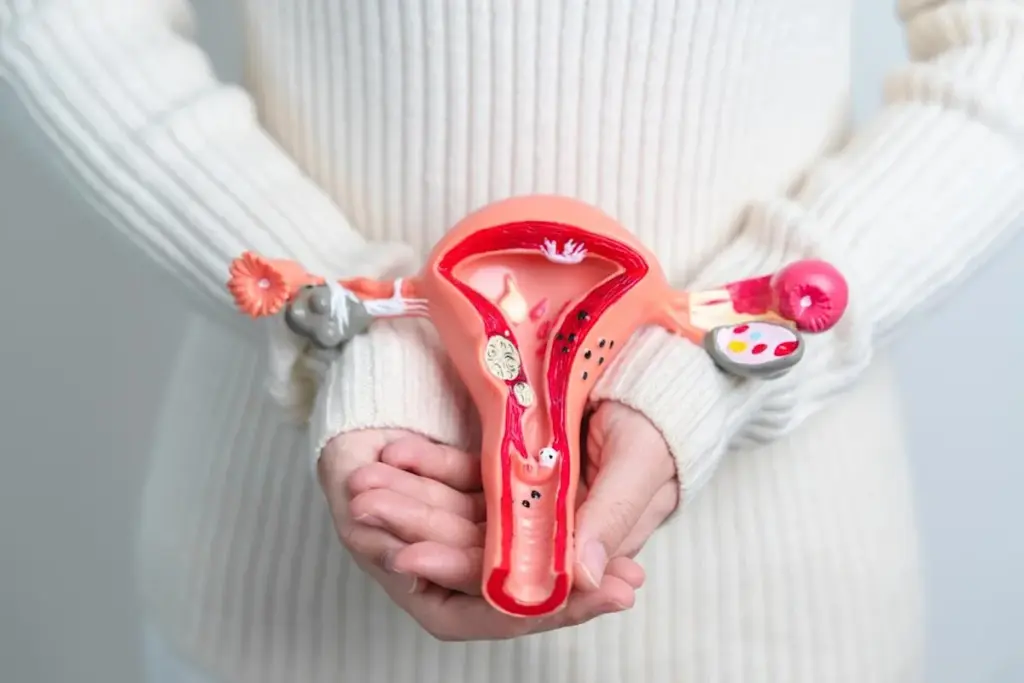
UFE cuts off the blood supply to fibroids, causing them to shrink and die. This is done by injecting tiny particles into the arteries that feed the fibroids. The procedure is done under local anesthesia and mild sedation.
An interventional radiologist performs the procedure. They use imaging to guide a catheter to the uterine arteries. Then, they release embolic material, blocking blood flow to the fibroids.
Key aspects of the UFE procedure include:
- Minimally invasive, reducing recovery time
- Performed under local anesthesia and mild sedation
- Targets the fibroids directly, sparing the surrounding uterine tissue
Benefits and Success Rates of UFE
UFE has many benefits, like a shorter recovery time compared to surgery. Most women can get back to normal activities in a week or two.
UFE’s success rates are high. Many women see a big drop in symptoms like heavy bleeding and pelvic pain. Long-term relief is common for many patients.
“UFE has been a game-changer for many women suffering from symptomatic fibroids, providing a less invasive option with promising results.” -Interventional Radiologist
Success rates of UFE are highlighted by:
- Significant reduction in symptoms for most patients
- High patient satisfaction rates due to the minimally invasive nature of the procedure
- Lower risk of complications compared to more invasive surgical procedures
When UFE is Not Recommended: A Detailed Look
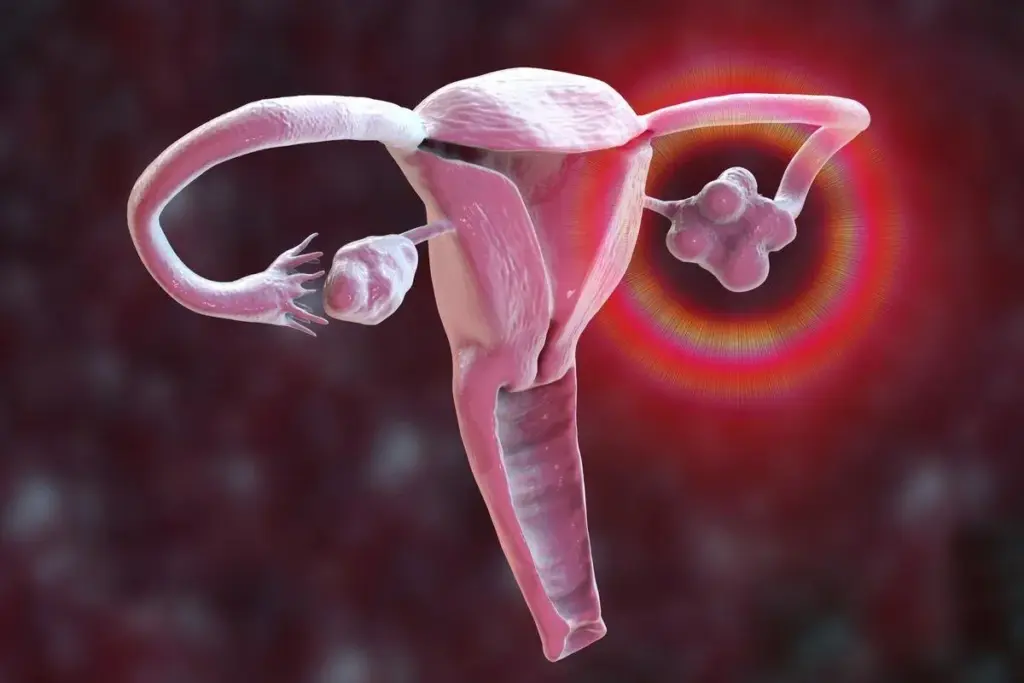
It’s important to know when UFE is not a good choice for a patient.
Absolute vs. Relative Contraindications
There are absolute and relative contraindications for UFE. Absolute contraindications mean UFE is not safe or right. Relative contraindications need caution or other treatments.
Absolute contraindications include severe kidney disease, active infections, or certain cancers. Relative contraindications might be large or many fibroids, unusual uterine shapes, or past pelvic surgeries.
Importance of Proper Patient Selection
Choosing the right patient for UFE is key. This means looking at the patient’s health history, fibroid details, and overall health. This helps spot any issues.
Doing a full check helps doctors decide if UFE is right for someone. It makes sure patients get relief without too many problems.
- Detailed medical history review
- Imaging studies to assess fibroid size and location
- Evaluation of overall health and possible contraindications
By picking the right patients and knowing when UFE is not good, doctors can make treatments better and safer.
Pregnancy and Future Fertility Considerations
The link between UFE and pregnancy is complex. Women of childbearing age worry about UFE’s impact on their fertility and future pregnancies.
Impact on Women Planning Pregnancy
Studies on UFE and fertility are ongoing. Some say UFE doesn’t harm fertility, while others see risks. Fertility after UFE depends on many things, like fibroid size and age.
Women planning pregnancy after UFE should think about ovarian reserve. Some studies hint at a possible decrease in ovarian function. But the evidence is not solid.
Fertility Preservation Concerns After UFE
Fertility preservation is key for women having UFE. UFE is usually safe, but its long-term effects on fertility are unclear. Women should talk to their healthcare provider about their risks and options.
|
Factors Influencing Fertility After UFE |
Description |
Considerations |
|---|---|---|
|
Fibroid Size and Location |
Larger fibroids or those located near the uterine cavity may impact fertility. |
Discuss possible impacts with a healthcare provider. |
|
Age of the Patient |
Older age can affect fertility, regardless of UFE. |
Think about age-related fertility decline. |
|
Uterine Health |
The overall health of the uterus can influence fertility post-UFE. |
Check uterine health before and after UFE. |
It’s vital for women to understand UFE’s effects on fertility. Talking to a healthcare provider can help them make informed choices about their reproductive health.
Size and Location Matters: Large and Deep Fibroids
Large and deeply situated fibroids make UFE more complex and affect its success rate. The size and location of these fibroids can make the embolization process harder. This might lead to lower success rates or more risks.
Challenges with Very Large Fibroids (>10cm)
Very large fibroids, over 10cm in diameter, are tough for UFE. They often have a bigger blood supply, making complete embolization harder. Also, they can cause more symptoms and need more planning before the procedure.
Key challenges with very large fibroids include:
- Increased complexity in achieving complete embolization
- Higher risk of post-procedure complications
- Potential for longer recovery times
- Greater need for precise pre-procedure imaging and planning
|
Fibroid Size |
UFE Complexity |
Risk of Complications |
|---|---|---|
|
<5cm |
Low |
Low |
|
5-10cm |
Moderate |
Moderate |
|
>10cm |
High |
High |
Deep Intramural and Submucosal Fibroid Considerations
Deep intramural and submucosal fibroids pose unique challenges for UFE. These fibroids are embedded in the uterine wall or protrude into the uterine cavity. They can affect the procedure’s success.
The location of fibroids within the uterine wall can impact UFE outcomes. Submucosal fibroids may have a higher risk of expulsion after UFE. This can lead to complications like infection or prolonged bleeding.
Understanding the size and location of fibroids is key in deciding if UFE is right. Healthcare providers can better assess risks and benefits. This helps in making informed decisions for patient care.
Multiple Fibroids and Complex Uterine Anatomy
Uterine Fibroid Embolization (UFE) is a top choice for treating uterine fibroids. But, the success of UFE can depend on the number of fibroids and the uterine anatomy. Women with many fibroids or unique uterine shapes might face special challenges with UFE.
Treating Numerous Fibroids Simultaneously
UFE often treats multiple fibroids at once. UFE’s ability to handle many fibroids in one go is a big plus. Yet, dealing with lots of fibroids can make the procedure harder. A study in the Journal of Vascular and Interventional Radiology found that having many fibroids raises the risk of not fully treating them.
Success in treatment comes from careful planning and precise action. Radiologists must study the fibroids’ size, number, and location. This helps them choose the best way to embolize them.
Anatomical Variations That Complicate UFE
UFE can be tricky when the uterus is not typical. Abnormalities like a unicornuate or bicornuate uterus can mess with how the embolizing material spreads. This might lead to not treating all fibroids or harming nearby tissues.
“It’s key to know the patient’s unique uterus shape for a successful UFE,” says a top radiologist. “MRI is essential for spotting these differences and guiding treatment.”
In summary, UFE is a great option for many with uterine fibroids. But, dealing with many fibroids or a complex uterus needs careful thought and planning. By understanding these challenges and customizing treatment, doctors can improve results for their patients.
Adenomyosis: When UFE May Not Be Effective
Adenomyosis is often mixed up with uterine fibroids. It poses unique challenges when thinking about Uterine Fibroid Embolization (UFE). While UFE works well for many with fibroids, its success with adenomyosis is not as clear.
Distinguishing Between Fibroids and Adenomyosis
Getting a correct diagnosis is key to deciding if UFE is right. Adenomyosis and fibroids have similar symptoms like heavy bleeding and pain. But they need different treatments. Distinguishing between the two is vital for the right care.
Tools like MRI and ultrasound are important for spotting adenomyosis. They look at how thick the uterus is and if endometrial tissue is in the myometrium. These signs point to adenomyosis.
|
Diagnostic Feature |
Fibroids |
Adenomyosis |
|---|---|---|
|
Location |
Discrete masses within or on the uterus |
Diffuse or focal invasion of the uterine wall |
|
Symptoms |
Heavy bleeding, pain, pressure |
Heavy bleeding, pain, enlarged uterus |
|
Diagnostic Imaging |
Visible as distinct masses on ultrasound or MRI |
Identified by uterine enlargement and heterogeneity on MRI |
Treatment Outcomes for Adenomyosis Patients
UFE’s success in treating adenomyosis is mixed. Some studies show it can help with symptoms, but results are often not as good as with fibroids.
Many things can affect how well UFE works. These include how bad the adenomyosis is, if there are fibroids too, and the patient’s health. Personalized treatment plans are key to getting the best results.
For those with adenomyosis, a detailed check-up is needed to find the best treatment. This might include medicines, less invasive procedures, or surgery.
Cancer Risk and Suspicious Findings
UFE is not recommended without first ruling out malignancy. This shows how important thorough pre-procedure evaluations are. It’s key to assess cancer risk to see if UFE is right for patients with uterine fibroids.
Ruling Out Malignancy Before UFE
Before UFE, patients must check for malignant tumors. This includes imaging studies and sometimes biopsy. The aim is to find any cancer that might look like fibroids, as UFE is not for cancer treatment.
Imaging techniques like MRI and ultrasound are vital. They help figure out what the fibroids are and if they might be cancerous.
|
Imaging Modality |
Role in Evaluating Malignancy |
Key Features |
|---|---|---|
|
MRI |
Detailed characterization of fibroids and surrounding tissues |
High sensitivity for detecting suspicious lesions |
|
Ultrasound |
Initial assessment of fibroid size and number |
Useful for guiding biopsy needles |
When Biopsy is Necessary Before Treatment
A biopsy is needed when imaging shows something suspicious. It involves taking a tissue sample for lab tests. This is usually done when there’s a strong chance of cancer or when the diagnosis is unclear.
“The accuracy of the diagnosis is key in choosing the right treatment for uterine fibroids. Biopsy is essential in confirming if there’s cancer or not.”
In summary, checking for cancer risk and making sure there’s no malignancy is vital before UFE. By combining imaging and biopsy when needed, doctors can make sure patients get the best treatment for their fibroids.
Severe Fibroid Symptoms That May Require Alternative Approaches
Severe fibroid symptoms can really affect a woman’s life. They often need quick and effective treatment. Uterine Fibroid Embolization (UFE) works for many, but some cases need different treatments. It’s important for doctors to know when UFE isn’t enough.
Extreme Bleeding and Severe Anemia
Extreme bleeding is a big problem with fibroids. It can cause severe anemia, leading to tiredness, weakness, and shortness of breath. In these cases, UFE might not stop the anemia right away. Other treatments like blood transfusions or surgery might be needed.
“A study in the Journal of Vascular and Interventional Radiology found that patients with severe anemia from fibroids needed more care. This included transfusions and iron supplements before UFE.”
Acute Pain and Pressure Symptoms
Acute pain and pressure from fibroids can be very hard to deal with. Big fibroids can press on other organs and cause a lot of pain. Sometimes, the pain is so bad that it needs quick relief. This might come from pain therapy or surgery.
In summary, while UFE helps many with fibroids, severe symptoms like extreme bleeding and pain might need other treatments. Doctors must look at each case carefully to find the best solution.
Postmenopausal Women and UFE Considerations
When women reach menopause, their choices for treating uterine fibroids change. UFE is one option they might consider. Postmenopausal women often have different health needs than those before menopause.
Age-Related Factors in Treatment Selection
Choosing UFE for postmenopausal women depends on their health and other factors. Their age affects their bone density and heart health. Doctors must consider these when deciding if UFE is right.
Key considerations include:
- The size and location of fibroids
- The presence of other menopausal symptoms
- Overall cardiovascular health
- Bone density and risk of osteoporosis
Alternative Approaches for Older Patients
UFE might not be the best choice for all postmenopausal women. Other treatments, like surgery or non-surgical options, could be better. These alternatives aim to ease symptoms without surgery.
Factors influencing the choice of alternative treatments include:
- The severity of fibroid symptoms
- The patient’s overall health and surgical risk
- Patient preference regarding future fertility (though this is less relevant post-menopause)
- The presence of other health conditions that may impact treatment outcomes
Doctors need to work closely with postmenopausal women. They must find the best treatment, considering each woman’s unique situation and health.
Allergic Reactions and Contrast Dye Concerns
Contrast dye in UFE procedures can cause allergic reactions. These reactions can be mild or severe, and in rare cases, life-threatening.
Iodine and Contrast Material Allergies
UFE contrast dyes often have iodine. If you’re allergic to iodine or have had reactions to contrast media, you’re at higher risk. Telling your healthcare provider about any allergies before UFE is key.
Symptoms of an allergic reaction include hives, itching, and swelling. In severe cases, it can lead to anaphylaxis. Quick action and treatment are vital to avoid serious issues.
|
Symptom |
Description |
Severity |
|---|---|---|
|
Hives |
Itchy, raised patches on the skin |
Mild to Moderate |
|
Itching |
Sensation that can lead to scratching |
Mild |
|
Swelling |
Swelling of the face, lips, or tongue |
Moderate to Severe |
|
Anaphylaxis |
A severe, life-threatening allergic reaction |
Severe |
Pre-Medication Protocols for At-Risk Patients
For those with contrast dye allergies, pre-medication can help. It usually includes corticosteroids and antihistamines before UFE.
These plans are made based on each patient’s risk and medical history. The aim is to lower reaction risk while keeping the patient safe during UFE.
Understanding contrast dye allergy risks and using pre-medication can make UFE safer for high-risk patients.
Kidney Function and Other Medical Contraindications
Checking kidney function is key to see if UFE is right for a patient. The kidneys help process the dye used in the procedure.
Renal Impairment and Contrast-Induced Nephropathy
Those with kidney problems face a higher risk of kidney damage from the dye. This damage is called contrast-induced nephropathy (CIN).
- Risk Factors for CIN:Pre-existing kidney disease
- Diabetes
- Dehydration
- Use of certain medications
To lower this risk, patients with kidney issues might need extra care. This includes staying hydrated and possibly choosing other imaging options.
Coagulation Disorders and Immunocompromised States
Coagulation problems can make UFE riskier, as they might lead to bleeding or blood clots. Also, those with weakened immune systems are more likely to get infections.
- Careful check of blood clotting before the procedure
- Managing blood thinners correctly
- Watching for signs of infection or bleeding
Knowing these risks and taking steps to prevent them helps doctors ensure UFE is safe for patients.
Previous Treatments and Recurrent Fibroids
Even after surgery, fibroids can come back. This makes UFE a good choice for women with recurrent fibroids. Women who had surgery before might see fibroids return, causing symptoms again.
UFE After Failed Surgical Interventions
When surgery doesn’t work, UFE is a good option. It’s great for those who don’t want more surgery or can’t have it. UFE stops fibroids from getting blood, making them shrink and easing symptoms.
A study in the Journal of Vascular and Interventional Radiology shows UFE works for women who had surgery before. It’s a safe and effective way to treat fibroids that come back.
Recurrence Patterns and Retreatment Considerations
Knowing how fibroids come back helps plan care. Studies say up to 30% of women might need more treatment within a few years after UFE.
When thinking about more treatment, many things matter. These include how big and many the fibroids are, the patient’s health, and if she wants to have kids. Options for more treatment include UFE again, surgery, or other treatments.
|
Recurrence Pattern |
Description |
Retreatment Considerations |
|---|---|---|
|
Early Recurrence |
Recurrence within 1-2 years after UFE |
Repeat UFE or surgical intervention |
|
Late Recurrence |
Recurrence after 2 years post-UFE |
Alternative therapies or repeat UFE |
|
Multiple Recurrences |
Multiple instances of fibroid recurrence |
Comprehensive evaluation for underlying causes and consideration of hysterectomy |
In conclusion, UFE is a good option for women with fibroids that come back after surgery. Understanding how fibroids come back and what treatment options are available helps doctors help their patients better.
Infection Risk and Active Pelvic Inflammatory Disease
When thinking about Uterine Fibroid Embolization (UFE), infection risk is key. UFE is usually safe, but active pelvic inflammatory disease or infections can change the outcome. It’s important to consider this before starting the procedure.
Existing Infections as Contraindications
Active infections, like pelvic inflammatory disease (PID), are big no-nos for UFE. These infections can make the procedure riskier, leading to infection spread or sepsis. So, checking for infections before UFE is a must.
Screening for infections means looking at medical history, doing physical checks, and lab tests. If a patient has had infections before or shows signs of an active one, they need extra attention before UFE.
Post-Procedure Infection Prevention
Keeping infections at bay after UFE is vital. Prophylactic antibiotics might be given to lower infection risk. Patients are also told how to care for themselves after the procedure to avoid infections.
It’s important for patients to know about follow-up care. This helps catch infections early and prevent serious problems. Quick action on infections can greatly improve results and avoid long-term issues.
Fibroid Expulsion Risks in Certain Patients
Fibroid expulsion is a possible issue after UFE. It happens when a fibroid, after being treated, starts to break down and comes out of the uterus. This can be unpredictable and may cause a lot of pain and other problems for the patient.
Predicting Fibroid Passage After UFE
It’s important to know who might face fibroid expulsion after UFE. This helps in setting the right expectations and planning for after the procedure. The size and where the fibroid is located can play a big role. Knowing these factors early can help avoid or lessen problems.
“Being able to predict fibroid expulsion can greatly improve how well a patient does after UFE,” says a top expert in interventional radiology. “Understanding the fibroids and the patient’s health helps doctors tell patients what to expect after UFE.”
Managing Expulsion Complications
Handling complications from fibroid expulsion needs a detailed plan. This might include managing pain, watching for signs of infection, and sometimes surgery to remove the fibroid or fix any issues. Good management is key to keeping the patient’s quality of life as good as possible.
- Keeping a close eye on patients after UFE for signs of fibroid expulsion
- Giving clear advice on how to handle pain and watch for infection signs
- Having a plan ready for surgery if needed
By knowing the risks and being ready to handle any problems, doctors can offer UFE as a safe and effective treatment for the right people. It’s about finding the right balance between the benefits of UFE and the possible risks, like fibroid expulsion.
Alternative Treatments When UFE Is Not Recommended
For women who can’t have UFE, there are other ways to ease fibroid symptoms. The right treatment depends on the fibroids’ size and location, the patient’s health, and if they want to have kids in the future.
Surgical Options
When UFE isn’t an option, surgery might be considered. The main surgeries are myomectomy and hysterectomy.
Myomectomy removes fibroids but keeps the uterus. It’s great for women who want to have more kids.
“Myomectomy is an effective treatment for women with symptomatic fibroids who desire future childbearing.”
Hysterectomy removes the uterus and stops fibroids for good. It’s best for women who don’t plan to have more kids.
|
Treatment Option |
Fertility Preservation |
Recurrence Risk |
|---|---|---|
|
Myomectomy |
Yes |
Higher |
|
Hysterectomy |
No |
None |
Non-Surgical Alternatives and Emerging Therapies
For those who don’t want surgery or can’t have it, there are non-surgical options.
High-Intensity Focused Ultrasound (HIFU) is a non-invasive method. It uses sound waves to heat and kill fibroid tissue.
Radiofrequency Ablation uses heat from radio waves to shrink fibroids.
These options show promise and are being researched to make them better and safer.
Conclusion
Knowing when Uterine Fibroid Embolization (UFE) is not right is key for managing fibroids well. Many things, like pregnancy plans and fibroid size, can make UFE not a good choice. It’s important for doctors and patients to understand these reasons to pick better treatments.
When UFE isn’t an option, there are other ways to treat fibroids. This includes surgery and non-surgical methods. New treatments are also being developed. By knowing about UFE’s limits, patients can get care that fits their needs best.
Managing fibroids well means looking at each patient’s situation and the newest treatments. This approach helps doctors and patients work together to improve health and life quality.
FAQ
What are the contraindications for Uterine Fibroid Embolization (UFE)?
UFE is not suitable for pregnant women, those with active pelvic infections, certain medical conditions, or allergies to contrast dye. A thorough evaluation is needed before deciding on UFE.
Can women planning pregnancy undergo UFE?
UFE is not recommended for women planning to get pregnant. It may affect fertility and pregnancy risks. Other treatments are better for those wanting to have children in the future.
How does the size and location of fibroids affect UFE suitability?
Large fibroids (>10cm) and those deep in the uterus can make UFE less effective or riskier. The size and location of fibroids are key in deciding if UFE is right.
Can UFE be used to treat multiple fibroids?
Yes, UFE can treat multiple fibroids. But, many fibroids can make the procedure harder. The success rate may vary, and complex anatomy can pose challenges.
Is UFE effective for adenomyosis?
UFE might not work as well for adenomyosis as it does for fibroids. Adenomyosis needs different treatments. It’s important to diagnose it correctly before choosing UFE.
How is cancer risk assessed before UFE?
It’s vital to check for cancer before UFE. A biopsy might be needed for any suspicious areas to ensure UFE is safe.
What are the alternatives to UFE?
Instead of UFE, patients can consider surgery like myomectomy or hysterectomy. There are also non-surgical options and new treatments. The best choice depends on the patient’s situation and preferences.
Can postmenopausal women undergo UFE?
Postmenopausal women might consider UFE, but age and health play a role. Other treatments might be better, depending on the patient’s overall health and symptoms.
What are the risks associated with allergic reactions to contrast dye used in UFE?
Patients allergic to iodine or contrast dye face a risk of allergic reactions during UFE. Pre-medication can help reduce this risk for those at risk.
How does kidney function affect UFE candidacy?
Kidney problems are a reason not to have UFE because of the risk of kidney damage. Patients with bleeding disorders or weakened immune systems are also at higher risk.
Can UFE be repeated if fibroids recur?
UFE might be an option after failed surgeries or for recurring fibroids. But, the decision to have it again depends on several factors, like how the fibroids come back and the patient’s health.
What measures are taken to prevent infection post-UFE?
To avoid infections after UFE, patients often get antibiotics. Active infections or pelvic inflammatory disease must be treated before UFE.
What is the risk of fibroid expulsion after UFE?
There’s a risk of fibroid expulsion after UFE, more so for fibroids near the uterine lining. Managing this risk is important for patient care.
References
National Center for Biotechnology Information. Evidence-Based Medical Insight. Retrieved from https://pubmed.ncbi.nlm.nih.gov/9618270/

























