About 1 in 7 adults in the United States has kidney problems. Many of these cases go unnoticed. Finding these issues early on can really help slow down the disease’s progress. This can greatly improve health outcomes.kidney disease early warning signsChronic Kidney Disease (CKD) Life Expectancy
Renal disease is a big public health worry. It needs quick attention and treatment. Knowing the key symptoms of kidney issues helps people get medical help when it’s most important.
We’ll dive into the important parts of kidney health. We’ll talk about why finding and treating problems early is key. Our aim is to give you a full grasp of the condition and how to manage it.
Key Takeaways
- Millions of people worldwide are affected by kidney problems.
- Early detection is key to slowing disease progress.
- Knowing the symptoms can lead to timely medical help.
- Renal disease is a big public health issue.
- Quick treatment can greatly improve health outcomes.
- Being aware of kidney health is vital for managing it well.
What Are Kidneys and Their Functions?
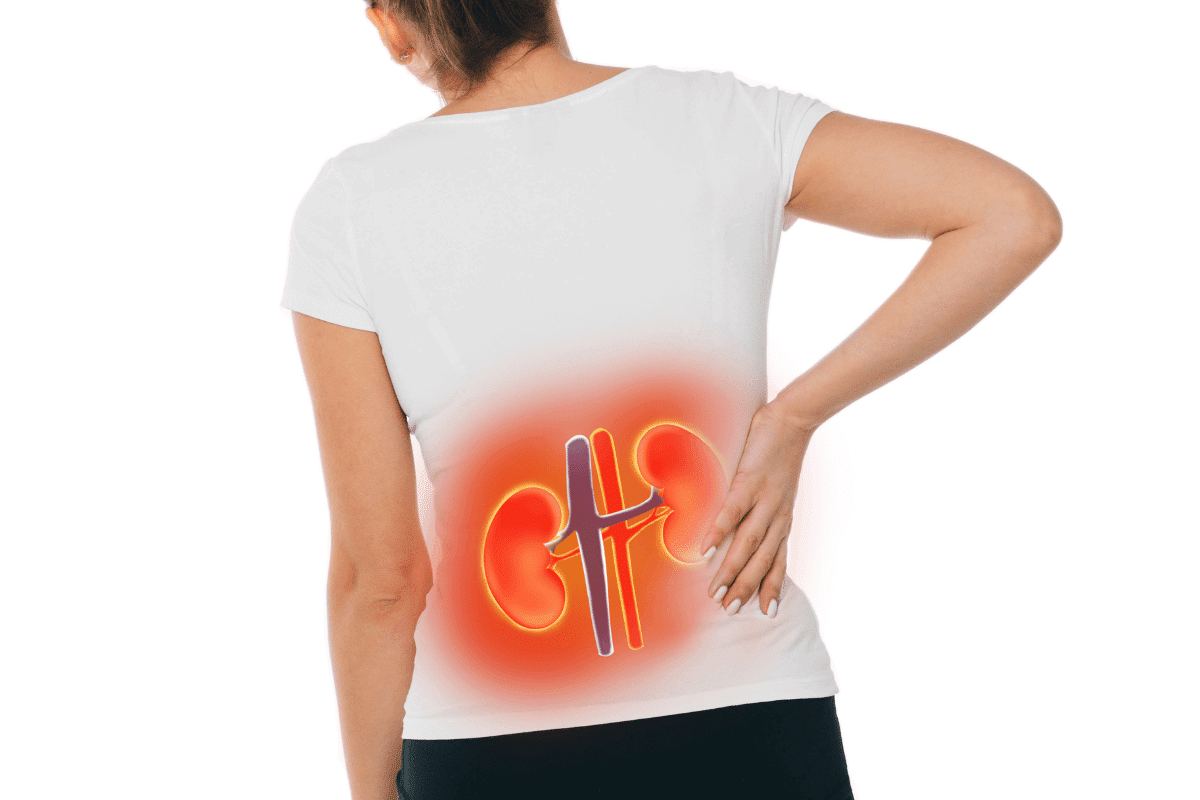
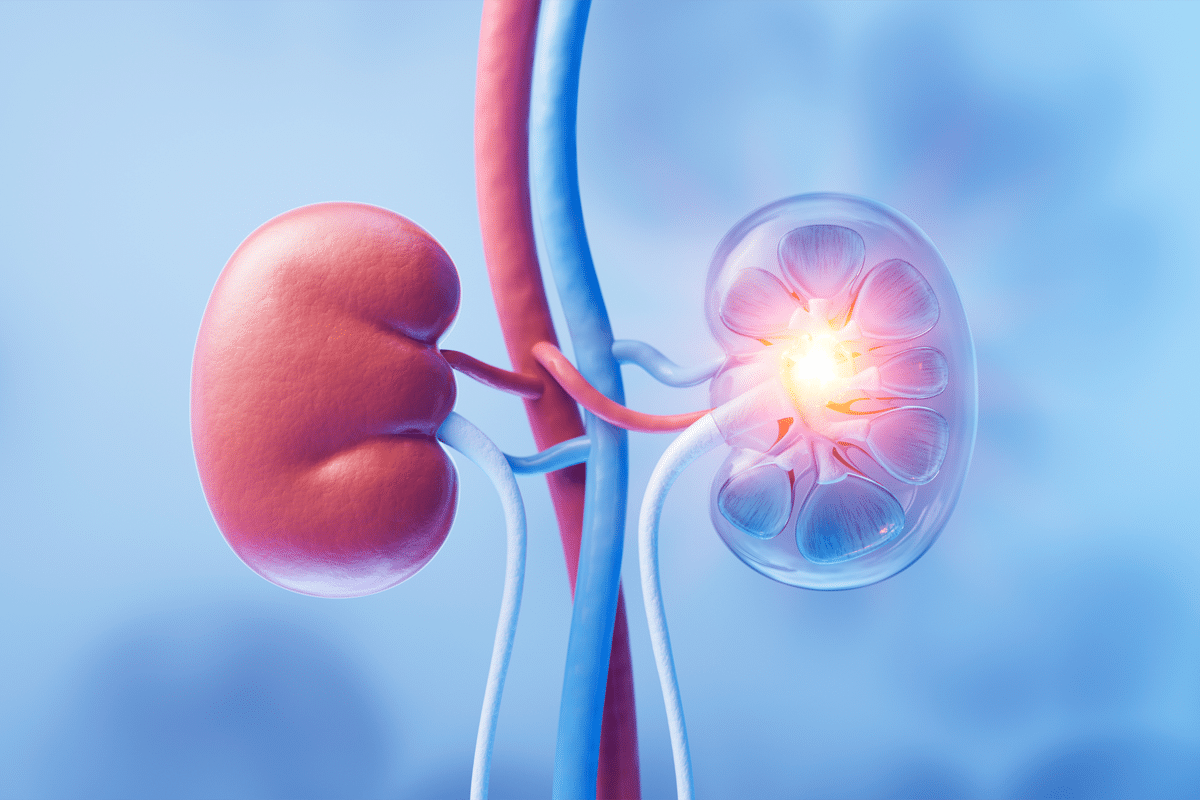
Kidneys are bean-shaped organs that filter waste and excess water from the blood. They are vital for our health. Located in the lower back, one on each side of the spine, they are protected by the rib cage. Knowing how kidneys work helps us understand their importance in keeping us healthy.
Overview of Kidney Anatomy
The kidneys are complex organs with a unique structure. Each kidney is about the size of a fist. It has several layers, including the renal capsule, the renal cortex, and the renal medulla.
The renal cortex is the outer layer where filtration starts. The renal medulla contains the renal pyramids that collect waste and excess fluids. The kidneys get blood from the renal arteries, which branch off from the aorta.
|
Kidney Structure |
Function |
|---|---|
|
Renal Cortex |
Outer layer where filtration begins |
|
Renal Medulla |
Contains renal pyramids that collect waste and excess fluids |
|
Nephrons |
Tiny units responsible for filtering blood |
Importance of Kidney Function
The kidneys are vital for our health. They regulate electrolyte levels and maintain acid-base balance. They also produce hormones that support bone health and red blood cell production.
The kidneys control fluid balance by adjusting urine production. This helps keep the body balanced.
“The kidneys are among the most vital organs in the human body, and their proper functioning is essential for maintaining the delicate balance of bodily functions.”
When kidneys don’t work right, waste and excess fluids can build up. This can cause health problems. Understanding the importance of kidney function helps us see why keeping them healthy is key.
Understanding Kidney Disease

It’s important to know about kidney disease to catch it early and manage it well. Kidney disease is a group of conditions that make it hard for the kidneys to work right.
Types of Kidney Disease
Kidney disease comes in different forms, each with its own signs and health effects. The main types are:
- Chronic Kidney Disease (CKD): This is a slow loss of kidney function. It’s often caused by diabetes, high blood pressure, or genes.
- Acute Kidney Injury (AKI): This is a quick loss of kidney function. It can happen from severe illness, certain medicines, or injury.
- Polycystic Kidney Disease (PKD): This is a genetic disorder. It causes many cysts to grow in the kidneys, damaging them.
Spotting kidney issues early signs is key to acting fast. For example, if you pee more or less than usual, or if your legs swell, it could mean kidney trouble.
|
Type of Kidney Disease |
Causes |
Symptoms |
|---|---|---|
|
Chronic Kidney Disease |
Diabetes, High Blood Pressure, Genetic Factors |
Swelling, Fatigue, Changes in Urination |
|
Acute Kidney Injury |
Severe Illness, Medication, Injury |
Sudden Decrease in Urine Output, Fluid Retention |
|
Polycystic Kidney Disease |
Genetic Mutation |
Cysts on Kidneys, Abdominal Pain, High Blood Pressure |
Risk Factors for Kidney Disease
There are several things that can make you more likely to get kidney disease. These include:
- Diabetes: High blood sugar can harm the blood vessels in the kidneys.
- High Blood Pressure: High blood pressure can put too much strain on the kidneys, making them work less well.
- Family History: If your family has a history of kidney disease, you’re more at risk.
- Lifestyle Factors: Smoking, being overweight, and eating too much salt or unhealthy fats can also increase your risk.
Knowing these renal dysfunction warning signs and risk factors helps you take steps to prevent and catch kidney disease early.
“Early detection of kidney disease is key to managing the condition effectively and preventing further kidney damage.”
– National Kidney Foundation
In summary, knowing about the types and risk factors of kidney disease is key to keeping your kidneys healthy. By spotting the kidney disease first symptoms and knowing the risks, you can get medical help early.
Three Early Warning Signs of Kidney Disease
Kidney disease often starts without symptoms, making it key to know the early signs. When kidneys don’t work right, toxins build up, causing symptoms. We’ll look at three important signs that might mean kidney trouble.
Change in Urination Frequency
A change in how often you pee is a sign of kidney problems. You might pee more or less than usual. If kidneys aren’t working, they can’t make urine concentrate, leading to more trips to the bathroom, even at night. Or, not peeing as much can also mean kidney trouble. If your pee habits change a lot, see a doctor.
Swelling or Edema
Swelling or edema is another early sign of kidney disease. If kidneys can’t remove extra fluids and waste, you might see swelling in your legs, ankles, feet, or face. This swelling can also make you gain weight because of fluid retention. It’s important to watch for swelling and tell your doctor if you notice it.
Fatigue and Weakness
Feeling very tired or weak can be a sign of kidney disease. When kidneys don’t work right, they make less of a hormone needed for red blood cells. Fewer red blood cells can cause anemia, leading to tiredness, weakness, and shortness of breath. If you’re always tired and it doesn’t get better with rest, talk to your doctor.
Spotting these early signs can help you get medical help sooner. This might slow down kidney disease. We suggest paying attention to how your body feels and seeing a doctor if you notice any of these symptoms.
Other Symptoms to Watch For
It’s important to know the signs of kidney problems early. The first signs are key, but there are more symptoms too. We’ll look at these symptoms to help you understand them better.
Persistent Back Pain
Persistent back pain, often in the lower back, can signal kidney disease. This pain might come from inflammation, infection, cysts, or tumors. It usually feels on one side, below the ribs, and can spread to the abdomen or groin. If you have ongoing or severe back pain, see a doctor to find out why.
High Blood Pressure
High blood pressure can both cause and show signs of kidney disease. Damaged kidneys can’t control blood pressure, leading to hypertension. On the other hand, high blood pressure can harm the kidneys, starting a cycle. Checking your blood pressure often is key, as managing it can stop kidney damage.
Nausea and Vomiting
In advanced kidney disease, nausea and vomiting are common. Waste in the blood can cause these, leading to dehydration. Seek medical help if you keep feeling nauseous or vomiting, as it could mean serious kidney issues.
Knowing these extra symptoms can help spot kidney problems early. If you notice any, see a healthcare professional for a check-up and treatment.
Diagnostic Tests for Kidney Health
Diagnostic tests are key in checking how well the kidneys work and spotting kidney disease preliminary signs. They help doctors find problems early, so they can act fast.
We use many tests to check the kidneys. The right test depends on the patient’s health history, symptoms, and other things.
Blood Tests
Blood tests are a main tool for checking kidney function. They look at waste products like creatinine and urea in the blood. High levels can mean the kidneys are not working right or showing renal problems early indicators.
- Serum Creatinine Test: Checks the blood for creatinine, a waste from muscle breakdown.
- Blood Urea Nitrogen (BUN) Test: Looks at urea in the blood to see how well the kidneys are working.
- Electrolyte Tests: Check the levels of important salts like potassium and sodium, which can be off if the kidneys are not working.
Urinalysis
Urinalysis looks at a urine sample to find signs of kidney disease or kidney dysfunction early symptoms. It can show if there’s damage or disease in the kidneys.
- Proteinuria: Too much protein in the urine can mean kidney damage.
- Hematuria: Blood in the urine can point to kidney or urinary tract problems.
- Urine Concentration Tests: Check if the kidneys can make concentrated urine, which can be a problem in kidney disease.
Imaging Tests
Imaging tests give pictures of the kidneys, helping find structural problems or damage. These tests are key for diagnosing some kidney conditions.
- Ultrasound: Uses sound waves to make images of the kidneys, spotting issues like cysts or tumors.
- CT Scan: Gives detailed images of the kidneys, useful for finding stones, tumors, or other problems.
- MRI: Makes detailed images of the kidneys without using harmful radiation, helping see the structure and function.
By looking at the results of these tests, doctors can really understand kidney health and plan the best treatment. Finding problems early through these tests is key to managing kidney disease preliminary signs and helping patients get better.
Lifestyle Changes to Support Kidney Health
Making smart choices in diet, staying hydrated, and being active are key to keeping your kidneys healthy. These actions can greatly lower the chance of kidney disease and its problems.
Diet Modifications
Changing what you eat is very important for your kidneys. Lowering sodium intake is a must, as too much sodium can raise blood pressure and harm your kidneys. Also, cut down on foods high in phosphorus and potassium to avoid kidney damage.
A healthcare expert says, “Eating less sodium and more fruits and veggies can help prevent kidney disease.”
“The key to supporting kidney health lies in a balanced diet that is mindful of nutrient intake.”
- Choose low-sodium options
- Limit processed foods
- Increase consumption of fresh fruits and vegetables
Importance of Hydration
Drinking enough water is essential for your kidneys to work well. It helps flush out toxins and prevents kidney stones. But, how much water you need can change based on where you live, how active you are, and your health.
It’s important to drink plenty of water, but don’t overdo it. Most people should aim for at least eight glasses a day, but it can differ for everyone.
Regular Physical Activity
Regular exercise is not just good for your health; it also helps your kidneys. Exercise can help manage blood pressure and lower the risk of kidney disease, like diabetes.
Try to do at least 30 minutes of moderate-intensity exercise every day. Walking, cycling, or swimming are great choices.
- Schedule regular exercise sessions
- Choose activities that you enjoy
- Gradually increase the intensity and duration of your workouts
When to Consult a Doctor
It’s important to know the early signs of kidney disease and when to see a doctor. Your kidneys are key to your health. Any problems can cause serious issues.
If you notice unusual symptoms or body changes, it’s time to see a doctor. Early detection and treatment can greatly improve outcomes for kidney disease patients.
Recognizing Warning Signals
There are early signs of kidney problems to watch for. These include changes in how often you urinate, swelling, and feeling very tired. If you see these signs, talk to your healthcare provider right away.
- Changes in urination, such as increased frequency or decreased output
- Swelling in your legs, ankles, or feet due to fluid retention
- Fatigue, weakness, or shortness of breath
- Persistent back pain or discomfort
Knowing these renal disease warning signs helps you get medical help quickly. Don’t wait to call your doctor if you’re experiencing these symptoms.
Questions to Ask Your Healthcare Provider
It’s good to have questions ready when you see your doctor. This way, you get the most from your visit and understand your health better.
- What are the possible causes of my symptoms?
- What diagnostic tests are required to assess my kidney health?
- What treatment options are available for my condition?
- Are there any lifestyle changes I can make to support my kidney health?
By asking the right questions, you can better understand your health. This helps you work with your doctor to manage your kidney health well.
Importance of Early Detection
Finding kidney disease early can change its course. Spotting kidney issues early lets us act fast to manage them better.
Benefits of Early Intervention
Acting early in kidney disease brings many advantages. It means we can start treatment sooner, which can slow the disease. We can also make lifestyle changes to help manage it.
Key benefits include:
- Slowing disease progression
- Managing symptoms effectively
- Improving quality of life
Impact on Treatment Options
Finding kidney disease early changes our treatment choices. Early detection means we have more treatment options available.
Effective treatment plans can include medicine, lifestyle changes, and sometimes surgery. Knowing the signs of kidney problems helps us get medical help quickly. This improves our treatment results.
Managing Chronic Kidney Disease
Managing chronic kidney disease requires a complete plan. This includes treatment, lifestyle changes, and regular check-ups. We will look at ways to manage the disease and improve life quality for those affected.
Treatment Approaches
Treatment for chronic kidney disease aims to slow the disease, manage symptoms, and prevent complications. Each treatment plan is made for the person’s specific needs and disease stage. Knowing the kidney disease first symptoms is key for early treatment.
Role of Medications
Medications are key in managing chronic kidney disease. They help control blood pressure, reduce protein loss, and manage symptoms like anemia and bone disease. Common medications include ACE inhibitors, ARBs, and erythropoietin. Spotting renal dysfunction warning signs is important for timely medical help.
Lifestyle Adjustments
Making lifestyle changes is essential in managing chronic kidney disease. This includes eating less protein and limiting sodium and phosphorus. Regular exercise and keeping a healthy weight are also important. Knowing kidney issues early signs helps make the right lifestyle changes.
|
Lifestyle Adjustment |
Benefit |
|---|---|
|
Dietary Changes |
Reduces strain on kidneys, manages symptoms |
|
Regular Physical Activity |
Improves overall health, manages weight |
|
Healthy Weight Management |
Reduces risk of complications, improves health |
Combining treatment, medications, and lifestyle changes helps manage chronic kidney disease. It’s important to work with healthcare providers to create a personalized plan.
Preventing Kidney Disease
Preventing kidney disease requires a mix of healthy habits and proactive steps. By choosing a healthy lifestyle and watching for kidney problems initial signs, you can lower your risk. This approach helps keep your kidneys healthy.
Healthy habits are key to preventing kidney disease. Eating well, drinking enough water, and exercising regularly are important. These habits help avoid diseases like diabetes and high blood pressure, which can harm your kidneys.
Healthy Habits to Adopt
Healthy habits are essential for your kidneys. Here are some effective ones:
- Eat a diet low in salt and sugar
- Drink plenty of water to stay hydrated
- Exercise regularly to keep a healthy weight
- Manage stress with meditation or yoga
Adding these habits to your daily routine can greatly lower your risk of kidney disease.
Regular Check-Ups and Screenings
Regular health checks and screenings are vital for catching kidney disease early. They help doctors spot problems quickly. This way, you can take steps to protect your kidneys.
Important screenings for kidney health include:
- Blood tests to check kidney function
- Urine tests for protein or blood
- Imaging tests like ultrasounds or CT scans
By being proactive about your kidney health and working with your doctor, you can manage your risk. This helps keep your kidneys in good shape.
Resources for Kidney Health Awareness
It’s important to raise awareness about kidney health. This helps in early detection and management of kidney disease. By providing the right resources, we can empower people to take action.
Knowing the first signs of kidney dysfunction and early warnings of kidney problems is key. This knowledge can greatly improve treatment outcomes.
Educational Organizations
Organizations like the National Kidney Foundation offer educational materials. They provide valuable information on kidney health. This includes symptoms, diagnostic tests, and treatment options.
Support Groups and Communities
Support groups and online communities offer emotional support. They connect individuals facing similar challenges. We encourage people to explore these resources.
They help in managing kidney health and staying updated on kidney care.
FAQ
What are the early warning signs of kidney disease?
Early signs of kidney disease include changes in how often you urinate. You might also notice swelling or feel tired and weak. Other symptoms are persistent back pain, high blood pressure, and nausea or vomiting.
How is kidney disease diagnosed?
Doctors use blood tests, urinalysis, and imaging tests to diagnose kidney disease. These tests check how well your kidneys are working and look for any problems.
What lifestyle changes can help support kidney health?
Eating right, drinking plenty of water, and exercising regularly can help your kidneys. We offer tips on how to make these changes to support your kidney health.
When should I consult a doctor about kidney disease?
If you notice any warning signs like changes in urination or swelling, see a doctor. We also suggest questions to ask your healthcare provider.
What are the benefits of early detection and treatment of kidney disease?
Catching kidney disease early can lead to better treatment options. It can also slow down the disease’s progression. We explain how early action can improve your health outcomes.
How can I prevent kidney disease?
To prevent kidney disease, eat well, exercise regularly, and stay hydrated. Regular health check-ups and screenings are also key to keeping your kidneys healthy.
What are the risk factors for kidney disease?
Certain medical conditions like diabetes and high blood pressure increase your risk. So does a poor diet and not exercising enough. We talk about these risks and how to reduce them.
What are the treatment approaches for managing chronic kidney disease?
Managing chronic kidney disease involves medications, lifestyle changes, and other treatments. We discuss these options and their role in managing the disease.
Where can I find resources and support for kidney health awareness?
Educational groups and support organizations offer guidance and support for kidney health. We provide information on where to find these resources and how to access them.
What are the symptoms of kidney dysfunction?
Symptoms of kidney dysfunction include changes in urination, swelling, and feeling tired or weak. Other signs are persistent back pain and high blood pressure.
How can I support my kidney health through diet?
Eating a balanced diet low in salt, sugar, and unhealthy fats supports kidney health. We offer advice on making healthy dietary choices.
References
Centers for Disease Control and Prevention. Evidence-Based Medical Insight. Retrieved from
https://www.cdc.gov/kidney-disease/php/data-research/index.html