What color is your urine when your kidneys are failing? Use the kidney failure urine color chart to spot a dangerous, crucial change. Powerful facts inside.
When kidneys start to fail, a change in urine color is often one of the first signs. Normally, urine is pale yellow. But, it can turn dark brown, reddish, or even cola-colored because of blood and protein.
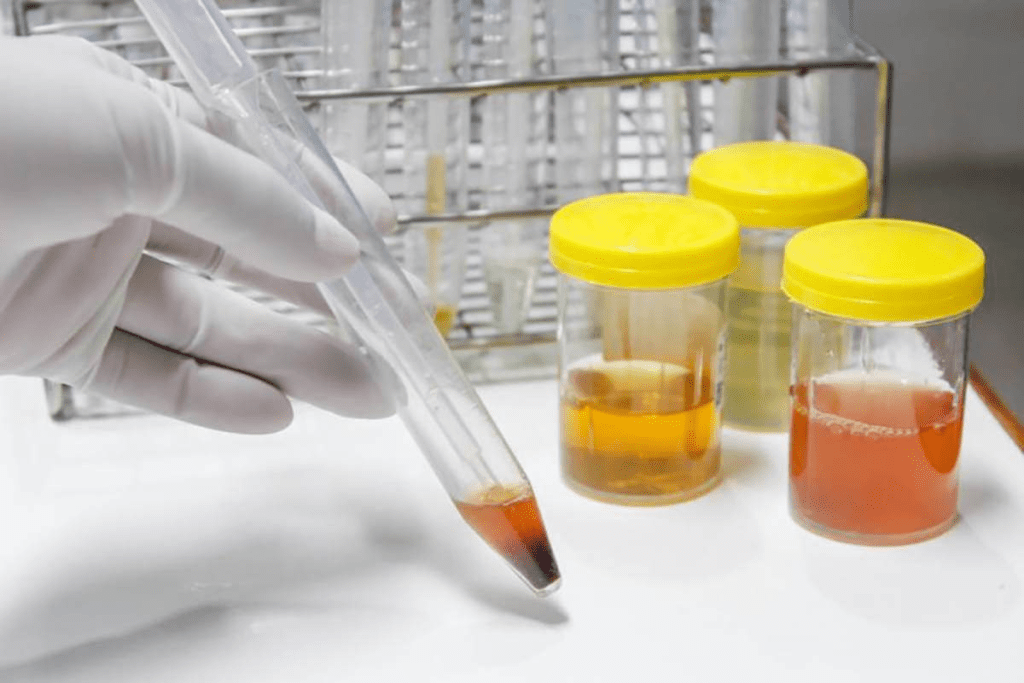
It’s important to watch the color of your urine because it can show how well your kidneys are working. If your urine color changes, it might mean there’s a problem. Knowing what’s normal and what’s not can help you stay healthy.
Key Takeaways
- Urine color can be an indicator of kidney health.
- Dark brown, reddish, or cola-colored urine may signal kidney issues.
- Monitoring urine color is key to early detection.
- Normal urine color is typically pale yellow.
- Changes in urine color can be an early sign of kidney problems.
The Spectrum of Healthy Urine Colors
It’s important to know what healthy urine colors are. This helps spot kidney problems early. The color of your urine can tell you about your hydration and health.
What Normal Urine Should Look Like
Healthy urine is usually pale yellow to amber. This is because of a pigment called urochrome. A healthy person’s urine should be clear and have no sediment or cloudiness. The color can change based on how hydrated you are.
How Hydration Affects Urine Appearance
How much water you drink affects your urine color. Drinking enough water makes urine clearer and paler. Not drinking enough makes it darker and more concentrated. Checking your urine color can help you know if you’re drinking enough water. Here are some important points:
- Clear or pale yellow urine means you’re well-hydrated.
- Dark yellow or amber urine might mean you’re a bit dehydrated.
- Dark brown urine could mean you’re very dehydrated or have liver problems.

How Your Kidneys Filter and Create Urine
The kidneys are key to our health, filtering waste and extra fluids from the blood. This makes urine, which we then get rid of. Knowing how kidneys work helps us spot kidney disease signs and its effects on urine.
The Filtration Process in Healthy Kidneys
In healthy kidneys, tiny nephrons filter waste and extra stuff from the blood. This complex process makes sure waste goes out while keeping important nutrients in. The waste then turns into urine, which goes to the renal pelvis and then the bladder.
How Kidney Damage Disrupts Urine Production
Kidney damage messes up the filtration process, changing urine production and what’s in it. Kidney disease can make the kidneys lose their filtering power, causing toxins to build up in the blood. This can change urine color, how it looks, and how much we make, all signs of kidney health.
- Changes in urine color can indicate kidney damage or disease.
- Reduced urine output can be a sign of severe kidney damage.
- Proteinuria, or excess protein in the urine, is another indicator of kidney issues.
Spotting these changes is key to catching kidney disease early and managing it.
Kidney Failure Urine Color Chart: Warning Signs to Monitor
When kidneys start to fail, the color of urine can tell us a lot about our health. Knowing what colors mean can help catch problems early.
Dark Brown or Cola-Colored Urine
Dark brown or cola-colored urine might mean kidney failure is getting worse. This color comes from waste in the blood that the kidneys can’t filter. Cola-colored urine is a sign of kidney trouble.
Reddish or Blood-Tinged Urine (Hematuria)
Reddish or blood-tinged urine means there’s bleeding in the urinary tract. This could be from kidney stones, infections, or other kidney problems. In kidney failure, it’s a sign of serious trouble that needs a doctor’s care.
Black or Tea-Colored Urine in Advanced Cases
In very bad kidney failure, urine can turn black or tea-colored. This means the kidneys are badly damaged and can’t remove waste. Seeing urine this color means you need to see a doctor right away.
Watching urine color can help spot kidney problems early. Knowing what colors mean can help keep the kidneys healthy.
Physical Changes Beyond Color in Kidney Failure
Kidney failure changes urine in many ways, not just color. It affects how it looks and feels. It’s important to watch urine for any unusual signs.
Foamy or Bubbly Urine from Excess Protein
One big change is foam or bubbles in urine. This means there’s too much protein in the urine, called proteinuria. Healthy kidneys keep proteins out of urine. But when they fail, proteins leak in, making urine foamy.
Decreased Urine Output (Oliguria)
Kidney failure can also make you pee less, known as oliguria. This happens because the kidneys can’t filter and make urine well. So, you pee less. Watching how much you pee is key because less can mean your kidneys are getting worse.
Changes in Urine Consistency and Odor
Also, kidney failure can change the feel and smell of urine. It might be thicker or smell bad because the kidneys can’t filter out waste. These signs show the kidneys can’t clean the blood well.
In short, kidney failure changes urine in many ways, not just color. Watching for foam, less pee, and changes in smell and feel is important. It helps understand kidney damage and manage health better.
Research Findings on Dark Urine and Kidney Injury
Recent studies show that dark or cola-colored urine might signal kidney problems. This link has been studied in several research projects. These studies offer insights into early signs of kidney disease.
2023 Study on Children with Cola-Colored Urine
A 2023 study showed kids with dark or cola-colored urine were at higher risk for kidney injury. This study stresses the need to watch urine color for signs of kidney health. It analyzed urine samples and linked dark urine to kidney injury.
The 38% Connection: Dark Urine and Kidney Damage
More research found a strong link between dark urine and kidney damage. A study found 38% of patients with dark urine had kidney damage. This shows urine color is a key indicator for doctors to check for kidney disease.
How Doctors Use Urine Color to Assess Kidney Risk
Doctors look at urine color to check for kidney disease risk. They use urine color with other symptoms and tests to understand kidney health. Dark or cola-colored urine can lead to more tests, like:
- Urinalysis to check for proteinuria or hematuria
- Blood tests to assess kidney function
- Imaging studies to evaluate kidney structure
By using these methods, doctors can spot kidney issues early. This can help prevent kidney disease from getting worse.
Other Conditions That Can Mimic Kidney Failure in Urine
Many health issues and lifestyle choices can change urine color. This means we should not just look at kidney problems. Other medical conditions, some medicines, and certain foods can also change how urine looks.
Medications That Discolor Urine
Some medicines can make urine look different. For example, rifampin, used for tuberculosis, can turn urine orange or red. Warfarin, a blood thinner, and phenazopyridine, for urinary tract pain, can also change urine color. Knowing these side effects is important when taking medicine.
Foods That Can Change Urine Appearance
Some foods can really change urine color. Beets can make urine pink or red because of their natural color. Rhubarb and berries can also change urine color. Eating a lot of carrots or carrot juice can make urine yellowish.
Other Medical Conditions Affecting Urine Color
Many health issues can change urine color. For instance, liver disease can darken urine because of bilirubin buildup. Urinary tract infections can make urine cloudy or bloody. Porphria, a disorder affecting hemoglobin, can make urine look red or purple.
It’s important to understand these factors to correctly diagnose health problems. If you notice changes in your urine color, see a doctor.
When to Seek Immediate Medical Attention
It’s important to know the signs of kidney failure early. Changes in urine color, along with other symptoms, mean you should see a doctor. Kidney disease shows itself in many ways, including urine changes. Spotting these signs early can help in getting the right treatment.
Red Flag Symptoms That Shouldn’t Be Ignored
There are symptoms that mean you need to see a doctor right away. These include:
- Dark brown or cola-colored urine
- Reddish or blood-tinged urine
- Foamy or bubbly urine
- Decreased urine output
- Changes in urine consistency and odor
Doctors say that changes in urine color or other symptoms can mean kidney problems. It’s key to watch for these signs.
“The color of your urine can be a significant indicator of your overall health, particularily your kidney health.” – A Senior Nephrologist
Diagnostic Tests Your Doctor May Order
Your doctor will likely run some tests if you report symptoms. These tests help check your kidney health. They might include:
- Urinalysis to check for protein, blood, or other abnormalities in your urine
- Blood tests to measure waste products, such as creatinine and urea
- Imaging tests like ultrasound or CT scans to see your kidneys
Knowing about kidney disease urine color changes and other symptoms is key. If you notice anything unusual, talk to your doctor. They can help figure out what’s going on and how to treat it.
Conclusion: Protecting Your Kidney Health Through Monitoring
Watching your urine color and other signs is key to keeping your kidneys healthy. A chart for kidney failure urine color can spot problems early. If your kidneys are failing, your urine might turn dark brown, cola-colored, or even show blood.
Knowing when your urine color changes can warn you of kidney damage. By noticing these signs and talking to a doctor, you can protect your kidneys. This is a step towards keeping them in good shape.
Regular doctor visits and tests can catch kidney issues early. This lets you act fast. Adding a healthy lifestyle to this can greatly lower your risk of kidney problems.
FAQ
What color is urine when your kidneys are failing?
When kidneys start to fail, urine often turns dark brown, reddish, or cola-colored. This is because blood and protein are filtering into the urine.
What does healthy urine look like?
Healthy urine is usually pale yellow. Its color can change based on how hydrated you are. It should be clear and not smell strongly.
Can certain foods or medications change urine color?
Yes, foods like beets or rhubarb, and some medications, can change urine color. But, if urine color changes a lot or with other symptoms, see a doctor.
What is the significance of cola-colored urine?
Cola-colored urine can mean kidney damage or failure. It shows blood or protein in the urine. A 2023 study found kids with this urine color were at higher risk for kidney injury.
How do kidneys filter and create urine?
Kidneys filter waste and excess fluids from the blood. They remove waste, excess ions, and water, making urine.
What are the warning signs of kidney failure in urine?
Warning signs include dark brown or cola-colored urine, reddish urine, foamy urine, less urine, and changes in smell and consistency.
Can other medical conditions affect urine color?
Yes, conditions like liver disease, urinary tract infections, or kidney stones can change urine color. Always check with a doctor to find out why.
What diagnostic tests may be ordered to assess kidney health?
Tests to check kidney health include urine and blood tests, imaging like ultrasound or CT scans, and a kidney biopsy.
References
- Diagnostic Approach to Abnormal Urine Colors: Lessons From a Clinical Perspective. (n.d.). PMC.https://pmc.ncbi.nlm.nih.gov/articles/PMC12066962/
- Urinalysis. (n.d.). In StatPearls. NCBI Bookshelf.https://www.ncbi.nlm.nih.gov/books/NBK557685.
Urine Color: Then and Now ” A Comprehensive Review. (2019). Journal of Nephrology & Urology (abstract).https://www.sciencedirect.com/science/article/abs/pii/S2213294519300444