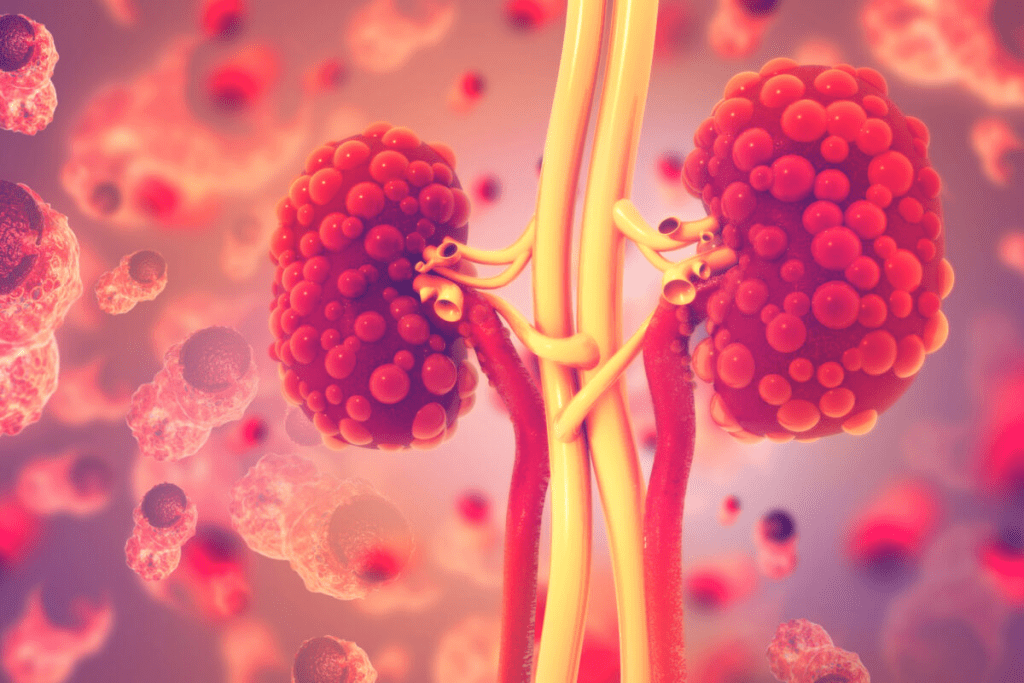
Chronic kidney disease (CKD) often goes unnoticed until it’s too late. It’s hard to catch until a lot of damage is done. Up to 90% of kidney function can be lost before symptoms show up. This makes early detection very important.
About 35.5 million U.S. adults have kidney disease, but many don’t know it. Knowing how your kidneys are doing is key. It helps spot signs and symptoms of possible problems.
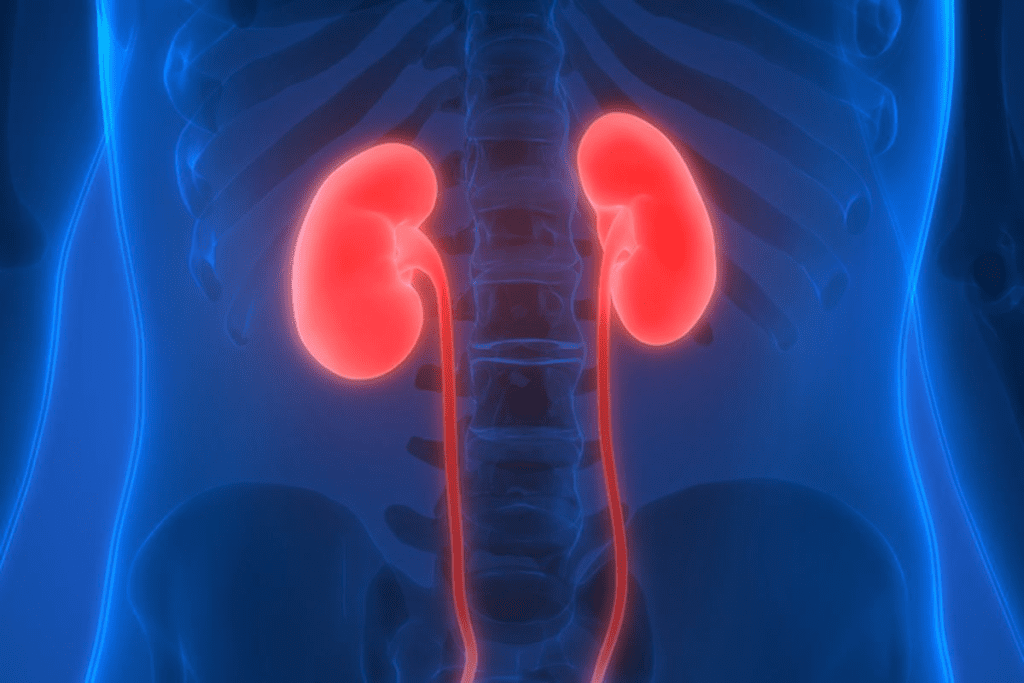
Knowing where your kidneys are located can help you find kidney pain. This is a big sign of kidney trouble.
Key Takeaways
- CKD often develops without noticeable symptoms until severe damage is done.
- Early detection is key to stopping more kidney damage.
- Understanding kidney health and its signs is vital for overall well-being.
- Knowing the location of your kidneys can help identify possible kidney pain.
- Millions of U.S. adults have kidney disease without knowing it.
Understanding Kidney Function and Disease
Our kidneys are vital for our health. They filter waste, control blood pressure, and help our bones. Knowing how they work helps us spot problems early.
The Vital Role of Kidneys in the Body
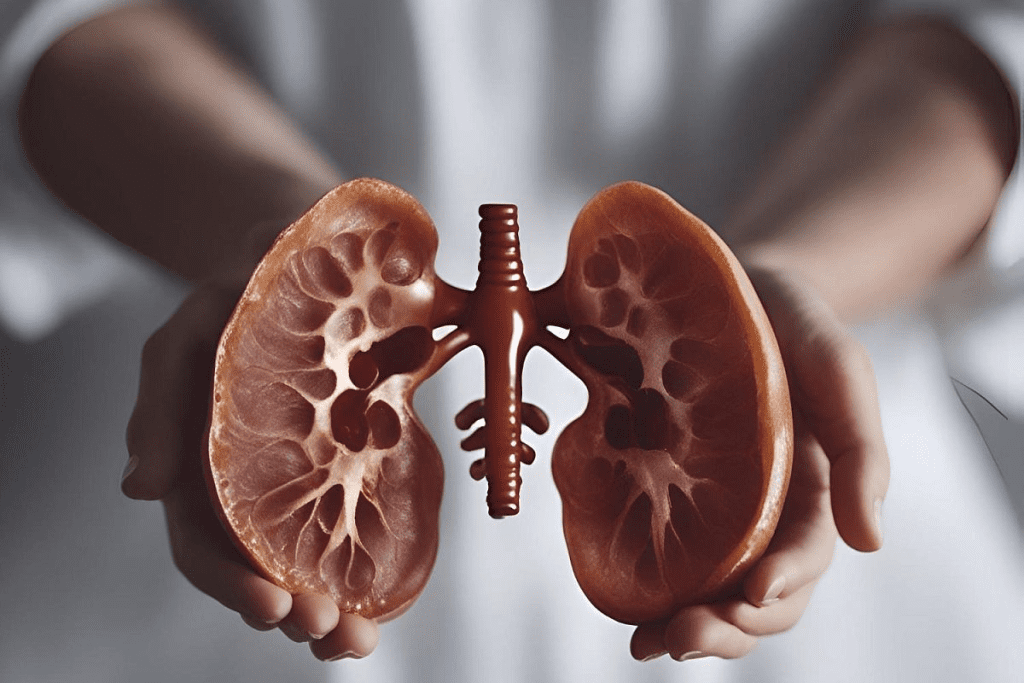
The kidneys are two bean-shaped organs in our back. They filter about 200 liters of blood daily. They remove waste and excess substances that could harm us.
They also make hormones that help control blood pressure and make red blood cells. Kidney health is linked to our overall well-being. Healthy kidneys keep our fluids, electrolytes, and minerals balanced. They also make erythropoietin and activate vitamin D, which is good for our bones.
What is Chronic Kidney Disease (CKD)?
Chronic Kidney Disease (CKD) means our kidneys slowly lose function. It often starts quietly and can be hard to catch early. About one in seven American adults has CKD, but many don’t know it.
“CKD is a major public health problem, and its prevalence is increasing worldwide.” “ A Nephrologist
CKD has five stages, with stage 1 being the least severe and stage 5 being kidney failure. Knowing the stages helps us manage CKD and slow its progress.
The Silent Nature of Kidney Damage
CKD often progresses quietly. There may be no symptoms until it’s too late. It’s important for those at risk to watch for signs and get regular check-ups.
Early detection is key to managing CKD effectively. Knowing the risks, like diabetes and high blood pressure, helps. Being aware of diagnostic tests is also important for keeping our kidneys healthy.
Common Kidney Symptoms to Watch For
Kidney disease often doesn’t show symptoms early on. But there are important signs to look out for as it gets worse. Spotting these signs can help people get checked out sooner, leading to quicker treatment.
Changes in Urination Frequency and Appearance
One key sign of kidney trouble is changes in how often you pee. You might pee more often, or less. Also, your pee might look different, like it’s darker, foamy, or has blood in it. Paying attention to these changes is important.
Swelling in Ankles, Feet, and Face
Swelling in your ankles, feet, and face is another sign. It happens when your kidneys can’t get rid of fluid. Seeing swelling that doesn’t go away could mean you have kidney problems.
Persistent Fatigue and Weakness
Kidney disease can make you feel really tired and weak. This is because your kidneys aren’t filtering out toxins well. It can also lead to anemia, making you even more tired.
Dry and Itchy Skin
Dry, itchy skin is another symptom. Waste buildup and mineral imbalances can cause it. Severe itching that doesn’t get better with moisturizer might be a sign of kidney trouble.
Advanced Signs of Kidney Failure
When kidneys start to fail, several serious symptoms appear. The kidneys can’t filter waste well, leading to toxin buildup. This causes severe and debilitating symptoms.
Severe Gastrointestinal Issues
Persistent nausea and vomiting are signs of kidney failure. These can cause dehydration and malnutrition. The buildup of toxins also makes food taste metallic, leading to loss of appetite.
Respiratory and Cardiac Complications
Advanced kidney disease can cause shortness of breath and chest pain. Fluid buildup in the lungs, or pulmonary edema, happens when the kidneys can’t remove excess fluid. This makes breathing hard and may require immediate medical help.
Neurological Symptoms
Mental confusion and difficulty concentrating can occur due to toxin buildup. As kidney function worsens, cognitive impairments can affect daily tasks.
It’s vital to understand these advanced signs of kidney failure. If you or someone you know shows these symptoms, seek medical help. For more on chronic kidney disease and its symptoms, visit our page.
- Monitor changes in urination frequency and appearance.
- Be aware of swelling in the ankles, feet, and face.
- Report persistent fatigue and weakness to your healthcare provider.
- Watch for dry and itchy skin, which can be a sign of advanced kidney disease.
Major Risk Factors for Kidney Disease
Knowing the risk factors for kidney disease is key to preventing and catching it early. Several factors can up the risk of chronic kidney disease (CKD). Being aware of these can help us take steps to prevent it.
Diabetes: A Leading Cause of CKD
Diabetes is the top cause of kidney disease. Both type 1 and type 2 diabetes raise the risk of CKD. About 1 in 3 people with diabetes develops kidney disease. It’s vital to manage diabetes well to avoid kidney damage.
Hypertension: High Blood Pressure and Kidney Problems
Hypertension, or high blood pressure, is another big risk for kidney disease. 1 in 5 individuals with hypertension develops kidney problems. High blood pressure can harm the kidneys’ blood vessels, making them less effective.
Family History and Genetic Factors
A family history of kidney disease can up your risk. Certain genetic conditions, like polycystic kidney disease (PKD), can also cause kidney disease. Knowing your family’s medical history helps you understand your risk better.
Age, Ethnicity, and Other Demographic Considerations
Age is a big risk factor, with risk increasing after 60. Certain ethnic groups, like African Americans, Hispanics, and Native Americans, face a higher risk. Knowing these demographic risks helps in creating targeted prevention plans.
By recognizing these major risk factors, we can prevent kidney disease or catch it early. This makes it more manageable.
Diagnostic Tests to Detect Kidney Problems
Understanding kidney health requires a range of diagnostic procedures. Diagnosing kidney disease involves assessing kidney function through various medical tests. These tests help identify kidney problems early, allowing for timely intervention.
Blood Tests: Creatinine Levels and eGFR Calculation
Blood tests are key for assessing kidney function. One important test measures creatinine levels in the blood. Creatinine is a waste product from muscle metabolism that healthy kidneys filter out. High creatinine levels can indicate impaired kidney function.
Another important calculation is the estimated Glomerular Filtration Rate (eGFR). It estimates the volume of filtered fluid through the glomeruli into the Bowman’s capsule per unit time. eGFR is a critical measure of kidney function and is used to diagnose and monitor kidney disease.
Urine Tests: Protein and Albumin Levels
Urine tests are another vital diagnostic tool. They can detect the presence of protein or albumin in the urine, which is an indicator of kidney damage. Normally, kidneys prevent large molecules like proteins from being filtered into the urine.
When kidneys are damaged, proteins can leak into the urine, a condition known as proteinuria. Detecting proteinuria early can help in managing kidney disease.
Imaging Studies to Visualize Kidney Structure
Imaging studies help visualize the structure of the kidneys and can identify abnormalities such as cysts, tumors, or obstructions. Common imaging techniques include ultrasound, CT scans, and MRI. These tests provide valuable information about kidney size, shape, and any issues that may be affecting kidney function.
When a Kidney Biopsy Might Be Necessary
In some cases, a kidney biopsy may be necessary to diagnose kidney disease accurately. This involves removing a small sample of kidney tissue for examination under a microscope. A biopsy can help identify the cause of kidney damage and assess the extent of the disease, guiding treatment decisions.
“Early detection of kidney disease through diagnostic tests is critical for effective management and slowing disease progression.”
” National Kidney Foundation
Conclusion: When to Seek Medical Help
It’s important to know the signs of kidney disease to manage chronic kidney disease (CKD). If you have severe pain, high fever, or trouble breathing, get medical help right away. Symptoms like frequent urination, swelling, and feeling very tired can also mean kidney issues.
Early treatment of CKD is key to stopping it from getting worse. By taking care of our kidneys, we can avoid serious problems.
If you think you might have kidney disease or failure, getting a correct diagnosis is critical. The right treatment can help control the disease and improve your health.
FAQ
What are the common signs and symptoms of kidney disease?
Signs include changes in how you urinate and swelling from fluid buildup. You might also feel very tired and have skin problems. As it gets worse, you could have stomach issues, breathing problems, and even neurological symptoms.
Where are your kidneys located, and how does their location relate to kidney pain?
Your kidneys are in the lower back, one on each side of your spine. Pain from them is felt in the flank area, below the rib cage. It might also spread to your abdomen or groin. Knowing where your kidneys are can help spot problems.
What are the risk factors for developing chronic kidney disease (CKD)?
Risk factors include diabetes, high blood pressure, and a family history of kidney disease. Your age and ethnicity also play a role. Knowing these can help prevent and catch CKD early.
How is kidney disease diagnosed?
Doctors use blood and urine tests to check your kidneys. They might also do imaging studies and sometimes a biopsy to look at kidney tissue.
What are the symptoms of kidney failure, and how do they impact quality of life?
Symptoms include severe stomach issues, breathing trouble, and changes in taste and appetite. You might also have neurological symptoms. These can really affect your life, so it’s important to get medical help.
How can I reduce my risk of developing kidney disease?
Manage diabetes and high blood pressure, and live a healthy lifestyle. Knowing your family history is also key to reducing your risk.
What is the importance of early detection in managing kidney disease?
Finding kidney disease early is vital. It lets doctors act quickly to slow the disease and prevent serious problems. Regular check-ups and screenings are important for catching issues early.
Can liver disease affect kidney function, and what are the symptoms of liver failure?
Liver disease can harm your kidneys. People with liver disease are more likely to get kidney problems. Liver failure symptoms include jaundice, fatigue, and swelling in the abdomen.
How does frequent urination relate to kidney disease?
Frequent urination can be a sign of kidney disease. As your kidneys fail, they can’t hold urine, leading to more trips to the bathroom.
What are the signs of kidney failure in individuals with HIV?
People with HIV are more likely to get kidney disease. Signs include fatigue, swelling, and changes in urination. They might also have HIV-specific kidney problems.
References
- Chen, T. K., Knicely, D. H., & Grams, M. E. (2019). Chronic Kidney Disease Diagnosis and Management: A Review. JAMA, 322(13), 1294“1304. https://www.ncbi.nlm.nih.gov/pmc/articles/PMC7015670/
- Kidney Disease: Improving Global Outcomes (KDIGO) CKD Work Group. (2024). KDIGO 2024 Clinical Practice Guideline for the Evaluation and Management of Chronic Kidney Disease. Kidney International, 105(Suppl 4S), S117“S314.https://kdigo.org/guidelines/ckd-evaluation-and-management/
- Kovesdy, C. P., & colleagues. (2022). Epidemiology of chronic kidney disease: an update. Nature Reviews Nephrology, 18, 45“61. https://www.ncbi.nlm.nih.gov/pmc/articles/PMC9073222/
- Francis, A., et al. (2024). Chronic kidney disease and the global public health agenda. Nature Reviews Nephrology.https://www.nature.com/articles/s41581-024-00820-6
- National Institute of Diabetes and Digestive and Kidney Diseases. (n.d.). Kidney Disease Statistics for the United States. U.S. Department of Health & Human Services.https://www.niddk.nih.gov/health-information/health-statistics/kidney-disease
- Centers for Disease Control and Prevention. (2024, May 15). Chronic Kidney Disease in the United States, 2023.https://www.cdc.gov/kidney-disease/php/data-research/index.html