Robotic kidney surgery has changed urology, making kidney removal less invasive. It’s now used for over 80% of kidney cancer patients. This shows its big role in treatment. Kidney removal surgery doesn’t have to be painful. Learn how elite robotic tools provide amazing relief and a brilliant, quick recovery.
Thinking about surgery can be scary, and pain is a big worry. Robotic kidney surgery tries to make things easier. It uses new tech to cut down on pain and quicken recovery.
We’ll look into robotic kidney surgery more. We’ll talk about the procedure, the pain, and what to expect after.
Key Takeaways
- Robotic kidney surgery is a minimally invasive procedure.
- It is used to treat kidney cancer and other kidney issues.
- The procedure aims to reduce pain and recovery time.
- Advanced technology is used to enhance precision.
- Patients can expect a shorter hospital stay.
Understanding Robotic Kidney Surgery
Robotic kidney surgery is a big step forward in urology. It gives patients a new, less invasive way to have surgery. We’ll look at the tech behind it and its benefits.
What is Robotic-Assisted Kidney Surgery?
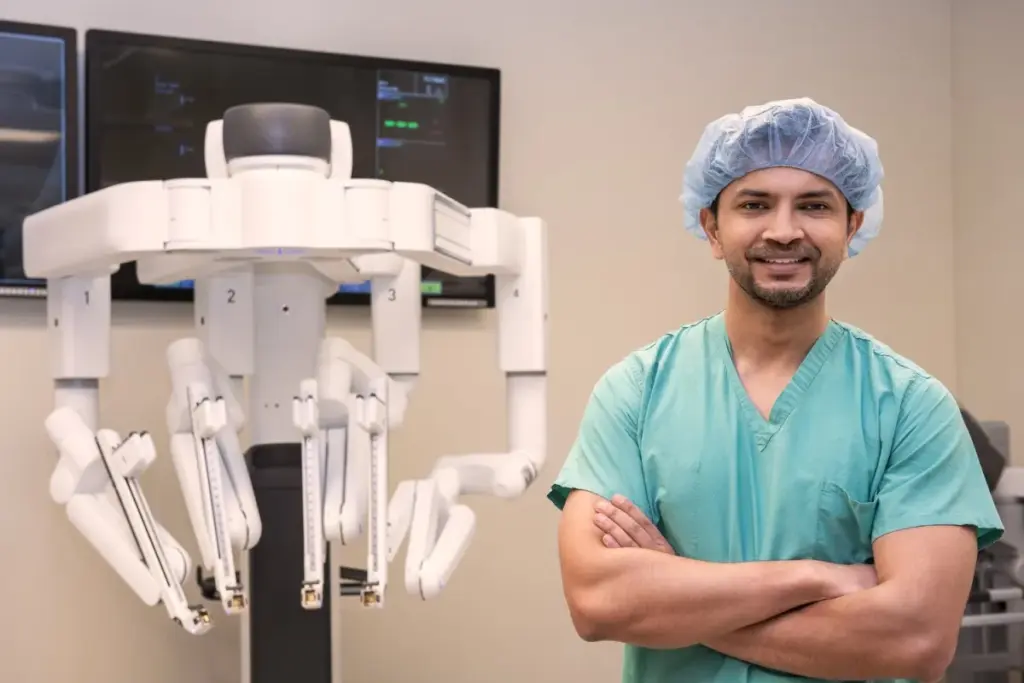
Robotic-assisted kidney surgery, or robotic nephrectomy, uses a robotic system to help surgeons. It makes the surgery more precise and less invasive. This means patients heal faster and with less pain.
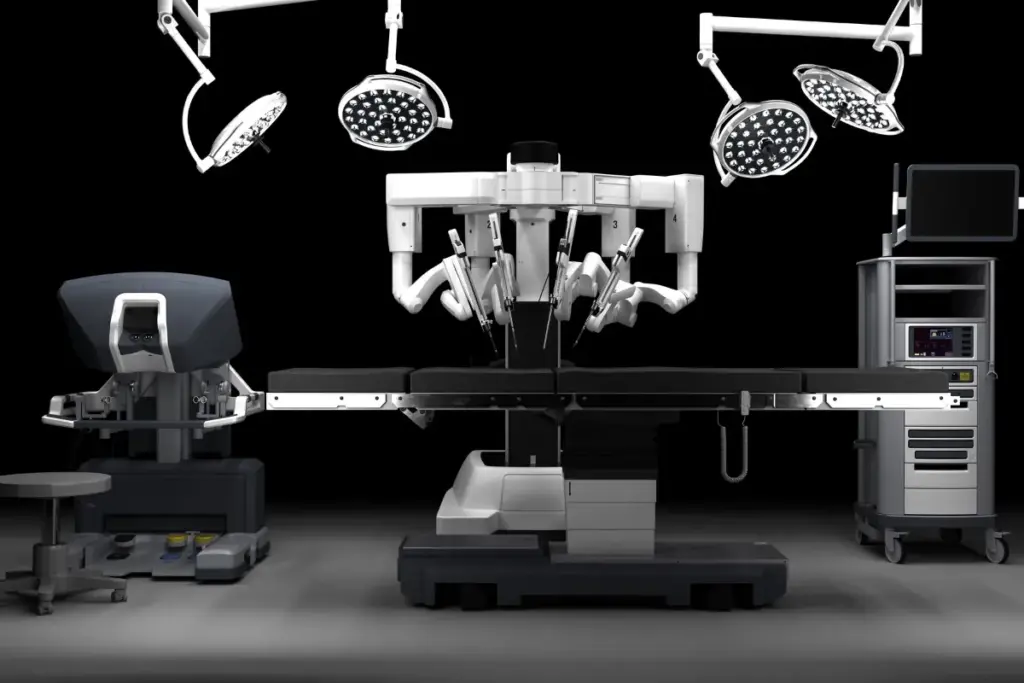
The robotic system gives surgeons a clear, 3D view of the area they’re working on. The robotic arms can move like a human wrist. This is something traditional laparoscopic tools can’t do.
The Da Vinci Surgical System
The Da Vinci Surgical System is a top-notch robotic system for robotic-assisted kidney surgery. It has a surgeon’s console, a patient-side cart, and a vision system. The surgeon sees the area in high definition from the console, while the cart has robotic arms controlled by the surgeon.
The Da Vinci System makes surgeons better at their job. It gives them more control and precision. This means they can do more complex surgeries with smaller cuts. Patients get less pain and scarring.
|
Feature |
Benefit |
|---|---|
|
High-definition 3D vision |
Enhanced visualization of the surgical site |
|
Robotic instruments with wrist-like motion |
Greater precision and flexibility during surgery |
|
Minimally invasive approach |
Less trauma, pain, and scarring for the patient |
Types of Kidney Removal Surgery Procedures
Robotic technology has changed kidney removal surgery a lot. It offers two main procedures: robotic partial nephrectomy and robotic radical nephrectomy. These new methods have made patients’ outcomes better and recovery times shorter.
Robotic Partial Nephrectomy
Robotic partial nephrectomy is a surgery that removes part of the kidney. This is done when there’s a tumor or damage in a certain area. The rest of the kidney is left untouched. It’s often chosen for patients with early-stage kidney cancer or those with only one kidney.
Indications for Robotic Partial Nephrectomy:
- Kidney tumors less than 4 cm in size
- Patients with a single kidney or compromised kidney function
- Early-stage kidney cancer
Robotic Radical Nephrectomy
Robotic radical nephrectomy removes the whole kidney. It also takes out the tissue around it and the adrenal gland if needed. This surgery is usually for patients with bigger tumors or more advanced kidney cancer.
Indications for Robotic Radical Nephrectomy:
- Larger kidney tumors or those that have grown into major blood vessels
- Advanced kidney cancer
- Severe kidney damage or disease
Both surgeries use the Da Vinci Surgical System. This system gives surgeons better vision, precision, and control. The choice between the two surgeries depends on the patient’s condition, how much the kidney is damaged, and the surgeon’s opinion.
Comparing Pain Levels: Robotic vs. Traditional Kidney Surgery
Looking at the pain levels of robotic kidney surgery versus traditional methods shows big differences. The choice of surgery can greatly affect how much pain a patient feels after surgery.
Open Surgery vs. Robotic Surgery Pain
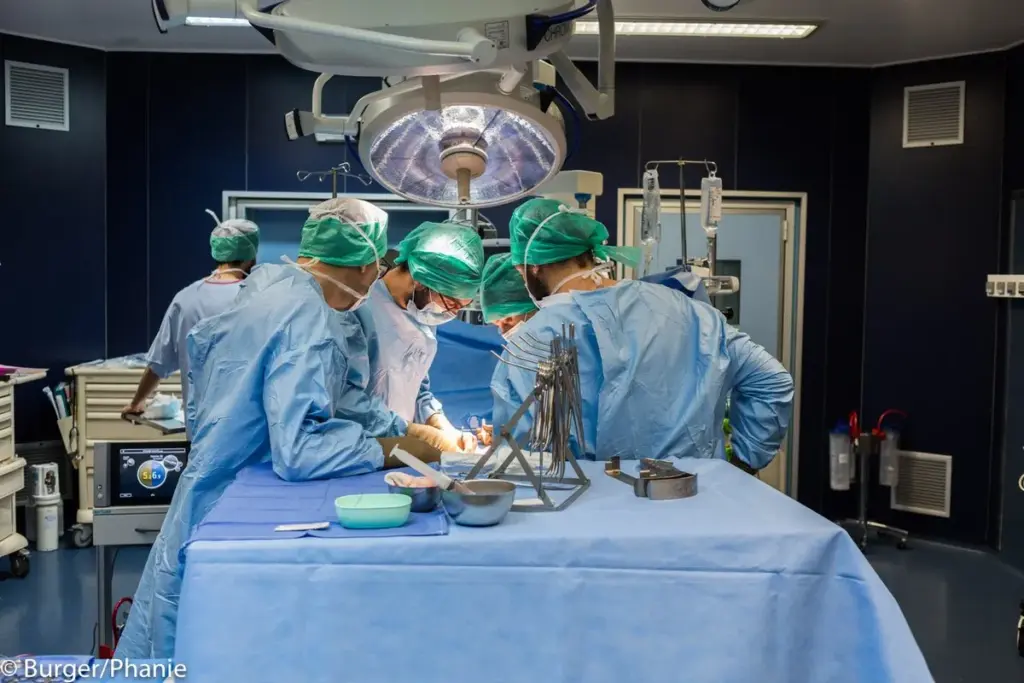
Research shows robotic kidney surgery causes less pain than open surgery. This is because robotic surgery uses smaller cuts and less damage to the body. Smaller cuts mean less harm to the body, leading to less pain and a faster recovery.
Open surgery, on the other hand, needs a bigger cut. This can cause more pain and a longer recovery. Robotic surgery’s lower pain levels mean patients need less pain medicine. This reduces side effects and makes the experience better for patients.
Laparoscopic vs. Robotic Approaches Pain Differences
Comparing laparoscopic and robotic surgeries, robotic surgery seems to manage pain better. Both are less invasive, but robotic surgery is more precise and flexible. This can lead to less tissue damage and pain.
Robotic surgery’s better view and control allow for more accurate cuts and less damage to nearby tissues. This can make the recovery process more comfortable for patients.
Pain is different for everyone, but studies agree robotic surgery is more comfortable for recovery. It causes less pain than open and laparoscopic surgeries.
Preparing for Kidney Removal Surgery
Kidney removal surgery needs careful planning. This includes medical checks, lifestyle changes, and getting mentally ready. We’ll guide you through these steps to make sure you’re ready for the surgery and recovery.
Medical Evaluations and Tests
Before surgery, we do detailed medical checks to see how you’re doing. These might include:
- Blood tests to check your kidney and overall health
- Imaging studies like CT scans or MRI to see the kidney and nearby areas
- Cardiac tests to check your heart health
- Other tests based on your health history
These tests help us find any risks and plan your surgery carefully.
Lifestyle Adjustments Before Surgery
Changing your lifestyle before surgery can help your recovery. We suggest:
- Quitting smoking to improve lung health and recovery
- Eating a healthy diet full of nutrients to help your body heal
- Drinking lots of water to stay hydrated
- Avoiding heavy lifting or hard activities before surgery
These changes can lower the chance of problems and make recovery easier.
Mental Preparation for Surgery and Recovery
Getting mentally ready is as important as physical prep for surgery. We advise you to:
- Talk about your worries with your healthcare team
- Try relaxation methods like deep breathing or meditation
- Build a support network of loved ones
- Have realistic hopes for your recovery
Preparing mentally can help reduce stress and make you feel more in control.
By following these steps and working with your healthcare team, you can make sure you’re fully prepared for kidney removal surgery and your recovery.
The Kidney Removal Surgery Procedure: What to Expect
Let’s explore what happens before, during, and after kidney removal surgery. Knowing what to expect can ease your worries and prepare you for what’s to come.
Pre-Surgical Preparation
Getting ready for surgery is key. It includes medical checks, lifestyle changes, and mental prep.
- Medical Evaluations and Tests: These check your health and spot any risks.
- Lifestyle Adjustments: You might need to quit smoking, avoid certain meds, and change your diet.
- Mental Preparation: Knowing what happens can help calm your nerves.
During the Procedure
During surgery, you’ll be under general anesthesia. This means you won’t feel pain. The surgical team will watch your vital signs closely.
|
Procedure Aspect |
Description |
|---|---|
|
Anesthesia |
General anesthesia is used to ensure pain-free surgery. |
|
Surgical Technique |
Robotic-assisted surgery allows for precision and minimal invasion. |
|
Monitoring |
Vital signs are closely monitored by the surgical team. |
Anesthesia and Pain Control During Surgery
Anesthesia is vital for pain management during surgery. The anesthesiologist will give you general anesthesia to keep you comfortable and pain-free.
Pain Control Measures: There are advanced ways to manage pain during and after surgery. This includes the right anesthesia and post-op pain management.
How Painful is Kidney Removal Surgery?
Knowing what to expect in terms of pain after kidney removal surgery is key. Robotic surgery is often less painful than traditional methods. Yet, patients may feel pain during their recovery.
Pain Levels During the First 24-48 Hours
The first 24-48 hours are usually the most painful. Patients often feel discomfort and pain at the incision site. They may also experience pain in the shoulder or back from the gas used during surgery.
Medical experts stress the importance of pain management after surgery. We use a mix of medications to help manage pain during this time. It’s vital for patients to stick to their pain management plan to feel better and recover faster.
Pain Experience During the First Week
In the first week, pain usually starts to lessen as the body heals. But, everyone heals at their own pace. Some may see a drop in pain levels quickly, while others may take longer.
A well-known urologist, says, “Following a structured pain management plan and talking openly with your doctor about pain is key.”
Long-term Pain Considerations
Long-term pain after kidney removal surgery is rare but can happen. Some patients may face chronic pain due to nerve damage or other complications. It’s important for patients to be aware of this risk and talk to their doctor about it.
We stress the need for follow-up care to check on recovery and address any issues quickly. Managing pain effectively is an ongoing process that needs attention and adjustments as needed.
Pain Management After Robotic Kidney Surgery
Managing pain after robotic kidney surgery is key to a smooth recovery. It ensures patients are comfortable and can get back to their daily lives quickly. Effective pain control is essential for this.
Medication Options and Protocols
Medication is a big part of pain management after surgery. Doctors often use a mix of opioid and non-opioid drugs. Opioids help with more severe pain, while non-opioids like acetaminophen or NSAIDs reduce inflammation and pain.
It’s important to follow a medication plan that fits each patient. Sometimes, a PCA pump is used. This lets patients control their pain medication as needed.
Common Medication Options:
- Opioids (e.g., morphine, fentanyl)
- Non-opioid analgesics (e.g., acetaminophen, ibuprofen)
Non-Pharmaceutical Pain Relief Methods
There are also non-medication ways to manage pain and aid recovery. These include:
- Breathing exercises and relaxation techniques
- Physical therapy and gentle mobilization
- Heat or cold therapy
- Alternative therapies like acupuncture or massage
These methods can lessen pain, improve mood, and boost overall well-being during recovery.
Managing Breakthrough Pain
Breakthrough pain is sudden and intense, even with regular medication. It’s important to manage it to keep patients comfortable.
|
Strategies for Managing Breakthrough Pain |
Description |
|---|---|
|
Rescue Medication |
Administering a quick-acting pain medication as prescribed by the doctor. |
|
Adjusting Medication Schedule |
Reviewing and adjusting the regular pain medication schedule to prevent future episodes. |
|
Non-Pharmaceutical Interventions |
Utilizing techniques like deep breathing, relaxation, or positional changes. |
By using medication, non-medication methods, and managing breakthrough pain, patients can have a more comfortable recovery after robotic kidney surgery.
“Effective pain management is not just about alleviating discomfort; it’s about empowering patients to take an active role in their recovery.”
A Renowned Urologist
Kidney Nephrectomy Recovery Timeline
Knowing the recovery timeline after a kidney nephrectomy is key for patients. It helps them prepare for healing. The recovery time can differ, but there are general guidelines to follow.
Hospital Stay Duration
Patients usually stay in the hospital for 2 to 4 days after a robotic kidney nephrectomy. This time lets doctors watch over the patient, manage pain, and handle any immediate issues.
In the hospital, patients get intravenous pain management. They’re also encouraged to move around early to prevent blood clots and aid in healing.
First Week After Surgery
The first week is vital for recovery. Patients should rest well and avoid hard activities. Pain management continues with oral meds.
During this time, patients might feel fatigue, soreness, and discomfort. They’re advised to eat a balanced diet to aid in recovery.
Weeks 2-4 Recovery Milestones
By weeks 2-4, patients often see big improvements. Pain levels drop, and they can start doing normal activities again.
They’re told to slowly increase physical activity, starting with short walks and light exercises. Regular check-ups with doctors are important to track healing and address any issues.
Long-Term Recovery Expectations
Recovery from a kidney nephrectomy can take several months. Most can get back to normal in 4 to 6 weeks. But, getting full strength and endurance might take longer.
It’s vital for patients to follow their healthcare provider’s advice on activity levels. They should also keep all follow-up appointments for a smooth recovery.
Recovering from a kidney nephrectomy needs patience, understanding, and following post-surgery guidelines. Knowing the recovery timeline helps patients navigate their healing journey better.
Physical Limitations and Activity Restrictions During Recovery
To help your body heal after robotic kidney surgery, it’s key to follow physical limits and activity rules. The healing time is when your body needs to mend, and some actions can help or hurt this process.
Essential Movement Restrictions
Right after surgery, you should stay away from hard activities. This means no heavy lifting, bending, or anything that might stress your belly. For at least four weeks, avoid lifting anything over 10 pounds to protect the surgery area.
Some key things to avoid include:
- Avoiding vigorous exercise or contact sports
- Limiting bending or twisting movements
- Not engaging in heavy housework or yard work
These rules help lower the chance of problems and make recovery smoother.
Gradually Returning to Normal Activities
As you get better, you can start doing more things. But always check with your doctor first. It’s important to listen to your body and not rush the healing.
Here’s how to slowly get back to normal:
- Start with easy exercises like walking
- Slowly make activities more intense and long
- Watch how your body reacts to more activity
By sticking to these steps and following the activity rules, you can have a safe and successful recovery after robotic kidney surgery.
Having a Kidney Removed Due to Cancer
Patients facing kidney removal due to cancer need to understand their treatment well. Cancer makes the surgery and recovery more complex.
Special Considerations for Cancer Patients
Cancer patients have special needs during kidney removal surgery. The surgery, often done with robotic help, needs careful planning. This ensures cancerous tissue is removed while keeping kidney function.
A study in a top medical journal highlights the importance of robotic surgery. It’s known for its precision and quick recovery.
“Robotic surgery offers a nuanced approach to kidney cancer treatment, allowing for more precise removal of tumors and less damage to surrounding tissues.”
Follow-up Care and Monitoring
After surgery, follow-up care is key for cancer patients. Regular check-ups and monitoring help catch cancer recurrence early. They also manage surgery’s long-term effects.
Patients should stick to their healthcare team’s follow-up schedule. This may include imaging tests and blood work. A patient shared, “The follow-up care I got after surgery was vital for my recovery. It gave me peace of mind.”
Good follow-up care involves a team of doctors, including oncologists and surgeons. They work together to keep an eye on the patient’s health and solve any problems quickly.
Kidney Removal Scars and Cosmetic Outcomes
Robotic-assisted kidney surgery uses small incisions, leading to less noticeable scars. The look of scars is a big worry for many patients. We know that how scars look can affect how well a patient recovers and their happiness with the surgery.
Typical Incision Patterns and Sizes
The Da Vinci Surgical System makes it possible for minimally invasive procedures with smaller cuts. These cuts are usually between 0.5 to 1.5 cm long. The number of cuts depends on how complex the surgery is.
- Robotic partial nephrectomy usually needs 3-4 cuts.
- Robotic radical nephrectomy might also have 3-4 cuts, based on the patient’s body and the surgeon’s choice.
Surgeons carefully place these cuts to hide them better. They often put them in spots that are less seen, like skin folds or below the waistline.
Scar Healing and Management Techniques
Good scar care can make the surgery’s look better. We suggest a few ways to help scars heal well:
- Keeping the incision sites clean to stop infections.
- Massaging the scar tissue gently after it’s healed to make it look better.
- Using silicone gel or sheeting on the scars to make them flatter and softer.
- Staying away from direct sun on the scar areas, as UV rays can make scars darker.
It’s key for patients to follow their surgeon’s exact scar care advice. This way, they can get the best look after their robotic kidney surgery.
Potential Complications and When to Seek Help
Robotic nephrectomy is generally safe, but complications can happen. It’s key to know the warning signs. We’ll talk about possible issues and when to get medical help.
Common Complications After Robotic Nephrectomy
Like any surgery, robotic nephrectomy has risks. Some common problems include:
- Infection
- Bleeding or hemorrhage
- Damage to surrounding organs
- Blood clots
- Reaction to anesthesia
Knowing these risks helps patients prepare and know when to get help.
|
Complication |
Symptoms |
Action |
|---|---|---|
|
Infection |
Fever, chills, redness or swelling around the incision site |
Contact your doctor immediately |
|
Bleeding or Hemorrhage |
Severe pain, swelling, or bruising |
Seek emergency care |
|
Damage to Surrounding Organs |
Severe abdominal pain, vomiting blood |
Seek immediate medical attention |
Warning Signs: When to Contact Your Doctor About Pain
Pain is normal after robotic nephrectomy, but some pain can be a sign of trouble. If you have:
- Severe or worsening pain not relieved by medication
- Pain with fever, chills, or nausea
- Pain that spreads to the chest, arm, or jaw
Watching your pain and health after surgery is important. If you notice unusual symptoms, get medical help.
Conclusion
Robotic kidney surgery is a safe and effective way to treat kidney issues. It offers less pain and quicker recovery times. We’ve looked at the different parts of robotic kidney surgery, from what it is to how to recover.
This surgery uses advanced systems like the Da Vinci Surgical System. It’s a less invasive method compared to traditional surgery. We talked about how to prepare, manage pain, and care for yourself after surgery.
Our institution is dedicated to top-notch healthcare for international patients. We see robotic kidney surgery as a valuable option. We aim to provide caring and expert care to those having this surgery.
In summary, robotic kidney surgery may cause some pain but its benefits are worth it. It leads to less pain and quicker healing. If you’re thinking about this surgery, talk to your doctor to see if it’s right for you.
FAQ
What is robotic kidney surgery, and how does it differ from traditional kidney surgery?
Robotic kidney surgery is a new way to remove a kidney or part of it. It uses the Da Vinci Surgical System. This method has smaller cuts, better views, and more precise work. It causes less damage and pain compared to old methods.
How painful is robotic kidney surgery compared to open surgery or laparoscopic surgery?
Robotic kidney surgery is less painful than open surgery. It might also be less painful than laparoscopic surgery. The small cuts and less damage make recovery easier.
What are the benefits of robotic partial nephrectomy?
Robotic partial nephrectomy saves part of the kidney. This keeps more kidney function. It also lowers the risk of kidney disease and surgery complications.
How long does it take to recover from robotic kidney surgery?
Recovery from robotic kidney surgery takes a few days in the hospital and weeks at home. The exact time depends on your health and the surgery’s complexity.
What pain management options are available after robotic kidney surgery?
After robotic kidney surgery, you can use medicines, non-medical methods, and manage sudden pain. Our team will help create a pain plan just for you.
Are there any specific considerations for patients who have a kidney removed due to cancer?
If you had a kidney removed for cancer, you need special care. This includes follow-ups to watch for cancer coming back. Our team will guide you on what to do next.
What are the typical incision patterns and sizes for robotic kidney surgery?
Robotic kidney surgery uses small cuts, usually 1-2 cm long. The exact size and pattern depend on the surgery and your situation.
How can I manage my scar after robotic kidney surgery?
To make your scar less noticeable, try creams, silicone gel, or massage. Our team will suggest the best ways to care for your scar.
What are the possible complications of robotic nephrectomy, and how can I identify warning signs?
Complications like bleeding, infection, or organ damage can happen. Look out for severe pain, fever, or trouble urinating. Our team will teach you what to watch for and when to get help.
When can I resume normal activities after robotic kidney surgery?
It takes several weeks to get back to normal after robotic kidney surgery. Our team will help you know when it’s safe to start activities again.
References
National Center for Biotechnology Information. Evidence-Based Medical Insight. Retrieved from https://pmc.ncbi.nlm.nih.gov/articles/PMC4789944/