
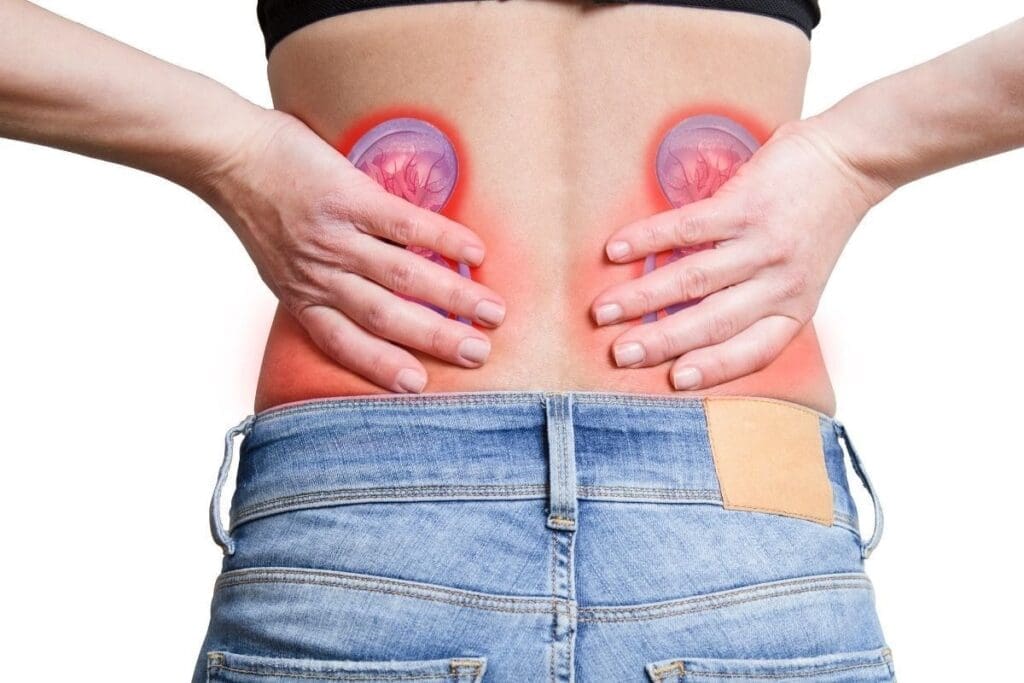
At Liv Hospital, we often get asked about the pain from kidney stones versus childbirth. Both are known for being very painful, leading to a lot of debate. Explore kidney stone pain chart and understand if it’s worse than childbirth.
Studies show that both kidney stone pain and childbirth pain are very high on the pain scale. They usually score between 7 and 8 out of 10. We know that understanding and treating pain well is key for both conditions.
We focus on our patients at Liv Hospital. We use international best practices to care for you. This way, we can tackle your pain concerns with both skill and kindness.
Key Takeaways
- Kidney stone pain and childbirth pain are among the most severe pains experienced by humans.
- Both conditions typically rate between 7 and 8 on a 10-point pain scale.
- Accurate pain assessment is critical for effective management.
- Liv Hospital offers compassionate, evidence-based treatment for both conditions.
- Our patient-centered approach ensures complete care.
The Great Pain Debate: Kidney Stones vs. Childbirth
Why do people often compare the pain of kidney stones to that of childbirth? This question gets to the heart of pain itself. Both conditions are known for causing severe pain, leading to a lot of attention.
We will look into why this comparison is so common. We’ll also explore the factors that affect how we feel pain in both conditions.
Why This Comparison Is So Common
The comparison between kidney stone pain and childbirth pain is not a coincidence. Both are known for intense pain. A 1996 Scandinavian study found that first-time mothers rated labor pain at 7 to 8 out of 10.
In 2016, a survey of 287 kidney stone patients reported an average pain score of 7.9 out of 10. These high ratings make both conditions key when talking about severe pain.
Research also shows that 63.3 percent of women who have experienced both kidney stones and childbirth say renal colic (kidney stone pain) is more painful. This highlights the severity of kidney stone pain, making it a common comparison to childbirth pain.
The Subjective Nature of Pain Experience
Pain is a personal experience, shaped by many factors. These include pain tolerance, past experiences, and mental state. When comparing kidney stone pain to childbirth pain, it’s key to remember that people’s pain perceptions vary greatly.
The subjective nature of pain means what one person finds unbearable, another might handle better. This difference is important when looking at the comparison between kidney stone pain and childbirth pain. Individual experiences can be quite different.
Understanding the subjective nature of pain helps us grasp the complexities of pain assessment and management. This knowledge is vital when comparing kidney stone pain to childbirth pain.
Understanding Kidney Stone Pain
Kidney stone pain is a complex and often debilitating condition that affects millions of people worldwide. We will explore the causes, characteristics, and factors influencing this pain to better understand its impact on patients.
What Causes Kidney Stone Pain
Kidney stone pain occurs when a stone blocks the flow of urine from the kidney. This causes irritation and muscle spasms in the ureter. The pain is intense as the stone moves through the urinary tract, irritating the sensitive lining of the ureter.
The Waves of Pain: Similar to Labor Contractions
The pain from kidney stones is like waves of intense pain, similar to labor contractions. These waves can be excruciating and may radiate from the flank to the lower abdomen or groin. The pain’s intermittent nature makes it unpredictable and unbearable at times.
Duration and Intensity Factors
The duration and intensity of kidney stone pain vary among individuals. Factors like the stone’s size and location, and individual pain tolerance, play a role. Larger stones or those in certain areas of the urinary tract may cause more severe pain. Understanding these factors is key for healthcare providers to manage pain effectively.
| Factor | Influence on Pain |
| Stone Size | Larger stones tend to cause more severe pain due to increased obstruction. |
| Stone Location | Stones in the ureter or closer to the bladder tend to cause more intense pain. |
| Individual Pain Tolerance | Variability in pain perception affects how pain is experienced and reported. |
By understanding the causes, characteristics, and influencing factors of kidney stone pain, we can better appreciate the challenges faced by patients. The pain scale for kidney stones, often rated highly, highlights the need for effective pain management strategies.
The Experience of Childbirth Pain
Childbirth pain is complex, involving the body’s response and the stages of labor. It can be very painful, whether you have a C-section or a vaginal birth. Many factors, like pregnancy complications and personal pain tolerance, affect how much pain you feel.
Physiological Basis of Labor Pain
Labor pain comes from the uterus contracting and the cervix dilating. The uterus’s contractions push the baby down the birth canal. This stretching and compression of nerves and tissues can be very painful.
Stages of Labor and Pain Progression
Labor is broken into three stages: early, active, and transition. Early labor has mild to moderate contractions, feeling like menstrual cramps. Active labor brings stronger, longer contractions, making pain increase. The transition phase is the most intense, with very strong and frequent contractions.
| Stage of Labor | Characteristics | Pain Level (Average) |
| Early Labor | Mild to moderate contractions, cervix dilation up to 3-4 cm | 3-5/10 |
| Active Labor | Stronger, longer contractions, cervix dilation 4-7 cm | 6-8/10 |
| Transition | Very strong, frequent contractions, cervix dilation 8-10 cm | 8-10/10 |
Individual Variation in Birth Experiences
Every woman’s experience of childbirth pain is unique. Medical conditions, the baby’s position, and pain relief options can change how much pain you feel. Some women choose epidural anesthesia, while others prefer natural methods like breathing or massage.
Research found that 63.3 percent of women who had both kidney stones and childbirth said kidney stones were more painful. This shows how severe kidney stone pain can be, similar to childbirth pain.
Measuring Pain: The Science Behind Pain Scales
Measuring pain is key for good pain care. Many pain scales help with this. They let us compare and assess pain in a standard way, which is vital in hospitals and research.
Visual Analog Scale (VAS) in Medical Research
The Visual Analog Scale (VAS) is a top choice for pain measurement. It’s a 10-cm line with “no pain” and “worst pain” at each end. Patients mark where they feel their pain, and the distance shows how much pain they have.
Studies show kidney stone patients often rate their pain as 73.3 ± 16.5 on the VAS. This shows kidney stones cause a lot of pain.
Numeric Rating Scale (NRS)
The Numeric Rating Scale (NRS) is also popular for pain assessment. It asks patients to rate their pain from 0 to 10 or 0 to 100. Zero means no pain, and the top number means the worst pain.
The NRS is liked for being simple and easy to use. It’s good for both doctors and researchers.
Limitations of Pain Measurement
Pain scales like VAS and NRS give us insights into pain. But, they have their limits. Pain is very personal and can be influenced by many things like mood, culture, and past experiences.
These factors can change how people feel and report their pain. This makes it hard to directly compare pain levels. Also, pain scales might not fully capture the complexity of pain, making it seem simpler than it is.
Key Considerations in Pain Measurement:
- Pain scales provide a subjective measure of pain.
- VAS and NRS are commonly used in clinical and research settings.
- Individual factors can influence pain perception and reporting.
It’s important to understand these points when looking at pain data. This helps us make better choices for pain management. By knowing both the good and bad of pain scales, doctors can better help patients with pain from kidney stones.
Kidney Stone Pain Chart: Rating the Agony
To understand the pain of kidney stones, we need to look at the pain chart and studies. The chart shows how bad the pain is, helping both patients and doctors. It helps them see how serious kidney stones are.
Average Pain Scores
A 2016 survey of 287 kidney stone patients found an average pain score of 7.9 out of 10. This shows kidney stone pain is very severe. The pain, called renal colic, can be on and off or constant. It can also cause nausea, vomiting, and trouble urinating.
The pain from kidney stones is as bad as childbirth. Knowing the average pain scores helps doctors find better ways to manage pain for patients.
VAS Scores for Kidney Stones
Studies use the Visual Analog Scale (VAS) to measure kidney stone pain. One study found a VAS score of 73.3 ± 16.5 for this pain. The VAS scores range from 0 to 100, with higher scores meaning more pain.
The VAS score for kidney stone pain shows how severe it is. It helps doctors understand how much pain patients are in. This is key for finding the right pain relief.
Pain Progression Timeline
The timeline for kidney stone pain varies from person to person. The pain starts when the stone moves and blocks the way, causing pain.
- Initial Pain: The pain starts suddenly and can be very severe.
- Peak Pain: The pain may get the worst in a few minutes to hours after it starts.
- Duration: How long the pain lasts can vary. It can be a few hours to several days, depending on if the stone is passed or if medical help is needed.
Knowing the pain timeline is key for managing patient expectations and making treatment plans.
Scientific Studies Comparing Both Pains
Research has looked into the pain of kidney stones and childbirth. This study is important for understanding and managing pain in these conditions.
The 1996 Scandinavian Study on Childbirth Pain
In 1996, a study in Scandinavia focused on childbirth pain. It found that first-time mothers felt their pain at 7 to 8 out of 10. This gives us a baseline for understanding childbirth pain.
The 2016 Survey of 287 Kidney Stone Patients
A 2016 survey of 287 kidney stone patients showed an average pain score of 7.9 out of 10. This study helps us compare the pain of kidney stones to childbirth.
63.3% of Women Report Kidney Stones as More Painful
Studies comparing childbirth and kidney stone pain found something interesting. A big majority, 63.3%, said kidney stone pain was worse than childbirth. This shows how severe kidney stone pain can be.
Understanding these comparisons helps healthcare providers give better care. By looking at these studies, we can see the need for specific pain management plans.
What the Data Reveals: Head-to-Head Comparison
Research into kidney stone pain and childbirth pain has shown interesting results. By looking at pain ratings, study consistency, and medical opinions, we learn more about these intense experiences.
Statistical Analysis of Pain Ratings
Studies use different scales to measure pain levels. Kidney stone pain and childbirth pain both score high. For example, kidney stone pain is often rated around 7.9 out of 10. Childbirth pain can be even higher during labor.
A study found that 63.3% of women said kidney stone pain was worse. This data helps us understand how severe these conditions are.
Consistency Across Different Studies
Many studies agree on the pain levels of kidney stone and childbirth. This consistency makes their findings reliable.
A 1996 Scandinavian study and a 2016 survey of 287 kidney stone patients both showed similar results. Their findings confirm that both types of pain are very severe.
Medical Consensus on Pain Severity
Doctors agree that both kidney stone and childbirth pain are extremely severe. While experiences can differ, the general opinion is that these are among the worst pains humans face.
To show this, let’s look at a comparison table based on studies:
| Condition | Average Pain Score (out of 10) | VAS Score |
| Kidney Stone Pain | 7.9 | 73.3 ± 16.5 |
| Childbirth Pain | 7-8 | Similar to kidney stone pain |
This table shows the pain scores for kidney stone and childbirth pain. It highlights their severity and similarity.
In conclusion, the data shows that both kidney stone and childbirth pain are very severe. Studies agree on this. Knowing this helps us find better ways to manage pain for those suffering from these conditions.
Gender Differences in Kidney Stone Risk and Experience
Gender is key in kidney stone risk, with men facing a higher risk than women. But, women’s risk is growing. Knowing these differences helps in better care and support.
Lifetime Risk: Men vs. Women
Men face a 10% lifetime risk of kidney stones, while women have a 5% risk. This big difference is seen in many studies. Men’s higher risk is due to diet, hormones, and body shape.
Estrogen helps protect women from stones. It makes the body get rid of more calcium, lowering stone risk.
Increasing Rates Among Women
Even though men are more at risk, women’s rates are going up. This is a worrying trend. Changes in diet, lifestyle, and hormones might be reasons.
Research shows the gap between men and women is getting smaller. This means we need to focus more on preventing stones in women.
Anatomical Differences Affecting Pain Perception
Men and women’s bodies are different, which can change how pain is felt. Women’s wider ureters might affect stone passage and pain.
Hormones, body shape, and lifestyle all play a part in kidney stone risk and pain. Understanding these differences is key to better management.
Factors That Influence Pain Severity
Many factors affect how much pain kidney stone patients feel. Knowing these factors helps doctors manage pain better.
Stone Size vs. Pain Level: No Statistical Relationship
Studies show that stone size and pain level don’t always go together. This means other things matter more for pain severity.
Research has found that stone size doesn’t always mean more pain. This challenges the idea that bigger stones hurt more.
Stone Location and Movement
Where and how a stone moves in the urinary tract affects pain. Stones in narrower passages or blocking the way hurt more.
As a stone moves, it can irritate and damage the lining. This leads to more pain. The stone’s movement and location are key to how much pain a patient feels.
| Stone Location | Typical Pain Level (out of 10) | Characteristics of Pain |
| Kidney | 6-8 | Dull ache, potentially radiating to the lower back |
| Ureter | 8-10 | Sharp, severe pain radiating to the groin |
| Bladder | 4-6 | Discomfort, potentially with urinary urgency |
Individual Pain Tolerance and Previous Experiences
How much pain someone can handle and past pain experiences matter. People with chronic pain or past kidney stones might feel pain differently.
Pain tolerance varies a lot among people. This affects how they feel and report kidney stone pain. Knowing a patient’s pain history helps doctors manage pain better.
Healthcare providers can create better pain management plans by considering these factors. This way, they can meet the unique needs of each kidney stone patient.
Changing Demographics of Kidney Stone Patients
The people getting kidney stones are changing. More and more, it’s happening to younger folks. This is a big deal for their health.
Increasing Rates Among Younger Populations
It’s not just older folks getting kidney stones anymore. Now, even young adults and teens are getting them. This is a big worry for their future health.
Why is this happening? It’s because of how we live and eat. Being overweight, not drinking enough water, and eating too much salt are all bad for our kidneys.
Dietary and Lifestyle Factors
What we eat really matters when it comes to kidney stones. Eating too much animal protein, salt, and sugar can lead to stones. Not moving enough and not drinking enough water also play a part.
Our modern diet is full of processed foods and lacks fruits and veggies. This diet is bad for our kidneys. We need to know this to prevent stones.
Implications for Pain Management Approaches
The rise in younger patients with kidney stones changes how we manage pain. Younger patients might need different pain treatments than older ones. This depends on their health, lifestyle, and what they prefer.
Healthcare providers need to understand these changes. By tailoring treatments to each patient, we can help them better. This way, we can give better care to those with kidney stones.
Pain Management Approaches for Both Conditions
Managing pain from kidney stones and childbirth is key. It’s important for better care and patient happiness.
Medical Interventions for Kidney Stone Pain
Kidney stone pain is very tough. Doctors use medicines and procedures to help with pain and stone removal.
- Medications: NSAIDs and opioids are used to ease pain.
- Hydration: Drinking lots of water helps move the stone out.
- Medical Expulsion Therapy: Medicines relax muscles to help the stone pass.
Pain Relief Options During Childbirth
Childbirth pain relief is customized. It includes many options, from natural methods to medical treatments.
- Non-pharmacological methods: Breathing, massage, and hydrotherapy help.
- Epidural anesthesia: It’s a popular choice to lessen pain during labor.
- Nitrous oxide: A less invasive option used in some places.
Comparative Effectiveness of Treatments
Looking at how well treatments work for kidney stones and childbirth is helpful. It shows the best ways to manage pain.
| Treatment | Kidney Stone Pain | Childbirth Pain |
| Medications | Works well for sudden pain | Helps with labor pain |
| Non-pharmacological methods | Not as common | Works well with other methods |
| Procedural interventions | Good for removing stones | Epidural anesthesia is very effective |
Knowing how treatments compare helps doctors give better care. It makes patients happier and more satisfied.
Conclusion: The Verdict on Which Pain is Worse
When we talk about which pain is worse, kidney stones or childbirth, opinions vary. Research gives us clues, but it’s clear that everyone’s experience is different. Yet, many say kidney stone pain is more intense.
Research shows that 63.3 percent of women find kidney stone pain worse than childbirth. This is a key finding when we ask if kidney stones are more painful. Pain is personal and can be influenced by many things.
Looking at pain charts and studies, we see that both pains are severe. But kidney stone pain often gets a higher rating on pain scales. So, it seems kidney stones might be more painful for many people.
Knowing how severe these pains are helps us find better ways to manage them. As we learn more about pain, it’s clear we need to care for both conditions with kindness and thoroughness.
FAQ
Are kidney stones more painful than childbirth?
Studies show both kidney stone pain and childbirth pain are very high on the pain scale. They both score between 7 and 8 out of 10. Many women say kidney stones hurt more than childbirth, but everyone’s experience is different.
What is the average pain score for kidney stone patients?
People with kidney stones usually rate their pain around 7.9 out of 10. This is based on Visual Analog Scale scores of 73.3 ± 16.5. It shows that kidney stone pain is quite severe.
How does kidney stone pain compare to labor contractions?
Kidney stone pain is like labor contractions, with waves of intense pain. But, how long and how bad the pain is can vary a lot from person to person.
Are there any differences in kidney stone pain experience between men and women?
Yes, men and women experience kidney stone pain differently. Men are more likely to get kidney stones, with a 10% lifetime risk. Women have a 5% risk. Anatomical differences might also play a role in how pain is felt.
What factors influence the severity of kidney stone pain?
Several things can make kidney stone pain worse. These include where the stone is and how it moves, how much pain you can handle, and past experiences. While stone size doesn’t directly relate to pain, its location and movement do.
How is pain measured in medical research?
Doctors use pain scales like the Visual Analog Scale (VAS) and Numeric Rating Scale (NRS) to measure pain. These scales help doctors understand and manage pain better.
What are the pain relief options during childbirth?
During childbirth, there are medical and non-medical ways to ease pain. Medical options include epidural anesthesia. Non-medical options include breathing techniques and massage. The choice depends on what the person prefers and their medical situation.
Are kidney stones becoming more common among younger populations?
Yes, kidney stones are becoming more common in younger people. This is likely due to diet and lifestyle changes. It means we need to focus on prevention and better pain management for this group.
How effective are medical interventions for kidney stone pain?
Medical treatments like pain meds and surgery can help with kidney stone pain. But, how well they work depends on the person’s situation and medical history.
Is kidney stone pain worse than childbirth pain?
Both kidney stone pain and childbirth pain are very severe. But, some women say kidney stones hurt more. Pain is very personal, so everyone’s experience is different.
References
National Center for Biotechnology Information. (2025). Is Kidney Stone Pain Worse Than Childbirth Understanding. Retrieved fromhttps://www.ncbi.nlm.nih.gov/pmc/articles/PMC5505545/



 Departments
 Related Videos
 Our Doctors
 News
News