
Experiencing back pain can be unsettling, especially when you’re unsure of its cause. One possible culprit is kidney stones, a condition that affects many people worldwide. If you’re wondering whether your back pain is related to kidney issues, you’re not alone. Kidney stone symptoms include urgency. Get best facts. Frequent peeing is a sign. Treating stones is vital to stop dangerous pain quickly.
The first signs of kidney stone symptoms can be misleading, often manifesting as back or abdominal pain. Understanding the symptoms of kidney stones is crucial in determining the cause of your discomfort. In this article, we’ll explore the connection between back pain and kidney-related issues, helping you identify the potential cause of your pain.
Key Takeaways
- Understanding the symptoms of kidney stones can help you identify the cause of your back pain.
- Kidney stone symptoms often include back or abdominal pain.
- Recognizing the first signs of kidney stones is crucial for proper diagnosis.
- Back pain can be a symptom of an underlying kidney issue.
- Knowing the connection between back pain and kidney stones can help you seek medical attention.
Understanding Kidney Pain: Common Symptoms

Kidney pain is often confused with other types of back pain, but there are distinct symptoms to look out for. Understanding these symptoms can help in identifying potential kidney issues early on.
Signs of Kidney Pain vs. Other Types of Back Pain
Kidney pain typically occurs in the flank area, just below the rib cage, and can radiate to the lower abdomen or groin. Unlike regular back pain, kidney pain is often accompanied by other symptoms such as fever, nausea, and vomiting. It’s essential to differentiate between the two to seek appropriate medical care.
The key differences between kidney pain and other types of back pain include:
- Location: Kidney pain is usually felt on one side of the back, below the ribs.
- Intensity: Kidney pain can be severe and may come in waves.
- Associated symptoms: Presence of fever, changes in urination, or blood in urine.
Key Symptoms of Kidney Issues
Kidney issues, including kidney stones, often present with specific symptoms. These include:
- Painful urination
- Blood in the urine
- Frequent urination
- Nausea and vomiting
It’s crucial to recognize these symptoms early to prevent complications. For instance, kidney stone pain can be excruciating and may require immediate medical attention.
|
Symptom |
Description |
|---|---|
|
Pain Location |
Flank area, radiating to lower abdomen or groin |
|
Nature of Pain |
Severe, coming in waves |
|
Associated Symptoms |
Fever, nausea, vomiting, changes in urination |
When to Seek Medical Attention
If you’re experiencing any of the following, it’s essential to seek medical help:
- Severe pain that doesn’t subside
- Blood in the urine
- Fever above 101.5°F (38.6°C)
- Nausea and vomiting that prevents keeping down fluids
Early diagnosis and treatment can significantly improve outcomes for kidney-related issues. If you’re unsure about your symptoms, it’s always best to consult with a healthcare professional.
Location of Pain: Is it Kidney-Related?
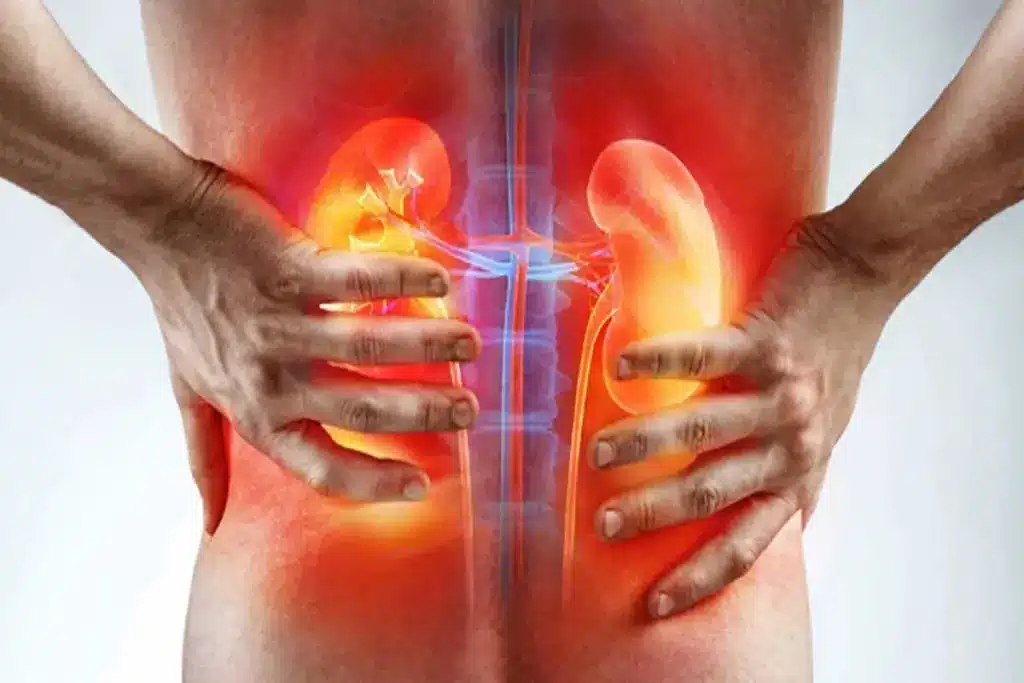
The location of pain in the body can be a significant indicator of whether it’s associated with kidney problems. Kidney pain, often confused with back pain, typically occurs in the flank area, which is the region between the ribs and the hip.
Differentiating Pain in the Back and Side
Kidney pain is usually felt in the back, but it’s typically on one side of the body, not in the center like traditional back pain. The pain can radiate to the lower abdomen or groin area. Kidney stone pain, for instance, can be severe and may migrate from the flank to the groin as the stone moves.
To differentiate between back pain and kidney pain, consider the following characteristics:
- Location: Kidney pain is usually on one side.
- Intensity: Kidney pain can be severe and constant.
- Radiation: Pain may radiate to the groin or abdomen.
|
Characteristics |
Kidney Pain |
Back Pain |
|---|---|---|
|
Location |
Typically on one side, in the flank area |
Often in the center, can be on both sides |
|
Intensity |
Can be severe, especially with kidney stones |
Varies, can be mild to severe |
|
Radiation |
May radiate to the groin or lower abdomen |
Less likely to radiate to the groin |
Understanding Pain Radiating from the Front
Pain that radiates from the front, especially in the lower abdomen or groin, can be associated with kidney issues, particularly if it’s accompanied by other symptoms like nausea, fever, or difficulty urinating. Renal stone sign and symptoms often include pain that radiates to the front and down towards the groin.
Understanding the nature of the pain and its radiation can help in diagnosing kidney-related issues. For instance, pain from a kidney stone may start in the flank and radiate to the groin, indicating the stone’s movement.
It’s essential to pay attention to the characteristics of the pain and any accompanying symptoms to determine if it’s related to kidney issues.
Risk Factors for Kidney Pain
Identifying the risk factors for kidney pain can help individuals take proactive steps towards maintaining kidney health. Kidney pain is often associated with underlying conditions that affect the kidneys directly or indirectly.
Common Conditions Leading to Kidney Pain
Several medical conditions can lead to kidney pain. Kidney stones are a common cause, resulting from the formation of hard mineral deposits within the kidneys. Other conditions include kidney infections, polycystic kidney disease (PKD), and obstructions in the urinary tract.
|
Condition |
Description |
Symptoms |
|---|---|---|
|
Kidney Stones |
Hard mineral deposits in the kidneys |
Severe pain, nausea, vomiting |
|
Kidney Infections |
Infections that affect the kidneys |
Pain, fever, frequent urination |
|
Polycystic Kidney Disease (PKD) |
Genetic disorder causing cysts on the kidneys |
Pain, high blood pressure, kidney failure |
Lifestyle Choices That Affect Kidney Health
Lifestyle choices play a significant role in kidney health. A diet high in sodium and animal protein can increase the risk of developing kidney stones. Additionally, dehydration and obesity are risk factors for kidney problems.
Maintaining a healthy lifestyle, including a balanced diet and regular hydration, can help mitigate some of these risks. Understanding the causes of kidney stones and other kidney issues is the first step towards prevention.
Types of Kidney Conditions Associated with Pain
The experience of kidney pain often indicates a specific kidney condition, such as kidney stones or a urinary tract infection. These conditions can significantly impact an individual’s quality of life, making it essential to understand their symptoms and effects.
Kidney Stones: Symptoms and Impact
Kidney stones are hard deposits made of minerals and salts that form inside the kidneys. The symptoms of kidney stones can be quite distressing and include severe pain, typically felt in the side or back, below the ribs. This pain can radiate to the lower abdomen or groin. Other symptoms may include painful urination, frequent urination, and hematuria (blood in the urine).
The impact of kidney stones can be significant. They can cause an obstruction in the urinary tract, leading to severe pain and potentially damaging the kidney if not treated promptly. The pain associated with kidney stones, often referred to as renal colic, can be intermittent or constant and varies in intensity.
Common Symptoms of Kidney Stones:
- Severe pain in the side or back
- Pain radiating to the lower abdomen or groin
- Painful urination
- Frequent urination
- Hematuria (blood in the urine)
Urinary Tract Infections and Kidney Pain
Urinary tract infections (UTIs) occur when bacteria infect the urinary system. If the infection reaches the kidneys, it can cause a condition known as pyelonephritis, leading to kidney pain. The symptoms of a UTI that has reached the kidneys can include fever, chills, and pain in the upper back or side. Other symptoms may involve burning during urination and frequent or urgent need to urinate.
According to a study published in a Journal “Urinary tract infections are a significant cause of morbidity and mortality worldwide, and their impact on kidney health can be substantial if not addressed properly.”
“Prompt treatment of urinary tract infections is crucial to prevent the infection from ascending to the kidneys and causing more severe complications.”
|
Condition |
Common Symptoms |
Potential Complications |
|---|---|---|
|
Kidney Stones |
Severe pain, hematuria, painful urination |
Obstruction, kidney damage |
|
Urinary Tract Infections |
Fever, chills, burning during urination, frequent urination |
Pyelonephritis, kidney damage, sepsis |
Understanding the types of kidney conditions associated with pain is crucial for seeking the right medical attention. Both kidney stones and urinary tract infections require prompt treatment to prevent complications and alleviate symptoms.
Diagnostic Tests for Kidney Pain
To identify the source of kidney pain, healthcare professionals rely on various diagnostic tests. These tests are crucial in determining whether the pain is related to kidney stones or another condition.
Common Imaging Techniques Used
Imaging tests are a critical component in diagnosing kidney pain. The most common techniques include:
- Ultrasound: A non-invasive test that uses sound waves to create images of the kidneys, helping to identify stones, cysts, or other abnormalities.
- CT Scan (Computed Tomography): Provides detailed cross-sectional images of the kidneys, helping to diagnose kidney stones, tumors, or other conditions.
- X-ray: Can be used to identify kidney stones, though it’s less detailed than a CT scan.
These imaging techniques are vital in diagnosing kidney stones and understanding the cause of kidney pain.
Laboratory Tests and Their Importance
Laboratory tests complement imaging techniques by providing insights into the patient’s condition. Key tests include:
- Urine Tests: Help identify infections, blood in the urine, or other abnormalities that could be causing kidney pain.
- Blood Tests: Assess kidney function, detect signs of infection, or identify other conditions affecting the kidneys.
Laboratory tests are essential in kidney stone diagnosis, helping healthcare providers understand the underlying cause of pain and develop an appropriate treatment plan.
By combining imaging techniques and laboratory tests, healthcare professionals can accurately diagnose the cause of kidney pain and recommend effective treatment options.
At-Home Remedies for Kidney Pain Relief
Kidney pain can be quite debilitating, but there are several at-home remedies that can provide relief, including staying hydrated and making specific dietary changes. Understanding these remedies can help manage kidney pain effectively.
Hydration and Diet Tips
Staying hydrated is crucial for kidney health. Drinking enough water helps to flush out toxins and reduce the risk of kidney stones. It’s recommended to drink at least 8-10 glasses of water a day. Additionally, limiting sodium intake can help reduce the strain on your kidneys.
A diet rich in fruits, vegetables, and whole grains can also support kidney health. Certain foods like berries, citrus fruits, and leafy greens are particularly beneficial due to their antioxidant properties.
Beneficial Foods for Kidney Health:
- Berries (blueberries, strawberries)
- Citrus fruits (oranges, lemons)
- Leafy greens (spinach, kale)
- Whole grains (brown rice, quinoa)
Over-the-Counter Pain Relievers
Over-the-counter pain relievers can provide temporary relief from kidney pain. However, it’s essential to use them judiciously and under the guidance of a healthcare provider. Commonly used pain relievers include ibuprofen and acetaminophen.
|
Pain Reliever |
Dosage |
Precautions |
|---|---|---|
|
Ibuprofen |
200-400 mg every 4-6 hours |
Avoid if you have kidney disease or are on certain medications |
|
Acetaminophen |
325-1000 mg every 4-6 hours |
Do not exceed 4000 mg in 24 hours |
It’s also important to be aware of potential interactions with other medications and to consult with a healthcare provider before starting any new medication regimen.
When to See a Doctor for Kidney Pain
Kidney pain can be a sign of a serious underlying condition, so understanding when to consult a doctor is vital. While some cases of kidney pain may resolve on their own, others can be indicative of severe health issues that require immediate medical attention.
Red Flags Indicating Serious Issues
Certain symptoms accompanying kidney pain are considered red flags that signal the need for urgent medical care. These include:
- Severe pain that doesn’t subside or worsens over time
- Fever and chills, which could indicate an infection
- Nausea and vomiting, potentially leading to dehydration
- Blood in the urine, which is a sign of possible kidney stones or infection
- Difficulty urinating or a burning sensation while urinating
If you experience any of these symptoms, it’s crucial to seek medical help promptly.
What to Expect During a Medical Evaluation
When you visit a doctor for kidney pain, a thorough evaluation will be conducted to determine the cause of your symptoms. This may involve:
- A detailed medical history to identify any pre-existing conditions or risk factors
- A physical examination, focusing on the area of pain
- Imaging tests such as ultrasound or CT scans to visualize the kidneys
- Laboratory tests, including urine and blood tests, to check for signs of infection or kidney damage
Understanding the cause of your kidney pain is essential for receiving appropriate treatment and preventing potential complications.
Preventing Kidney Pain: Healthy Habits
Adopting healthy habits is crucial for preventing kidney pain and maintaining overall kidney health. By making informed lifestyle choices, individuals can significantly reduce their risk of developing kidney problems.
Nutrition Tips for Kidney Health
A well-balanced diet plays a vital role in maintaining kidney health. Including foods rich in antioxidants, such as berries and leafy greens, can help protect the kidneys from damage. It’s also important to limit the intake of sodium and processed foods, which can strain kidney function.
- Stay hydrated by drinking plenty of water throughout the day.
- Limit consumption of animal proteins and opt for plant-based alternatives when possible.
- Avoid excessive intake of foods high in oxalate, such as spinach and beets, which can increase the risk of kidney stones.
Incorporating these dietary changes can help support kidney health and reduce the risk of kidney pain.
Importance of Regular Check-Ups
Regular health check-ups are essential for maintaining kidney health. Early detection of kidney problems can prevent more severe issues from developing. During a check-up, healthcare providers may perform tests to assess kidney function, such as blood and urine tests.
- Schedule annual check-ups with your healthcare provider.
- Discuss your family medical history and any concerns about kidney health.
- Follow your healthcare provider’s recommendations for managing any underlying conditions that could impact kidney health.
By prioritizing regular check-ups and adopting healthy habits, individuals can take proactive steps towards preventing kidney pain and maintaining overall well-being.
Conclusion: Recognizing Kidney Pain Early
Understanding the signs of kidney pain is crucial for maintaining overall health. Recognizing kidney pain early can help prevent complications and ensure timely treatment.
Maintaining Kidney Health
Key takeaways for kidney health include staying hydrated, managing underlying conditions, and being aware of the risk factors that can lead to kidney pain. Regular check-ups and a balanced diet also play a significant role in preventing kidney issues.
Monitoring back pain and understanding its causes can help identify potential kidney problems. If you experience persistent or severe pain, it’s essential to consult a healthcare professional for proper evaluation and care.
Final Considerations
In conclusion, being proactive about your health can make a significant difference. By being aware of the symptoms and taking preventive measures, you can reduce the risk of kidney-related complications. Final thoughts on kidney stones and other kidney issues emphasize the importance of early detection and treatment.
FAQ
What are the symptoms of kidney stones?
Symptoms of kidney stones can include severe pain in the side or back, below the ribs, pain that radiates to the lower abdomen or groin, pain or burning sensation while urinating, and frequent or urgent need to urinate.
How do I know if I have kidney stones?
If you’re experiencing severe pain in your side or back, or if you’re having trouble urinating, you may have kidney stones. Other signs include nausea, vomiting, and fever. A medical professional can diagnose kidney stones using imaging tests like X-rays, CT scans, or ultrasounds.
Can kidney stones cause urinary tract infections?
Yes, kidney stones can increase the risk of developing urinary tract infections (UTIs). If you have a kidney stone, it’s essential to monitor your symptoms and seek medical attention if you experience signs of a UTI, such as burning during urination or frequent urination.
What does passing a kidney stone feel like?
Passing a kidney stone can be extremely painful, with some people describing it as a sharp, stabbing pain or a dull ache in the side or back. The pain can radiate to the lower abdomen or groin and may be accompanied by nausea and vomiting.
How can I prevent kidney stones?
To prevent kidney stones, it’s essential to stay hydrated by drinking plenty of water, limit your intake of oxalate-rich foods, and maintain a healthy diet. You can also reduce your risk by limiting sodium and animal protein in your diet.
What are the risk factors for developing kidney stones?
Risk factors for developing kidney stones include a family history of kidney stones, dehydration, certain medical conditions like gout or inflammatory bowel disease, and a diet high in sodium, sugar, and animal protein.
Can lifestyle choices affect my risk of developing kidney stones?
Yes, lifestyle choices like a diet high in processed foods, lack of hydration, and being overweight or obese can increase your risk of developing kidney stones.
What are the common imaging techniques used to diagnose kidney stones?
Common imaging techniques used to diagnose kidney stones include X-rays, CT scans, and ultrasounds. These tests help medical professionals determine the size, location, and number of kidney stones.
How can I manage kidney stone pain at home?
To manage kidney stone pain at home, you can try staying hydrated, using over-the-counter pain relievers, and applying heat to the affected area. However, if your pain is severe or accompanied by other concerning symptoms, seek medical attention.
When should I seek medical attention for kidney pain?
You should seek medical attention immediately if you experience severe pain, vomiting, fever, or if you’re unable to urinate. Other red flags include blood in your urine or if you’re experiencing symptoms of a UTI.
National Center for Biotechnology Information. Evidence-Based Medical Insight. Retrieved from https://pubmed.ncbi.nlm.nih.gov/23672361/