Kidney stones, or nephrolithiasis, are hard deposits made of minerals and salts. They form inside the kidneys. These stones can be as small as a grain of sand or as big as several centimeters. A 7mm kidney stone is considered moderate to large. It’s usually too big to pass on its own and often needs medical help.
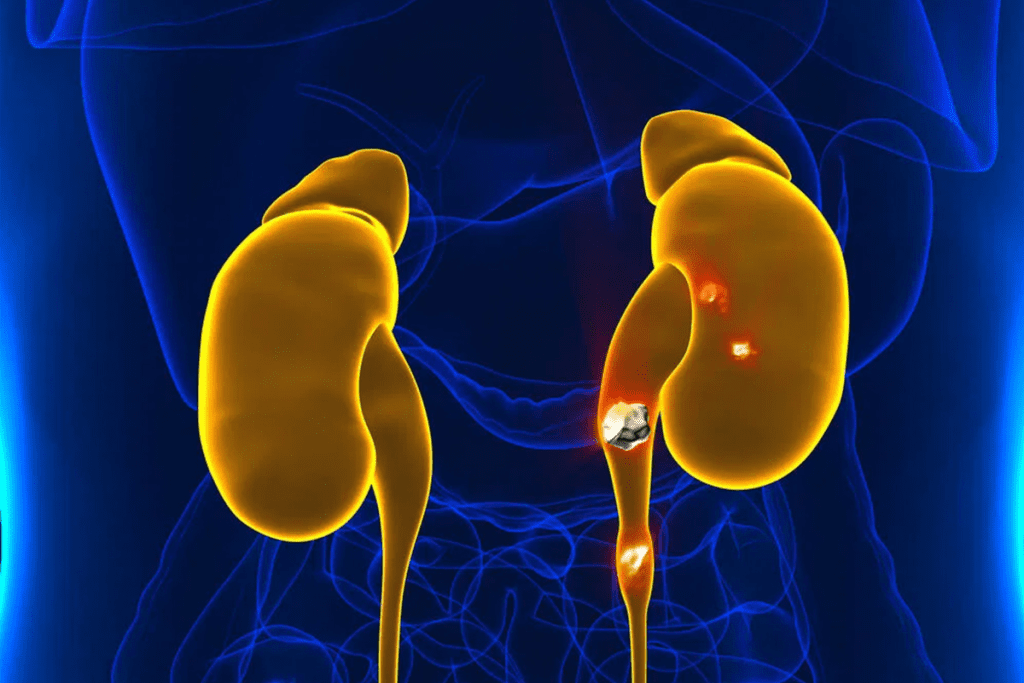
Dealing with a 7mm kidney stone can be tough. Such stones can cause a lot of pain, make you urinate a lot, and even lead to infection or fever. The size of the stone helps doctors figure out how bad the symptoms are and what treatment to use. For stones this size, doctors might need to do surgery, like Ureteroscopy or Extracorporeal Shock Wave Lithotripsy (ESWL), if there’s an obstruction or infection.
Key Takeaways
- A 7mm kidney stone is considered large and unlikely to pass naturally.
- Symptoms can include severe flank pain, frequent urination, and possible infection.
- Treatment options may involve surgical intervention to remove the stone.
- Surgical procedures like Ureteroscopy and ESWL are possible treatments.
- The choice of treatment depends on the stone’s size, location, and the patient’s overall health.
Understanding Kidney Stone Sizes and Classifications
The size of a kidney stone is key to its impact on health. Kidney stones are common, and their size affects treatment and symptoms. Knowing this helps doctors plan the best care.
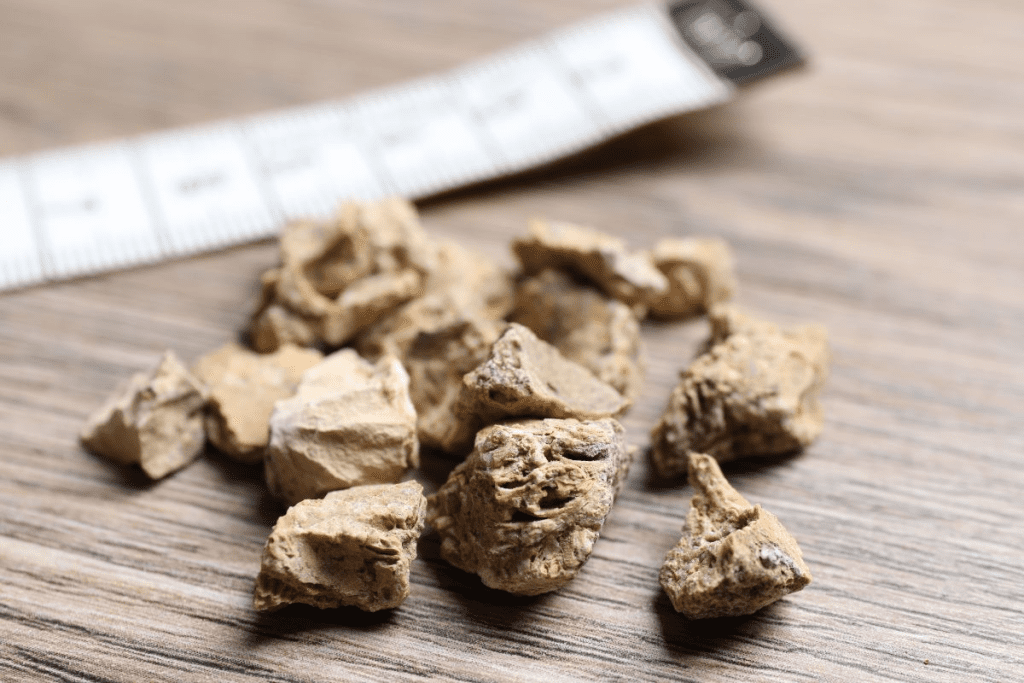
How Kidney Stones Are Measured
Kidney stones are measured in millimeters (mm) with tests like ultrasound or CT scans. The size is based on the stone’s biggest diameter. Accurate measurement is key to the right treatment.
Size Categories from Small to Large
Kidney stones are grouped by size:
- Small stones: Less than 5mm, often pass naturally
- Moderate stones: 5-10mm, may pass naturally or need medical help
- Large stones: Greater than 10mm, usually need medical help or surgery
Knowing these groups helps doctors figure out if a stone will pass on its own or if it needs treatment.
Clinical Significance of Different Sizes
The size of a kidney stone matters a lot. Stones under 5mm might pass on their own. But, stones 7mm or bigger might not pass and can cause a lot of pain and other serious problems.
Stones over 5mm can cause big symptoms. The risk of serious issues grows with the stone’s size. So, knowing the size and type of stone is vital for good treatment.
Why a 7mm Kidney Stone Is Considered Moderate to Large
A 7mm kidney stone is seen as moderate to large. Knowing this is key for the right treatment. We’ll look at how doctors classify these stones, compare their size to common objects, and why the 5mm mark matters.
Medical Classification of a 7mm Stone
Kidney stones are sorted by size, type, and where they are. A 7mm stone is in the bigger category. Stones over 5mm often need help passing and might need medical treatment. The stone’s size is a big part of deciding how to treat it.
Stones under 5mm can pass on their own more easily. But, stones around 7mm or bigger usually need stronger treatments.
Size Comparison to Everyday Objects
A 7mm kidney stone is about the size of a small rice grain or a tiny pellet. It’s also as wide as a pencil lead or a bit bigger than a coffee bean.

Seeing it this way helps us understand why a 7mm stone is a big deal and might cause problems.
The Significance of the 5mm Threshold
The 5mm mark is important because stones over it often need help passing. Stones bigger than 5mm are less likely to pass on their own. The risk of problems also goes up.
- Stones under 5mm: High chance of passing on their own
- Stones between 5-10mm: Lower chance of passing on their own, might need medical help
- Stones over 10mm: Very low chance of passing on their own, usually need surgery or lithotripsy
Knowing these sizes helps doctors and patients make better treatment choices.
Symptoms Associated with 7mm Kidney Stones
A 7mm kidney stone can cause a lot of discomfort. Stones over 5mm are usually quite painful. We’ll look at the symptoms you might see, so you know what to expect and when to get help.
Severe Flank and Abdominal Pain Patterns
Severe pain in the flank and abdomen is a common symptom of a 7mm kidney stone. This pain can feel sharp or stabbing. It might move from the back to the lower abdomen or groin. Severe pain is a hallmark symptom that often prompts individuals to seek medical care.
Urinary Symptoms Including Blood and Frequency
Urinary symptoms are also common with a 7mm kidney stone. These include hematuria, or blood in the urine. You might also urinate more often or feel like you need to go all the time. Sometimes, the stone can block urine flow, leading to less urine output.
Systemic Symptoms That May Accompany Larger Stones
Systemic symptoms can happen, too, if the stone causes an infection or blocks urine flow. These symptoms include nausea and vomiting, fever and chills, and feeling generally unwell. It’s important to seek medical attention if you have these symptoms, as they can mean a serious problem.
Knowing the symptoms of a 7mm kidney stone is key for getting the right treatment. If you’re experiencing any of these symptoms, see a healthcare professional for help.
Natural Passage Rates: Can a 7mm Stone Pass Without Intervention?
Knowing if a 7mm kidney stone can pass on its own is key for patients. A 7mm stone has a 20-30% chance of passing naturally. This means it’s possible but not very likely for stones this size.
The chance of passing without help drops for stones over 5mm. The stone’s location, the patient’s health, and hydration matter. Also, any urinary tract issues can affect passage.
Statistical Chances of Spontaneous Passage
Research shows stones between 5mm and 7mm are less likely to pass without help. A 7mm stone has a 20-30% chance of passing naturally. This means most patients with a stone this size will need medical help.
Factors Influencing Passage Probability
Several things can affect if a 7mm kidney stone will pass naturally. These include:
- The stone’s location: Stones closer to the bladder are more likely to pass than those higher up in the kidney.
- Patient hydration: Adequate fluid intake can help facilitate the passage of the stone.
- Overall urinary tract health: The presence of any abnormalities or infections can affect the likelihood of natural passage.
Timeframe Expectations for Natural Passage
For patients with a 7mm kidney stone waiting for it to pass, the time can vary. Usually, if a stone is going to pass, it will do so in a few weeks. But, the exact time depends on the stone’s location and the patient’s hydration.
It’s important for patients to keep in touch with their doctor. This way, they can watch the stone’s progress and decide on the next steps if it doesn’t pass as expected.
Diagnostic Approaches for Kidney Stones of This Size
Diagnosing kidney stones, like those around 7mm, uses imaging and lab tests. It’s important to get a quick medical check-up to figure out the best treatment.
Imaging Techniques for Confirmation
To confirm a kidney stone’s presence and size, several imaging methods are used. These include:
- Ultrasound: A non-invasive method that uses sound waves to create images of the kidneys.
- Non-contrast CT scan: Provides detailed images of the kidneys, ureters, and bladder, helping to identify the stone’s size and location.
- X-ray (KUB): Though not as sensitive as CT scans, X-rays can help identify stones that are visible on radiographs.
Laboratory Tests to Assess Kidney Function
Laboratory tests are key in checking kidney function and overall health during a diagnosis. These tests include:
- Urinalysis: To check for blood, infection, or other abnormalities in the urine.
- Blood tests: To evaluate kidney function, check for signs of infection, or assess other related health issues.
Stone Composition Analysis: Importance
Understanding the stone’s composition is vital for knowing its cause and preventing future stones. This involves:
- Collecting the passed stone for analysis.
- Using the results to guide dietary and lifestyle recommendations.
By combining imaging and lab tests, healthcare providers can fully understand a patient’s condition. They can then create an effective treatment plan.
Treatment Options for 7mm Kidney Stones
For those with a 7mm kidney stone, several treatments can help. The right choice depends on the stone’s size, where it is, and the person’s health.
Limitations of Medical Expulsive Therapy
Medical expulsive therapy (MET) works for smaller stones. But for a 7mm stone, MET might not be enough. Studies show that stones over 6mm often need more serious treatments like shockwave lithotripsy or endoscopy.
Shockwave Lithotripsy Procedures
Shockwave lithotripsy (SWL) is a non-surgical method. It uses shockwaves to break the stone into smaller pieces. It’s best for stones in the upper urinary tract. But, how well it works depends on the stone’s size, where it is, and what it’s made of.
Endoscopic Removal Techniques
Endoscopic removal, like ureteroscopy (URS), uses a small scope to see the stone. URS is very good at removing stones from the ureter. It’s used for stones that block the flow or cause a lot of pain.
Other options, like percutaneous nephrolithotomy (PCNL), might be considered too. The best treatment depends on the stone and the person’s situation. It’s all about finding the right fit for each person.
Potential Complications of Delayed Treatment
Getting treatment quickly for a 7mm kidney stone is key. Delayed treatment can cause long-term kidney damage. Untreated kidney stones can lead to serious health problems.
Risk of Urinary Tract Infections
Delayed treatment raises the risk of urinary tract infections (UTIs). UTIs happen when bacteria infect the urinary system. A kidney stone can make this risk higher.
Symptoms of UTIs include:
- Frequent urination
- Pain or burning during urination
- Cloudy or strong-smelling urine
Kidney Obstruction Consequences
A 7mm kidney stone can block urine flow. This can cause hydronephrosis, where the kidney swells. This swelling can lead to severe pain and permanent damage if not treated.
The consequences of kidney obstruction can be severe and include:
- Increased risk of infection
- Potential for kidney damage
- Chronic pain
Long-term Kidney Damage Possibilities
Prolonged obstruction from a kidney stone can damage the kidney long-term. This damage can lead to chronic kidney disease or worsen existing problems.
When to Seek Emergency Medical Attention
Seek immediate medical help if you have severe symptoms. These include:
- Severe pain that does not subside
- Fever or chills
- Vomiting or nausea
- Blood in the urine
If you’re experiencing these symptoms, don’t wait for help. Quick treatment can prevent serious issues and improve your health.
Conclusion: What to Expect When Dealing with a 7mm Kidney Stone
Dealing with a 7mm kidney stone can be tough. But knowing about it and the treatment options is key. We’ve talked about how a 7mm stone is big and the symptoms and problems it can cause.
Getting medical help is important if you have a stone this size. Today, there are many treatments like shockwave lithotripsy and endoscopic removal. Knowing what causes kidney stones can also help prevent and manage them.
With the right treatment and care, patients can get better fast. Following the latest medical advice and getting care from different doctors is important. By getting help quickly, people with a 7mm stone can get better and keep their kidneys healthy.
FAQ
What is considered a large kidney stone?
A kidney stone is large if it’s 7mm or bigger. These stones don’t pass easily and might need medical help.
How are kidney stones measured?
Doctors use ultrasound or CT scans to measure kidney stones. These methods give accurate sizes.
What are the symptoms of a 7mm kidney stone?
A 7mm stone can cause a lot of pain in the side and belly. You might also see blood in your urine and need to pee a lot. Some people feel sick or have a fever.
Can a 7mm kidney stone pass naturally?
Passing a 7mm stone on its own is possible but not very likely. It happens in 20-30% of cases. The stone’s type, where it is, and your body shape play a role.
What are the treatment options for a 7mm kidney stone?
Treatments include medicines to help the stone move, shockwave therapy, or removing it through a scope. The best option depends on the stone’s size, where it is, and your health.
References
- European Association of Urology. (2023). EAU Guidelines on Urolithiasis.https://uroweb.org/guidelines/urolithiasis/