After a nephrectomy or renal surgery, the right clothes are key. They can greatly affect your healing. Comfort and support are very important during this time.
Wearing the right clothes can make you feel better and help you heal faster. Look for loose, comfy clothes. They can lessen irritation and make your recovery smoother.
We’ll show you why the right clothes matter after kidney surgery. We’ll focus on how they support your healing.
Key Takeaways
- Comfortable clothing is essential for a smooth recovery.
- Supportive attire can help alleviate post-surgery discomfort.
- Loose clothing reduces irritation and promotes healing.
- Understanding post-operative care is important for patients.
- Appropriate clothing can greatly impact your recovery.
Understanding the Recovery Process After Kidney Surgery
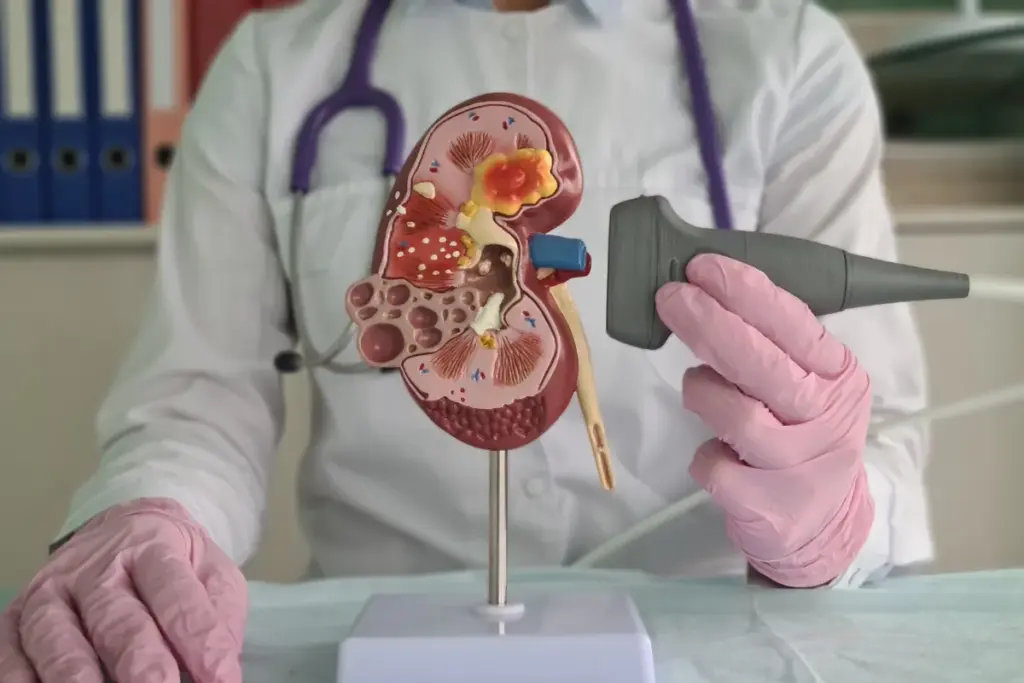
Knowing how to recover after kidney surgery is key for patients. The type of surgery greatly affects the recovery path.
Common Types of Kidney Surgeries and Their Impact on Mobility
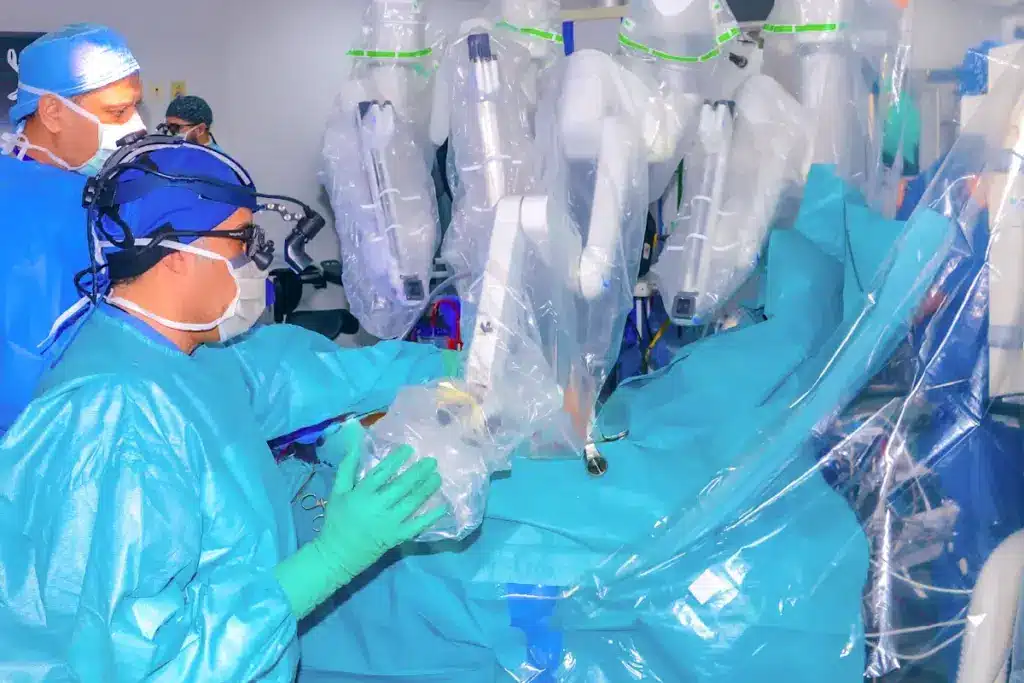
Kidney surgery includes nephrectomy (removal of a kidney) and partial nephrectomy (removal of a part of the kidney). Robotic nephrectomy, a less invasive method, is also used. These surgeries can affect mobility differently. For example:
- Open nephrectomy may need a longer recovery because of the bigger cut.
- Robotic or laparoscopic surgeries cause less damage and lead to faster healing.
Typical Recovery Timeline and Physical Limitations
The recovery time varies based on the surgery and the patient. Usually, patients can expect:
- Immediate post-surgery recovery (1-2 weeks): Rest is essential.
- Gradual return to normal activities (2-6 weeks): Avoid heavy lifting and hard activities.
During recovery, patients should not bend, lift heavy, or do strenuous exercises. Following these rules is important for a good recovery.
Key Clothing Considerations Following Kidney Surgery
<SEP-2660_image_3>
Choosing the right clothes after kidney surgery is key to a smooth recovery. The right clothes offer support, protect the incision, and help you move around. These are all important for healing.
Incision Site Protection and Comfort
Keeping the incision site safe is a big deal after surgery. Loose-fitting clothes are best because they don’t rub or press on the incision. Stay away from tight clothes that might cause pain or problems.
Go for soft, breathable fabrics that are kind to your skin and help it heal.
Also, pick clothes with few seams or tags that could bother the incision. We want to keep the area calm and let it heal without trouble.
Mobility and Accessibility Needs
After surgery, you might not be able to move as much. Clothes should be easy to wear and not get in the way. Easy-to-wear clothes with simple fastenings, like Velcro, are great. Avoid clothes with lots of buttons or zippers that are hard to manage when you’re not feeling well.
Think about how easy your clothes are to get in and out of. For example, slip-on shoes and loose-fitting pants can really help you feel more comfortable and able to move.
Immediate Post-Surgery Clothing Essentials
After surgery, picking the right clothes is key for comfort and healing. Clothes can make a big difference by being comfy, avoiding irritation, and helping you move easily.
Hospital Stay Attire
In the hospital, wear loose, comfy clothes for easy access by doctors. Choose hospital gowns or comfy pajamas that don’t squeeze too tight. “Comfort is key during this period,” as it helps reduce stress and aids in recovery.
Going Home Outfit Recommendations
For going home after kidney surgery, pick clothes that are both comfy and easy to wear. Soft, loose-fitting clothes like sweatpants and a loose top are best. Stay away from tight clothes around the incision site.
Managing Pain and Discomfort Through Clothing Choices
Clothing can help manage pain and discomfort after kidney surgery. Choose clothes with a soft texture and avoid anything that might irritate the incision site. Also, pick clothes that are easy to adjust, like button-down shirts or elastic waistbands, to help with discomfort.
By picking the right clothes, you can make your recovery better and cut down on discomfort. Always listen to your healthcare provider’s advice on what to wear during recovery.
Best Clothing Options for the First Week of Recovery

Choosing the right clothes in the first week after kidney surgery is key. It affects your comfort and healing. We’ll talk about the best clothes for this time.
Loose-Fitting Tops and Shirts
Wear loose tops and shirts in the first week. They are comfy and don’t bother the incision. Pick breathable fabrics like cotton or modal. Stay away from tight clothes that can be uncomfortable.
Comfortable Bottom Wear Options
For pants or shorts, go for loose fits. They are easy to wear and take off. Elastic waistbands are great because they don’t press on your belly. Soft, breathable materials like sweatpants or pajama bottoms are good too.
Easy-to-Don Footwear
Choose shoes that are comfy and simple to slip on. Sandals or slip-on shoes with soft insoles are best. Avoid shoes that need you to bend or strain, as they can be hard to wear in the first week.
|
Clothing Item |
Recommended Features |
|---|---|
|
Tops/Shirts |
Loose-fitting, breathable fabrics (cotton, modal) |
|
Bottom Wear |
Loose-fitting, elastic waistbands, soft materials |
|
Footwear |
Slip-on, soft insoles, easy to wear |
In summary, picking the right clothes in the first week after surgery is very important. By choosing loose-fitting tops, comfortable bottom wear, and easy-to-don footwear, you can feel better and help your body heal.
Compression Garments and Abdominal Binders After Kidney Surgery
Compression garments and abdominal binders play a big role in kidney surgery recovery. They offer support to the stomach area, helping to ease pain and speed up healing. We’ll look at their benefits, how to use them, and important things to consider during recovery.
Benefits of Compression Support
These garments and binders have many advantages for kidney surgery patients. They help reduce swelling, support the stomach muscles, and lower the chance of problems like hernias. Key benefits include:
- Reduced post-operative pain
- Improved mobility
- Enhanced support for the abdominal region
How to Properly Wear Abdominal Binders
Wearing abdominal binders correctly is key to getting the most out of them. Proper fitting is essential for comfort and effectiveness. The binder should fit snugly but not too tightly. It should be worn as advised by your healthcare provider, usually around the stomach area to support the surgical site.
When to Use and When to Avoid Compression
While compression garments and binders are helpful for many, there are times when they’re not advised. For example, people with certain health issues or those who’ve had specific surgeries might need to skip them. Always listen to your healthcare provider’s advice on using these garments.
Specialized Clothing for Different Types of Kidney Surgery
Knowing what clothes you need for your kidney surgery is key for a good recovery. Each surgery has its own needs that affect your comfort and healing. We’ll look at the special clothes you might need for different kidney surgeries to help you get ready for your recovery.
Clothing After Nephrectomy (Full or Partial Kidney Removal)
After a nephrectomy, you might feel pain and swelling in your belly. Loose-fitting clothes that don’t squeeze your belly are best. Choose clothes with stretchy materials or adjustable waistbands for swelling. Also, pick clothes that let you easily check the incision site for care.
|
Clothing Feature |
Benefit for Nephrectomy Recovery |
|---|---|
|
Loose Fit |
Reduces pressure on the abdominal area |
|
Adjustable Waistbands |
Accommodates swelling and provides comfort |
|
Easy Access to Incision Site |
Simplifies post-operative care and monitoring |
Post-Transplant Clothing Considerations
After a kidney transplant, you might need compression garments to support your new kidney. These can help with swelling and comfort. Wear loose, comfy clothes that don’t bother the incision or transplant area.
Attire Following Kidney Stone Surgery
For kidney stone surgery recovery, focus on comfort. Soft, breathable fabrics and loose clothes reduce irritation. Clothes that let you easily check the urinary area are also good for care.
In short, the type of kidney surgery you have will tell you what clothes you need for recovery. The right clothes can make you more comfortable, help your healing, and make your recovery smoother.
Managing Drainage Tubes and Medical Devices with Appropriate Clothing
After kidney surgery, taking care of drainage tubes and medical devices is key. The right clothes can make a big difference. They help patients feel better and make care easier.
Adaptive Clothing Options
Adaptive clothing is made for people with medical devices and tubes. It has special features like:
- Easy-access openings for simple device management
- Adjustable closures for a customizable fit
- Specialized pockets for securing drainage tubes
|
Feature |
Benefit |
|---|---|
|
Easy-access openings |
Simplifies management of medical devices |
|
Adjustable closures |
Ensures a comfortable, secure fit |
|
Specialized pockets |
Secures drainage tubes, reducing risk of displacement |
DIY Modifications to Regular Clothing
If you don’t want to buy special clothes, DIY changes can help. You can:
- Add velcro or snap fasteners for easier access
- Create pockets or pouches for drainage tubes
- Adjust waistbands for comfort and flexibility
These changes let patients use their own clothes for recovery. It makes them more comfortable and practical.
Considerations for Underwear and Intimate Apparel Following Kidney Surgery
Choosing the right underwear after kidney surgery is key. It helps protect the incision and keeps you comfortable. The right underwear can make a big difference in your recovery.
Best Underwear Styles for Incision Protection
Some underwear styles are better than others for protecting the incision. High-waisted underwear offers extra support and coverage. This can help avoid irritation. Look for soft, breathable fabrics like cotton. They are gentle on your skin and help manage moisture.
- High-waisted styles for added protection
- Soft, breathable fabrics like cotton
- Avoiding tight or constrictive designs
Supportive vs. Non-Restrictive Options
Finding the right balance is important. Supportive underwear can reduce discomfort and provide stability. But, it should not be too tight. Non-restrictive options are better for comfort and allowing movement during recovery.
Nightwear and Sleep Clothing for Optimal Recovery
Quality rest is key for recovery after kidney surgery. The right nightwear can make a big difference. Comfortable sleep clothes help patients rest well and heal faster.
Comfortable Pajama Options
For nightwear, choose loose-fitting pajamas in soft, breathable fabrics. Natural fibers like cotton are best because they let air in and keep the body cool. Pajamas with few seams are also good to avoid irritation near the incision.
Managing Night Sweats and Temperature Regulation
Night sweats are common after surgery due to stress and medication. To handle this, wear moisture-wicking fabrics to stay dry and comfy. Keeping the bedroom cool also helps control body temperature.
Positioning Aids and Their Impact on Sleepwear Choices
Positioning aids like pillows help the body rest comfortably without putting strain on the surgery site. It’s important to wear nightwear that fits well with these aids. Loose clothes make it easier to adjust aids as needed.
Choosing the right nightwear and considering factors like night sweats and positioning aids can greatly improve recovery after kidney surgery.
Seasonal Clothing Adjustments for Kidney Surgery Recovery
Selecting appropriate clothing is essential for a comfortable recovery after kidney surgery. The weather outside can affect how you feel. So, it’s important to pick clothes that match the season.
Summer and Warm Weather Clothing
In summer or warm weather, go for light, airy clothes. These help keep you cool and comfy. Cotton clothes that fit loosely are best, as they don’t rub against your incision.
Also, pick clothes with UPF protection to avoid sunburn. Sunburn can be a big problem when you’re recovering.
Here are some tips for warm weather clothes:
- Choose lightweight fabrics for better airflow
- Opt for loose-fitting clothes to avoid irritation
- Look for UPF protection to prevent sunburn
- Wear comfy sandals or shoes that don’t squeeze your feet
Doctors say to avoid tight clothes that can bother your incision. (A Guide to Recovery After Kidney Surgery)
Winter and Cold Weather Considerations
In cold weather, you need to stay warm but stay comfy too. Layering is the way to go. Start with thermal underwear, then add insulating layers, and finish with a breathable outer layer.
|
Clothing Item |
Benefits for Recovery |
|---|---|
|
Thermal Underwear |
Keeps you warm without being too heavy |
|
Layering Options |
Let’s you adjust to your body’s heat |
|
Soft, Stretchy Outerwear |
Makes you feel comfy and moves easily |
By choosing the right clothes for the season, you can feel better and recover faster after kidney surgery.
Transitioning Back to Normal Clothing After Kidney Surgery
After kidney surgery, patients slowly start wearing their usual clothes again. This is a big step towards feeling normal and comfortable.
When to Reintroduce Regular Clothing Items
The time to wear regular clothes again varies. It depends on how fast you recover and the surgery type. Usually, you can start with loose, comfy clothes in 4-6 weeks.
Listen to your body and don’t rush. Start with clothes that are easy on the incision site. Loose-fitting tops and comfy bottoms are good choices. Choose shirts or dresses with zippers or buttons for easy wear.
Gradual Progression to Pre-Surgery Wardrobe
Gradually adding regular clothes to your daily wear is key. Start with a few items and add more as you get comfortable. This helps your body adjust and avoids discomfort.
When you’re ready for your old clothes, think about the fabric and fit. Soft, breathable fabrics are best, near the incision. Pay attention to your body’s signals. If something feels off, wait a bit longer.
Being patient and understanding the process helps you smoothly go back to your usual clothes. This is a big step in your recovery.
Clothing to Avoid During Kidney Surgery Recovery
Some clothes can bother the incision site or make it hard to move after kidney surgery. It’s wise to steer clear of certain types of clothes and fabrics. This helps make your recovery smoother and more comfortable.
Restrictive and Potentially Harmful Garments
Clothing that’s too tight can be bad during recovery. Stay away from:
- Tight belts or waistbands that can press against the incision site
- Constrictive dresses or tops that can irritate the skin
- High-waisted pants or skirts that can rub against the abdomen
These clothes can make you uncomfortable. They might also cause problems by putting pressure on the surgery area.
Fabrics and Materials That May Irritate Incisions
Some fabrics can make the incision site itch or cause allergies. It’s smart to avoid clothes made from:
- Coarse or scratchy materials like wool or certain synthetic fibers
- Dyed fabrics that may cause skin irritation
- Any material that holds moisture, which could lead to infection
Choose soft, breathable fabrics like cotton. They help avoid irritation and support healing.
Conclusion
Clothing is key after kidney surgery. The right clothes can make recovery easier and help the body heal. We’ve looked at what to wear from the hospital to getting back to normal clothes.
It is crucial to wear comfortable clothing. It should not bother the incision or limit movement. Choose loose tops and comfy bottoms. Also, pick easy shoes.
Post-surgery clothing advice also includes using compression and binders for support. Adaptive clothes help with tubes and devices.
Following these kidney surgery recovery tips makes recovery smoother. It’s important to find a balance between comfort and healing support. Gradually moving to normal clothes is also key.
FAQ
What type of clothing is recommended after kidney surgery?
Wear loose, comfy clothes to protect your incision and move easily. Stay away from tight clothes that might bother your incision or hurt.
How long does it take to recover from kidney surgery?
Recovery time depends on the surgery type and your health. It usually takes weeks to months to get back to normal.
What are the benefits of wearing compression garments after kidney surgery?
Compression clothes support your belly, reduce swelling, and aid healing. They also help with pain and discomfort.
Can I wear my normal clothes after kidney surgery?
Start with loose clothes during the early recovery. As you get better, you can wear your usual clothes again.
How do I manage drainage tubes and medical devices with my clothing?
Use adaptive clothes or modify your regular clothes to handle tubes and devices. Look for clothes with easy access or adjustable parts.
What type of underwear is best after kidney surgery?
Choose underwear that’s comfy, supportive, and doesn’t restrict you. Opt for styles that cover your incision and use soft fabrics.
How can I stay comfortable during sleep after kidney surgery?
Wear cozy night clothes and manage night sweats. Use temperature control and sleep aids to pick the right sleepwear.
Are there specific clothing considerations for different types of kidney surgery?
Yes, each surgery type, like nephrectomy or transplant, has its own clothing needs. Talk to your doctor for specific advice.
What clothing should I avoid during kidney surgery recovery?
Don’t wear tight or irritating clothes. Choose soft, breathable clothes that help you heal and move freely.
When can I transition back to my normal wardrobe after kidney surgery?
Slowly add back your usual clothes as you heal. Ask your doctor when it’s okay to switch back to your pre-surgery clothes.
How do I adjust my clothing for seasonal changes during recovery?
Pick clothes based on the weather. Wear light fabrics in summer and layers in winter. Choose clothes that keep you comfortable.
What are the benefits of robotic kidney surgery?
Robotic surgery has many benefits. It means smaller cuts, less blood loss, and quicker healing. It also lowers the risk of problems and improves outcomes.
How painful is kidney removal surgery?
Pain after kidney removal surgery varies. Most people find it manageable. Your doctor will help manage your pain for a smooth recovery.
What is the typical recovery timeline for a partial nephrectomy?
Recovery from a partial nephrectomy varies. Most people take weeks to months to fully recover. Follow your doctor’s advice for a smooth recovery.
Reference
National Center for Biotechnology Information. Evidence-Based Medical Insight. Retrieved from https://pmc.ncbi.nlm.nih.gov/articles/PMC7840672/