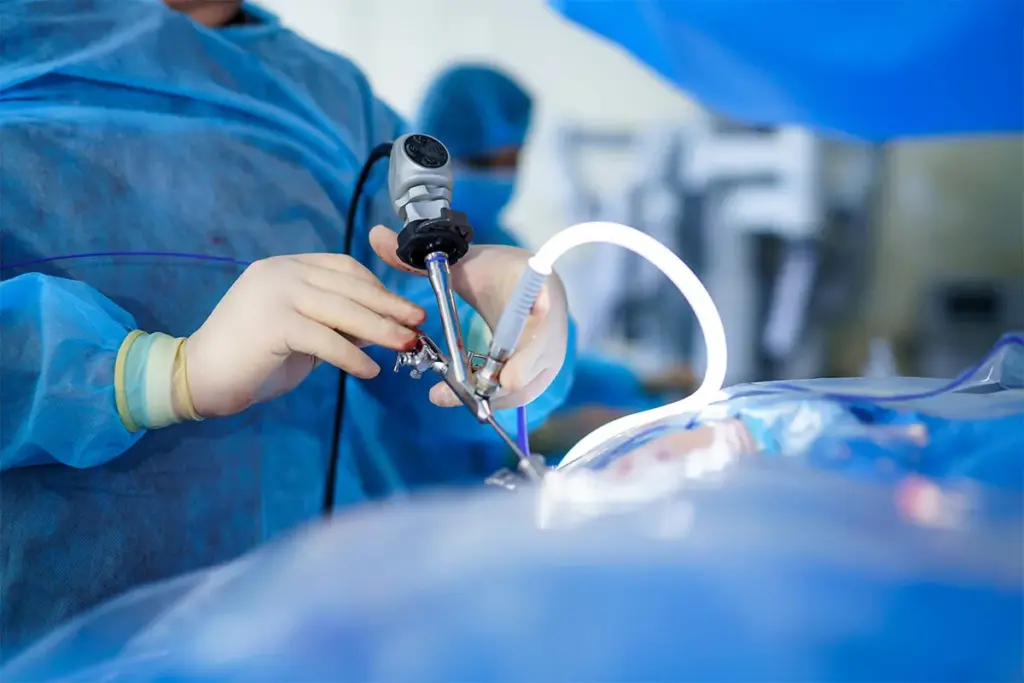
Robotic surgery has changed how we treat kidney tumors. It’s a new way that’s less invasive than old methods. We use a special robotic system to help surgeons. This makes the surgery more precise and cuts down on recovery time. Kidney surgery has become a robotic miracle. See how elite precision provides amazing results for tumors with a brilliant recovery time.
This new method uses a robotic system for better control and vision during kidney surgery. Patients get smaller cuts, less blood loss, and can get back to their lives faster.
Key Takeaways
- Robotic surgery is a minimally invasive technique for treating kidney tumors.
- It involves the use of a robotic system to enhance surgical precision.
- Benefits include smaller incisions and reduced recovery time.
- Patients experience less blood loss and fewer complications.
- Robotic kidney surgery represents a significant advancement in the treatment of kidney cancer.
Understanding Kidney Tumors
Kidney tumors come in many types and can be tricky to diagnose. They can be either benign or malignant. Knowing the type is key to finding the right treatment.
Types of Kidney Tumors
Kidney tumors are divided into two main groups: benign and malignant. Benign kidney tumors are not cancerous and don’t spread. Examples include renal oncocytoma and angiomyolipoma. Malignant kidney tumors, like renal cell carcinoma (RCC), are cancerous and can spread.
Diagnosis and Staging
To diagnose kidney tumors, doctors use imaging tests and sometimes biopsies. Imaging tests like CT scans and MRI help find the tumor’s size and location. A biopsy can confirm if it’s cancer. After diagnosis, staging shows how far the tumor has spread. This helps plan treatment and predict outcomes.
When Surgery is Recommended
Surgery is often the first choice for treating kidney tumors, mainly for malignant ones. The decision to have surgery depends on the tumor’s type, size, and stage, and the patient’s health. Robotic surgery is popular because it’s less invasive, has quicker recovery times, and is more precise.
The Evolution of Kidney Surgery Techniques
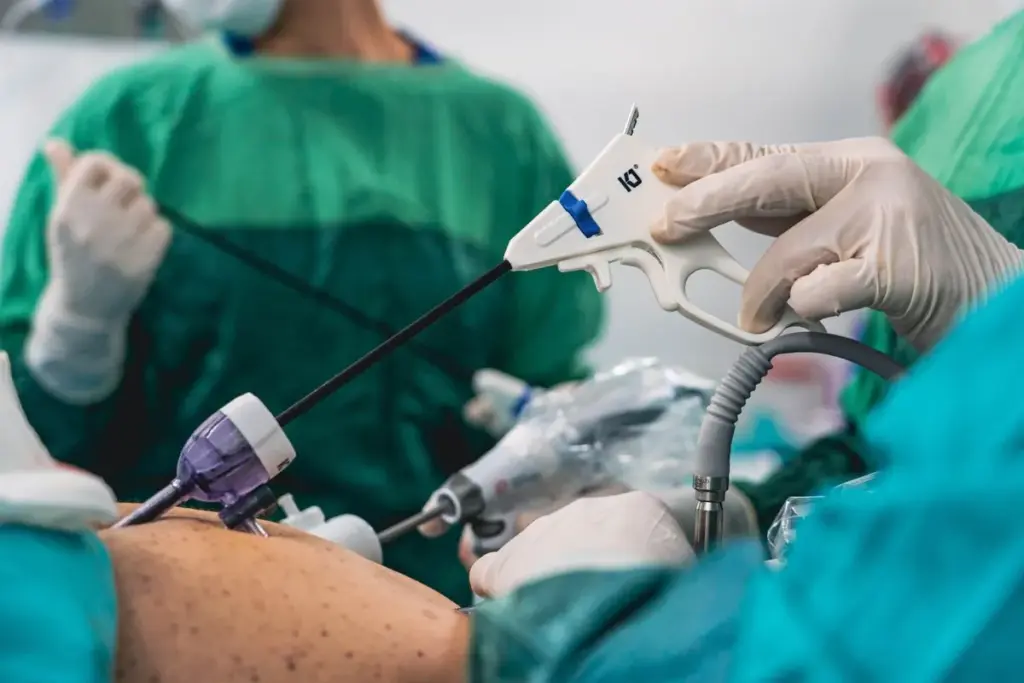
Kidney surgery has changed a lot over time. New medical tech and better understanding of the kidney have led to these changes. Now, we have less invasive methods that help patients heal faster and with less pain.
Traditional Open Surgery
Older kidney surgery used a big cut to reach the kidney. This way is good but takes longer to recover, hurts more, and has more risks. Yet, it’s sometimes the best choice for very hard cases.
Laparoscopic Approaches
Laparoscopic surgery is a big step up. It uses small cuts for a camera and tools. This cuts down on pain, shortens hospital time, and leaves less scar. But, it needs a skilled surgeon.
Introduction of Robotic Systems
Robotic systems, like the da Vinci Surgical System, are the newest thing. They make surgery more precise and easier. The system’s 3D view and special tools help surgeons do detailed work better.
Robotic systems are a big leap forward. They bring the benefits of less invasive surgery to more patients, leading to better results.
What is Robotic Surgery for Kidney Tumors?
Robotic-assisted surgery is becoming a top choice for treating kidney tumors. It offers better accuracy. We use the latest robotic technology to give patients the best results.
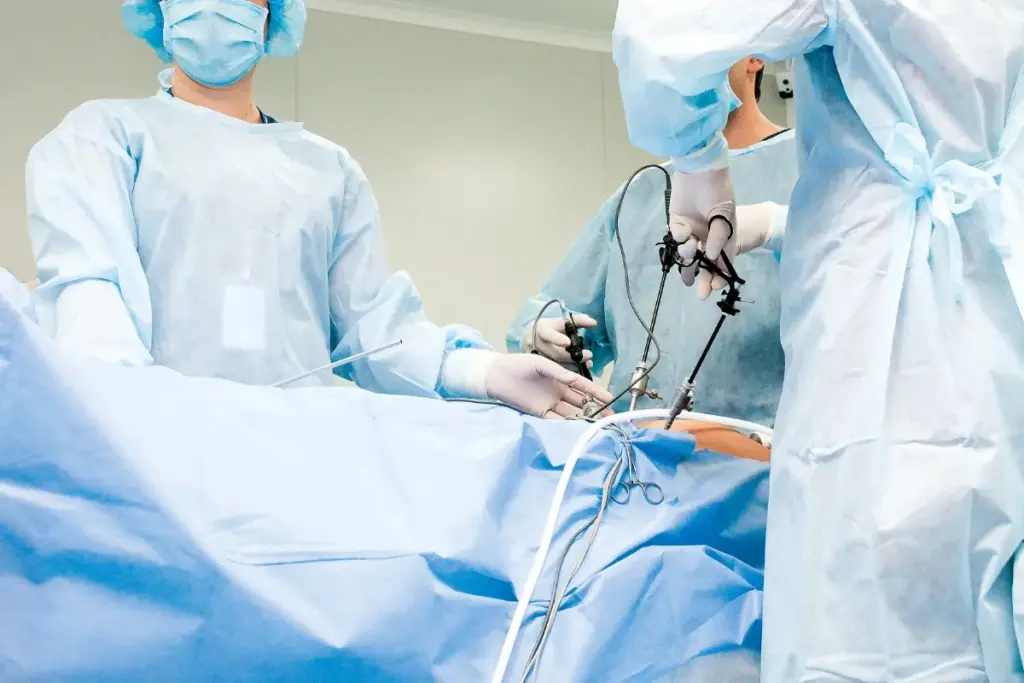
The da Vinci Surgical System
The da Vinci Surgical System is a leading robotic platform. It boosts the surgeon’s skills, making precise dissections and reconstructions easier. This system offers high-definition 3D visualization and enhanced dexterity.
Thanks to its advanced tech, the da Vinci system lets surgeons do complex surgeries with more precision and control. This means less harm to the patient and a faster recovery.
How Robotic Surgery Works
Robotic surgery uses a robotic system controlled by the surgeon from a console. It turns the surgeon’s hand movements into precise actions inside the patient’s body.
This tech makes minimally invasive procedures possible, cutting down on the need for big cuts. Patients feel less pain and stay in the hospital less than with traditional surgery.
Surgeon Control and Precision
Robotic surgery gives surgeons more control and precision. The robotic system offers enhanced visualization and precise instrument control. This is key for delicate surgeries.
In surgeries like robotic partial nephrectomy, precision is vital. The da Vinci system helps surgeons remove tumors while saving as much kidney tissue as possible. This results in less damage to surrounding tissues.
Types of Robotic Kidney Surgery Procedures
Robotic surgery offers many options for treating kidney tumors. It’s known for its precision, quick recovery, and small scars. This makes it a top choice for many patients.
Robotic Partial Nephrectomy
Robotic partial nephrectomy removes tumors from the kidney while keeping most of the kidney’s function. It’s great for small tumors or those with only one kidney.
Key benefits include:
- Preservation of kidney function
- Minimal blood loss
- Reduced risk of complications
- Shorter hospital stay
Robotic Radical Nephrectomy
Robotic radical nephrectomy removes the whole kidney, surrounding tissue, and lymph nodes. It’s chosen for bigger tumors or when cancer has spread.
Advantages of this procedure include:
- Effective removal of cancerous tissue
- Less postoperative pain
- Faster recovery
Robotic Nephroureterectomy
Robotic nephroureterectomy removes the kidney, ureter, and part of the bladder cuff. It’s used for upper urinary tract cancers.
Robotic Pyeloplasty
Robotic pyeloplasty fixes blockages or narrowings in the renal pelvis. It’s a small procedure for a big problem.
The benefits of robotic pyeloplasty include:
- Relief from obstruction
- Minimal scarring
- Shorter recovery period
These robotic kidney surgery procedures are a big step forward. They give patients more choices and better results. Surgeons can do complex surgeries more easily and accurately with robotic systems.
Advantages of Robotic Kidney Surgery
Robotic surgery for kidney tumors has many benefits over old methods. It brings better results thanks to its precision and flexibility.
Enhanced Surgical Precision
The robotic system gives enhanced surgical precision. This means surgeons can do complex tasks more accurately. It’s very important in kidney surgery because of the delicate parts involved.
Reduced Blood Loss
Robotic kidney surgery also means reduced blood loss. The robotic tools move very precisely, causing less damage to tissues. This leads to less bleeding during and after the surgery.
Shorter Hospital Stay
Patients who have robotic kidney surgery usually stay in the hospital shorter than those with open surgery. This is because robotic surgery is less invasive. It causes less trauma to tissues and speeds up recovery.
Faster Recovery Time
The faster recovery time of robotic kidney surgery is a big plus. Patients can get back to their usual activities sooner. This is good for their health and happiness.
|
Advantages |
Benefits |
|---|---|
|
Enhanced Surgical Precision |
Greater accuracy in complex procedures |
|
Reduced Blood Loss |
Less bleeding during and after surgery |
|
Shorter Hospital Stay |
Quicker discharge and less risk of hospital-acquired infections |
|
Faster Recovery Time |
Sooner return to normal activities and improved overall health |
Comparing Robotic Surgery to Traditional Kidney Surgery
Robotic surgery represents a significant advancement in treating kidney tumors, offering numerous benefits when compared to traditional surgical methods. Let’s look at what makes each method different.
Open Surgery vs. Robotic Surgery
Traditional open surgery needs a big cut to reach the kidney. It works well but can cause a lot of pain and a long recovery. Robotic surgery, on the other hand, uses small cuts and advanced tools for less damage and quicker healing.
People who have robotic surgery often feel less pain and get back to their lives faster. But, the choice between these methods depends on the tumor size, the patient’s health, and the surgeon’s skill.
Laparoscopic vs. Robotic Approaches
Laparoscopic surgery uses small cuts and a camera to see inside. It’s better than open surgery but has its own limits. Robotic surgery takes laparoscopy further with better views and tools for more detailed work.
Robotic surgery is more precise and flexible than laparoscopic. This is very helpful in complex surgeries where better tools and views can lead to better results.
|
Surgical Approach |
Precision |
Recovery Time |
Blood Loss |
|---|---|---|---|
|
Open Surgery |
High |
Long |
Significant |
|
Laparoscopic Surgery |
Moderate |
Moderate |
Less |
|
Robotic Surgery |
Very High |
Short |
Minimal |
When Traditional Surgery May Be Preferred
Robotic surgery is great, but sometimes traditional surgery is better. Big or complex tumors need open surgery’s bigger access. Also, some patients with health issues might not be good candidates for robotic surgery.
We look at many things to decide the best surgery for a patient. We consider the tumor, the patient’s health, and the risks and benefits of each surgery. This helps us choose the best treatment for each person.
The Robotic Kidney Surgery Procedure
The robotic kidney surgery procedure has several key steps. These steps range from preparation before surgery to the surgery itself. Knowing these steps can help patients feel more informed and ready for their treatment.
Pre-Surgical Preparation
Pre-surgical preparation is a vital part of the robotic kidney surgery procedure. Patient evaluation is detailed, looking at the patient’s medical history and current health. We also give patient education to help them know what to expect during and after surgery.
- Pre-operative tests, like blood work and imaging studies, are done to check overall health and the tumor’s details.
- Patients are told about lifestyle changes needed, such as stopping certain medications and avoiding food and drink before surgery.
- We talk about post-operative care plans, including pain management and follow-up appointments.
Anesthesia and Positioning
On surgery day, anesthesia is given to keep the patient comfortable and safe. General anesthesia is usually used for robotic kidney surgery.
Once the patient is under anesthesia, they are carefully positioned on the operating table. This positioning is key for the success of the procedure.
Port Placement and Docking
The next step is port placement, where small incisions are made for the robotic ports. These ports let the robotic instruments enter the abdominal cavity.
After port placement, the docking process starts. The robotic system is set up relative to the patient. The robotic arms are attached to the ports, and the surgeon controls them from the console.
The Surgical Process
With the robotic system ready, the surgical process starts. The surgeon uses the console to control the robotic instruments. They perform the steps needed to remove the kidney tumor.
The robotic system’s high-definition visualization and precise instruments make the procedure delicate and effective. We focus on precision and detail throughout the surgery.
- The kidney is accessed, and the tumor is found.
- The tumor is carefully dissected and removed, trying to keep as much healthy kidney tissue as possible.
- The area is then checked for any remaining tumor tissue or bleeding.
Throughout the robotic kidney surgery procedure, our team aims for the best outcomes for our patients.
Recovery After Robotic Surgery for Kidney Tumors
Patients who have robotic surgery for kidney tumors usually recover quickly. This means less time off work and fewer complications. Robotic surgery makes recovery smoother for many.
Hospital Stay Duration
Robotic surgery often means a shorter hospital stay. Patients usually leave the hospital in less than 2 days. But, this can change based on health and surgery complexity.
Pain Management
Managing pain is key in recovery. We use medicines and other methods to keep discomfort low. Most patients feel less pain than those who have open surgery.
Activity Restrictions
Patients should avoid heavy lifting and bending for a few weeks after surgery. This helps the body heal and lowers the risk of problems.
Return to Normal Activities
When patients can go back to normal activities varies. But, most are back in 4 to 6 weeks. Health, surgery type, and following instructions affect this time.
To better understand recovery, here’s a comparison of key aspects after robotic surgery for kidney tumors:
|
Aspect |
Robotic Surgery |
Traditional Open Surgery |
|---|---|---|
|
Hospital Stay |
1-2 days |
4-6 days |
|
Pain Level |
Less |
More |
|
Return to Normal Activities |
4-6 weeks |
6-12 weeks |
Potential Risks and Complications
Robotic kidney surgery has many benefits, but it also comes with risks. It’s important for patients to know these risks to make informed choices. This way, they can decide what’s best for their health.
Surgery-Specific Complications
Like any surgery, robotic kidney surgery has its own complications. These can include bleeding, infection, and damage to nearby structures. The robotic system’s precision helps reduce these risks, but they can’t be completely avoided.
Some complications specific to this surgery are:
- Bleeding during or after surgery
- Infection at the surgical site
- Damage to nearby organs or tissues
- Urinary leakage or fistula formation
General Surgical Risks
There are also general risks with any surgery. These include reactions to anesthesia, blood clots, and heart problems. Knowing these risks helps keep patients safe and ensures they get the best care.
|
General Surgical Risk |
Description |
Management Strategy |
|---|---|---|
|
Reaction to Anesthesia |
Adverse reaction to the anesthesia used during surgery |
Monitoring during surgery, having emergency protocols in place |
|
Blood Clots |
Formation of clots in the legs or lungs post-surgery |
Use of anticoagulant medications, early mobilization |
|
Cardiovascular Issues |
Heart-related problems during or after surgery |
Pre-surgical cardiac evaluation, monitoring during surgery |
Managing Complications
Managing complications well is key to good patient outcomes. This involves careful planning before surgery, skilled surgery, and good care after. Robotic surgery’s precision helps manage complications better.
Ways to manage complications include:
- Early detection through monitoring
- Prompt intervention when complications arise
- Personalized care plans based on patient health
Long-term Considerations
After robotic kidney surgery, there are long-term things to think about. These include the chance of the tumor coming back and how it might affect kidney function. Regular follow-up care is important to watch these things and deal with any problems quickly.
Understanding the risks and complications helps patients prepare for surgery and recovery. It’s about weighing the benefits of robotic surgery against the risks.
Candidacy and Cost Considerations
Choosing robotic kidney surgery means looking at who can get it and the cost. Patients need to know who can get this surgery and how much it costs.
Ideal Candidates for Robotic Kidney Surgery
People with small kidney tumors are best for robotic surgery. This method is great for those needing precise surgery without losing kidney function.
Key characteristics of ideal candidates include:
- Localized kidney tumors
- Early-stage kidney cancer
- Patients seeking minimally invasive options
Contraindications
Robotic kidney surgery isn’t for everyone. It’s not good for those who are very overweight, have had a lot of surgery before, or have a lot of scar tissue.
Contraindications may involve:
- Severe medical conditions that preclude surgery
- Previous complex abdominal surgeries
- Significant adhesions or anatomical abnormalities
Average Costs in the United States
The cost of robotic kidney surgery in the U.S. changes based on where you are, hospital fees, and insurance. On average, it costs between $20,000 and $40,000 for robotic partial nephrectomy.
|
Procedure |
Average Cost Range |
|---|---|
|
Robotic Partial Nephrectomy |
$20,000 – $40,000 |
|
Robotic Radical Nephrectomy |
$25,000 – $45,000 |
Insurance Coverage
Insurance for robotic kidney surgery varies. Many plans cover it for kidney tumors, but check your coverage and any costs you might have to pay.
It’s best to talk to your doctor and insurance about what’s covered and the costs of robotic kidney surgery.
Conclusion
Robotic surgery is a big step forward in treating kidney tumors. It offers a less invasive way to treat these tumors. This method has many advantages, like better precision, less blood loss, and quicker recovery times.
When you’re facing a kidney tumor, talking to a doctor is key. They can help figure out the best treatment for you. The da Vinci Surgical System is a top choice for robotic surgery. It lets surgeons do complex tasks with great precision.
Knowing the good and bad of robotic surgery helps patients make smart choices. As technology gets better, robotic surgery will likely become even more important. It will give patients more effective and less invasive ways to treat kidney tumors.
FAQ
What is robotic surgery for kidney tumors?
Robotic surgery for kidney tumors is a new way to remove tumors. It uses a robotic system, like the da Vinci Surgical System. This method is more precise, causes less blood loss, and helps patients recover faster than traditional surgery.
What are the benefits of robotic partial nephrectomy?
Robotic partial nephrectomy keeps more of the kidney working. It also lowers the chance of complications and speeds up recovery. It’s great for people with small tumors or only one kidney.
How does robotic surgery compare to laparoscopic surgery for kidney tumors?
Both robotic and laparoscopic surgery are minimally invasive. But, robotic surgery is more precise and offers better control. It also gives a clearer view of the area being operated on, making it better for complex surgeries.
What is the recovery time after robotic kidney surgery?
Recovery time after robotic kidney surgery varies. Generally, people can get back to normal in a few weeks. They often feel less pain and discomfort than with traditional surgery.
Are there any risks or complications associated with robotic kidney surgery?
Like any surgery, robotic kidney surgery has risks. These include bleeding, infection, and damage to nearby tissues. But, these risks are lower thanks to advanced technology and skilled surgeons.
How much does robotic kidney surgery cost in the United States?
The cost of robotic kidney surgery in the U.S. changes based on location, hospital, and surgeon. It can cost between $20,000 to $50,000 or more. This depends on the surgery’s complexity and insurance.
Is robotic kidney surgery covered by insurance?
Many insurances cover robotic kidney surgery. But, coverage can vary. It’s important to check with your insurance to know what’s covered and what you might have to pay out of pocket.
What are the ideal candidates for robotic kidney surgery?
The best candidates for robotic kidney surgery have tumors that can be treated with minimally invasive surgery. They should have small tumors and be in good health. The decision to use robotic surgery depends on the patient’s health and the surgeon’s opinion.
Can robotic surgery be used for kidney transplant?
Robotic surgery is not commonly used for kidney transplant. But, it’s being explored for parts of the transplant process, like living donor nephrectomy. Its use in kidney transplant is not as common as other robotic surgeries.