Did you know that 1 in 285 children will be diagnosed with cancer before their 20th birthday? Chemotherapy is a common treatment for many young patients.
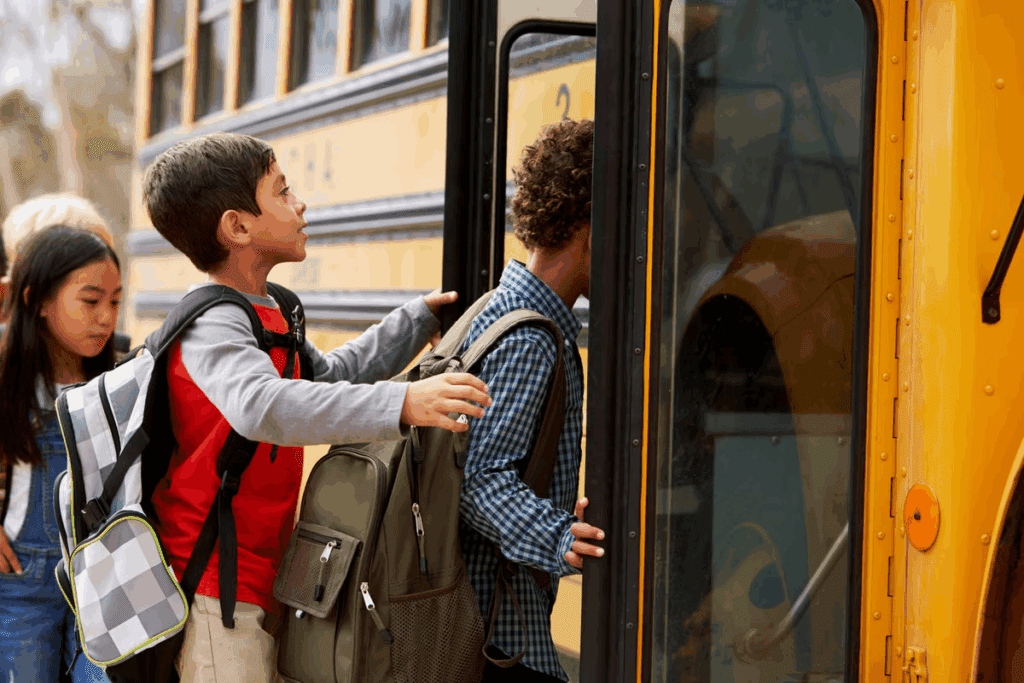
Maintaining normal routines is important for children on chemotherapy, but school attendance can be challenging. We know that school attendance during chemotherapy worries parents and doctors a lot.
We’ll look into the challenges of school attendance during chemotherapy. We’ll also talk about how to support these kids.
Key Takeaways
- Chemotherapy treatment can impact a child’s ability to attend school regularly.
- Effective communication between parents, healthcare providers, and schools is key.
- Support systems can help kids on chemotherapy keep up with school.
- Understanding their challenges helps create a more inclusive place for them.
- Healthcare providers are important in advising on school attendance during chemotherapy.
Understanding Chemotherapy and Its Effects on Children
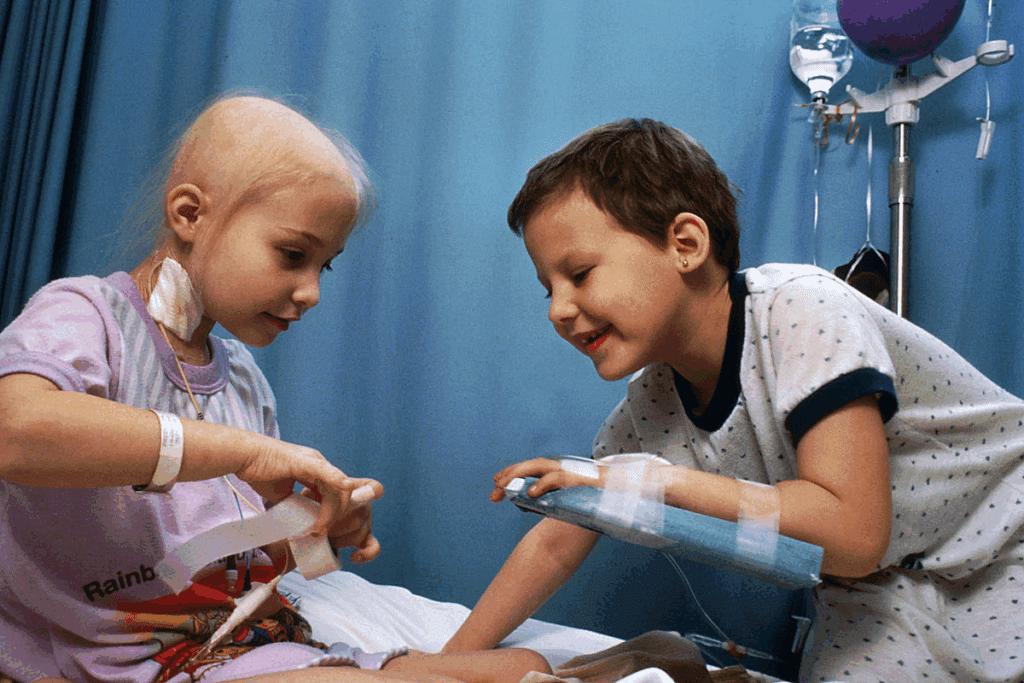
Chemotherapy is a key part of treating many childhood cancers. But, it can have big effects on young patients. It’s important to know about the different cancers that need chemotherapy and how it affects a child’s health.
Common Types of Childhood Cancers Requiring Chemotherapy
Many childhood cancers need chemotherapy, like leukemia, lymphoma, brain tumors, and solid tumors. Leukemia is the most common cancer in kids, and chemotherapy is a main treatment. We’ll look at how chemotherapy fights these cancers and its effects on a child’s health.
How Chemotherapy Affects a Child’s Body and Immune System
Chemotherapy targets fast-growing cancer cells but can harm other fast-growing cells too. This can cause side effects, like immune system suppression. This makes kids more likely to get infections. We’ll talk about common side effects and risks, including how it affects their immune system and overall health.
The immune system is very vulnerable during chemotherapy. When it’s weakened, kids are more at risk for serious infections. Monitoring and preventive measures are key to reduce these risks. Knowing these effects helps parents and caregivers support their kids during treatment.
Medical Considerations for School Attendance During Chemotherapy
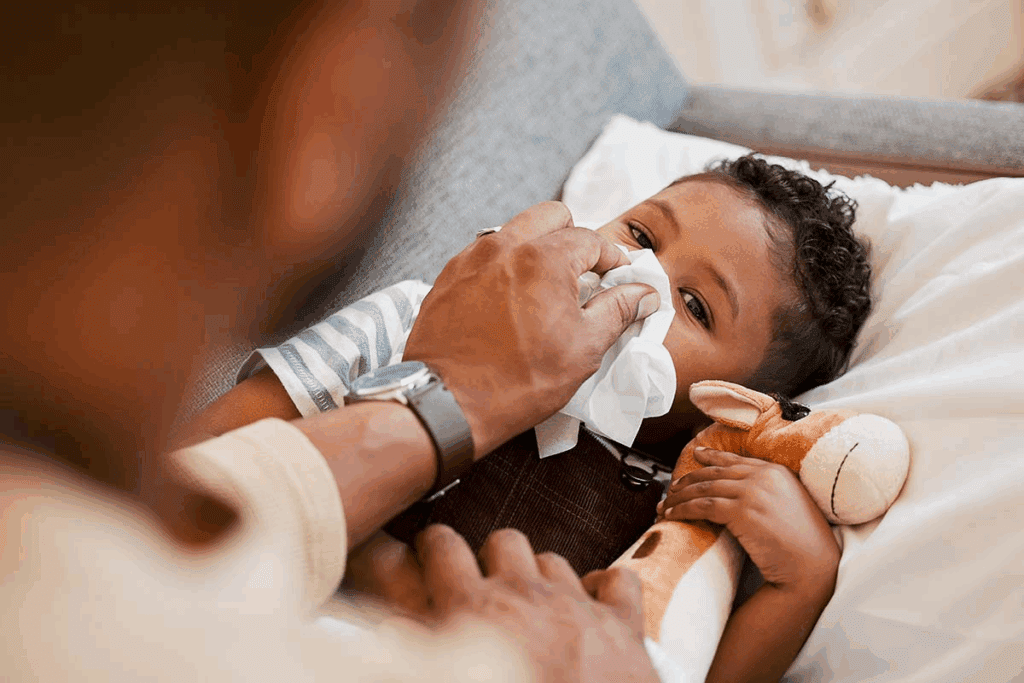
When kids are getting chemotherapy, many medical factors need to be thought about. It’s important to weigh the benefits of school against the health risks of treatment.
Immune System Vulnerability and Infection Risks
Kids on chemotherapy are more likely to get sick because their immune systems are weak. Chemotherapy lowers the number of white blood cells, which fight infections. So, these kids are at a higher risk of getting sick at school.
Infection Risks: Kids are at risk for infections like the flu, chickenpox, and colds. These risks come from other kids and from surfaces that may have germs.
Physical Side Effects That May Impact School Participation
Chemotherapy can cause many physical side effects. These can make it hard for kids to do well in school. Side effects include feeling tired, getting sick, losing hair, and looking different.
| Side Effect | Impact on School Activities |
| Fatigue | Reduced ability to participate in physical education or after-school activities. |
| Nausea | Difficulty in consuming meals or snacks provided at school. |
| Hair Loss | Potential for teasing or self-esteem issues. |
When Medical Professionals Typically Advise Against School Attendance
Doctors often say kids should stay home during certain parts of chemotherapy. This is when their immune system is really weak or they’re feeling very sick.
Key Factors Influencing the Decision:
- The child’s overall health and immune status.
- The severity of side effects and their impact on the child’s well-being.
- The presence of infectious diseases within the school environment.
Understanding these medical points helps parents and teachers make good choices about school for kids getting chemotherapy. It’s about finding the right balance between learning and keeping the child healthy.
Kids on Chemo Attending School: Is It Possible?
Exploring if kids on chemo can go to school is important. We must consider their health, the type of chemo, and safety measures. These factors help decide if a child can safely go to school.
Factors That Determine School Readiness During Treatment
Several things decide if a child on chemo can go to school. Their health, treatment stage, and how their body reacts to chemo are key. Good communication between the medical team, family, and school is also essential.
The medical team checks the child’s health closely. They look at the immune system, current health, and any treatment side effects. This helps figure out if the child can handle school.
- The type and intensity of chemotherapy
- The child’s overall health and immune system status
- Potential side effects and their impact on school participation
Communication Between Medical Team, Family, and School
Good communication is key for a child’s safety and success in school. It helps create a supportive environment. This environment meets the child’s educational and health needs.
Families should share detailed information about their child’s condition with the school. The medical team can guide on health status and risks. This helps everyone work together for the child’s success.
| Stakeholder | Role in Supporting the Child |
| Medical Team | Provides health assessments, treatment plans, and guidance on managing side effects. |
| Family | Communicates the child’s needs to the school, ensures adherence to the treatment plan, and provides emotional support. |
| School | Implements accommodations, monitors the child’s health and safety, and provides educational support. |
Together, we can make a safe and supportive place for kids on chemo to go to school.
Creating a Safe School Environment for Children on Chemotherapy
Keeping schools safe for kids on chemotherapy is key. It affects their health and learning. Kids on chemotherapy get sick easier and need special care at school.
Infection Control Measures in the Classroom
It’s important to stop infections in classrooms. Simple hygiene practices like washing hands often and avoiding sick people help a lot. These steps lower the chance of getting sick.
Teachers and staff must keep things clean. They should disinfect surfaces often, after activities that involve touching or sharing.
Physical Accommodations for Comfort and Safety
Children on chemotherapy need special help at school. This includes adjusting classroom layouts to make moving around easier. They might need more time to get between classes or rest when needed.
Schools can also make physical modifications. For example, installing handrails or a safe spot for their medicine and equipment.
Emergency Protocols for School Staff
It’s vital to have clear emergency plans. School staff should know how to spot and handle medical emergencies. This includes severe allergic reactions, fever, or signs of infection.
Emergency plans should include quick access to medical info. Knowing who to call and having the right supplies ready is also important.
Educational Options During Cancer Treatment
Keeping a child’s education going during cancer treatment needs creativity. Kids on chemotherapy might have to change their school schedule. Or they might look into other ways to learn.
Modified In-Person Attendance Schedules
One way to help kids learn during treatment is with modified in-person attendance schedules. This means they can go to school less often. It helps them rest and get better from treatment side effects.
- Attending school for half-days or on alternate days
- Taking regular breaks during the school day
- Prioritizing core subjects or assignments
Hospital-Based Educational Programs
For kids in the hospital a lot, hospital-based educational programs are great. These programs keep up with the child’s schoolwork while they’re getting treatment.
- Teachers or tutors visit the child’s hospital room
- Hospital classrooms or learning centers offer structured lessons
- Online resources and digital tools supplement in-person instruction
Homeschooling and Virtual Learning Alternatives
Homeschooling and virtual learning are good choices for kids who can’t go to school. They can learn from home or even in the hospital.
- Customized learning plans tailored to the child’s needs and pace
- Access to online educational resources and virtual classrooms
- Flexibility to adjust the curriculum as needed
Looking into these educational options helps families find the right fit for their child. This way, kids can keep learning even when treatment is tough.
Legal Protections and Educational Rights for Children with Cancer
It’s important to know the legal protections and educational rights for kids with cancer. These help support their learning needs during and after treatment.
Americans with Disabilities Act (ADA) Provisions
The Americans with Disabilities Act (ADA) is a law that protects kids with disabilities, like cancer. It says schools must make sure these kids can learn equally. Reasonable accommodations might mean changing schedules or making buildings more accessible.
Individualized Education Plans (IEPs) and 504 Plans
Kids with cancer might need an IEP or a 504 Plan. An IEP is for special education, while a 504 Plan is for extra help in school. Both help kids learn better.
Creating these plans needs teamwork. Parents, teachers, and doctors work together. They figure out what the child needs and how to help.
How to Advocate for Your Child’s Educational Needs
Being a good advocate for your child means several things. First, talk clearly with the school about your child’s health and needs. Parents should also help make the IEP or 504 Plan.
Knowing your child’s rights under the ADA helps too. Getting help from groups focused on childhood cancer and education can be very helpful.
Managing Common Side Effects in the School Setting
Children going through chemotherapy often face side effects that make it hard to focus in school. It’s key for parents, teachers, and doctors to team up to handle these issues well.
Fatigue and Energy Conservation Strategies
Fatigue is a big problem for kids on chemo, making it tough to keep up with schoolwork. Schools can help by giving kids breaks and flexible schedules. They should focus on activities that kids enjoy most.
Limiting homework and extracurricular activities during tough times can also help. This way, kids can save energy for things that make them happy.
Dealing with Nausea and Nutrition Needs
Nausea and vomiting from chemo can make it hard for kids to eat well. Schools can offer flexible meal times and easy-to-eat snacks like crackers or fruit. This helps kids get the nutrients they need.
It’s also good to avoid things that make nausea worse, like strong smells or certain foods. With teamwork, kids can stay healthy and focused.
Hair Loss and Body Image Concerns
Hair loss from chemo can hurt a child’s self-esteem. Schools can create a supportive environment by teaching kids about chemo’s effects. This promotes kindness and respect.
Offering wigs, hats, or scarves can also boost a child’s confidence. Addressing these issues with care helps kids feel good about themselves during tough times.
Cognitive Effects and Learning Challenges
Chemo can make it hard for kids to focus, remember things, and learn. Schools can help by making learning plans that fit each child’s needs. This might include extra time or special tools.
It’s important for teachers, parents, and doctors to talk often. This way, they can find the best ways to support a child’s learning. Together, they can help kids succeed academically.
Social and Emotional Aspects of Returning to School During Treatment
For kids on chemotherapy, going back to school is more than just learning. It’s about making friends and feeling strong emotionally. This change can be tough, but with the right help, it can also be a big step towards feeling normal again.
Preparing Peers for a Classmate’s Return
It’s important to get classmates ready for a friend who’s been on chemotherapy. We need to teach them about the friend’s health, how treatment affects them, and how to be supportive. This helps make everyone feel more at ease and creates a friendly space.
Key steps in preparing peers include:
- Explaining the child’s diagnosis and treatment in age-appropriate terms
- Discussing possible changes in the child’s looks or behavior
- Encouraging classmates to be understanding and caring
Addressing Bullying and Insensitive Comments
Sadly, kids on chemotherapy might face mean words or bullying because of how they look or act. We must deal with these problems quickly to keep the school a safe and caring place.
| Strategies to Address Bullying | Description |
| Immediate Intervention | Staff should step in right away when bullying happens or is reported. |
| Education and Awareness | Teaching students about chemotherapy can help them understand and feel empathy. |
| Support for the Child | It’s key to make sure the child feels safe and supported. |
Building a Supportive Peer Environment
It’s very important to make a supportive group of friends for the child. This includes not just their classmates but the whole school.
Strategies to build this environment include:
- Promoting inclusivity and empathy through school programs
- Encouraging positive interactions between the child and their peers
- Fostering an open dialogue about the child’s needs and feelings
By focusing on these areas, we can make a more welcoming and inclusive place for kids going back to school while they’re on chemotherapy treatment.
The Role of Teachers and School Staff in Supporting Children on Chemotherapy
When kids are on chemotherapy, teachers and school staff are key to their success and happiness. Teachers create a caring space that meets these students’ special needs. They adjust teaching methods to help kids deal with chemotherapy’s challenges.
Training and Education for School Personnel
Teachers and staff need good training to support kids on chemotherapy. They should learn about chemotherapy’s effects and how to manage side effects in class. With this knowledge, they can better support their students.
Training can include workshops, seminars, and online courses. These help teachers understand the struggles of kids with cancer. A pediatric oncologist once said, “Teachers are key in supporting kids with cancer. Their help can greatly impact a child’s education.”
“Teachers are not just educators; they are also caregivers and supporters during a child’s most challenging times.”
Balancing Academic Expectations with Health Needs
Teachers face the challenge of meeting academic goals while considering kids’ health. They need to be flexible and adjust plans as needed. Teachers work with families and doctors to create plans that fit each child’s health and energy.
- Modifying homework assignments to accommodate energy levels
- Providing extra time to complete assignments
- Utilizing virtual learning options when necessary
Creating Inclusive Classroom Activities
Inclusive activities are vital for kids on chemotherapy to feel included. Teachers can make activities fun and considerate of each child’s health. This might mean changing gym classes or giving tasks that kids can do at their own pace.
By making classrooms welcoming, teachers help kids feel like they belong. Supporting these kids is about meeting their emotional and educational needs. It’s about giving them the care and understanding they need to succeed.
Transitioning Back to Full-Time School After Treatment
Finishing chemotherapy doesn’t mean the journey is over. Going back to school needs careful planning and support. Kids must adjust to school life and catch up on missed lessons.
Gradual Re-entry Strategies
Starting slow is best for kids after chemotherapy. They might begin with part-time school and then go full-time. Parents, teachers, and doctors must work together to make a plan that fits the child.
Experts say starting slow helps kids adjust to school life again. It also lets teachers see what the child needs.
Academic Catch-up Plans
Kids who missed school during treatment need help catching up. Schools can offer tutoring or online coursework to help them get back on track.
- Assessing the child’s current academic level
- Creating a personalized catch-up plan
- Providing additional resources or tutoring as needed
Monitoring for Late Effects of Treatment
Children may face challenges after treatment, like thinking or physical problems. Healthcare providers must keep a close eye to catch and treat these issues early.
“Long-term follow-up care is essential for children who have undergone chemotherapy, as it allows us to detect and manage any late effects of treatment,” says a pediatric oncologist.
Together, families, teachers, and doctors can help kids succeed after chemotherapy. They ensure kids do well in school, with friends, and emotionally.
Resources and Support Systems for Families
When a child is diagnosed with cancer, families face a tough journey. They need help to manage their care. It’s important to have a strong support system during diagnosis, treatment, and recovery.
National Organizations and Support Groups
Many national organizations offer vital support to families with childhood cancer. They provide emotional support, educational resources, and advocacy. Some notable ones are:
- The Children’s Cancer and Blood Foundation
- Candy’s Cause
- The Leukemia & Lymphoma Society
- CureSearch for Children’s Cancer
These groups have local chapters and support groups. Families can connect with others facing similar challenges. This helps them feel part of a community.
Financial Assistance Programs for Education
Cancer treatment can be expensive, affecting a family’s finances. But, there are programs to help with education costs. Some examples are:
| Program | Description | Eligibility |
| Hospital-based financial assistance | Many hospitals offer financial help to families of children in treatment. | Varies by hospital |
| Non-profit organization grants | Groups like the Children’s Cancer and Blood Foundation give grants for education. | Income-based and diagnosis-specific |
| Government assistance programs | Medicaid and Supplemental Security Income (SSI) offer financial support. | Income and disability-based |
Online Communities and Resources
Online communities and resources are also key for families. They offer a place to share experiences, get advice, and find emotional support. Some great online resources include:
- Online forums dedicated to childhood cancer
- Social media groups for families of children with cancer
- Websites with educational resources and counseling services
These online spaces are great for families who may feel isolated or have trouble finding in-person support.
By using these resources and support systems, families can handle the challenges of childhood cancer. They can ensure their child gets the care and education they need.
Real-Life Success Stories: Children Thriving at School During Cancer Treatment
Children with cancer going to school is full of inspiring stories. These kids face big health challenges but keep learning. They often do very well in school.
Elementary School Examples
In elementary school, kids on chemo need extra help. They might feel tired or have trouble focusing. Emma, for example, kept going to school with a special plan. This shows how important it is for teachers to be understanding.
Another example is a school that helped Jack, who lost his hair. They paired him with a buddy to make him feel more at ease.
Middle and High School Experiences
As kids get older, school gets harder. They face more homework and social pressure. But many kids do great. Alex, for instance, kept up his grades while getting treatment. His teachers and a flexible schedule helped a lot.
Schools also help by giving extra time on homework and counseling. This helps kids deal with their feelings.
Lessons Learned from Families and Educators
What we learn from kids in school during cancer treatment is important. We see how key open talks, flexible plans, and a supportive school are. These things help kids do well in school and life.
Working together, families, doctors, and schools make plans that fit each child. This teamwork helps kids succeed in school and feel good about themselves.
| Key Strategies | Benefits |
| Personalized Education Plans | Tailored support for individual needs |
| Flexible Scheduling | Accommodates treatment schedules and side effects |
| Supportive School Environment | Enhances social integration and emotional well-being |
Conclusion
Children going through chemotherapy face special challenges at school. It’s key to make sure they get the support they need. This support is important for their learning and emotional health.
Helping kids on chemo at school needs a team effort. Doctors, teachers, and families must work together. A safe and welcoming place helps these kids do well in school and make friends.
Support is essential for kids with cancer to keep up with school during treatment. Knowing how chemotherapy affects them and making the right adjustments can really help. This makes a big difference in their lives.
In the end, with the right help and resources, kids with cancer can go to school and reach their goals. They can achieve great things.
FAQ
Can children on chemotherapy attend school?
It depends on several things. These include the type and stage of cancer, the child’s health, and their treatment plan. We work with the medical team, family, and school to find the best solution.
What are the risks associated with kids on chemo attending school?
Kids on chemotherapy are more likely to get sick because their immune system is weak. We take steps to reduce this risk, like using infection control in classrooms.
How can schools support children undergoing chemotherapy?
Schools can be very supportive. They can train staff on the child’s needs, make physical adjustments, and create a positive atmosphere among peers.
What educational options are available to children during cancer treatment?
There are many educational options. These include flexible schedules, programs in hospitals, and homeschooling or virtual learning. We aim to keep education going.
What are the legal protections and educational rights for children with cancer?
Children with cancer have legal protections. They are eligible for plans that help meet their educational needs, like IEPs and 504 Plans.
How can parents advocate for their child’s educational needs?
Parents can work with the medical team and school. Together, they can create a plan that meets the child’s unique needs, ensuring they get the support they need.
How can teachers support children on chemotherapy in the classroom?
Teachers can get training on the child’s condition. They can also be flexible with schoolwork and include the child in class activities. This helps the child feel supported and involved.
What resources are available to families of children with cancer?
We offer access to national organizations, support groups, financial help, and online communities. These resources help families deal with the challenges of childhood cancer.
How can schools help children transition back to full-time school after treatment?
We help with gradual re-entry plans and catch-up on schoolwork. We also watch for any late effects of treatment. This ensures a smooth return to school.
Can children on chemotherapy participate in school activities?
Yes, with the right planning and accommodations. This way, kids on chemotherapy can join in school activities. It helps them feel like they’re part of things again.
How can peers support a classmate on chemotherapy?
Peers can be very supportive. They can be understanding and inclusive. We encourage schools to teach classmates about childhood cancer and create a welcoming environment.
What are the common side effects of chemotherapy that may impact school attendance?
Side effects like fatigue, nausea, hair loss, and cognitive effects can affect school. We work with the medical team and school to manage these effects and help kids attend school.
How can schools address bullying and insensitive comments towards children on chemotherapy?
Schools should create a supportive environment. They should educate classmates about childhood cancer and have a plan to handle bullying and insensitive comments
Reference
National Center for Biotechnology Information. School attendance during pediatric chemotherapy treatment. Retrieved from https://pubmed.ncbi.nlm.nih.gov/18693213/