
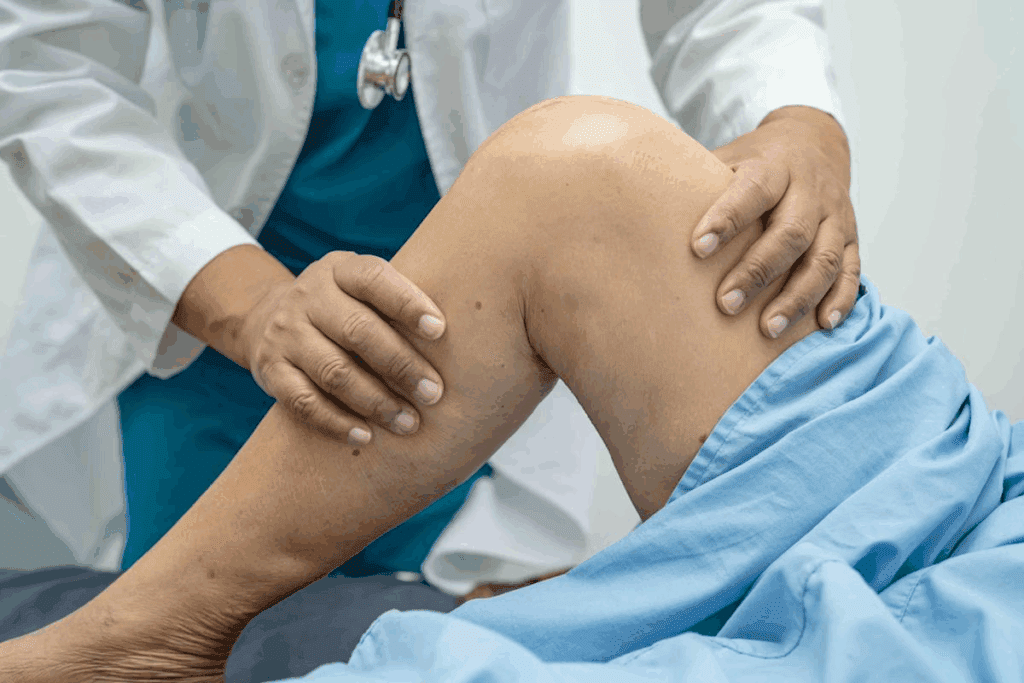
The Global Burden of Disease 2021 study shows knee osteoarthritis is a big health issue worldwide. It’s getting worse, affecting more people globally. Identify knee arthritis and calf pain symptoms and early warning signs.
Knowing the osteoarthritis symptoms is key to catching it early and treating it well. Learning about arthritis in knee helps improve life for those dealing with it.
Spotting the signs of knee osteoarthritis symptoms is important for quick medical help. This way, people can manage their condition and stay independent.
Key Takeaways
- Osteoarthritis is a growing global health concern.
- Understanding osteoarthritis symptoms is vital for early diagnosis.
- Awareness of knee osteoarthritis symptoms can improve quality of life.
- Early identification of symptoms can lead to timely medical interventions.
- Effective management of knee osteoarthritis is key for staying independent.
It’s key to understand knee arthritis to manage its symptoms and improve life quality. Knee arthritis is a condition characterized by inflammation and degeneration of the knee joint. It affects millions globally.
Knee arthritis is a condition characterized by inflammation and degeneration of the knee joint.
Knee arthritis, or osteoarthritis of the knee, is a disease that wears down the cartilage in the knee. This causes pain, stiffness, and less mobility.
The term “osteoarthritis” means it affects the bone (osteo) and joint (arthritis). It’s a major cause of disability in older adults.
Prevalence and Impact
The Global Burden of Disease 2021 study found 374.74 million cases of knee osteoarthritis worldwide in 2021. This shows how big of a health issue knee arthritis is.
Knee arthritis not only hurts the person but also affects healthcare and economies. It makes it hard to do daily tasks, lowering quality of life.
- Increased healthcare costs due to treatment and management
- Loss of productivity and income
- Impact on mental health due to chronic pain and reduced mobility
How Knee Joints Function
The knee joint connects the thigh bone (femur) to the shin bone (tibia). It’s made for bearing weight and moving.
Knee arthritis is a condition characterized by inflammation and degeneration of the knee joint.
- Cartilage that covers the bones for smooth movement
- Ligaments for stability
- Muscles for movement and support
Knee arthritis is a condition characterized by inflammation and degeneration of the knee joint.
Knee arthritis is a condition characterized by inflammation and degeneration of the knee joint.
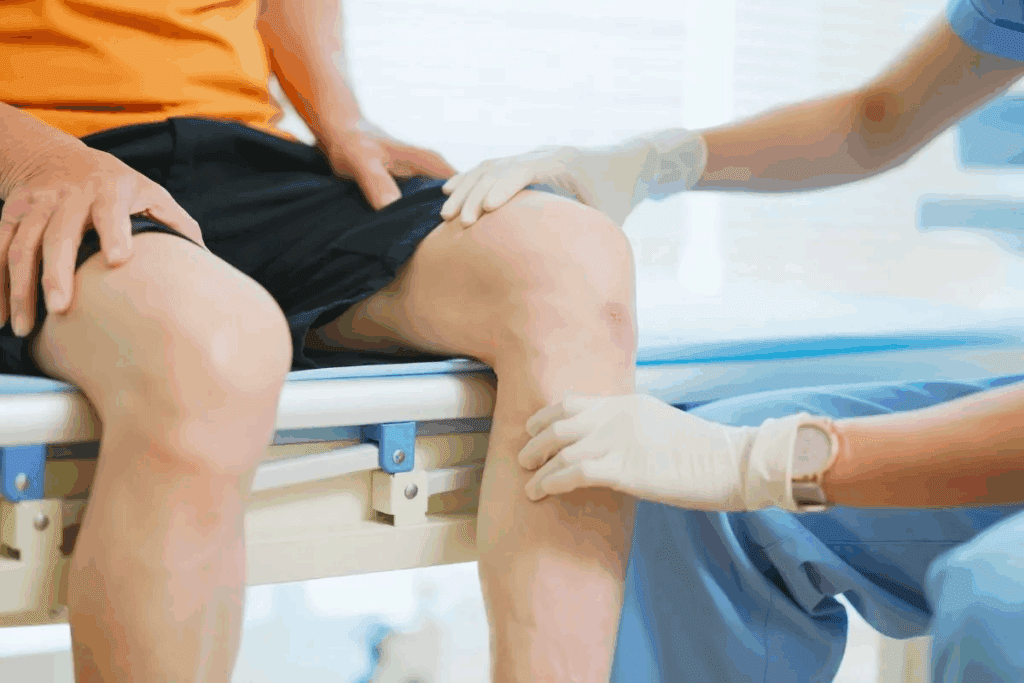
Knee arthritis isn’t just one thing; it’s several types. These include osteoarthritis, rheumatoid arthritis, and post-traumatic arthritis. Each type affects the knee in different ways.
Osteoarthritis
Osteoarthritis is the most common knee arthritis. It happens when cartilage and bone wear down. This leads to pain, stiffness, and less mobility.
Age, wear and tear, and genetics play big roles in osteoarthritis. Managing it well is key to living with it.
Rheumatoid Arthritis
Rheumatoid arthritis is an autoimmune disease. It causes inflammation in the joints, like the knees. This can lead to severe pain, swelling, and even joint deformity if not treated.
- Chronic inflammation
- Joint pain and swelling
- Potential for joint deformity
Post-traumatic Arthritis
Post-traumatic arthritis happens after a knee injury. This could be a fracture or a torn ligament. The injury speeds up wear and tear, causing arthritis.
Preventing injuries and treating them right is key to avoiding post-traumatic arthritis.
Knee arthritis is a condition characterized by inflammation and degeneration of the knee joint.
There are other types of arthritis that can affect the knee, like gout and psoriatic arthritis. Each needs its own diagnosis and treatment plan.
Knee arthritis is a condition characterized by inflammation and degeneration of the knee joint.
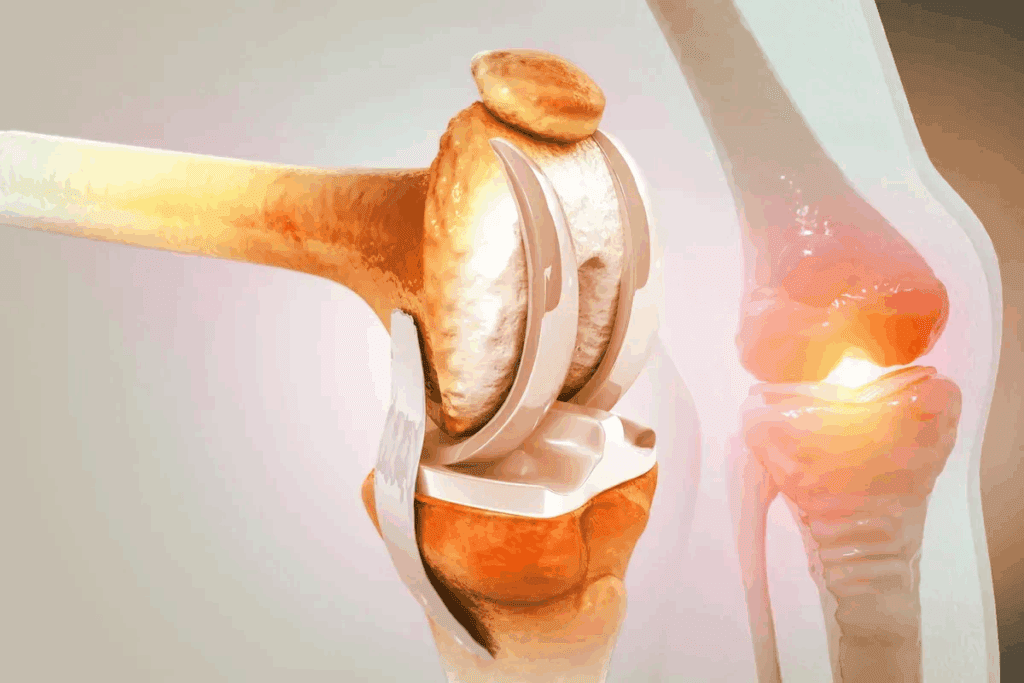
Knee arthritis is a condition characterized by inflammation and degeneration of the knee joint.
Pain and Discomfort
Knee arthritis is a condition characterized by inflammation and degeneration of the knee joint.
- Pain that gets worse with activity
- Pain that feels better with rest, but can hurt even when not moving in later stages
- Pain that gets worse with weather changes
Stiffness and Reduced Mobility
Stiffness, mainly after sitting or sleeping, is a key sign of knee arthritis. This stiffness makes it hard to move around, making daily tasks tough.
Swelling and Inflammation
Swelling and inflammation happen because of the body’s reaction to joint damage. This swelling can make pain worse and limit movement even more.
| Symptom | Description |
| Swelling | Caused by fluid buildup in the joint |
| Inflammation | Resulting from the body’s response to joint damage |
Crepitus (Cracking or Popping)
Crepitus, or the feeling of grinding or cracking, happens when cartilage wears down. This leads to bone rubbing against bone. It can be scary and often hurts.
The presence of crepitus means the knee joint is badly damaged.
Knee Arthritis and Calf Pain: The Connection
How Knee Arthritis Affects Surrounding Areas
Referred Pain Patterns
Compensatory Movement Patterns
When to Be Concerned About Calf Pain
Calf pain can be a sign of knee arthritis, but it can also mean something more serious. If the pain is sudden, very bad, or comes with swelling or redness, you should see a doctor right away.
| Symptom | Possible Cause | Action |
| Sudden onset calf pain | Deep vein thrombosis or severe muscle strain | Seek immediate medical attention |
| Calf pain with swelling | Inflammation or fluid retention | Consult a healthcare provider |
| Chronic calf pain | Knee arthritis is a condition characterized by inflammation and degeneration of the knee joint. | Discuss with a healthcare provider for management options |
Early Warning Signs of Knee Arthritis
Knee arthritis is a condition characterized by inflammation and degeneration of the knee joint.
Morning Stiffness
Morning stiffness that lasts more than an hour is a key sign. It makes it hard to move after resting. This symptom is often worse in the morning because of our body’s natural inflammation.
Pain After Activity
Pain after activity is another early sign. Feeling pain in your knee after exercise or other activities might mean arthritis. This pain comes from the joint’s wear and tear.
Changes in Gait
Changes in your gait or walking pattern can also be an early sign. As arthritis gets worse, people might change how they walk to avoid pain. This can put more strain on other parts of the body. If you notice big changes, see a doctor.
Difficulty with Stairs
Having trouble with stairs is common in knee arthritis. The pain and stiffness make climbing or going down stairs hard. This shows how arthritis affects knee function.
Being aware of these signs can help you get medical help early. This might slow down arthritis and improve your life quality.
Knee arthritis is a condition characterized by inflammation and degeneration of the knee joint.
Joint Deformity
Knee arthritis is a condition characterized by inflammation and degeneration of the knee joint.
Bone-on-Bone Sensations
When cartilage wears away, bone-on-bone sensations occur. This is when bones rub against each other, causing pain. It can feel like grinding or crunching in the knee.
Persistent Pain at Rest
Persistent pain at rest is a hallmark of advanced knee arthritis. Unlike earlier stages, this pain is constant, even when not active. Managing this pain often requires medication and lifestyle changes.
Instability and Buckling
Instability and buckling are symptoms of advanced knee arthritis. The joint loses stability, making the knee feel like it’s giving way. This can lead to falls and injuries.
The table below outlines the advanced symptoms of knee arthritis and their effects on patients:
| Symptom | Description | Impact on Patient |
| Joint Deformity | Visible change in knee shape due to cartilage and bone damage | Affects gait and mobility |
| Bone-on-Bone Sensations | Pain and grinding sensation due to bones rubbing against each other | Causes significant pain and discomfort |
| Persistent Pain at Rest | Pain experienced even when not active | Challenging to manage, affects daily life |
| Instability and Buckling | Feeling of knee giving way due to joint damage | Increases risk of falls and further injury |
It’s vital for both patients and healthcare providers to understand these symptoms. Recognizing them can lead to better management and improved quality of life.
How Symptoms Vary Between Different Types of Arthritis
Arthritis symptoms can change a lot depending on the type. Knowing these differences helps doctors diagnose and treat better. We’ll look at how different arthritis types show symptoms in their own ways.
Osteoarthritis Symptom Patterns
Osteoarthritis (OA) is the most common arthritis. It happens when cartilage in joints breaks down. People with OA often feel pain and stiffness in their joints, more after resting or being inactive.
As OA gets worse, moving around becomes harder and hurts more.
Common symptoms of OA include:
- Joint pain that gets worse with activity
- Stiffness, mainly in the morning or after resting
- Less ability to move joints
- Crepitus (a grinding or crunching feeling in the joint)
Rheumatoid Arthritis Symptom Patterns
Rheumatoid arthritis (RA) is an autoimmune disease that causes joint inflammation. RA symptoms can affect more than just joints, including fatigue, fever, and loss of appetite. It often hits multiple joints at once and can cause deformity if not treated.
Common symptoms of RA include:
- Symmetrical joint pain and swelling
- Morning stiffness that lasts for hours
- Fatigue and feeling unwell
- Loss of joint function and deformity over time
| Symptom | Osteoarthritis (OA) | Rheumatoid Arthritis (RA) |
| Primary Joint Involvement | Weight-bearing joints (knees, hips, spine) | Multiple joints, often symmetrically (hands, feet, wrists) |
| Nature of Pain | Pain with activity, relieved by rest | Pain at rest, stiffness, mainly in the morning |
| Systemic Symptoms | Rare | Common (fatigue, fever, loss of appetite) |
Other Arthritic Conditions
Other types of arthritis, like psoriatic arthritis and gout, have their own symptoms. Psoriatic arthritis combines joint pain with skin psoriasis. Gout causes sudden, severe pain, redness, and tenderness in one or more joints, often at the big toe base.
Key features of other arthritic conditions:
- Psoriatic Arthritis: Joint symptoms with skin psoriasis
- Gout: Sudden, severe joint pain, often at the big toe base
Knee arthritis is a condition characterized by inflammation and degeneration of the knee joint.
Physical Examination
First, we do a detailed physical check. We check how well the knee moves and if it hurts. We also look for swelling, redness, or warmth, which can mean inflammation.
We might do special tests to see if the knee joint is okay. These tests help us find out what’s causing the pain and guide further tests.
Imaging Tests
Imaging tests are very important for diagnosing knee arthritis. X-rays are often the first choice. They show if the joint space is narrowing, if there are bone spurs, and other signs of osteoarthritis.
At times, we might suggest MRI (Magnetic Resonance Imaging) or CT (Computed Tomography) scans. These give us detailed pictures of the knee and soft tissues. They help us see how much damage there is and if there are other problems.
Laboratory Tests
We use lab tests to help confirm knee arthritis and rule out other possible causes. Blood tests might check for inflammation markers like C-reactive protein (CRP) or erythrocyte sedimentation rate (ESR). These are high in some types of arthritis.
We might also look at synovial fluid from the knee. This helps diagnose conditions like rheumatoid arthritis or gout.
Differential Diagnosis
Differential diagnosis means figuring out if knee arthritis is the real cause of symptoms. We look at many possible reasons, like meniscal tears, ligament injuries, and other arthritis types.
By combining what we learn from physical exams, imaging, and lab tests, we can accurately diagnose knee arthritis. Then, we can create a treatment plan that fits the person’s needs.
Risk Factors for Developing Knee Arthritis
Age and Gender
Age is a big risk factor for knee arthritis, with older adults more likely to get it. As we get older, our cartilage wears down, raising the risk of osteoarthritis. Women are also more likely to get certain types of arthritis, like osteoarthritis and rheumatoid arthritis.
Weight and Lifestyle
Being overweight or obese greatly increases the risk of knee arthritis. This is because extra weight puts more stress on the knee joints. Lifestyle choices, like how active you are and what you eat, also play a part. A less active lifestyle can lead to weight gain and muscle weakness, raising the risk even more.
Previous Injuries
Knee injuries, like fractures or sprains, can raise the risk of post-traumatic arthritis. The damage to the joint can cause degenerative changes over time, even with proper treatment.
Occupational Factors
Jobs that involve a lot of kneeling, squatting, or heavy lifting can increase the risk of knee arthritis. These jobs can wear down the joints faster because of the repetitive stress.
Knowing these risk factors helps us take steps to prevent knee arthritis. It also encourages us to seek medical help early if symptoms appear. By understanding what causes knee arthritis, we can manage and possibly lower the risk of getting it.
Non-Surgical Treatment Options
For those with knee arthritis, non-surgical treatments are a good alternative to surgery. We know that treating knee arthritis needs a full plan. Non-surgical options are key in this plan.
Medications for Pain and Inflammation
Medicines are often the first choice for knee arthritis. Nonsteroidal anti-inflammatory drugs (NSAIDs) help reduce pain and swelling. We might also suggest corticosteroids for quick relief during bad times.
| Medication Type | Purpose | Examples |
| NSAIDs | Reduce pain and inflammation | Ibuprofen, Naproxen |
| Corticosteroids | Short-term relief during flare-ups | Prednisone |
Physical Therapy Approaches
Physical therapy is a big part of non-surgical treatment for knee arthritis. A physical therapist can make joints move better, strengthen muscles, and improve function. We suggest exercises that are easy on the joints.
Injections and Viscosupplementation
Injections can target relief for knee arthritis. Hyaluronic acid injections, or viscosupplementation, add back natural lubrication in the knee. This reduces pain and boosts movement. Corticosteroid injections also cut down inflammation.
Bracing and Supports
Exploring these non-surgical options can help people with knee arthritis manage their symptoms. It can also improve their life quality.
Surgical Interventions for Severe Knee Arthritis
For those with severe knee arthritis, surgery can greatly reduce pain and improve function. If other treatments don’t work, surgery can help restore a better quality of life.
Arthroscopy
Arthroscopy is a small, minimally invasive surgery. It uses a camera and tools through small cuts to look at and fix knee problems. This can remove damaged cartilage or bone that causes pain and stiffness. Though it’s less invasive than open surgery, its relief for arthritis is temporary.
Osteotomy
Knee arthritis is a condition characterized by inflammation and degeneration of the knee joint.
Knee arthritis is a condition characterized by inflammation and degeneration of the knee joint.
Partial knee replacement only replaces the damaged part of the knee. This keeps healthy bone and tissue, making the knee feel more natural after surgery. It’s for patients with arthritis in just one part of the knee.
Knee arthritis is a condition characterized by inflammation and degeneration of the knee joint.
Total knee replacement replaces the whole knee joint with artificial parts. This is the most common surgery for severe knee arthritis, bringing significant pain relief and better function. It’s usually for older patients or those with widespread damage.
Each surgery has its own benefits and risks. The right choice depends on the arthritis’s extent, patient’s age, activity level, and health. Talking to an orthopedic specialist is key to finding the best surgery.
Living with Knee Arthritis: Daily Management
Managing knee arthritis daily means making changes in how you move, managing pain, and using tools to help. These steps can greatly improve your life and keep you independent.
Activity Modifications
Changing how you do things is key to managing knee arthritis. Stay away from activities that hurt your joints, like running or jumping. Instead, choose low-impact exercises like cycling or swimming to keep your joints moving without harm.
Also, pace yourself and take breaks to avoid getting too tired. Using tools that fit your body and adjusting your workspace can help ease the strain on your knees.
Assistive Devices
Tools like canes, walkers, and orthotics are very helpful for knee arthritis. They help take pressure off your knee, improve how you move, and lessen pain. For example, using a cane on the opposite side of your bad knee can help spread out your weight and ease pain.
Other tools, like grab bars, non-slip mats, and raised toilet seats, make it safer and easier to do daily tasks, like getting up from the toilet.
Pain Management Strategies
Managing pain is a big part of living with knee arthritis. You might use medicines like NSAIDs or acetaminophen to help with pain and swelling.
There are also non-medical ways to manage pain, like using heat or cold packs, trying relaxation techniques like meditation, or doing physical therapy to improve your joint’s strength and mobility.
Home Environment Adaptations
Making your home safer and easier to move around in can really help with knee arthritis. Simple changes like removing things that could trip you up, making the place brighter, and adding handrails can make a big difference.
Changing your living space to avoid climbing stairs or bending can also help. For example, setting up a cozy spot to rest on the main floor can make it easier to avoid going up and down stairs.
| Strategy | Description | Benefit |
| Activity Modification | Avoid high-impact activities, opt for low-impact exercises | Reduces joint pain and damage |
| Assistive Devices | Use canes, walkers, orthotics | Improves mobility, reduces pain |
| Pain Management | Medications, heat/cold therapy, relaxation techniques | Manages pain and inflammation |
| Home Adaptations | Remove tripping hazards, improve lighting, install handrails | Enhances safety and accessibility |
Diet and Supplements for Knee Arthritis
Diet and supplements play a big role in managing knee arthritis. They help keep joints healthy. To fight knee arthritis, you need more than just medicine. You also need to change your diet and use supplements.
Anti-inflammatory Foods
Eating foods that fight inflammation can help with knee arthritis. Omega-3 fatty acids in fish like salmon and sardines are great. Antioxidants in fruits and veggies, like berries and spinach, also help.
Key Anti-inflammatory Foods:
- Fatty fish (salmon, sardines)
- Fruits (berries, cherries)
- Leafy greens (spinach, kale)
- Nuts and seeds (walnuts, chia seeds)
Supplements for Joint Health
Some supplements can help with joint health and knee arthritis. Glucosamine and chondroitin may keep cartilage healthy and reduce pain. Omega-3 supplements are good for those who don’t eat enough fish.
Always talk to a doctor before taking new supplements.
Weight Management
Keeping a healthy weight is key for knee arthritis. Too much weight can make knee pain worse. Eating right and exercising can help you stay at a healthy weight.
Tips for Effective Weight Management:
- Eat a balanced diet with lots of fruits, veggies, and whole grains.
- Do regular low-impact exercises like swimming or cycling.
- Check your weight often and adjust your diet and exercise as needed.
Exercise Recommendations for Arthritic Knees
Knee arthritis is a condition characterized by inflammation and degeneration of the knee joint.
Low-Impact Activities
Low-impact activities are best for knee arthritis. They put less stress on the joints. Examples include:
- Swimming and water aerobics, which are great for the heart without high-impact stress.
- Cycling, either on a stationary bike or a gentle outdoor route, to improve cardiovascular fitness and strengthen leg muscles.
- Elliptical trainer workouts, a low-impact way to enhance cardiovascular fitness.
“As noted by the Arthritis Foundation, ‘Low-impact exercises like swimming and cycling can significantly improve joint health without exacerbating the condition.'”
Strengthening Exercises
Strengthening the muscles around the knee is vital. It supports and stabilizes the joint. Key exercises include:
- Straight leg raises to strengthen the quadriceps without putting excessive strain on the knee joint.
- Wall squats to build strength in the legs and improve balance.
- Leg press exercises using resistance bands or light weights to strengthen the quadriceps, hamstrings, and gluteals.
Start with low resistance and gradually increase as strength improves.
Flexibility and Range of Motion
Maintaining flexibility and range of motion is key. It prevents stiffness and improves joint mobility. Recommended exercises include:
- Gentle knee bends to improve flexibility and range of motion.
- Straight leg swings to loosen the knee joint.
- Hamstring and quadriceps stretches to enhance flexibility.
Regular stretching can significantly improve knee function and reduce pain.
Exercise Precautions
While exercise is beneficial, precautions are needed. Avoid high-impact activities that can put excessive stress on the knee joint. Wear appropriate footwear to reduce impact and improve stability. Use assistive devices if necessary to reduce strain during exercise.
By following these guidelines, you can manage knee arthritis effectively. This improves your overall quality of life.
Conclusion
Understanding and managing knee arthritis is key to a better life for those affected. We’ve looked at its symptoms, diagnosis, and treatment options in this article.
Early diagnosis and the right management can really help. This includes non-surgical and surgical treatments. These steps can ease symptoms and slow the disease.
Managing knee arthritis well means making lifestyle changes and using physical therapy. Working with healthcare professionals helps create a plan that fits your needs. This improves your overall health.
Raising awareness about knee arthritis helps people take charge of their health. With the right care, it’s possible to live an active and healthy life despite the condition.
FAQ
What are the primary symptoms of knee arthritis?
Knee arthritis symptoms include pain, stiffness, swelling, and sounds like cracking or popping. These can make daily activities hard and affect your life quality.
How do the symptoms of osteoarthritis and rheumatoid arthritis differ?
Osteoarthritis usually causes pain and stiffness in one area, often after rest. Rheumatoid arthritis, by contrast, can cause pain all over and may include fever and fatigue.
What are the advanced symptoms of knee arthritis?
Advanced symptoms include joint deformity and bone-on-bone sensations. You might also feel pain even when resting and have trouble with stability. These symptoms can really affect your life and might need stronger treatments.
Knee arthritis is a condition characterized by inflammation and degeneration of the knee joint.
Doctors diagnose knee arthritis with a physical exam, X-rays, and lab tests. They look at your symptoms, medical history, and do a physical exam to figure out if you have arthritis and what type.
What are the risk factors for developing knee arthritis?
Risk factors include age, gender, weight, lifestyle, past injuries, and job-related factors. Knowing these can help prevent and manage knee arthritis early.
What non-surgical treatment options are available for knee arthritis?
Non-surgical treatments include pain and inflammation meds, physical therapy, injections, bracing, and lifestyle changes. These aim to ease symptoms and improve your life quality.
When is surgery considered for knee arthritis?
Surgery is an option for severe arthritis that doesn’t get better with non-surgical treatments. Options include arthroscopy, osteotomy, partial or total knee replacement, based on the arthritis’s extent and type.
How can diet and supplements help manage knee arthritis?
Eating anti-inflammatory foods, taking supplements like glucosamine and chondroitin, and keeping a healthy weight can help manage symptoms. These can work alongside other treatments.
What types of exercises are beneficial for individuals with knee arthritis?
Low-impact, strengthening, and flexibility exercises are good for knee arthritis. It’s important to pick exercises that don’t make the condition worse.
How can daily activities be modified to manage knee arthritis?
Modifying daily activities, using assistive devices, managing pain, and making home adjustments can help people with knee arthritis stay independent and maintain a good quality of life.
References
- Hunter, D. J., & Bierma-Zeinstra, S. (2019). Osteoarthritis. The Lancet, *393*(10182), 1745–1759. https://www.ncbi.nlm.nih.gov/pmc/articles/PMC6499993/



 Departments
 Related Videos
 Our Doctors
 News
News