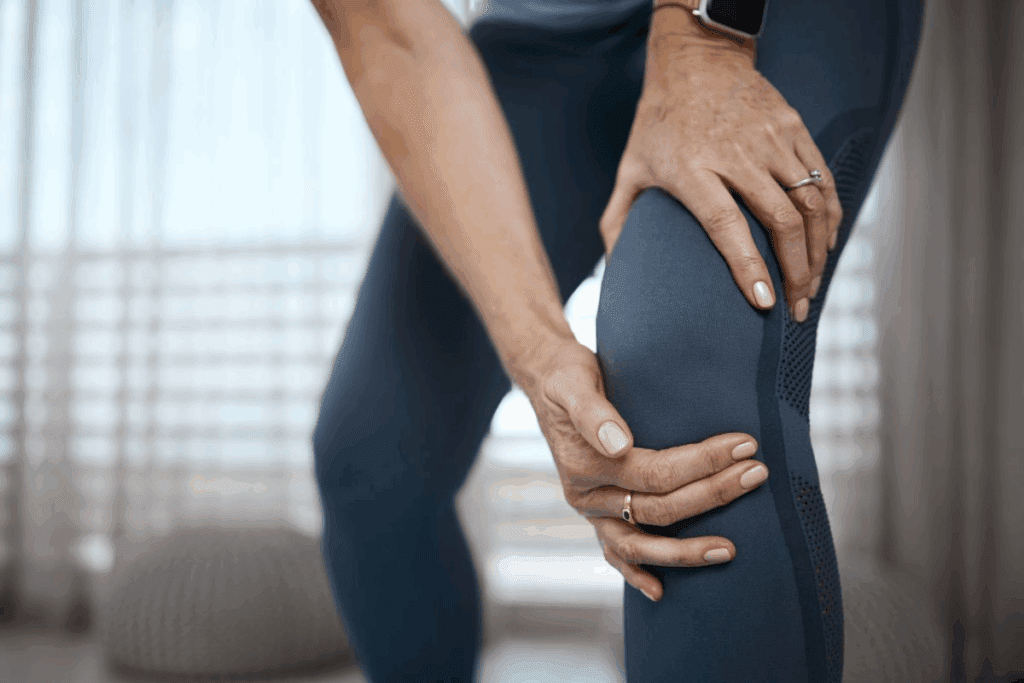
Osteoarthritis affects millions worldwide, causing significant disability and impacting the quality of life. A startling 27 million adults in the United States alone are diagnosed with osteoarthritis, with the knee being one of the most commonly affected areas. When managing knee osteoarthritis, it is crucial to know about knee arthritis exercises to avoid, as some movements can worsen pain and joint damage. High-impact exercises such as deep squats, lunges, running on hard surfaces, jumping exercises, leg press machines, stair climbing, and full-range leg extensions can place excessive strain on arthritic knees, exacerbating inflammation and discomfort. Instead, low-impact activities like swimming, cycling, walking on soft surfaces, and gentle partial squats are recommended to maintain strength and flexibility without overloading the joints. Avoiding these harmful exercises helps protect knee health and improves quality of life for those with osteoarthritis.
Managing osteoarthritis effectively is key, and exercise plays a vital role in this management. But not all exercises are good for those with osteoarthritis. In fact, some exercises can make the condition worse, leading to more pain and damage.
Key Takeaways
- Understanding osteoarthritis and its impact on the knee.
- Recognizing the importance of appropriate exercise in managing osteoarthritis.
- Identifying harmful exercises that can worsen osteoarthritis.
- Exploring alternative osteoarthritis pain treatments.
- Learning how to exercise safely with osteoarthritis.
Understanding Osteoarthritis: A Brief Overview
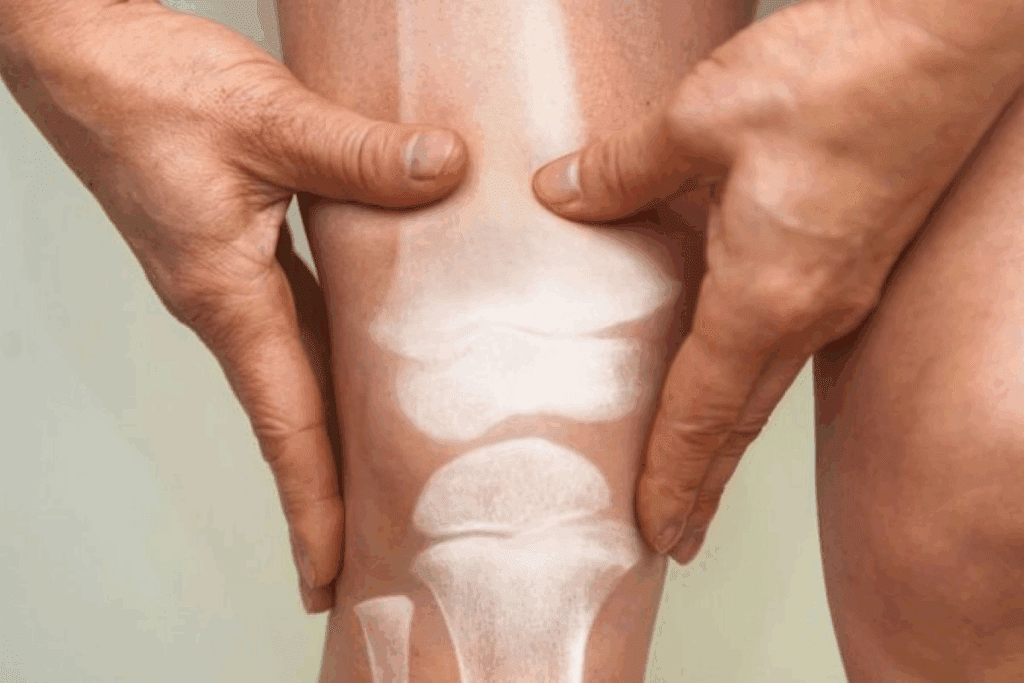
Osteoarthritis is a common condition where joint cartilage and bone break down. It’s a degenerative disease that can affect any joint. But, some joints are more likely to be affected than others.
What Happens in Osteoarthritis?
In osteoarthritis, the cartilage that cushions joints wears away. This leads to bone rubbing against bone. This causes pain, stiffness, and less mobility. The main changes in OA include damage to cartilage and bone, as well as changes in the surrounding tissues.
Common Joints Affected by Osteoarthritis
Osteoarthritis often hits weight-bearing joints like the knees and hips. The Arthritis Foundation says knee osteoarthritis affects about 10% of men and 13% of women over 60. Other common areas include the hands, spine, and feet.
- Knees: Weight-bearing activities make knee osteoarthritis worse.
- Hips: Hip osteoarthritis can cause big mobility problems.
- Hands: Osteoarthritis in the hands can hurt dexterity and grip strength.
Distinguishing Osteoarthritis from Osteoporosis
Osteoarthritis and osteoporosis are two different conditions. Osteoarthritis is about joint cartilage degeneration. Osteoporosis is about bone density loss, making bones breakable.
“Osteoporosis is a silent disease until a bone is broken, whereas osteoarthritis announces its presence through pain and stiffness.”
Knowing the difference is key for proper treatment and management.
The Impact of Osteoarthritis on Daily Life
Osteoarthritis affects more than just the joints. It changes how we live our daily lives. Knowing how it impacts us is key to managing it well.
Physical Limitations and Mobility Challenges
Osteoarthritis makes simple tasks hard. Walking, climbing stairs, or even getting dressed can hurt. As it gets worse, moving around becomes harder, leading to less activity.
Psychological Effects of Chronic Pain
Chronic pain from osteoarthritis affects our minds too. It can cause frustration, anxiety, and depression. It’s vital to tackle these mental effects as part of treating osteoarthritis.
Living with chronic pain can hurt our relationships and work. It’s important to get help from doctors, support groups, or counselors.
Understanding Crepitus and Joint Sounds
Crepitus, or the grinding in joints, is a common symptom. It happens when cartilage wears down and bone spurs form. Knowing about crepitus helps manage osteoarthritis better.
Even though crepitus can be scary, it’s manageable. With the right exercises, lifestyle changes, and treatments, we can lessen its discomfort.
Knee Arthritis Exercises to Avoid
Exercising with knee arthritis needs careful thought to avoid making it worse. Some exercises can stress the knee too much, making arthritis symptoms worse. Knowing which activities to skip is key to managing knee arthritis well.
High-Impact Activities That Damage Joints
High-impact activities like running or jumping can really stress the knee. These activities can damage the knee more and make it hurt more for people with knee arthritis.
- Running
- Jumping rope
- High-impact aerobics
It’s best to avoid or change these activities to lessen the impact on the knee.
Deep Squats and Lunges: Why They’re Problematic
Deep squats and lunges are tough for people with knee arthritis. These moves can strain the knee too much, leading to more pain and damage.
To not make knee arthritis worse, it’s wise to:
- Make squats and lunges shallower
- Avoid heavy weights
- Choose exercises that are easier on the knees
Repetitive Jumping Movements and Their Effects
Repetitive jumping, found in sports and workouts, can harm knee health. For those with knee arthritis, these movements can make joint damage worse and increase pain.
Examples of exercises to avoid include:
- Box jumps
- Plyometric exercises
- Jump squats
Weight Machine Exercises That Stress Knees
Some weight machine exercises, like those with heavy weights or deep knee bends, can stress the knee. It’s important to be careful with weight machines to avoid extra strain on the knees.
When using weight machines, think about:
- Leg press machines with heavy weights
- Leg extension machines that involve deep knee bending
Changing the weight or the exercise can help reduce knee stress.
Hip Osteoarthritis Exercises to Avoid
Knowing which exercises to skip is vital for managing hip osteoarthritis. Some activities can make the condition worse, leading to more pain and less mobility.
Excessive Hip Rotation Movements
Too much hip rotation can stress the joint, making osteoarthritis symptoms worse. Avoid or be careful with activities that involve deep hip rotations, like some dance styles or golf swings.
Examples of high-risk movements include:
- Deep hip rotations in dance or golf
- High-impact twisting sports
High-Impact Aerobics and Running
High-impact aerobics and running are bad for hip osteoarthritis. They put a lot of stress and impact on the hip joint, speeding up wear and tear.
Alternatives to high-impact activities include:
- Swimming or water aerobics
- Cycling or using a stationary bike
Improper Stretching Techniques
Wrong stretching can also make hip osteoarthritis worse. Forcing the hip too far or using bouncy stretches can be harmful.
Safe stretching practices involve:
- Gentle, static stretches
- Avoiding bouncing or jerking movements
| Exercise Type | Potential Risk | Recommended Alternative |
| Excessive Hip Rotation | Increased joint stress | Gentle stretching, low-impact aerobics |
| High-Impact Aerobics/Running | Accelerated joint wear | Swimming, cycling |
| Improper Stretching | Joint strain | Static stretches, yoga |
By avoiding these exercises and choosing safer ones, people with hip osteoarthritis can manage their condition better. This helps them stay active and pain-free.
Spinal Osteoarthritis: Activities to Avoid
Managing spinal osteoarthritis means avoiding certain actions that can make it worse. As the U.S. population ages, more people will face this condition. Knowing how to manage it is key.
Heavy Lifting Techniques That Harm Your Back
Heavy lifting can make spinal osteoarthritis worse. It puts extra stress on the spine if done incorrectly. Lifting with your back instead of your legs is a big no-no.
To lift safely, bend at the knees and keep the object close. This spreads out the weight and eases the strain on your spine.
Extreme Spinal Twisting Movements
Extreme twisting can harm spinal osteoarthritis. It adds stress to the joints, causing pain. Avoid activities that involve repetitive twisting or bending, like some golf swings.
Try gentle stretching exercises instead. They help keep your spine flexible without causing harm.
Poor Posture Habits That Worsen Symptoms
Poor posture can worsen spinal osteoarthritis symptoms. Slouching strains the spine, leading to more pain. Keeping a good posture is essential.
Use ergonomic furniture and stretch often. Being mindful of your posture can also help ease discomfort.
Foot and Ankle Osteoarthritis: What Not to Do
For those with foot and ankle osteoarthritis, knowing what to avoid is key. This condition can really affect how you move and feel. Daily habits and activities can make it worse, so it’s important to change them.
Improper Footwear Choices
Choosing the right shoes is very important for managing foot and ankle osteoarthritis. Shoes without good arch support or cushioning can hurt your joints. High heels are bad because they change how you walk and put more pressure on your joints.
Look for shoes with arch support, cushioning, and a comfy fit. Avoid tight or loose shoes to reduce pain and prevent more damage.
High-Impact Foot Activities
High-impact activities like running or jumping can make foot and ankle osteoarthritis worse. These activities put too much stress on your joints, causing pain and swelling. Low-impact activities like swimming or cycling are better for staying fit without hurting your joints.
If you like walking or hiking, wear supportive shoes and take breaks. Also, do exercises that strengthen your foot and ankle muscles. This will help support your joints.
Neglecting Proper Foot Support
Not giving your foot the right support can make osteoarthritis worse. Using orthotics or shoe inserts can spread out the pressure better. Regular visits to a podiatrist or orthopedic specialist can also help keep your foot aligned and supported.
In some cases, custom orthotics are needed to fix foot mechanics problems. They are very helpful for people with severe osteoarthritis or those who haven’t found relief with regular support.
By choosing the right shoes, avoiding high-impact activities, and getting the right foot support, you can manage your osteoarthritis better. This way, you can stay more active and enjoy your life more.
Common Mistakes in Managing Osteoarthritis Pain
Managing osteoarthritis pain often involves common mistakes. These mistakes can make the condition worse. A good approach balances lifestyle changes, medication, and alternative therapies.
Overreliance on Pain Medication
One big mistake is overreliance on pain medication. Medication can help for a while, but it doesn’t fix the real problem. For example, new generic dimethyl fumarate capsules have cut costs a lot, saving over $938 million.
But, using only medication can cause side effects and make you dependent on it. It’s important to try other ways to manage pain, like physical therapy and lifestyle changes.
Ignoring Early Symptoms and Warning Signs
Another mistake is ignoring early symptoms and warning signs. Osteoarthritis starts with small symptoms that can get worse if not treated early. Catching it early can greatly improve life for those with osteoarthritis.
Seeing the early signs, like joint pain and stiffness, and getting medical help is key. It helps in making a treatment plan on time.
Inconsistent Treatment Approaches
Inconsistent treatment approaches also hinder managing osteoarthritis pain. It’s important to follow a treatment plan and make changes only when a doctor says so.
Staying consistent with treatment and making adjustments as needed can lead to better pain management. It also improves overall health and well-being.
Lifestyle Factors That Worsen Osteoarthritis
Lifestyle choices can make osteoarthritis worse. This condition breaks down cartilage and bone in joints. Knowing what daily habits to change is key to feeling better.
Weight Management Issues and Joint Stress
Carrying extra weight is bad for joints like knees and hips. It speeds up cartilage wear, making symptoms worse. Eating right and exercising can help keep weight off.
Effective weight management means eating well and staying active. It’s not just about losing weight. It’s about keeping a healthy BMI to ease joint stress.
Sedentary Behavior: The Silent Aggravator
Sitting too much can make osteoarthritis symptoms worse. It causes stiffness and less mobility. Moving regularly keeps joints flexible and healthy.
Incorporating physical activity into daily life helps. Activities like walking or swimming can fight the effects of sitting too much. Finding a balance between moving and resting is important.
Poor Dietary Choices That Increase Inflammation
What you eat affects osteoarthritis. Eating too much processed food, sugar, and unhealthy fats increases inflammation. Eating fruits, veggies, whole grains, and lean proteins can help.
Anti-inflammatory diets are good for osteoarthritis. Foods like fatty fish, nuts, and olive oil can help manage symptoms.
Changing lifestyle habits can help manage osteoarthritis symptoms. It’s about making choices that support joint health and overall well-being.
Exercise Modifications for Osteoarthritis Patients
Exercise changes are key for osteoarthritis patients to avoid more joint harm and ease pain. By tweaking their workouts, people can keep moving and stay independent while managing their condition.
Low-Impact Alternatives for Cardio Fitness
High-impact exercises can make joint pain and damage worse for osteoarthritis patients. Low-impact options are safer for heart health. Examples include:
- Brisk walking
- Swimming or water aerobics
- Cycling on a stationary bike
- Using an elliptical trainer
These activities are easier on the joints but keep the heart rate up. It’s important to pick activities that are fun and easy to stick with.
Proper Form and Technique for Joint Protection
Using the right form and technique is key to protecting joints and avoiding injuries. This means:
- Maintaining correct posture
- Avoiding overexertion
- Doing exercises within a safe range of motion
- Using supportive gear when needed
Good technique not only lowers injury risk but also makes exercises more effective. Getting advice from a healthcare pro or fitness expert can help a lot.
Strength Training Adaptations for Safety
Strength training is important for keeping muscle mass and supporting joints with osteoarthritis. Safety adaptations include:
| Exercise | Modification | Benefit |
| Squats | Half squats or chair squats | Reduces stress on knee joints |
| Lunges | Shorter stride or avoiding deep lunges | Minimizes strain on hips and knees |
| Leg Press | Adjusting the seat and footplate | Customizes the exercise to individual comfort |
By making these changes, osteoarthritis patients can build muscle while protecting their joints.
Aging and Osteoarthritis: Special Considerations
The U.S. population is expected to have 20% of its citizens over 65 by 2030. This makes age-related osteoarthritis a big health issue. As people get older, they are more likely to get osteoarthritis. This is because of wear and tear on joints, less muscle, and changes in joint health.
Changes in Joint Health with Age
As people get older, their joints change a lot. This makes older adults more likely to get osteoarthritis. Some of these changes include:
- Decreased cartilage quality and quantity
- Reduced synovial fluid, leading to less joint lubrication
- Increased stiffness due to changes in collagen
- Potential for bone spurs and cysts to form
Experts say, “The aging joint undergoes a series of changes that can predispose it to osteoarthritis, including loss of cartilage, changes in subchondral bone, and decreased synovial fluid production.”
“The aging joint is more susceptible to injury and degeneration, making it essential to adopt preventive measures and manage osteoarthritis effectively.”
Adapting Activities for Older Adults
It’s important for older adults to adapt their physical activities. They should do low-impact exercises that help with flexibility and strength. These exercises should not strain the joints too much. Examples include:
| Activity | Benefits |
| Swimming | Low-impact, improves cardiovascular health |
| Cycling | Gentle on joints, improves leg strength |
| Yoga | Improves flexibility, balance, and strength |
Balancing Activity and Rest
For older adults with osteoarthritis, it’s key to balance activity and rest. Too much activity can make symptoms worse. Enough rest lets the joints heal. It’s important to listen to your body and adjust activities as needed.
As the population ages, understanding how aging and osteoarthritis work together is vital. By adapting activities and balancing rest, older adults can live better lives despite osteoarthritis challenges.
Osteoarthritis vs. Rheumatoid Arthritis: Different Approaches
Osteoarthritis (OA) and rheumatoid arthritis (RA) both affect joints but in different ways. OA is a degenerative disease where cartilage breaks down. RA, on the other hand, is an autoimmune disease that causes inflammation and damage to joints.
Key Differences in Disease Mechanisms
Osteoarthritis is mainly caused by wear and tear, aging, and genetics. Rheumatoid arthritis, by contrast, is an autoimmune disease. It leads to inflammation and damage to the joints.
In OA, cartilage breaks down, and bones change. In RA, the immune system attacks the joints, causing inflammation and pain. This can lead to joint deformity and loss of function.
Exercise Considerations for Each Condition
Exercise is key for both OA and RA, but the type varies. For OA, low-impact exercises like swimming and cycling are best. They help keep joints mobile and strengthen muscles without causing harm.
For RA, exercises are tailored to each person’s condition. Gentle exercises like yoga and tai chi improve flexibility and balance. When joints are less inflamed, more intense exercises can be added to improve function and health.
Is Osteoarthritis an Immune Disease?
Osteoarthritis is not an immune disease like RA. But, inflammation does play a role in OA’s progression. Studies show that joint inflammation can lead to cartilage breakdown and pain.
Even though OA’s main causes are mechanical, inflammation is also involved. This has led to research into anti-inflammatory treatments for OA. But, their effectiveness is not always consistent.
Can You Prevent Osteoarthritis?
Osteoarthritis is often linked to aging. But, research shows that lifestyle changes can lower the risk of getting this condition.
Risk Factors You Can Control
Knowing the risk factors for osteoarthritis helps you make better health choices. Key factors include staying at a healthy weight, exercising regularly, and avoiding joint strain.
Maintaining a Healthy Weight: Being overweight adds stress to joints like knees and hips. Eating well and exercising can lower your risk of osteoarthritis.
Preventive Strategies for Joint Protection
Protecting your joints is key to preventing osteoarthritis. Choose low-impact exercises like swimming or cycling. They’re easier on your joints than high-impact activities like running.
Proper Footwear: Wearing the right shoes can also help. They should support and cushion your feet, ankles, and knees.
Early Intervention for Secondary Osteoarthritis
Acting fast is important for secondary osteoarthritis. This type often comes from injuries or other health issues. Treating injuries quickly can stop osteoarthritis from developing.
Rehabilitation Programs: Joining rehab after a joint injury helps recovery. These programs include physical therapy and exercises to improve joint function and strength.
Effective Treatments for Osteoarthritis Pain
Managing osteoarthritis pain requires a variety of strategies. These range from making lifestyle changes to using medical treatments. A good treatment plan often uses several methods together. This helps to reduce pain and improve life quality.
Non-Pharmacological Approaches
Non-pharmacological treatments focus on lifestyle changes and physical therapies. They help manage osteoarthritis pain. These include:
- Exercise and Physical Therapy: Gentle exercises like swimming, cycling, and tai chi help keep joints moving. They also strengthen the muscles around the joints.
- Weight Management: Keeping a healthy weight reduces the pressure on joints. This is important for hips, knees, and spine.
- Assistive Devices: Using canes, walkers, or orthotic devices can lessen the strain on affected joints.
Medication Options and Their Limitations
Medications are key in managing osteoarthritis pain. Common choices include:
- Acetaminophen: Often the first choice for mild to moderate pain.
- NSAIDs: These drugs reduce pain and inflammation but can cause stomach problems.
- Corticosteroid Injections: They provide temporary relief by reducing joint inflammation.
Talking to a healthcare provider about these medications is important. They can explain the benefits and risks.
When to Consider Surgical Interventions
Surgery might be needed if other treatments don’t work well. Options include:
- Joint Replacement Surgery: Replaces the damaged joint with an artificial one. This is common for hips and knees.
- Arthroscopy: A small procedure to remove damaged cartilage or bone fragments.
- Osteotomy: Cuts and realigns the bone to change how weight is distributed.
Heat vs. Cold Therapy: What Works Best
Heat and cold therapies can both help with osteoarthritis pain. The best one depends on personal preference and symptoms.
- Heat Therapy: Relaxes muscles and increases blood flow. It’s good for stiffness and chronic pain.
- Cold Therapy: Reduces inflammation and numbs pain. It’s best for acute injuries or flare-ups.
Trying both can help find the most effective treatment.
By mixing these treatments and getting advice from healthcare professionals, people with osteoarthritis can find a pain management plan that works for them.
Managing Osteoarthritis Flare-Ups
Managing osteoarthritis flare-ups means knowing what triggers them and finding ways to feel better. These flare-ups can really disrupt your day, making your joints hurt more and feel stiff.
Identifying Common Triggers
It’s important to know what causes osteoarthritis flare-ups. Things like too much activity, weather changes, and certain foods can set them off. Knowing your triggers helps you avoid them and feel better.
- Overexertion: Doing too much without resting can lead to a flare-up.
- Weather Changes: Some people find that weather changes make their joints hurt more.
- Dietary Factors: Eating foods high in sugar, salt, or unhealthy fats can make inflammation worse.
Immediate Relief Strategies
When a flare-up happens, there are things you can do right away to feel better. These include:
- Rest and Ice: Resting the joint and using ice can help with pain and swelling.
- Medication: Taking pain relievers or anti-inflammatory drugs can help, but only with a doctor’s advice.
- Gentle Exercises: Doing gentle stretches or low-impact exercises can keep your joints moving without making things worse.
| Relief Strategy | Description | Benefits |
| Rest and Ice | Giving the joint rest and applying ice packs | Reduces pain and inflammation |
| Medication | Using over-the-counter pain relievers or anti-inflammatory drugs | Provides pain relief and reduces inflammation |
| Gentle Exercises | Engaging in gentle stretching or low-impact activities | Maintains joint mobility and strength |
When to Seek Medical Attention
While you can handle many flare-ups on your own, sometimes you need to see a doctor. If the pain is really bad, lasts a long time, or comes with other scary symptoms, get medical help.
Learning how to manage osteoarthritis flare-ups can make them less frequent and less severe. This improves your overall quality of life.
Beneficial Activities for Osteoarthritis Patients
For those with osteoarthritis, the right activities can greatly improve life. It’s important to do exercises that are easy on the joints. This helps keep joints moving and reduces pain.
Water-Based Exercises and Aquatic Therapy
Water-based exercises are great for osteoarthritis patients. Water makes it easier to move without putting too much stress on joints. Aquatic therapy lets patients do exercises that fit their needs in a safe place.
Some benefits of water-based exercises include:
- Reduced joint stress
- Improved flexibility
- Enhanced muscle strength
Gentle Strength Training Approaches
Gentle strength training is also good for osteoarthritis patients. It builds muscle around the joints, which helps support them and lessen pain. Start with light weights and slowly add more as muscles get stronger.
| Exercise | Benefits | Precautions |
| Leg Press | Strengthens leg muscles | Avoid high resistance |
| Arm Curls | Improves arm strength | Use light weights |
Mind-Body Practices: Yoga and Tai Chi Benefits
Mind-body practices like yoga and tai chi are good for osteoarthritis patients. They help improve flexibility, balance, and strength. They also help reduce stress and promote relaxation.
Key benefits of yoga and tai chi include:
- Improved balance and coordination
- Enhanced flexibility
- Reduced stress levels
By adding these activities to their lives, osteoarthritis patients can manage their symptoms better. This improves their overall quality of life.
Conclusion: Living Well with Osteoarthritis
Living with osteoarthritis means making big changes in your life. You need to know what to avoid and what exercises are safe. This way, you can live better and feel better too.
It’s important to do low-impact exercises and keep a healthy weight. Avoid activities that hurt your joints. Try water therapy, gentle strength training, and yoga to feel better.
Find a balance between being active and resting. Keep a healthy weight and protect your joints. This is key as more people look for affordable ways to manage chronic diseases.
By changing your habits, you can lessen pain and move better. This improves your overall health and happiness.
FAQ
What are the most common joints affected by osteoarthritis?
Osteoarthritis often hits joints that bear weight, like knees, hips, and spine. It also affects hands and feet.
How does osteoarthritis differ from osteoporosis?
Osteoarthritis is a joint disease that breaks down cartilage. Osteoporosis weakens bones, making them prone to fractures.
What exercises should be avoided with knee osteoarthritis?
Avoid high-impact activities, deep squats, lunges, and jumping. These can make knee osteoarthritis worse.
Can osteoarthritis be prevented?
Some risk factors for osteoarthritis can’t be changed. But, staying active and avoiding joint stress can help prevent it.
What are the benefits of water-based exercises for osteoarthritis patients?
Water-based exercises, like aquatic therapy, are low-impact. They help improve joint mobility and strength without worsening symptoms.
How can osteoarthritis flare-ups be managed?
Know what triggers flare-ups. Use heat or cold therapy for relief. Seek medical help when needed.
Is osteoarthritis considered an immune disease?
No, osteoarthritis is not an immune disease. It’s different from rheumatoid arthritis, which involves an abnormal immune response.
What lifestyle changes can help alleviate osteoarthritis symptoms?
Keep a healthy weight, exercise gently, and eat to reduce inflammation. These changes can ease symptoms.
When should surgical interventions be considered for osteoarthritis treatment?
Surgery, like joint replacement, is considered when other treatments fail. It’s for when symptoms severely impact daily life.
Can yoga and tai chi help with osteoarthritis management?
Yes, yoga and tai chi improve flexibility, balance, and strength. They also reduce stress and promote well-being for those with osteoarthritis.
How can exercise be modified to accommodate osteoarthritis?
Use low-impact exercises, focus on proper form, and adapt strength training. These steps help people with osteoarthritis exercise safely.
What are the risks of overreliance on pain medication for osteoarthritis?
Relying too much on pain meds can cause side effects and dependency. It also hides underlying symptoms, showing the need for balanced treatment.
How does aging affect osteoarthritis?
Aging can harm joint health. Older adults should adapt activities, balance rest and activity, and protect their joints.
References
- World Health Organization. (2023, June 16). Osteoarthritis. https://www.who.int/news-room/fact-sheets/detail/osteoarthritis