Nearly 1 million arthroscopic knee surgeries are done every year in the United States. It’s a common way to treat knee problems.
Knee arthroscopy is a small surgery. But, the recovery is key for a good result. We’ll show you how to recover well and get back to your life fast.
Knowing what not to do is as important as knowing what to do. In this article, we’ll talk about mistakes people make after arthroscopic knee surgery. We’ll give you tips to help you through your recovery.
Key Takeaways
- Understanding the importance of post-surgery care
- Common mistakes to avoid during recovery
- Tips for a smooth and effective recovery process
- The role of physical therapy in rehabilitation
- How to manage pain and discomfort
Understanding Knee Arthroscopy and Recovery Expectations
Knee arthroscopy is a new way to fix knee problems. It uses a small camera and tools through tiny cuts. This helps doctors see and treat knee issues.
What Happens During a Knee Arthroscopy Procedure
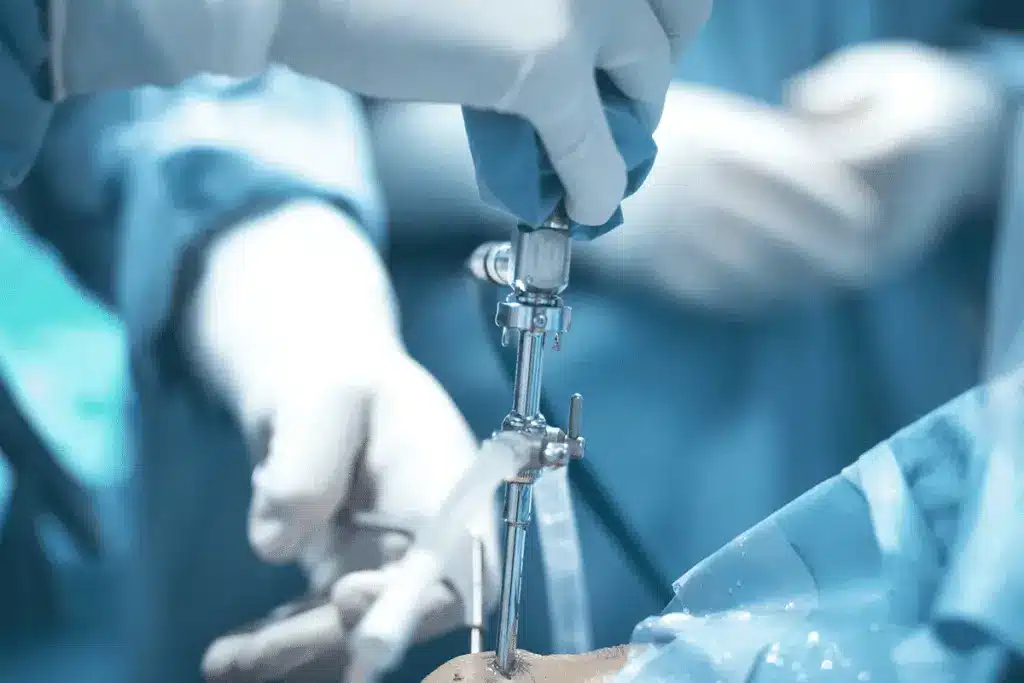
First, the surgeon makes small cuts around the knee. Then, a camera called an arthroscope is put in. It shows the inside of the knee on a screen.
The doctor can see any problems. They might use more tools to fix things. The whole thing is done under local or general anesthesia. It’s usually quicker and less painful than open surgery.
Common Conditions Treated with Arthroscopic Surgery
Arthroscopic surgery fixes many knee problems. It’s great for meniscal tears, ligament sprains, and cartilage damage. Meniscal tears are very common.
They happen when the meniscus, a cartilage, tears. This can hurt and make it hard to move. Ligament sprains, like ACL injuries, and cartilage damage are also treated this way.
Typical Recovery Timeline for Different Procedures
The time it takes to recover from knee arthroscopy varies. Simple surgeries might take just a few weeks. But more complex ones, like fixing the meniscus or ligaments, can take months.
Patients usually do physical therapy to get their knee strong again. How fast you recover depends on your health, the surgery, and following doctor’s orders.
Common Mistakes Patients Make After Knee Arthroscopy
Recovering from knee arthroscopy is more than just healing from the surgery. It also involves careful post-operative care. Many patients face unexpected challenges during this time.
Underestimating Recovery Time
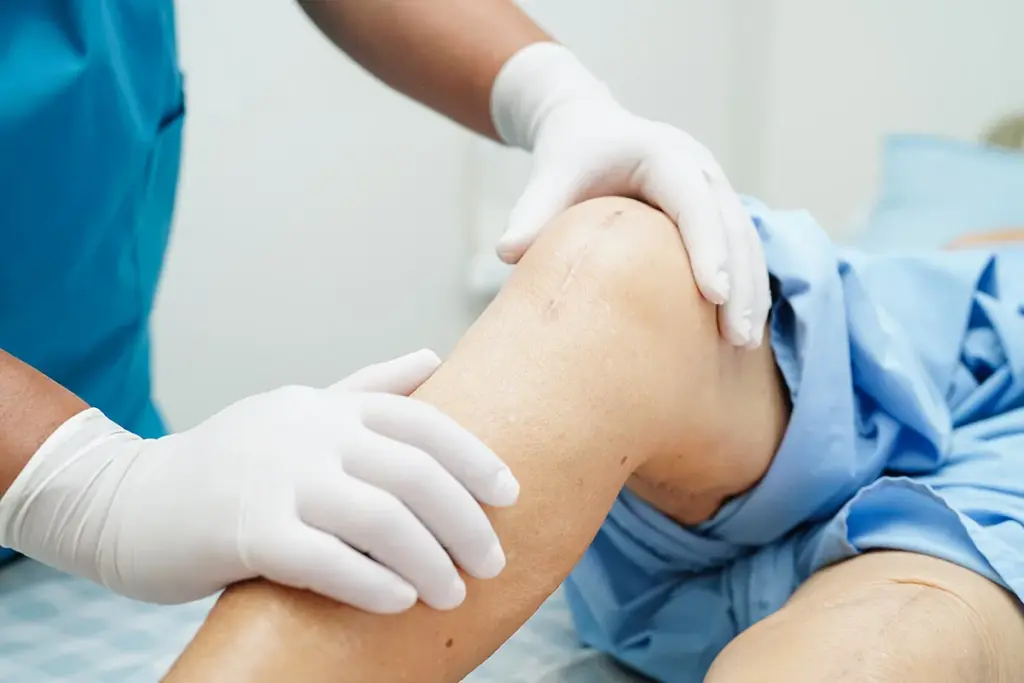
One big mistake is thinking recovery will be quick. Knee arthroscopy is less invasive than open surgery, but it needs time to heal. Rushing back to daily activities can cause problems and slow down recovery.
Recovery times differ based on the surgery and the patient’s health. For example, meniscus surgery might cause knee tightness. This is due to swelling and the body’s healing response. It’s important to be patient and follow doctor’s orders.
Ignoring Post-Operative Instructions
It’s key to follow the surgeon’s post-operative instructions. Not doing so can lead to infections, swelling, and other issues. Patients must stick to the rehabilitation plan, including physical therapy, for proper healing.
These instructions are made for each patient’s specific needs. By following them, patients can avoid complications and improve their recovery.
Setting Unrealistic Expectations
Having realistic expectations is important for a smooth recovery. Patients often have ideas about how fast they’ll recover or how much pain they’ll feel. But everyone’s recovery is different, and comparing yourself to others is not helpful.
Talking to your healthcare provider about your expectations can help. Knowing what to expect and having support can greatly aid in the recovery journey.
Looking back, some patients might wish they had more information or better pain management after surgery. Understanding these needs can help healthcare providers give better care.
Don’t Ignore Weight-Bearing Restrictions
Recovering from knee arthroscopy means following weight-bearing rules carefully. These rules help avoid problems and aid in healing. We’ll show you how to follow your weight-bearing plan, use assistive devices right, and what happens if you don’t.
Understanding Your Specific Weight-Bearing Protocol
Your surgeon will give you a weight-bearing plan based on your surgery and health. This plan might tell you not to bear weight, to bear some weight, or to bear full weight. It depends on your surgery.
Types of Weight-Bearing Protocols:
- Non-weight-bearing: Don’t put any weight on the operated leg.
- Partial weight-bearing: Put a little weight on the operated leg, as your surgeon says.
- Full weight-bearing: You can put your full weight on the operated leg, but you might need devices for support.
|
Protocol Type |
Description |
Typical Use |
|---|---|---|
|
Non-weight-bearing |
Avoid putting any weight on the operated leg |
Severe injuries or complex repairs |
|
Partial weight-bearing |
Put a limited amount of weight on the operated leg |
Most arthroscopic procedures |
|
Full weight-bearing |
Put full weight on the operated leg |
Simple diagnostic arthroscopies or minor procedures |
Proper Use of Assistive Devices
Crutches, walkers, or canes are often needed to follow your weight-bearing plan. Using them right is key to staying balanced and avoiding falls.
Consequences of Premature Weight-Bearing
Not following weight-bearing rules can cause big problems. These include graft failure, fracture, or taking longer to heal. It can also lead to knee pain, swelling, and instability.
By sticking to your weight-bearing plan and using assistive devices correctly, you can avoid these issues. This helps ensure a smooth recovery from knee arthroscopy.
Avoid Skipping or Rushing Through Physical Therapy
Physical therapy is key to getting the most out of knee arthroscopy and full recovery. It helps patients regain strength, flexibility, and range of motion in their knee. We’ll show you why physical therapy is so important in the recovery journey.
Why Physical Therapy Is Critical After Knee Arthroscopy
Physical therapy is vital after knee arthroscopy. It helps patients get their knee working again, reduces pain and swelling, and lets them get back to their daily activities. A physical therapist will make a special exercise plan just for you, based on your needs and the surgery done.
Common PT Exercises and Their Purpose
After knee arthroscopy, physical therapy includes strengthening, stretching, and improving range of motion. Some common exercises are:
- Straight leg raises to strengthen the quadriceps muscles
- Quad sets to improve muscle control
- Heel slides to increase knee flexion
- Wall squats to strengthen the quadriceps and improve knee stability
These exercises aim to boost knee function, reduce stiffness, and aid in overall recovery.
|
Exercise |
Purpose |
Phase of Recovery |
|---|---|---|
|
Straight Leg Raises |
Strengthen quadriceps |
Early |
|
Quad Sets |
Improve muscle control |
Early |
|
Heel Slides |
Increase knee flexion |
Intermediate |
|
Wall Squats |
Strengthen quadriceps and improve knee stability |
Advanced |
The Dangers of Self-Directed Rehabilitation
It might seem easier to try to rehab on your own, but it’s not always the best choice. Without a physical therapist, you might not get the right exercises or the right challenge. This can lead to weak muscles, less range of motion, and a higher chance of injury or complications.
Working with a physical therapist ensures you’re doing the right exercises at the right level. This helps you recover fully after knee arthroscopy.
Don’t Neglect Proper Wound Care and Dressing Changes
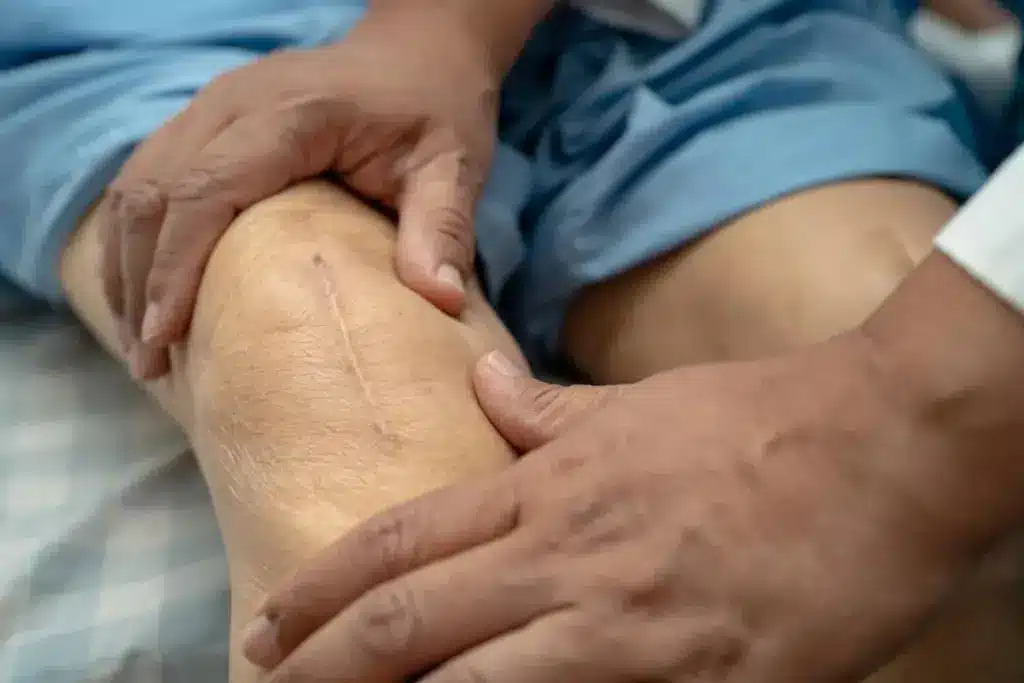
After knee arthroscopy, taking care of your wound is key. It helps prevent infection and aids in healing. The first days are very important for a good recovery.
Keeping Incision Sites Clean and Protected
Wash your hands before touching your knee. Use mild soap and lukewarm water. Pat the area dry with a clean towel. Don’t get the wound wet until your doctor says it’s okay.
Tips for Keeping Incision Sites Clean:
- Gently clean around the incision site with mild soap.
- Pat dry with a clean towel.
- Avoid submerging the wound in water.
When and How to Change Dressings Safely
Changing your dressing is important. You’ll need to do it within 24 to 48 hours after surgery. Then, follow your doctor’s instructions. Always wash your hands before and after.
Steps for Changing Dressings:
- Wash your hands thoroughly.
- Gently remove the old dressing.
- Clean the incision site as advised.
- Apply a new dressing as instructed.
Warning Signs of Infection or Improper Healing
Watch your wound for signs of trouble. Look for increased redness, swelling, pain, or discharge. Fever over 101.5°F is a big warning sign. If you see any of these, call your doctor right away.
|
Signs to Watch For |
Action to Take |
|---|---|
|
Increased redness or swelling |
Contact your healthcare provider |
|
Pain or tenderness |
Monitor and report if worsening |
|
Discharge or pus |
Seek immediate medical attention |
By following these tips and staying alert, you can lower the risk of problems. This will help you recover smoothly after your knee arthroscopy.
Avoid Ignoring Pain or Other Concerning Symptoms
It’s important to know the difference between normal and abnormal pain after knee arthroscopy. Pain is a normal part of healing, but it’s key to tell the difference between expected pain and serious issues.
Normal vs. Abnormal Post-Operative Pain
After knee arthroscopy, some pain is normal because of the surgery. Normal pain is usually managed with medicine and gets better over time. But, abnormal pain could mean problems like infection or swelling.
Signs of abnormal pain include:
- Increasing pain despite medication
- Pain not relieved by rest or elevation
- Pain accompanied by fever, redness, or swelling
Proper Pain Management Techniques
Managing pain well is key after knee surgery arthroscopic. Always follow your surgeon’s advice on pain meds. Usually, a mix of pills and rest helps with pain.
|
Pain Management Technique |
Description |
Benefits |
|---|---|---|
|
Medication |
Following prescribed pain relief medication |
Reduces pain effectively |
|
Rest and Elevation |
Resting the knee and elevating it above heart level |
Reduces swelling and promotes healing |
|
Cold Therapy |
Applying ice packs to the affected area |
Reduces pain and swelling |
When to Contact Your Surgeon Immediately
If you have severe pain, swelling, redness, or fever over 101.5°F, call your surgeon right away. Quick action can avoid serious problems and help your recovery.
Don’t Return to Driving Before You’re Ready
Going back to driving after knee arthroscopy needs careful thought and a doctor’s okay. After a knee scope procedure, you must check if you’re physically ready to drive safely.
Medical Clearance Requirements for Driving
You must get a doctor’s okay before driving. This is key to make sure you’re fully recovered from the arthroscopy of the knee joint to drive without risk.
- Doctors check your pain, how well you can move, and if you can do emergency stops.
- You should be off strong pain meds and have enough strength and control in your leg.
How to Test If You’re Ready to Drive Safely
To see if you’re ready to drive, try these tests:
- Test your reaction time by practicing emergency braking.
- See if you can easily use the vehicle’s pedals.
- Make sure you can turn your neck and check blind spots without pain.
If you feel pain or struggle with these tests, wait longer before driving again.
Legal and Insurance Considerations
Driving without a doctor’s okay can lead to legal and insurance issues. If you’re in an accident, not having clearance might affect your insurance or lead to legal trouble.
Key Considerations:
- Find out what your insurance says about driving after surgery.
- Know the local laws about being medically fit to drive.
By following these steps, you can safely get back to driving after knee arthroscopy. This way, you and others on the road stay safe.
Avoid Rushing Back to Work or Daily Activities
It’s important to not rush back to work or daily activities after knee arthroscopy. Rushing can lead to complications and longer recovery times. We know you want to get back to normal, but patience is key during this time.
Realistic Return-to-Work Timelines by Occupation Type
The time it takes to return to work varies by job type. Desk jobs often allow for a return in 1-2 weeks. Just make sure you can manage your work and take breaks to rest your knee.
|
Occupation Type |
Typical Return-to-Work Timeline |
|---|---|
|
Desk Job |
1-2 weeks |
|
Light Manual Labor |
2-4 weeks |
|
Heavy Manual Labor |
6-8 weeks or more |
Talking to your surgeon and HR department is key to finding the right return-to-work plan for your job.
Workplace Accommodations to Request
When you go back to work, asking for certain accommodations can help. You might want to talk about:
- Flexible working hours for rest
- Modified duties to avoid heavy lifting
- Ergonomic adjustments to your workstation
One patient said, “I wish I knew about workplace accommodations after my knee surgery. It really helped my recovery.”
Gradually Resuming Household Responsibilities
Just like returning to work, start with light tasks when resuming household duties. Gradually add more as your knee gets stronger. Getting help from family or hiring temporary help can also be helpful.
Careful planning of your recovery and a gradual return to daily activities can help avoid complications. This ensures a successful outcome after your knee surgery.
“Patience is not simply the ability to wait – it’s how we behave while we’re waiting.” This quote is very relevant to recovery. It reminds us that patience and a gradual return to activities are key for a successful recovery.
Don’t Participate in High-Impact Activities Too Soon
Going back to high-impact activities too fast after knee arthroscopy can harm your recovery. It’s key to remember that healing is as important as the surgery itself.
Your knee needs time to mend after arthroscopy. Doing high-impact activities too soon can cause injuries or other issues like infection or swelling. Always follow a structured recovery plan for the best results.
Activity Restrictions by Recovery Phase
The recovery after knee arthroscopy has different phases, each with its own activity rules.
|
Recovery Phase |
Timeline |
Allowed Activities |
Restricted Activities |
|---|---|---|---|
|
Immediate Post-Op |
0-2 weeks |
Rest, gentle exercises, straight leg raises |
Weight-bearing, bending, twisting |
|
Early Recovery |
2-6 weeks |
Progressive strengthening, swimming, cycling |
High-impact aerobics, contact sports |
|
Late Recovery |
6-12 weeks |
Advanced strengthening, agility drills |
Full-contact sports, heavy lifting |
Safe Alternatives for Staying Active
Even with restrictions, you can stay active. Low-impact exercises like swimming, water aerobics, and cycling keep your heart rate up without stressing your knee too much.
Also, gentle strengthening exercises help keep muscles around the knee strong. Always listen to your physical therapist or doctor to make sure you’re doing the right exercises at the right time.
Sport-Specific Return Protocols
For athletes, getting back to sports training is a big part of recovery. A slow return to sports should include:
- Completing a rehabilitation program to regain strength and range of motion
- Progressing through sport-specific drills without pain or swelling
- Gradually increasing the intensity and duration of training
Always get your doctor’s okay before going back to full activity. They can check if your knee is ready and give you personalized advice.
Avoid Poor Nutritional Choices During Recovery
The food you eat after knee arthroscopy can either hinder or help your recovery process. A well-balanced diet is key for healing, reducing inflammation, and strengthening your knee.
Foods That Support Tissue Healing and Reduce Inflammation
Certain foods can greatly help the healing process and reduce inflammation. These include:
- Omega-3 rich foods: Fatty fish like salmon and sardines help reduce inflammation.
- Antioxidant-rich foods: Berries, leafy greens, and other fruits and vegetables combat oxidative stress.
- Lean proteins: Chicken, turkey, and lean beef support tissue repair.
- Whole grains: Brown rice, quinoa, and whole wheat provide essential nutrients and fiber.
“Nutrition plays a vital role in recovery. A diet rich in essential nutrients can significantly enhance healing and reduce complications.”
Hydration Requirements After Surgery
Drinking enough water is essential for healing. Water helps remove toxins and keeps tissues hydrated. It’s recommended to drink at least 8-10 glasses of water per day. You can also eat hydrating foods like watermelon and cucumbers to help with fluid intake.
|
Hydration Tips |
Benefits |
|---|---|
|
Drink at least 8-10 glasses of water per day |
Flushes out toxins and keeps tissues hydrated |
|
Consume hydrating foods |
Supplements fluid intake and provides essential nutrients |
Supplements to Consider (and Avoid) During Recovery
While a balanced diet is key, some supplements can aid in recovery. But, always talk to your healthcare provider before adding any supplements.
- Consider: Omega-3 fatty acids, vitamin C, and zinc supplements.
- Avoid: High doses of vitamin E and caffeine, as they can interfere with healing.
After knee arthroscopy, some patients feel knee tightness. Proper nutrition and staying hydrated can help ease these symptoms. If you’re experiencing persistent tightness or pain, it’s important to talk to your healthcare provider.
Don’t Compromise Your Sleep Quality and Position
A good night’s sleep is key to recovering well after knee surgery. Understanding how sleep and position affect healing is vital. It helps us recover better from knee arthroscopy.
Optimal Sleeping Positions After Knee Arthroscopy
Choosing the right sleep position after knee arthroscopy is important. Sleeping on your back with a pillow under your knee helps. It keeps your knee up and reduces swelling.
Another option is sleeping on your side with a pillow between your knees. This keeps your knee aligned and reduces strain.
Don’t sleep on your stomach. It can bend your knee in ways that are not good for healing.
Using Pillows and Supports Effectively
Pillows and supports are key for better sleep after knee arthroscopy. A contoured pillow or extra pillows under your knee can be helpful. They keep you comfortable and reduce strain.
Try different pillow setups to find what works for you. Adjust them as your recovery changes.
Managing Pain and Discomfort at Night
It’s important to manage pain and discomfort at night. Follow your surgeon’s advice on pain management. This might include medication or other methods.
Using a cold compress or compression wrap before bed can also help. A relaxing bedtime routine signals to your body that it’s time to sleep.
By focusing on sleep quality and position, we can improve our recovery from knee arthroscopy.
Avoid Neglecting the Psychological Aspects of Recovery
Recovery from knee arthroscopy is not just about the body. It also involves the mind. Patients often feel frustrated, impatient, anxious, or depressed during this time.
It’s important to remember that the mind is just as important as the body. By recognizing this, patients can prepare for the emotional challenges ahead. They can also find ways to deal with these feelings.
Managing Frustration and Impatience
Frustration and impatience are common during recovery. Patients might feel like they’re not healing fast enough. To handle these feelings, setting achievable goals and celebrating small wins is helpful.
Instead of trying to do everything at once, break goals into smaller tasks. This builds confidence and a sense of achievement.
Coping Strategies for Extended Recovery Periods
Extended recovery periods can be tough. It’s important to have effective coping strategies. This can include:
- Staying connected with friends and family
- Doing low-impact activities allowed by the surgeon
- Keeping a positive outlook by focusing on small progress
Keeping a recovery journal can also help. It lets you track your progress and reflect on your journey.
Building a Support System
A strong support system is key for mental health during recovery. This can include family, friends, healthcare professionals, and support groups. Having people to talk to can greatly improve your mental and emotional well-being.
We suggest being open with loved ones about your needs and feelings. This way, you can get the support and understanding you need to stay positive and motivated.
|
Coping Strategies |
Benefits |
|---|---|
|
Setting Realistic Goals |
Builds confidence and a sense of accomplishment |
|
Staying Connected with Loved Ones |
Provides emotional support and reduces feelings of isolation |
|
Keeping a Recovery Journal |
Helps track progress and reflect on experiences |
Conclusion: Keys to a Successful Recovery After Knee Arthroscopy
A successful recovery after knee arthroscopy needs careful planning and following instructions. It also requires a positive outlook. We stress the importance of a well-structured recovery plan for the best results after surgery.
Patients should avoid common mistakes like underestimating recovery time and ignoring weight-bearing restrictions. Skipping physical therapy is also a big no-no. Attending physical therapy and keeping a healthy lifestyle, including good nutrition and hydration, are key to healing.
We urge patients to stick to their recovery plan and manage pain well. Seeking support when needed is also important. With the right approach, people can get back to their normal activities and enjoy the best outcomes from their knee surgery.
FAQ
What is knee arthroscopy, and how is it performed?
Knee arthroscopy is a minimally invasive surgery using a camera and small tools through tiny cuts to diagnose and treat knee problems.
What are the common conditions treated with knee arthroscopy?
It treats torn meniscus, cartilage damage, ligament injuries, and osteoarthritis.
How long does it take to recover from knee arthroscopy?
Recovery usually takes 6–12 weeks, though full recovery can take several months.
What are the weight-bearing restrictions after knee arthroscopy?
Weight-bearing depends on the surgeon’s instructions; some may use crutches or partial weight-bearing.
Why is physical therapy important after knee arthroscopy?
Physical therapy restores strength, improves range of motion, and helps the knee function normally.
How do I manage pain after knee arthroscopy?
Use medication, rest, ice, compression, elevation, and relaxation techniques.
When can I return to driving after knee arthroscopy?
Drive only when you can safely operate the vehicle and your doctor approves.
What are the signs of infection or improper healing after knee arthroscopy?
Watch for redness, swelling, pain, discharge, fever, or chills.
How can I promote healing and reduce inflammation during recovery?
Eat well, stay hydrated, avoid smoking and excess alcohol, and consider anti-inflammatory nutrients with doctor approval.
What are the benefits of proper wound care and dressing changes after knee arthroscopy?
Proper wound care prevents infection, promotes healing, and reduces scarring.
How can I manage frustration and impatience during the recovery process?
Set realistic goals, stay connected with loved ones, and use relaxation or supportive activities.
What are the activity restrictions after knee arthroscopy?
Avoid high-impact activities, heavy lifting, bending, or twisting until cleared by your doctor.
National Center for Biotechnology Information. Evidence-Based Medical Insight. Retrieved from https://pubmed.ncbi.nlm.nih.gov/23672899/



 Departments
 Related Videos
 Our Doctors
 News
News