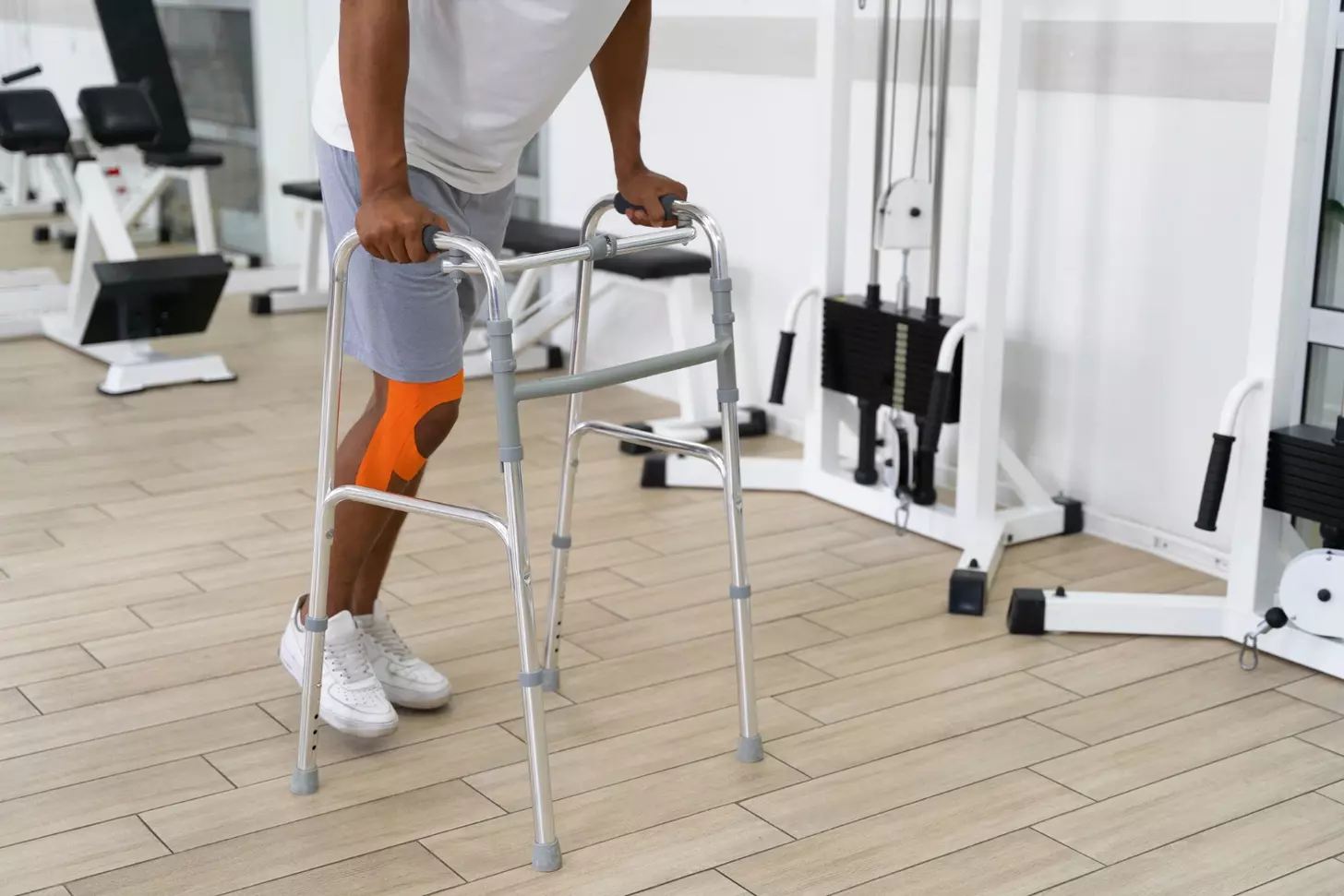
Recovering from total knee replacement surgery is tough, but knowing what to expect helps a lot. At Liv Hospital, we’re here to guide you through every step. The first few weeks are filled with pain, swelling, and moving less than usual.
Understanding the stages from 1 to 9 weeks post-operation is key. We’ll give you a detailed guide to get ready for your recovery. It will cover what to expect and the important milestones you’ll hit.
Key Takeaways
- Understand the structured phases of recovery after total knee replacement surgery.
- Learn what to expect during the initial recovery period.
- Get a clear overview of the milestones from 1 to 9 weeks post-operation.
- Prepare yourself for the journey to recovery with our detailed guide.
- Receive guidance and care from our experienced medical team at Liv Hospital.
Understanding Total Knee Replacement Surgery
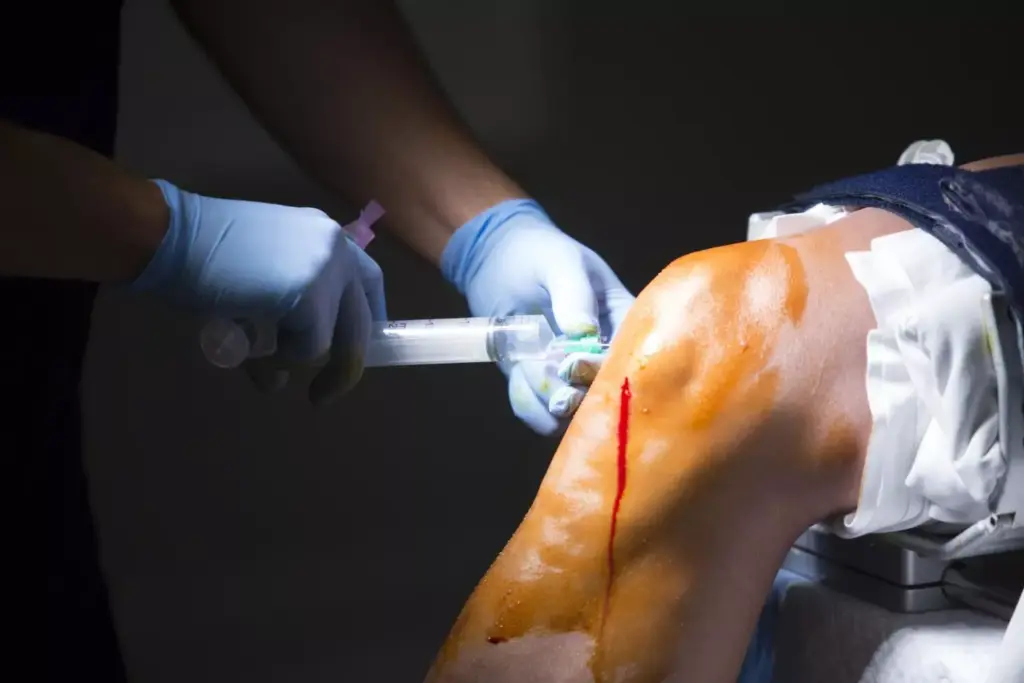
Total knee replacement, also known as knee arthroplasty, is a surgery to ease pain and improve knee function. It replaces the knee joint with artificial parts. This helps to reduce pain and disability from knee damage.
What Is Total Knee Replacement?
Total knee replacement is a surgery to replace a damaged knee joint with an artificial one. The artificial parts are made of metal and plastic. They are designed to move like a natural knee. This surgery greatly reduces pain and improves mobility for those with severe knee damage.
- The damaged knee joint is removed and replaced with artificial components.
- The prosthetic joint is designed to mimic the natural knee’s function.
- The surgery is performed under general or regional anesthesia to minimize pain.
Why Knee Replacement Is Performed
Knee replacement surgery is done to relieve severe knee pain and disability. This is often due to osteoarthritis, rheumatoid arthritis, or injuries. The main goal is to improve the patient’s quality of life by reducing pain and improving mobility.
- To relieve chronic knee pain that hasn’t responded to other treatments.
- To improve knee function and mobility.
- To correct deformities and stabilize the knee joint.
The Importance of Following Recovery Guidelines
Following recovery guidelines after total knee replacement surgery is key for a good outcome. Sticking to these guidelines helps avoid complications, reduces pain, and ensures the best recovery. Our healthcare team creates personalized recovery plans. This helps patients understand and follow the necessary steps for healing.
- Follow a structured physical therapy regimen to regain strength and mobility.
- Manage pain effectively through medication and other recommended methods.
- Monitor the surgical site for signs of infection or other complications.
Preparing for Your Recovery Journey

A successful recovery from total knee replacement surgery starts before the surgery. Preparing your home and knowing what to expect can greatly improve your experience.
Home Preparation Before Surgery
Preparing your home is key for a smooth recovery. Here are some steps to take:
- Clear clutter to avoid falls
- Set up a recovery area with essentials nearby
- Install handrails in bathrooms and hallways
- Use non-slip mats in the shower or bathtub
Essential Recovery Equipment
The right equipment can greatly aid your recovery. Here are some must-haves:
| Equipment | Purpose |
|---|---|
| Walker or crutches | Helps with mobility and knee strain |
| Comfortable seating | Supports and comforts during rest |
| Ice packs | Manage pain and swelling |
| Elevated toilet seat | Makes bathroom use easier |
Setting Realistic Expectations
Setting realistic expectations is vital for a good recovery. Recovery is a slow process that needs patience and flexibility. Always follow your healthcare provider’s advice and don’t rush.
By preparing your home, getting the right equipment, and setting realistic goals, you can improve your knee replacement recovery. We’re here to support you every step of the way.
1 Week Post Op Knee Replacement: The Critical First Days
The first week after knee replacement surgery is a big adjustment. You’ll face challenges like managing pain, swelling, and bruising. You’ll also start physical therapy and take care of your wound.
Managing Pain and Medication
Managing pain is key in the first week. Follow your doctor’s pain management plan. This might include pills and other treatments. Always take your meds as told to keep pain under control.
Here are some ways to manage pain:
- Use pain relief medicine as directed
- Apply ice to reduce swelling and pain
- Elevate your leg to lessen swelling
| Pain Level | Recommended Action |
|---|---|
| Mild | Continue with prescribed pain medication |
| Moderate | Consider additional pain relief measures like ice packs |
| Severe | Contact your healthcare provider for guidance |
Dealing With Swelling and Bruising
Swelling and bruising are common after surgery. To help, keep your leg up, use ice packs, and wear compression bandages as your doctor says.
Initial Physical Therapy Exercises
Starting physical therapy early is important. It helps you move and strengthen your knee. You’ll do exercises like straight leg raises and knee bends.
Early physical therapy offers many benefits:
- Improved range of motion
- Reduced stiffness
- Enhanced recovery
Wound Care and Monitoring
Good wound care is key to avoiding infection. Keep the wound clean and dry. Follow your doctor’s advice for dressing changes. Watch for signs of infection like redness or discharge.
By focusing on these areas in the first week, you’ll be on the right path to recovery.
What to Expect the First Week After Total Knee Replacement
After getting a total knee replacement, you’ll face a few things in the first week. You’ll deal with pain, how mobile you can be, and your overall recovery. This time is key for starting your healing journey.
Typical Pain Levels and Management
Pain is a big deal in the first week after surgery. Managing pain well is important for a smooth recovery. Always follow what your doctor says about pain meds. Most people feel pretty sore, but the right meds can help.
Remember, everyone feels pain differently. Some might hurt more than others. But, with the right meds and rest, you can manage it.
Mobility Limitations and Assistance Needs
In the first week, moving around is tough. You might need help with simple things like walking or getting dressed. Using walkers or crutches can help you move better and avoid falls.
Having someone to help you is a good idea. They can make sure you’re safe and comfortable while you’re not very mobile.
Sleep Challenges and Solutions
Sleeping can be hard because of the pain and discomfort. Try elevating your leg and using pillows for support. Also, keep a regular sleep schedule and make your sleep area comfy.
Emotional Aspects of Early Recovery
Recovering early can also be tough emotionally. It’s okay to feel frustrated or worried about how you’re doing. Stay in touch with loved ones and talk openly with your healthcare team for support.
Knowing these feelings are normal can help you get through this tough time. With the right support, the first week after your surgery can be more bearable.
Recovery Weeks 1-2: Building a Foundation
The first two weeks after knee replacement surgery are key. Patients move from the hospital to home. They start physical therapy and learn to manage daily tasks.
Progressing From Hospital to Home
Leaving the hospital is a big step towards healing at home. Having a caregiver to help with daily tasks and meds is important. Here are some tips for a smooth transition:
- Make sure your home is safe and free from tripping hazards.
- Have essentials like meds, ice packs, and comfy seating ready.
- Keep your surgeon’s and physical therapist’s numbers handy.
By following these steps, you can create a supportive recovery environment.
Early Physical Therapy Milestones
Physical therapy is vital after knee replacement surgery. In the first two weeks, patients start with simple exercises. These include:
- Doing straight leg raises and knee bends to improve flexibility.
- Slowly increasing weight-bearing activities as you can.
- Working on balance and coordination to avoid falls.
These early steps are important for a strong recovery. It’s essential to work closely with your physical therapist.
Managing Daily Activities
Adapting to daily tasks after knee replacement surgery takes patience. Simple tasks like bathing and cooking may need adjustments. Here are some tips for managing daily activities early on:
- Use adaptive tools like grabbers and long-handled reachers to avoid bending.
- Take breaks to rest and elevate your leg to reduce swelling.
- Consider meal prep in advance or use meal delivery services to ease the workload.
By using these strategies, patients can navigate their daily routines more comfortably and safely.
What to Expect 3 Weeks After Knee Replacement
Three weeks after knee replacement surgery, patients see big changes. The pain from surgery starts to lessen. Now, they focus on getting stronger and moving better.
Typical Progress in Pain Reduction
By the third week, most patients feel less pain. This is because swelling goes down and the body heals. The knee also starts to feel more stable.
It’s key to stick to your pain management plan. This helps keep pain under control.
Improvements in Mobility and Range of Motion
Patients start to move better and more easily by the third week. Their knee becomes more flexible, making walking simpler. They might need less help from walkers.
Physical therapy is very important here. It helps strengthen the knee muscles. This improves how well the knee works.
Advancing Physical Therapy Exercises
As patients get better, physical therapy gets harder. By the third week, they can do more exercises. These exercises help strengthen the knee and improve flexibility.
- Increasing range of motion exercises
- Strengthening the quadriceps and hamstring muscles
- Improving balance and proprioception
These exercises are key for a full recovery. They help you get back to doing normal things.
Common Challenges at Week 3
Even with progress, some patients might face issues like stiffness or mild pain. It’s important to talk to your doctor about these problems. They can adjust your rehab plan if needed.
Knowing what to expect three weeks after surgery helps patients stay on track. It keeps them motivated and focused on their recovery.
Recovery Weeks 3-4: Gaining Independence
Gaining independence is a big step in weeks 3-4 of knee replacement recovery. At this time, patients start to use walking aids less. They also expand their exercise routines and return to light daily activities.
Reduced Reliance on Walking Aids
In weeks 3-4, most patients can use walking aids like crutches or walkers less. This is a big step towards being independent again. But, it’s important to do this slowly and with your doctor’s advice to avoid problems.
“The goal is to progress at a safe pace,” says Dr. Jane Smith, an orthopedic surgeon. “Patients should listen to their bodies and not rush the process of reducing walking aids.”
Expanding Your Exercise Routine
As you get better, your exercises should get harder. This might include more complex physical therapy exercises or low-impact aerobic activities like swimming or cycling. The goal is to get stronger, more flexible, and move better.
- Continue with straight leg raises and knee bends.
- Introduce balance exercises to improve stability.
- Gradually increase the intensity of your workouts.
Return to Light Daily Activities
Weeks 3-4 are also when you can start doing light daily activities again. This could be light housekeeping, making simple meals, or short walks outside. It’s important to pace yourself and not overdo it, as too much can cause pain and setbacks.
As one patient noted, “I was surprised at how quickly I could start doing things on my own again. It was a huge boost to my morale.”
By following these guidelines and working closely with your healthcare team, you can safely gain independence during weeks 3-4 of your recovery.
What to Expect 5 Weeks After Knee Replacement Surgery
At the five-week mark after knee replacement surgery, patients often see better knee function. The recovery is moving forward, and big improvements are expected.
Strength and Flexibility Improvements
Five weeks post-surgery, patients notice a big boost in strength and flexibility. This comes from regular physical therapy and exercises. They can move their knee more freely, making daily tasks easier.
Typical Range of Motion at This Stage
By now, most patients can bend their knee quite far. They can bend it to about 90 degrees or more. It’s key to keep up with physical therapy to keep and improve this range.
| Activity | Expected Progress |
|---|---|
| Bending Knee | 90 degrees or more |
| Straightening Knee | Near full extension |
| Walking | Increasing distance without assistance |
Returning to Normal Activities
By the fifth week, many patients start doing normal things again, but carefully. It’s important to slowly increase activity to avoid too much strain. They should stick to their rehab plan to smoothly get back to their usual life.
Addressing Persistent Challenges
Even with progress, some may face ongoing issues like pain or stiffness. Talking to your healthcare provider about these problems is vital. They might need to adjust the rehab plan to help overcome these hurdles.
Recovery Weeks 5-8: Functional Improvements
Patients in weeks 5-8 after knee replacement surgery see big improvements. They regain strength, move better, and do daily tasks more easily.
Advanced Rehabilitation Exercises
In weeks 5-8, rehab moves to more challenging exercises. These aim to boost strength, flexibility, and function. Patients keep up with physical therapy, doing things like:
- Leg press and leg extension to strengthen the legs
- Balance and coordination exercises for better stability
- Progressive resistance exercises to strengthen the knee area
These exercises are key for a full recovery. They’re customized to fit each patient’s needs and progress.
Returning to Work Considerations
Weeks 5-8 are when many can think about going back to work. Desk jobs might be easier to return to than jobs that are very active. It’s important to:
- Talk to your surgeon and physical therapist about when you’re ready to go back
- Start with part-time hours or easier tasks
- Make sure your work area is set up right to avoid knee strain
Going back to work should not slow down your recovery.
Driving and Transportation
By weeks 5-8, many can drive again if their knee is strong and moves well. Before driving, make sure you can:
- Stop quickly without trouble
- React fast
- Not be on pain meds that affect driving
Also, start doing other transportation tasks again, slowly getting back to normal.
Weeks 5-8 are a big step forward for knee replacement recovery. Focusing on tough rehab exercises, thinking about work, and driving again leads to big gains.
What to Expect 9 Weeks After Total Knee Replacement
Nine weeks after surgery, patients see big changes. They move better and feel less pain. Most have made a lot of progress in their recovery.
Typical Mobility and Function
By nine weeks, patients can do more. They walk better, climb stairs, and bend easier. Physical therapy helps a lot.
Keep doing your physical therapy exercises. This helps keep your knee strong and moving well. Don’t rush, slow progress is better.
Pain Levels and Management
Pain usually gets less at this time. Many feel only a little discomfort. It’s important to keep managing pain well.
Keep an eye on your pain and adjust how you manage it. Always talk to your doctor if you have any pain concerns.
Long-term Recovery Outlook
By nine weeks, you’re getting close to full recovery. The future looks good, with many feeling better in their daily life. Keep up with physical therapy and a healthy lifestyle.
Let’s look at how recovery changes over time.
| Recovery Milestone | 3 Weeks Post-Op | 6 Weeks Post-Op | 9 Weeks Post-Op |
|---|---|---|---|
| Range of Motion | Limited, around 70-90 degrees | Improved, around 100-120 degrees | Near normal, often over 120 degrees |
| Pain Level | Moderate to severe | Mild to moderate | Mild, with occasional flare-ups |
| Assistance Needed | Significant assistance required | Some assistance is needed | Minimal assistance required |
The table shows big progress by nine weeks. You’ll move better, feel less pain, and need less help.
The Long Road to Full Recovery: 3 Months to 1 Year
After the initial healing, patients start to get stronger and more flexible in their knee. This journey, from three months to a year after surgery, is key for a full recovery.
Continued Improvements in Function
Patients see continued improvements in knee function as they progress. They gain strength, move better, and feel more stable. We tailor physical therapy plans to meet each patient’s needs and goals.
By three months post-surgery, many can do daily tasks more easily. They notice better walking, climbing stairs, and light activities.
Timeline for Various Activities
The time it takes to get back to activities varies. We suggest a gradual approach:
- By 3-4 months: Most can do light chores and short walks.
- By 6 months: They can do more strenuous activities, like some sports.
- By 9-12 months: Most reach full recovery, doing what they want without limits.
Managing Expectations for Complete Recovery
It’s important to manage expectations during this time. We tell patients that full recovery can take up to a year. It’s normal to progress slowly and have setbacks. Regular check-ups help track progress and address concerns.
By setting realistic goals and sticking to their plan, patients can get the best results. We’re here to support them every step of the way, guiding them to the best outcomes.
Conclusion: Embracing Your New Knee and Improved Mobility
This guide has shown how total knee replacement surgery can greatly improve your life. Knowing what to expect from 1 to 9 weeks after surgery helps a lot. It makes the recovery journey easier to follow.
With a new knee, you can expect better mobility and less pain. You’ll also be able to do more daily activities. We encourage you to enjoy your new knee and the freedom it brings.
By sticking to the recovery plan and doing the exercises we suggested, you can get the best results. Remember, it takes time and effort to see full improvements. Keep working at it, and you’ll see your function and mobility get better.
What can I expect during the first week after total knee replacement surgery?
In the first week, you’ll likely feel pain, swelling, and bruising. We’ll help you manage pain with medication and deal with swelling. You’ll also start with initial physical therapy exercises to help your recovery.
How should I prepare my home before undergoing total knee replacement surgery?
Clear clutter and arrange items within reach. Set up a comfy recovery area. Have a walker or crutches ready for when you get home.
What are the typical pain levels and management strategies 3 weeks after knee replacement?
By 3 weeks, most people feel less pain. Keep taking your pain meds as directed and do physical therapy to improve mobility and reduce pain.
How long does it take to regain full mobility after total knee replacement?
It takes about 5-8 weeks to see big improvements. Keep up with advanced exercises and physical therapy to fully recover.
Can I drive after total knee replacement surgery, and when is it safe to do so?
You can drive when you have enough strength and mobility in your knee, usually 5-6 weeks after surgery. Start with short drives and increase the distance as you get more comfortable.
What are the common challenges faced 5 weeks after knee replacement, and how can they be addressed?
At 5 weeks, you might face stiffness or pain. Keep doing physical therapy, stretching, and strengthening to overcome these issues and improve your knee function.
How long does the long-term recovery process take after total knee replacement?
Recovery can take months to a year. We’ll guide you through the process, including ongoing improvements and managing your recovery expectations.
What can I expect 9 weeks after total knee replacement in terms of mobility and pain?
By 9 weeks, most people see big improvements in mobility and pain reduction. We’ll tell you what to expect in terms of mobility, function, and pain at this stage.
Are there any specific exercises recommended after total knee replacement surgery?
Yes, we recommend exercises tailored to your recovery stage. These exercises help improve mobility, strength, and flexibility. We’ll guide you through the right exercises for each week post-surgery.
When can I return to work after total knee replacement surgery?
Returning to work depends on your job and recovery pace. We’ll help you consider your job’s demands and when you’re ready to go back.