
Robotic knee replacement is changing how we do orthopedic surgeries. Every year, over 700,000 knee replacements happen in the U.S. This shows how much we need better, less invasive methods.
Robotic-assisted knee replacement uses new robotic-arm tech. It makes surgeries more accurate and precise. This helps surgeons get better results, making patients recover faster and feel better.
Key Takeaways
- Robotic-assisted technology improves accuracy in knee replacement procedures.
- Minimally invasive techniques reduce recovery time for patients.
- Advanced robotic systems enhance precision during surgery.
- Optimal results lead to improved patient outcomes.
- Robotic knee replacement is a rapidly evolving field in orthopedic surgery.
Understanding Robotic-Assisted Knee Surgery

Robotic technology has changed knee replacement surgery for the better. It makes total knee replacement surgeries more precise. This leads to better results for patients.
Definition and Basic Concepts
Robotic-assisted knee surgery uses a robotic system to help the surgeon. This tech makes knee arthroplasty more accurate. It allows for detailed planning before the surgery.
The robotic system uses 3D imaging to create a detailed knee model. This helps the surgeon plan the implant’s placement. During surgery, it keeps the surgeon on track, reducing errors.
Evolution of Knee Replacement Technology
Knee replacement tech has grown a lot. It started with manual methods and now uses robots.
- Old methods relied on the surgeon’s skill.
- Computer-assisted surgery came next, improving accuracy.
- Now, robotic-assisted surgery offers even more precision and customization.
From Traditional to Robotic Approaches
The move to robotic surgery aims for better results and fewer complications. Robotic systems help surgeons place implants more accurately. This is key for total knee replacement surgical success.
The benefits of robotic-assisted knee surgery include:
- Enhanced precision and accuracy.
- Improved implant positioning.
- Potential for better long-term outcomes.
As robotic tech improves, it will be more vital in operation of knee replacement. It promises patients better results and a quicker recovery.
How Modern Knee Surgery Has Evolved with Robotics
Robotics has changed knee surgery a lot. It brings new precision and customization. This change makes surgeries better and could help patients more.
Conventional Knee Replacement Techniques
Old knee replacement surgery is done by hand. It works well but depends on the surgeon’s skill. A knee replacement video shows how complex it is. For years, this method has been the main way to replace knees, but it’s not perfect.
Technological Advancements in Robotic Systems
Robotics in knee surgery is a big step forward. It makes care more precise and personal. Robotic tech helps plan and guide surgery better. Now, many types of knee surgery, like partial and total replacements, use robots.
Precision and Customization Benefits
Robotics in knee surgery makes implants fit better. This can lead to better results and longer-lasting implants. For those getting full knee replacement, robots help get the implant just right. This could mean less wear and tear later on.
Types of Robotic Systems Used in Knee Surgery
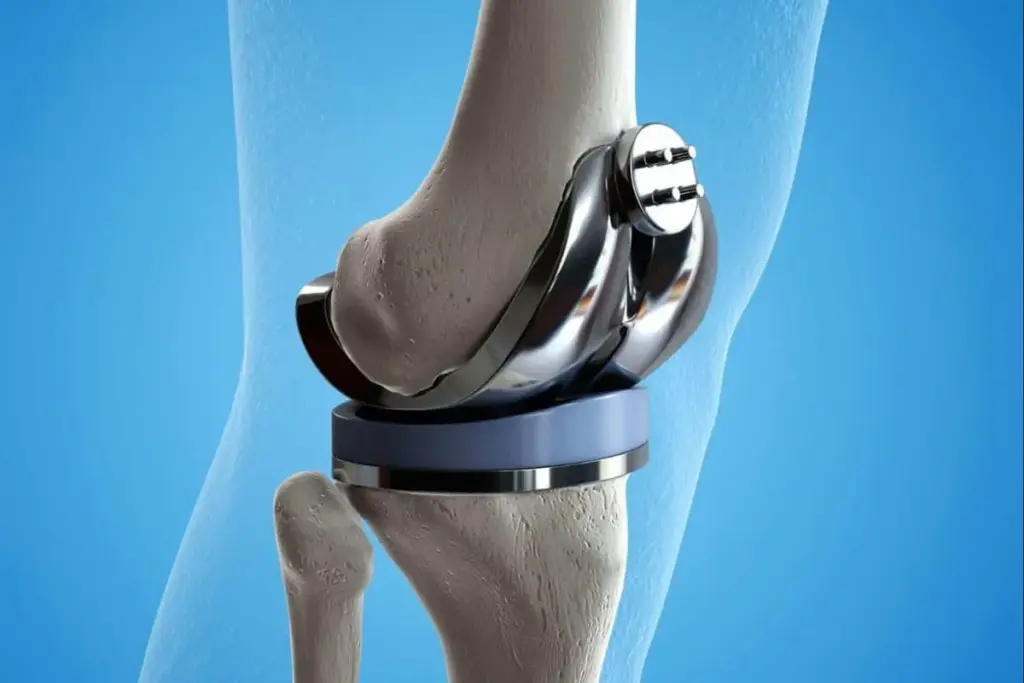
Several robotic systems are now used in knee surgery. Each offers unique benefits and features. These systems have changed orthopedic surgery by giving surgeons advanced tools. They help improve the accuracy and outcomes of knee replacement procedures.
Mako Robotic-Arm Assisted Technology
The Mako system is a robotic-arm assisted technology. It lets surgeons perform knee replacement surgery with better precision. It uses 3D imaging to create a personalized surgical plan. This allows for accurate bone resection and implant placement.
“The Mako system has been a game-changer in knee replacement surgery, providing unmatched precision and control.”
Orthopedic Surgeon
ROSA Knee System
The ROSA Knee System is an advanced robotic platform for total knee replacement. It has a robotic guidance system. This helps surgeons follow the preoperative plan with high accuracy.
- Provides real-time feedback during surgery
- Enhances implant positioning and alignment
- Supports personalized surgical planning
Navio Surgical System
The Navio Surgical System is a handheld robotic tool. It allows for precise bone preparation without needing preoperative CT scans. It is designed for both unicompartmental and total knee replacements.
|
Feature |
Mako |
ROSA |
Navio |
|---|---|---|---|
|
Preoperative Imaging |
3D Imaging |
3D Imaging |
No Preop CT Required |
|
Surgical Assistance |
Robotic-Arm |
Robotic Guidance |
Handheld Robotic Tool |
Other Emerging Technologies
There are other emerging technologies in robotic knee surgery. These include advancements in artificial intelligence and machine learning. These are being integrated into robotic systems to enhance their capabilities.
The evolution of robotic systems in knee surgery is ongoing. It is expected to lead to even more precise and personalized surgical procedures. This will benefit patients through improved outcomes and faster recovery times.
The Robotic Knee Replacement Procedure: Step by Step
The robotic knee replacement procedure is a detailed process. It starts with careful planning before surgery and precise work in the operating room. This method has changed orthopedic surgery, making it more personalized and less invasive.
Pre-operative Planning and 3D Imaging
First, detailed planning is done using 3D imaging. This stage is key to understanding the knee’s anatomy and finding the best surgical approach.
3D imaging lets surgeons see the knee in detail. They can plan the implant’s placement with great precision. This technology helps make a custom surgical plan for each patient.
Creating a Personalized Surgical Plan
Surgeons use 3D imaging data to make a personalized surgical plan. This plan shows exactly where the knee implant should go, based on the patient’s unique anatomy.
This plan is then carried out with a robotic system’s help. A study found that robotic technology improves the accuracy of knee replacement surgery. It also lowers the risk of complications.
“Robotic-assisted knee surgery allows for a level of precision that is not possible with traditional surgical techniques.”
The Operating Room Experience
In the surgery, the robotic system and the surgeon work together. The surgeon controls the robotic arm, which has special surgical tools.
|
Aspect |
Robotic-Assisted Surgery |
Traditional Surgery |
|---|---|---|
|
Precision |
High precision due to robotic assistance |
Dependent on surgeon’s skill |
|
Customization |
Personalized surgical plan |
Limited customization |
|
Recovery Time |
Generally faster due to minimally invasive techniques |
Variable recovery time |
Role of the Surgeon vs. Role of the Robot
The surgeon and the robotic system work together for the best results. The robot adds precision and real-time data. But the surgeon makes important decisions and controls the procedure.
Robotic technology has greatly improved total knee replacement surgical procedures. It has also helped patients who need a knee transplant.
Partial vs. Total Knee Replacement with Robotic Assistance
Knee replacement surgery has changed with robotic help. This gives surgeons tools for precise partial and total replacements. Robotic systems help plan and do the surgery better, leading to better results for patients.
Understanding the Differences
Partial knee replacement fixes only the damaged part. Total knee replacement replaces the whole joint. Robotic assistance makes removing damaged tissue and aligning implants more precise in both.
Partial replacement is less invasive and can lead to a quicker recovery. It keeps healthy bone and tissue. Total replacement is for more severe damage and is more extensive.
When Partial Replacement is Recommended
Partial knee replacement is for those with damage in just one part of the knee. Robotic help ensures only the damaged area is replaced, saving the healthy parts.
Studies show patients with partial replacement and robotic help have less pain and recover faster than those with total replacement.
Benefits of Robotic Assistance in Each Type
In both partial and total knee replacements, robotic assistance offers better precision. This can mean better implant placement and longer life for the implant. The technology allows for adjustments during surgery to match the patient’s anatomy.
“Robotic-assisted knee replacement surgery represents a significant advancement in orthopedic surgery, promising better outcomes and quicker recovery times.”
The advantages of robotic help are clear in both partial and total knee surgeries. It’s a key tool in today’s orthopedic surgery.
Benefits of Robotic-Assisted Knee Surgery
Knee replacement surgery has changed a lot with robotic technology. This new method, called robotic knee replacement, is very effective for knee arthroplasty. It offers many advantages over old methods.
Enhanced Precision and Accuracy
Robotic-assisted knee surgery is very precise. It uses a robotic system to make a detailed 3D model of the knee. This helps surgeons plan and do the surgery accurately.
Key advantages of enhanced precision include:
- More accurate alignment of the implant
- Reduced risk of human error during surgery
- Better outcomes due to precise bone preparation
Preservation of Healthy Bone and Tissue
This surgery also helps keep healthy bone and tissue. Advanced imaging and technology let surgeons remove only the damaged parts. This means less trauma for the patient, which can lead to quicker recovery and less pain.
The preservation of healthy bone and tissue is key for:
- Maintaining the natural feel and function of the knee
- Reducing the risk of complications during and after surgery
- Enhancing the overall durability of the knee replacement
Improved Implant Positioning
The technology behind robotic-assisted surgery leads to better implant positioning. This is very important for the success of the surgery. Studies show that accurate positioning can improve patient outcomes and satisfaction.
Potential for Better Long-term Outcomes
Robotic-assisted knee surgery has many benefits. It improves precision, preserves healthy tissue, and positions implants better. These factors can lead to better long-term results for patients. It can mean longer-lasting implants and a better quality of life for those who have full knee replacement surgery.
In conclusion, robotic-assisted knee surgery offers many advantages. It is more precise, less invasive, and can lead to more durable implants. As technology keeps improving, the benefits of robotic knee arthroplasty will likely grow even more.
Potential Risks and Complications of Robotic Knee Surgery
Robotic knee surgery has many benefits but also risks and complications. It’s important for patients to know these risks before deciding on this surgery.
Common Surgical Risks
Even with robotic systems, knee surgery risks are similar. These include:
- Infection
- Blood clots
- Nerve damage
- Reaction to anesthesia
Infection is a big worry with any surgery. Robotic tech might lower some risks by causing less tissue damage. But, infection is always a risk. Doctors use antibiotics and clean tools to try and prevent it.
Technology-Specific Considerations
Robotic tech in knee surgery brings its own challenges. Rarely, the tech might fail. Also, if the pre-surgery planning is off, it could cause problems during the surgery.
“The precision of robotic-assisted surgery is highly dependent on the quality of preoperative planning and imaging. Any errors in this phase can lead to suboptimal outcomes.”
Comparing Risk Profiles with Traditional Surgery
Robotic knee surgery and traditional methods have different aspects. Robotic surgery might be more precise and could lead to quicker recovery. But, the risks are similar to traditional surgery.
The main difference is the learning curve for robotic tech. Surgeons need training, which can affect the risk during the start.
In summary, robotic knee surgery has benefits but also risks. Patients should understand these risks to make the best choice for their care.
Recovery and Rehabilitation After Robotic Knee Replacement
After robotic knee replacement, patients start a special recovery program. This program is key to getting the best results and moving better. It helps them get back to their daily life with a healthier knee.
Immediate Post-operative Period
The first days after surgery are very important. Patients stay in the hospital for a few days. Here, doctors manage their pain, prevent infections, and start moving them to avoid stiffness.
Pain management is a big focus. Doctors use medicine and physical therapy to keep patients comfortable.
Physical Therapy Protocols
Physical therapy is a big part of getting better after robotic knee replacement. Each patient gets a special plan to improve their knee and strengthen muscles. Early mobilization helps prevent blood clots and aids in healing.
The therapy includes exercises to move the knee better, strengthen muscles, and improve balance. Patients also learn how to do daily tasks safely to avoid hurting their new knee.
Expected Recovery Timeline
Recovery times can vary, but most see big improvements in a few months. At first, patients might feel pain, swelling, and stiffness. But these symptoms get better as they go through therapy.
- In the first few weeks, patients start to move more and feel less pain.
- By 6-8 weeks, they can do many daily tasks.
- It can take up to 6 months or more to fully recover and do strenuous activities.
Long-term Outcomes and Implant Longevity
Long-term results are usually good, with many feeling less pain and moving better. How long the implant lasts depends on the type, patient’s health, and following the recovery plan.
Robotic surgery can make the implant fit better, leading to better results and longer life for the implant. Regular check-ups with doctors are important to keep the implant in good shape and catch any problems early.
Patient Experiences and Outcomes with Robotic Knee Surgery
The use of robotic technology in knee surgery has greatly improved patient results. Many studies and patient stories show this. This new technology has changed orthopedic surgery, making robotic knee replacement better.
Clinical Studies and Success Rates
Studies have looked at how well robotic-assisted knee surgery works. They show it has high success rates and better results for patients. For example, a study found patients with robotic knee replacements had fewer problems and better function than others.
The robots help make more precise cuts and place implants better. This is key for the success of knee replacement surgery. It makes the implant last longer and patients happier.
Patient Satisfaction Metrics
Patient happiness is key to judging robotic knee surgery success. Patients who had the surgery say they feel less pain and can move around faster. Most patients are happy, saying the surgery was less invasive and they recovered quicker.
Real Patient Stories and Testimonials
Real stories from patients who had robotic knee replacement surgery are very telling. They talk about less pain and being able to do more. For example, a patient might say they could start doing their favorite activities sooner because of the surgery.
These stories, along with research, show robotic-assisted knee surgery is changing orthopedic surgery. It offers patients a good way to get better health and happiness.
Conclusion: The Future of Knee Surgery and Robotic Technology
Robotic technology is changing knee surgery a lot. It’s making knee replacement and knee arthroplasty better.
Robotic systems help make knee surgery more precise. This could lead to better results for patients.
The future of knee surgery is bright. Robotic technology will keep improving patient care and recovery.
Robotic systems in knee surgery will grow more common. This will lead to new and better surgical methods.
FAQ
What is robotic knee replacement surgery?
Robotic knee replacement surgery is a modern way to replace a knee. It uses a robotic system to help the surgeon. This makes the surgery more precise and tailored to the patient.
How does robotic-assisted knee surgery differ from traditional knee replacement?
Robotic-assisted knee surgery uses advanced technology like 3D imaging and robotic arms. This technology helps the surgeon be more accurate. It can lead to better results for the patient.
What are the benefits of robotic knee replacement?
Robotic knee replacement offers several benefits. It allows for more precise surgery, helps preserve healthy bone and tissue, and improves how implants are placed. These factors can lead to better long-term results.
What types of robotic systems are used in knee surgery?
In knee surgery, systems like Mako Robotic-Arm Assisted Technology, ROSA Knee System, and Navio Surgical System are used. Each has its own technology and benefits.
Is robotic knee replacement a total knee replacement?
Robotic knee replacement can be either partial or total, depending on the patient’s needs and the surgeon’s advice.
What is the recovery process like after robotic knee replacement?
After robotic knee replacement, patients first rest. Then, they start physical therapy to regain strength and mobility. Most patients recover quickly.
Are there any risks or complications associated with robotic knee surgery?
Robotic knee surgery, like any surgery, has risks and complications. These include common surgical risks and specific technology-related issues. But, the risk level is usually similar to traditional surgery.
How does robotic assistance impact the outcome of knee replacement surgery?
Robotic assistance can improve the outcome of knee replacement surgery. It makes the procedure more accurate and precise. But, results can vary from person to person.
What is the role of the surgeon versus the robotic system during robotic knee replacement?
During robotic knee replacement, the surgeon and the robotic system work together. The technology helps the surgeon be more precise. But, the surgeon remains in control of the procedure.
Can robotic knee replacement be used for both partial and total knee replacement?
Yes, robotic knee replacement can be used for both partial and total knee replacements. The robotic system assists the surgeon in both types of procedures.
National Center for Biotechnology Information. Evidence-Based Medical Insight. Retrieved from https://pmc.ncbi.nlm.nih.gov/articles/PMC11212528/