
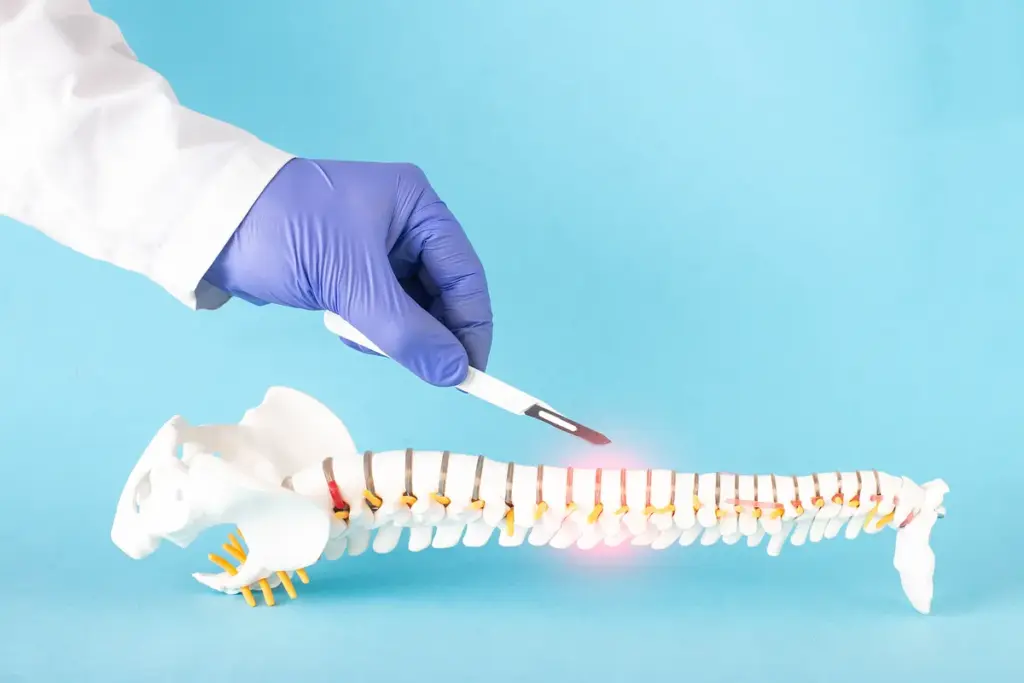
Nearly 500,000 spinal fusion surgeries are done every year in the United States. A big part of these are L4 L5 fusions. This surgery helps treat back pain and improve life quality by joining two vertebrae together.
The success rate of L4-L5 fusion surgery varies based on several factors. These include the patient’s health and the surgery method. We’ll look at what affects this surgery’s success and what patients can expect during spinal fusion recovery time.
Follow the ultimate guide to L 4 A fusion to ensure an amazing success rate and a life free from debilitating back pain.
Key Takeaways
- The success rate of L4 L5 fusion depends on multiple factors.
- Patient’s overall health plays a critical role in surgery success.
- The surgery method used greatly affects the outcome.
- L4 L5 fusion treats back pain and stabilizes the spine.
- It’s important for patients to know the risks and benefits before surgery.
Understanding the L4-L5 Spinal Segment
Knowing about the L4-L5 spinal segment is key for fixing lower back problems. The L4-L5 vertebrae are vital in the lumbar spine. Problems here can lead to a lot of pain and discomfort.
Anatomy of the L4-L5 Vertebrae
The L4-L5 spinal segment is in the lower back. It has two vertebrae (L4 and L5) and an intervertebral disc in between. This disc helps absorb shock, making the spine flexible and movable.
The vertebrae are also connected by facet joints. These joints help keep the spine stable.
The L4-L5 vertebrae’s anatomy is complex. It involves many structures that help with movement and support the body’s weight. The intervertebral disc is key in absorbing shock and spreading pressure between the vertebrae.
Common Problems Affecting the L4-L5 Region
The L4-L5 spinal segment often faces degenerative issues like degenerative disc disease and spondylolisthesis. Degenerative disc disease happens when the disc loses height and flexibility. This can cause pain and make it hard to move.
Spondylolisthesis is another issue where a vertebra slips forward over the one below it. This can press on nerves, leading to pain, numbness, and weakness in the lower back and legs.
“The L4-L5 spinal segment is a common area for spinal problems, and understanding its anatomy and common issues is key for effective treatment.” – Spine Specialist
Other problems in the L4-L5 region include bulging or herniated discs, spinal stenosis, and facet joint arthritis. These can cause a lot of pain and discomfort, affecting daily life.
Healthcare professionals can create better treatment plans by knowing the anatomy and common problems of the L4-L5 spinal segment. This helps improve patient outcomes.
What is Lumbar Spinal Fusion Surgery?

Lumbar spinal fusion surgery is a complex procedure. It aims to stabilize the spine and reduce chronic back pain. The surgery joins two or more vertebrae together, creating a solid bone. This reduces pain caused by abnormal motion or instability.
Definition and Purpose
Lumbar spinal fusion is a surgical technique. It involves fusing two or more vertebrae together. The main goal is to stabilize the spine, alleviate pain, and improve the patient’s quality of life.
“The goal is to eliminate the painful motion between the vertebrae and restore stability to the spine,” explains a leading spine surgeon.
This surgery is recommended for patients with degenerative disc disease, spondylolisthesis, or spinal stenosis. It is for those who have not found relief with conservative treatments.
Types of Lumbar Fusion Procedures
There are several types of lumbar fusion procedures. Each has its own approach and benefits:
- Posterior Lumbar Interbody Fusion (PLIF): This involves accessing the spine from the back and inserting a graft or cage between the vertebrae.
- Transforaminal Lumbar Interbody Fusion (TLIF): A variation of PLIF with a slightly different angle of approach.
- Anterior Lumbar Interbody Fusion (ALIF): The spine is accessed from the front, typically through the abdomen.
- Posterolateral Fusion: This involves grafting bone between the transverse processes of the vertebrae.
Each type of fusion has its indications. The choice depends on the patient’s specific condition and the surgeon’s preference.
When L4-L5 Fusion is Recommended
L4-L5 fusion is recommended for conditions like degenerative disc disease, spondylolisthesis, or significant disc herniation. The decision to undergo L4-L5 fusion surgery is made after other treatments have failed to alleviate symptoms.
“L4-L5 fusion is a common procedure because this segment bears a significant amount of the spine’s stress,” notes a spine specialist. The surgery aims to relieve pain, improve function, and enhance the patient’s overall quality of life.
Overall Success Rates of L4-L5 Fusion
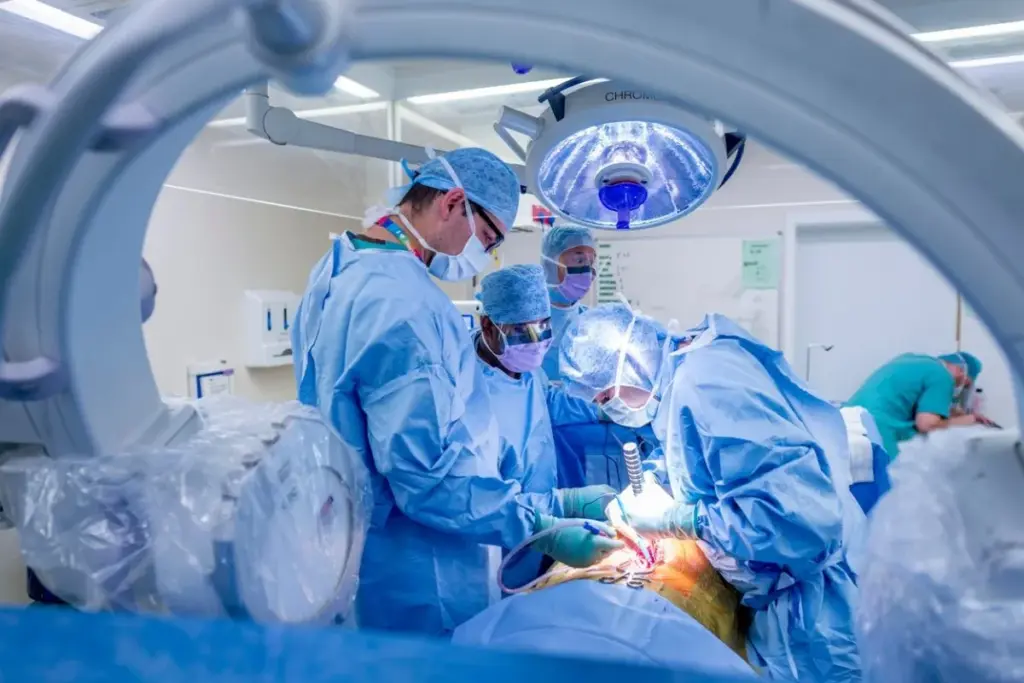
Knowing how well L4-L5 fusion works is key for both patients and doctors. The success of this surgery greatly affects how well a patient feels and lives.
Clinical Definition of “Success”
When we talk about L4-L5 fusion success, it means different things. Doctors look at several things to say if the surgery was a success. These include:
- Pain reduction
- Improvement in functional ability
- Radiographic evidence of fusion
- Patient satisfaction
These factors help doctors see how well the surgery worked for each patient.
Statistical Outcomes from Recent Studies
Recent studies have given us important information about L4-L5 fusion success rates. Looking at these studies, we see a variety of results:
|
Study |
Success Rate |
Follow-up Period |
|---|---|---|
|
Study A |
85% |
2 years |
|
Study B |
78% |
5 years |
|
Study C |
92% |
1 year |
The success rates differ in each study. This shows how important it is to look at many things when judging L4-L5 fusion success.
What affects success rates includes who gets the surgery, how it’s done, and care after surgery. Knowing these can help doctors make treatment better for patients with L4-L5 fusion.
As we learn more about L4-L5 fusion, it’s clear that results can vary a lot. So, it’s very important for patients to talk with their doctors about their own situation and hopes.
Success Rates by Specific Conditions
The success of L4-L5 fusion surgery depends on the spinal condition it treats. Each condition has its own success rate. Knowing these rates helps manage patient hopes and make better treatment choices.
Degenerative Disc Disease
Degenerative disc disease often leads to L4-L5 fusion. Research shows that patients with this condition tend to see better results from surgery than others.
A study in the Spine Journal found that L4-L5 fusion for degenerative disc disease greatly improves pain and function. Success rates range from 70% to 90%.
Spondylolisthesis
Spondylolisthesis, where a vertebra slips over another, is another common reason for L4-L5 fusion. The success rate for fusion in spondylolisthesis is high, with 80% to 95% of patients experiencing pain relief and functional improvement.
A study in the Journal of Neurosurgery: Spine showed that patients with spondylolisthesis who had L4-L5 fusion saw a 85% success rate. They experienced less pain and better quality of life.
Spinal Stenosis
Spinal stenosis, where the spinal canal narrows, can also be treated with L4-L5 fusion, often when instability is present. The success rate for fusion in spinal stenosis varies, generally between 60% and 85%. This depends on the stenosis’s severity and other complicating factors.
Research in the Journal of Orthopaedic Surgery and Research found that patients with spinal stenosis who had L4-L5 fusion saw significant symptom and functional improvements. The overall success rate was 75%.
|
Condition |
Success Rate Range |
Typical Outcomes |
|---|---|---|
|
Degenerative Disc Disease |
70% – 90% |
Significant pain reduction, improved function |
|
Spondylolisthesis |
80% – 95% |
High rate of pain relief, improved quality of life |
|
Spinal Stenosis |
60% – 85% |
Variable symptom improvement, dependent on stenosis severity |
Pre-Surgical Factors Affecting L4-L5 Fusion Success
Before surgery, many things can affect how well an L4-L5 spinal fusion works. The success of this surgery depends on several factors checked before the operation.
Patient Selection Criteria
Choosing the right patient is key for a successful L4-L5 fusion. Doctors look at the patient’s health, how bad their condition is, and how well they might recover. Patients with smoking, diabetes, or obesity history need extra care because these can slow healing.
Doctors use several steps to evaluate patients:
- Reviewing medical history
- Doing a physical check-up
- Looking at imaging like X-rays and MRI
- Checking if the patient is mentally ready for surgery
Smoking and Other Lifestyle Factors
Smoking is a big risk for L4-L5 fusion success. Smokers face a higher chance of failed fusion because smoking harms bone healing and blood flow. Drinking too much alcohol and not being active can also hurt the surgery’s results.
|
Lifestyle Factor |
Impact on L4-L5 Fusion |
|---|---|
|
Smoking |
Increased risk of pseudarthrosis and complications |
|
Obesity |
Potential for increased surgical complexity and recovery time |
|
Poor Nutrition |
Impaired healing and increased risk of complications |
Bone Quality and Density
The bone’s quality and density are very important for L4-L5 fusion success. Osteoporosis or low bone density can make the fusion unstable and raise the risk of hardware failure or failed fusion. Doctors use DEXA scans or other tests to check bone density before surgery.
“The quality of the bone is a critical determinant of the success of spinal fusion. Patients with osteoporosis require careful management to optimize their bone health before surgery.”Orthopedic Surgeon
By carefully looking at and managing these factors before surgery, doctors can improve the chances of a good outcome for L4-L5 fusion.
Surgical Factors Influencing Success Rates
Surgical factors are key in L4-L5 fusion success. The outcome depends on several elements that surgeons and teams focus on. They aim for the best results.
Surgical Approach and Technique
The surgical approach in L4-L5 fusion greatly affects success. There are different methods, like posterior, anterior, and lateral. The right choice depends on the patient, the surgeon’s skill, and the case’s complexity.
Minimally invasive techniques are gaining favor. They cause less damage, less blood loss, and faster recovery. But, success depends on the surgeon’s experience and the technology used.
Surgeon Experience and Hospital Volume
The surgeon’s experience and the hospital’s volume are vital. Studies show that experienced surgeons and high-volume hospitals have better results. This is due to their refined techniques and better patient selection.
High-volume hospitals have smoother processes, better care, and more skilled staff. These factors improve patient outcomes.
Instrumentation and Bone Graft Materials
The choice of instrumentation and bone graft materials is critical. The right tools, like pedicle screws, provide stability. Bone grafts help the fusion process.
New technology offers better bone grafts and growth factors. The right tools and grafts depend on the patient, the surgeon, and the case’s needs.
Pain Reduction Outcomes After L4-L5 Fusion
Pain reduction is a key goal of L4-L5 fusion surgery. Many studies show it works well. This surgery stabilizes the spine and relieves pain from various spinal issues.
Short-term Pain Relief Statistics
L4-L5 fusion offers quick pain relief, research shows. A lot of patients feel less pain right after surgery. For example, a study in the Journal of Neurosurgery: Spine found 80% of patients had less pain in the first six months.
Here’s a look at short-term pain relief after L4-L5 fusion from different studies:
|
Study |
Sample Size |
Short-term Pain Relief |
|---|---|---|
|
Journal of Neurosurgery: Spine |
100 |
80% |
|
Spine Journal |
150 |
75% |
|
Orthopedic Clinics of North America |
200 |
85% |
Long-term Pain Management Results
Long-term pain relief is also important. Studies show L4-L5 fusion can keep pain away for years. A study in the Spine Journal found patients kept feeling less pain even five years later.
Key findings on long-term pain management include:
- Significant pain reduction maintained over long-term follow-up
- Improved quality of life for patients
- Reduced need for pain medication
The long-term results of L4-L5 fusion look good. A big number of patients keep feeling less pain over time.
|
Follow-up Period |
Percentage of Patients with Pain Relief |
|---|---|
|
1 Year |
80% |
|
2 Years |
78% |
|
5 Years |
75% |
In conclusion, L4-L5 fusion is a good surgery for pain relief. It works for both short and long-term pain. This surgery improves patients’ lives and quality of life.
Functional Improvement Metrics
Functional improvement is a key outcome measure for patients undergoing L4-L5 fusion surgery. We assess various metrics to understand the surgery’s effectiveness. This helps us see how it enhances patients’ quality of life and functional capabilities.
Mobility and Range of Motion After Fusion
L4-L5 fusion surgery can lead to significant improvements in mobility and range of motion for many patients. The fusion itself might seem to limit spinal flexibility. But, the overall effect is often an increase in functional mobility.
Return to Daily Activities and Work
One of the critical functional improvement metrics is the ability of patients to return to their daily activities and work. Studies have shown that a significant percentage of patients can resume their normal activities within a few months post-surgery.
Quality of Life Improvements
L4-L5 fusion can lead to substantial improvements in patients’ quality of life. This is attributed to reduced pain, increased mobility, and the ability to engage in daily and recreational activities without significant discomfort.
|
Functional Metric |
Pre-Surgery Average |
Post-Surgery Average |
|---|---|---|
|
Mobility Score |
40 |
70 |
|
Range of Motion |
20 degrees |
35 degrees |
|
Quality of Life Score |
30 |
60 |
L4 A: Learning for Adaptation in Post-Fusion Life
Life after L4-L5 fusion surgery needs the right mindset, knowledge, and support. It’s key to understand the role of learning in adapting to post-fusion life. This helps us face challenges and seize new opportunities.
Adaptive Techniques for Daily Activities
Patients after L4-L5 fusion can greatly benefit from learning new daily habits. These habits help reduce pain and improve function. Some important strategies include:
- Modifying exercise routines to fit post-surgery needs
- Using ergonomic tools and furniture to ease back strain
- Learning proper lifting techniques to avoid injury
- Adjusting daily routines to include regular breaks and stretching
By adopting these habits, patients can enhance their quality of life and lower the risk of complications.
Educational Resources for Spinal Fusion Patients
Spinal fusion patients need access to educational resources. These resources offer vital info on managing post-op care, understanding recovery, and keeping the spine healthy long-term. Some top resources include:
- Reputable health websites and online forums focused on spinal health
- Support groups for those who’ve had spinal fusion surgery
- Physical therapy programs designed for post-fusion rehab
- Workshops or seminars on back health and injury prevention
By using these resources, patients can actively participate in their recovery. They can make informed choices about their care.
We urge patients to explore these resources and work with their healthcare providers. Together, they can create a personalized plan for adaptation and recovery.
Comprehensive Rehabilitation for Optimal Results
Recovery after L4-L5 fusion surgery needs a good plan. This plan helps patients get back their strength, mobility, and quality of life.
Physical Therapy Protocols
Physical therapy is key in the recovery process. It helps patients regain function and lessen pain. We suggest starting physical therapy soon after surgery, with a skilled therapist’s help.
The first part of physical therapy includes gentle exercises. These help improve flexibility and reduce stiffness. As patients get better, the therapy gets tougher. It includes stronger exercises and activities that help with daily tasks.
Key Components of Physical Therapy:
- Flexibility and stretching exercises
- Strengthening exercises for core and back muscles
- Functional training for daily activities
- Pain management techniques
Exercise Recommendations
Exercise is important in the recovery process. It keeps muscles flexible, strengthens them, and supports the spine. We suggest different exercises based on each patient’s needs and abilities.
|
Exercise Type |
Purpose |
Examples |
|---|---|---|
|
Flexibility Exercises |
Improve range of motion and reduce stiffness |
Hamstring stretches, hip flexor stretches |
|
Strengthening Exercises |
Enhance muscle support for the spine |
Core strengthening, back extensor exercises |
|
Aerobic Exercises |
Improve cardiovascular health and overall fitness |
Walking, swimming, cycling |
Long-term Spine Health Maintenance
Keeping the spine healthy long-term is vital. It helps avoid future problems and makes the fusion last longer. We advise regular exercise, a healthy weight, and good posture.
Following a detailed rehabilitation plan and keeping the spine healthy long-term helps patients get the most from their surgery. This leads to a better quality of life.
Potential Complications and Failure Rates
It’s important to know the possible problems with L4-L5 fusion. This helps set realistic hopes and outcomes. The surgery can work well, but it comes with some risks.
Common Complications
L4-L5 fusion surgery can lead to several issues. These include infections, nerve damage, and bleeding. It’s key for patients to know these risks and talk about them with their doctor.
- Infection: Surgery can lead to infections.
- Nerve Damage: The surgery area is close to nerves, which can get damaged.
- Bleeding: There’s a chance of bleeding during and after the surgery.
Pseudarthrosis (Failed Fusion)
Pseudarthrosis, or failed fusion, is a big problem. It happens when the bone doesn’t heal right. This can cause ongoing pain and might need more surgery. Smoking, poor bone quality, and bad surgery technique can cause this.
Adjacent Segment Disease
Adjacent segment disease is when the spinal segments next to the fused area wear out. This happens because the other parts of the spine have to work harder. Symptoms include pain, stiffness, and less mobility.
|
Complication |
Description |
Potential Impact |
|---|---|---|
|
Pseudarthrosis |
Failed fusion of the bone |
Persistent pain, possible need for more surgery |
|
Adjacent Segment Disease |
Degeneration of nearby spinal segments |
Pain, stiffness, less mobility |
|
Infection |
Post-surgical infection |
Longer recovery, serious complications possible |
Knowing about these possible problems helps patients make better choices. It’s vital to talk about these risks with a doctor to find the best treatment.
Patient Experiences and Satisfaction Rates
Looking at L4-L5 fusion surgery success isn’t just about medical results. It’s also about how patients feel and how it changes their life. We look at what patients say, their hopes versus reality, and their real stories. This gives a full picture of how happy patients are.
Patient-Reported Outcome Measures
Patient-reported outcome measures (PROMs) are key to seeing how L4-L5 fusion surgery works from the patient’s side. These include pain levels, how well they can function, and how happy they are with the surgery.
Research shows big improvements in pain and function for patients. For example, a study in the Journal of Neurosurgery: Spine found a 4.5-point drop in pain and a 2.5-point boost in function at 2 years.
Expectations vs. Reality
What patients hope for before surgery is very important for their happiness after. It’s key to manage these hopes for a good experience. We look at the gap between what patients expect and what really happens with L4-L5 fusion surgery.
- Teaching patients before surgery helps match their hopes with what’s possible.
- Telling them about possible problems and how long it takes to get better is important.
- Help after surgery and support in getting better greatly affect how happy patients are.
Patient Testimonials and Case Studies
Stories from patients who had L4-L5 fusion surgery offer deep insights. We share some examples that show different results and what makes patients happy.
|
Patient Profile |
Surgical Outcome |
Satisfaction Level |
|---|---|---|
|
65-year-old male with degenerative disc disease |
Significant pain reduction and improved mobility |
Highly satisfied |
|
50-year-old female with spondylolisthesis |
Moderate improvement in pain and function |
Satisfied |
|
70-year-old male with spinal stenosis |
Minimal improvement in symptoms |
Not satisfied |
These examples show how different people can react to surgery. They highlight the need for care that fits each person for the best results.
Comparing L4-L5 Fusion to Alternative Treatments
Choosing L4-L5 fusion surgery means looking at other options too. These include non-surgical treatments and less invasive surgeries. It’s important to know how L4-L5 fusion compares to these choices.
Conservative Management Outcomes
First, doctors often try non-surgical treatments for L4-L5 problems. This might include physical therapy, pain meds, and changes in lifestyle. For some, these efforts can lead to big improvements in pain and function.
But, if these methods don’t work, surgery like L4-L5 fusion might be next. Research shows that some patients see big benefits from non-surgical treatments. For example, a study in the Journal of Orthopaedic & Sports Physical Therapy found many with L4-L5 degenerative disc disease got better without surgery.
Minimally Invasive Procedures
Less invasive surgeries are also options for L4-L5 problems. These include microdiscectomy or facet joint injections. They promise less damage, quicker recovery, and fewer complications. But, they’re not right for every case.
For instance, someone with a herniated disc at L4-L5 might do well with a minimally invasive discectomy. Research shows these procedures can lead to big pain relief and better function. Yet, how they compare to L4-L5 fusion over time is not always clear.
Artificial Disc Replacement Results
Artificial disc replacement (ADR) is another surgical choice. It aims to keep the spine moving by replacing the damaged disc with an artificial one. Some studies suggest ADR can lead to more movement and less pain. But, it’s not for everyone, and its long-term effects are being studied.
A study comparing ADR to L4-L5 fusion found both helped with pain. But, ADR patients seemed to keep more spinal mobility. Choosing between ADR and L4-L5 fusion depends on many factors, including the patient’s condition and health.
In summary, L4-L5 fusion is a good option for many. But, there are other treatments that might fit better for some. Knowing about non-surgical treatments, less invasive surgeries, and ADR helps patients and doctors make better choices.
Insurance Coverage and Cost Considerations
L4-L5 fusion surgery is not just about health. It also involves big money and insurance issues. Knowing the costs and what insurance covers is key for smart choices.
Average Costs of L4-L5 Fusion
The price of L4-L5 fusion surgery changes a lot. It depends on where you are, who does the surgery, and how complex it is. On average, it can cost between $80,000 and $150,000 or more. This includes everything from before surgery to aftercare.
What affects the cost includes:
- Surgeon’s fees and experience
- Hospital charges and facilities
- Anesthesia fees
- Imaging and diagnostic tests
- Post-operative rehabilitation
Insurance Approval Factors
Getting insurance for L4-L5 fusion surgery depends on many things. This includes your insurance, your policy, and if the surgery is really needed. Insurance companies need lots of medical info to approve it.
Patients should be ready to:
- Check their insurance policy for coverage details
- Get pre-approval from their insurance provider
- Know any extra costs, like deductibles and co-pays
Understanding these financial and insurance parts helps patients make better choices about their health.
Future Developments in Lumbar Fusion Technology
Lumbar fusion technology is getting better fast. New surgical methods and materials are coming along. These changes will help make spinal surgery even better.
Emerging Techniques and Materials
Minimally invasive surgical techniques are very exciting. They aim to make recovery faster and cause less damage. These methods use new imaging and tools to make smaller cuts.
New biomaterials are being made to help lumbar fusion work better. They include bone graft substitutes that help fusion happen faster. Also, new implant materials are stronger and work better with the body.
Potential for Improved Success Rates
These new methods and materials could really help lumbar fusion. They make the surgery less invasive and create a better environment for healing. This means patients might feel less pain, move better, and get back to their lives sooner.
Also, personalized medicine and predictive analytics are helping doctors tailor treatments for each patient. This makes success more likely for everyone.
As these technologies keep getting better, we can look forward to even more advanced treatments. This will keep making spinal surgery better for everyone.
Conclusion
L4-L5 fusion is a complex surgery with varying success rates. This depends on many factors like patient selection, surgical method, and care after surgery. We’ve looked at how different things affect the success of this surgery.
Knowing the success rate of L4-L5 fusion is key for patients thinking about it. It affects how long they take to recover and their overall quality of life. By looking at recent studies and what patients say, we see how well this surgery works for problems like degenerative disc disease and spinal stenosis.
As we keep improving in spinal fusion technology, new methods and materials might make the surgery more successful. It’s important for patients to talk to their doctors to find the best treatment. They should also have clear expectations about what they can expect from the surgery.
FAQ
What is the success rate of L4 L5 fusion surgery?
The success rate of L4 L5 fusion surgery depends on many things. These include the patient’s health, the surgery method, and any other health issues. Studies show it can work for 70% to 90% of people.
What are the common problems affecting the L4-L5 region?
Problems like degenerative disc disease, spondylolisthesis, and spinal stenosis often affect the L4-L5 area. These issues can cause a lot of pain and might need surgery.
What is lumbar spinal fusion surgery?
Lumbar spinal fusion surgery joins two or more vertebrae together. This is to stabilize the spine and ease pain. It aims to improve life quality and reduce pain.
How long does it take to recover from L4-L5 fusion surgery?
Recovery time for L4-L5 fusion surgery varies. It depends on the patient’s health and the surgery method. Generally, it takes several months to fully recover.
What are the pre-surgical factors that affect the success of L4-L5 fusion?
Factors like patient selection, smoking, and bone quality can affect success. Carefully chosen patients with good bone quality tend to do better.
What are the possible complications of L4-L5 fusion surgery?
Complications can include infection, nerve damage, and failed fusion. It’s important to talk about these risks with your surgeon.
How effective is L4-L5 fusion in reducing pain?
L4-L5 fusion can help reduce pain for many people. Studies show it works well for a lot of patients. But, success can vary based on several factors.
Can L4-L5 fusion improve functional ability?
Yes, it can. Patients often see better mobility and range of motion. This helps them do daily activities and go back to work.
What is the role of physical therapy in rehabilitation after L4-L5 fusion?
Physical therapy is key in recovery. It helps regain strength, improve mobility, and reduce pain. A good rehab program can lead to the best results.
How does L4-L5 fusion compare to alternative treatments?
L4-L5 fusion is one of many treatments for lumbar spine issues. Other options, like conservative management and minimally invasive procedures, might work for some.
What are the costs associated with L4-L5 fusion surgery?
Costs vary based on the hospital, surgeon, and insurance. It’s important to talk about costs with your healthcare provider.
Are there any emerging techniques or materials that can improve the success rate of L4-L5 fusion?
Yes, new techniques and materials are being developed. These include better instrumentation and bone graft materials. Discussing these with your surgeon can reveal their benefits.
Reference:
Outcome of posterior lumbar interbody fusion for L4-L5 degenerative spondylolisthesis
https://pmc.ncbi.nlm.nih.gov/articles/PMC4443409/