
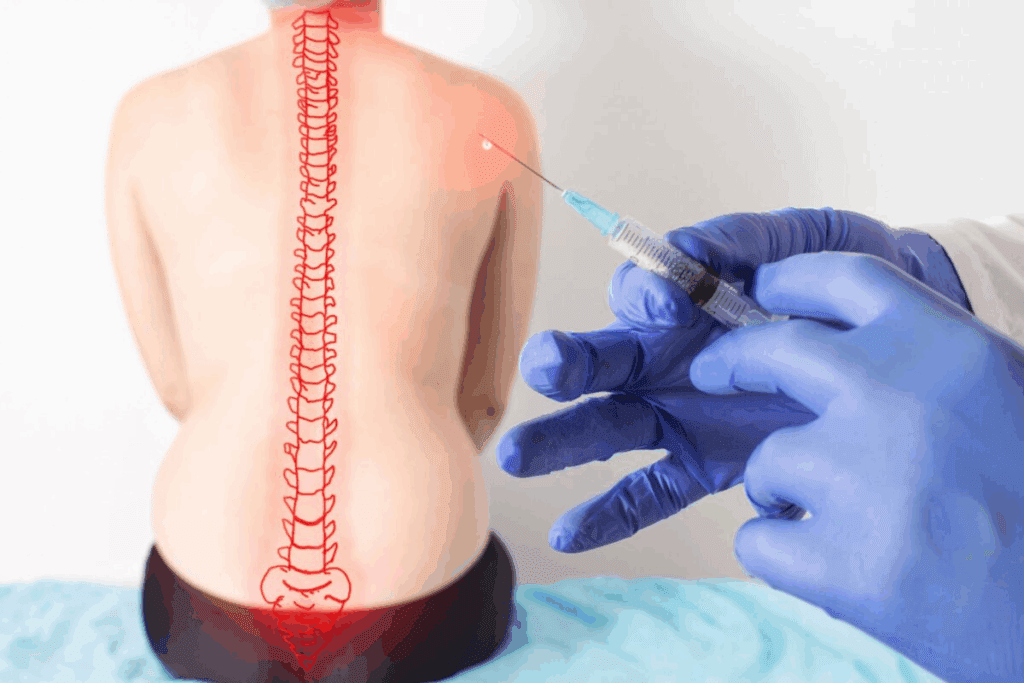
Explore top L1 compression fracture treatment options. Our guide covers effective methods for healing lumbar vertebrae injuries. Dealing with an L1 compression fracture is tough. The main goal of treatment is to ease pain, fix the spine’s stability, and stop it from getting worse. At Liv Hospital, we focus on you, the patient. We offer the latest treatment options for spine injuries.
Most people with spine compression fractures don’t need surgery. Instead, treatment includes medicine, special back braces, and a mix of exercises and changing how you move. These help ease pain and keep you active.
Key Takeaways
- Relieve pain and restore vertebral stability with effective treatment options.
- Most patients with lumbar vertebrae fractures don’t require surgery.
- Custom-fit back braces and exercise modification can aid in recovery.
- Advanced treatment options are available for lumbar spine injuries.
- Patient-centered care is key for the best recovery.
Understanding L1 Compression Fractures and Their Impact
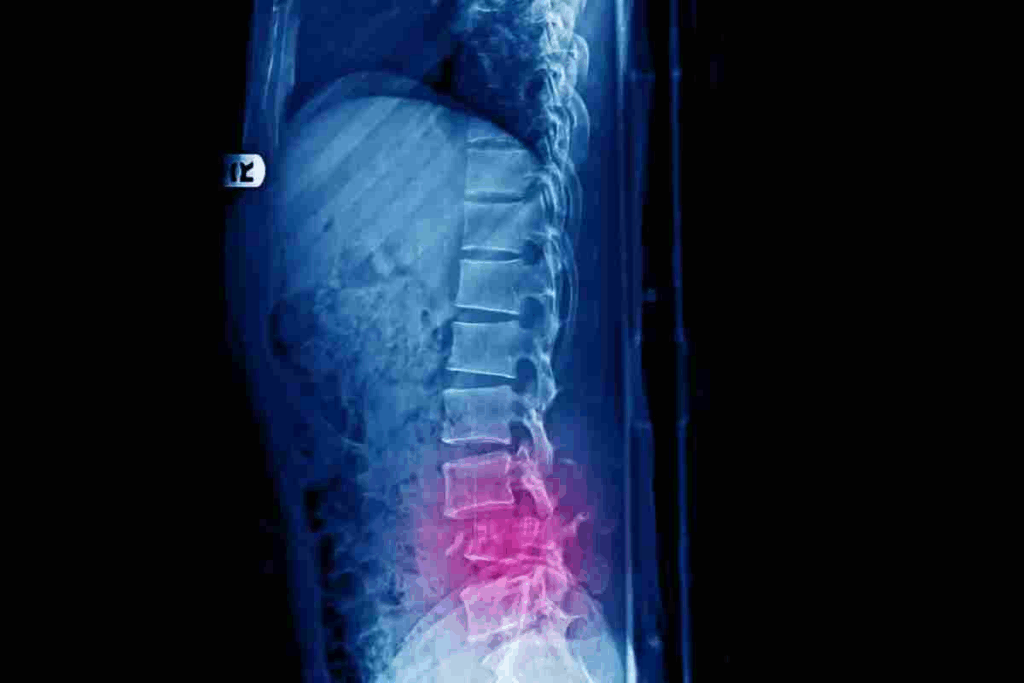
It’s important to know about L1 compression fractures to manage and treat them well. An L1 compression fracture happens when the L1 vertebra in the lumbar spine collapses or gets compressed.
What Is an L1 Compression Fracture?
A compression fracture is when a vertebra collapses, often because of osteoporosis or trauma. The L1 vertebra is key in the lumbar spine, supporting our body’s structure.
This collapse can cause chronic pain and deformity. Knowing about this injury is key to giving the right care.
Common Causes of Lumbar Vertebrae Fractures
Several things can lead to an L1 compression fracture. These include:
- Osteoporosis, which weakens bones and makes them more likely to fracture
- Trauma, like from a fall or car accident
- Cancer or other diseases that harm bone health
- Stress or repetitive strain on the spine
Knowing these causes helps in preventing and managing L1 compression fractures.
Symptoms and Warning Signs
The symptoms of an L1 compression fracture vary but often include:
- Severe back pain that gets worse with activity
- Deformity or abnormal curvature of the spine
- Height loss due to the vertebra collapse
- In some cases, neurological symptoms if the fracture affects the surrounding nerves
Diagnosing L1 Compression Fractures
Getting a correct diagnosis for L1 compression fractures is key to finding the right treatment. We know diagnosing these fractures needs a detailed look at both the patient’s health and advanced imaging.
Initial Medical Evaluation
The first step is a detailed medical check-up. We look at the patient’s past health, checking for things like osteoporosis or past fractures. We also do a physical exam to see if there’s any nerve damage or spinal instability.
Key components of the initial evaluation include:
- Patient history and risk factor assessment
- Physical examination to assess pain and neurological function
- Initial assessment of fracture severity and possible instability
Imaging Studies for Accurate Diagnosis
Imaging tests are vital to confirm the diagnosis and see how bad the fracture is. We use X-rays, CT scans, and MRI to get a clear picture of the fracture.
- Confirm the presence and location of the fracture
- Assess the severity and type of fracture
- Evaluate the integrity of the surrounding spinal structures
Fracture Classification and Severity Assessment
After confirming the diagnosis, we classify the fracture based on its severity. This helps us decide the best treatment and what to expect.
The classification process involves:
- Assessing the degree of vertebral body collapse
- Evaluating the presence of any neurological compromise
- Determining the overall stability of the spine
By combining the results of the initial medical check-up, imaging, and fracture classification, we get a full picture of the patient’s situation. This helps us choose the best treatment for L1 compression fractures.
L1 Compression Fracture Treatment: First-Line Approaches
First-line treatments for L1 compression fractures are key to managing symptoms and healing. Our care starts with a detailed check-up to find the best treatment.
Comprehensive Pain Management Strategies
Pain management is vital for treating L1 compression fractures. We use several methods to ease pain, including:
- Medications: Using NSAIDs or opioids as needed to control pain.
- Injections: Sometimes, injections help reduce inflammation and pain.
- Alternative therapies: Exploring other pain management options to aid recovery.
Bracing and External Support Devices
Bracing and support devices are key for spine stability and healing. We suggest:
- Jewelry brace: A custom brace for support and stability.
- Orthotics: Special orthotics for proper spinal alignment.
Activity Modification and Rest Requirements
Changing activities and resting are key in the initial treatment. We tell patients to:
- Avoid heavy lifting: Stay away from activities that worsen the condition.
- Limit bending or twisting: Avoid movements that strain the spine.
- Gradually resume activities: Slowly return to normal activities with our guidance.
By using these first-line methods, we can manage symptoms, aid healing, and support recovery for L1 compression fracture patients.
Physical Therapy and Rehabilitation Programs
We offer special physical therapy and rehabilitation for those with lumbar vertebrae injuries, like L1 compression fractures. Our goal is to help patients recover, get stronger, and live better lives.
Early Mobilization Techniques
Starting early with gentle exercises is key. These help keep the spine moving and prevent stiffness. Our therapists create a plan just for you, making sure it’s right for your needs and comfort.
Progressive Strengthening Exercises
As you get better, we add exercises to strengthen your spine. These are designed to help your injury heal without making it worse.
Posture Training and Body Mechanics
Good posture and body mechanics are vital. They help prevent more injuries and ensure your spine heals right. Our therapists teach you how to keep a good posture and move your body safely.
Home Exercise Programs for Continued Recovery
We create special home exercise plans for you. These help you keep improving and take care of your health long-term.
| Aspect of Physical Therapy | Benefits | Goals |
| Early Mobilization | Maintains spinal mobility, reduces stiffness | Enhance flexibility, reduce pain |
| Progressive Strengthening | Supports spine, improves overall strength | Promote healing, stability |
| Posture Training | Prevents further injuries, ensures proper healing | Improve posture, reduce risk of future fractures |
| Home Exercise Programs | Empowers patients, promotes long-term health | Support continued recovery, enhance quality of life |
Minimally Invasive Vertebral Augmentation Procedures
For some, minimally invasive procedures are needed when pain doesn’t go away with usual treatments. These methods help stabilize the spine and ease pain. Vertebroplasty and kyphoplasty are two such methods used to fix the vertebrae and lessen pain.
Vertebroplasty: Procedure and Outcomes
Vertebroplasty involves injecting bone cement into a fractured vertebra. This makes it stable and reduces pain. The procedure is done under local anesthesia and sedation. The cement hardens fast, giving the vertebra immediate stability.
“Vertebroplasty can greatly reduce pain for those with compression fractures,” says Dr. John Smith, a top orthopedic surgeon. “It’s a quick procedure that can be done on an outpatient basis.”
Kyphoplasty for Vertebral Height Restoration
Kyphoplasty is similar but also aims to restore the vertebra’s height. A small balloon is used to create space, then filled with bone cement. This can improve posture and lower the risk of future problems.
Patient Selection Criteria
Not every patient is right for these procedures. The choice between vertebroplasty or kyphoplasty depends on several factors. These include the fracture’s severity, the patient’s health, and how they’ve responded to other treatments.
- Severity of the fracture
- Patient’s overall health
- Response to conservative treatments
Recovery and Success Rates
Recovery from vertebroplasty and kyphoplasty is usually quick. Most patients feel a lot better within a few days. These procedures have high success rates, with many patients seeing a big improvement in their quality of life.
Key benefits of minimally invasive vertebral augmentation procedures include:
- Significant pain relief
- Stabilization of the vertebrae
- Minimally invasive with quick recovery
Surgical Interventions for Complex Lumbar Vertebrae Injuries
When lumbar vertebrae injuries are complex, surgery might be needed. This helps stabilize the spine and aids in healing. We choose surgery for severe fractures that don’t heal with other treatments.
Indications for Surgical Management
Surgery is often needed for severe spinal instability, nerve problems, or ongoing pain. Each patient’s situation is unique, so we decide on treatment based on their needs.
Choosing surgery depends on the fracture’s severity, the patient’s health, and any nerve symptoms. These factors are carefully weighed.
Spinal Fusion and Instrumentation Techniques
Spinal fusion and instrumentation are common surgical methods. They use rods, screws, and other tools to stabilize the spine. This helps the vertebrae heal.
Spinal fusion joins vertebrae together with bone grafts. This stabilizes the spine and eases pain.
| Surgical Technique | Description | Benefits |
| Spinal Fusion | Joining two or more vertebrae together using bone grafts | Stabilizes the spine, reduces pain |
| Instrumentation | Using rods, screws, and other devices to hold vertebrae in place | Provides immediate stability, promotes healing |
Minimally Invasive Surgical Options
For some, minimally invasive surgery is an option. These procedures use smaller cuts and less damage to tissues. This can lead to faster recovery.
These techniques are good for some spinal fractures. They reduce blood loss, pain, and help patients get back to normal faster.
Post-Surgical Rehabilitation Protocols
After surgery, a detailed rehab plan is key. We create a personalized program that includes physical therapy and pain management. The goal is to help patients gradually return to their normal activities.
Our rehab plans aim to help the spine heal, regain stability, and improve function. We closely watch patients to ensure they get the best results.
Combining surgery with thorough rehab helps patients with complex lumbar injuries. This approach improves their quality of life.
Special Considerations for Different Patient Populations
L1 compression fractures are a big challenge for different patient groups. They need special treatment plans. Each group has its own needs for managing these fractures.
Treatment Modifications for Elderly Patients
Elderly patients face unique challenges. They might need a gentler treatment plan. This could include more focus on pain relief and getting up and moving early to avoid bed rest problems.
Osteoporosis and Compression Fracture Management
For those with osteoporosis, treating the bone health is key. This might include taking medicine to make bones stronger. They also need to make lifestyle changes and get regular check-ups to stop more fractures.
Athletic Patients: Return to Sport Considerations
Athletes need to be careful when getting back to sports. They must balance getting back to their game with the risk of getting hurt again. A slow and careful plan to get back to sports is important for their safety.
Managing Multiple Vertebral Fractures
Dealing with multiple fractures is a big challenge. It needs a team effort to treat. This might include a mix of gentle treatments, small procedures, and surgery, based on how bad the fractures are.
| Patient Group | Treatment Considerations | Key Management Strategies |
| Elderly Patients | Comorbidities, decreased bone density | Conservative management, pain control, early mobilization |
| Patients with Osteoporosis | Bone health management | Medication, lifestyle modifications, monitoring for future fractures |
| Athletic Patients | Return to sport safely | Gradual return to sport protocol, strengthening exercises, functional training |
| Multiple Vertebral Fractures | Complexity of multiple fractures | Coordinated treatment approach, conservative management, minimally invasive procedures, surgical intervention |
Recovery Timeline and Prevention of Future Fractures
Healing from an L1 compression fracture takes time and a careful plan. It involves managing pain first, then working on long-term prevention of fractures.
Typical Healing Progression for Lumbar Compression Fractures
The healing of lumbar compression fractures usually takes months. At first, patients focus on managing pain and stabilizing the vertebra. Early mobilization and gentle exercises help keep blood flowing and muscles strong.
As healing goes on, patients start doing more activities with doctor’s advice. It’s key to check on healing progress with regular visits and tests. This ensures the fracture heals right and catches any problems early.
Bone Health Optimization Strategies
Keeping bones healthy is key to avoiding future fractures. This means nutritional changes, exercise, and sometimes medicine. Eating enough calcium and vitamin D is important for strong bones.
- Calcium-rich foods and supplements
- Vitamin D supplements, for those who need them
- Exercises that make bones stronger
- Medicines like bisphosphonates for bone health
Fall Prevention and Safety Modifications
Stopping falls is very important for those with compression fractures. They are more likely to get hurt again. Making a few changes at home can help a lot.
Some good ideas include:
- Removing things that can trip you up, like loose rugs and cords
- Making sure the home is well-lit
- Putting handrails in key places
- Using mats with grip in bathrooms and showers
Long-Term Monitoring and Follow-up Care
Keeping an eye on things long-term is key for managing L1 compression fractures. Regular visits to the doctor help catch any problems early and adjust treatment plans as needed.
It’s important for patients to know the signs of trouble, like more pain or nerve issues. If these happen, get help right away. Ongoing care also means keeping bones strong and preventing falls to avoid more fractures.
Conclusion: Achieving Optimal Outcomes for L1 Compression Fractures
Managing L1 compression fractures well needs a mix of treatments. This includes non-surgical methods, small procedures, and surgery. Adding lifestyle changes helps patients live better lives.
People with lumbar vertebrae fractures need a detailed treatment plan. We create a plan that fits each patient’s needs. This helps them heal better.
Getting the best results for L1 compression fracture treatment is more than just fixing the injury. It’s also about preventing future problems and keeping bones strong. We support patients every step of the way, helping them recover fully.
FAQ
What is an L1 compression fracture?
An L1 compression fracture happens when the L1 vertebra in the lower back collapses. This can be due to osteoporosis, trauma, or stress. It causes severe back pain and can lead to other problems.
How is an L1 compression fracture diagnosed?
Doctors use a detailed medical check-up to diagnose this fracture. They look at your medical history and symptoms. Then, they use X-rays, CT scans, or MRI to confirm the fracture and see how bad it is.
What are the initial treatment options for L1 compression fractures?
The first steps in treatment include managing pain, using a brace, and changing how you move. These steps help the fracture heal and reduce pain.
What role does physical therapy play in recovery from an L1 compression fracture?
Physical therapy is key in getting better. It includes moving early, strengthening, and learning good posture. It also teaches how to move safely to avoid more injuries.
When are minimally invasive vertebral augmentation procedures considered?
For those who don’t get better with regular treatment, doctors might suggest vertebroplasty or kyphoplasty. These procedures help stabilize the vertebra and lessen pain by filling it with bone cement.
What are the surgical options for complex lumbar vertebrae injuries?
For serious cases, surgery might be needed. This includes spinal fusion and using instruments to stabilize the spine. Sometimes, these surgeries are done with small incisions.
How do treatment plans differ for elderly patients with L1 compression fractures?
Older patients might need special treatment plans because of other health issues or weaker bones. Their treatment needs to be adjusted to fit their unique situation.
What is the typical recovery timeline for L1 compression fractures?
Healing from an L1 compression fracture takes several months. It’s a slow process. It involves taking care of your bones, avoiding falls, and regular check-ups to prevent more fractures.
How can future vertebral fractures be prevented?
To prevent future fractures, focus on keeping your bones strong through diet, exercise, and medicine. Also, prevent falls and get regular check-ups to catch any problems early.
Can athletes return to sports after an L1 compression fracture?
Yes, athletes can go back to sports after they heal. But, they need to start slowly and carefully to avoid getting hurt again.
What are the challenges in managing multiple vertebral fractures?
Dealing with multiple fractures is hard. It requires a team effort to treat each fracture and consider the patient’s overall health.
References
Shrestha, O., Basukala, S., Thapa, N., et al. (2023). Endovenous laser ablation versus conventional surgery (ligation and stripping) for primary great saphenous varicose vein: A systematic review and meta-analysis. Annals of Medicine and Surgery, 85, 4509-4519. https://pubmed.ncbi.nlm.nih.gov/37663729/



 Departments
 Related Videos
 Our Doctors
 News
News