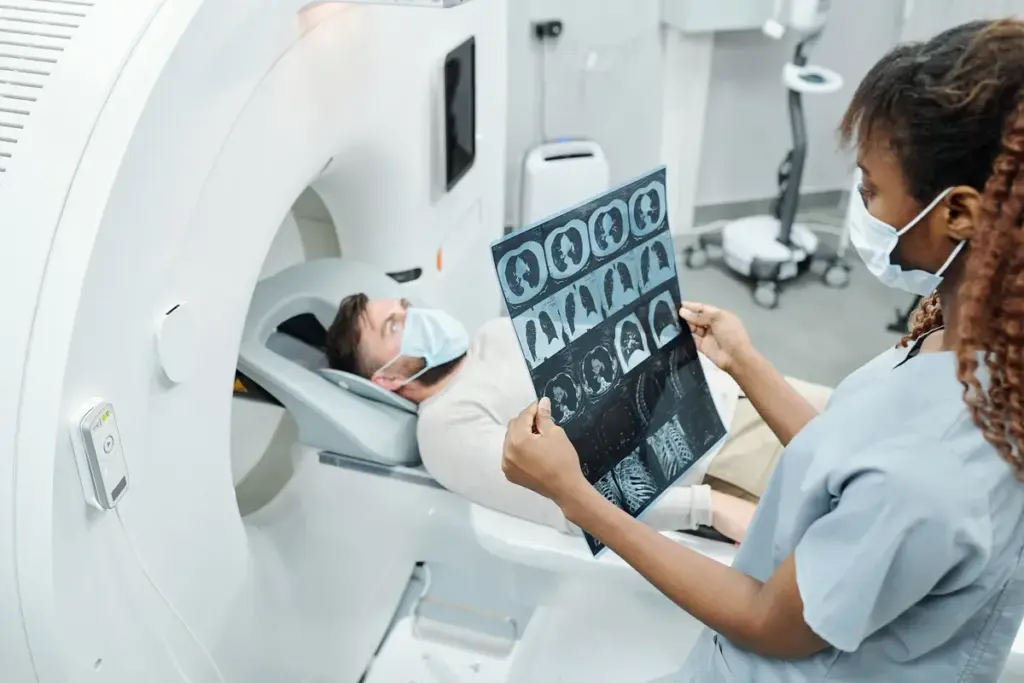
Waiting for medical test results can be stressful, like when you’re checking for chronic rhinosinusitis. At Liv Hospital, we know how important quick and right diagnoses are. We aim to give our patients fast and dependable results to help with their treatment.
A sinus CT scan is key for checking your sinuses. How long it takes to get results can change, but with our modern tech and efficient ways, most get theirs in one to two days. This quick turnaround helps us start the right treatment fast.
Key Takeaways
- Typical timeframe for receiving sinus CT scan results is one to two days.
- Advanced technology and medical protocols support swift diagnoses.
- Liv Hospital is committed to delivering world-class healthcare with complete support.
- Accurate diagnoses enable effective treatment planning for conditions like chronic rhinosinusitis.
- Patients can expect reliable and timely results from a sinus CT scan.
Understanding Sinus CT Scans
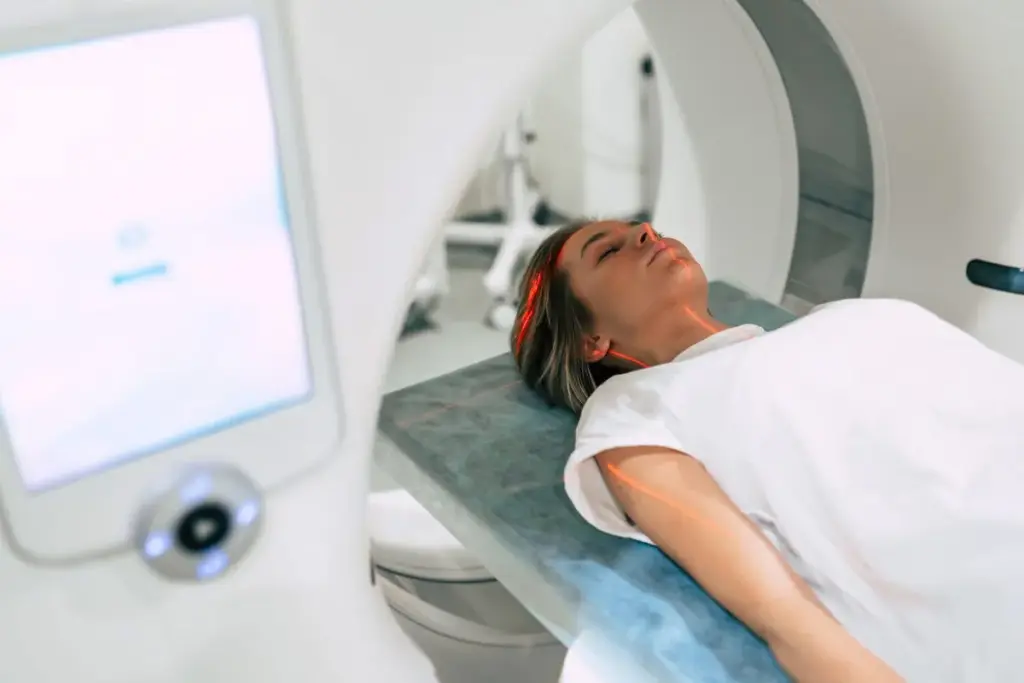
Sinus CT scans are key in modern medicine. They give detailed images of the sinus passages. At Liv Hospital, we use top radiology services for accurate diagnoses and treatment plans.
A sinus CT scan is a non-invasive test. It uses X-rays to show detailed cross-sections of the sinuses. Doctors can see the sinuses from different angles to spot any problems.
What is a sinus CT scan?
A ct sinus scan shows the sinus cavities and nasal passages clearly. It’s better than regular X-rays because it shows soft tissues and bones well. This helps doctors diagnose conditions more accurately.
The scan involves lying on a table that moves into a CT scanner. The scanner rotates around the body to take images from all sides. The scan itself takes under a minute, but getting ready and positioned can take longer.
How CT scans sinus imaging differs from other diagnostic tools
A ct of sinuses is different from MRI or standard X-rays. While X-rays give a basic view, a sinus CT scan shows detailed images. It’s great for finding complex problems in the sinuses.
At Liv Hospital, we offer top radiology services. Our skilled radiologists and modern equipment help us give precise diagnoses and treatment plans. We tailor care to each patient’s needs.
Common Reasons for Ordering CT Scans Sinus
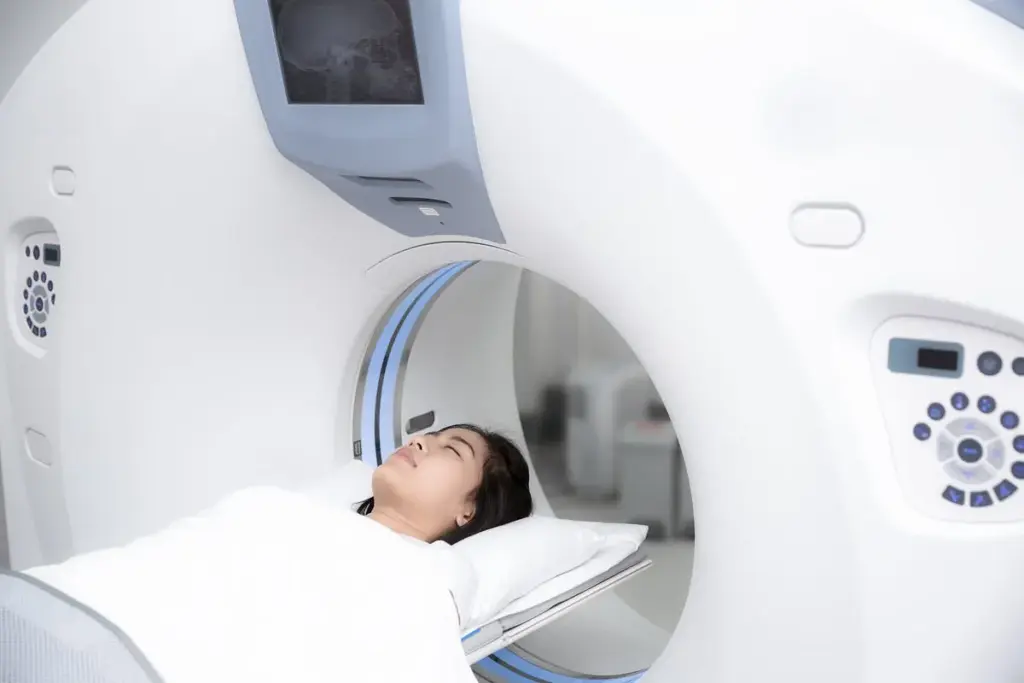
CT scans give us valuable insights when diagnosing sinus problems. We use them to check on sinus and surrounding areas. They show us the details of the sinuses, helping us spot issues and plan treatments.
Diagnosing Chronic Rhinosinusitis
We often use CT scans to find chronic rhinosinusitis. This is when the nasal passages and sinuses stay inflamed for over 12 weeks. The scan helps us see how bad the inflammation is and find the best treatment.
Evaluating Sinus Infections and Inflammation
CT scans are key for checking sinus infections and swelling. They give us a clear view of the sinuses. This lets us see how serious the infection is and if there are any complications. It helps us make better treatment choices.
Pre-surgical Planning for Sinus Procedures
Before sinus surgery, a CT scan is very important. It shows us the patient’s anatomy in detail. This helps us plan the surgery better, making it more likely to succeed and reducing risks.
In short, CT scans of the sinuses are essential in our work. They help us diagnose and treat sinus issues well. With clear images, we can make better treatment plans and improve patient care.
The Complete Sinus CT Scan Process
At Liv Hospital, we help you through every step of your sinus CT scan. Our team works hard to make your experience comfortable and quick. This includes everything from getting ready to what happens after the scan.
Pre-scan Preparation
Before your ct scan sinus, getting ready is key. Here’s what we recommend:
- Take off any metal items or jewelry from the scan area
- Tell us about any health issues or allergies you have
- Get to the hospital at least 15 minutes before your time slot
Our staff will give you all the details you need to get ready for the scan.
During the Scan: What to Expect
When you do the nose ct scan, you’ll lie on a table that moves into the CT scanner. Our radiology team will help you feel comfortable and keep you informed.
“The CT scan is a painless and non-invasive procedure that typically takes just a few minutes to complete.”
The scan itself usually lasts about 10 minutes. You’ll need to stay very quiet and not move to get clear pictures.
Post-scan Procedures
Once the cat scan sinuses is done, we check the images to make sure they’re good. Then, you can go back to your usual activities unless your doctor tells you differently.
Our radiologists will look over the scan results. Your doctor will talk to you about what they found during a follow-up visit.
At Liv Hospital, we aim to make your sinus CT scan experience as easy and worry-free as possible. If you have any questions or concerns, please don’t hesitate to contact our team.
How Long Does a Sinus CT Scan Take to Complete?
Knowing how long a sinus CT scan takes can ease your worries. We understand that your time is important. Knowing what to expect can make things easier for you.
Actual Scanning Time
The actual scan is very fast. Usually, it takes less than a minute. This speed comes from new CT technology, making imaging quick and precise.
Total Appointment Duration
Even though the scan is brief, the whole visit takes longer. You should plan to spend about 10 minutes for everything.
|
Procedure |
Typical Duration |
|---|---|
|
Preparation |
4-5 minutes |
|
Actual Scanning |
Less than 1 minute |
|
Additional Procedures (if necessary) |
Variable |
|
Total Appointment Time |
Around 10 minutes |
Even though the scan is fast, the total time can change. Our team will help you every step of the way. We want you to feel comfortable and know what’s happening.
The Journey of Your Sinus CT Scan Results
After your sinus CT scan is done, our team works hard to get your results right. We follow several important steps to make sure your diagnostic report is accurate.
Image Processing and Reconstruction
The first thing we do is process and rebuild your scan images. Our top-notch technology turns raw data into clear pictures of your sinuses. We then make these images better to show any problems, like swelling or structural issues. This helps us tell if your scan is normal or not.
Radiologist Review Process
Next, our skilled radiologists carefully look over the images. They search for signs of sinusitis, tumors, or other issues in your sinuses. Their detailed check is key to giving you a correct diagnosis, which will be in your radiology report.
- Careful examination of sinus structures
- Identification of abnormalities or diseases
- Comparison with previous scans (if available)
Report Generation and Verification
After the radiologist’s review, a detailed report is made. This report sums up the findings, diagnosis, and any next steps. Our team checks the report for any mistakes or missing info before it goes to your healthcare provider. We aim to get your results to you within 24-48 hours.
Getting your sinus CT scan results is a big part of your health journey. Knowing how we get these results can ease your worries. It also helps you get ready to talk about them with your doctor.
Typical Timeframes for Receiving Sinus CT Scan Results
At Liv Hospital, we make sure you get your sinus CT scan results fast and right. Knowing when to expect your results can ease your worry.
Standard Result Delivery Windows
Radiology reports for ct sinuses scans usually come in 24-48 hours. This gives our radiologists enough time to review the images and write a detailed report.
Factors Affecting Result Timing
Several things can change how long it takes to get your ct scan sinus results. These include:
- The complexity of your case
- The workload of the radiology department
- Whether your scan is considered routine or emergency
We know waiting for results can be stressful. We try to keep you updated as quickly as we can.
Emergency vs. Routine Result Timelines
In emergencies, we aim to give you your ct sinuses scan results fast, often in a few hours. For routine cases, we aim for 24-48 hours. But, the exact time can vary based on the factors mentioned above.
At Liv Hospital, we’re here to support you every step of the way. If you have questions or concerns about your sinus CT scan results, please contact our patient care team.
How to Access Your Sinus CT Scan Results
Getting your sinus CT scan results is key to understanding your health. We make it easy for you to get your results.
Patient Portals and Electronic Health Records
Many healthcare providers have patient portals. Here, you can safely see your medical records, including your sinus CT scan results. These online platforms let you view your results, keep track of your health history, and talk to your healthcare team.
To access your results through a patient portal:
- Log in to your account using your secure credentials
- Navigate to the “Results” or “Medical Records” section
- View and download your sinus CT scan results
In-Person Follow-Up Appointments
If you like talking to your doctor in person, you can schedule a follow-up appointment. Your healthcare provider will go over your sinus CT scan results with you. They’ll answer your questions and tell you what to do next.
To prepare for your appointment:
- Bring any relevant medical records or previous test results
- Write down your questions or concerns to discuss with your provider
- Arrive a few minutes early to complete any necessary paperwork
Requesting Physical Copies of Your Results
If you want a physical copy of your sinus CT scan results, you can ask your healthcare provider. This is handy for keeping a personal record or sharing with other doctors.
Here’s a comparison of the different methods for accessing your sinus CT scan results:
|
Method |
Convenience |
Accessibility |
|---|---|---|
|
Patient Portal |
High |
24/7 Online Access |
|
In-Person Appointment |
Moderate |
Personal Interaction |
|
Physical Copy Request |
Low |
Tangible Record |
We take your privacy seriously. Whether you use our patient portal or ask for a physical copy, your data is safe with us.
Understanding Your Sinus CT Scan Report
A sinus CT scan report gives detailed images of your sinuses. Doctors use it to diagnose and treat sinus issues. When you get your report, it might seem hard to understand because of the medical terms. But, knowing the main parts and findings is key to understanding your diagnosis and treatment.
Key Components of a Radiology Report
A typical radiology report for a sinus CT scan has several important parts:
- Patient Information: Confirms your identity and the specific scan performed.
- Scan Details: Describes the type of scan, the area examined, and any contrast used.
- Findings: Outlines the radiologist’s observations, including any abnormalities or significant features.
- Impression: Summarizes the most critical findings and possible diagnoses.
- Recommendations: Suggests further actions or follow-up scans if necessary.
Normal vs. Abnormal Sinus CT Findings
It’s important to know if your sinus CT scan results are normal or abnormal. Normal findings mean your sinuses look healthy, with no signs of inflammation, infection, or structural problems. On the other hand, abnormal findings might show:
- Sinusitis or inflammation
- Polyps or tumors
- Structural abnormalities, such as a deviated septum
- Infections or abscesses
Abnormal results don’t always mean you need treatment right away. But, they help your healthcare provider make recommendations.
Medical Terminology Explained
Medical reports often use terms you might not know. Here are some common ones you might see in a sinus CT scan report:
- Mucosal Thickening: Indicates inflammation or swelling in the sinus lining.
- Opacification: Refers to the presence of fluid or soft tissue within the sinuses.
- Erosion: Suggests damage to the bone or sinus structure.
- Hyperostosis: Means an abnormal thickening of bone.
We know it can be tough to understand these terms. Our healthcare providers are here to explain the findings and talk about any concerns or questions you have.
Advanced Radiology Services: Expedited Results
At Liv Hospital, we’re all about quick and precise diagnoses. We aim to offer top-notch medical care. We do this by using the latest technology and following the best academic standards.
Same-Day Reporting Capabilities
We know how vital fast diagnoses are. That’s why we offer same-day reports for CT scans of sinuses. Our top-notch equipment and efficient processes mean we can give you results fast without losing quality.
Benefits of Same-Day Reporting:
- Rapid diagnosis and treatment start
- Less patient worry with quick results
- Better care with fast decision-making
Liv Hospital’s Approach to Rapid Diagnostics
Our rapid diagnostics focus on innovation and skill. We have a team of skilled radiologists. They work with our clinical teams to give our patients full care.
“The key to our success lies in our ability to integrate technology with clinical expertise, ensuring that our patients receive the best possible care.”
Technology’s Role in Accelerating Result Delivery
Advanced tech is key to quick CT sinus scan results. Our radiology department uses the latest imaging tools. This means we can get and process images faster.
|
Technology |
Benefit |
|---|---|
|
Advanced CT Scanners |
Fast image acquisition |
|
AI-Assisted Image Analysis |
Enhanced accuracy and speed |
|
Digital Radiology Systems |
Streamlined image sharing and reporting |
By using these technologies and our radiologists’ skills, we can give you fast and accurate diagnoses. This helps us create effective treatment plans for our patients.
From Results to Treatment Plan: The Next Steps
Once your sinus CT scan results are in, we’ll talk about them and create a treatment plan just for you. This step is key to moving from diagnosis to treatment. It makes sure you’re on the right path to feeling better.
Discussing Results with Your Healthcare Provider
After your sinus CT scan, your doctor will go over the results with you. This is your chance to learn about your diagnosis, ask questions, and clear up any doubts. Talking openly with your doctor is important for a good treatment plan.
Your doctor will explain what the CT scan found, including any problems. They will also suggest the best treatment options for your condition.
How CT Findings Guide Treatment Decisions
The results of your sinus CT scan are very important for deciding how to treat you. The detailed images from the CT scan help your doctor understand your sinus condition, whether it’s chronic rhinosinusitis, a sinus infection, or something else.
If the CT scan shows a lot of inflammation or infection, you might need antibiotics or anti-inflammatory drugs. If there are structural problems, surgery might be needed.
|
Treatment Option |
Condition |
Typical Outcome |
|---|---|---|
|
Antibiotics |
Sinus Infection |
Resolution of infection |
|
Anti-inflammatory medications |
Chronic Rhinosinusitis |
Reduction in inflammation |
|
Surgical intervention |
Structural Abnormalities |
Correction of abnormalities |
Timeframe Between Diagnosis and Treatment Initiation
The time it takes to start treatment after getting your diagnosis can vary. It depends on how complex your condition is and the treatment plan.
Usually, treatment starts soon after diagnosis, often in a few days to a week. Starting treatment quickly is important for the best results, like in severe sinus infections or other urgent cases.
Knowing what happens after you get your sinus CT scan results can help you feel more at ease. By working with your healthcare provider, you can get a treatment plan that fits your needs. This ensures the best care for your sinus health.
When You Might Need Follow-Up Sinus CT Scans
Follow-up sinus CT scans are sometimes needed to watch how sinus conditions change or if treatments are working. If you have chronic sinusitis or other complex sinus problems, your doctor might suggest regular CT scans. This helps track changes in your condition over time.
Monitoring Chronic Conditions
For those with chronic sinus conditions, regular CT scans are key. They help see how far the disease has spread and any changes. This info is vital for adjusting treatment plans to get the best results.
- Tracking disease progression: Regular CT scans help monitor changes in sinus anatomy and disease severity.
- Assessing treatment response: CT scans can evaluate how well treatments are working and guide further management.
Post-Treatment Evaluation
After treatment for sinus conditions, follow-up CT scans are often needed. This is very important for those who have had sinus surgery or other big treatments.
- Assessing post-surgical changes
- Evaluating the resolution of sinus pathology
- Identifying any possible complications
Recommended Intervals Between Scans
The time between follow-up CT scans varies. It depends on the patient’s needs and their sinus condition. Your doctor will decide how often scans are needed based on your condition, treatment, and health.
It’s important to remember that CT scans involve radiation. So, the decision to have more scans is made carefully. It’s about finding the right balance between getting needed information and avoiding risks.
Understanding when you might need follow-up sinus CT scans helps you prepare for your care. It lets you work closely with your doctor to manage your sinus health well.
Comparing Sinus CT Scan Result Times Across Healthcare Settings
The time it takes to get sinus CT scan results can change a lot based on where you get it done. At Liv Hospital, we know how important quick diagnosis and treatment are. We aim to give top-notch care fast, cutting down wait times for our patients.
Hospital vs. Outpatient Imaging Centers
Hospitals and outpatient imaging centers have different ways of handling things. Hospitals deal with more complex cases and see more patients, which can make wait times longer. But, outpatient centers usually handle simpler cases and might be faster at getting results to you.
|
Facility Type |
Average Wait Time |
Complexity of Cases |
|---|---|---|
|
Hospital |
24-48 hours |
High |
|
Outpatient Imaging Center |
12-24 hours |
Moderate |
Academic Medical Centers vs. Community Hospitals
Academic medical centers focus on research and teaching, which can affect how fast they get results to you. They might have longer wait times because of the complexity of cases and the role of radiology residents in reading scans.
“The integration of advanced imaging technologies and streamlined reporting systems has significantly improved our ability to deliver timely and accurate sinus CT scan results.”
Liv Hospital Radiology Department
International Standards and Variations
Across the globe, there are different rules for how fast and how results are reported. Some places have national guidelines, while others vary more. It’s key for patients traveling for medical care to know these differences.
At Liv Hospital, we follow international standards for imaging and reporting. We use the latest tech and efficient methods to make sure you get your sinus CT scan results quickly.
Conclusion
Knowing how long it takes to get sinus CT scan results can ease worries. At Liv Hospital, we aim to offer top-notch healthcare to international patients. We strive to give quick and precise diagnoses, helping our patients get the best care.
We use the latest in radiology, like sinus CT scans, to speed up diagnosis. This helps doctors create better treatment plans. If you need a sinus CT scan or other tests, we’re here to give you the best care.
FAQ
What is a sinus CT scan?
A sinus CT scan is a test that uses X-rays and computer tech to show detailed images of the sinuses. It helps doctors make accurate diagnoses and plan treatments.
How long does a sinus CT scan take to complete?
The actual scan takes less than a minute. But, the whole visit takes about 10 minutes. This includes getting ready and any extra steps.
How long does it take to get sinus CT scan results?
At Liv Hospital, we try to give results in 24-48 hours for simple cases. But, it can vary based on how busy we are and how urgent your case is.
What factors can influence the timeframe for receiving sinus CT scan results?
Several things can affect when you get your results. These include how busy we are, how urgent your case is, and how complex the scan is.
How can I access my sinus CT scan results?
We offer different ways to get your results. You can use online portals or come in for a follow-up. This way, you can easily get your results and talk about any questions with our doctors.
How can I understand my sinus CT scan report?
Our doctors are here to explain your report. They can help you understand any medical terms and answer any questions you have.
What is the difference between a normal and abnormal sinus CT scan?
A normal scan shows healthy sinuses with no problems. An abnormal scan might show infections, inflammation, or other issues like chronic rhinosinusitis.
How do CT scan findings guide treatment decisions?
The findings from a CT scan are very important. They help our doctors create a treatment plan that’s right for you.
When might I need follow-up sinus CT scans?
You might need follow-up scans to check on chronic conditions or to see if treatment is working. Our doctors will decide how often you need a scan based on your needs.
How does Liv Hospital’s approach to rapid diagnostics benefit patients?
At Liv Hospital, we use the latest tech and follow academic protocols. This means we can give you results quickly. It helps us make sure you get the best care and outcomes.
Refrence
https://pubmed.ncbi.nlm.nih.gov/1950910