

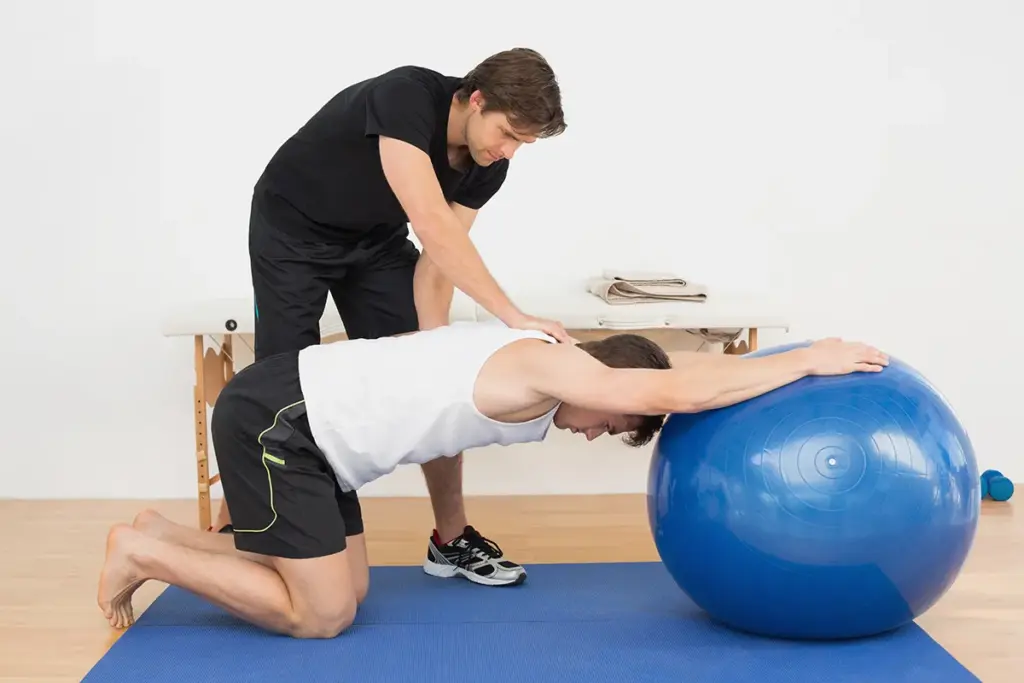
A herniated disc happens when the soft center of your spinal disc bulges out. This can cause pain and discomfort. Dr. Todd H. Lanman suggests some do’s and don’ts for those with herniated discs. He warns against certain L5-S1 exercises that can make things worse.
It’s important to be careful with your activities and exercises if you have a herniated disc, like in the L5-S1 area. Some movements can put too much pressure on your spine. This can make the herniation worse and slow down your recovery.
Key Takeaways
- Understanding what a herniated disc is and how it affects the spine.
- Recognizing the importance of avoiding certain exercises with a herniated disc.
- Learning about the specific L5-S1 exercises that should be avoided.
- Following professional advice for managing herniated discs.
- Implementing safe practices to aid in recovery.
Understanding Herniated Discs and Their Impact
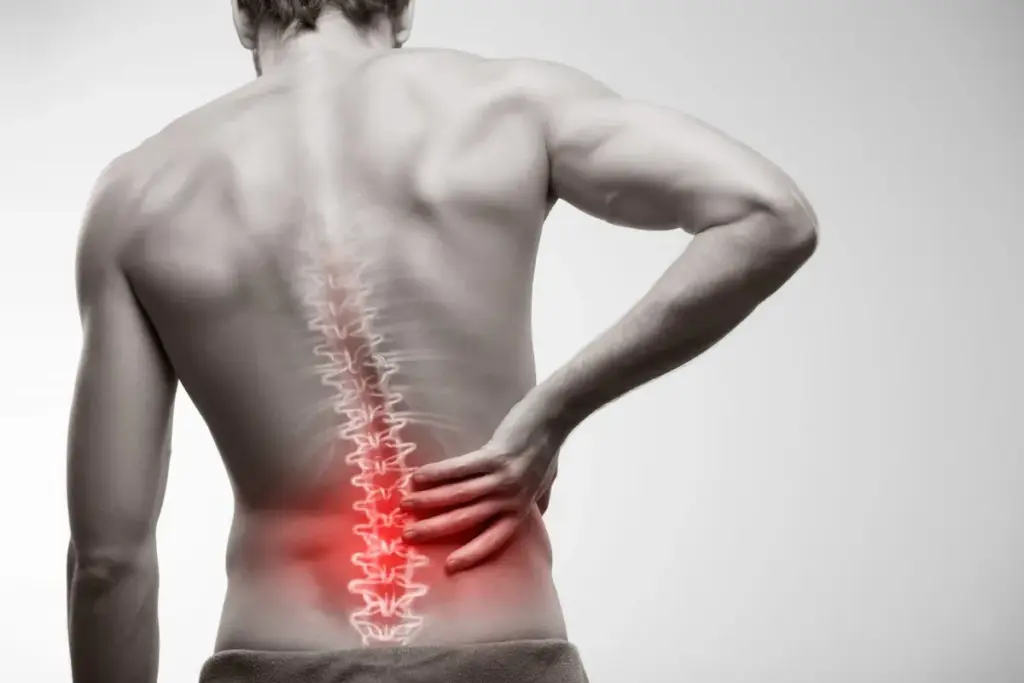
It’s important to know about herniated discs to handle the pain they cause. A herniated disc happens when the soft center bulges out through a tear in the outer layer. This can cause back pain, from mild to severe, depending on where and how much it bulges.
We will look into what happens when a disc herniates and why some spots are more affected than others.
What Happens When a Disc Herniates
When a disc herniates, it can press on nerves, causing pain, numbness, or weakness in the back and legs. The pain’s severity depends on the herniation’s size and how close it is to nerves.
The herniation process can happen slowly or suddenly. It might come from a sudden injury or wear and tear over time.
Common Locations and Why They Matter
Herniated discs often happen in the lumbar region, at L4-L5 and L5-S1. These spots are more likely to herniate because they handle a lot of stress and movement.
|
Spinal Region |
Common Disc Herniation Locations |
Typical Symptoms |
|---|---|---|
|
Lumbar |
L4-L5, L5-S1 |
Lower back pain, sciatica, numbness or weakness in legs |
|
Cervical |
C5-C6, C6-C7 |
Neck pain, radiating pain or numbness in arms |
|
Thoracic |
T8-T9, T9-T10 |
Mid-back pain, possible nerve symptoms |
The spot where a herniated disc occurs is very important. It affects the symptoms and the best treatment. Knowing your specific situation is essential for managing it well.
Common Causes of Disc Herniation

Disc herniation comes from many factors. Knowing these causes helps prevent and manage it. We’ll look at lifestyle and work-related risks that can lead to a herniated disc.
Lifestyle Factors That Increase Risk
Our lifestyle choices affect our spinal discs. Being obese, smoking, and not exercising can weaken discs. Obesity adds stress to the spine, and smoking cuts oxygen to discs, speeding up wear.
Occupational Hazards and Workplace Injuries
Some jobs can harm your spine. Activities like heavy lifting, bending, and twisting strain the spine. Jobs with repetitive lifting or vibrations also raise the risk.
|
Risk Factor |
Description |
Impact on Spine |
|---|---|---|
|
Obesity |
Excess body weight |
Additional stress on spinal discs |
|
Smoking |
Reduced oxygen supply |
Accelerated disc degeneration |
|
Lack of Exercise |
Weakened spinal support muscles |
Increased risk of disc herniation |
|
Heavy Lifting |
Frequent or improper lifting |
Strain on spinal discs and vertebrae |
Recognizing Herniated Disc Symptoms
Herniated disc symptoms can vary a lot, making it hard to diagnose and treat. A herniated disc happens when the soft center of the disc leaks out. This can irritate nerves and cause different symptoms.
Pain Patterns and Neurological Symptoms
Pain is a common symptom of a herniated disc. It can feel like a mild ache or a sharp shock. This pain can spread to the leg, following the nerve path.
People might also feel numbness, tingling, or weakness in the affected limb. These symptoms depend on where the herniated disc is and which nerves it affects.
For example, a herniated disc in the lower back can cause pain or numbness in the lower back, buttocks, or legs.
Warning Signs That Require Immediate Medical Attention
While many herniated discs can be treated without surgery, some signs need urgent medical help. These include severe pain that doesn’t get better with rest, progressive numbness or weakness in the legs, and loss of bladder or bowel control. These can be signs of a serious condition called cauda equina syndrome.
If you notice any of these symptoms, get medical help right away. Quick action can prevent long-term damage and improve your chances of a better outcome.
L5-S1 Exercises to Avoid with a Herniated Disc
When you have a herniated disc at L5-S1, it’s important to stay away from certain exercises. The L5-S1 area is prone to injury because of its location and the stress it faces. Knowing which exercises to skip is essential for managing your condition.
High-Impact Activities and Sports
High-impact activities and sports can harm a herniated disc at L5-S1. These include:
- Running or jogging on hard surfaces
- Jumping rope
- High-impact aerobics
- Contact sports like football or rugby
These activities can cause repeated jarring and stress on the spine. This can make the herniation worse and increase pain.
Forward Bending Movements
Forward bending movements are also bad for a herniated disc at L5-S1. Examples are:
- Touching your toes
- Deadlifts
- Some yoga poses that involve forward bending
These movements can put extra pressure on the herniated disc. This can lead to more discomfort and complicate the healing process.
Twisting and Rotational Exercises
Twisting and rotational exercises can also make a herniated disc worse. Avoid exercises like:
- Russian twists
- Some golf swings
- Rotational yoga poses
These movements can irritate the herniated disc and cause pain. They can also lead to other neurological symptoms.
In conclusion, it’s vital to be careful with exercises when you have a herniated disc at L5-S1. Avoiding high-impact activities, forward bending, and twisting exercises can help you recover better. This way, you can manage your symptoms and avoid further injury.
L4-L5 Bulging Disc Exercises to Avoid
Dealing with a bulging disc at L4-L5 means you should skip certain exercises. These can make the problem worse. The right exercises can help manage the pain and discomfort.
Heavy Lifting and Weight-Bearing Exercises
Heavy lifting and weight-bearing exercises put too much stress on your spine. Avoid exercises with heavy weights or too much strain on your lower back. Here are some examples to avoid:
- Deadlifts
- Heavy squats
- Leg press with heavy weights
Specific Gym Machines to Avoid
Some gym machines can also be bad for a bulging disc at L4-L5. Stay away from machines that make you bend, twist, or lift too much. Here are some to avoid:
- Roman chair or hyperextension bench
- Leg press machine with heavy weights
- Twisting machines
Daily Activities That Worsen Herniated Discs
Our daily tasks can either help or hurt a herniated disc. Some actions, often overlooked, can put extra pressure on the spine and make symptoms worse.
Sitting Positions That Increase Pressure
Sitting for long periods is common today, but it’s tough on those with a herniated disc. The sitting position can either help or harm the spine.
To feel better, it’s key to sit right. Keep your feet flat or on a footrest, and your knees at or below hip level. Also, adjust your chair to support your spine’s natural curve.
Improper Lifting Techniques
Lifting things is a daily task that can be risky for those with a herniated disc if done wrong. Bad lifting can strain the back and make things worse.
To lift safely, bend at the knees, not the waist. Keep the object close and lift with your legs. Don’t twist or turn while lifting to avoid extra spine stress.
Household Chores That Strain Your Spine
Household chores are a must, but some can be hard on those with a herniated disc. Tasks that involve heavy lifting, bending, or twisting can make symptoms worse.
|
Chore |
Potential Risk |
Modified Technique |
|---|---|---|
|
Vacuuming |
Bending and twisting |
Use a vacuum with a long handle to minimize bending |
|
Mopping |
Twisting and bending |
Use a mop with a long handle and wring it out frequently to reduce weight |
|
Gardening |
Lifting heavy bags and bending |
Use knee pads and lift with your knees; consider using lighter gardening tools |
By paying attention to these daily activities and making changes, people with a herniated disc can lessen their pain and better manage their condition.
Things to Avoid with Lumbar Radiculopathy
Knowing what to avoid is key when you have lumbar radiculopathy. This condition, caused by nerve root compression, can be very painful. It’s important to manage your symptoms by avoiding certain activities and positions.
Activities That Compress Nerve Roots
Some activities can make nerve root compression worse. These include:
- Heavy lifting, which can strain the lower back
- High-impact exercises like running or jumping
- Prolonged sitting or standing in positions that strain the lower back
It’s important to be careful with our daily activities. Heavy lifting, for example, can increase pressure on the nerves and cause pain.
Positions That Exacerbate Radiating Pain
Some positions can make radiating pain worse. These include:
|
Position |
Effect on Lumbar Radiculopathy |
|---|---|
|
Slouching or slumping while sitting |
Increases pressure on nerve roots, worsening pain |
|
Lying flat on the back without support |
Can cause the spine to flex, irritating nerve roots |
|
Twisting or bending to one side |
Can compress nerve roots on one side, exacerbating radiating pain |
By avoiding these activities and positions, you can reduce your discomfort. Making smart choices helps protect your spine and nerve roots.
Sleeping Mistakes with a Herniated Disc
Sleeping with a herniated disc can be tough. But, avoiding certain mistakes can make you feel better and help you recover. It’s key to know how to sleep to support your spine and lessen pain.
How to Sleep with a Thoracic Herniated Disc
When you have a thoracic herniated disc, picking the right sleeping position is important. Try sleeping on your back with a pillow under your knees. This can help keep your spine’s natural curve and ease pain.
Another good option is sleeping on your side with a pillow between your knees. This keeps your spine aligned and reduces strain on your thoracic area.
Choosing the right mattress is also vital. A medium-firm mattress is best as it offers the right support. Also, use a supportive pillow to keep your head in line with your spine. This can make you more comfortable and reduce strain.
Worst Sleeping Positions for Lumbar Herniation
Some sleeping positions can make lumbar herniation worse. Sleeping on your stomach is one of the worst. It can make your spine arch and put more pressure on your lumbar discs.
If you must sleep on your stomach, use a thin pillow under your pelvis. This can help reduce some pressure.
Another bad position is sleeping on your side without support. When side sleeping, it’s important to use a pillow between your knees. This keeps your hips aligned and reduces strain on your lower back. Not doing this can lead to uneven spinal alignment and worsen symptoms.
Also, avoid sleeping in a curled-up position. It can put your spine in an unnatural position and increase pressure on your lumbar discs. Instead, try to keep your spine in a neutral position by bending your knees slightly and using supportive pillows as needed.
Workplace Considerations for Disc Herniation
Workplace factors are key in preventing and managing disc herniation. Many people spend a lot of time at work. Certain work conditions can help or hurt disc herniation symptoms.
Ergonomic Mistakes to Avoid
Ergonomic mistakes are common at work and can lead to disc herniation. It’s important to have proper ergonomics to avoid spine strain.
- Incorrect chair height, leading to poor posture
- Inadequate monitor placement, causing neck strain
- Keyboard and mouse positioning that promotes awkward wrist angles
To avoid these mistakes, regularly check and adjust your workspace. Simple changes can greatly reduce disc herniation risk.
Modifications for Desk and Physical Jobs
Desk and physical jobs need specific changes to manage and prevent disc herniation. For desk jobs, use ergonomic furniture and take breaks to stand and stretch.
|
Job Type |
Recommended Modifications |
|---|---|
|
Desk Jobs |
Ergonomic chair, monitor riser, regular stretching breaks |
|
Physical Jobs |
Proper lifting techniques, regular breaks, task rotation |
For physical jobs, use proper lifting and rotate tasks to reduce spine strain. Taking regular breaks is also key for recovery and avoiding overwork.
By making these workplace changes, people can lower their risk of disc herniation. They can also better manage symptoms.
Medication Mistakes: What Not to Take
Knowing which medications to avoid is key to managing herniated disc symptoms well. The wrong medication can make symptoms worse, making recovery harder.
Why Can’t I Use Voltaren Gel on My Back?
Voltaren Gel is a topical pain reliever. But, using it on the back for a herniated disc needs caution. The ingredient diclofenac works for pain but might not be right for everyone, like if used wrong or too much.
It’s important to think about how it might get into your system and the chance of side effects. This is true for people with kidney or heart problems.
Over-the-Counter Medications to Use with Caution
OTC medications can help with herniated disc symptoms but should be used carefully. Knowing the risks of common pain relievers is key.
|
Medication |
Potential Risks |
Precautions |
|---|---|---|
|
Acetaminophen (Tylenol) |
Liver damage with excessive use |
Do not exceed recommended dose; avoid with alcohol |
|
Ibuprofen (Advil, Motrin) |
Stomach ulcers, kidney strain |
Take with food; avoid long-term use without medical supervision |
|
Aspirin |
Bleeding risks, stomach irritation |
Use with caution in individuals with bleeding disorders or stomach issues |
Always follow the recommended doses and talk to a healthcare provider before starting any new medication. This is even more important if you have health issues or take other medicines.
Is Walking Good for a Herniated Disc?
Whether walking is good for a herniated disc depends on many factors. Walking can help by moving gently and strengthening the spine muscles. But, it’s important to think about your specific situation and how your body reacts to walking.
Walking Techniques That Help Recovery
To get the most out of walking for a herniated disc, use certain techniques. Maintaining good posture is key. This means keeping your head up, shoulders relaxed, and pelvis neutral. Also, avoiding overstriding can lessen spine impact.
Start with short walks and increase the distance as you get stronger. Walking on flat, even surfaces also helps avoid uneven stress on your spine.
When Walking May Worsen Symptoms
Walking can also have downsides. If you feel increased pain or numbness while walking, it’s time to rethink your approach or talk to a doctor.
People with specific herniated disc types or recent back injuries might need to limit their walking or stop it until their back heals.
In summary, walking can help with a herniated disc if done right and with body awareness. Using the right walking techniques and listening to your body can aid in recovery.
Safe Alternatives: Exercises for Disc Bulge in Lower Back
A disc bulge in the lower back doesn’t mean you have to stop exercising. Instead, you can choose safer options. We know that exercising with this condition needs careful thought to avoid injury. Luckily, there are exercises that can ease symptoms without causing more harm.
Core Strengthening Without Spinal Stress
Strengthening the core is key to supporting the spine and preventing injury. We suggest exercises that build core strength without stressing the spine. For instance, planks are great for this. Start in a push-up position and hold steady, engaging your core muscles.
The bird dog is another good exercise. Start on your hands and knees, then lift your right arm and left leg off the ground. Hold them straight for a few seconds before lowering back down. Repeat on the other side. These exercises can improve your posture and lessen lower back strain.
Gentle Stretches for Pain Relief
Gentle stretching can ease muscle tension around the spine, reducing pain. Start with simple stretches like the knee to chest stretch. Lie on your back, bring one knee towards your chest, and hold for 30 seconds before switching legs.
The cat-cow stretch is also beneficial. Start on your hands and knees. Arch your back, lifting your tailbone and head towards the ceiling (like a cat). Then, round your back, tucking your chin to your chest and your tailbone towards the floor (like a cow). Repeat this motion several times. These stretches can improve flexibility and reduce stiffness.
Water-Based Exercises for Herniated Discs
Water-based exercises, or aquatic therapy, are great for those with a disc bulge. The water’s buoyancy reduces spine stress, making movement easier. Start with simple movements like walking in the water or gentle leg lifts while holding onto the pool’s side.
For a more structured workout, try aquatic aerobics or water yoga. These activities provide a good workout for your heart and muscles around the spine without stressing the discs too much.
Retrolisthesis Exercises to Avoid
Retrolisthesis is a spinal condition where a vertebra slips backward. Choosing the right exercises is key to avoid making it worse. It’s important to manage it carefully to prevent injury and ease symptoms.
Understanding Retrolisthesis and Its Differences from Herniation
Many people confuse retrolisthesis with herniated discs. But they are different. Herniated discs involve the disc material bulging or rupturing. Retrolisthesis is about the vertebrae misaligning. Knowing this difference helps in choosing the right treatment and exercises.
|
Condition |
Description |
Common Symptoms |
|---|---|---|
|
Retrolisthesis |
Backward slippage of a vertebra |
Lower back pain, nerve compression symptoms |
|
Herniated Disc |
Bulging or rupture of disc material |
Pain, numbness, tingling in back and limbs |
Specific Movements That Worsen Retrolisthesis
Some exercises and movements can make retrolisthesis worse. It’s important to stay away from activities that stress the spine too much.
- Heavy Lifting: Lifting heavy objects can strain the spine and worsen retrolisthesis.
- High-Impact Activities: Activities like running or jumping can jar the spine, increasing the risk of further misalignment.
- Bending and Twisting: Movements that involve bending or twisting can put additional stress on the vertebrae, exacerbating the condition.
By knowing which exercises to avoid and understanding the difference between retrolisthesis and other spinal conditions, people can manage their condition better. This helps in alleviating symptoms.
When to Consider Medical Intervention
While conservative treatments are often the first line of defense, there are times when medical intervention becomes necessary. Understanding the indicators for further medical action can significantly impact the outcome for individuals with herniated discs.
Conservative Treatment Failures
Conservative treatments, including physical therapy, pain management, and lifestyle modifications, are typically the initial approach to managing herniated discs. If these treatments fail to provide adequate relief or if symptoms worsen, it’s time to reassess the treatment plan.
Some signs that conservative treatments are not working include:
- Persistent or increasing pain despite several weeks of conservative treatment
- Progressive neurological deficits, such as weakness or numbness in the limbs
- Difficulty controlling bowel or bladder functions
If you experience any of these symptoms, it’s essential to consult with your healthcare provider to discuss alternative treatment options.
Signs Surgery Might Be Necessary
In some cases, surgery may be the most effective treatment for a herniated disc. This is typically considered when conservative treatments have failed and the condition significantly impacts daily life.
|
Signs |
Description |
|---|---|
|
Severe Pain |
Pain that is debilitating and interferes with daily activities |
|
Neurological Deficits |
Significant weakness, numbness, or tingling in the limbs |
|
Loss of Bladder or Bowel Control |
Difficulty controlling urination or bowel movements |
It’s important to discuss these signs with your healthcare provider to determine the best course of action. In some cases, surgical intervention can provide significant relief and improve quality of life.
Ultimately, the decision to pursue medical intervention or surgery should be made in consultation with a healthcare professional. They can provide personalized guidance based on the severity of your condition and overall health.
Conclusion: Managing Life with a Herniated Disc
Living with a herniated disc means avoiding some activities and adopting healthy habits. We’ve talked about exercises to skip, like high-impact ones and twisting. These can hurt the L5-S1 area.
Knowing what to do and what to avoid is key. Stay away from heavy lifting and some gym machines to avoid making things worse. Gentle stretches, core exercises, and water activities can help ease pain and aid in recovery.
Being careful with daily tasks, work setup, and sleep can help reduce pain. A healthy lifestyle is vital. This includes proper lifting, ergonomic workspaces, and good sleep positions to manage a herniated disc well.
FAQ
What are the most common locations for herniated discs?
Herniated discs often happen in the lower back. This is because the L4-L5 and L5-S1 areas face a lot of stress.
What exercises should I avoid with a herniated disc at L5-S1?
Avoid high-impact activities and heavy lifting with a herniated disc at L5-S1. Also, try not to bend forward or twist too much.
Can walking help with a herniated disc?
Walking can help with a herniated disc. It promotes gentle movement and aids in recovery. Just be careful not to overdo it and adjust your walking to reduce stress on your spine.
What are the symptoms of a herniated disc?
Symptoms include pain in one spot, pain that spreads down the legs (sciatica), numbness, tingling, and weakness in the legs. This depends on where the disc is and which nerves it affects.
How should I sleep with a thoracic herniated disc?
Sleeping with a thoracic herniated disc needs careful positioning. Try sleeping on your back with a pillow under your knees or on your side with a pillow between your knees. This can help reduce stress on your spine.
What daily activities should I avoid with a herniated disc?
Avoid heavy lifting, bending, twisting, and sitting for long periods with a herniated disc. These activities can put more pressure on your spine and make symptoms worse.
Can I use Voltaren Gel on my back for a herniated disc?
Voltaren Gel is not usually recommended for the back or herniated discs without a doctor’s advice. Its safety and effectiveness for these uses are not proven.
What are safe exercises for a disc bulge in the lower back?
Safe exercises for a disc bulge in the lower back include strengthening your core without stressing your spine. Gentle stretches can also help with pain relief. Water-based exercises are low-impact and can be very therapeutic.
How does retrolisthesis differ from herniation?
Retrolisthesis is when a vertebra moves backward compared to the one below it. This is different from herniation, where the disc bulges or ruptures. Both can cause pain and spinal instability.
When should I consider medical intervention for a herniated disc?
You might need medical help for a herniated disc if home treatments don’t work. Look for signs of severe nerve compression like weakness, loss of bladder or bowel control, or severe pain.
Reference
National Center for Biotechnology Information. Evidence-Based Medical Insight. Retrieved from https://pubmed.ncbi.nlm.nih.gov/28192793/

























