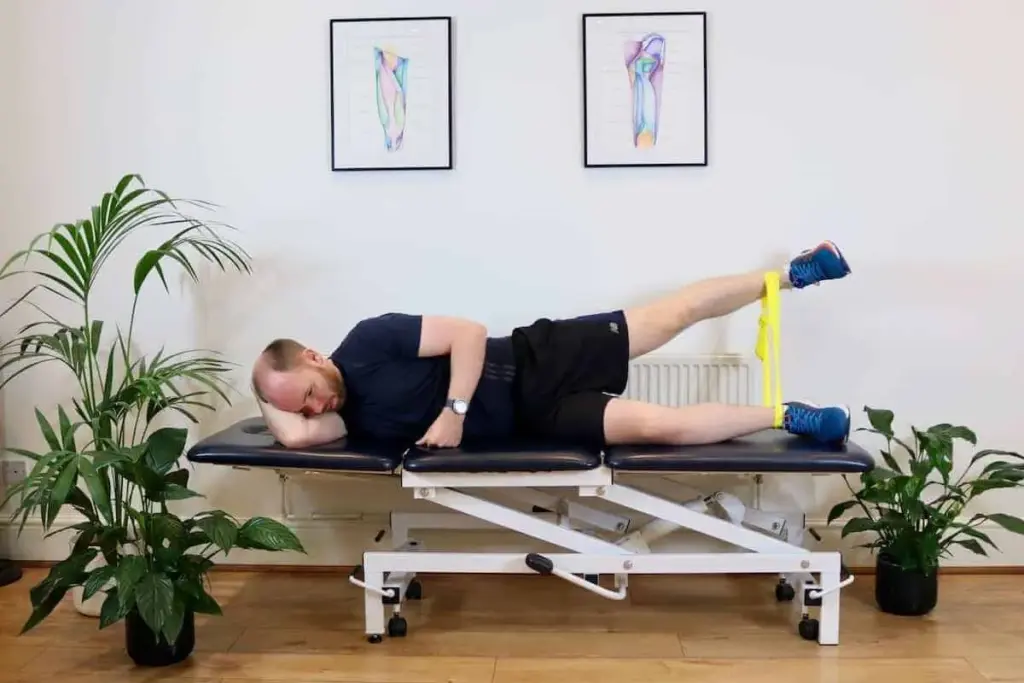
Having hip labral tear surgery raises big questions about going back to work. Did you know recovery can take 6 to 8 weeks? Some people might need even more time.
The time it takes to recover from hip labral tear surgery depends on a few things. These include the surgery type, how big the procedure is, and your age and health. Some doctors say you should take at least a week off after surgery. If you can, work from home for another 2 weeks.
Knowing what to expect can make surgery and recovery less stressful. In this article, we’ll look at the usual labral tear recovery timeline. We’ll also talk about what affects how long you’ll be off work after surgery.
Key Takeaways
- Average recovery time after hip labral tear surgery is 6 to 8 weeks.
- Patients are typically advised to take at least a week off work after surgery.
- Working from home for 2 weeks post-surgery is often recommended.
- Recovery time varies based on the type of surgery and individual health.
- Understanding the recovery timeline can help manage expectations.
What happens in a hip labral tear
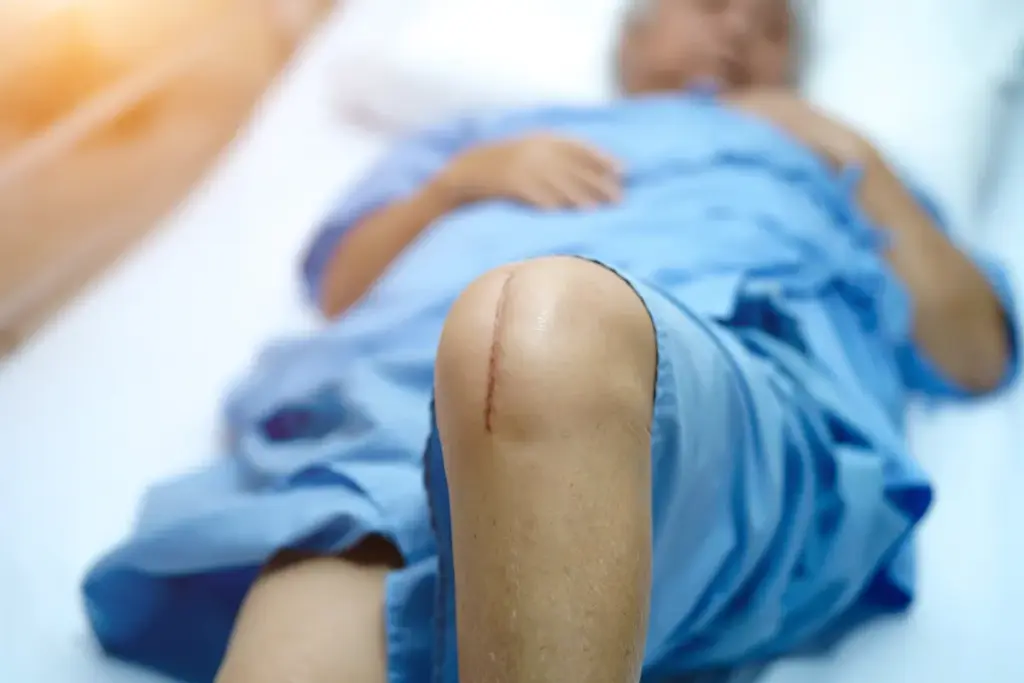
Hip labral tears happen when the cartilage labrum around the hip socket gets hurt. This can really hurt and make it hard to move around.
Anatomy of the Hip Labrum and Its Function
The hip labrum is a ring of cartilage that goes around the acetabulum (socket) of the hip. It makes the socket deeper, which helps the joint stay stable and move smoothly. It also helps absorb shock, making the joint less stressed during activities.
Common Causes and Risk Factors
Many things can lead to a hip labral tear. These include:
- Structural problems, like hip impingement or dysplasia
- Hip injuries or trauma
- Wear and tear from getting older
- Doing the same motion over and over, which athletes often do
Knowing what causes these tears is key to preventing and treating them.
Signs and Symptoms of a Torn Labrum Hip
The signs of a torn hip labrum can vary. But common ones are:
- Pain in the hip or groin
- Stiffness or a hard time moving
- A clicking or locking feeling in the hip
- Pain when you move your hip
Spotting these symptoms early can help you get the right medical help.
Diagnosing a labral tear in the hip
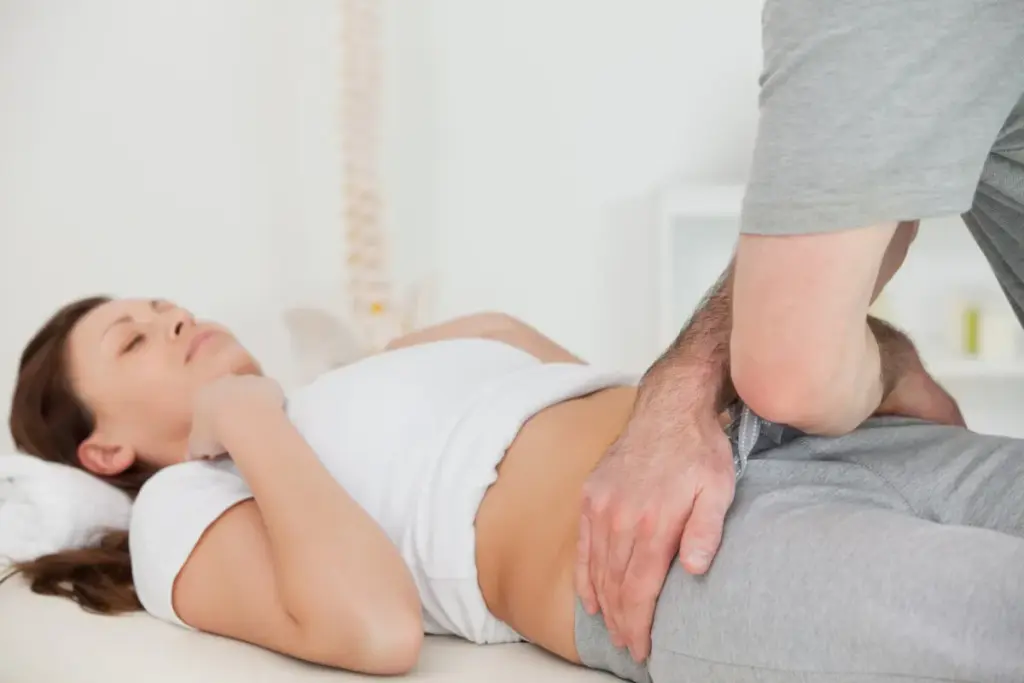
Identifying a labral tear needs a mix of clinical checks and advanced imaging. A detailed diagnosis is key to figuring out the injury’s extent and planning treatment.
Physical Examination Techniques
A physical check is the first step in finding a labral tear. We look at the hip’s movement and any pain. The FADIR test (Flexion, Adduction, and Internal Rotation) is helpful as it can show labral issues.
Other checks might include looking at how the patient walks and checking for hip instability. These tests help us decide what tests to do next.
Imaging Studies (MRI, Arthrogram)
Imaging tests are vital for confirming a labral tear. Magnetic Resonance Imaging (MRI) is great for seeing soft tissue injuries. It can also spot other hip problems.
An arthrogram adds more detail. It involves putting contrast material in the hip before the MRI. This makes the labrum and nearby areas clearer, helping us see the tear’s size.
Differential Diagnosis Considerations
When looking for a labral tear, we must think of other hip pain causes. Conditions like femoroacetabular impingement (FAI) and hip osteoarthritis are possibilities. A full check helps us rule out these and confirm the tear.
By using physical exams, imaging, and ruling out other issues, we can accurately find a labral tear. Then, we can create a treatment plan that fits the patient’s needs.
Conservative treatment options for labral tear
Many patients start with non-surgical treatments for labral tears. These methods aim to ease symptoms, help the tear heal, and improve hip function. They avoid the need for surgery.
Recovering from a Hip Labral Tear Without Surgery
It’s possible to recover from a hip labral tear without surgery. A good plan includes physical therapy, making lifestyle changes, and managing pain. The goal is to lessen pain, boost hip movement, and strengthen muscles around the hip.
“The first steps in treating labral tears should include good physiotherapy and core exercises,” studies say. This method helps in healing and prevents more injuries.
Labral Tear Physical Therapy Approaches
Physical therapy is key in treating labral tears without surgery. A good physical therapy plan can improve hip movement, strengthen muscles, and boost hip function. It might include manual therapy, exercises for the hip and core, and teaching proper movement.
Physical therapists create a custom exercise plan for each patient. This plan meets their specific needs and helps them recover best.
Pain Management Strategies
Managing pain well is vital in treating labral tears. Treatments might include NSAIDs, corticosteroid injections, acupuncture, or physical therapies like ultrasound and electrical stimulation.
Controlling pain helps patients do better in physical therapy and other rehab activities. This is key for the best results.
In summary, non-surgical treatments for labral tears are a good first step. By using physical therapy, pain management, and lifestyle changes, many people see big improvements. They might not need surgery at all.
Types of hip labral tear surgery procedures
Choosing hip labral tear surgery means knowing the different methods. Each surgical technique has its own benefits and uses.
Arthroscopic Labral Repair Techniques
Arthroscopic labral repair is a small incision surgery. It uses an arthroscope to see the tear. This method fixes or removes the damaged labrum with little harm to other tissues.
It’s often chosen because of its small cuts, less pain, and faster healing compared to open surgery.
Labral Reconstruction Options
Labral reconstruction is needed when the labrum is badly damaged. It uses a graft, from another part of the body or synthetic, to rebuild the labrum. This is for those with big labral problems or who didn’t get better from other surgeries.
Open Surgical Approaches
Open surgery makes a bigger cut to directly see the hip joint. It’s less common for labral repairs but might be used in complex cases. This method gives direct access but leads to longer healing times and more pain than arthroscopic methods.
|
Surgical Technique |
Description |
Recovery Time |
|---|---|---|
|
Arthroscopic Labral Repair |
Minimally invasive procedure to repair or remove the damaged labrum. |
Typically 6-12 weeks |
|
Labral Reconstruction |
Reconstruction of the labrum using a graft. |
Generally 12-24 weeks |
|
Open Surgical Approaches |
Involves a larger incision for direct access to the hip joint. |
Usually longer than 24 weeks |
Knowing about the different hip labral tear surgery options is key. Each method has its own good points and risks. The right choice depends on the tear’s severity, your health, and the surgeon’s skill.
General labral tear recovery timeline
Knowing the labral tear recovery timeline is key for patients to plan their comeback. The healing process after surgery is split into several stages. Each stage has its own goals and milestones.
Immediate Post-Operative Period (0-2 weeks)
The first stage focuses on managing pain, reducing swelling, and protecting the hip. Patients are often told to use crutches to avoid putting weight on the operated hip. Studies show that using crutches for 6 weeks is common to help healing.
During this time, managing pain effectively through medication and physical therapy is crucial.
Early Recovery Phase (2-6 weeks)
In the early recovery phase, patients start to move more and get stronger. Physical therapy is key here, helping patients regain movement and strengthen hip muscles.
Patients usually see big improvements during this phase. But, it’s crucial to keep following post-operative care to avoid problems.
Advanced Recovery Phase (6-12 weeks)
In the advanced recovery phase, patients do more intense exercises and functional training. This stage is important for getting full strength and ready to go back to work.
Patients can start driving again around 6 weeks post-surgery, if they have enough strength and movement in the hip.
|
Recovery Phase |
Timeline |
Key Activities |
|---|---|---|
|
Immediate Post-Operative |
0-2 weeks |
Pain management, crutches, limited mobility |
|
Early Recovery |
2-6 weeks |
Gradual mobility, strengthening exercises |
|
Advanced Recovery |
6-12 weeks |
Intense strengthening, functional training |
By knowing the labral tear recovery timeline, patients can prepare better for healing. This helps them make smart choices about when to go back to work and normal activities.
Factors affecting time off work after surgery
Many things can affect how long you’ll need to be off work after hip labral tear surgery. Knowing these can help both patients and employers plan for a smooth recovery.
Type and Extent of the Surgical Procedure
The surgery type and extent greatly influence recovery time. For example, hip arthroscopy, a less invasive method, might have a shorter recovery than open surgery. Those with big cartilage damage might not get as much benefit from hip arthroscopy, which could make their recovery longer.
Age and Overall Health Condition
Age and health are key in recovery. Younger, healthier people usually recover faster than older or sicker ones. It’s important to think about these when planning to go back to work.
Pre-Surgery Physical Condition
Being in good shape before surgery can speed up recovery. Studies show that “preoperative physical therapy can improve outcomes after hip arthroscopy.”
“Preoperative physical therapy can improve outcomes after hip arthroscopy.”
Compliance with Rehabilitation Protocols
Following the rehab plan is crucial for a good recovery. Those who stick to their rehab program tend to do better and get back to work sooner. This means going to physical therapy and following the doctor’s advice.
Understanding these factors helps patients prepare for their recovery and return to work. It’s a detailed process that needs careful planning and following medical advice.
Return to work timelines by occupation type
The time it takes to go back to work after hip labral tear surgery varies. It depends on the type of job you have. Jobs with different physical demands need different recovery times.
Office and Desk-Based Jobs
People with office jobs usually go back to work faster. They can return in 2 to 4 weeks, unless their job is very physical. Always listen to your doctor and physical therapist for a smooth transition.
Retail and Service Industry Positions
Jobs in retail and service often require standing and walking. These workers usually go back to work in 4 to 6 weeks. It’s important to talk to your healthcare provider about your job to plan your return.
Manual Labor and Physically Demanding Work
Jobs that are very physical take longer to recover from. It can take 8 to 12 weeks or more to go back to work. A slow return-to-work plan with modified duties is often recommended.
Healthcare, Teaching, and Active Professional Roles
Jobs in healthcare, teaching, and other active fields have different recovery times. For example, a surgeon may need more time off than a teacher. Generally, these professionals can return to work in 6 to 12 weeks, with the right support.
Starting a return-to-work program after 12 weeks of physiotherapy is suggested by some studies. This helps ensure you’re ready to go back to work without getting hurt again.
The rehabilitation process after labral repair
After labral repair surgery, patients start a detailed rehab program. This program helps them regain hip strength and function. “A well-structured rehabilitation program is crucial for achieving optimal outcomes and minimizing the risk of complications,” as emphasized by healthcare professionals.
Phase 1: Protection and Initial Mobility
The first rehab phase is about protecting the hip and encouraging gentle movement. Patients should not lift heavy, bend, or twist. They start with simple exercises to keep the joint moving and prevent stiffness. Early mobilization is key to preventing adhesions and promoting healing.
Phase 2: Progressive Strengthening
When the hip starts to heal, the rehab moves to strengthening exercises. This phase includes more challenging physical therapy, like resistance band exercises and activities that put weight on the hip. The goal is to improve hip stability and strengthen the surrounding muscles. This is vital for supporting the repaired labrum and improving hip function.
Phase 3: Functional Training for Work Activities
The last rehab phase is about getting ready for work. It involves doing tasks similar to those at work and building endurance. Functional training helps patients regain the strength and mobility needed for their job requirements. The rehab team works with the patient to make the training fit their job needs.
How Rehabilitation Affects Your Return to Work Timeline
The rehab process greatly affects when you can go back to work. A good rehab plan can speed up recovery. But, a bad or slow rehab can make you stay out longer.
“The effectiveness of the rehabilitation program directly impacts the patient’s ability to return to work safely and efficiently,” notes a leading orthopedic specialist.
Things like how big the surgery was, how well the patient follows the plan, and their overall health also affect when you can go back to work.
Managing pain during the recovery period
After hip labral tear surgery, managing pain is key. It’s not just about feeling better. It also affects how well the surgery works.
Prescription Medication Considerations
Medications are a big part of pain control after surgery. Opioids help with pain, but we watch their use closely. This is because they can lead to addiction.
We help patients find the right balance with these medicines. As the pain goes away, we slowly reduce the dosage.
It’s also important to know about side effects like constipation or feeling tired. We teach patients how to use these medicines right and follow the dosage.
Alternative Pain Management Approaches
There are other ways to manage pain besides medicines. Physical therapy is a big help. It makes the hip move better and stronger, which helps with pain.
Other options include:
- Acupuncture
- Transcutaneous Electrical Nerve Stimulation (TENS)
- Relaxation techniques like meditation or deep breathing
These methods can work together with medicines for better care.
When to Be Concerned About Persistent Pain
Some pain is normal after surgery. But if the pain doesn’t go away or gets worse, it’s a worry. We tell patients to watch their pain closely.
|
Symptom |
Potential Indication |
|---|---|
|
Increasing pain despite medication |
Possible complication or infection |
|
Swelling or redness around the surgical site |
Infection or reaction to surgical materials |
|
Instability or feeling of the hip “giving way” |
Potential issue with the labral repair or surrounding tissues |
It’s important to catch and fix any problems early. We keep a close eye on how patients are doing and adjust their treatment as needed.
Potential complications that may extend your recovery
Knowing about possible complications is key to a smooth recovery after hip labral tear surgery. While serious issues are rare, about 1 in 1000, knowing them helps manage and reduce risks.
Common Post-Surgical Complications
Patients may face several common issues after surgery. These include:
- Infection: Though rare, infection can occur and may require additional treatment.
- Nerve damage: Temporary or, in rare cases, permanent nerve damage can happen.
- Blood clots: Formation of blood clots is a risk, particularly in the legs.
- Heterotopic ossification: Abnormal bone growth in the soft tissues surrounding the hip.
Following post-operative instructions carefully is crucial. We recommend closely monitoring your condition and reporting any unusual symptoms to your healthcare provider.
Signs of Re-injury or Failed Repair
Re-injury or failure of the labral repair can occur. This is often due to returning to strenuous activities too soon or inadequate rehabilitation. Signs that may indicate a problem include:
- Persistent or increasing pain
- Swelling or bruising that doesn’t improve
- Instability or feeling of the hip “giving way”
- Reduced range of motion
If you experience any of these symptoms, it’s crucial to consult your surgeon promptly. Early intervention can often prevent further complications.
Mental Health Considerations During Extended Recovery
The recovery process can be challenging not just physically but also mentally. The frustration of dealing with a prolonged recovery can affect one’s mental health. We emphasize the importance of:
- Maintaining a positive outlook
- Staying connected with friends and family
- Engaging in activities that promote mental well-being
- Seeking professional help if feelings of anxiety or depression persist
By being aware of these potential complications and taking proactive steps, patients can better navigate their recovery journey. We are committed to supporting you through every step of your recovery.
Workplace accommodations after hip labral surgery
Workplace accommodations are key to a smooth recovery and return to work after hip labral tear surgery. It’s important to think about the changes that can help us get back to work.
Having Effective Conversations with Your Employer
Talking to your employer is a big step in returning to work. Be open about what you need and can’t do during recovery. This might mean changing your job duties or work space to help you heal.
- Inform your employer about your surgery and expected recovery timeline.
- Discuss any necessary adjustments to your workspace or job responsibilities.
- Explore options for flexible working hours or temporary reassignment of tasks.
By talking to your employer, you can create a supportive work environment. This environment will help you recover and get back to work.
Ergonomic Adjustments to Protect Your Hip
Making ergonomic changes to your workspace is crucial for protecting your hip during recovery. Simple changes can greatly reduce hip strain, helping you heal faster.
- Adjusting your chair height to ensure your feet are flat on the floor or on a footrest.
- Positioning your computer monitor directly in front of you, at a distance of about 20-25 inches.
- Using a document holder to keep papers at eye level, reducing the need to constantly look down.
These changes can help reduce discomfort and lower the risk of complications during recovery.
Implementing a Gradual Return-to-Work Program
A gradual return-to-work program is often recommended to avoid overexertion after surgery. It lets you slowly take on more work, helping prevent injury.
“A return-to-work program will begin after 12 weeks of physiotherapy,” as suggested by recent studies, highlighting the importance of a phased return to full duties.
Key elements of a gradual return-to-work program include:
- Starting with reduced hours or modified duties.
- Gradually increasing your workload over a specified period.
- Regular check-ins with your healthcare provider to monitor your progress.
By following such a program, you can safely and effectively return to your job.
Navigating medical leave and disability benefits
It’s important to know about medical leave and disability benefits when you have hip labral tear surgery. The recovery time can be long. Having the right support is key to smoothly going back to work.
Understanding FMLA and Short-term Disability Options
The Family and Medical Leave Act (FMLA) lets eligible employees take up to 12 weeks off without pay for certain reasons. This includes recovering from hip labral tear surgery. To qualify, you must have worked for your employer for at least a year and have worked 1,250 hours in the last 12 months.
Short-term disability benefits give you a part of your income back for a set time. The details of these benefits vary by provider and policy. Some employers offer this as part of their benefits, while others might require you to buy it yourself.
Key differences between FMLA and short-term disability include:
- FMLA protects your job, but short-term disability does not.
- FMLA is unpaid, while short-term disability gives you some income back.
- The rules for who can get these benefits are different.
Required Medical Documentation for Leave Approval
To get medical leave or disability benefits, you need detailed medical papers. These papers should include:
- A diagnosis of your condition (in this case, a hip labral tear).
- Details about the surgery and your treatment plan.
- An estimate of how long you’ll need to recover and any limits or restrictions.
- Updates on your progress during recovery.
It’s important to make sure these papers are complete and given on time. This helps with the approval of your leave.
Workers’ Compensation Considerations
If your hip labral tear happened at work, you might need to think about workers’ compensation. This is a state-mandated insurance that helps employees who get hurt on the job. You’ll need to report the injury, file a claim, and possibly get a medical check to see how bad the injury is and what treatment you need.
Remember, workers’ compensation laws are different in every state. So, the details of the process and what you can get can vary a lot.
Understanding medical leave and disability benefits after hip labral tear surgery takes careful planning and knowledge of your options. Being informed and ready helps ensure you get the support you need while you recover.
Conclusion
Recovering from hip labral tear surgery needs a full plan. This includes knowing the recovery time, how work time is affected, and how to get back to work well. We give patients all the info and support they need to get through this tough time and do well after surgery.
The time it takes to recover from labral tear surgery changes based on several things. These are the surgery type and extent, age, and health. Knowing these and the possible complications can help plan when to go back to work.
Working with healthcare providers and following a rehab plan is key. This way, patients can smoothly get back to work after surgery. We offer personalized care and support. This helps patients get back to their usual activities with confidence.
FAQ
How long does it take to recover from hip labral tear surgery?
Recovery time varies based on surgery type, procedure extent, and individual health. It usually takes 6 to 12 weeks.
What are the common causes of a hip labral tear?
Hip labral tears can result from repetitive motion, trauma, or degenerative changes. Activities like running or cycling increase the risk.
Can I recover from a labral tear without surgery?
Yes, some labral tears can heal without surgery. Physical therapy and pain management can help alleviate symptoms and aid in healing.
What are the different types of hip labral tear surgery procedures?
Surgery for hip labral tears includes arthroscopic repair, reconstruction, and open surgery. The choice depends on injury severity, health, and surgeon expertise.
How do I manage pain during the recovery period?
Manage pain with prescription meds, alternative methods, and lifestyle changes. This helps during recovery.
What are the potential complications that may extend my recovery?
Complications like post-surgical issues, re-injury, or failed repair can prolong recovery. Mental health also plays a role.
How can I ensure a successful return to work after hip labral tear surgery?
Ensure a smooth return to work with workplace adjustments, ergonomic changes, and a gradual return program.
What are my options for navigating medical leave and disability benefits?
Understand FMLA, short-term disability, and workers’ compensation. Medical documentation is crucial for leave approval.
How long will I need to be off work after hip labral tear surgery?
Time off work varies by occupation and individual factors. Expect several weeks to a few months off.
What is the rehabilitation process after labral repair?
Rehabilitation includes several phases: protection, initial mobility, strengthening, and functional training for work activities.
Reference
National Center for Biotechnology Information. Evidence-Based Medical Insight. Retrieved from https://pubmed.ncbi.nlm.nih.gov/20797655/