
A blockage in the left anterior descending artery, known as the “widowmaker,” is a serious issue. It can cause a severe heart attack. It’s key to spot the symptoms early to get the right treatment and boost survival chances.
At Liv Hospital, we know how vital quick medical help is. Our focus is on the patient, and we use the latest in cardiac care. This ensures the best treatment forlad blockage and other heart problems.
If you or someone close to you is at risk, knowing the symptoms and treatments is vital. This knowledge can greatly help in case of a heart attack.
Key Takeaways
- Spotting early symptoms of LAD blockage can save lives.
- Quick medical help is key for effective treatment.
- Liv Hospital offers top-notch cardiac care for heart issues.
- Knowing about treatment options can better heart attack outcomes.
- Our patient-centered care is our top priority at Liv Hospital.
Understanding LAD Blockage and the Widowmaker Artery

The LAD, or Left Anterior Descending artery, is key for the heart. It brings oxygen-rich blood to a big part of the heart. Knowing about the LAD artery is important for heart health.
What is the Left Anterior Descending Artery?
The Left Anterior Descending artery is a major artery from the aorta. It runs along the heart’s front, supplying blood to important areas. The LAD is vital for the heart’s health.
Why LAD Blockage is Called the “Widowmaker”
An LAD blockage is called a “widowmaker” because it’s very deadly. It can cause serious heart damage. This makes it a high-risk heart attack.
The LAD artery covers a big area of the heart. When it gets blocked, it can cause a lot of damage. This is why it’s called a “widowmaker,” as it can be fatal.
How Plaque Buildup Occurs in the LAD
Plaque buildup in the LAD artery happens through atherosclerosis. This is when cholesterol and fatty substances build up inside the artery. Over time, this can narrow the artery and reduce blood flow.
Many things can cause plaque buildup, like high cholesterol and smoking. When plaque builds up, it can rupture. This can cause a blood clot that blocks the artery, leading to a severe heart attack.
| Factors Contributing to Plaque Buildup | Description |
| High Cholesterol | Elevated levels of low-density lipoprotein (LDL) cholesterol can lead to plaque formation. |
| Smoking | Smoking damages the inner lining of blood vessels, making them more susceptible to plaque buildup. |
| Hypertension | High blood pressure can cause stress on the arterial walls, increasing the risk of plaque accumulation. |
| Diabetes | Diabetes can damage blood vessels and nerves, contributing to the development of plaque. |
The 7 Critical Symptoms of LAD Blockage
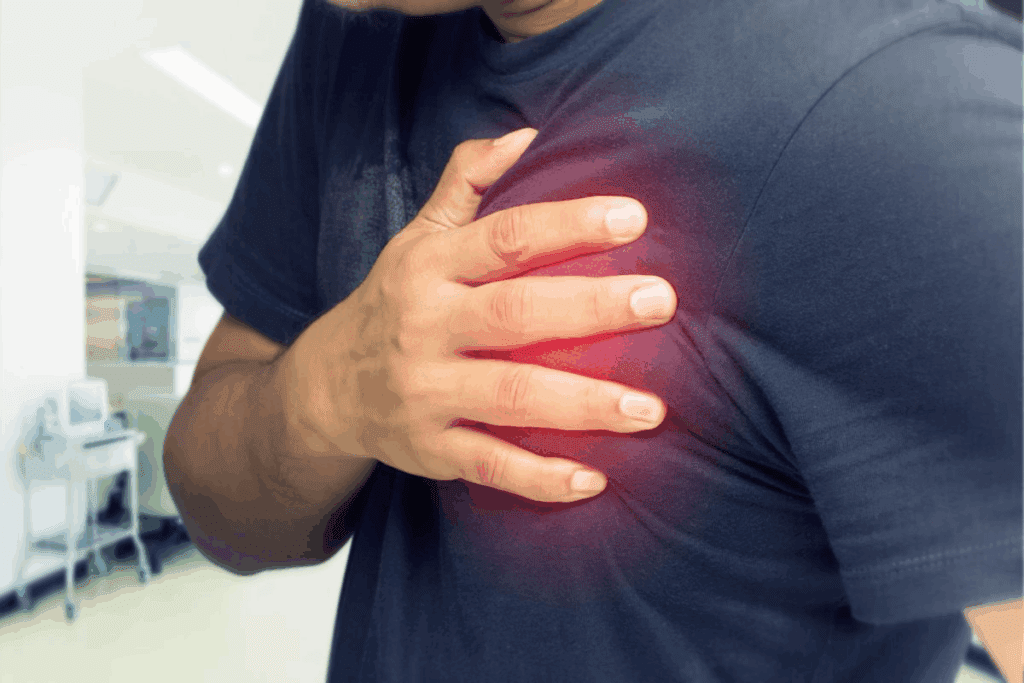
Knowing the signs of LAD blockage is key to avoiding serious heart damage. The left anterior descending artery is vital for heart blood flow. Its blockage can cause severe heart attacks. Here are the seven main symptoms to watch for, helping you know when to get medical help fast.
Chest Pain and Pressure (Angina)
Chest pain or pressure, known as angina, is a common sign. It feels like squeezing or fullness in the chest. It might spread to the arms, back, neck, jaw, or stomach. Angina often happens during stress or hard work and goes away with rest.
Shortness of Breath
Shortness of breath, or dyspnea, is another important symptom. It can happen even when you’re not moving and gets worse over time. It means your heart isn’t getting enough blood, leading to oxygen shortage.
Unusual Fatigue
Feeling very tired or weak without a reason can be a sign. When the heart muscle doesn’t get enough oxygen, it can’t work right. This leads to feeling tired.
Heart Palpitations
Heart palpitations, or irregular heartbeats, can happen when the heart doesn’t get enough blood. It feels like pounding or fluttering in the chest. While not always a sign of LAD blockage, it’s a worry when seen with other symptoms.
There are three more signs to watch for: dizziness or lightheadedness, nausea or vomiting, and pain or discomfort in the arms, back, neck, jaw, or stomach. Spotting these symptoms early can save lives.
- Dizziness or Lightheadedness: Reduced blood flow to the brain can cause dizziness or lightheadedness.
- Nausea or Vomiting: Feeling nauseous or vomiting can occur due to the heart’s reduced ability to pump blood effectively.
- Pain or Discomfort: Pain or discomfort in areas other than the chest, such as the arms, back, neck, jaw, or stomach, can be a sign of LAD blockage.
We stress the importance of knowing these seven symptoms of LAD blockage. If you or someone you know has these symptoms, get medical help right away. Quick action and treatment can greatly improve outcomes for LAD blockage.
Risk Factors for Developing LAD Blockage
Many things can increase the risk of getting LAD blockage. These include genetics, lifestyle, and health conditions. Knowing these risks helps find people at high risk and take steps to prevent it.
Genetic and Family History Factors
Genetics play a big role in LAD blockage. If your family has heart disease, you’re at higher risk. Genetic factors can also affect cholesterol and blood pressure levels, which are big contributors to LAD blockage.
Studies have found certain genes that raise the risk of heart disease, including LAD blockage. While you can’t change your genes, knowing them can help you take steps to prevent it.
Lifestyle Contributors
What you do every day can also affect your risk. Smoking damages blood vessels, making them more likely to block. A sedentary lifestyle and bad diet can lead to obesity, high blood pressure, and high cholesterol, all risk factors for LAD blockage.
Exercising regularly and eating healthy can lower these risks. Eating less saturated fats, trans fats, and cholesterol helps prevent artery plaque buildup.
Medical Conditions That Increase Risk
Some health conditions raise the risk of LAD blockage. Hypertension (high blood pressure) and hyperlipidemia (high cholesterol) are big risks because they damage artery walls.
Other conditions like diabetes, obesity, and chronic kidney disease also increase risk. Managing these conditions through lifestyle changes and medication can help lower LAD blockage risk.
By understanding and tackling these risk factors, people can prevent LAD blockage and lower their heart disease risk.
Diagnosing LAD Blockage: Tests and Procedures
To find out if you have a LAD blockage, doctors use several tests. These tests help figure out how bad the blockage is. They are key to choosing the right treatment and avoiding serious problems.
Initial Assessment and Physical Examination
The first step is a detailed medical history and physical check-up. We look at your family history, smoking habits, and diabetes status. We also check for signs of heart failure or other heart issues.
Electrocardiogram (ECG/EKG)
An Electrocardiogram (ECG/EKG) is a simple test that shows the heart’s electrical activity. It can spot signs of a LAD blockage or heart attack. We use ECGs to quickly find out who needs urgent care.
Cardiac Imaging Tests
Cardiac imaging tests give us clear pictures of the heart. Echocardiography, MRI, or CT scans help us see the LAD artery and blockage. These images are essential for planning treatment.
Coronary Angiography
Coronary angiography is the top choice for finding LAD blockages. It involves putting dye in the arteries and taking X-rays. This lets us see exactly where and how bad the blockage is, helping us decide on treatments like angioplasty or stenting.
By using these tests together, we can accurately find LAD blockages. Then, we can create a treatment plan that fits each patient’s needs.
Emergency Treatments for Acute LAD Blockage
A blockage in the LAD artery is very serious and needs quick action. It’s called a ‘widowmaker.’ If not treated fast, it can cause a severe heart attack and might be deadly.
Recognizing a Widowmaker Heart Attack
It’s important to know the signs of a widowmaker heart attack. Look out for severe chest pain, trouble breathing, and pain in the arm or jaw. Spotting these symptoms early is key.
Immediate Medical Interventions
Quick medical help is essential for LAD blockage. These actions aim to get blood flowing to the heart again. Fast treatment can greatly increase chances of survival.
Stent Placement in the Widowmaker Artery
Stent placement is a common fix for the blocked LAD artery. A stent is a tiny, mesh-like device that keeps the artery open. This minimally invasive method can save lives.
Coronary Artery Bypass Grafting (CABG)
CABG might be suggested in some cases. It’s a surgery that bypasses the blocked part of the artery. This way, blood can flow to the heart again. CABG works well for tough blockages.
| Treatment Option | Description | Benefits |
| Stent Placement | Minimally invasive procedure to open blocked artery | Quick recovery, reduces risk of heart damage |
| CABG | Surgical bypass of blocked artery section | Effective for complex blockages, improves long-term survival |
LAD Heart Attack Survival Rates and Prognosis
LAD heart attack survival rates depend on many things. This includes how fast and well medical help is given. Knowing these factors helps both patients and doctors make better choices about treatment.
Factors Affecting Survival Rates
Several key factors affect LAD heart attack survival rates. These include:
- Promptness of Medical Care: Getting medical help quickly is key to survival.
- Quality of Medical Intervention: Using advanced treatments like stents or CABG can greatly improve survival chances.
- Patient’s Overall Health: Health conditions before the heart attack can also affect survival.
- Timeliness of Reperfusion Therapy: Quickly getting blood flow back to the heart is vital to reduce damage.
The Critical Importance of Rapid Treatment
Quick treatment is essential for better LAD heart attack survival rates. Research shows that fast action can greatly lower death rates. For example, a study in the Journal of the American College of Cardiology found that quick reperfusion therapy boosts survival in heart attack patients.
Long-term Outlook After LAD Intervention
The long-term outlook for patients after an LAD intervention depends on several things. This includes how well the initial treatment worked and if the patient follows post-procedure care. Generally, those who get quick and right care tend to do better in the long run.
| Factor | Impact on Survival Rate | Long-term Outlook |
| Prompt Medical Care | High | Favorable |
| Quality of Intervention | Significant | Positive |
| Patient’s Overall Health | Variable | Dependent on Condition |
Understanding what affects LAD heart attack survival and prognosis is important. Patients and doctors can improve outcomes by working together. Quick and right medical care is key to better survival and quality of life in the long run.
Long-term Management and Medications After LAD Blockage
Managing LAD blockage long-term involves many steps. This includes taking medicine, going through rehab, and keeping an eye on your health. It’s key to stop future heart problems and make life better.
Essential Medications for Recovery
After a LAD blockage, doctors give out specific medicines. These help with symptoms, stop more blockages, and make the heart work better. Some of these medicines are:
- Antiplatelet agents to stop blood clots.
- Beta-blockers to ease the heart’s work and lower blood pressure.
- ACE inhibitors or ARBs to control blood pressure and heart strain.
- Statins to lower cholesterol and stop plaque buildup.
Cardiac Rehabilitation Programs
Cardiac rehab is a big part of getting better after a LAD blockage. These programs usually include:
- Exercise training to boost heart health and stamina.
- Nutritional counseling for heart-healthy eating.
- Stress management to deal with heart disease’s emotional side.
Going to cardiac rehab can really help LAD blockage patients. It can make them live longer and feel better.
Follow-up Care and Monitoring
Regular check-ups are key to keeping an eye on your heart and treatment. This might mean:
- Seeing a cardiologist often.
- Doing tests like ECGs, stress tests, and echocardiograms.
- Managing risks like high blood pressure, diabetes, and high cholesterol.
By sticking to a detailed long-term plan, people with LAD blockage can lower their risk of more heart problems. They can also improve their heart health a lot.
Preventing LAD Blockage and Future Cardiac Events
To prevent LAD blockage, you need to make changes in your diet, exercise regularly, manage stress, and get regular check-ups. A heart-healthy lifestyle can greatly lower your risk of LAD blockage and heart problems.
Dietary Changes for a Healthy Heart
Eating right is key to avoiding LAD blockage. Eat a diet full of fruits, veggies, whole grains, and lean proteins. Try to cut down on bad fats and cholesterol. Adding omega-3s from foods like salmon and walnuts is also good for your heart.
Here are some easy tips for better eating:
- Choose whole grains over refined ones
- Add a variety of colorful fruits and veggies to your meals
- Go for lean proteins like poultry and fish
- Reduce your intake of processed foods
Exercise and Physical Activity Guidelines
Staying active is vital for heart health and preventing LAD blockage. The American Heart Association suggests 150 minutes of moderate exercise or 75 minutes of vigorous exercise weekly. Adding strength training can also boost your heart health.
Here’s how to start exercising:
- Try to do at least 30 minutes of moderate exercise daily
- Use high-intensity interval training (HIIT) for better heart benefits
- Do strength training exercises two times a week
Effective Stress Management Techniques
Stress can lead to LAD blockage. So, finding ways to manage stress is important. Mindfulness practices like meditation and deep breathing can help. Also, doing things you enjoy and spending time with loved ones can reduce stress.
The Importance of Regular Medical Check-ups
Regular doctor visits are essential for preventing LAD blockage and catching problems early. Doctors can check your heart health, monitor your blood pressure and cholesterol, and give advice on staying healthy.
To get the most from doctor visits, remember to:
- See your doctor every year
- Share your medical history and any worries
- Follow your doctor’s advice on screenings and tests
Conclusion: Living a Full Life After LAD Blockage Treatment
Modern treatments and lifestyle changes help many live active lives after LAD blockage. A diagnosis can seem scary, but many patients have a good chance of recovery. This is true if they get the right treatment quickly.
To live well after LAD blockage, focus on heart health. Eat a heart-healthy diet, stay active, and manage stress. These steps can greatly improve treatment results and lower heart attack risks.
Thanks to new medical treatments, like stents and CABG, survival rates have gone up. Quick treatment and ongoing care are key to the best results.
By focusing on heart health, people can enjoy a full life after LAD blockage treatment. We’re here to support patients at every step, from diagnosis to recovery and beyond.
FAQ
What is LAD blockage, and why is it called the “widowmaker”?
LAD blockage is when the Left Anterior Descending artery gets blocked. This artery is key for blood to reach the heart. It’s called “widowmaker” because it’s very deadly if not treated quickly, often causing severe heart attacks.
What are the symptoms of LAD blockage?
Signs include chest pain or pressure, shortness of breath, and feeling very tired. You might also feel heart palpitations, dizziness, or pain in the arm or jaw.
How is LAD blockage diagnosed?
Doctors start with tests and check your heart with an electrocardiogram (ECG/EKG). They also use cardiac imaging and coronary angiography to see how bad the blockage is.
What are the risk factors for developing LAD blockage?
Risk factors include your genes, smoking, and diet. Medical conditions like high blood pressure, diabetes, and high cholesterol also play a role.
What are the emergency treatments for acute LAD blockage?
Emergency care includes acting fast when you see symptoms of a heart attack. Doctors might use stents or do coronary artery bypass grafting (CABG).
What is the survival rate after an LAD heart attack?
Survival rates depend on how bad the blockage is and how quickly you get help. Getting timely, good care can greatly improve your chances of survival.
How is LAD blockage managed long-term?
Long-term care includes taking medicines, joining cardiac rehab, and regular check-ups. These steps help keep your heart healthy and prevent future problems.
Can LAD blockage be prevented?
Yes, you can prevent it by eating well, exercising, managing stress, and getting regular health checks. These steps can lower your risk of heart problems.
What is the prognosis after treatment for LAD blockage?
With the right treatment and lifestyle changes, many people can live full lives. Your long-term outlook depends on how well you follow treatment and make healthy lifestyle choices.
How does plaque buildup occur in the LAD?
Plaque forms in the LAD when cholesterol, fat, and other substances build up on the artery walls. This is called atherosclerosis and can cause blockages.
What is the role of stent placement in treating LAD blockage?
Stent placement involves putting a small, mesh-like device in the artery. It keeps the artery open, allowing blood to flow to the heart and easing symptoms.
Are there any specific lifestyle changes that can help manage LAD blockage?
Yes, a heart-healthy lifestyle is key. This includes eating right, staying active, quitting smoking, and managing stress. These changes can help manage LAD blockage and prevent future heart issues.
References
National Health Service (NHS). (2025). 7 Critical LAD Blockage Symptoms and Treatments You. Retrieved from https://www.nhs.uk/conditions/coronary-heart-disease/