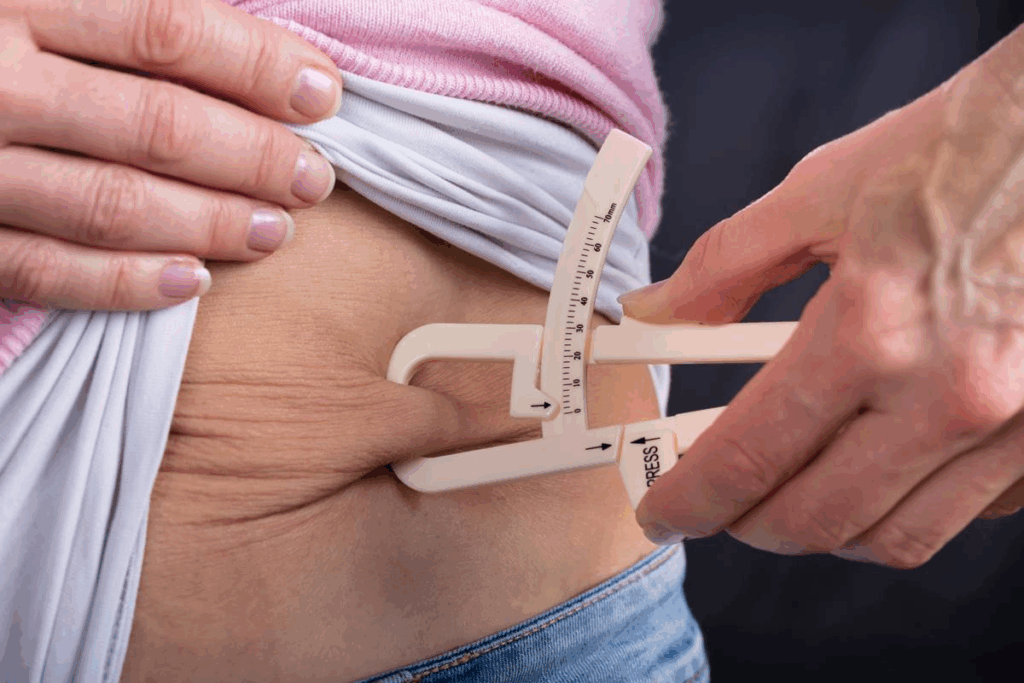
For those dealing with severe obesity, bariatric surgery is a promising solution. Studies reveal big differences between gastric bypass and lap band in weight loss and long-term success.Comprehensive guide to the pros and cons of lap band versus gastric bypass.
Weight loss surgery can lower the risk of early death from obesity-linked diseases like heart disease, some cancers, and diabetes. Knowing the differences between these surgeries is key when thinking about weight loss surgery.
We’ll dive into the details of each surgery, their advantages, and possible downsides. By looking at the research and results, we can figure out which surgery is best for you.
Key Takeaways
- Bariatric surgery is an effective treatment for severe obesity and related health complications.
- Gastric bypass and lap band procedures have distinct approaches to achieving weight loss.
- Research shows significant differences in weight loss outcomes and long-term durability between the two procedures.
- Weight loss surgery can reduce the risk of premature death from obesity-related conditions.
- Understanding the benefits and drawbacks of each procedure is critical for making an informed decision.
Understanding Bariatric Surgery Options

Bariatric surgery can change lives by helping people overcome obesity and health problems. It’s key to know what these surgeries are and why they matter.
The Growing Prevalence of Bariatric Procedures
Bariatric surgeries, like lap band and gastric bypass, help with weight loss. They work by changing the stomach or bypassing parts of it. These surgeries have become more common and are seen as effective for severe obesity and related health issues.
Studies show that bariatric surgery is a good way to treat severe obesity. Many patients lose a lot of weight and see big improvements in their health.
Why Surgical Intervention for Obesity Matters
Surgery can greatly improve health for people with obesity. It can lead to weight loss, which helps with conditions like type 2 diabetes and heart disease. It also helps with sleep apnea.
The success of bariatric surgery also depends on the patient’s lifestyle changes and follow-up care. It’s important for those thinking about surgery to know the benefits and risks. They also need to understand the changes they’ll need to make after surgery.
What is Lap Band Surgery?

Lap band surgery is a weight loss option that changes the stomach a little. It’s for people who want a less invasive way to lose a lot of weight.
The Adjustable Gastric Band Procedure Explained
Lap band surgery, or adjustable gastric banding, uses a silicone band around the upper stomach. This band makes a small stomach pouch. It limits how much food you can eat. The surgery is done with small cuts, making it less invasive.
The LAP-BAND System can be adjusted. This lets doctors change how tight the band is. It’s tailored to each patient’s needs.
How the Silicone Band Restricts Food Intake
The silicone band goes around the upper stomach, making a small pouch. This pouch can only hold a little food. It makes you feel full faster and eat less.
The band can be adjusted. This lets doctors change its tightness based on how you’re doing and how you feel.
The Role of Adjustments Through the Subcutaneous Port
Doctors adjust the lap band through a special port under the skin. This port lets them add or remove saline to tighten or loosen the band. Being able to adjust the band is key for good weight loss and fewer side effects.
Knowing how lap band surgery works and its adjustable nature helps patients decide if it’s right for them.
What is Gastric Bypass Surgery?
Gastric bypass surgery, also known as Roux-en-Y gastric bypass, is a complex surgery. It helps people lose weight by changing their digestive system. This surgery is great for those who are obese. It makes the stomach smaller and changes the digestive tract for weight loss.
The Roux-en-Y Gastric Bypass Technique
The Roux-en-Y gastric bypass is the most common surgery. It makes a small pouch from the stomach and connects it to the small intestine. This bypasses a lot of the stomach and small intestine.
Creating the Smaller Stomach Pouch
A small stomach pouch is made during surgery, usually with a stapler. This pouch is much smaller than the original stomach. It limits how much food you can eat at once.
Rerouting the Digestive Tract
The surgery also changes the digestive tract’s path. Food now travels through the system differently. This reduces nutrient absorption, adding to the weight loss.
To understand gastric bypass surgery better, let’s look at some statistics and comparisons in the table below:
Aspect | Gastric Bypass Surgery | Lap Band Surgery |
Weight Loss Mechanism | Restrictive and Malabsorptive | Restrictive |
Stomach Alteration | Creates a smaller stomach pouch | Places an adjustable band around the stomach |
Digestive Tract Alteration | Reroutes the digestive tract | No alteration |
The table shows gastric bypass surgery uses both restrictive and malabsorptive methods. This makes it more complex than lap band surgery. Choosing gastric bypass surgery should be a thoughtful decision after talking to healthcare professionals.
Lap Band vs Bypass: Key Differences in Surgical Approach
Lap band and gastric bypass surgeries are two different ways to lose weight. Each method has its own way of working and its own effects. It’s important for those thinking about bariatric surgery to know these differences.
Invasiveness Comparison
The lap band procedure is less invasive than gastric bypass surgery. It involves placing a band around the upper stomach, done through small incisions. Gastric bypass surgery, on the other hand, is more complex. It creates a stomach pouch and changes the intestine’s path.
Lap band surgery usually has shorter surgery times and fewer complications. But, gastric bypass might lead to more weight loss for some.
Reversibility Factors
Another big difference is how easy it is to reverse the surgery. Lap band surgery is usually reversible because the band can be removed. Gastric bypass surgery, with its big changes, is often seen as irreversible.
Anatomical Changes
Gastric bypass surgery makes bigger changes to the body. It creates a smaller stomach pouch and changes the digestive tract. These changes can affect nutrient absorption and digestive health for a long time.
Characteristics | Lap Band Surgery | Gastric Bypass Surgery |
Invasiveness | Less invasive, laparoscopic | More complex, involves stomach and intestine modification |
Reversibility | Generally reversible | Typically considered irreversible |
Anatomical Changes | Adjustable band around upper stomach | Creation of stomach pouch and rerouting of intestine |
Weight Loss Effectiveness: Comparative Results
Weight loss results differ between lap band and gastric bypass surgeries. It’s key to compare their effectiveness. Knowing how much weight each procedure helps you lose is important for choosing the right one.
Short-Term Weight Loss Outcomes
In the short term, gastric bypass surgery leads to more weight loss than lap band surgery. Studies show gastric bypass patients lose weight faster right after surgery.
Long-Term Weight Maintenance (10-Year Data)
Looking at long-term data, gastric bypass patients keep more weight off over 10 years than lap band patients. At 10 years, gastric bypass patients lost an average of 42.4 kg. Lap band patients lost an average of 27.4 kg.
Speed of Weight Loss Between Procedures
The speed of weight loss varies between the two procedures. Gastric bypass surgery causes faster initial weight loss because of bigger changes in the digestive system.
To show the weight loss differences, let’s look at a table:
Procedure | Mean Total Body Weight Loss at 1 Year | Mean Total Body Weight Loss at 10 Years |
Gastric Bypass | 35.2 kg | 42.4 kg |
Lap Band | 20.5 kg | 27.4 kg |
The table shows gastric bypass surgery leads to more weight loss in both the short and long term than lap band surgery.
Impact on Obesity-Related Health Conditions
Bariatric surgery has a big impact on health issues linked to obesity. Both Lap Band and Gastric Bypass surgeries help improve many health problems. They make a big difference in how people feel and live.
Effects on Type 2 Diabetes
Gastric Bypass surgery is known for helping type 2 diabetes. It makes blood sugar levels better and improves how the body uses insulin. This is because the surgery changes how food moves through the body.
Lap Band surgery also helps with type 2 diabetes, mainly by helping patients lose weight. Losing weight makes it easier for the body to control blood sugar levels.
Improvements in Cardiovascular Health
Bariatric surgery greatly improves heart health. Losing weight makes the heart work less hard. It also helps lower blood pressure and cholesterol levels. Gastric Bypass surgery can even lower the risk of heart problems in the long run.
Resolution of Sleep Apnea and Joint Problems
Many people see big improvements in sleep apnea after bariatric surgery. Losing weight reduces fat around the neck, making breathing easier at night. It also helps with joint pain and mobility by taking pressure off joints.
The benefits can vary between Lap Band and Gastric Bypass surgeries. Gastric Bypass often has more impact because it leads to more weight loss and changes in metabolism.
Risks and Complications
Both lap band and gastric bypass surgeries help with weight loss. But, they also have risks and complications. Knowing these risks is key to choosing the right surgery for you.
Surgical Risks of Lap Band Placement
Lap band surgery is less invasive than gastric bypass. Yet, it has its own risks. These include band slippage and port complications like infection or leakage.
Surgical Risks of Gastric Bypass
Gastric bypass surgery is more complex. It carries risks like leaks, bowel obstruction, and nutritional deficiencies. This is because the digestive tract is rerouted.
Long-Term Complications and Reoperation Rates
Long-term issues differ between the two surgeries. Lap band patients might face band erosion or slippage. Gastric bypass patients could deal with long-term nutritional problems and intestine complications.
To understand the risks of each surgery, let’s look at a comparison table:
Complication | Lap Band | Gastric Bypass |
Band Slippage/Erosion | Yes | No |
Leaks | No | Yes |
Nutritional Deficiencies | Less Common | Yes |
Bowel Obstruction | No | Yes |
The table shows that both surgeries have risks, but they differ. It’s important to talk to your doctor about these risks. This will help you decide which surgery is safer for you.
Recovery and Lifestyle Adjustments
When patients get lap band or gastric bypass surgery, they start a big journey to a healthier weight. But, the journey doesn’t stop after surgery. Recovery and lifestyle adjustments are key to success.
Hospital Stay and Initial Recovery
The recovery time varies between lap band and gastric bypass surgeries. Patients who get gastric bypass surgery might stay in the hospital longer. They are watched closely for any problems and get pain medicine as needed.
Lap band patients usually stay in the hospital just one night. This is because lap band surgery is less invasive. It’s important for all patients to have support during the first recovery phase.
Dietary Progression After Surgery
Changing your diet is a big part of getting better. At first, you’ll eat only liquids, then move to pureed foods, and later to solid foods. Eating small, frequent meals and chewing well helps avoid problems.
The diet changes can differ between lap band and gastric bypass patients. Gastric bypass patients might take longer to get used to solid foods because of the surgery changes.
Long-Term Nutritional Considerations
Keeping a healthy diet is important for long-term weight loss and health. You need to eat foods rich in protein, vitamins, and minerals. Nutritional supplements are often suggested, more so for gastric bypass patients, because of how their digestion changes.
Nutritional Aspect | Lap Band | Gastric Bypass |
Dietary Progression | Gradual introduction to solid foods | Slower adaptation to solid foods |
Nutritional Supplements | May be recommended based on individual needs | Often necessary due to altered digestion |
Long-Term Dietary Restrictions | Focus on portion control and food choices | Strict adherence to nutrient-rich foods and supplements |
Understanding the recovery and making the right lifestyle changes can lead to big weight loss and health improvements.
Cost Considerations and Insurance Coverage
When thinking about bariatric surgery, knowing the costs is key. The price can change a lot based on the surgery type and where it’s done.
Average Procedure Costs
Gastric Bypass and Lap Band surgeries have different prices. Gastric Bypass usually costs between $20,000 and $30,000. Lap Band surgery can cost from $15,000 to $25,000. These prices include:
- Surgeon’s fees
- Hospital charges
- Anesthesia costs
- Pre-surgical testing
- Post-surgical follow-up care
Insurance Requirements for Coverage
Insurance for bariatric surgery varies. Many plans cover it, but there are rules to follow. These include:
- A documented history of obesity
- Previous attempts at weight loss through non-surgical means
- Presence of obesity-related health conditions
- Psychological evaluation to assess readiness for surgery
It’s important to talk to your insurance about what they need and what they cover.
Long-Term Financial Implications
The upfront cost of bariatric surgery is big, but think about the long-term savings. Losing a lot of weight can lower healthcare costs. This is because it can fix or improve health issues like diabetes and high blood pressure.
Research shows that surgery can cut down on medication costs and medical needs. This can lead to big savings over time, making the initial cost worth it.
Talking to your doctor about these financial points can help you understand the benefits and costs better.
Ideal Candidates: Who Should Consider Each Procedure?
When thinking about bariatric surgery, it’s key to know who’s a good fit for lap band and gastric bypass. Each surgery is right for different people, based on their health, lifestyle, and past medical issues.
BMI and Health Considerations
Body Mass Index (BMI) is a big factor in choosing the right surgery. People with a higher BMI or obesity-related health issues might do better with gastric bypass. Gastric bypass is often suggested for those with a BMI of 40 or higher, or a BMI of 35 with serious health problems. Lap band surgery is considered for those with a BMI of 30 or higher, with less severe health issues.
Lifestyle Factors in Decision-Making
Lifestyle, like diet and exercise, is also key. Those ready to make big lifestyle changes after surgery are usually good candidates for both. But, gastric bypass patients need to watch their nutrition closely because of how the surgery works.
Age and Medical History Considerations
Age and medical history matter too. Younger patients might prefer lap band because it’s reversible and adjustable. Older patients or those with serious health issues might find gastric bypass better for losing weight and improving health. A doctor’s thorough check-up is needed to pick the best surgery for each person.
The Patient Experience: What to Expect
Knowing what to expect is key for those thinking about bariatric surgery. It covers getting ready for surgery, the surgery day, and aftercare. This journey helps patients get ready for the surgery and the lifestyle changes that come with it.
Pre-Surgical Preparation
Getting ready for surgery is a big step. It includes several important steps. These are:
- Nutritional counseling to learn about diet changes after surgery
- Psychiatric evaluation to check if you’re mentally ready for surgery and lifestyle changes
- Medical evaluations to check your health and find any risks
Pre-surgical prep is more than just medical checks. It’s also about getting ready mentally and emotionally for what’s coming.
The Day of Surgery
The surgery day is a big moment. Patients can expect:
- A detailed talk from the surgical team about the surgery and what to expect
- Pre-surgery prep, like talking about anesthesia
- The surgery itself, followed by recovery in the hospital
The skill and care of the surgical team on surgery day are key to success and a good experience.
Post-Surgical Follow-Up Requirements
After surgery, follow-up is vital. It helps with recovery and adjusting to new diet and lifestyle. This includes:
Follow-Up Aspect | Description | Timeline |
Nutritional Management | Long-term diet changes for nutrition and weight control | Ongoing |
Regular Check-Ups | Visits to the doctor to check progress and solve problems | First year: monthly; then as needed |
Support Groups | Joining groups to share experiences and get support | Ongoing, as needed |
By knowing what to expect, people can better prepare for the journey. This leads to better outcomes.
Conclusion: Making Your Decision
Choosing between lap band and gastric bypass surgery is a big decision. It needs careful thought about many factors. Each person’s path to weight loss surgery is different. What’s right for one might not be for another.
Knowing the differences between these surgeries is key. This includes their benefits, risks, and how they affect your life. Talking to healthcare experts is vital. They can offer advice tailored to your health and situation.
When deciding on bariatric surgery, think about more than just the surgery. It’s about the long-term effort needed for weight loss and better health. We’re here to support you every step of the way. We aim to provide all the care and guidance you need to reach your health goals.
FAQ
What is the main difference between lap band and gastric bypass surgery?
Lap band surgery uses a silicone band to make the stomach smaller. Gastric bypass surgery makes the stomach smaller and changes the digestive tract to reduce food absorption.
Is lap band surgery reversible?
Yes, lap band surgery can be reversed. This is because it doesn’t greatly change the stomach. The band can be adjusted or removed if needed.
Which procedure results in more significant weight loss?
Gastric bypass surgery leads to more weight loss than lap band surgery. This is true for both short and long-term results.
How do lap band and gastric bypass surgeries impact obesity-related health conditions?
Both surgeries help with obesity-related health issues. But gastric bypass surgery has a bigger impact on conditions like type 2 diabetes and heart health.
What are the possible complications of lap band and gastric bypass surgeries?
Lap band surgery can cause band slippage. Gastric bypass surgery may lead to leaks and nutritional problems. Knowing these risks is important for making a choice.
What lifestyle adjustments are required after bariatric surgery?
Big lifestyle changes are needed after surgery. This includes changing your diet and possibly taking supplements for life. These changes are key for success.
How do the costs and insurance requirements compare between lap band and gastric bypass surgeries?
Costs and insurance for both surgeries vary. It’s important to understand these differences. This helps patients make informed choices based on their financial situation.
Who is an ideal candidate for lap band or gastric bypass surgery?
The right candidate depends on BMI, health, lifestyle, age, and medical history. A doctor’s evaluation is needed to choose the best surgery.
What can I expect during the patient experience for bariatric surgery?
The experience includes preparation, the surgery day, and follow-up care. Knowing what to expect can make the process better and lead to good results.
How do I decide between lap band and gastric bypass surgery?
Choosing between the two requires careful thought. Consider the procedures, your health goals, and lifestyle. Talking to doctors is key to making a good choice.
What is the difference between gastric banding vs gastric bypass surgery?
Gastric banding uses a band to limit food intake. Gastric bypass surgery creates a smaller stomach pouch and changes the digestive tract.
How does gastric sleeve compare to lap band and gastric bypass?
Gastric sleeve surgery removes part of the stomach, making it sleeve-like. It’s another option but has different specifics and outcomes than lap band and gastric bypass.
References
World Health Organization. Lap Band vs. Gastric Bypass: Weight Loss Surgery Outcomes. Retrieved from https://www.who.int/news-room/fact-sheets/detail/obesity-and-overweight