
Medical technology keeps getting better, and knowing the differences between minimally invasive surgical techniques is key. At Liv Hospital, we focus on patient care and use the latest methods.
Laparoscopic and robotic surgeries have changed surgery for the better. They cause less damage and help patients heal faster than old-school surgery.
We’ll look at the main differences between these two methods. We’ll talk about their techniques and what they offer. Knowing these differences helps patients choose the best surgery for them.
Key Takeaways
- Minimally invasive surgeries reduce trauma and promote faster recovery.
- Laparoscopic and robotic surgeries have distinct techniques and benefits.
- Understanding these differences is key for making good choices.
- Liv Hospital puts patients first and uses the latest methods.
- Robotic surgery gives more precision and control.
The Evolution of Minimally Invasive Surgery

Surgery has changed a lot with new, less invasive methods. Now, we have better results and faster recovery times. This is thanks to new ways of doing surgery.
From Open Surgery to Modern Techniques
Old surgeries used big cuts, causing a lot of pain and long recovery times. But now, minimally invasive surgery has changed things. Laparoscopy and robotic surgery are now common, bringing many benefits.
Laparoscopy uses small cuts for a camera and tools. It causes less damage and pain, and patients recover faster. Robotic surgery goes further, using advanced robots for better control and vision.
Shared Benefits of Minimally Invasive Approaches
Laparoscopic and robotic surgeries have many advantages. These include:
- Smaller cuts mean less scarring
- Less pain and discomfort after surgery
- Shorter hospital stays and faster recovery
- Lower risk of infections and complications
These advanced surgical techniques improve patient results and make surgeries more efficient. As technology gets better, we’ll see even more improvements in surgery.
What is Laparoscopic Surgery?
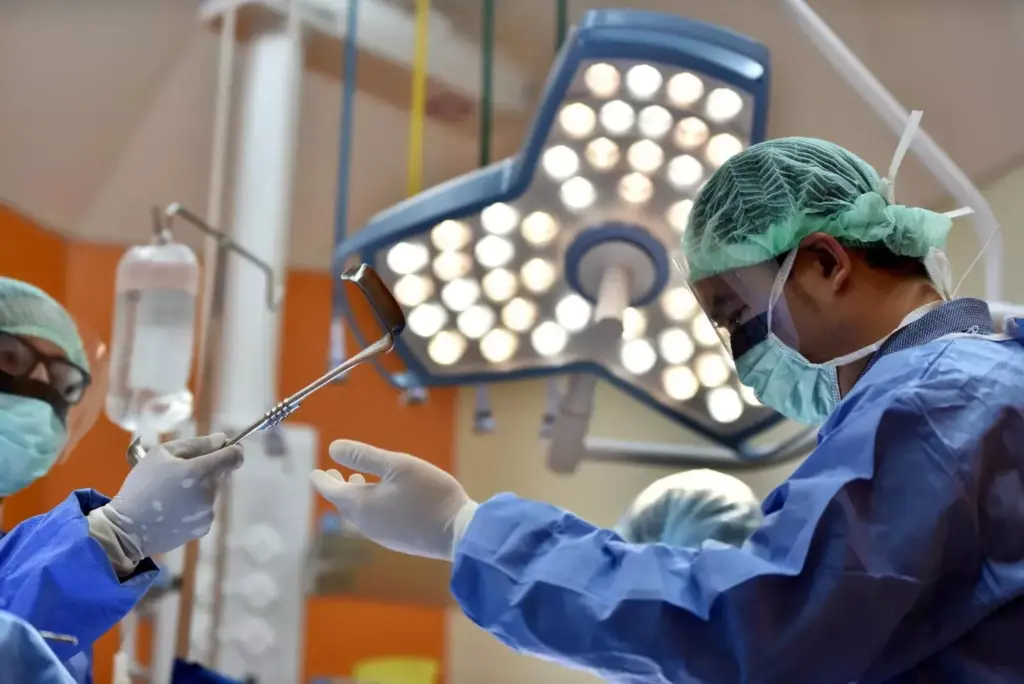
Surgeons now use laparoscopic surgery to do operations with more precision and less harm to the patient. We will look at what laparoscopic surgery is, the tools used, and the types of surgeries done.
Definition and Basic Principles
Laparoscopic surgery, also known as keyhole surgery, uses small cuts to insert a camera and tools. This method causes less damage to the patient, leading to less pain and quicker healing.
The main idea is to make small cuts. This reduces damage and helps the body heal faster. Special tools and a camera help the surgeon see what they’re doing on a screen.
Equipment and Instruments Used
The tools for laparoscopic surgery include a camera, special instruments, and a monitor. The camera shows what’s happening inside the body on the screen. This helps the surgeon see clearly.
Other important tools are used to inflate the belly with gas and to insert instruments. These tools are very precise, allowing for detailed work without big cuts.
Common Laparoscopic Procedures
Laparoscopic surgery is used for many things, like removing the gallbladder, fixing hernias, and taking out the appendix. These surgeries are often done without keeping the patient in the hospital overnight.
It’s also used for weight loss surgery and gynecological procedures like hysterectomy. Laparoscopic surgery is used in many areas of surgery because of its flexibility and benefits.
| Procedure | Description | Benefits |
|---|---|---|
| Cholecystectomy | Removal of the gallbladder | Less post-operative pain, quicker recovery |
| Hernia Repair | Repairing hernias through small incisions | Reduced risk of complications, faster return to normal activities |
| Appendectomy | Removal of the appendix | Minimal scarring, shorter hospital stay |
For more information on laparoscopic surgery, check out studies on PubMed Central. They offer the latest research and findings.
What is Robotic Surgery?
Robotic surgery, also known as robotic-assisted surgery, is a new way to do surgery. It uses robots to help with complex operations. This method gives surgeons better control and clearer views.
Definition and Core Technology
Robotic surgery uses advanced robots to help surgeons. These systems have a control console, robotic arms, and a 3D vision system. The da Vinci Surgical System is a well-known example, allowing for precise movements.
The key technology includes special instruments and 3D vision. These tools help surgeons do detailed work with less invasion. Experts say it can lead to better results in many surgeries https://journalofethics.ama-assn.org/article/robotic-assisted-surgery-better/2023-08.
“Robotic surgery has the power to improve a surgeon’s skills, making procedures more precise and less invasive.”
The da Vinci Surgical System and Other Platforms
The da Vinci Surgical System is a top choice for robotic surgery. It’s used in many areas, like urology and gynecology. Other systems are also coming out, giving surgeons more options.
| Robotic Surgical System | Key Features | Applications |
|---|---|---|
| da Vinci Surgical System | High-definition 3D vision, wristed instruments, enhanced magnification | Urology, gynecology, cardiothoracic surgery |
| Other Emerging Platforms | Advanced instrumentation, improved visualization | Various surgical specialties |
Types of Robotic Surgical Procedures
Robotic surgery is used for many procedures. Some examples include:
- Urological surgeries, such as prostatectomies
- Gynecological surgeries, including hysterectomies and endometriosis treatment
- Cardiothoracic surgeries, such as coronary artery bypass grafting
As technology gets better, robotic surgery will help with even more surgeries. This will lead to better results and faster recovery times.
Laparoscopic Surgery vs Robotic Surgery: The Fundamental Difference
It’s important to know the main differences between laparoscopic and robotic surgery. The big difference is how the surgeon uses the tools. In laparoscopy, they use their hands directly. In robotic surgery, they control arms from a console.
Direct Instrument Manipulation vs Console Control
In laparoscopic surgery, surgeons feel the tools they’re using. This gives them a more hands-on experience. Robotic surgery, on the other hand, lets surgeons control robotic arms from a console. This might make their movements more precise.
Key differences in instrument manipulation:
- Laparoscopic surgery: Direct hand-eye coordination and tactile feedback.
- Robotic surgery: Enhanced precision through console control, potentially reduced tremors.
Surgeon Experience and Learning Curve
The surgeon’s skill and how easy it is to learn each method differ. Laparoscopic surgery needs great hand-eye coordination and fine motor skills. Robotic surgery might be easier to learn, but it requires getting used to the console.
| Aspect | Laparoscopic Surgery | Robotic Surgery |
|---|---|---|
| Instrument Control | Direct manipulation | Console-controlled robotic arms |
| Learning Curve | Steeper due to direct manipulation requirements | Potentially easier with console control |
Integration of Technology in the Operating Room
Robotic surgery uses more technology, like the da Vinci Surgical System. It offers clear 3D images and precise control. Laparoscopic surgery also uses technology, but it relies more on the surgeon’s skills.
The future of surgery will likely see even more technology. This could make procedures more precise and less invasive.
Difference #1: Visualization and Imaging Capabilities
Laparoscopic and robotic surgery differ mainly in how they show the operating area. This difference affects how well surgeons can do complex tasks.
2D vs 3D Visualization
Laparoscopic surgery often uses 2D images, but some newer systems have 3D. Robotic surgery, on the other hand, usually has 3D visualization. This gives surgeons a better view and helps them move more precisely.
The switch to 3D can greatly improve how well surgeons do their jobs. It helps them see and work on small details better.
Magnification and Image Quality
Both types of surgery use magnification, but the image quality varies. Robotic systems, like the da Vinci, have very clear images. This high-definition imaging helps surgeons see and avoid important parts.
| Feature | Laparoscopic Surgery | Robotic Surgery |
|---|---|---|
| Visualization Dimension | 2D (some 3D available) | 3D |
| Magnification Capability | Available, varies by system | High-definition, up to 10x magnification |
| Image Quality | High-definition, but variable | High-definition, consistent |
Impact on Surgical Precision
The way images are shown affects how precise surgery is. Better images mean surgeons can do their jobs more accurately. This leads to fewer mistakes and better results for patients.
In summary, laparoscopic and robotic surgery have different ways of showing the operating area. Robotic surgery usually has better 3D images and clearer views. These differences can greatly affect how precise surgery is and the outcomes for patients.
Difference #2: Instrument Dexterity and Range of Motion
When we look at laparoscopic and robotic surgery, a big difference is in instrument dexterity and range of motion. This affects how complex surgeries can be and how precise they are.
Wrist Articulation and Movement Control
Robotic surgery has instruments with wrist articulation. This means they can move more precisely and with better control. It’s great for delicate surgeries where you need to be very careful. Laparoscopic tools, on the other hand, are stiffer and can’t move as well in tight spots.
Tremor Filtration and Stability
Robotic surgery also has tremor filtration technology. This helps keep the surgeon’s hand steady, reducing tremors. It makes the surgery more precise and confident.
Access to Difficult Anatomical Areas
Robotic instruments give surgeons better range of motion and dexterity. This means they can reach tricky spots in the body more easily. It helps them do more surgeries and get better results.
| Feature | Laparoscopic Surgery | Robotic Surgery |
|---|---|---|
| Instrument Dexterity | Limited by rigid instrumentation | Enhanced with wristed instruments |
| Range of Motion | Restricted by port placement | Greater flexibility with articulated instruments |
| Tremor Filtration | Not available | Available, enhances precision |
Difference #3: Surgeon Training and Expertise Requirements
It’s key to know how laparoscopic and robotic surgery training differs.
Learning Curve Comparison
Robotic surgery’s learning curve is steeper than laparoscopic surgery’s. This is because it uses a unique console-based interface. Surgeons must get used to a new way of operating.
To master robotic surgery, surgeons need specialized training. They learn about the system’s advanced tools and how to see things clearly.
Training Programs and Certification
Both types of surgery need surgeons to go through training and get certified.
Robotic surgery training includes lessons, simulation, and supervised surgeries. This ensures surgeons are ready.
Certification programs, like those from the da Vinci Surgical System maker, offer a set training and test process.
Skill Transferability Between Techniques
Surgeons who know laparoscopic surgery can use some of their skills in robotic surgery. They understand the basics of surgery well.
But, robotic surgery’s special features, like better views and tools, need extra practice to get good at.
To show the training differences, let’s look at a comparison:
| Training Aspect | Laparoscopic Surgery | Robotic Surgery |
|---|---|---|
| Primary Training Method | Hands-on training, workshops | Console-based training, simulation |
| Certification Requirements | Varies by institution | Standardized certification programs |
| Learning Curve | Moderate | Steeper due to new technology |
The table shows that while both surgeries need a lot of training, the type and amount differ.
Difference #4: Cost and Resource Considerations
It’s important to know the cost differences between laparoscopic and robotic surgery. This knowledge helps patients and healthcare providers make better choices. It also affects how efficiently hospitals run.
Initial Investment and Maintenance Expenses
Robotic surgery systems cost a lot more than laparoscopic equipment at first. For example, the da Vinci Surgical System is very expensive, often in the millions. They also need ongoing maintenance, like software updates and hardware replacements.
Laparoscopic equipment is cheaper upfront. This cost difference is a big factor for hospitals deciding which technology to use.
Per-Procedure Costs
The cost of each surgery is different. Robotic surgery costs more because of disposable instruments and longer times in the operating room. These extra costs make robotic surgery more expensive than laparoscopic surgery.
- Disposable robotic instruments
- Longer operating room occupancy
- Potential for reduced length of stay due to less trauma
Insurance Coverage and Patient Financial Impact
Insurance coverage for both types of surgery varies. Both are usually covered when needed. But, patients might pay different amounts out of pocket, depending on their insurance and the surgery’s costs.
“The financial burden on patients undergoing robotic surgery can be significant due to the high costs associated with the technology. Yet, the better outcomes and quicker recovery times can help balance these costs.”
Setup Time Requirements
Robotic surgery needs more setup time than laparoscopic surgery. This includes docking the robotic system and preparing instruments. Advances in technology aim to shorten these times.
Average Procedure Duration Comparison
The time needed for surgery varies between the two. Robotic surgery might take longer because of setup. But, it offers better precision and control, which can simplify some procedures.
| Surgery Type | Average Duration | Setup Time |
|---|---|---|
| Laparoscopic | 60-120 minutes | 15-30 minutes |
| Robotic | 90-180 minutes | 30-60 minutes |
Throughput and Hospital Efficiency
Hospital efficiency is affected by surgery duration and how quickly they can switch between cases. Robotic surgery might take longer but can lead to better patient outcomes and shorter hospital stays. This can improve hospital efficiency.
Understanding these differences helps healthcare providers make better decisions. They can allocate resources more effectively and improve patient care.
Difference #6: Patient Outcomes and Recovery Profiles
Patient outcomes and recovery profiles show how well laparoscopic and robotic surgeries work. Both have made surgery better by cutting down recovery times and improving care. But, there are small differences in their results that are interesting.
Complication Rates and Safety Comparisons
Research shows both laparoscopic and robotic surgeries have fewer complications than open surgery. Robotic surgery might have a tiny advantage in precision, which could lower complication risks in complex surgeries. For example, in surgeries needing detailed work or stitching, robots can offer better control and view.
While complication rates are mostly the same, some studies say robotic surgery might have a tiny edge in some cases. But, it’s important to remember that safety also depends on the surgeon, the patient, and the technology used.
Length of Hospital Stay
How long patients stay in the hospital is key to judging outcomes. Both laparoscopic and robotic surgeries usually mean shorter stays than open surgery. Minimally invasive methods cause less damage, leading to less pain and faster healing.
Studies show both methods lead to shorter stays, but robotic surgery might have a tiny edge in some cases. This could be because of its better precision and less blood loss. But, the difference is usually small and not the main reason to choose one over the other.
Patient-Reported Outcomes and Satisfaction
What patients say about their experience is important for judging care quality. Studies show patients are happy with both laparoscopic and robotic surgeries. They like less pain and quicker recovery.
Some studies suggest robotic surgery might lead to slightly better results in some cases. This could be because of its better view and precision. But, we need more studies to be sure about this across many surgeries.
In summary, both laparoscopic and robotic surgeries have great results and recovery times. Choosing between them depends on the patient’s needs, the surgeon’s skills, and the surgery’s specifics.
Difference #7: Future Innovations and Technological Advancements
The world of surgery is changing fast, with new tech making laparoscopic and robotic surgery better. New technologies are key in making these surgeries more precise and safe.
Emerging Technologies in Both Fields
Both laparoscopic and robotic surgery are getting better thanks to new tech. Better imaging and augmented reality are making surgeries more precise and safe.
New tools and equipment are also being developed. Laparoscopic surgery is getting better instruments for complex areas. Robotic surgery is getting more flexible and precise.
AI Integration and Autonomous Features
Artificial Intelligence (AI) is changing surgery. AI can analyze data quickly, helping surgeons make better decisions. It’s also being used to make robotic surgery more autonomous.
AI could make surgeries more precise and reduce risks. As AI gets better, we’ll see more advanced uses in surgery.
Predicted Evolution of Surgical Techniques
With new tech, surgery will change a lot. Advanced imaging, AI, and better tools will let for more complex surgeries. We might also see surgeries tailored to each patient.
| Technological Advancement | Laparoscopic Surgery Impact | Robotic Surgery Impact |
|---|---|---|
| Enhanced Imaging | Improved visualization for complex procedures | Enhanced 3D vision for greater precision |
| AI Integration | Real-time data analysis for better decision-making | Potential for semi-autonomous robotic actions |
| Advanced Instrumentation | More flexible and articulating instruments | Improved wrist articulation and new effectors |
Looking ahead, surgery will keep getting better with new tech. The challenge is to use these advancements to improve care while keeping it safe and effective.
Conclusion: Making Informed Decisions About Surgical Approaches
Choosing between laparoscopic and robotic surgery is key. It’s important to know the differences. This helps patients and doctors pick the best option for each person.
Laparoscopic surgery has benefits like less pain and smaller scars. Robotic surgery offers more precision and quicker recovery. The right choice depends on the procedure’s complexity, the patient’s health, and the surgeon’s skills.
What is the main difference between laparoscopic and robotic surgery?
Laparoscopic surgery uses direct tools for the operation. Robotic surgery, on the other hand, uses robotic systems controlled from a console. This offers better precision and control.
What are the benefits of minimally invasive surgery?
Minimally invasive surgery, like laparoscopic and robotic, has many benefits. It uses smaller cuts, causes less pain, and leads to quicker healing than open surgery.
How does visualization differ between laparoscopic and robotic surgery?
Laparoscopic surgery often uses 2D images, but some systems have 3D. Robotic surgery usually has 3D images, giving better depth and quality.
What is the da Vinci Surgical System?
The da Vinci Surgical System is a well-known robotic platform. It lets surgeons do complex tasks with more precision and control.
Are there differences in the training required for laparoscopic and robotic surgery?
Yes, both need special training. But robotic surgery’s unique console makes learning harder. There are training programs and certifications for both.
How do laparoscopic and robotic surgeries compare in terms of patient outcomes?
Both have lower complication rates and faster healing than open surgery. The choice depends on the procedure, patient needs, and surgeon skill.
What are the cost implications of choosing robotic surgery over laparoscopic surgery?
Robotic surgery costs more upfront and for maintenance, and per-procedure. But insurance and patient costs can vary.
Can skills learned in laparoscopic surgery be transferred to robotic surgery?
There’s some transfer, but robotic surgery needs specific training. Surgeons with laparoscopic skills may need training for robotic surgery.
What future developments can we expect in laparoscopic and robotic surgery?
New technologies like AI and autonomous features will change surgery. Both laparoscopic and robotic methods will improve with these advancements.
Is robotic surgery considered laparoscopic surgery?
Robotic surgery is a type of minimally invasive surgery, like laparoscopic. It uses robotic systems, making it different from traditional laparoscopic methods.
National Center for Biotechnology Information. Evidence-Based Medical Guidance. Retrieved from https://www.ncbi.nlm.nih.gov/pmc/articles/PMC7761683/