Laparoscopy Minor Surgery Classification: 3 Ways 4
Did you know over 4 million laparoscopic procedures happen worldwide every year? This method has changed the medical world. It offers benefits like quicker recovery and less pain after surgery. Laparoscopic surgery uses small cuts in the body. It lets doctors use a laparoscope and tools to do the surgery.
Many people wonder if laparoscopy is always a minor surgery. This question is important for both patients and doctors. Whether it’s considered minor depends on the surgery type and the patient’s health.
The laparoscopy minor surgery classification is debated. Learn why it is “major” due to anesthesia but “minor” for recovery time.
Key Takeaways
Laparoscopy is a minimally invasive surgical technique with numerous benefits.
The classification of laparoscopy as minor surgery depends on several factors.
Understanding the implications of laparoscopy is important for patients.
Laparoscopic procedures are done for many health issues.
The benefits of laparoscopy include quicker recovery and less pain after surgery.
Understanding Laparoscopy: An Overview
Laparoscopy started in the early 1900s and has grown a lot. It’s now a key part of surgery today. We’ll look at what laparoscopy is, its history, and how it’s used in medicine.
Definition of Laparoscopy
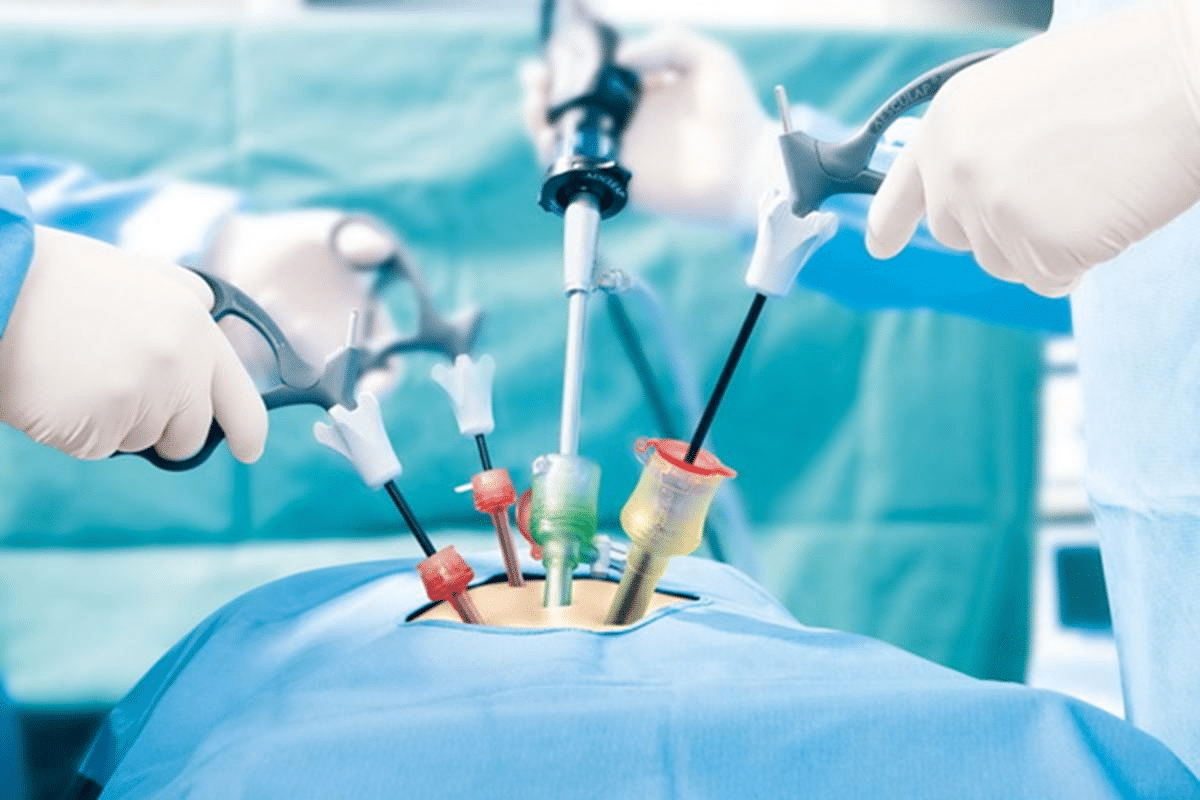
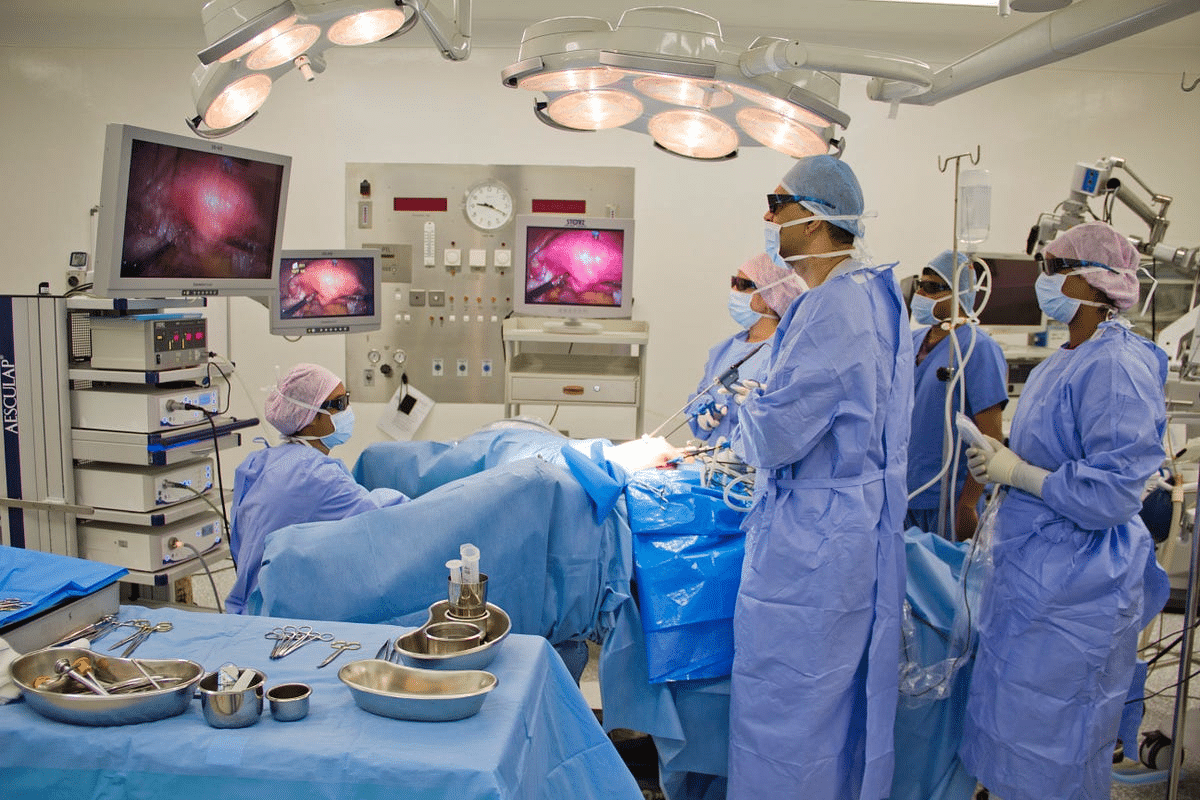
Laparoscopy is a minimally invasive surgical technique. It uses small cuts to put in a laparoscope and tools. This lets surgeons see inside the belly on a screen and work with less harm to the body.
Brief History of Laparoscopic Surgery
The first laparoscopic surgeries were done in the early 1900s. But, it really took off in the 1980s with better tech. The first laparoscopic cholecystectomy was done in the late 1980s, a big step for laparoscopy.
Common Uses in Medical Practice
Laparoscopy is used for many surgeries like cholecystectomy, hysterectomy, and appendectomy. It’s good because it heals faster, hurts less, and leaves less scar.
Procedure
Description
Benefits
Cholecystectomy
Removal of the gallbladder
Less postoperative pain, quicker recovery
Hysterectomy
Removal of the uterus
Minimal scarring, reduced risk of infection
Appendectomy
Removal of the appendix
Faster return to normal activities, less tissue damage
Is Laparoscopy Considered Minor Surgery?
Doctors often debate if laparoscopy is minor or major surgery. To understand this, we need to know what makes a surgery minor or major. We also need to look at the factors that decide this.
Definition of Minor Surgery
Minor surgery is simple, has low risk, and needs little recovery time. It’s often done with local anesthesia, and you can go home the same day. Examples include biopsies and some cosmetic surgeries.
Comparison with Major Surgery
Major surgery is more complex, riskier, and takes longer to recover from. It’s usually under general anesthesia and may need hospital stay for days or weeks. Examples include heart surgery and organ transplants.
Factors that Determine Surgery Classification
What makes a surgery minor or major depends on several things. These include the surgery’s complexity, risk, and recovery time. Other factors are the anesthesia used, procedure length, and possible complications.
To show the difference, let’s compare minor and major surgery:
Characteristics
Minor Surgery
Major Surgery
Complexity
Less complex
More complex
Risk Level
Lower risk
Higher risk
Recovery Time
Shorter recovery
Longer recovery
Anesthesia
Local or sedation
General anesthesia
Hospital Stay
Often outpatient
Usually requires hospitalization
Laparoscopic surgery is often in between minor and major. It’s less invasive than open surgery but can vary in complexity and risk. This depends on the specific procedure.
Common Procedures Performed via Laparoscopy
Laparoscopy is very versatile, used for many surgeries. It’s known for being less invasive, which means quicker healing and fewer risks. This method is used for gallbladder removals and hernia repairs, among others.
Gallbladder Removal (Cholecystectomy)
Laparoscopic cholecystectomy is a common surgery. It removes the gallbladder, often because of gallstones. This method has smaller cuts, less pain, and a shorter hospital stay than open surgery.
Patients usually get back to normal faster after this surgery. It’s done under general anesthesia. Most can go home the same day or the next day.
Hernia Repair
Laparoscopic hernia repair fixes the weakened area where the hernia is. A mesh is used to support the tissue. This method can lower the chance of the hernia coming back and reduce pain.
It lets doctors see more of the area, which can catch other hernias. Patients often recover quickly, getting back to their routine in a few weeks.
Appendectomy
Laparoscopic appendectomy removes the appendix, often because of appendicitis. It’s good when the diagnosis is unsure. This method can lead to fewer problems and a quicker recovery than open surgery.
It’s good for those at high risk of infection or who need to get back to normal fast. The surgery is done under general anesthesia, and the stay in the hospital is short.
Other Common Laparoscopic Procedures
Laparoscopy is also used for other surgeries. These include looking into the abdominal cavity, removing the uterus, and treating bowel obstructions or cancer.
Laparoscopy’s flexibility and minimally invasive nature are expanding its use in surgery. As technology improves, we’ll see more procedures done this way. This will help patients heal faster and with less pain.
Advantages of Laparoscopic Surgery
Laparoscopic surgery offers many benefits, making it a top choice for surgeries. It’s known for being less invasive, which improves patient outcomes. Let’s look at the main advantages that make it a great option for both patients and surgeons.
Minimally Invasive Nature
Laparoscopic surgery uses smaller cuts compared to open surgery. This means less tissue damage and less pain for the patient. It also leads to less scarring, which is a big plus for many.
Reduced Recovery Time
One big plus of laparoscopic surgery is the reduced recovery time. With smaller cuts, patients feel less pain and can get back to their lives faster. This is great for people who can’t afford to be out of commission for long.
Lower Risk of Infection
Laparoscopic surgeries have a lower risk of infection than open surgeries. The smaller cuts mean less chance of bacteria getting inside. This is a big plus for those with weak immune systems or who get sick easily.
Disadvantages of Laparoscopic Surgery
Laparoscopic surgery has many benefits but also some drawbacks. It’s important for surgeons and patients to know these limitations. These include possible complications and the need for special equipment.
Potential Complications
Laparoscopic surgery can lead to bleeding, infection, and adhesions. These risks are low but need careful attention. There’s also a chance of injury to nearby organs, which is a big worry in complex cases.
Limitations in Certain Cases
Not every patient is right for laparoscopic surgery. Some cases are too complex, or the patient’s health doesn’t allow it. For example, those with severe adhesions or many previous surgeries might need open surgery.
Need for Specialized Equipment
The success of laparoscopic surgery depends on special equipment. This includes high-definition cameras, precise instruments, and reliable devices for insufflation. The need for this equipment can be a problem, mainly in places with limited resources.
Patient Suitability for Laparoscopic Procedures
Deciding if a patient is right for laparoscopic surgery involves a detailed look at their health and past medical history. We check many things to see if a patient can safely have this type of surgery.
Factors Influencing Suitability
Several important factors help decide if a patient is a good candidate for laparoscopic surgery. These include:
Overall Health: Patients who are generally healthy tend to do better.
Previous Surgeries: If a patient has had surgery in the abdomen before, it might affect their options.
Pre-existing Medical Conditions: Things like diabetes, heart disease, and obesity can make it harder to decide.
Age and Physical Condition: Older patients or those with physical issues might need extra thought.
Pre-existing Conditions to Consider
Medical conditions before surgery are very important when deciding if laparoscopic surgery is right. We look at conditions such as:
Diabetes: If diabetes is not well-controlled, it can raise the risk of problems.
Heart Disease: Patients with heart issues might need more checks before surgery.
Obesity: Being overweight is not a complete no-go, but it can make surgery harder.
Previous Abdominal Surgery: Scars from past surgeries can make laparoscopy more complicated.
By carefully looking at these factors, we can figure out if laparoscopic surgery is the best choice for each patient. This helps ensure the best results for everyone.
The Role of Anesthesia in Laparoscopic Surgery
Anesthesia is key in laparoscopic surgery, making procedures less painful. The type of anesthesia used greatly affects the patient’s experience and results.
Types of Anesthesia Used
In laparoscopic surgery, different types of anesthesia are used. This depends on the procedure and the patient’s needs. The most common types are:
General Anesthesia: This makes the patient completely unconscious during the surgery.
Regional Anesthesia: This numbs a specific area of the body, keeping the patient awake or lightly sedated.
Local Anesthesia with Sedation: Used for less complex procedures, it numbs the surgical area and relaxes the patient.
Each type has its benefits. The choice depends on the surgery’s complexity, the patient’s health, and the surgeon’s preference.
Risks Associated with Anesthesia
Anesthesia is generally safe but comes with risks. These include:
Risk
Description
Respiratory Complications
Issues with breathing, like respiratory depression or aspiration.
Cardiovascular Effects
Changes in blood pressure, heart rate, or other heart issues.
Allergic Reactions
Rare but serious reactions to anesthetic agents.
Nausea and Vomiting
Common symptoms after surgery that can be treated with medication.
It’s important to know these risks and talk about them with your healthcare provider. This ensures your safety and informed consent.
We carefully choose the anesthesia method. We make sure it fits the patient’s health and the surgery’s needs.
Recovery Process Post-Laparoscopy
The journey to full recovery after laparoscopy needs careful post-operative care. We’ll guide you through this process. It’s key to understand the steps for a smooth recovery.
Immediate Post-Operative Care
Right after laparoscopic surgery, patients go to the recovery room. Medical staff watch their vital signs and manage pain. This initial phase is critical to prevent complications and address concerns quickly.
Important parts of immediate care include:
Watching for bleeding or infection signs
Using medication to manage pain
Checking for any bad reactions to anesthesia
Guidelines for Home Recovery
After discharge, patients must follow certain guidelines for safe recovery at home. We suggest:
Resting well and avoiding hard activities
Eating a balanced diet to help healing
Keeping the surgical area clean and dry
It’s also important to know about possible complications at home. These can include infection or severe pain. If you experience these, seek medical help right away.
Follow-Up Appointments
Follow-up appointments are vital for recovery. These visits let us check on healing, remove stitches or staples, and talk about any concerns.
The timing for follow-up appointments can vary. But usually, patients can expect:
Follow-Up Appointment
Typical Timeframe
First Follow-Up
1-2 weeks post-surgery
Subsequent Follow-Ups
As recommended by the surgeon
By following the recommended recovery steps, patients can lower the risk of complications. This helps achieve the best results after laparoscopic surgery.
Trends and Innovations in Laparoscopic Surgery
Advances in laparoscopic surgery are changing the medical world. They offer patients safer and more effective treatments. New trends and innovations are constantly emerging. We will look at the latest advancements and future directions in this section.
Advances in Technology
Laparoscopic surgery has seen big tech improvements. Some key developments include:
Robotic-assisted surgery: This makes procedures more precise and dexterous.
High-definition imaging: It gives surgeons clearer views during operations.
Advanced instrumentation: This allows for more complex surgeries to be done laparoscopically.
These tech advancements are making surgeries better. They help patients recover faster and have fewer complications.
Future Directions in Minimally Invasive Surgery
The future of laparoscopic surgery will be shaped by several factors. These include:
Integration of artificial intelligence: This will improve surgical precision and decision-making.
Development of new materials and techniques: For better instruments and patient care.
Increased focus on training and education: To make sure surgeons know how to use the latest tech and techniques.
As these trends grow, laparoscopic surgery will become even safer and more effective.
“The future of surgery lies in the continued advancement of minimally invasive techniques, coupled with technological innovation.”
— Expert in Minimally Invasive Surgery
Conclusion: The Classification Debate
We’ve looked into the debate over whether laparoscopy is minor surgery. It’s a complex issue. The answer depends on the procedure type, patient health, and the surgeon’s skill.
Key Considerations
Laparoscopic surgery has big benefits like quicker recovery and less infection risk. But, there are risks and special tools needed. Knowing these points helps decide if it’s minor surgery.
Implications for Patients and Healthcare Providers
The debate affects patients and doctors. It shapes what patients expect and how surgeries are planned. Laparoscopy is a special case, mixing minor and major surgery traits. Understanding this is key.
FAQ
Is laparoscopic surgery considered minor surgery?
Laparoscopic surgery is often seen as minor because it’s less invasive. But, it really depends on the procedure and the patient’s health.
What is the difference between minor and major surgery?
Minor surgery has smaller cuts, less damage, and quicker healing. Major surgery has bigger cuts, more damage, and takes longer to recover.
Is laparoscopy a major or minor surgery?
Laparoscopy can be both minor and major. It depends on the procedure’s complexity and the patient’s situation.
What are the benefits of laparoscopic surgery?
Laparoscopic surgery offers quick recovery, less pain, and lower infection risk. These are big advantages over open surgery.
What are the risks associated with laparoscopic surgery?
Risks include bleeding, infection, and organ injury. It also needs special tools and skilled surgeons.
Is laparoscopy outpatient surgery?
Laparoscopy can be done as outpatient surgery. But, some cases might need a hospital stay, based on the surgery and patient’s health.
How does pre-existing medical conditions affect laparoscopic surgery?
Conditions like heart disease or diabetes can affect laparoscopic surgery. They might need special care and precautions.
What type of anesthesia is used for laparoscopic surgery?
General anesthesia is common for laparoscopic surgery. But, the choice depends on the procedure and patient’s needs.
What is the recovery process like after laparoscopic surgery?
Recovery includes immediate care, home recovery guidelines, and follow-up visits. These steps help ensure a safe recovery.
How has laparoscopic surgery evolved over the years?
Laparoscopic surgery has grown a lot. Advances in tech, better techniques, and more experience have improved outcomes and expanded uses.
What are the future directions in laparoscopic surgery?
Future advancements include robotic-assisted surgery and new techniques. These aim to enhance patient results.
Is laparoscopic surgery suitable for everyone?
Laparoscopic surgery isn’t right for everyone. It depends on the patient’s health, the procedure, and the surgeon’s opinion.
What is the classification of laparoscopic surgery?
Laparoscopic surgery is a minimally invasive procedure. Its classification as minor or major varies by procedure and individual case.