
At Liv Hospital, we aim to give top-notch healthcare to all patients. Choosing between laparoscopy robotic surgery and traditional laparoscopic procedures can be tough. It’s important to know the best option for you.
Understanding the differences between these advanced techniques is key. Robotic-assisted surgery has changed the game in minimally invasive surgery. It offers better results and quicker recovery times for patients.
We focus on patient care at Liv Hospital. We will look at the seven main differences between laparoscopic vs robotic surgery. We’ll show how robotic-assisted surgery brings new benefits and advancements.
Key Takeaways
- Understanding the differences between laparoscopy robotic surgery and traditional laparoscopic surgery.
- Benefits of robotic-assisted surgical procedures.
- Advancements in minimally invasive surgery.
- Improved patient outcomes with robotic laparoscopy.
- Faster recovery times with advanced surgical techniques.
The Evolution of Minimally Invasive Surgical Techniques
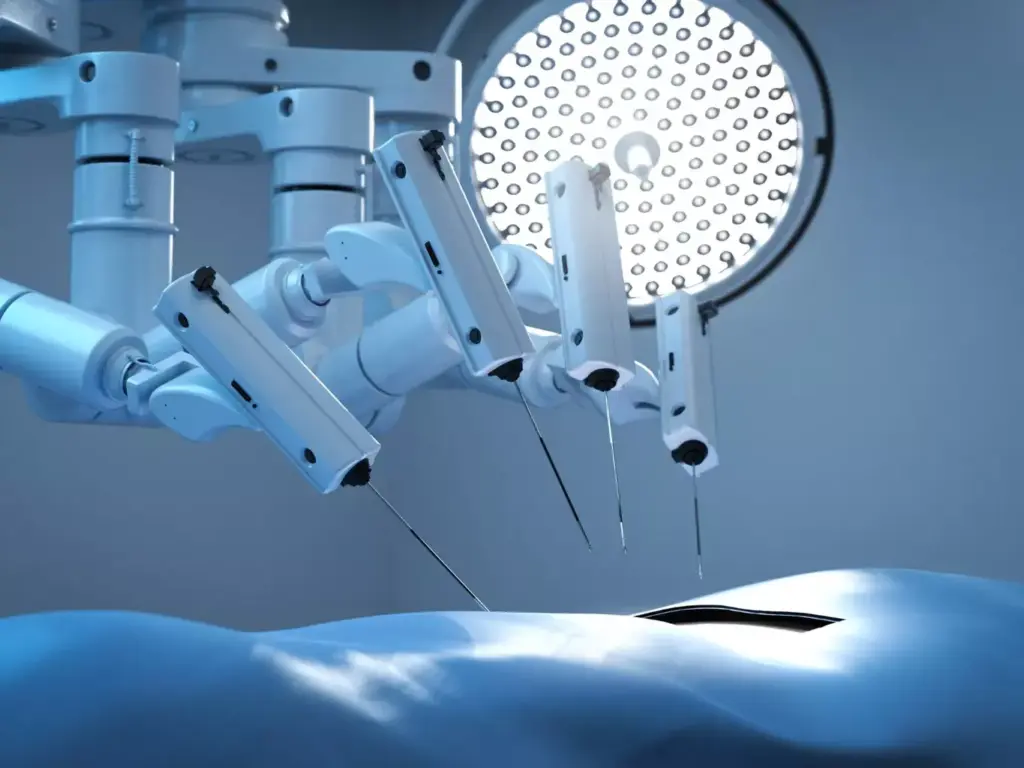
Surgical practices have changed a lot with the rise of minimally invasive surgery. This change comes from new technology and a need for quicker recovery and less scarring.
From Open Surgery to Modern Approaches
Old-school open surgery used big cuts, causing a lot of damage, pain, and long recovery times. Laparoscopic surgery came along and changed things. It lets surgeons use small cuts and a camera to do their work.
Robotic surgery took it even further. It brings better views, more control, and precision. This makes complex surgeries easier and more accurate for surgeons.
The Shared Benefits of Minimally Invasive Methods
Laparoscopic and robotic surgeries have big advantages over old-school open surgery. They lead to less pain, less blood loss, and shorter stays in the hospital. A study on the National Center for Biotechnology Information shows these methods are making patients’ lives better.
| Benefits | Laparoscopic Surgery | Robotic Surgery |
|---|---|---|
| Reduced Postoperative Pain | Yes | Yes |
| Less Blood Loss | Yes | Yes |
| Shorter Hospital Stays | Yes | Yes |
| Improved Precision | Limited | Yes |
Minimally invasive surgery is getting better and better. It’s making treatments safer and more effective. As technology keeps improving, we’ll see even better results for patients.
Traditional Laparoscopic Surgery Explained
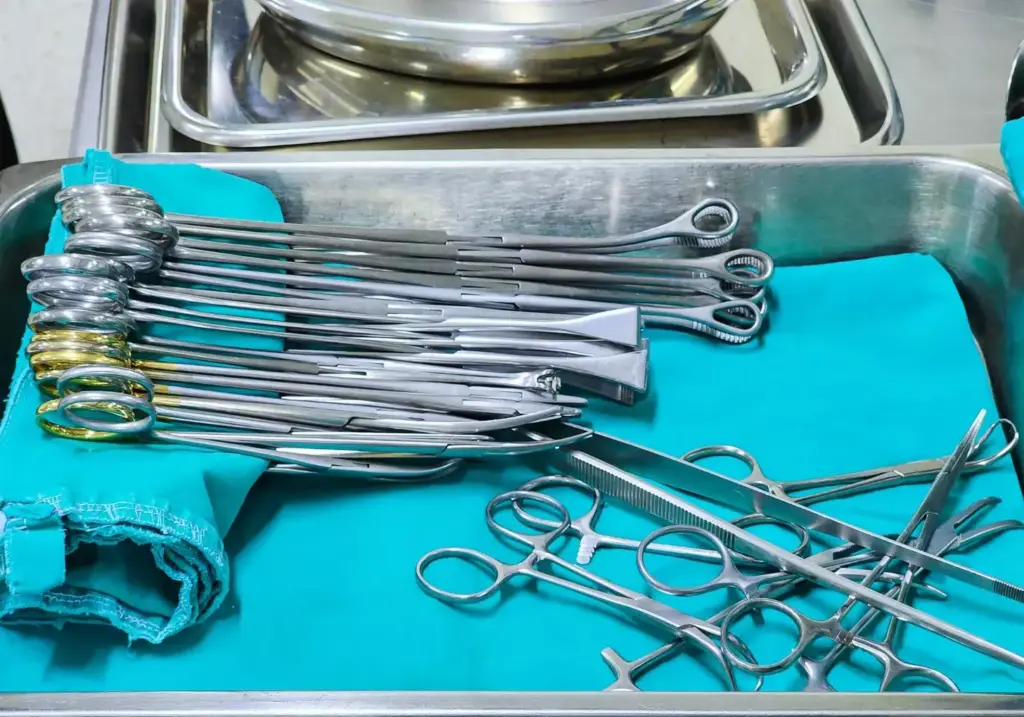
Traditional laparoscopic surgery uses a laparoscope and precise tools. It’s a key part of minimally invasive surgery. It helps patients recover faster and with less pain than open surgery.
Core Equipment and Instrumentation
Traditional laparoscopic surgery needs several important tools:
- A laparoscope, a thin tube with a camera and light.
- Special tools for dissecting, cutting, and sewing.
- A monitor to see the surgery area.
- Equipment to fill the belly with gas, making room to work.
The laparoscope goes through a small cut near the belly button. More ports are made for the tools. These tools are long and thin, fitting through small cuts.
Operational Mechanics and Surgeon Control
The surgeon uses the laparoscope and tools by hand, watching the monitor. The process involves:
- Getting a clear view by adjusting the laparoscope and gas.
- Using tools to do the surgery, needing precision and skill.
- Keeping the surgery area stable, handling bleeding and tissue.
Surgeon control is key. The precision of the tools and clear view are vital for success. The manual control lets for quick adjustments and detailed movements, important for complex surgeries.
Understanding traditional laparoscopic surgery helps us see how robotic-assisted surgery improves it.
Laparoscopy Robotic Surgery Fundamentals
Laparoscopy robotic surgery is a big step forward in surgery. It uses advanced robots to help surgeons work more precisely and see better. This change has made it easier to do complex surgeries.
Modern Robotic Platforms Overview
Today’s robotic systems in laparoscopy surgery give surgeons new tools. They have a console for the surgeon, robotic arms for the patient, and a system for clear 3D views of the surgery area.
The robotic platforms have many benefits, including:
- High-definition 3D visualization
- Enhanced dexterity with wristed instruments
- Improved ergonomics for the surgeon
- Motion scaling and tremor filtration
Technological Enhancements Over Traditional Methods
Robotic-assisted laparoscopy brings new tech to surgery. It offers improved visualization with 3D images. This helps surgeons do detailed work.
Another big plus is the improved dexterity of the robotic tools. These tools move better than old laparoscopic ones, making surgery more precise.
| Feature | Traditional Laparoscopy | Robotic-Assisted Laparoscopy |
|---|---|---|
| Visualization | 2D Imaging | 3D High-Definition Imaging |
| Instrument Dexterity | Limited Range of Motion | Enhanced Wristed Instruments |
| Surgeon Ergonomics | Variable, often stressful | Improved Ergonomics, Reduced Fatigue |
Laparoscopy robotic surgery leads to better results for patients. It means less blood loss, fewer problems, and faster healing. As tech gets better, we’ll see more uses of robotic surgery.
Difference #1: Visualization and Imaging Capabilities
Laparoscopic and robotic surgery differ mainly in how they show images. The quality of these images affects how well surgeons can do detailed work.
2D vs 3D Visualization Systems
Laparoscopic surgery uses 2D images, which can make it hard to see depth. Robotic surgery, on the other hand, offers 3D visualization. This makes it easier for surgeons to see and work with complex body parts.
The 3D imaging in robotic surgery gives surgeons a better feel for how different parts fit together. This helps them make more precise cuts and lowers the chance of mistakes.
Magnification and Image Quality Comparison
Robotic surgery shows images much clearer and bigger than traditional laparoscopy. The images can be zoomed up to 10 times, giving a close-up look at what’s happening during surgery.
| Feature | Laparoscopic Surgery | Robotic Surgery |
|---|---|---|
| Visualization System | 2D | 3D |
| Magnification | Up to 5 times | Up to 10 times |
| Image Quality | Standard Definition | High Definition |
The better image quality and zoom in robotic surgery help surgeons be more accurate. This is really helpful in complex surgeries where seeing every detail is key.
Difference #2: Instrument Dexterity and Maneuverability
When we look at laparoscopic and robotic surgery, a big difference is in the tools used. These tools need to be precise and flexible for success in minimally invasive surgeries.
Range of Motion Limitations in Traditional Laparoscopy
Traditional laparoscopic tools have limits in how they move. They are stiff and straight, with a fixed point on the patient’s body. This makes it hard for surgeons to move the tools, which is a problem in complex surgeries.
This lack of dexterity can cause many issues, such as:
- It’s hard to do detailed dissections.
- It’s tough to handle tissue with precision.
- There’s a higher chance of complications because of the limited movement.
Enhanced Articulation in Robotic Instruments
Robotic tools, on the other hand, are made to solve these problems. They can move like the human wrist, giving surgeons more control and flexibility during surgery.
The benefits of these tools include:
- They help with precise handling and dissection of tissue.
- They make it easier to navigate through complex areas of the body.
- They lower the risk of complications because of better control.
Robotic surgery has changed the game in minimally invasive surgery. It gives surgeons tools that are more dexterous and flexible. This opens up new possibilities for complex surgeries.
The difference in how tools move between laparoscopic and robotic surgery is key when choosing a surgical method. As we keep improving in surgical technology, understanding these differences is vital for the best care.
Difference #3: Surgeon Comfort and Ergonomics
The design of surgical systems greatly affects surgeon fatigue and performance. As we look at the differences between laparoscopic and robotic surgeries, it’s key to see how these methods impact surgeon comfort. This, in turn, affects their ability to perform at their best.
Physical Strain in Conventional Laparoscopy
Traditional laparoscopic surgery is physically demanding. Surgeons must stand for long times, in awkward positions, and handle instruments that strain their hands and wrists. This physical strain can lead to fatigue, which might affect the surgeon’s precision and control during the surgery. The rigid nature of laparoscopic instruments forces surgeons to work in uncomfortable postures to get the right angle and view.
Seated Console Position in Robotic Surgery
Robotic surgery, on the other hand, lets surgeons work from a seated console. This position is more ergonomic. This design significantly reduces physical strain and fatigue, as surgeons can rest their arms on the console while doing detailed work. The console’s design also supports a natural hand and wrist position, improving dexterity and control. By reducing physical discomfort, robotic surgery helps surgeons stay focused and precise throughout the procedure.
We understand that surgeon comfort and ergonomics are not just about reducing fatigue. They also improve performance. The advanced ergonomics of robotic surgery consoles are a big step forward. They offer a more comfortable and sustainable work environment for surgeons.
Difference #4: Precision Control and Tremor Elimination
Robotic surgical systems offer better precision and stability than traditional laparoscopic methods. This is thanks to the advanced technology in robotic platforms. It helps surgeons perform complex procedures more accurately.
Human Hand Tremor in Laparoscopic Procedures
In traditional laparoscopic surgery, surgeons face challenges with hand tremors. These tremors can make their movements less precise. Robotic surgery helps solve this problem by using advanced stabilization techniques.
Computer-Assisted Motion Scaling and Filtering
Robotic surgical systems use computer-assisted motion scaling and filtering. This technology makes the surgeon’s hand movements precise and removes tremors. Surgeons can then perform tasks with a level of precision that’s hard to achieve with traditional tools.
This technology improves precision control and eliminates tremors in robotic surgery. It leads to more accurate dissections and suturing. This is very helpful in complex procedures where small details are key to better patient outcomes.
Difference #5: Learning Curve and Skill Acquisition
As surgical techniques evolve, it’s key to know how laparoscopic and robotic surgery differ in skill learning. The learning curve for surgeons is vital when adopting new methods. It affects both the quality of care and how efficiently surgeries are done.
Training Pathways for Traditional Laparoscopy
Traditional laparoscopic surgery has a clear training path. It starts with hands-on experience during residency, then workshops, and sometimes fellowships. Surgeons learn to handle 2D visualization and tricky instrument movements through lots of practice.
Even with a solid training path, traditional laparoscopy is tough. It requires a lot of practice to get good at hand-eye coordination and depth perception. Surgeons need to put in a lot of effort to become skilled.
Simulation and Training for Robotic Platforms
Robotic surgery needs specialized training that includes simulation. Robotic systems have built-in simulators for practice. This training is key for mastering robotic tools and improving dexterity and precision.
Training for robotic surgery mixes online modules, simulation, and supervised surgeries. Many places offer special training programs with hands-on robotic experience. This structured approach helps surgeons learn faster, making the learning curve shorter.
One big plus of robotic surgery training is practicing complex surgeries safely. Surgeons can improve their skills without risking patient safety. This is a big help in reducing the learning curve and improving skill.
In summary, both laparoscopic and robotic surgeries need a lot of training and practice. But, robotic surgery’s focus on simulation might make the learning curve shorter. Knowing these differences is important for teaching surgeons and adopting new technologies.
Difference #6: Procedural Duration and Efficiency
Choosing between laparoscopic and robotic surgery depends on understanding procedural duration and efficiency. We look at what affects these, and how they impact surgical results.
Setup Time Requirements
Setup time is a big difference between laparoscopic and robotic surgery. Robotic surgery takes longer to set up. This is because the robotic system is complex and needs precise setup.
Key factors contributing to setup time in robotic surgery include:
- Preparation and docking of the robotic system
- Instrumentation and port placement
- Initial calibration and testing of the robotic arms
Laparoscopic surgery, on the other hand, has a quicker setup. It uses simpler equipment and is easier to prepare.
Operative Duration Across Different Specialties
The time it takes to operate can differ a lot between laparoscopic and robotic surgery. Robotic surgery might take longer to start, but it can make complex procedures faster.
| Surgical Specialty | Laparoscopic Surgery Operative Time (avg.) | Robotic Surgery Operative Time (avg.) |
|---|---|---|
| General Surgery | 120 minutes | 110 minutes |
| Urology | 150 minutes | 130 minutes |
| Gynecology | 90 minutes | 80 minutes |
The table shows robotic surgery can be faster in some areas, like complex procedures. But, how efficient it is also depends on the team’s skill and the techniques used.
In conclusion, robotic surgery might need more time to start, but it can be more efficient in complex cases. This can make the overall time it takes to operate similar or even shorter than laparoscopic surgery.
Difference #7: Cost and Resource Implications
Choosing between laparoscopic and robotic surgery has many cost and resource implications. Healthcare providers need to understand these financial aspects well. This is key when deciding to adopt or continue with these minimally invasive techniques.
Initial Investment and Maintenance Expenses
There are also ongoing maintenance costs. These include service contracts and the cost of replacing instruments and other consumables.
Traditional laparoscopic surgery doesn’t need such a big upfront investment in equipment. But, the cost of laparoscopic instruments and the need for upgrades or new equipment should be considered.
Per-procedure Costs Comparison
Several factors affect the cost of each procedure. These include the cost of instruments, operating room time, and the chance of complications. Robotic surgery often costs more per procedure because of the expense of robotic instruments and longer operating room time.
But, robotic surgery can lead to shorter hospital stays and fewer complications. This can help offset some of the higher initial costs. A study found that while robotic surgery costs more upfront, the overall cost difference decreases when considering shorter hospital stays and fewer complications.
We must look at these factors when deciding between robotic and laparoscopic surgery. The choice should be based on a detailed analysis of both direct and indirect costs.
In conclusion, robotic surgery has high initial and maintenance costs. But, it can reduce complications and shorten hospital stays, making it cost-effective in the long run. Healthcare providers must carefully consider these factors to make informed decisions about their surgical practices.
Clinical Outcomes and Evidence-Based Comparisons
Comparing laparoscopic and robotic surgery shows key differences in patient results. It’s important to look at how these minimally invasive methods work. We need to see what makes them different.
Blood Loss and Conversion Rate Differences
Research shows robotic surgery cuts down on blood loss compared to laparoscopic methods. Robotic surgery’s better view and accuracy help with this. For example, a study on different surgeries found robotic surgery had much less blood loss than laparoscopic.
| Surgical Approach | Average Blood Loss (ml) | Conversion Rate (%) |
|---|---|---|
| Laparoscopic | 150-300 | 5-10 |
| Robotic | 100-200 | 2-5 |
The table shows robotic surgery has less blood loss and fewer complications than laparoscopic. These benefits can make a big difference in how patients recover.
Post-operative Recovery Profiles
Robotic surgery also leads in post-operative recovery. Its precision and less damage to tissues mean quicker healing and less pain. A study found patients after robotic surgery left the hospital sooner and got back to their lives faster.
“Robotic surgery offers a promising approach to minimizing post-operative complications and improving patient recovery.”
While both methods are better than open surgery, robotic surgery seems to have an advantage. It shines in reducing blood loss and speeding up recovery.
Conclusion: The Future of Minimally Invasive Surgery
Robotic surgery is set to be a big part of the future in minimally invasive surgery. New tech and techniques will make it even better. This means better results and more procedures done with less invasion.
At Liv Hospital, we’re always looking to improve. We want to give our patients the best care. The future of surgery will likely see more use of robotic surgery. This will make surgeries more precise and flexible.
As robotic surgery gets better, patients will see better results and faster recovery times. More people will have access to these less invasive surgeries. We’re committed to using the latest tech to give our patients the best care possible.
What is the main difference between laparoscopic and robotic surgery?
Robotic surgery offers more precision and better visualization than laparoscopic surgery. It uses advanced robotic platforms to enhance the surgeon’s skills.
Is robotic surgery considered a type of minimally invasive surgery?
Yes, robotic surgery is a minimally invasive method. It uses robotic-assisted technology for complex procedures with smaller incisions.
How does the visualization system in robotic surgery compare to traditional laparoscopy?
Robotic surgery has high-definition 3D visualization. Traditional laparoscopy uses 2D, leading to better depth perception and clarity.
Are robotic instruments more precise than traditional laparoscopic instruments?
Yes, robotic instruments are more precise. They are designed to mimic the human wrist, providing better range of motion and precision.
Does robotic surgery require specialized training for surgeons?
Yes, surgeons need specialized training for robotic surgery. They learn through simulation-based education to develop necessary skills and confidence.
How does the cost of robotic surgery compare to traditional laparoscopic surgery?
Robotic surgery has a high initial cost and maintenance expenses. Yet, it can be more cost-effective in the long run by reducing complications and improving outcomes.
What are the benefits of robotic surgery in terms of patient outcomes?
Robotic surgery reduces blood loss and conversion rates to open surgery. It also improves post-operative recovery, leading to better patient outcomes.
Is robotic surgery available for all types of surgical procedures?
Robotic surgery is available for many surgical procedures. Its applications are expanding as technology advances.
How does surgeon comfort and ergonomics impact the outcome of robotic surgery?
Robotic surgery allows surgeons to operate from a seated console. This reduces physical strain and fatigue, leading to improved precision and outcomes.
What is the future of minimally invasive surgery with regards to robotic technology?
Robotic surgery will continue to play a key role in minimally invasive surgery. Advances in technology and technique will improve outcomes and expand procedure options.
At Liv Hospital, we aim to give top-notch healthcare to all patients. Choosing between laparoscopy robotic surgery and traditional laparoscopic procedures can be tough. It’s important to know the best option for you.
Understanding the differences between these advanced techniques is key. Robotic-assisted surgery has changed the game in minimally invasive surgery. It offers better results and quicker recovery times for patients.
We focus on patient care at Liv Hospital. We will look at the seven main differences between laparoscopic vs robotic surgery. We’ll show how robotic-assisted surgery brings new benefits and advancements.
Key Takeaways
- Understanding the differences between laparoscopy robotic surgery and traditional laparoscopic surgery.
- Benefits of robotic-assisted surgical procedures.
- Advancements in minimally invasive surgery.
- Improved patient outcomes with robotic laparoscopy.
- Faster recovery times with advanced surgical techniques.
The Evolution of Minimally Invasive Surgical Techniques
Surgical practices have changed a lot with the rise of minimally invasive surgery. This change comes from new technology and a need for quicker recovery and less scarring.
From Open Surgery to Modern Approaches
Old-school open surgery used big cuts, causing a lot of damage, pain, and long recovery times. Laparoscopic surgery came along and changed things. It lets surgeons use small cuts and a camera to do their work.
Robotic surgery took it even further. It brings better views, more control, and precision. This makes complex surgeries easier and more accurate for surgeons.
The Shared Benefits of Minimally Invasive Methods
Laparoscopic and robotic surgeries have big advantages over old-school open surgery. They lead to less pain, less blood loss, and shorter stays in the hospital. A study on the National Center for Biotechnology Information shows these methods are making patients’ lives better.
| Benefits | Laparoscopic Surgery | Robotic Surgery |
|---|---|---|
| Reduced Postoperative Pain | Yes | Yes |
| Less Blood Loss | Yes | Yes |
| Shorter Hospital Stays | Yes | Yes |
| Improved Precision | Limited | Yes |
Minimally invasive surgery is getting better and better. It’s making treatments safer and more effective. As technology keeps improving, we’ll see even better results for patients.
Traditional Laparoscopic Surgery Explained
Traditional laparoscopic surgery uses a laparoscope and precise tools. It’s a key part of minimally invasive surgery. It helps patients recover faster and with less pain than open surgery.
Core Equipment and Instrumentation
Traditional laparoscopic surgery needs several important tools:
- A laparoscope, a thin tube with a camera and light.
- Special tools for dissecting, cutting, and sewing.
- A monitor to see the surgery area.
- Equipment to fill the belly with gas, making room to work.
The laparoscope goes through a small cut near the belly button. More ports are made for the tools. These tools are long and thin, fitting through small cuts.
Operational Mechanics and Surgeon Control
The surgeon uses the laparoscope and tools by hand, watching the monitor. The process involves:
- Getting a clear view by adjusting the laparoscope and gas.
- Using tools to do the surgery, needing precision and skill.
- Keeping the surgery area stable, handling bleeding and tissue.
Surgeon control is key. The precision of the tools and clear view are vital for success. The manual control lets for quick adjustments and detailed movements, important for complex surgeries.
Understanding traditional laparoscopic surgery helps us see how robotic-assisted surgery improves it.
Laparoscopy Robotic Surgery Fundamentals
Laparoscopy robotic surgery is a big step forward in surgery. It uses advanced robots to help surgeons work more precisely and see better. This change has made it easier to do complex surgeries.
Modern Robotic Platforms Overview
Today’s robotic systems in laparoscopy surgery give surgeons new tools. They have a console for the surgeon, robotic arms for the patient, and a system for clear 3D views of the surgery area.
The robotic platforms have many benefits, including:
- High-definition 3D visualization
- Enhanced dexterity with wristed instruments
- Improved ergonomics for the surgeon
- Motion scaling and tremor filtration
Technological Enhancements Over Traditional Methods
Robotic-assisted laparoscopy brings new tech to surgery. It offers improved visualization with 3D images. This helps surgeons do detailed work.
Another big plus is the improved dexterity of the robotic tools. These tools move better than old laparoscopic ones, making surgery more precise.
| Feature | Traditional Laparoscopy | Robotic-Assisted Laparoscopy |
|---|---|---|
| Visualization | 2D Imaging | 3D High-Definition Imaging |
| Instrument Dexterity | Limited Range of Motion | Enhanced Wristed Instruments |
| Surgeon Ergonomics | Variable, often stressful | Improved Ergonomics, Reduced Fatigue |
Laparoscopy robotic surgery leads to better results for patients. It means less blood loss, fewer problems, and faster healing. As tech gets better, we’ll see more uses of robotic surgery.
Difference #1: Visualization and Imaging Capabilities
Laparoscopic and robotic surgery differ mainly in how they show images. The quality of these images affects how well surgeons can do detailed work.
2D vs 3D Visualization Systems
Laparoscopic surgery uses 2D images, which can make it hard to see depth. Robotic surgery, on the other hand, offers 3D visualization. This makes it easier for surgeons to see and work with complex body parts.
The 3D imaging in robotic surgery gives surgeons a better feel for how different parts fit together. This helps them make more precise cuts and lowers the chance of mistakes.
Magnification and Image Quality Comparison
Robotic surgery shows images much clearer and bigger than traditional laparoscopy. The images can be zoomed up to 10 times, giving a close-up look at what’s happening during surgery.
| Feature | Laparoscopic Surgery | Robotic Surgery |
|---|---|---|
| Visualization System | 2D | 3D |
| Magnification | Up to 5 times | Up to 10 times |
| Image Quality | Standard Definition | High Definition |
The better image quality and zoom in robotic surgery help surgeons be more accurate. This is really helpful in complex surgeries where seeing every detail is key.
Difference #2: Instrument Dexterity and Maneuverability
When we look at laparoscopic and robotic surgery, a big difference is in the tools used. These tools need to be precise and flexible for success in minimally invasive surgeries.
Range of Motion Limitations in Traditional Laparoscopy
Traditional laparoscopic tools have limits in how they move. They are stiff and straight, with a fixed point on the patient’s body. This makes it hard for surgeons to move the tools, which is a problem in complex surgeries.
This lack of dexterity can cause many issues, such as:
- It’s hard to do detailed dissections.
- It’s tough to handle tissue with precision.
- There’s a higher chance of complications because of the limited movement.
Enhanced Articulation in Robotic Instruments
Robotic tools, on the other hand, are made to solve these problems. They can move like the human wrist, giving surgeons more control and flexibility during surgery.
The benefits of these tools include:
- They help with precise handling and dissection of tissue.
- They make it easier to navigate through complex areas of the body.
- They lower the risk of complications because of better control.
Robotic surgery has changed the game in minimally invasive surgery. It gives surgeons tools that are more dexterous and flexible. This opens up new possibilities for complex surgeries.
The difference in how tools move between laparoscopic and robotic surgery is key when choosing a surgical method. As we keep improving in surgical technology, understanding these differences is vital for the best care.
Difference #3: Surgeon Comfort and Ergonomics
The design of surgical systems greatly affects surgeon fatigue and performance. As we look at the differences between laparoscopic and robotic surgeries, it’s key to see how these methods impact surgeon comfort. This, in turn, affects their ability to perform at their best.
Physical Strain in Conventional Laparoscopy
Traditional laparoscopic surgery is physically demanding. Surgeons must stand for long times, in awkward positions, and handle instruments that strain their hands and wrists. This physical strain can lead to fatigue, which might affect the surgeon’s precision and control during the surgery. The rigid nature of laparoscopic instruments forces surgeons to work in uncomfortable postures to get the right angle and view.
Seated Console Position in Robotic Surgery
Robotic surgery, on the other hand, lets surgeons work from a seated console. This position is more ergonomic. This design significantly reduces physical strain and fatigue, as surgeons can rest their arms on the console while doing detailed work. The console’s design also supports a natural hand and wrist position, improving dexterity and control. By reducing physical discomfort, robotic surgery helps surgeons stay focused and precise throughout the procedure.
We understand that surgeon comfort and ergonomics are not just about reducing fatigue. They also improve performance. The advanced ergonomics of robotic surgery consoles are a big step forward. They offer a more comfortable and sustainable work environment for surgeons.
Difference #4: Precision Control and Tremor Elimination
Robotic surgical systems offer better precision and stability than traditional laparoscopic methods. This is thanks to the advanced technology in robotic platforms. It helps surgeons perform complex procedures more accurately.
Human Hand Tremor in Laparoscopic Procedures
In traditional laparoscopic surgery, surgeons face challenges with hand tremors. These tremors can make their movements less precise. Robotic surgery helps solve this problem by using advanced stabilization techniques.
Computer-Assisted Motion Scaling and Filtering
Robotic surgical systems use computer-assisted motion scaling and filtering. This technology makes the surgeon’s hand movements precise and removes tremors. Surgeons can then perform tasks with a level of precision that’s hard to achieve with traditional tools.
This technology improves precision control and eliminates tremors in robotic surgery. It leads to more accurate dissections and suturing. This is very helpful in complex procedures where small details are key to better patient outcomes.
Difference #5: Learning Curve and Skill Acquisition
As surgical techniques evolve, it’s key to know how laparoscopic and robotic surgery differ in skill learning. The learning curve for surgeons is vital when adopting new methods. It affects both the quality of care and how efficiently surgeries are done.
Training Pathways for Traditional Laparoscopy
Traditional laparoscopic surgery has a clear training path. It starts with hands-on experience during residency, then workshops, and sometimes fellowships. Surgeons learn to handle 2D visualization and tricky instrument movements through lots of practice.
Even with a solid training path, traditional laparoscopy is tough. It requires a lot of practice to get good at hand-eye coordination and depth perception. Surgeons need to put in a lot of effort to become skilled.
Simulation and Training for Robotic Platforms
Robotic surgery needs specialized training that includes simulation. Robotic systems have built-in simulators for practice. This training is key for mastering robotic tools and improving dexterity and precision.
Training for robotic surgery mixes online modules, simulation, and supervised surgeries. Many places offer special training programs with hands-on robotic experience. This structured approach helps surgeons learn faster, making the learning curve shorter.
One big plus of robotic surgery training is practicing complex surgeries safely. Surgeons can improve their skills without risking patient safety. This is a big help in reducing the learning curve and improving skill.
In summary, both laparoscopic and robotic surgeries need a lot of training and practice. But, robotic surgery’s focus on simulation might make the learning curve shorter. Knowing these differences is important for teaching surgeons and adopting new technologies.
Difference #6: Procedural Duration and Efficiency
Choosing between laparoscopic and robotic surgery depends on understanding procedural duration and efficiency. We look at what affects these, and how they impact surgical results.
Setup Time Requirements
Setup time is a big difference between laparoscopic and robotic surgery. Robotic surgery takes longer to set up. This is because the robotic system is complex and needs precise setup.
Key factors contributing to setup time in robotic surgery include:
- Preparation and docking of the robotic system
- Instrumentation and port placement
- Initial calibration and testing of the robotic arms
Laparoscopic surgery, on the other hand, has a quicker setup. It uses simpler equipment and is easier to prepare.
Operative Duration Across Different Specialties
The time it takes to operate can differ a lot between laparoscopic and robotic surgery. Robotic surgery might take longer to start, but it can make complex procedures faster.
| Surgical Specialty | Laparoscopic Surgery Operative Time (avg.) | Robotic Surgery Operative Time (avg.) |
|---|---|---|
| General Surgery | 120 minutes | 110 minutes |
| Urology | 150 minutes | 130 minutes |
| Gynecology | 90 minutes | 80 minutes |
The table shows robotic surgery can be faster in some areas, like complex procedures. But, how efficient it is also depends on the team’s skill and the techniques used.
In conclusion, robotic surgery might need more time to start, but it can be more efficient in complex cases. This can make the overall time it takes to operate similar or even shorter than laparoscopic surgery.
Difference #7: Cost and Resource Implications
Choosing between laparoscopic and robotic surgery has many cost and resource implications. Healthcare providers need to understand these financial aspects well. This is key when deciding to adopt or continue with these minimally invasive techniques.
Initial Investment and Maintenance Expenses
There are also ongoing maintenance costs. These include service contracts and the cost of replacing instruments and other consumables.
Traditional laparoscopic surgery doesn’t need such a big upfront investment in equipment. But, the cost of laparoscopic instruments and the need for upgrades or new equipment should be considered.
Per-procedure Costs Comparison
Several factors affect the cost of each procedure. These include the cost of instruments, operating room time, and the chance of complications. Robotic surgery often costs more per procedure because of the expense of robotic instruments and longer operating room time.
But, robotic surgery can lead to shorter hospital stays and fewer complications. This can help offset some of the higher initial costs. A study found that while robotic surgery costs more upfront, the overall cost difference decreases when considering shorter hospital stays and fewer complications.
We must look at these factors when deciding between robotic and laparoscopic surgery. The choice should be based on a detailed analysis of both direct and indirect costs.
In conclusion, robotic surgery has high initial and maintenance costs. But, it can reduce complications and shorten hospital stays, making it cost-effective in the long run. Healthcare providers must carefully consider these factors to make informed decisions about their surgical practices.
Clinical Outcomes and Evidence-Based Comparisons
Comparing laparoscopic and robotic surgery shows key differences in patient results. It’s important to look at how these minimally invasive methods work. We need to see what makes them different.
Blood Loss and Conversion Rate Differences
Research shows robotic surgery cuts down on blood loss compared to laparoscopic methods. Robotic surgery’s better view and accuracy help with this. For example, a study on different surgeries found robotic surgery had much less blood loss than laparoscopic.
| Surgical Approach | Average Blood Loss (ml) | Conversion Rate (%) |
|---|---|---|
| Laparoscopic | 150-300 | 5-10 |
| Robotic | 100-200 | 2-5 |
The table shows robotic surgery has less blood loss and fewer complications than laparoscopic. These benefits can make a big difference in how patients recover.
Post-operative Recovery Profiles
Robotic surgery also leads in post-operative recovery. Its precision and less damage to tissues mean quicker healing and less pain. A study found patients after robotic surgery left the hospital sooner and got back to their lives faster.
“Robotic surgery offers a promising approach to minimizing post-operative complications and improving patient recovery.”
While both methods are better than open surgery, robotic surgery seems to have an advantage. It shines in reducing blood loss and speeding up recovery.
Conclusion: The Future of Minimally Invasive Surgery
Robotic surgery is set to be a big part of the future in minimally invasive surgery. New tech and techniques will make it even better. This means better results and more procedures done with less invasion.
At Liv Hospital, we’re always looking to improve. We want to give our patients the best care. The future of surgery will likely see more use of robotic surgery. This will make surgeries more precise and flexible.
As robotic surgery gets better, patients will see better results and faster recovery times. More people will have access to these less invasive surgeries. We’re committed to using the latest tech to give our patients the best care possible.
At Liv Hospital, we aim to give top-notch healthcare to all patients. Choosing between laparoscopy robotic surgery and traditional laparoscopic procedures can be tough. It’s important to know the best option for you.
Understanding the differences between these advanced techniques is key. Robotic-assisted surgery has changed the game in minimally invasive surgery. It offers better results and quicker recovery times for patients.
We focus on patient care at Liv Hospital. We will look at the seven main differences between laparoscopic vs robotic surgery. We’ll show how robotic-assisted surgery brings new benefits and advancements.
Key Takeaways
- Understanding the differences between laparoscopy robotic surgery and traditional laparoscopic surgery.
- Benefits of robotic-assisted surgical procedures.
- Advancements in minimally invasive surgery.
- Improved patient outcomes with robotic laparoscopy.
- Faster recovery times with advanced surgical techniques.
The Evolution of Minimally Invasive Surgical Techniques
Surgical practices have changed a lot with the rise of minimally invasive surgery. This change comes from new technology and a need for quicker recovery and less scarring.
From Open Surgery to Modern Approaches
Old-school open surgery used big cuts, causing a lot of damage, pain, and long recovery times. Laparoscopic surgery came along and changed things. It lets surgeons use small cuts and a camera to do their work.
Robotic surgery took it even further. It brings better views, more control, and precision. This makes complex surgeries easier and more accurate for surgeons.
The Shared Benefits of Minimally Invasive Methods
Laparoscopic and robotic surgeries have big advantages over old-school open surgery. They lead to less pain, less blood loss, and shorter stays in the hospital. A study on the National Center for Biotechnology Information shows these methods are making patients’ lives better.
| Benefits | Laparoscopic Surgery | Robotic Surgery |
|---|---|---|
| Reduced Postoperative Pain | Yes | Yes |
| Less Blood Loss | Yes | Yes |
| Shorter Hospital Stays | Yes | Yes |
| Improved Precision | Limited | Yes |
Minimally invasive surgery is getting better and better. It’s making treatments safer and more effective. As technology keeps improving, we’ll see even better results for patients.
Traditional Laparoscopic Surgery Explained
Traditional laparoscopic surgery uses a laparoscope and precise tools. It’s a key part of minimally invasive surgery. It helps patients recover faster and with less pain than open surgery.
Core Equipment and Instrumentation
Traditional laparoscopic surgery needs several important tools:
- A laparoscope, a thin tube with a camera and light.
- Special tools for dissecting, cutting, and sewing.
- A monitor to see the surgery area.
- Equipment to fill the belly with gas, making room to work.
The laparoscope goes through a small cut near the belly button. More ports are made for the tools. These tools are long and thin, fitting through small cuts.
Operational Mechanics and Surgeon Control
The surgeon uses the laparoscope and tools by hand, watching the monitor. The process involves:
- Getting a clear view by adjusting the laparoscope and gas.
- Using tools to do the surgery, needing precision and skill.
- Keeping the surgery area stable, handling bleeding and tissue.
Surgeon control is key. The precision of the tools and clear view are vital for success. The manual control lets for quick adjustments and detailed movements, important for complex surgeries.
Understanding traditional laparoscopic surgery helps us see how robotic-assisted surgery improves it.
Laparoscopy Robotic Surgery Fundamentals
Laparoscopy robotic surgery is a big step forward in surgery. It uses advanced robots to help surgeons work more precisely and see better. This change has made it easier to do complex surgeries.
Modern Robotic Platforms Overview
Today’s robotic systems in laparoscopy surgery give surgeons new tools. They have a console for the surgeon, robotic arms for the patient, and a system for clear 3D views of the surgery area.
The robotic platforms have many benefits, including:
- High-definition 3D visualization
- Enhanced dexterity with wristed instruments
- Improved ergonomics for the surgeon
- Motion scaling and tremor filtration
Technological Enhancements Over Traditional Methods
Robotic-assisted laparoscopy brings new tech to surgery. It offers improved visualization with 3D images. This helps surgeons do detailed work.
Another big plus is the improved dexterity of the robotic tools. These tools move better than old laparoscopic ones, making surgery more precise.
| Feature | Traditional Laparoscopy | Robotic-Assisted Laparoscopy |
|---|---|---|
| Visualization | 2D Imaging | 3D High-Definition Imaging |
| Instrument Dexterity | Limited Range of Motion | Enhanced Wristed Instruments |
| Surgeon Ergonomics | Variable, often stressful | Improved Ergonomics, Reduced Fatigue |
Laparoscopy robotic surgery leads to better results for patients. It means less blood loss, fewer problems, and faster healing. As tech gets better, we’ll see more uses of robotic surgery.
Difference #1: Visualization and Imaging Capabilities
Laparoscopic and robotic surgery differ mainly in how they show images. The quality of these images affects how well surgeons can do detailed work.
2D vs 3D Visualization Systems
Laparoscopic surgery uses 2D images, which can make it hard to see depth. Robotic surgery, on the other hand, offers 3D visualization. This makes it easier for surgeons to see and work with complex body parts.
The 3D imaging in robotic surgery gives surgeons a better feel for how different parts fit together. This helps them make more precise cuts and lowers the chance of mistakes.
Magnification and Image Quality Comparison
Robotic surgery shows images much clearer and bigger than traditional laparoscopy. The images can be zoomed up to 10 times, giving a close-up look at what’s happening during surgery.
| Feature | Laparoscopic Surgery | Robotic Surgery |
|---|---|---|
| Visualization System | 2D | 3D |
| Magnification | Up to 5 times | Up to 10 times |
| Image Quality | Standard Definition | High Definition |
The better image quality and zoom in robotic surgery help surgeons be more accurate. This is really helpful in complex surgeries where seeing every detail is key.
Difference #2: Instrument Dexterity and Maneuverability
When we look at laparoscopic and robotic surgery, a big difference is in the tools used. These tools need to be precise and flexible for success in minimally invasive surgeries.
Range of Motion Limitations in Traditional Laparoscopy
Traditional laparoscopic tools have limits in how they move. They are stiff and straight, with a fixed point on the patient’s body. This makes it hard for surgeons to move the tools, which is a problem in complex surgeries.
This lack of dexterity can cause many issues, such as:
- It’s hard to do detailed dissections.
- It’s tough to handle tissue with precision.
- There’s a higher chance of complications because of the limited movement.
Enhanced Articulation in Robotic Instruments
Robotic tools, on the other hand, are made to solve these problems. They can move like the human wrist, giving surgeons more control and flexibility during surgery.
The benefits of these tools include:
- They help with precise handling and dissection of tissue.
- They make it easier to navigate through complex areas of the body.
- They lower the risk of complications because of better control.
Robotic surgery has changed the game in minimally invasive surgery. It gives surgeons tools that are more dexterous and flexible. This opens up new possibilities for complex surgeries.
The difference in how tools move between laparoscopic and robotic surgery is key when choosing a surgical method. As we keep improving in surgical technology, understanding these differences is vital for the best care.
Difference #3: Surgeon Comfort and Ergonomics
The design of surgical systems greatly affects surgeon fatigue and performance. As we look at the differences between laparoscopic and robotic surgeries, it’s key to see how these methods impact surgeon comfort. This, in turn, affects their ability to perform at their best.
Physical Strain in Conventional Laparoscopy
Traditional laparoscopic surgery is physically demanding. Surgeons must stand for long times, in awkward positions, and handle instruments that strain their hands and wrists. This physical strain can lead to fatigue, which might affect the surgeon’s precision and control during the surgery. The rigid nature of laparoscopic instruments forces surgeons to work in uncomfortable postures to get the right angle and view.
Seated Console Position in Robotic Surgery
Robotic surgery, on the other hand, lets surgeons work from a seated console. This position is more ergonomic. This design significantly reduces physical strain and fatigue, as surgeons can rest their arms on the console while doing detailed work. The console’s design also supports a natural hand and wrist position, improving dexterity and control. By reducing physical discomfort, robotic surgery helps surgeons stay focused and precise throughout the procedure.
We understand that surgeon comfort and ergonomics are not just about reducing fatigue. They also improve performance. The advanced ergonomics of robotic surgery consoles are a big step forward. They offer a more comfortable and sustainable work environment for surgeons.
Difference #4: Precision Control and Tremor Elimination
Robotic surgical systems offer better precision and stability than traditional laparoscopic methods. This is thanks to the advanced technology in robotic platforms. It helps surgeons perform complex procedures more accurately.
Human Hand Tremor in Laparoscopic Procedures
In traditional laparoscopic surgery, surgeons face challenges with hand tremors. These tremors can make their movements less precise. Robotic surgery helps solve this problem by using advanced stabilization techniques.
Computer-Assisted Motion Scaling and Filtering
Robotic surgical systems use computer-assisted motion scaling and filtering. This technology makes the surgeon’s hand movements precise and removes tremors. Surgeons can then perform tasks with a level of precision that’s hard to achieve with traditional tools.
This technology improves precision control and eliminates tremors in robotic surgery. It leads to more accurate dissections and suturing. This is very helpful in complex procedures where small details are key to better patient outcomes.
Difference #5: Learning Curve and Skill Acquisition
As surgical techniques evolve, it’s key to know how laparoscopic and robotic surgery differ in skill learning. The learning curve for surgeons is vital when adopting new methods. It affects both the quality of care and how efficiently surgeries are done.
Training Pathways for Traditional Laparoscopy
Traditional laparoscopic surgery has a clear training path. It starts with hands-on experience during residency, then workshops, and sometimes fellowships. Surgeons learn to handle 2D visualization and tricky instrument movements through lots of practice.
Even with a solid training path, traditional laparoscopy is tough. It requires a lot of practice to get good at hand-eye coordination and depth perception. Surgeons need to put in a lot of effort to become skilled.
Simulation and Training for Robotic Platforms
Robotic surgery needs specialized training that includes simulation. Robotic systems have built-in simulators for practice. This training is key for mastering robotic tools and improving dexterity and precision.
Training for robotic surgery mixes online modules, simulation, and supervised surgeries. Many places offer special training programs with hands-on robotic experience. This structured approach helps surgeons learn faster, making the learning curve shorter.
One big plus of robotic surgery training is practicing complex surgeries safely. Surgeons can improve their skills without risking patient safety. This is a big help in reducing the learning curve and improving skill.
In summary, both laparoscopic and robotic surgeries need a lot of training and practice. But, robotic surgery’s focus on simulation might make the learning curve shorter. Knowing these differences is important for teaching surgeons and adopting new technologies.
Difference #6: Procedural Duration and Efficiency
Choosing between laparoscopic and robotic surgery depends on understanding procedural duration and efficiency. We look at what affects these, and how they impact surgical results.
Setup Time Requirements
Setup time is a big difference between laparoscopic and robotic surgery. Robotic surgery takes longer to set up. This is because the robotic system is complex and needs precise setup.
Key factors contributing to setup time in robotic surgery include:
- Preparation and docking of the robotic system
- Instrumentation and port placement
- Initial calibration and testing of the robotic arms
Laparoscopic surgery, on the other hand, has a quicker setup. It uses simpler equipment and is easier to prepare.
Operative Duration Across Different Specialties
The time it takes to operate can differ a lot between laparoscopic and robotic surgery. Robotic surgery might take longer to start, but it can make complex procedures faster.
| Surgical Specialty | Laparoscopic Surgery Operative Time (avg.) | Robotic Surgery Operative Time (avg.) |
|---|---|---|
| General Surgery | 120 minutes | 110 minutes |
| Urology | 150 minutes | 130 minutes |
| Gynecology | 90 minutes | 80 minutes |
The table shows robotic surgery can be faster in some areas, like complex procedures. But, how efficient it is also depends on the team’s skill and the techniques used.
In conclusion, robotic surgery might need more time to start, but it can be more efficient in complex cases. This can make the overall time it takes to operate similar or even shorter than laparoscopic surgery.
Difference #7: Cost and Resource Implications
Choosing between laparoscopic and robotic surgery has many cost and resource implications. Healthcare providers need to understand these financial aspects well. This is key when deciding to adopt or continue with these minimally invasive techniques.
Initial Investment and Maintenance Expenses
There are also ongoing maintenance costs. These include service contracts and the cost of replacing instruments and other consumables.
Traditional laparoscopic surgery doesn’t need such a big upfront investment in equipment. But, the cost of laparoscopic instruments and the need for upgrades or new equipment should be considered.
Per-procedure Costs Comparison
Several factors affect the cost of each procedure. These include the cost of instruments, operating room time, and the chance of complications. Robotic surgery often costs more per procedure because of the expense of robotic instruments and longer operating room time.
But, robotic surgery can lead to shorter hospital stays and fewer complications. This can help offset some of the higher initial costs. A study found that while robotic surgery costs more upfront, the overall cost difference decreases when considering shorter hospital stays and fewer complications.
We must look at these factors when deciding between robotic and laparoscopic surgery. The choice should be based on a detailed analysis of both direct and indirect costs.
In conclusion, robotic surgery has high initial and maintenance costs. But, it can reduce complications and shorten hospital stays, making it cost-effective in the long run. Healthcare providers must carefully consider these factors to make informed decisions about their surgical practices.
Clinical Outcomes and Evidence-Based Comparisons
Comparing laparoscopic and robotic surgery shows key differences in patient results. It’s important to look at how these minimally invasive methods work. We need to see what makes them different.
Blood Loss and Conversion Rate Differences
Research shows robotic surgery cuts down on blood loss compared to laparoscopic methods. Robotic surgery’s better view and accuracy help with this. For example, a study on different surgeries found robotic surgery had much less blood loss than laparoscopic.
| Surgical Approach | Average Blood Loss (ml) | Conversion Rate (%) |
|---|---|---|
| Laparoscopic | 150-300 | 5-10 |
| Robotic | 100-200 | 2-5 |
The table shows robotic surgery has less blood loss and fewer complications than laparoscopic. These benefits can make a big difference in how patients recover.
Post-operative Recovery Profiles
Robotic surgery also leads in post-operative recovery. Its precision and less damage to tissues mean quicker healing and less pain. A study found patients after robotic surgery left the hospital sooner and got back to their lives faster.
“Robotic surgery offers a promising approach to minimizing post-operative complications and improving patient recovery.”
While both methods are better than open surgery, robotic surgery seems to have an advantage. It shines in reducing blood loss and speeding up recovery.
Conclusion: The Future of Minimally Invasive Surgery
Robotic surgery is set to be a big part of the future in minimally invasive surgery. New tech and techniques will make it even better. This means better results and more procedures done with less invasion.
At Liv Hospital, we’re always looking to improve. We want to give our patients the best care. The future of surgery will likely see more use of robotic surgery. This will make surgeries more precise and flexible.
As robotic surgery gets better, patients will see better results and faster recovery times. More people will have access to these less invasive surgeries. We’re committed to using the latest tech to give our patients the best care possible.



 Departments
 Related Videos
 Our Doctors
 News
News