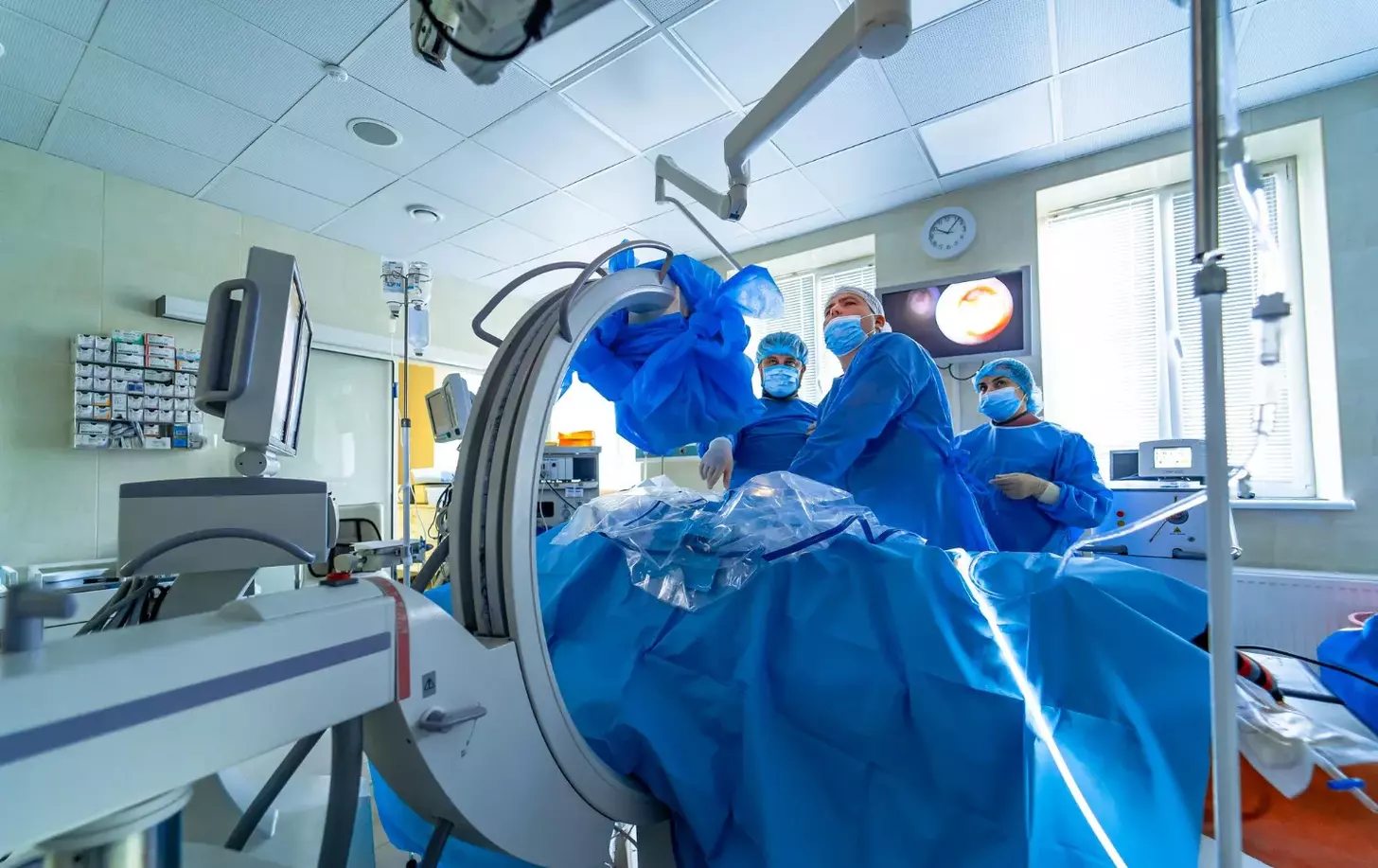
When it comes to minimally invasive surgery, two popular techniques are often compared: laparoscopy and robotic surgery. At Liv Hospital, we understand the importance of making an informed decision about your health journey.
Recent studies have shown that both approaches offer significant advantages over traditional open surgery. They include smaller incisions, faster recovery, and lower complication rates. Robotic laparoscopy, in particular, provides enhanced precision and dexterity. This allows for more complex procedures to be performed with ease.
As you consider your options, it’s essential to understand the key differences between these two surgical approaches. We will explore the practical insights and benefits of each technique. This will help you make the most informed decision about your care.
Key Takeaways
- Both laparoscopy and robotic surgery offer advantages over open surgery.
- Robotic surgery provides enhanced precision and dexterity.
- Minimally invasive procedures result in smaller incisions and faster recovery.
- Complication rates are lower with both laparoscopic and robotic surgery.
- Understanding the differences between these techniques is key for informed decision-making.
The Evolution of Minimally Invasive Surgery
Minimally invasive surgery has changed the medical world. It gives patients less painful options than old surgery methods. We’ve seen big steps forward in surgery, making it less harsh and helping patients heal faster.
The Shift from Open Surgery to Minimally Invasive Techniques
The move to less invasive surgery aims to cut down on pain and quicken healing. Minimally invasive surgery uses laparoscopic and robotic methods. Each has its own benefits.
Historical Development of Laparoscopy
Laparoscopy started in the early 1900s. The first laparoscopy was done by Dimitri Ott in 1901. But, it really took off in the 1980s with better tools and video cameras.
The Emergence of Robotic Surgical Systems
In the late 20th century, robotic surgery came along. Systems like the da Vinci Surgical System improved precision. A study in the Journal of Ethics of the American Medical shows robotic surgery is making surgeries better.
To understand the growth and differences between laparoscopic and robotic surgery, let’s look at a table:
| Feature | Laparoscopic Surgery | Robotic Surgery |
|---|---|---|
| Visualization | 2D or 3D visualization | High-definition 3D visualization |
| Instrument Control | Direct hand control | Console-based control with enhanced dexterity |
| Range of Motion | Limited by straight instruments | Enhanced range with wristed instruments |
In conclusion, minimally invasive surgery has made huge strides. From laparoscopy to robotic systems, these advances have changed surgery. They offer safer, less invasive options with better results for patients.
Understanding Laparoscopy vs Robotic Surgery: Basic Principles
To understand the differences between laparoscopic and robotic surgery, it’s key to know their basic principles. Both are minimally invasive, aiming to cut down recovery time and reduce scars.
Laparoscopic Surgery: Equipment and Technique
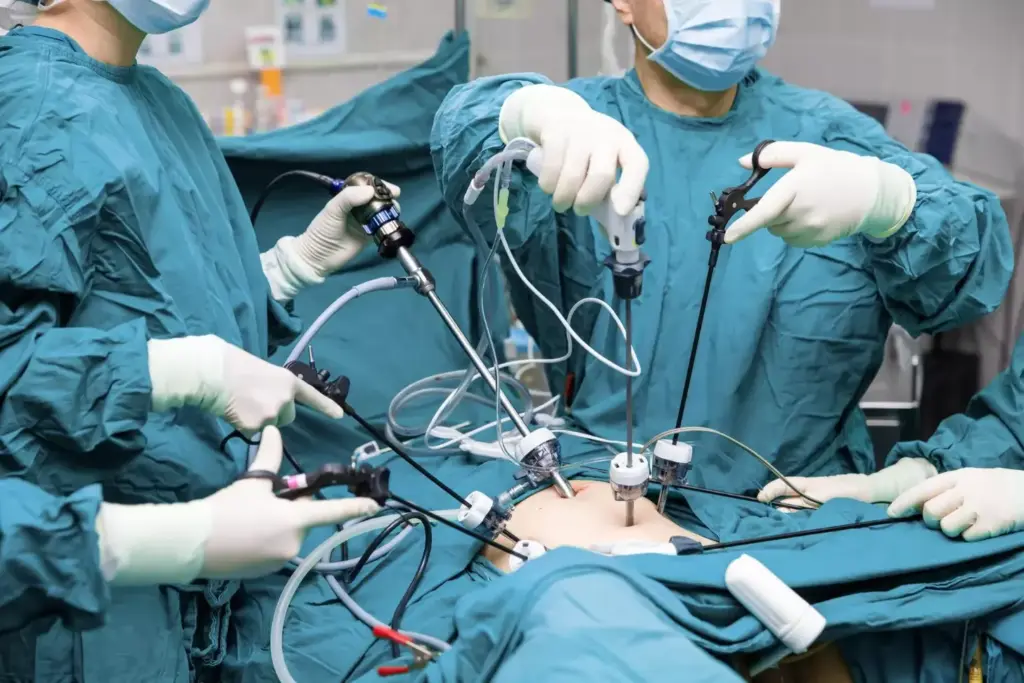
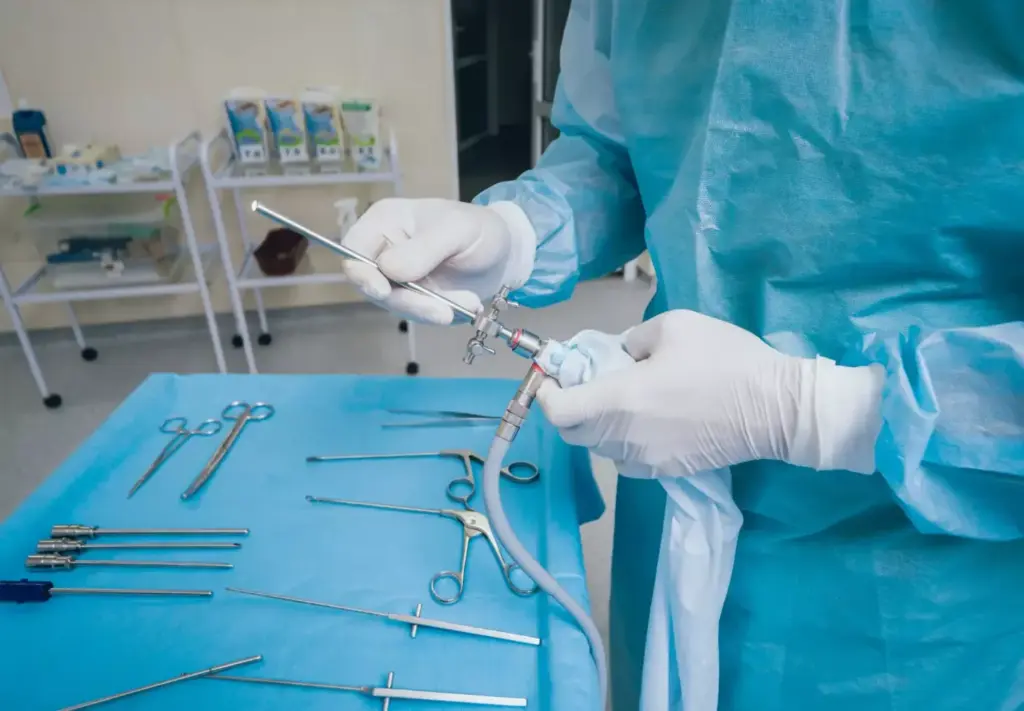
Laparoscopic surgery makes small cuts for a laparoscope and tools. The laparoscope shows images on a screen, helping the surgeon see inside. The tools used include trocars, graspers, dissectors, and more.
The surgeon stands at the table, using the tools directly. They rely on the screen for guidance. It’s used for many surgeries, like gallbladder removals and hernia fixes.
Robotic Surgery: Components and Operation
Robotic surgery uses a system with a console, a cart with arms, and 3D vision. The arms have tools for precise work. The surgeon controls these arms from the console.
The surgeon uses the console to move the arms inside the patient. This method offers better control and vision. It’s used for surgeries like prostate removals and complex stomach surgeries.
Common Applications for Both Approaches
Both laparoscopic and robotic surgeries are used for many procedures, including:
| Procedure | Laparoscopic Surgery | Robotic Surgery |
|---|---|---|
| Cholecystectomy | Commonly performed | Less common, but feasible |
| Prostatectomy | Not typically performed | Frequently performed |
| Hysterectomy | Performed | Performed with enhanced precision |
The choice between laparoscopic and robotic surgery depends on the procedure, the surgeon’s skill, and the patient’s health.
Difference #1: Surgical Control and Manipulation
In the world of minimally invasive surgery, there’s a big difference in how surgeons control and manipulate the area. This control and manipulation are key to the success of a surgery.
Direct vs Console-Based Instrument Control
Laparoscopic surgery lets surgeons use direct hand-held instruments. They control these instruments with their hands, but it’s harder because the instruments are stiff. Robotic surgery, on the other hand, uses console-based control. Surgeons sit at a console and control the instruments from there, getting better views and control.
Studies show that robotic surgery’s console control can cut down on shaking and improve precision. This is really helpful for tricky surgeries that need careful movements.
Range of Motion and Degrees of Freedom
Laparoscopic instruments can only move in a few ways, making it hard to get around inside the body. Robotic instruments, though, can move in up to seven degrees of freedom. This lets surgeons move more like they would with their own hands.
This better range of motion in robotic surgery makes it easier to do complex surgeries. It also helps with tasks like cutting and sewing, which are important in many surgeries.
Surgeon Experience and Learning Curve
The learning curve for surgeons is different for laparoscopic and robotic surgery. Laparoscopic surgery takes a lot of practice and experience, mainly because of the stiff instruments and 2D images. Robotic surgery has its own challenges, like getting used to the console.
But, studies say that surgeons who already know laparoscopy can learn robotic surgery faster. They can use their existing knowledge. Yet, it’s important for them to practice and learn how to use the robotic console’s advanced features.
Both laparoscopic and robotic surgeries have their own benefits and challenges. It’s important for surgeons, healthcare providers, and patients to understand these differences. This helps them choose the best surgery for a specific condition.
Difference #2: Visualization and Imaging Capabilities
Laparoscopy and robotic surgery differ in how they show the surgical area. This difference affects how well surgeons can do complex tasks.
2D vs 3D Visualization Systems
Laparoscopy often uses 2D images, but some newer systems have 3D. Robotic surgery usually has 3D visualization, helping surgeons see depth and space better.
Switching to 3D is a big step up in surgical images. 3D visualization makes it easier to see body parts, which can make surgery more precise.
3D Visualization and Image Quality
Robotic surgery’s 3D images are usually clearer than laparoscopy’s. Robotic systems often show high-definition (HD) images with better color and detail.
Good images help surgeons work more accurately. They can see important parts better, move around complex areas, and do fine work with more confidence.
Impact on Surgical Precision and Outcomes
Robotic surgery’s better images can lead to better results. It might lower the chance of problems and make surgeries better overall.
Research shows robotic surgery can mean less blood loss, less pain, and quicker healing for patients.
Even though laparoscopy is effective, robotic surgery’s image benefits are a big difference.
Difference #3: Operative Time and Efficiency
When we look at laparoscopic and robotic surgery, we see big differences in how long they take and how efficient they are. How well a surgery goes can really affect how the patient does, how much resources the hospital uses, and the cost.
Setup and Preparation Requirements
Laparoscopic and robotic surgeries need different setups. Laparoscopic surgery is quicker because it uses simpler tools. Robotic surgery, on the other hand, needs more time for setting up the robot and the console.
Research shows that getting ready for robotic surgery can add a lot to the operative time. But, new tech is making these setups faster.
Procedure Duration Comparisons
It’s hard to say which surgery is longer because it depends on many things. These include the surgery type, the surgeon’s skill, and the patient’s body.
| Surgical Procedure | Laparoscopic Surgery Duration | Robotic Surgery Duration |
|---|---|---|
| Cholecystectomy | 60-90 minutes | 90-120 minutes |
| Hysterectomy | 90-120 minutes | 120-180 minutes |
| Prostatectomy | 120-180 minutes | 180-240 minutes |
Factors Affecting Surgical Efficiency
Many things can make a surgery more or less efficient. These include the surgeon’s skill, how complex the surgery is, and the technology used.
Surgeon experience is very important. The more a surgeon uses robotic systems, the faster they get.
Also, learning to use robotic systems takes time. This can make the surgery longer at first.
Difference #4: Cost Considerations and Resource Utilization
Choosing between laparoscopic and robotic surgery depends a lot on cost. As healthcare changes, knowing the financial side of these options is key for everyone involved.
Operational and Maintenance Expenses
After buying the equipment, there are ongoing costs. Robotic surgery needs money for new parts, maintenance, and training. These costs add up, making robotic surgery more expensive over time. Laparoscopic procedures are cheaper to keep running because the tools are less costly to fix and maintain.
Robotic surgery might cost more upfront, but it can save money in the long run. It can make hospital stays shorter and recovery times faster. But, how much money you save depends on the surgery and the patient.
Cost-Effectiveness Analysis for Different Procedures
When comparing laparoscopic and robotic surgery, we look at costs and results. For some surgeries, like prostatectomies, robotic help can lead to better results. This can make the higher costs worth it because of the benefits.
In summary, laparoscopic surgery is cheaper at first, but robotic surgery might be better for some patients. It’s important to look at all costs and benefits to make the best choice.
Difference #5: Patient Outcomes and Recovery
It’s important to know the differences in patient outcomes and recovery between laparoscopic and robotic surgeries. Both have changed surgery, making it less invasive. This leads to quicker recovery times and better results for patients.
Postoperative Pain and Complications
Both types of surgery reduce postoperative pain compared to open surgery. But, robotic surgery might have a slight edge in pain reduction. This is because it allows for more precise dissection and less tissue damage.
Looking at postoperative complications, both are safe with low rates. Robotic surgery’s better visualization and precision might lower the risk of some complications.
| Outcome Measure | Laparoscopic Surgery | Robotic Surgery |
|---|---|---|
| Postoperative Pain | Moderate | Low to Moderate |
| Complication Rate | Low | Low |
| Recovery Time | Short | Short to Very Short |
Length of Hospital Stay
The length of hospital stay is key for recovery. Both laparoscopic and robotic surgeries lead to shorter stays than open surgery. Robotic surgery might reduce hospital stays even more due to its precision and fewer complications.
Long-term Functional Results
Both laparoscopic and robotic surgeries have great long-term results. Robotic surgery’s precision might help more in preserving organ function and reducing long-term complications.
In summary, both surgeries are excellent for patient outcomes and recovery. But, robotic surgery might have a slight advantage in reducing pain, complications, and improving long-term function.
Differences #6 and #7: Accessibility and Future Directions
Understanding the future of laparoscopic and robotic surgery is key. These technologies are changing surgery. Their growth will affect how we do operations.
Availability and Distribution of Technology
Laparoscopic and robotic surgery tech is not everywhere yet. Laparoscopic tools are common in hospitals. But, robotic systems are mainly in special centers.
The cost, upkeep, and training needs shape where these systems go. A study in the PMC database shows robotic surgery is growing. It’s because it helps with tough surgeries.
| Technology | Availability | Cost | Training Requirements |
|---|---|---|---|
| Laparoscopic | High | Moderate | Moderate |
| Robotic | Moderate | High | High |
Training Requirements and Learning Curve
Learning laparoscopic and robotic surgery is different. Robotic surgery needs special training. This is because of its complex setup and tools.
Key aspects of training include:
- Understanding the robotic system’s components and operation
- Developing skills in console-based instrument control
- Mastering 3D visualization and image quality enhancement techniques
The learning curve for robotic surgery is steep. But, training programs and simulators help a lot.
Emerging Technologies and Innovations
New tech is changing laparoscopic and robotic surgery. Advances in AI, AR, and miniaturization will make these surgeries better.
- Integration of AI for real-time decision support
- Development of more compact and versatile robotic systems
- Enhanced imaging and visualization capabilities
We expect big improvements in precision and patient care. These changes will make surgery more efficient.
Conclusion: Choosing Between Laparoscopic and Robotic Approaches
When deciding between laparoscopic and robotic surgery, it’s key to know the differences. We’ve looked at the benefits and challenges of each. Robotic systems offer precision and control, while laparoscopic procedures have their own technical demands and costs.
The right choice depends on the procedure’s complexity, the patient’s health, and the surgeon’s skills. By comparing these methods, we can pick the best one for each case. This improves patient results and recovery times.
In summary, picking between laparoscopy and robotic surgery needs a deep understanding of their strengths and weaknesses. By considering each patient’s and procedure’s needs, we can choose the best approach. This leads to better care and outcomes.
What is the main difference between laparoscopic and robotic surgery?
Laparoscopic surgery lets surgeons control instruments directly. Robotic surgery uses a console for better control and vision.
Is robotic surgery considered a type of laparoscopic surgery?
Yes, robotic surgery is a laparoscopic method. It uses small incisions and advanced robotic systems for better results.
What are the benefits of 3D visualization in robotic surgery?
3D visualization in robotic surgery offers a clearer view of the surgical area. This helps surgeons work more precisely and safely.
How do the costs of laparoscopic and robotic surgeries compare?
Robotic surgery is often pricier due to the cost of equipment. Yet, the cost-effectiveness depends on the procedure and patient needs.
What is the impact of surgeon experience on laparoscopic and robotic surgery outcomes?
Surgeon experience greatly influences outcomes in both methods. More experienced surgeons tend to have better results and fewer complications.
Are there differences in postoperative pain and recovery between laparoscopic and robotic surgeries?
Both methods usually lead to less pain and quicker recovery than open surgery. The extent of these benefits varies by procedure and patient.
How do laparoscopic and robotic surgeries compare in terms of operative time and efficiency?
Operative time and efficiency vary with procedure complexity, surgeon skill, and equipment. Robotic surgery might need more setup but can be more efficient in some cases.
What are the future directions for laparoscopic and robotic surgery?
New technologies will likely improve both methods. Expect better visualization, tools, and training, expanding their benefits.
How do I choose between laparoscopic and robotic surgery for my procedure?
Your choice depends on the procedure, your needs, and the surgeon’s expertise. It’s best to talk to a qualified surgeon for advice.
Are laparoscopic and robotic surgeries available at all hospitals?
Not all hospitals offer both options. Availability depends on the hospital’s resources and surgeon training. We can help find a suitable hospital and surgeon for you.
References:
• Wiggins, M. (2021). Laparoscopic versus robotic abdominal and pelvic surgery. PMC. Retrieved from https://pmc.ncbi.nlm.nih.gov/articles/PMC10462573/
• Burch, J. (2023). Is robotic-assisted surgery better? AMA Journal of Ethics. Retrieved from https://journalofethics.ama-assn.org/article/robotic-assisted-surgery-better/2023-08
• Stauffer, J. (2023). Comparative safety of robotic-assisted vs laparoscopic cholecystectomy. JAMA Surgery. Retrieved from https://jamanetwork.com/journals/jamasurgery/fullarticle/2809849
• Private Surgeon Milton Keynes. (n.d.). What is the difference between laparoscopic and robotic surgery? Retrieved from https://www.privatesurgeonmiltonkeynes.com/what-is-the-difference-between-laparoscopic-and-robotic-surgery/