


After a laparotomy, it’s key to follow the right aftercare. This helps avoid complications and makes recovery smoother. We know recovery can be tough, but with the right care, patients can get through it well.
Patients usually stay in the hospital for 4-5 days after surgery. This time can change based on the surgery’s complexity and the patient’s health. During this period, effective post-operative care is very important. It helps lower the chance of problems and speeds up healing.
We aim to give top-notch aftercare. This includes managing pain, taking care of the wound, supporting nutrition, and watching for any issues. We use the latest global guidelines and innovations to improve patient outcomes during healing.
Key Takeaways
- Proper aftercare is essential for minimizing complications after a laparotomy.
- The average hospital stay for laparotomy patients is around 4-5 days.
- Effective post-operative care includes pain management, wound care, and nutritional support.
- Monitoring for possible complications is key during recovery.
- Comprehensive aftercare helps improve patient outcomes and speeds up recovery.
Understanding Laparotomy: A Complete Overview
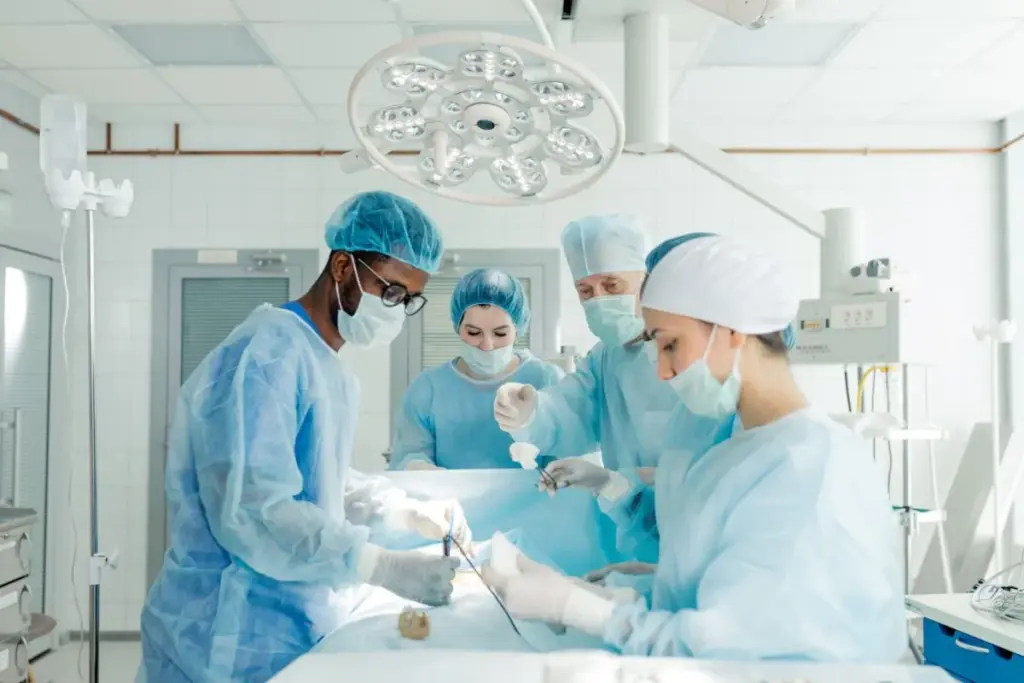
Laparotomy definition
Laparotomy is a surgery that involves making an incision in the abdomen. It’s used for both checking and treating health issues. This method lets doctors directly see and work on problems inside the belly.
Definition and Types of Laparotomy Procedures
A laparotomy is when a surgeon makes an incision in the belly. There are different kinds of laparotomy surgeries, like:
- Exploratory laparotomy, which helps find out what’s wrong inside the belly.
- Therapeutic laparotomy, which fixes problems found inside.
Laparotomy is a common surgery, with many cases needing emergency care.
Common Reasons for Undergoing a Laparotomy
People have laparotomy for many reasons, such as:
- Abdominal trauma
- Intestinal blockage
- Perforated organ
- Abdominal aortic aneurysm
- Cancer diagnosis and treatment
Doctors say knowing why someone needs a laparotomy helps them prepare better for recovery.
Laparotomy vs. Laparoscopy: Key Differences
Laparotomy and laparoscopy are two different surgeries. Laparoscopy uses small cuts and is less invasive. Laparotomy, on the other hand, needs a bigger cut to get into the belly. The choice depends on the patient’s health, the surgery’s complexity, and the doctor’s opinion.
Understanding the differences between laparotomy and laparoscopy is key. It helps us see how they affect patient care and healing.
Immediate Post-Operative Care Following a Laparotomy
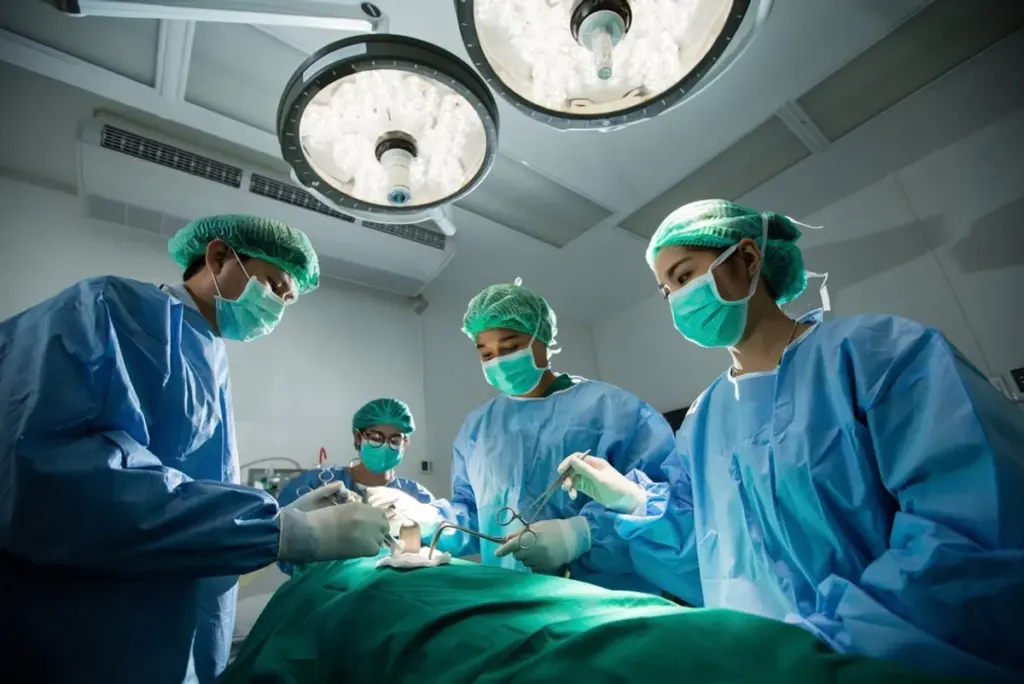
After a laparotomy, the first care is key for a good recovery. This period includes important steps to keep patients safe and avoid problems.
Recovery Room Monitoring
In the recovery room, patients are watched closely. We check their heart rate, blood pressure, and oxygen levels. Continuous monitoring helps us spot and fix any issues fast. We also watch how awake and in pain they are to keep them comfortable and safe.
Pain Management Strategies
Managing pain well is very important after surgery. We use medicines and other methods to help with pain. A study on PMC shows that good pain care helps avoid problems and helps patients get better.
|
Pain Management Strategy |
Description |
Benefits |
|---|---|---|
|
Pharmacological |
Use of opioid and non-opioid medications |
Effective pain relief, reduced risk of complications |
|
Non-Pharmacological |
Techniques such as deep breathing, relaxation, and positioning |
Reduced pain, improved patient comfort, less medication required |
Respiratory Care and Preventing Pulmonary Complications
Respiratory care is very important to avoid lung problems like pneumonia. We teach patients to do deep breathing exercises and use devices to help their lungs. Moving around early also helps their lungs work better.
By focusing on these key areas of care, we can make patients’ recoveries better and lower the chance of problems after a laparotomy.
Hospital-Based Aftercare for Laparotomy Patients
Laparotomy patients need detailed care in the hospital to recover well and avoid problems. This care is a team effort from many healthcare experts.
Typical Hospital Stay Duration
The time a patient stays in the hospital after a laparotomy can change a lot. It depends on the patient, the surgery’s complexity, and if there are any issues. Most patients stay about 4-5 days.
Things that can affect how long a patient stays include:
- The patient’s health and any past health problems
- The surgery’s type and how big it is
- If there are any problems after surgery
|
Factor |
Influence on Hospital Stay |
|---|---|
|
Patient’s Overall Health |
Old health problems can make a stay longer |
|
Type and Extent of Surgery |
Bigger surgeries need more time to heal |
|
Post-operative Complications |
Issues like infections can keep a patient longer |
Nursing Care Protocols
Nurses are key in caring for laparotomy patients in the hospital. They watch over the patient, handle pain, and stop problems from happening.
Important nursing tasks include:
- Checking vital signs and the wound often
- Using good ways to manage pain
- Moving the patient early to avoid lung and blood clot problems
Medical Team Involvement and Coordination
The medical team, like surgeons and anesthesiologists, work together for laparotomy patients. They make sure the patient gets all the care they need. It’s important for the team to talk well and make decisions together.
Good team work means:
- Everyone talks clearly and shares updates
- They all agree on what to do for the patient
Wound Care and Incision Management
Healing after a laparotomy depends on good wound care and incision management. It’s key to prevent infection and help the wound heal. Studies show that right wound care and dressing changes are vital to avoid surgical site infections.
Surgical Wound Assessment
Checking the surgical wound is very important. Patients and caregivers should watch for signs of infection like redness, swelling, more pain, or discharge. Regular checks help spot problems early.
Dressing Change Procedures
Changing dressings is key to keep the wound clean and help it heal. We suggest using a sterile method to lower infection risk. It’s also key to follow the healthcare team’s specific instructions.
|
Dressing Type |
Change Frequency |
Purpose |
|---|---|---|
|
Gauze Dressing |
Daily or as needed |
Absorbs discharge, protects the wound |
|
Transparent Film |
Up to 7 days |
Protects the wound, allows for observation |
|
Foam Dressing |
Every 2-3 days |
Provides cushioning, absorbs discharge |
Incision Care at Home
At home, incision care needs careful attention and following healthcare team advice. Keep the incision clean and dry, avoid water until it’s fully healed, and watch for infection signs. Good incision care at home is essential for a smooth recovery.
Pain Management Protocols After Laparotomy
Pain management is key after a laparotomy. It helps patients recover better and avoid complications. It’s not just about easing pain; it’s about keeping patients safe and healthy.
Medication Options and Administration
We use different medicines to manage pain after a laparotomy. These include:
- Opioids for severe pain, but we watch for addiction.
- Non-opioid drugs like NSAIDs or acetaminophen for milder pain.
- Medicines that help other pain drugs work better.
How we give these medicines can change. We might use pills, shots, or epidurals. It depends on the patient’s pain and needs.
Non-Pharmacological Pain Relief Strategies
We also use non-drug ways to manage pain. These include:
- Breathing exercises and relaxation to calm the mind and body.
- Physical therapy to keep patients moving and pain-free.
- Cognitive-behavioral therapy (CBT) to help patients deal with pain and recovery.
These methods work well with medicines. Together, they offer a full plan for pain management.
“Pain is a complex and multifaceted experience that requires a similar approach to management.”— Expert in Pain Management
Managing Breakthrough Pain
Breakthrough pain is sudden and very intense. We’re ready to handle it with:
- Checking why it happens to respond right.
- Changing medicines to stop it from coming back.
- Using quick-acting medicines for fast relief.
We’re prepared to keep our patients comfortable during their recovery.
Effective pain management is essential after a laparotomy. We’re dedicated to giving our patients the best care.
Medication Management Beyond Pain Control
Medication is key in recovery after a laparotomy, not just for pain. Good management helps avoid problems and makes recovery smoother.
Antibiotics and Infection Prevention
Antibiotics are vital to stop infections after surgery. They are given before and after surgery as needed. This can cut infection risk by half, research shows.
“Giving antibiotics before surgery is a common practice,” says many surgical guidelines. It helps lower infection risk.
Anticoagulants and Thrombosis Prevention
Anticoagulants are also important to prevent blood clots. Low Molecular Weight Heparin (LMWH) and Unfractionated Heparin (UFH) are used to stop deep vein thrombosis and pulmonary embolism.
- LMWH is better because it’s more predictable and safer.
- UFH is used when there’s a risk of bleeding or kidney problems.
Managing Pre-existing Medication Regimens
Patients with ongoing health issues need their meds managed during surgery. It’s important for the surgical team and primary doctor to work together. This ensures meds are right before, during, and after surgery.
“Managing chronic meds during surgery is key to better outcomes,” says recent guidelines.
By managing meds well, we can greatly improve recovery and lower risks after a laparotomy.
Nutrition and Dietary Guidelines During Recovery
Nutritional guidelines for laparotomy recovery
Nutrition is key for patients recovering from a laparotomy. It helps the healing process, prevents complications, and makes recovery smoother.
Progression from Clear Liquids to Solid Foods
Patients start with a clear liquid diet after a laparotomy. This phase is important for the digestive system to recover. Moving to solid foods should be slow, starting with soft foods and then adding more variety.
We suggest the following steps:
- Clear liquids (broth, water, clear juice)
- Full liquids (add milk, yogurt, and pureed soups)
- Soft foods (mashed potatoes, scrambled eggs, cooked pasta)
- Gradually introduce solid foods
Nutritional Requirements for Optimal Healing
For optimal healing, patients need a balanced diet. They should get enough proteins, vitamins, and minerals. Protein is very important for repairing and regrowing tissues.
|
Nutrient |
Role in Healing |
Food Sources |
|---|---|---|
|
Protein |
Tissue repair and regeneration |
Lean meats, fish, eggs, dairy, legumes |
|
Vitamin C |
Collagen synthesis, immune function |
Citrus fruits, berries, leafy greens |
|
Zinc |
Wound healing, immune support |
Red meat, poultry, seafood, nuts, seeds |
Managing Common Digestive Issues
Patients may face digestive problems like constipation, diarrhea, or nausea. It’s important to manage these to keep nutrition up and stay comfortable.
To handle digestive issues, we advise:
- Staying hydrated
- Eating small, frequent meals
- Avoiding foods that trigger discomfort
- Considering dietary supplements if necessary
By following these dietary guidelines and focusing on nutritional needs, patients can aid their recovery and avoid complications.
Physical Activity and Mobility Recommendations
Physical activity is key in recovering from a laparotomy. It helps prevent problems and keeps you feeling good. Knowing the benefits and how to do it is important.
Early Mobilization Benefits and Protocols
Moving early after surgery is very important. Research shows it lowers risks of blood clots and pneumonia. Doctors usually suggest starting with simple movements like stretching and short walks within 24 hours.
The early benefits include:
- Reduced risk of deep vein thrombosis
- Improved circulation and oxygenation
- Enhanced wound healing
- Shortened hospital stay
Gradual Increase in Activity Levels
As you get better, you should do more. This means walking further, doing strength exercises, and eventually more intense activities. Doctors will guide you on how fast to increase your activity based on your health and surgery.
|
Activity Level |
Timeline |
Examples |
|---|---|---|
|
Gentle Movement |
0-3 days post-op |
Stretching, short walks |
|
Moderate Activity |
3-7 days post-op |
Light housekeeping, short walks outside |
|
Strenuous Activity |
4-6 weeks post-op |
Heavy lifting, vigorous exercise |
Activity Restrictions and Precautions
While you should be active, there are limits. Avoid heavy lifting, bending, or hard exercises for a while. Your doctor will tell you what you can and can’t do based on your surgery and health.
Listen to your body and adjust if you feel pain, swelling, or trouble breathing. Following these guidelines helps you recover better and avoid problems.
Potential Complications Following a Laparotomy
Knowing about possible complications after a laparotomy is key for good aftercare. Even with proper care, issues can happen. It’s important for patients to know the risks and watch for warning signs.
Common Complications and Warning Signs
After a laparotomy, you might face infections, bleeding, or blood clots. Knowing about these can help you get help fast.
- Infection: Look out for fever, redness, swelling, and more pain at the cut site.
- Bleeding: Watch for too much bleeding inside or outside your body.
- Thromboembolic Events: DVT and pulmonary embolism are serious issues.
Infection Prevention Strategies
Stopping infections is a big part of caring for your laparotomy site. We suggest keeping up with good wound care and hygiene.
- Make sure the cut area stays clean and dry.
- Follow the directions for changing your dressing.
- Watch for infection signs and tell your doctor right away.
When to Seek Immediate Medical Attention
Knowing when to get medical help is important. If you see any of these signs, call your doctor:
- Severe pain that your meds can’t fix.
- Infection signs like fever or redness at the cut.
- Too much bleeding or discharge.
- Having trouble breathing or feeling short of breath.
Being aware of these issues and acting early can help your recovery. Always listen to your healthcare team for the best care.
Home Care Instructions for Laparotomy Recovery
To ensure a comfortable and safe recovery, patients need to prepare their home environment before returning from the hospital after a laparotomy. A supportive home environment is vital for patient recovery.
Creating a Recovery-Friendly Environment
Setting up a recovery-friendly environment at home involves several key steps. First, we need to ensure that the living space is clean, clutter-free, and well-ventilated. This helps in reducing the risk of infections and makes it easier for the patient to move around.
Essential Items:
- Comfortable bedding and pillows
- Easy-to-reach storage for essential items
- A clear path for walking
- A phone or other communication device nearby
Daily Care Routines
Establishing daily care routines is key for the patient’s recovery. We recommend creating a schedule for medication, meals, and rest. This helps in maintaining a sense of normalcy and ensures the patient gets the care they need.
Medication Management: Keeping track of the patient’s medication is essential. We should ensure they take the correct doses at the right times and watch for any side effects.
Caregiver Guidelines and Support
Caregivers are vital in the patient’s recovery. We advise caregivers to know the patient’s condition, understand the care plan, and know when to seek medical help. Emotional support and companionship are also key.
Support for Caregivers:
- Educate yourself about the patient’s condition and care requirements.
- Encourage the patient to follow their care plan.
- Take breaks to avoid burnout.
- Seek support from family, friends, or support groups.
By following these guidelines and creating a supportive environment, we can significantly enhance the patient’s recovery experience after a laparotomy.
Special Considerations for Different Patient Populations
Different patients have special needs after a laparotomy. Age, health, and physical status play big roles. We’ll look at how to care for kids, older adults, and those with chronic conditions.
Pediatric Laparotomy Aftercare
Kids need special care after a laparotomy. Children’s bodies heal fast, but they feel pain differently. Good care for kids includes:
- Using the right pain medicines for their age
- Keeping families involved to make them feel better
- Watching for signs of infection or problems
- Feeding them right for their age
Geriatric Considerations and Challenges
Older adults face extra challenges. They might have more health problems and heal slower. Important steps include:
- Doing a full check-up to find and fix problems
- Working with many doctors to get the best care
- Starting to move and exercise early to stay strong
- Managing medicines carefully to avoid bad reactions
Aftercare for Patients with Chronic Conditions
People with ongoing health issues need careful care after surgery. It’s key to work with many doctors to manage their health. Important things to do include:
- Keeping an eye on their health and changing plans as needed
- Eating well to help their body heal and manage their health
- Watching for any new problems from the surgery or their health
- Teaching them how to take care of themselves and watch for signs of trouble
By focusing on the special needs of each group, we can give better care after a laparotomy. This helps our patients heal better and live better lives.
Psychological Aspects of Laparotomy Recovery
After a laparotomy, it’s key to understand and handle the mental side of recovery. Surgery can deeply affect a person’s mind and feelings.
Managing Emotional Responses to Surgery
People react differently to surgery, feeling everything from anxiety to relief. It’s important to recognize these feelings and find ways to deal with them.
Some common feelings include:
- Anxiety about the surgery’s outcome
- Fear of pain or problems
- Feeling vulnerable or losing control
- Relief that it’s over
Dealing with these feelings can involve professional help like therapy and personal strategies.
Coping Strategies for Recovery Challenges
Recovering well from surgery needs a mix of strategies. Learning different ways to cope can help manage recovery.
|
Coping Strategy |
Description |
Benefits |
|---|---|---|
|
Mindfulness and Meditation |
Practices that help stay present and focused |
Reduces stress and anxiety |
|
Support Groups |
Groups where patients share and get support |
Provides a sense of community and understanding |
|
Cognitive Behavioral Therapy (CBT) |
A therapy that changes negative thoughts |
Helps manage anxiety and depression |
Using these strategies can help patients face recovery challenges and improve their well-being.
Support Resources and Mental Health Services
Having access to support and mental health services is vital for laparotomy patients. These resources offer the tools and support needed for recovery.
“The psychological care of patients undergoing surgery is as important as their physical care. Providing access to mental health services can significantly impact recovery outcomes.” -Surgical Psychologist
Support can include counseling, support groups, and educational materials on recovery’s mental side.
Long-Term Recovery and Return to Normal Activities
Recovering from a laparotomy takes time, patience, and planning. It’s important to know what to expect during this process. We must consider different factors that affect our return to normal life.
Timeline for Resuming Daily Activities
The time it takes to get back to daily activities varies. Most people can start with light tasks in 4-6 weeks. But, getting back to hard activities can take 3 to 6 months.
Key milestones in the recovery timeline include:
- Returning to light household chores within 4-6 weeks
- Gradually increasing physical activity over 6-12 weeks
- Resuming driving when comfortable and safe to do so, usually within 4-6 weeks
Work Considerations and Accommodations
Going back to work after a laparotomy depends on your job and health. Desk jobs might allow you to return in 4-6 weeks. Jobs that need manual labor might take longer.
|
Job Type |
Typical Return to Work Timeline |
Possible Accommodations |
|---|---|---|
|
Desk Job |
4-6 weeks |
Flexible hours, ergonomic workspace |
|
Manual Labor |
8-12 weeks or more |
Modified duties, temporary reassignment |
Long-Term Effects and Management
Some people may face long-term issues like adhesions or chronic pain after a laparotomy. It’s key to manage these to improve life quality.
Strategies for managing long-term effects include:
- Regular follow-up appointments with healthcare providers
- Adherence to recommended physical activity levels
- Utilization of pain management techniques as needed
Understanding the long-term recovery process helps patients plan better. This way, they can smoothly get back to their normal lives.
Conclusion: Optimizing Your Laparotomy Recovery Journey
Optimizing your recovery after a laparotomy is the main goal. By following the advice in this article, you can make your recovery smoother. This will help you get the best results possible.
Recovering well from a laparotomy takes a few steps. These include taking care right after surgery, managing your wound, controlling pain, and planning for long-term recovery. We’ve covered all these areas, giving you tips and advice to help you on your journey.
Knowing how important aftercare is and using these strategies can help you avoid problems. It can also make your recovery better and improve your life quality. Our aim is to give you the tools and knowledge to have a successful recovery from your laparotomy.
FAQ
What is a laparotomy, and why is it performed?
A laparotomy is a surgery that opens the belly. It’s done to check organs, fix injuries, or remove bad tissues.
What are the key differences between a laparotomy and laparoscopy?
A laparotomy uses a big cut to open the belly. Laparoscopy uses small cuts and a camera to see inside.
How long does it take to recover from a laparotomy?
Recovery time varies. It depends on your health, the surgery’s complexity, and any complications. It can take weeks to months to get better.
What are the common complications following a laparotomy?
Common issues include infections, bleeding, and bowel problems. It’s important to watch for signs and get help if needed.
How is pain managed after a laparotomy?
Pain management uses medicine and non-medical methods. This includes deep breathing and physical therapy to help with pain.
What are the dietary guidelines during recovery from a laparotomy?
Start with clear liquids and then solid foods. Eat nutrient-rich foods to help heal. Stay hydrated too.
When can I resume physical activity after a laparotomy?
Start moving early but slowly. Avoid heavy lifting and follow your doctor’s advice on activity levels.
How do I care for my surgical wound at home?
Clean and dress the wound as instructed. Keep it dry and follow your doctor’s care plan to heal and avoid infection.
What are the signs of infection after a laparotomy, and when should I seek medical attention?
Watch for redness, swelling, pain, fever, and discharge. Seek help right away if you see these signs or have concerns.
Are there any special considerations for different patient populations, such as pediatric or geriatric patients?
Yes, different groups need special care. This includes kids, older adults, and those with chronic conditions. Tailor care to their needs and health status.
How can I manage the psychological aspects of laparotomy recovery?
Use stress management and relaxation techniques. Seek support from loved ones or mental health services to help with emotional recovery.
When can I return to work after a laparotomy?
Return to work varies by job, health, and surgery type. Talk to your doctor about when and how to go back to work.
National Center for Biotechnology Information. Evidence-Based Medical Insight. Retrieved from
References
https://pubmed.ncbi.nlm.nih.gov/33677649

























