


Patients often wonder about the size of the incision made during surgery. A laparotomy incision is a cut through the abdominal wall. Its size depends on the surgery type and patient factors.
Knowing the average size of these incisions is important. It helps surgeons and patients. The incision size affects how well a patient recovers.
Key Takeaways
- The size of a laparotomy incision varies based on the surgical procedure and patient anatomy.
- Understanding the average size of these incisions is key for better surgical results.
- The latest evidence on closure techniques can help avoid complications.
- Surgeons and patients can benefit from knowing about laparotomy incisions.
- Optimizing closure techniques is important for quicker recovery.
Understanding the Laparotomy Procedure
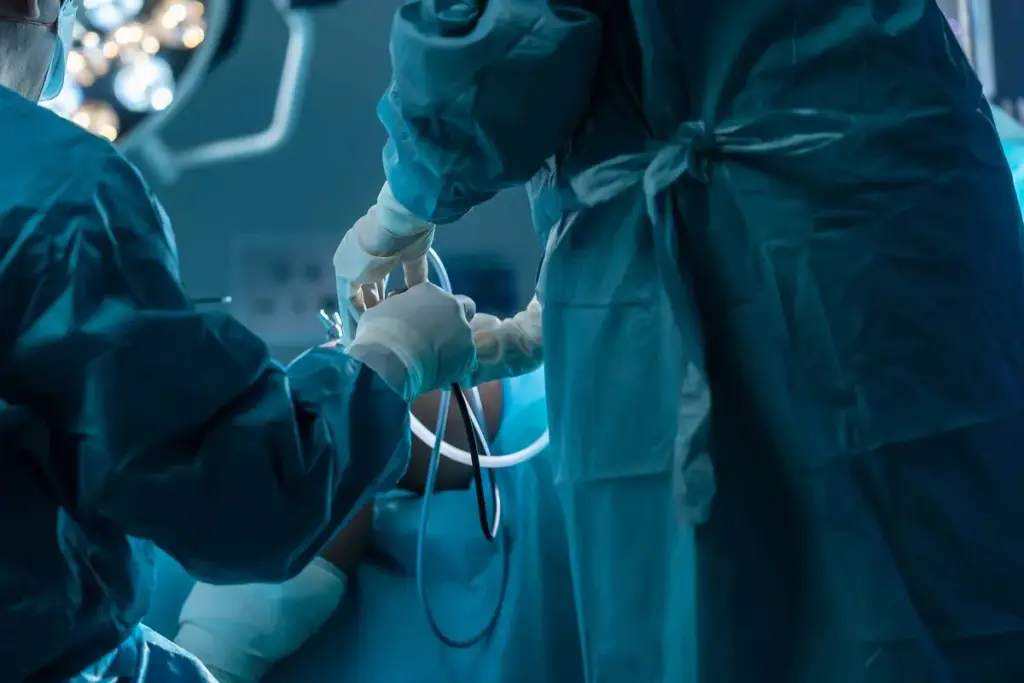
A laparotomy is a big surgery that opens the belly. It lets doctors look inside and fix problems.
Definition and Medical Purpose
A laparotomy is a surgery that opens the belly. It helps doctors see and fix problems inside. This is done to help patients get better.
This surgery is needed for many reasons. It can fix injuries, remove tumors, or treat infections. Doctors can see the problem, take samples, or fix damaged organs.
Common Reasons for Performing a Laparotomy
Laparotomies are done for many reasons. Here are some:
- Trauma: Severe belly injuries need a laparotomy to fix organs or stop bleeding.
- Infection: Serious belly infections, like peritonitis, need surgery to clean and remove infected tissue.
- Tumor Removal: Laparotomy helps remove tumors or cancer in the belly.
- Exploratory Purposes: Sometimes, a laparotomy is done to check the belly when other tests don’t work.
Knowing why a laparotomy is done helps everyone understand its importance.
Typical Dimensions of Laparotomy Incisions
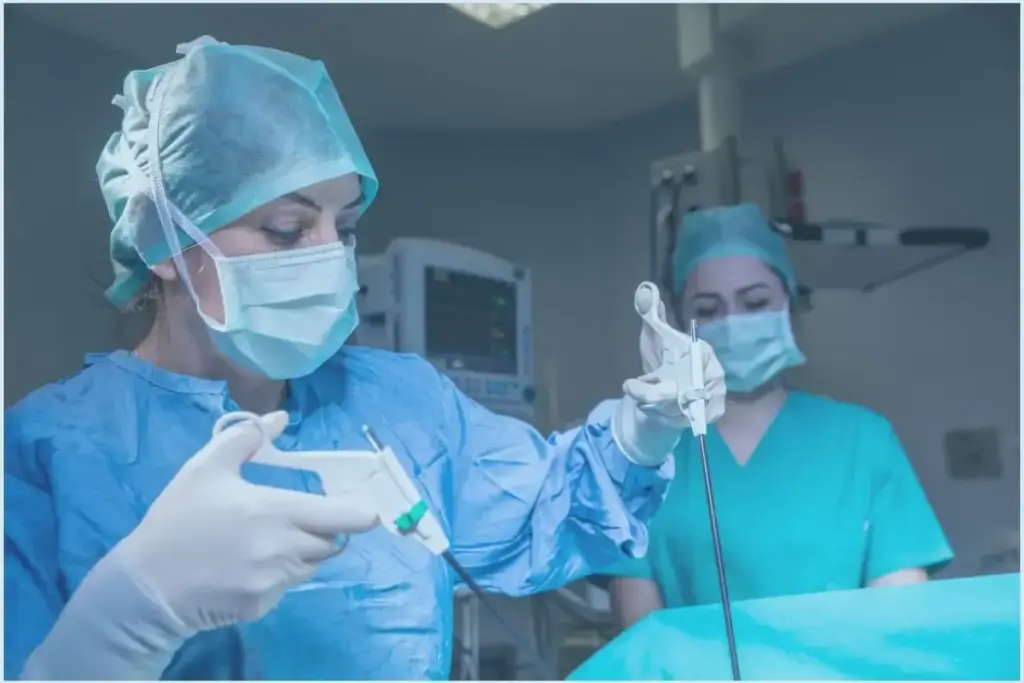
The size of a laparotomy incision is key in surgery planning and care after surgery. The incision’s size affects how well a patient recovers and the surgery’s success.
Standard Length Measurements
Laparotomy incisions can be very different in length. They can be a few centimeters or more than 30 cm, depending on the surgery’s needs. The incision’s length helps the surgeon get to the abdominal cavity.
A midline laparotomy incision is common and can be 10 to 20 cm long. But, the exact length depends on the patient’s body and the surgery’s goals.
|
Type of Incision |
Typical Length Range (cm) |
Common Uses |
|---|---|---|
|
Midline Laparotomy |
10-20 |
General surgical access, emergency surgeries |
|
Transverse Laparotomy |
15-25 |
Gynecological and lower abdominal surgeries |
|
Paramedian Laparotomy |
8-18 |
Access to specific abdominal regions |
Depth Considerations
The depth of a laparotomy incision is also very important. It needs to be deep enough to reach the abdominal cavity without harming too much tissue. The depth depends on the patient’s abdominal wall thickness, which can vary.
Width Variations
The width of a laparotomy incision is also important. A wider incision might give better access but could cause more tissue damage and longer recovery times. Surgeons aim to find a balance between good exposure and less tissue harm.
In summary, the dimensions of a laparotomy incision are carefully planned for the best patient outcomes. Knowing these details helps both surgeons and patients understand the complexity of laparotomy procedures.
Types of Laparotomy Incisions and Their Sizes
Laparotomy incision types
Laparotomy incisions are key in abdominal surgery. Knowing about them is vital for surgeons and patients. The incision type affects the surgery’s success, recovery, and how it looks.
Midline Incisions
Midline incisions are common in laparotomy. They run along the abdomen’s middle, giving easy access. They’re often chosen for emergency surgeries because they’re simple and quick.
These incisions can be 10 to 20 cm long. The exact length depends on the surgery needed and the patient’s body.
Transverse Incisions
Transverse incisions, or horizontal ones, go across the midline. They’re used for surgeries in specific parts of the abdomen, like the lower area for gynecology or urology.
- They’re known for looking better after healing.
- They’re good for certain surgeries.
- They’re usually 8 to 15 cm long.
Oblique and Other Specialized Incisions
Oblique incisions are angled and used for certain surgeries, like kidney or spleen access. Other special incisions include:
- Paramedian incisions, parallel to the midline.
- Subcostal incisions, for organs under the ribs.
These incisions are made to fit the patient and the surgery. They offer the best view while harming less tissue.
In summary, the type and size of a laparotomy incision matter a lot in surgery. Knowing about different incisions helps plan and do surgeries well.
Factors That Determine Laparotomy Incision Size
Understanding what affects laparotomy incision size is key to better surgery results. The size of a laparotomy incision is not random. It’s based on important considerations.
Patient-Specific Factors
How big a patient is can affect the incision size. For example, people with a higher body mass index (BMI) might need bigger cuts. Also, past surgeries can change where and how big the incision is. We aim to avoid problems and help healing by thinking about these things.
Procedure-Related Factors
The surgery being done also affects the incision size. Some surgeries need more access than others. For example, a simple appendectomy might need a smaller cut than a complex liver surgery.
The size of the problem being fixed also matters. A big tumor might need a bigger cut to remove safely. We aim for enough access without too much damage.
Surgeon Preference and Experience
What the surgeon prefers and their experience also play a part. More experienced surgeons might choose certain sizes or methods. While there’s no one right way, evidence helps guide them.
The table below shows what affects laparotomy incision size:
|
Factor Category |
Specific Factors |
Impact on Incision Size |
|---|---|---|
|
Patient-Specific |
BMI, previous surgical history, adhesions |
Larger BMI may require larger incisions |
|
Procedure-Related |
Type of surgery, pathology being addressed |
Complex procedures or large tumors may require larger incisions |
|
Surgeon Preference |
Experience, training, evidence-based practices |
Influences choice of incision size and technique |
By thinking about these factors, surgeons can choose the right incision size. This helps improve patient results.
Comparing Laparotomy to Minimally Invasive Approaches
Choosing between laparotomy and laparoscopic surgery depends on several factors. These include the patient’s health, the type of surgery needed, and the surgeon’s skills. Laparotomy uses a big incision, while laparoscopy uses small ones.
Laparoscopic surgery is popular for its benefits. It leads to less pain, shorter hospital stays, and less scarring. This method uses small incisions for instruments and a camera, allowing for less invasive surgery.
Laparoscopic Surgery Incision Sizes
Laparoscopic surgery incisions are much smaller than laparotomy’s. They are usually 0.5 to 1.5 cm long. This smaller size means less damage to the patient, leading to quicker recovery.
Benefits of small incisions in laparoscopic surgery include:
- Less tissue damage
- Reduced risk of infection
- Less postoperative pain
- Faster return to normal activities
When Laparotomy Is Preferred Over Laparoscopy
Even with laparoscopic surgery’s benefits, laparotomy is sometimes better. This is true for complex surgeries or when the patient’s health doesn’t allow for laparoscopy.
Laparotomy may be chosen over laparoscopy in the following scenarios:
- Trauma cases requiring immediate and extensive access to the abdominal cavity
- Complex surgical procedures that demand a wider field of view and more direct access
- Cases where laparoscopic equipment and expertise are not readily available
In conclusion, laparoscopic surgery has its advantages, like smaller incisions and quicker recovery. But, the choice between laparotomy and laparoscopy depends on many factors, including the patient’s needs and the surgery’s nature.
The Process of Creating a Laparotomy Incision
Laparotomy incision surgical technique
Laparotomy incisions start with careful planning and end with a precise surgical technique. This ensures the best results in abdominal surgery.
Preoperative Marking and Planning
Before surgery, surgeons plan the incision site and size. They look at the patient’s anatomy and the surgery plan. This includes checking CT scans and the patient’s health.
A study in the Journal of Surgical Research says planning is key. It helps avoid complications and improves outcomes.
“The preoperative evaluation should include a thorough assessment of the patient’s medical history, physical examination, and relevant imaging studies to determine the most appropriate surgical approach.”
|
Factors Considered |
Description |
|---|---|
|
Patient Anatomy |
Evaluation of the patient’s abdominal wall and underlying structures. |
|
Surgical Approach |
Determination of the most appropriate incision type and location based on the surgical procedure. |
|
Imaging Studies |
Review of CT scans and other relevant imaging to inform surgical planning. |
Surgical Technique for Incision
Creating a laparotomy incision involves dissecting through the abdominal wall layer by layer. Surgeons must be very careful to avoid damage and ensure good exposure.
The process starts with an incision through the skin and subcutaneous tissue. Then, the fascia and muscle layers are dissected carefully. The peritoneum is opened to access the abdominal cavity.
Accessing the Abdominal Cavity
Getting into the abdominal cavity requires careful attention to anatomy and possible complications. Surgeons must be aware of risks like bleeding or organ damage. They take steps to avoid these problems.
Retractors and other tools help with exposure and safe access. Once inside, the team can start the surgery.
In conclusion, making a laparotomy incision is a detailed process. It needs careful planning, precise technique, and safe access to the cavity. Understanding these steps helps surgeons achieve better results and fewer complications in abdominal surgery.
Evidence-Based Closure Techniques for Laparotomy Wounds
Effective closure techniques for laparotomy wounds are key for the best patient results. Closing laparotomy incisions involves several layers. Each layer needs careful thought about the materials and methods used.
Layered Closure Approach
A layered closure approach is often used to ensure the abdominal wall layers are securely closed. This method involves closing the peritoneum, fascia, and skin separately. The layered closure technique helps in distributing the tension across the wound, reducing the risk of dehiscence.
The choice of suture material depends on the layer being closed and the surgeon’s preference. We will look at suture materials and their uses in the next section.
Suture Materials and Their Applications
The selection of suture materials is critical for laparotomy wound closure success. Different layers need different types of sutures. For example, absorbable sutures are often used for the peritoneum and fascia, while non-absorbable sutures may be used for the skin. Recent studies have shown that the use of appropriate suture materials can significantly reduce the risk of wound complications.
|
Layer |
Suture Material |
Characteristics |
|---|---|---|
|
Peritoneum |
Absorbable |
Absorbs over time, reducing foreign body reaction |
|
Fascia |
Slow-absorbing or non-absorbable |
Provides long-term strength to the wound |
|
Skin |
Non-absorbable |
Easily removed post-operatively, minimizing scar tissue |
Recent Advances in Wound Closure Technology
New materials and techniques have been introduced to improve wound closure outcomes. For example, the use of small bites technique for fascial closure has been shown to reduce the incidence of incisional hernias. These advancements highlight the importance of staying updated with the latest evidence-based practices in laparotomy wound closure.
By understanding and applying evidence-based closure techniques, surgeons can significantly improve patient outcomes following laparotomy procedures.
Recovery Timeline After a Laparotomy Incision
Recovering from a laparotomy incision takes several stages. Each stage has its own challenges and milestones. It’s important for patients to understand this process to manage their recovery well.
Immediate Post-Operative Period
The first few hours after surgery are critical. Patients are closely watched in a recovery room or intensive care unit. Healthcare teams focus on managing pain and checking for complications.
Pain management is a top priority. Various methods are used to reduce discomfort. As patients wake up from anesthesia, they might feel nausea and dizziness. These feelings are usually short-lived. The medical team also checks the surgical site for infection or complications.
First Week of Recovery
In the first week, patients start to feel their body healing. Wound care is key, with instructions on keeping the incision clean. Mobilization is also important to prevent blood clots and pneumonia.
Patients are encouraged to take short walks and increase their activity slowly. A study in the Journal of Surgical Research found that early mobilization improves outcomes after laparotomy.
“Early mobilization after laparotomy is associated with reduced postoperative complications and improved patient outcomes.”
Long-term Healing Process
The healing process after a laparotomy can take months. The abdominal wall gets stronger, and any complications are treated. Eating a balanced diet rich in nutrients helps the healing process.
Following up with healthcare providers is important to monitor healing and address concerns. The scar will become less noticeable over time.
|
Recovery Stage |
Timeline |
Key Activities |
|---|---|---|
|
Immediate Post-Operative |
0-24 hours |
Pain management, monitoring for complications |
|
First Week |
1-7 days |
Wound care, mobilization |
|
Long-term Healing |
Several months |
Gradual strengthening of abdominal wall, scar maturation |
Return to Normal Activities
The time to get back to normal activities varies. It depends on health, surgery complexity, and postoperative instructions. Patients are usually told to avoid heavy lifting and strenuous activities for weeks.
As recovery progresses, patients can start doing normal activities again. It’s important to follow healthcare provider advice for a safe recovery.
Potential Complications of Laparotomy Incisions
Laparotomy incisions are lifesaving but can lead to complications. These issues can stem from the patient’s health, the surgery itself, and post-op care.
Wound Infections and Prevention
Wound infections are a big risk after laparotomy. Things like diabetes and long surgery times can increase this risk. Preventive measures include antibiotics, keeping the surgery area clean, and good wound care after surgery.
- Administering prophylactic antibiotics
- Maintaining sterile surgical conditions
- Proper wound care post-operatively
Dehiscence and Evisceration Risks
Dehiscence is when a wound starts to open up again. Evisceration is when organs bulge out through the wound. Both are serious and need quick surgery. Risk factors include infections, bad sutures, and high pressure inside the belly.
- Wound infection
- Poor suture technique
- Increased intra-abdominal pressure
Incisional Hernias: Frequency and Risk Factors
Incisional hernias happen when tissue bulges through a weak spot in the belly wall. How common they are depends on things like how the wound was closed and the patient’s health. Risk reduction strategies include using the right sutures and making sure the wound is closed well.
Chronic Pain and Nerve Damage
Chronic pain can come from nerve damage during surgery or scar tissue. This can cause ongoing pain, numbness, or feeling changes. Management strategies include pain meds, physical therapy, and sometimes more surgery to fix nerve issues or scar tissue.
Knowing about these complications helps doctors reduce risks and improve recovery for patients after laparotomy surgery.
Optimizing Cosmetic Outcomes of Laparotomy Scars
Improving the look of laparotomy scars is key to making patients happier and less worried about their scars. How a scar looks can really affect how well a patient feels after surgery. It’s important for their overall happiness with the surgery.
Scar Management Techniques
Managing scars well is essential to make them less visible. There are many ways to do this, like using creams and gels with silicone. These can make scars less noticeable.
Silicone gel or sheeting is also popular for scar care. They help by keeping the scar area moist and applying gentle pressure. This can make the scar look flatter and less raised. We suggest these methods as part of a full scar care plan.
- Topical creams and gels
- Silicone gel or sheeting
- Pressure garments
Psychological Impact of Surgical Scarring
The emotional side of scars should not be ignored. Scars from surgery, like laparotomy scars, can hurt a person’s self-esteem and how they see their body. Healthcare providers need to talk about these feelings as part of the care plan.
We know that feeling good emotionally is just as important as feeling good physically. By understanding the emotional side of scars and helping with care options, we can make recovery better for patients.
Special Considerations for Emergency Laparotomy Procedures
Emergency laparotomy procedures need quick and accurate decisions. They often happen due to injuries or sudden abdominal problems. These surgeries are urgent to save lives or prevent more harm.
Trauma Cases and Incision Size
In trauma cases, the incision’s size and location are key. It must quickly open the abdomen to stop bleeding and fix damaged organs. The main goal is to stabilize the patient fast.
A study in a trusted medical journal shows incision sizes vary with trauma severity.
For severe abdominal trauma, a midline incision is often chosen. It’s simple and quickly accesses the abdomen. The choice of incision size and type depends on the surgeon’s judgment and the trauma’s specifics.
Acute Abdominal Conditions
Acute abdominal issues, like a perforated viscus or internal bleeding, also require emergency laparotomy. The team must act fast and accurately. The incision’s size and location depend on the condition’s needs.
“The key to a successful emergency laparotomy lies in the promptness and precision of the surgical intervention.” – Surgical Expert
Every patient is different, so the approach must be customized. Using the right surgical techniques and care after surgery greatly affects recovery.
Modern Trends in Laparotomy Incision Management
The way we manage laparotomy incisions has changed a lot. New medical trends and technologies have come into play. These changes aim to make surgery better for patients.
Enhanced Recovery After Surgery (ERAS) protocols are a big part of this change. They help make sure patients get the best care before, during, and after surgery. This includes good nutrition and the right pain medicines.
Enhanced Recovery After Surgery Protocols
ERAS protocols help patients heal faster and with fewer problems. They make sure patients get the same high-quality care every time. This is good for both patients and healthcare providers.
“The use of ERAS protocols is a big step towards better, more focused care,” say experts. It makes patients healthier and helps hospitals work better too.
Negative Pressure Wound Therapy
Negative Pressure Wound Therapy (NPWT) is another new trend. It uses a special dressing to help wounds heal and prevent infections. It’s great for tough wounds.
NPWT helps by improving blood flow and reducing swelling. It also gets rid of harmful stuff in the wound. This makes wounds heal faster and better.
In summary, ERAS and NPWT are big steps forward in laparotomy incision care. They help patients get better, reduce problems, and make care better overall.
Conclusion
Knowing how to manage laparotomy incisions is key for better surgery results and patient care. The size of these incisions changes based on the surgery type and the patient’s body. We’ve looked at the different incision types, what affects their size, and how to manage them.
Good care after surgery is vital for recovery. Using the best closure methods and wound treatments helps patients heal better. As we keep improving in surgery, focusing on the patient’s needs is more important than ever.
Our main aim is to give complete care to patients before, during, and after surgery. This way, we can make their experience better and improve their lives.
FAQ
What is a laparotomy incision?
A laparotomy incision is a surgical cut made through the abdominal wall. It allows surgeons to access the abdominal cavity. This is done to investigate or treat various medical conditions.
How big is a typical laparotomy incision?
The size of a laparotomy incision varies. It can be small for focused procedures or large for complex surgeries. The size depends on the surgery type, patient anatomy, and surgeon preference.
What are the different types of laparotomy incisions?
There are several types of laparotomy incisions. These include midline, transverse, and oblique incisions. Each type has its own size based on the surgery and patient factors.
How is the size of a laparotomy incision determined?
The size of a laparotomy incision depends on several factors. These include the patient’s body, previous surgeries, and the surgery type. The surgeon’s experience also plays a role.
What are the advantages and disadvantages of laparotomy compared to laparoscopic surgery?
Laparotomy offers direct access to the abdominal cavity for complex procedures. But, it has larger incisions and longer recovery times. Laparoscopic surgery has smaller incisions and faster recovery. Yet, it may not be suitable for all procedures or patients.
What are the possible complications of laparotomy incisions?
Laparotomy incisions can lead to complications like wound infections and hernias. Other issues include chronic pain and nerve damage. These complications depend on patient health, surgery technique, and postoperative care.
How can laparotomy scars be managed?
Scars from laparotomy can be managed with various treatments. These include topical treatments and silicone gel or sheeting. Other methods aim to reduce scar visibility and promote healing, addressing the psychological impact of scarring.
What are the special considerations for emergency laparotomy procedures?
Emergency laparotomy procedures require quick access to the abdominal cavity. They may involve larger incisions or different techniques. This depends on the emergency nature and the patient’s condition.
What are the modern trends in laparotomy incision management?
Modern trends include using Enhanced Recovery After Surgery (ERAS) protocols and Negative Pressure Wound Therapy (NPWT). These aim to improve outcomes, reduce complications, and promote healing.
How long does it take to recover from a laparotomy incision?
Recovery from a laparotomy incision is complex and takes time. It involves immediate care, wound care, and gradual mobilization. The healing process can take several weeks or months, depending on individual factors.
National Center for Biotechnology Information. Evidence-Based Medical Insight. Retrieved from
References
https://www.ncbi.nlm.nih.gov/books/NBK525961

























