


A laparotomy, also known as a celiotomy, is a big surgery in the belly. It helps find or fix problems in the stomach area. Doctors see it as very important for today’s surgery.
This surgery is key, even with new, smaller ways to operate. It lets us get into the belly to find and fix serious issues. These issues might not be seen or fixed with other methods.
Key Takeaways
- A laparotomy is also known as a celiotomy.
- It is a significant surgical procedure for diagnosing and treating abdominal conditions.
- The procedure involves a large incision in the abdomen.
- Laparotomy allows direct access to the abdominal cavity.
- It remains a critical technique in modern surgical care.
The Definition and Purpose of Laparotomy
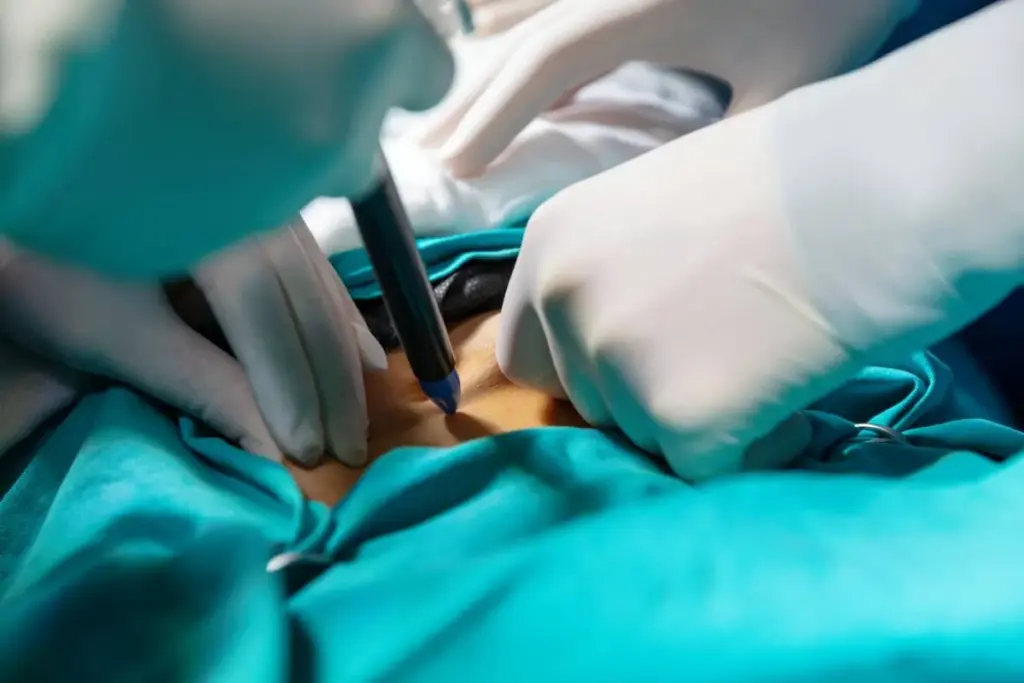
Laparotomy surgical procedure
Laparotomy is a surgery that opens the belly to look inside. It lets doctors see the organs, find problems, and fix them. This surgical procedure is key for many treatments.
Medical Definition of Abdominal Surgery
Laparotomy is an open abdominal surgery that opens the belly through a big surgical incision. It’s different from small cuts used in other surgeries. This way, doctors can see everything clearly and work directly on the organs.
The size and type of cut depend on the surgery and the patient. Doctors might use different cuts, like a straight line or a curved one, based on what they need to do.
Primary Purposes and Clinical Applications
Laparotomy helps find and fix belly problems, like blockages or injuries. It’s used in many cases, such as:
- Urgent surgeries that need to happen right away
- Tests when other methods don’t work
- Fixing complex belly issues that small surgeries can’t handle
Knowing about laparotomy helps us see its importance in surgery. It’s a vital tool for doctors to diagnose and treat many belly problems.
Celiotomy: The Primary Alternative Name for Laparotomy
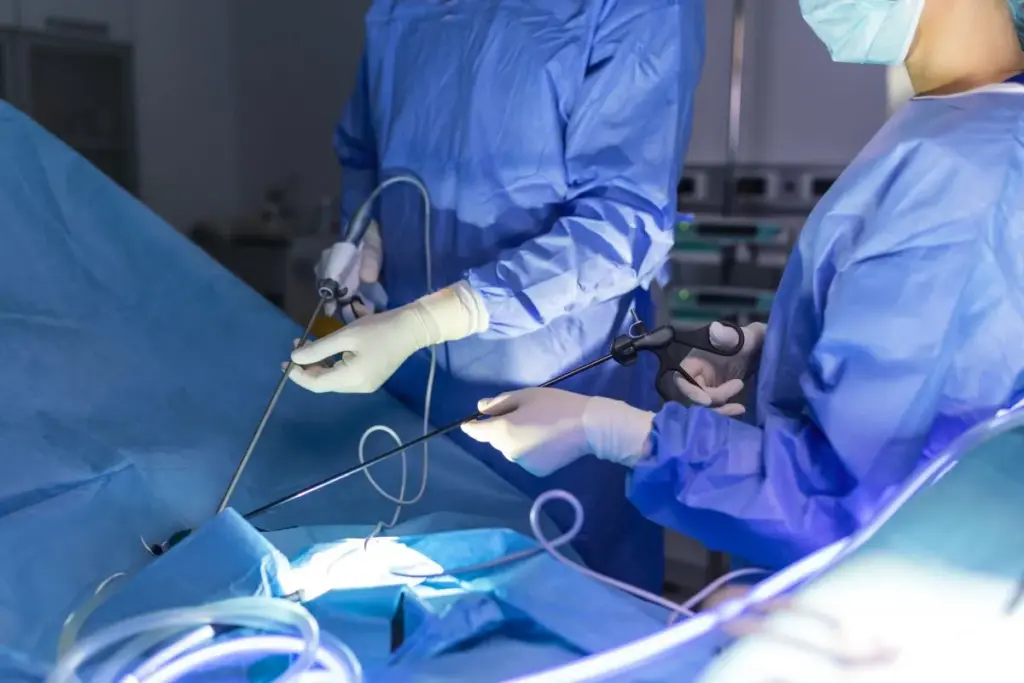
Celiotomy comes from Greek words and means making an incision in the belly. It’s often called the same as laparotomy. Knowing where it comes from helps us understand its role in surgery.
Etymology and Medical Origin of “Celiotomy”
The word “celiotomy” comes from “koilia,” meaning belly, and “tome,” meaning cut. This shows it’s all about belly surgery. In medical texts, celiotomy is a key word for belly surgery, just like laparotomy.
Over time, celiotomy has been used in many medical situations. It shows how ancient languages shape our medical terms.
When and Why Surgeons Use the Term Celiotomy
Doctors pick celiotomy for certain surgeries, like when they cut into the belly. Whether they say celiotomy or laparotomy can depend on their style or the surgery’s details.
“The terms ‘laparotomy’ and ‘celiotomy’ are often used interchangeably, but ‘celiotomy’ emphasizes the act of making an incision into the abdominal cavity, highlighting the surgical technique involved.”
Looking at celiotomy and laparotomy, we see they’re not exactly the same. Here’s a quick comparison:
|
Term |
Etymology |
Usage |
|---|---|---|
|
Celiotomy |
Derived from Greek “koilia” (abdomen) and “tome” (incision) |
Emphasizes the surgical incision into the abdominal cavity |
|
Laparotomy |
Derived from Greek “lapara” (flank) and “tome” (incision) |
Often used to describe surgical access to the abdominal cavity, with a broader application |
Knowing the difference between celiotomy and laparotomy helps in clear surgical talk. Both are about belly surgery, but used in different ways based on the surgeon’s style.
Other Terminology Associated with Laparotomy Procedures
Laparotomy has many terms and abbreviations. It’s a big surgical step, so it has lots of names in medical books and practice.
Common Medical Abbreviations
Laparotomy is often shortened to “ex lap” or “exploratory lap” in medicine. These abbreviations are used in hospitals and medical records to quickly show the surgery type.
Using these abbreviations makes talking among doctors easier. For example, “ex lap” is often in surgical notes to show an exploratory laparotomy was done.
|
Abbreviation |
Full Form |
Contextual Use |
|---|---|---|
|
Ex Lap |
Exploratory Laparotomy |
Surgical notes, medical records |
|
Exploratory Lap |
Exploratory Laparotomy |
Preoperative, postoperative discussions |
Regional and International Naming Variations
Laparotomy has different names in different places and medical traditions. Knowing these variations is key for clear talk among international medical teams.
In some books, “celiotomy” is used like laparotomy. This shows how complex surgical terms can be across regions.
Regional terms can affect patient care and research. So, knowing these differences is vital when working with doctors from other countries.
Types of Laparotomy Incisions and Approaches
Laparotomy incisions come in different types, each with its own benefits and uses. The choice depends on the surgery type, the patient’s body, and the surgeon’s style.
Midline Incisions and Their Applications
Midline incisions are a common choice in laparotomy. They offer quick access to the belly. This is great for emergency cases where speed is key. Midline incisions can be upper or lower, each for different surgeries.
Upper midline incisions are best for the upper belly, like stomach or liver surgeries. Lower midline incisions are for the lower belly, like intestines or reproductive organs.
Transverse Incisions Including Pfannenstiel Approach
Transverse incisions go across the belly, not up and down. The Pfannenstiel incision is popular for gynecology and lower belly surgeries. It’s chosen for its looks and lower hernia risk.
The Pfannenstiel method makes a cut just above the pubic line. It gives access to the pelvic area with less scarring. It’s often used in cesarean sections and some hysterectomies.
Specialized Incisions for Specific Procedures
For certain surgeries, other incisions are used. For example, a thoracoabdominal incision is for surgeries needing both chest and belly access.
Surgeons might pick lateral or oblique incisions for specific belly areas, like kidneys or spleen. The incision choice depends on the patient and the surgery goals.
|
Type of Incision |
Common Applications |
Advantages |
|---|---|---|
|
Midline Incision |
Emergency surgeries, upper and lower GI tract surgeries |
Rapid access, versatility |
|
Pfannenstiel Incision |
Gynecological surgeries, cesarean sections |
Cosmetic benefits, reduced risk of herniation |
|
Transverse Incision |
Lower abdominal surgeries, certain GI procedures |
Better cosmesis, potentially less postoperative pain |
Exploratory Laparotomy: Diagnostic Applications
Exploratory laparotomy diagnostic applications
Exploratory laparotomy lets surgeons see and touch the organs in the belly. It’s key when other tests don’t work or when a patient needs surgery right away. We’ll look at how it helps in emergency situations and when dealing with complex conditions.
Acute Abdomen and Emergency Diagnosis
When someone has sudden belly pain, tenderness, or signs of infection, exploratory laparotomy is often used. It lets surgeons see what’s wrong and fix it if needed.
|
Condition |
Diagnostic Challenge |
Role of Exploratory Laparotomy |
|---|---|---|
|
Acute Appendicitis |
Differentiating from other causes of acute abdomen |
Confirms diagnosis and allows for appendectomy |
|
Intestinal Obstruction |
Identifying the site and cause of obstruction |
Enables relief of obstruction and assessment of bowel viability |
|
Abdominal Trauma |
Assessing the extent of internal injuries |
Facilitates repair of damaged structures and control of hemorrhage |
Staging Procedures for Cancer and Complex Conditions
Exploratory laparotomy helps in cancer staging, like for pancreatic, gastric, and ovarian cancer. It shows how far the cancer has spread, which helps choose the best treatment. It also checks if tumors can be removed and gets tissue for lab tests.
In summary, exploratory laparotomy is a key tool in surgery today. It helps diagnose and sometimes treat serious belly problems. Its use in emergencies and cancer staging shows its value in medical care.
Therapeutic Uses of Laparotomy in Modern Medicine
Laparotomy is key in modern surgery for complex abdominal issues. It’s a vital treatment for many conditions. It helps save lives and improve patient health.
Surgical Treatment of Abdominal Trauma
Laparotomy is often used for abdominal trauma. Abdominal trauma can come from accidents or injuries. It lets surgeons see and fix damaged areas.
They can stop bleeding, fix organs like the spleen or liver, and remove foreign objects.
Management of Intestinal Obstruction and Perforation
Laparotomy is also used for intestinal issues. Intestinal obstruction blocks normal flow, and perforation causes infection. It helps fix these problems.
Quick use of laparotomy can greatly lower risks of these conditions.
Oncological Surgical Interventions
Laparotomy is used in cancer surgeries too. It helps remove tumors in organs like the colon or stomach. This can improve survival chances.
It’s also used for cancer staging. This helps doctors understand how far the cancer has spread.
Laparotomy vs. Laparoscopy: Comparative Analysis
It’s important to know the differences between laparotomy and laparoscopy to choose the right surgery. Both methods are used in medicine today. The decision depends on the patient’s health, the surgery type, and the surgeon’s skills.
Invasiveness and Surgical Access Differences
Laparotomy is a more invasive surgery that makes a big cut in the belly to get to the organs inside. Laparoscopy, on the other hand, uses small cuts for a camera and tools. This makes it less invasive.
Laparotomy gives direct access to organs, which is good for complex surgeries or big injuries. But, it means a bigger cut, more damage, and a longer healing time.
Laparoscopy is less invasive with smaller cuts, less damage, and quicker healing. But, it needs special training and tools. It’s not for every surgery or patient.
Recovery Timeline Comparisons
The healing time for laparotomy and laparoscopy is different. Laparotomy patients usually stay in the hospital longer and heal slower than laparoscopy patients.
- Laparotomy: Needs a hospital stay of 5-7 days or more. Healing can take weeks or months.
- Laparoscopy: Often lets patients go home the same or next day. Healing is usually a few weeks.
Clinical Scenarios Favoring Open Laparotomy Over Laparoscopy
Laparoscopy is often chosen for its less invasive nature. But, there are times when laparotomy is better or needed. These include:
- Major abdominal trauma needing quick and direct access.
- Complex cancer surgeries needing thorough exploration.
- Surgeries with lots of adhesions or complex anatomy that laparoscopy can’t handle.
In conclusion, picking between laparotomy and laparoscopy depends on the patient’s needs, the surgery type, and the risks and benefits of each.
The Enduring Importance of Laparotomy in the Age of Minimally Invasive Surgery
Even with the growth of minimally invasive surgery, laparotomy is key in today’s surgery. Laparoscopic methods have changed many surgeries for the better. Yet, laparotomy is essential for complex cases where other methods can’t be used.
Limitations of Laparoscopic Techniques
Laparoscopic surgery has its downsides. Some surgeries, like those with big tumors or lots of adhesions, are hard or impossible to do this way. Also, you need special training and tools, which not everyone has.
Some main issues with laparoscopic surgery are:
- It’s hard to handle big bleeding problems
- Some parts of the belly are hard to see or reach
- Dealing with lots of adhesions or scar tissue is tough
- You need special training and tools
Complex Cases Requiring Open Surgical Approach
Some surgeries need an open approach, like laparotomy. This is true for severe belly injuries, complex cancer surgeries, and when you need to check the whole belly. Laparotomy lets surgeons see and work on these complex areas well.
Examples of surgeries that might need laparotomy are:
- Severe belly injuries with many organ problems
- Big or many tumors in cancer cases
- Need for a lot of adhesiolysis or rebuilding
Preoperative Preparation for Laparotomy
Before a laparotomy, a detailed preoperative assessment is key. It’s vital for spotting risks and improving patient results.
Patient Assessment and Risk Stratification
Assessment starts with a deep dive into the patient’s medical history and physical check-up. We look at the patient’s health and any conditions that might raise surgical risks. Tools and scores help us guess possible complications.
Informed Consent and Psychological Preparation
Getting informed consent is a big deal before surgery. We make sure patients know the risks, benefits, and other options. Preparing mentally is also important to handle surgery stress and anxiety.
Good prep involves a team effort from surgery, anesthesiology, and nursing. We also check the patient’s nutrition, as it aids in healing and getting better.
By focusing on detailed patient checks, risk evaluation, and consent, we get patients ready for laparotomy. This prep is essential for good surgery results and helping patients recover well.
The Surgical Procedure: Step-by-Step Laparotomy Process
Starting a laparotomy involves several key steps, beginning with anesthesia and preparation. This surgery needs a team working together to keep the patient safe and get the best results.
Anesthesia and Initial Preparation
The first step is giving the patient anesthesia to keep them pain-free. General anesthesia is often used, making the patient fully relaxed and asleep. The anesthesiologist watches the patient’s vital signs closely during the surgery.
Before surgery, the area is sterilized and covered to keep it clean. The team also checks the patient’s medical history and the planned surgery to prepare for any issues.
Incision and Exploration of the Abdominal Cavity
Making the surgical incision is a key part of the laparotomy. The incision’s type and location depend on the situation and the surgeon’s choice. Common types include midline, transverse, and specialized incisions.
After the incision, the team explores the abdominal cavity. They carefully check the organs to find any problems like injuries, infections, or tumors. They do this with great care to avoid harming the tissues.
Closure Techniques and Materials
After finishing the surgery inside, the team closes the incision. The method used depends on the incision type and the patient’s health. Techniques include layered closure and mass closure.
The type of suture used is also important. Options include absorbable and non-absorbable sutures. The goal is to close securely to prevent complications like wound opening or hernias.
In summary, laparotomy is a detailed and complex surgery. It requires careful planning, precise execution, and good post-surgery care. Understanding the steps involved helps healthcare professionals value the skill and knowledge needed for this critical surgery.
Immediate Postoperative Care Following Laparotomy
The time right after surgery is very important. We need to take good care of patients to help them heal well. This care helps avoid problems and speeds up recovery.
Pain Management Protocols
Managing pain is key after surgery. We use many ways to help with pain, like epidural shots, PCA, and pills. This way, we can reduce the need for strong pain medicines.
We check how much pain patients have often. This helps us adjust their pain treatment to fit their needs better.
|
Pain Management Method |
Advantages |
Disadvantages |
|---|---|---|
|
Epidural Analgesia |
Effective pain relief, reduced opioid use |
Requires specialized equipment and expertise |
|
Patient-Controlled Analgesia (PCA) |
Allows patients to self-administer analgesia as needed |
Risk of overdose if not properly monitored |
|
Oral Analgesics |
Easy to administer, suitable for less severe pain |
May not be sufficient for severe postoperative pain |
Wound Care and Infection Prevention
Keeping the wound clean is vital to avoid infections. We use sterile dressings and clean the wound properly. This follows the best practices we know.
Watching for signs of infection is important. If we see redness, swelling, or pus, we act fast. This helps prevent bigger problems.
Early Mobilization Strategies
Moving around early is part of our recovery plan. It helps prevent blood clots and speeds up healing. We encourage patients to start moving as soon as they can.
A team of physiotherapists helps patients with their movement plans. They might do simple exercises or help with walking. This team effort helps patients get better faster.
By using these strategies, we can make patients’ recovery better. It also means they can leave the hospital sooner.
Potential Complications of Laparotomy Procedures
Laparotomy is a key surgical method but comes with risks. These risks can affect how well a patient recovers. It’s important to know about these risks and how to handle them.
Wound Complications: Infection and Dehiscence
Wound problems are common after laparotomy. These can be infections or the wound opening up again. Infection prevention is key in caring for the wound post-surgery. This includes careful wound care and sometimes antibiotics.
A study in the Journal of Surgical Research found infections can make hospital stays longer and cost more. So, it’s vital to spot risks and take steps to prevent them.
- Risk factors for wound problems include diabetes, obesity, and smoking.
- Preventive steps include proper wound care, antibiotics, and teaching patients.
Internal Complications: Adhesions and Ileus
Adhesions and ileus are big worries after laparotomy. Adhesions can block the bowel, and ileus is when the bowel muscles stop working.
“The formation of adhesions is a common complication after abdominal surgery, potentially leading to serious consequences such as bowel obstruction.”
Dealing with these issues often needs surgery and other treatments. Sometimes, minimally invasive surgery is used to fix adhesions.
|
Complication |
Management Approach |
|---|---|
|
Adhesions |
Surgical adhesiolysis, conservative management |
|
Ileus |
Conservative management, bowel rest, nutritional support |
Long-term Sequelae and Management
Long-term effects of laparotomy can include chronic pain, hernias, and mental health issues. Handling these long-term effects needs a team effort. This team includes pain experts, surgeons, and sometimes psychologists.
It’s key to know about the long-term effects of laparotomy for full care. This means regular check-ups and addressing any patient concerns.
Recovery Process and Rehabilitation After Laparotomy
After a laparotomy, knowing the recovery timeline is key. The journey back to health varies. It depends on the patient’s health, the surgery’s complexity, and any complications.
Expected Timeline for Recovery Milestones
Recovery has several important stages. Patients usually follow this path:
|
Recovery Milestone |
Expected Timeline |
|---|---|
|
Hospital Stay |
5-7 days |
|
Return to Light Activities |
4-6 weeks |
|
Return to Moderate Activities |
6-12 weeks |
|
Full Recovery |
3-6 months |
Keep in mind, these are just general guidelines. Everyone’s recovery is different.
Physical Therapy and Activity Progression
Physical therapy is essential after a laparotomy. Early mobilization helps prevent problems and aids in healing. As patients get better, they do more challenging activities.
A good physical therapy plan includes:
- Breathing exercises to improve lung function
- Gentle stretching to maintain flexibility
- Gradual strengthening exercises to restore muscle mass
- Progressive walking programs to enhance cardiovascular health
Understanding the recovery process and following a rehabilitation plan helps patients get better. Healthcare providers should offer personalized support during this time.
Surgeons’ Expertise and Training for Laparotomy
The success of a laparotomy procedure depends a lot on the surgeon’s skills and training. This complex surgery needs surgeons to know a lot about the abdomen, how to operate, and how to care for patients.
We know that a surgeon’s training and expertise are key to good results for patients. This surgery is very complex and needs a lot of skill and knowledge.
Surgical Training Requirements
Surgeons get a lot of training to learn how to do laparotomy. This training includes:
- Completing a surgical residency program, which gives them hands-on experience and knowledge.
- Going to continuing education and professional development courses to learn new techniques.
- Doing simulation-based training to practice and improve their skills in a safe place.
This training is tough and is meant to prepare surgeons for complex cases and unexpected problems during surgery.
Volume-Outcome Relationship in Complex Laparotomies
Studies show that the number of laparotomy procedures a surgeon does affects patient outcomes. Surgeons who do more of these surgeries tend to have better results because they have more experience and have honed their techniques.
|
Surgeon Volume |
Average Complication Rate |
Mortality Rate |
|---|---|---|
|
Low Volume (<10 cases/year) |
15% |
5% |
|
Medium Volume (10-50 cases/year) |
8% |
2% |
|
High Volume (>50 cases/year) |
3% |
0.5% |
This table shows how surgeon volume affects patient outcomes. It shows that having surgeries done by experienced, high-volume surgeons is better for patients.
We stress the importance of choosing experienced surgeons for laparotomy. This can greatly improve patient recovery and results.
Global Standards and Best Practices in Laparotomy Care
Laparotomy is key in surgery, and global guidelines help standardize care. Following these standards is vital for the best patient outcomes.
International Surgical Guidelines
Many medical groups worldwide have set guidelines for laparotomy care. These guidelines help surgeons manage patients consistently.
“The development and implementation of international guidelines have significantly improved the quality of care for patients undergoing laparotomy,” said a renowned surgeon.
These guidelines cover important areas like:
- Preoperative patient assessment and preparation
- Surgical technique and intraoperative care
- Postoperative management and follow-up
|
Guideline Aspect |
Description |
Benefits |
|---|---|---|
|
Preoperative Assessment |
Comprehensive evaluation of patient health before surgery |
Reduced risk of complications |
|
Surgical Technique |
Standardized approach to laparotomy procedures |
Improved surgical outcomes |
|
Postoperative Care |
Evidence-based management of postoperative recovery |
Enhanced patient comfort and recovery |
Enhanced Recovery After Surgery (ERAS) Protocols
ERAS protocols aim to improve patient recovery after surgery. They are becoming more common in laparotomy care to better outcomes and fewer complications.
- Preoperative counseling and education
- Optimized pain management
- Early mobilization and oral nutrition
Using ERAS protocols can greatly improve patient results and shorten hospital stays. Research shows they can cut down on post-surgery issues and boost patient happiness.
We keep updating our methods to meet the latest global standards and best practices in laparotomy care. This ensures our patients get the best care possible.
Conclusion: The Future of Laparotomy in Surgical Practice
Looking ahead, laparotomy’s future in surgery is bright. New techniques and tech will be key. Robotics and better imaging will make surgeries more precise and successful.
Laparotomy will keep evolving, adapting to new tech while staying vital for complex belly issues. Surgeons will get better at using both old and new methods. This will help them give the best care to patients.
Laparotomy’s role will stay strong, mainly for urgent belly surgeries or tough cases. By staying open to new ideas and improving skills, we can make surgery better. This will lead to better results for patients and more options for care.
FAQ
What is a laparotomy, and when is it performed?
A laparotomy, also known as celiotomy, is a surgery that opens the abdominal cavity. It’s done in emergencies or when other tests don’t work. This surgery helps diagnose and treat many abdominal problems.
What are the different types of laparotomy incisions?
There are many types of laparotomy incisions. These include midline incisions and transverse incisions, like the Pfannenstiel approach. The choice depends on the patient’s health and the surgeon’s skill.
How does laparotomy differ from laparoscopy?
Laparotomy is an open surgery with a big incision. Laparoscopy uses small cuts and a camera. Laparotomy is better for complex or emergency cases.
What are the possible complications of laparotomy?
Complications can include infections, adhesions, and ileus. Good preparation, careful surgery, and aftercare can reduce these risks.
What is the recovery process like after a laparotomy?
Recovery involves managing pain, caring for the wound, and getting active slowly. The recovery time varies based on health and surgery complexity. Physical therapy helps a lot.
What kind of training do surgeons need to perform laparotomy?
Surgeons need a lot of training. They learn about patient care, risk assessment, and surgery techniques. Experience is key for good results.
Are there global standards for laparotomy care?
Yes, there are international guidelines and Enhanced Recovery After Surgery (ERAS) protocols. They help standardize care to improve patient outcomes.
What is the role of laparotomy in modern medicine?
Laparotomy is essential in modern medicine. It’s used in emergencies and complex cases. It’s also used when other methods fail.
How is laparotomy performed?
The procedure starts with anesthesia and an incision. Then, the surgeon explores and closes the cavity. Steps vary based on the case.
What is the difference between a laparotomy and an exploratory laparoscopy?
Laparotomy is an open surgery, while laparoscopy is minimally invasive. The choice depends on the situation and patient’s health.
What are the benefits of laparotomy in certain clinical scenarios?
Laparotomy has many benefits. It allows direct access to organs, controls bleeding, and manages complex conditions. It’s great for emergencies or when other tests fail.
References
https://www.ncbi.nlm.nih.gov/books/NBK525961






