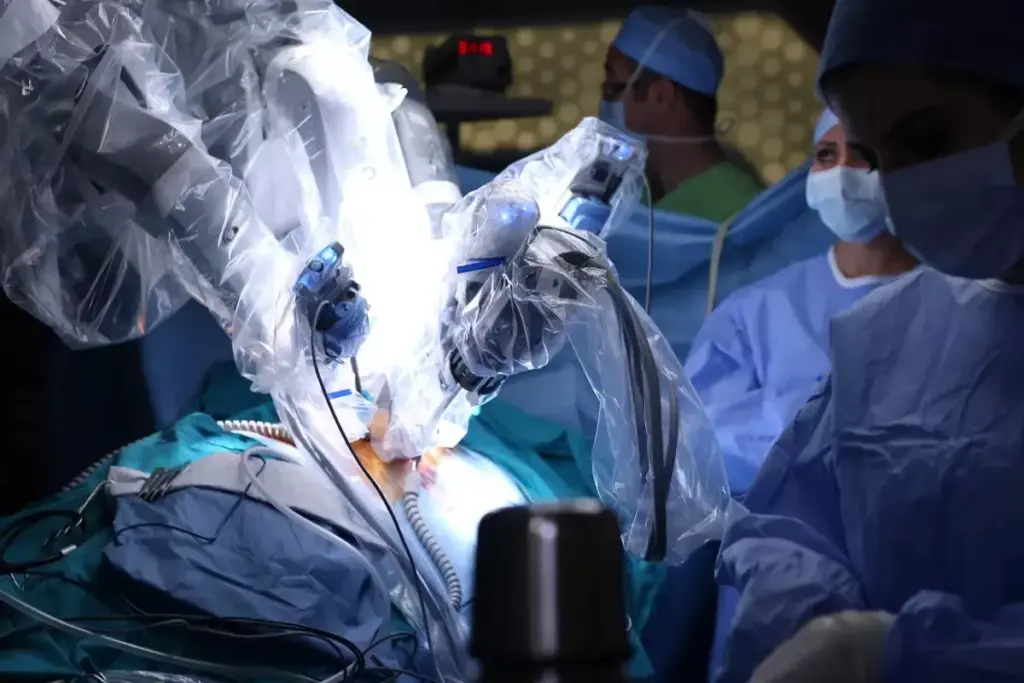
Life expectancy after exploratory laparotomy changes a lot. It depends on the patient’s age, health problems, and how urgent the surgery was. Studies show that death rates right after surgery can be between 3.2% and 43.9%. This is because the patient’s health and if the surgery was an emergency play big roles.
We will look at what affects life expectancy after laparotomy. This includes the patient’s age and how urgent the surgery was. Knowing these things helps both patients and doctors make better choices.
Key Takeaways
- Life expectancy after laparotomy varies based on individual patient factors.
- Short-term mortality rates range from 3.2% to 43.9%.
- Patient age, comorbidities, and urgency of the procedure influence outcomes.
- Understanding these factors is key for making informed decisions.
- Laparotomy recovery depends a lot on the patient’s overall health.
Understanding Exploratory Laparotomy
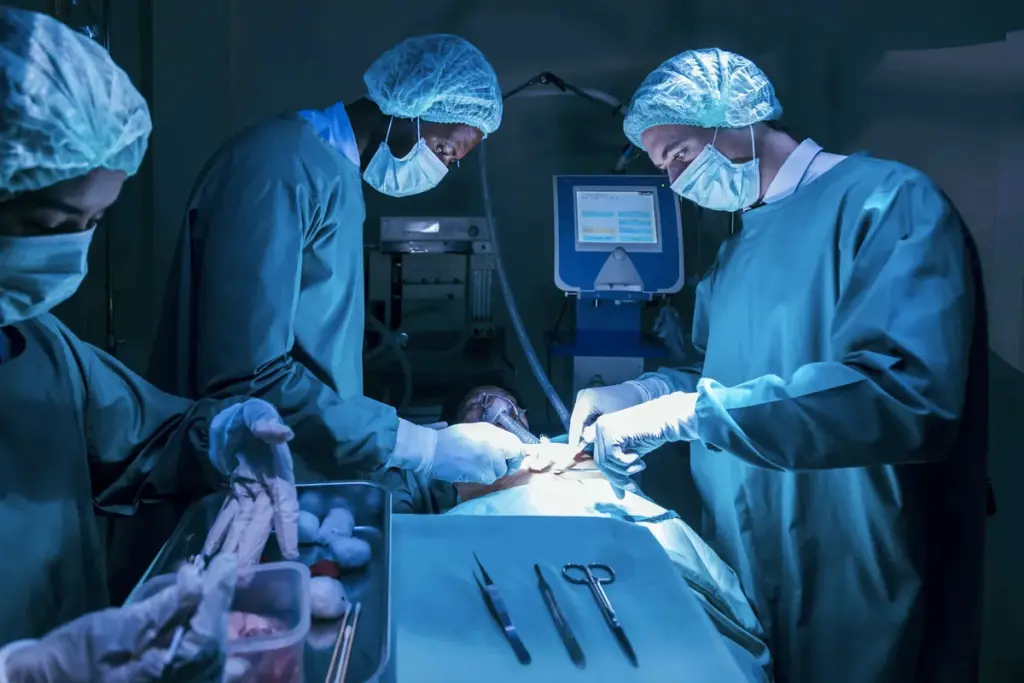
Exploratory laparotomy is key in understanding our abdominal health. It’s used for both finding and fixing problems. Let’s dive into what this surgery is all about and why it’s important today.
Definition and Purpose
Exploratory laparotomy means opening the abdomen to check and fix issues. Surgeons use it to see the organs inside and find problems. It’s needed when other tests don’t work or when quick surgery is needed.
Surgeons can spot things like bleeding, infections, or injuries right away. This helps doctors make the best plans for care. Studies show it’s a big help in surgery, helping to find and fix serious problems well.
Common Indications for the Procedure
There are many reasons for an exploratory laparotomy. Some include:
- Acute abdominal trauma or injuries
- Unexplained abdominal pain or suspicion of internal bleeding
- Peritonitis or severe abdominal infections
- Suspected malignancies or tumors within the abdominal cavity
- Intestinal obstruction or other gastrointestinal emergencies
These issues need quick and accurate diagnosis. Exploratory laparotomy helps find the cause of symptoms. This way, doctors can treat the problem directly.
The Surgical Process of Exploratory Laparotomy

The success of an exploratory laparotomy depends on several key factors. These include preoperative preparation, surgical technique, and postoperative care. We will explore the steps involved in this surgical procedure. This includes preparing the patient for surgery and the care needed for recovery.
Preoperative Preparation
Preoperative preparation is key for a successful exploratory laparotomy. Patient evaluation involves checking the patient’s medical history and current condition. We also look for any risks associated with the surgery.
We conduct necessary laboratory tests and imaging studies. This helps us understand the patient’s condition better. Patient optimization is also important. We manage any underlying conditions that could affect the surgery or recovery, like diabetes or hypertension.
Surgical Technique
The surgical technique used in exploratory laparotomy aims for a clear examination of the abdominal cavity. The surgical team makes a careful incision to access the abdominal cavity. We take care to minimize trauma to the surrounding tissues.
Once inside, we systematically explore the abdominal organs. We identify any abnormalities or conditions that need intervention. This may involve biopsies or other diagnostic procedures to gather more information.
Postoperative Care
Postoperative care is critical for a smooth recovery after an exploratory laparotomy. Pain management is a key component. We use a combination of medications and techniques to keep the patient comfortable.
We also monitor the patient closely for any signs of complications. This includes infection or bleeding. We provide nutritional support to aid in the healing process. As the patient recovers, we gradually mobilize them to prevent complications like deep vein thrombosis.
By focusing on these critical aspects of the surgical process, we can significantly improve outcomes for patients undergoing exploratory laparotomy.
Mortality Rates After Exploratory Laparotomy: An Overview
The death rates after exploratory laparotomy vary a lot. This is because of many different factors. It’s important for both patients and doctors to know about these rates and what affects them.
Understanding Mortality Rate Ranges
Death rates after exploratory laparotomy range from 3.2% to 43.9%. This big range shows how complex the surgery is and the different conditions it treats. The death rates change based on the patient’s health, how urgent the surgery is, and if they have other health problems.
For example, a study might show a lower death rate for patients who have the surgery on purpose compared to those who need it right away. This difference shows how important the patient’s health before surgery and why they need surgery is.
“The overall in-hospital death rate after exploratory laparotomy can be as high as 14.4% in some studies, showing the need for careful patient selection and care before and after surgery.”
Interpreting Survival Statistics
Understanding survival stats after exploratory laparotomy needs a deep look at the data. Survival rates are often given at specific times, like 30 days or 90 days, showing the immediate risks of the surgery.
When looking at survival stats, it’s key to think about the context. Things like the patient’s age, pre-surgical health, and the reason for surgery all impact survival. By looking at these factors, doctors can give patients a better idea of what to expect and the risks and benefits of the surgery.
Exploring mortality rates and survival stats shows that exploratory laparotomy is a complex surgery with big risks. But by knowing these risks and what affects them, we can try to make surgery better for patients.
Short-Term Survival Following Exploratory Laparotomy
The time right after exploratory laparotomy is very important. It has a big impact on how well patients do. Knowing the risks and recovery steps is key.
30-Day Mortality
Research shows that 7% to 12% of patients die within 30 days after surgery. This range changes based on the patient’s health before surgery, how complex the surgery is, and the quality of care after surgery. Knowing these rates helps set realistic hopes for recovery.
90-Day Survival Rates
Looking at survival rates 90 days after surgery gives more insight. Studies say up to 17% of patients might not make it past this time. Survival at 90 days depends on the surgery, the patient’s health, and any other health issues. Good care after surgery and managing complications are key to better survival chances.
Every patient’s recovery is different. Survival rates can be affected by many things, like age, health before surgery, and the surgery itself. Healthcare teams can give more tailored care and support by understanding these factors.
Long-Term Life Expectancy After Exploratory Laparotomy
The life expectancy after exploratory laparotomy is complex. It depends on the reason for surgery, the patient’s health before surgery, and any complications after surgery.
One-Year Survival Outcomes
Studies show that survival rates after exploratory laparotomy differ. This depends on the diagnosis and how well the patient recovers. Patients with cancer usually have lower survival rates than those with non-cancerous conditions.
Several factors affect one-year survival:
- Underlying Diagnosis: Patients with cancer or severe diseases face lower survival chances.
- Postoperative Complications: Issues like infections or organ failure can harm long-term survival.
- Preoperative Health Status: Poor health before surgery increases the risk of bad outcomes.
Two-Year Mortality Rate (20% Post-90-Day Survivors)
For those who make it past 90 days after surgery, the two-year mortality rate is key. Studies indicate that about 20% of these survivors may not make it to the two-year mark. This shows the importance of ongoing care and monitoring.
Several factors contribute to two-year mortality:
- Recurrence of Malignancy: Cancer coming back is a big factor for those with cancer.
- Chronic Health Conditions: Managing ongoing health issues is vital for better outcomes.
- Postoperative Care Quality: Good care after surgery can reduce long-term mortality risks.
Knowing these factors helps doctors plan better care for patients after exploratory laparotomy. This can improve their chances of long-term survival.
Patient Age and Its Impact on Post-Laparotomy Survival
Age is a key factor in how well patients do after surgery. Different ages have different outcomes. Knowing this helps doctors better care for their patients.
Outcomes in Young Adults
Young adults usually heal faster and have fewer problems after surgery. They tend to have lower complication rates and quicker recovery times than older people.
Middle-Aged Patient Prognosis
Middle-aged patients face a mix of factors that affect their survival. They are not as strong as young adults but have fewer health problems than the elderly. Lifestyle choices like smoking or obesity can also play a big role.
Elderly Patient Survival Rates
Elderly patients have more risks due to health issues, weaker bodies, and weaker immune systems. But, better surgery and care have helped improve their survival chances.
To understand how age affects survival, let’s look at some data:
|
Age Group |
30-Day Mortality Rate |
1-Year Survival Rate |
|---|---|---|
|
Young Adults (<30 years) |
2% |
95% |
|
Middle-Aged (30-64 years) |
5% |
80% |
|
Elderly (65+ years) |
12% |
60% |
The data shows age is a big factor in survival after surgery. Doctors need to understand these differences to give the best care.
How Comorbidities Affect Life Expectancy After Surgery
Comorbidities play a big role in how long someone lives after surgery. These are other health issues that someone has along with the main reason for surgery. We will look at how these issues affect how well a patient does after surgery.
Cardiovascular Conditions
Heart diseases like high blood pressure, heart attacks, and heart failure are big issues. They can make it harder for someone to survive after surgery. People with heart problems are more likely to face problems during and after surgery.
Table 1: Impact of Cardiovascular Comorbidities on Survival
|
Comorbidity |
30-Day Mortality |
1-Year Survival Rate |
|---|---|---|
|
Hypertension |
5% |
80% |
|
Coronary Artery Disease |
8% |
70% |
|
Heart Failure |
12% |
60% |
Respiratory and Metabolic Disorders
Conditions like COPD and diabetes can also affect life expectancy after surgery. These issues can make recovery harder and increase the risk of death.
Multiple Comorbidity Impact
Having more than one comorbidity makes things even tougher. Patients with many health issues face more risks, longer hospital stays, and lower survival rates.
A person with heart disease and diabetes is at a much higher risk than someone with just one issue. Managing many health problems needs a team effort.
Key Considerations:
- Comprehensive preoperative assessment is key.
- Improving health before surgery can lead to better results.
- Post-surgery care should match the patient’s health issues.
Emergency vs. Elective Exploratory Laparotomy Outcomes
The urgency of a laparotomy greatly affects patient outcomes and survival rates. Emergency and elective procedures show key differences. These differences impact patient care and prognosis.
Mortality Differences Between Urgent and Planned Procedures
Emergency exploratory laparotomies have higher mortality rates than elective ones. This is mainly because emergency surgeries often deal with severe conditions. These include trauma or acute abdomen, which are complex and urgent.
A study in a medical journal showed emergency laparotomies have higher mortality rates. This is often due to acute conditions present at the time of surgery.
“The mortality rate after emergency laparotomy remains unacceptably high, stressing the need for better care.”
— Recent Medical Journal
Here’s a table showing mortality rate differences:
|
Procedure Type |
Mortality Rate Range |
|---|---|
|
Emergency Laparotomy |
10%-30% |
|
Elective Laparotomy |
1%-5% |
Recovery Timeline Variations
Recovery times differ between emergency and elective surgeries. Emergency surgery patients need longer hospital stays and more care. This is because their conditions are urgent.
Elective surgeries, being planned, allow for better preparation and potentially shorter recovery. A study found elective patients had fewer complications and shorter stays.
Long-Term Survival Comparisons
Long-term survival rates also vary. While emergency patients face high short-term mortality, those who survive can have similar long-term survival as elective patients. This depends on their health before surgery.
Understanding long-term outcomes is key to seeing the full impact of surgery type on survival and quality of life.
- Emergency laparotomy patients need closer monitoring and more care.
- Elective laparotomy patients usually have better health before surgery.
- Long-term survival depends on the surgery type and patient health.
Healthcare providers can improve care by understanding these differences. This helps tailor strategies to better outcomes for all exploratory laparotomy patients.
Postoperative Complications and Their Effect on Survival
Postoperative complications are key in determining survival after exploratory laparotomy. These complications have a big impact on patient survival. Their effects are complex.
Infection and Sepsis
Infection and sepsis are major complications after exploratory laparotomy. Sepsis is a life-threatening condition that happens when the body fights an infection too hard. A study shows infections can raise mortality rates.
Managing infection and sepsis is urgent. It usually involves antibiotics and supportive care. But, sepsis can cause a long hospital stay, higher costs, and a higher risk of death.
Wound Complications
Wound complications, like infections and dehiscence, are big worries after exploratory laparotomy. These issues can slow down recovery and affect survival. Wound infections, for example, can cause more problems, like abscesses or additional surgeries.
- Wound infections
- Wound dehiscence
- Seroma or hematoma formation
Good wound care is key to avoiding these problems. It helps ensure the best outcomes for patients.
Organ Failure and System-Wide Complications
Organ failure and other system-wide issues, like respiratory or cardiac failure, can happen after exploratory laparotomy. These problems raise the risk of death and can lower quality of life.
“The development of postoperative organ dysfunction is a critical determinant of outcome after major surgery.”
Source: Related medical literature
Preventing and managing these complications need a team effort. Surgeons, intensivists, and other healthcare workers must work together. By understanding risks and using the right strategies, we can help more patients survive exploratory laparotomy.
Modern Advances Improving Exploratory Laparotomy Survival Rates
New surgical methods, recovery plans, and care for patients have changed exploratory laparotomy. These changes have led to better survival rates. They are key to better patient results and fewer problems.
Refinements in Surgical Techniques
New surgical methods have greatly reduced risks from exploratory laparotomy. Using minimally invasive surgical techniques when possible is a big step forward. These methods cause less damage, less blood loss, and faster healing than old surgery.
Also, new tools and technologies, like electrosurgical units and surgical staplers, make surgery safer and more precise. Surgeons now have tools that help them work more carefully and close wounds securely.
|
Surgical Technique |
Benefits |
Outcomes |
|---|---|---|
|
Minimally Invasive Surgery |
Less tissue trauma, reduced blood loss |
Quicker recovery, fewer complications |
|
Advanced Surgical Tools |
Improved precision, enhanced safety |
Better wound closure, reduced morbidity |
Enhanced Recovery Protocols
Enhanced Recovery After Surgery (ERAS) protocols have greatly improved care for exploratory laparotomy patients. These protocols focus on preoperative counseling, optimization of nutrition, and standardized analgesic regimens to help patients recover faster.
ERAS also promotes early movement and the removal of unnecessary tubes and drains. This reduces risks of infections and blood clots. Following these guidelines helps healthcare providers improve patient results.
Multidisciplinary Approaches in Patient Care
Teams of doctors, nurses, and other healthcare workers have greatly improved survival rates after exploratory laparotomy. These teams work together to give complete care.
This team effort considers all parts of a patient’s health, from before surgery to after. It helps spot and fix problems early. This teamwork is essential for better care.
By using these modern advances, we can keep making exploratory laparotomy safer and better for patients.
Quality of Life Considerations After Surviving Laparotomy
Surviving an exploratory laparotomy is just the start of a patient’s recovery journey. The quality of life after such a big surgery depends on many things. These include the patient’s health before surgery, how complex the surgery was, and if there were any complications after.
Looking at quality of life means understanding many aspects of recovery. We’ll talk about the physical recovery time, the surgery’s psychological effects, and how to get back to normal activities.
Physical Recovery Timeline
The physical recovery from an exploratory laparotomy is long and challenging. Patients face many physical hurdles, like wound care and managing complications like adhesions or hernias. The time it takes to recover varies a lot, based on the patient’s health, age, and any other health issues.
Key Factors Influencing Physical Recovery:
- Preoperative physical condition
- Nature and complexity of the surgery
- Postoperative care and rehabilitation
- Presence of comorbidities
Patients usually need several months to fully recover. A study found that while some get back to their old self in 3-6 months, others take longer.
|
Recovery Phase |
Timeline |
Key Milestones |
|---|---|---|
|
Immediate Recovery |
0-6 weeks |
Wound healing, pain management |
|
Intermediate Recovery |
6 weeks-3 months |
Gradual return to daily activities |
|
Advanced Recovery |
3-6 months |
Return to most normal activities, possible full recovery |
Psychological Impact and Adjustment
The psychological effects of an exploratory laparotomy are significant. Patients feel many emotions, from anxiety and fear to relief and gratitude. Adjusting to life after surgery can be tough, needing a lot of mental strength.
Support systems are key in helping patients deal with these challenges. This includes family, professional counseling, and support groups. It’s important to address the psychological side of recovery for a complete healing.
Return to Normal Activities and Function
Getting back to normal activities and function is a big step in recovery. It’s not just about physical healing but also about gaining strength and confidence to do daily tasks, work, and social activities.
Factors Influencing Return to Normal Activities:
- Extent of surgery and complications
- Preoperative health and fitness level
- Effectiveness of postoperative rehabilitation
- Psychological readiness to return to activities
Understanding these factors and providing the right support, healthcare providers can help patients achieve a good quality of life after surviving an exploratory laparotomy.
Strategies to Improve Life Expectancy After Exploratory Laparotomy
To boost life expectancy after exploratory laparotomy, we need a detailed plan. This plan covers many areas of patient care. We will look at strategies to increase survival rates and better outcomes for patients.
Preoperative Risk Assessment and Optimization
Assessing risks before surgery is key. We do thorough checks to spot comorbidities and take steps to lower risks. This includes:
- Cardiovascular evaluation and management
- Nutritional optimization
- Respiratory therapy
By making patients healthier before surgery, we can cut down on complications. Research shows that pre-surgery care can greatly lower death rates.
Postoperative Care Protocols
Good care after surgery is vital for a smooth recovery. We use proven protocols that include:
|
Protocol |
Description |
Benefits |
|---|---|---|
|
Pain Management |
Multimodal analgesia |
Less opioid use, faster recovery |
|
Nutritional Support |
Early enteral nutrition |
Better wound healing, fewer complications |
|
Wound Care |
Advanced wound dressings |
Less infection, faster healing |
These protocols help patients recover well, avoid complications, and improve their care. By sticking to these guidelines, we can make care better and increase life expectancy after exploratory laparotomy.
Long-Term Follow-Up Importance
Keeping up with patients long-term is critical. It helps us track recovery and catch any issues early. We stress the need for regular check-ups and ongoing care. This includes:
- Regular follow-up appointments
- Monitoring for complications
- Adjusting treatment plans as needed
By focusing on long-term follow-up, we can make patient outcomes better and increase life expectancy after exploratory laparotomy.
Conclusion
Understanding life expectancy after exploratory laparotomy involves looking at several factors. These include the patient’s age, any health conditions they have, and how urgent the surgery is. We’ve seen how these factors affect recovery and survival rates.
Research shows that death rates after exploratory laparotomy can vary a lot. Short-term survival depends on the patient’s health before surgery and any existing health issues. Long-term life expectancy is also influenced by complications after surgery and how well the patient can recover.
Our study shows the need for a detailed approach to patient care. This includes assessing risks before surgery, using enhanced recovery plans, and following up with patients long-term. By doing this, healthcare teams can help patients recover better from exploratory laparotomy. This improves their life expectancy and quality of life.
FAQ
What is exploratory laparotomy?
Exploratory laparotomy is a surgery where the belly is opened. It lets doctors check the inside organs. They can find and fix problems like injuries, infections, and cancers.
What are the common indications for exploratory laparotomy?
This surgery is needed for many reasons. It’s used to fix injuries, infections, and cancers. It’s also for emergencies like severe trauma or sudden belly pain.
What factors influence life expectancy after exploratory laparotomy?
Several things can affect how long you might live after surgery. These include your age, any health problems you have, and how urgent the surgery is. Also, how well you do after surgery and the reason for the surgery matter a lot.
How does patient age affect survival after exploratory laparotomy?
Your age plays a big role in how well you might do after surgery. Younger people usually do better than older ones. Older people might have more health issues and not as strong a body.
What is the impact of comorbidities on life expectancy after exploratory laparotomy?
Health problems like heart or lung issues can really affect your chances of living longer after surgery. These problems can make it harder to recover and increase the risk of serious complications.
What are the differences in outcomes between emergency and elective exploratory laparotomy?
Emergency surgeries often have worse results and more problems than planned surgeries. This is because emergencies are usually more serious and urgent.
What postoperative complications can arise after an exploratory laparotomy?
After surgery, you might face infections, sepsis, or problems with your organs. These can make it harder to survive and affect your quality of life.
How have modern advances improved survival rates after exploratory laparotomy?
Newer surgical methods and better care plans have helped people live longer after surgery. These advances reduce complications and help patients recover faster.
What is the typical recovery timeline after an exploratory laparotomy?
How long it takes to get better varies. It depends on your health, the surgery’s complexity, and if you have any complications. But, it usually takes weeks or even months to recover fully.
How does exploratory laparotomy affect quality of life?
This surgery can really change your life. It affects your physical health, mental well-being, and how quickly you can get back to normal activities. How much it affects you can vary.
What strategies can improve life expectancy after exploratory laparotomy?
To live longer after surgery, focus on preparing for surgery and getting the best possible care afterward. Also, staying healthy long-term is key to avoiding complications and improving overall health.
What are the short-term survival outcomes after exploratory laparotomy?
Short-term survival rates are measured at 30 and 90 days after surgery. These rates can vary. Mortality rates are usually between 7-12% at 30 days and up to 17% at 90 days.
What are the long-term survival outcomes after exploratory laparotomy?
Long-term survival depends on many factors. These include the reason for surgery, your age, and any health problems you have. Some studies show a two-year mortality rate of about 20% for those who survive past 90 days.
National Center for Biotechnology Information. Evidence-Based Medical Insight. Retrieved from



 Departments
 Related Videos
 Our Doctors
 News
News