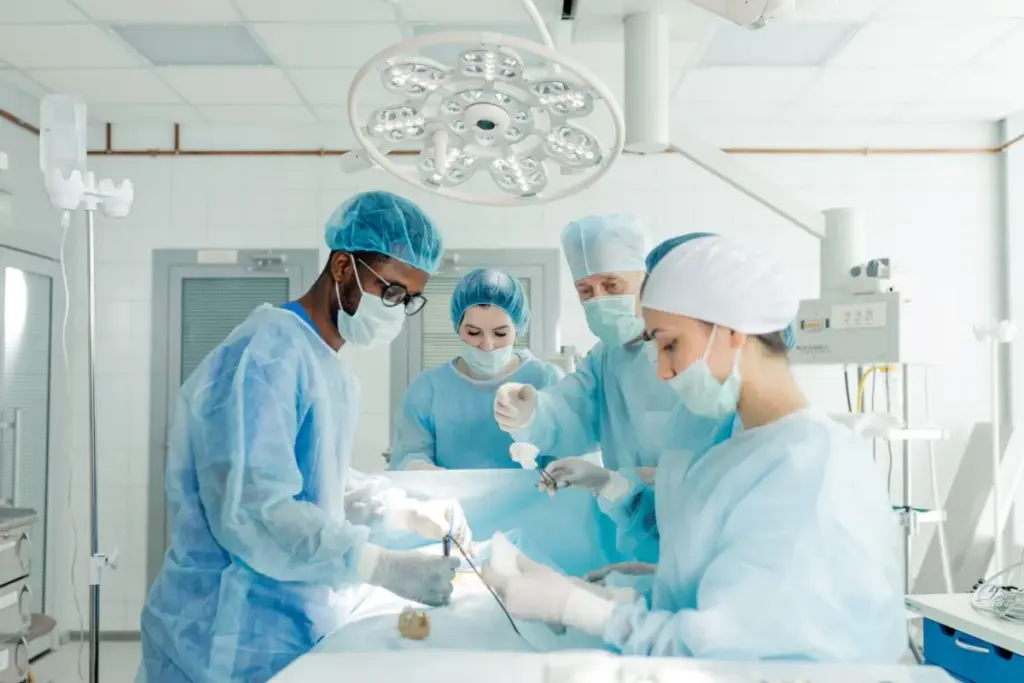
After abdominal surgery, patients face a tough recovery. It’s key to know the rules for post-operative care. This helps avoid risks and makes recovery smoother.
Post-operative care is more than just healing physically. It’s also about getting used to new limits. After an exploratory laparotomy, knowing what to avoid is vital.
By sticking to these rules, patients can lower the chance of problems. This improves their life quality during recovery.
Key Takeaways
- Understand the importance of post-operative restrictions after abdominal surgery.
- Learn about the activities to avoid during the recovery period.
- Discover how to minimize risks and ensure a smooth recovery.
- Find out why careful post-operative care is critical.
- Improve your overall quality of life during the recovery period.
Understanding Laparotomy: A Brief Overview
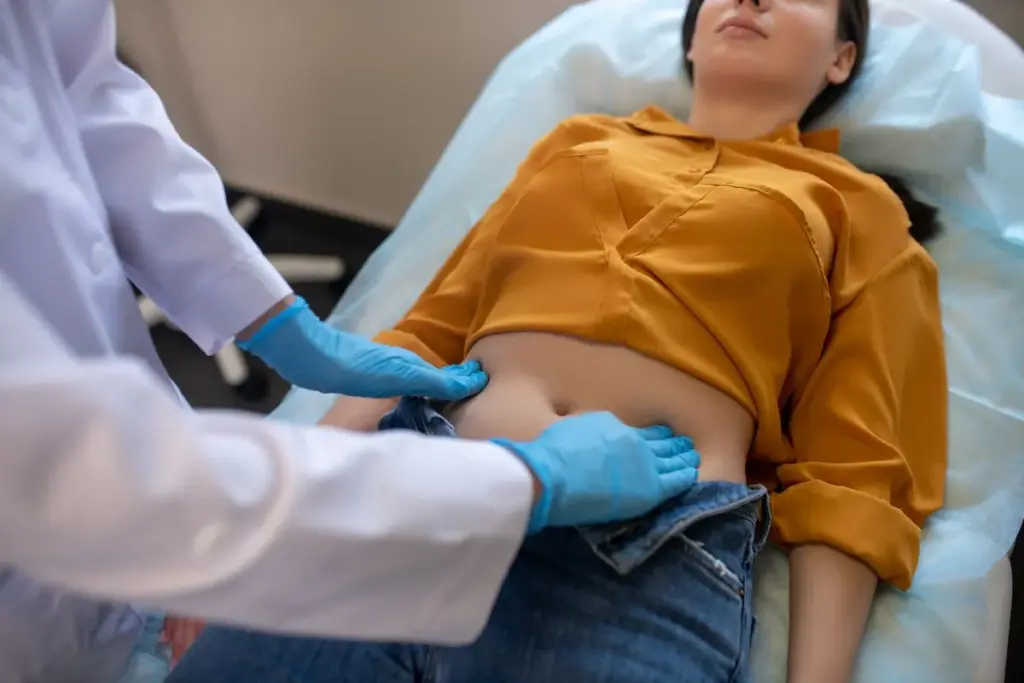
The term laparotomy means opening the abdominal cavity for surgery. This is also called celiotomy. It involves a big cut in the belly to see the organs inside.
Definition and Purpose of a Laparotomy
A laparotomy is done for many reasons. It helps doctors see inside the belly, take samples, and fix problems. It’s used for checking things out, fixing injuries, or managing diseases.
Common Reasons for Undergoing a Laparotomy
People get a laparotomy for several reasons. These include:
- Severe belly injuries
- Unknown causes of sudden belly pain
- Suspected bleeding inside
- Tumors or cancer
- Infections or abscesses
- Organ holes
These problems often need surgery right away. A laparotomy gives the needed access.
Laparotomy vs. Laparoscopy: Key Differences
Laparoscopy and laparotomy are two ways to look inside the belly. Laparoscopy uses small cuts and tools. A laparotomy uses a big cut for better access.
Choosing between them depends on the situation. Laparoscopy is better for less invasive surgeries. But, a laparotomy is needed for emergencies or big surgeries.
The Immediate Post-Operative Period: First 48 Hours
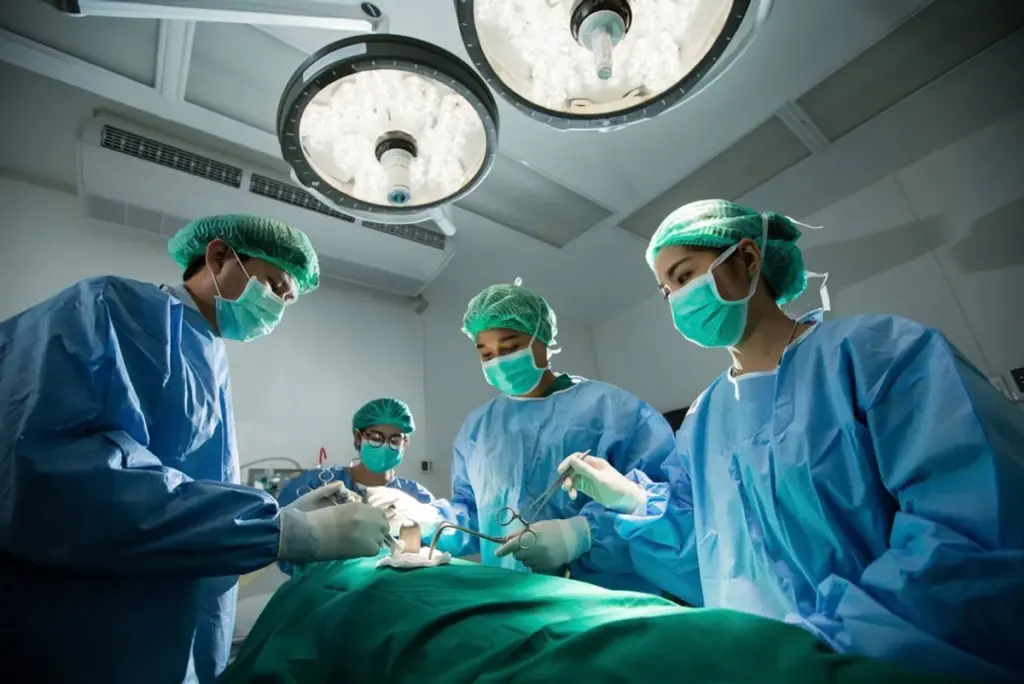
After a laparotomy, the first 48 hours are critical for recovery. Patients are watched closely for any complications. Pain management is a top priority. Our medical team works hard to ensure a smooth recovery.
Hospital Recovery Protocols
In the hospital, we stick to strict recovery plans. These plans help reduce the risk of complications. They include:
- Monitoring vital signs and wound sites closely
- Using the right pain medication
- Encouraging early movement to prevent blood clots and aid healing
- Providing nutritional support to help with recovery
Our healthcare team works together to cover all aspects of recovery. We provide personalized care for each patient’s needs.
Pain Management Considerations
Managing pain well is key after surgery. We use different methods to help with pain, including:
- Patient-controlled analgesia (PCA) for pain relief
- Oral pain medications as recovery progresses
- Techniques like relaxation and breathing exercises
Pain management is a key component of recovery. It helps patients breathe better, move more easily, and heal faster.
Mobility Restrictions in the Hospital Setting
While early movement is good, there are hospital rules to follow. These rules help prevent problems like DVT. They include:
- Avoiding heavy lifting or bending
- Slowly increasing activity as it’s okay
- Using walkers or canes for support
By following these rules, patients can stay safe and recover well.
Physical Restrictions Following a Laparotomy
After a laparotomy, it’s important to avoid certain physical activities. This helps your body heal properly and prevents complications. You should be careful not to strain your abdominal muscles during recovery.
Weight Lifting Limitations
Heavy lifting is a big no-no after a laparotomy. Doctors usually tell patients not to lift more than 5-10 kg for a while. This rule helps avoid putting too much stress on your abdominal muscles and the surgical area.
- Avoid lifting heavy objects, including groceries or children.
- Refrain from carrying heavy bags or luggage.
- Minimize straining or pulling heavy objects towards you.
Bending and Stretching Constraints
Patients should also avoid bending and stretching too much. These actions can strain the abdominal area and slow down healing.
To manage bending and stretching:
- Bend at the knees instead of the waist to pick up objects.
- Avoid stretching upwards or bending sideways.
- Use support when getting up from a lying or sitting position.
Proper Body Mechanics After Abdominal Surgery
Keeping your body mechanics right is key after abdominal surgery. This means being careful with your posture, movement, and daily activities.
Some tips for proper body mechanics include:
- Maintaining good posture when sitting, standing, or walking.
- Using a supportive pillow or cushion when sitting or lying down.
- Avoiding sudden or jerky movements.
Following these physical restrictions and using proper body mechanics can greatly reduce complications. It helps ensure a smoother recovery after a laparotomy.
Activity Limitations During the First 4-6 Weeks
After a laparotomy, it’s important to watch your activities closely. This helps your body heal smoothly. It might be tough, but following some rules can really help.
Exercise Restrictions and Gradual Reintroduction
Right after a laparotomy, stay away from hard exercises. This means no heavy lifting, bending, or quick movements. Start with easy walks and slowly add more activity as you feel better.
Key exercise restrictions include:
- Avoid high-impact activities like running or jumping
- Don’t lift heavy things (usually over 5-10 kg)
- Limit bending or stretching
As you get better, you can do harder exercises. But always listen to your body and don’t do too much.
Household Chores to Avoid
Some household tasks can hurt your stomach muscles and should be skipped at first. Stay away from heavy lifting, bending, or standing for a long time.
Examples of chores to limit or avoid include:
- Vacuuming or mopping
- Lifting heavy laundry baskets
- Gardening or yard work
Try to get others to do these tasks or wait until you’re further along in your recovery.
Safe Activities to Maintain Mobility
Rest is important, but moving a bit is key to avoid problems like blood clots. Choose low-impact activities that don’t hurt your stomach.
Safe activities include:
- Short walks around your home or neighborhood
- Gentle stretching, as advised by your healthcare provider
- Light arm movements or shoulder rolls
Doing deep breathing exercises also helps your lungs and overall recovery.
By being careful with your activities and following these tips, you can recover safely and effectively. Always talk to your healthcare provider for advice that fits your situation and progress.
Driving Restrictions After Laparotomy Surgery
Many patients wonder about driving after laparotomy surgery. The recovery time has many rules to keep you safe and help you heal well.
When It’s Safe to Resume Driving
Usually, doctors tell patients not to drive for 4-6 weeks after surgery. This helps your body heal and lowers the chance of problems. How long you wait can depend on how you’re doing and what your doctor says.
Things that affect when you can start driving again include:
- How fast and safely you can react while driving
- How comfortable you are sitting and driving
- Any pain meds that might make it hard to drive
Insurance Considerations for Post-Surgical Patients
It’s key to talk to your insurance about driving after surgery. Some policies might have rules about driving after surgery, like if you’re in an accident while recovering.
Tell your insurance about your surgery and ask how it might change your coverage.
Alternative Transportation Options During Recovery
Having other ways to get around is important while you’re recovering. You might:
- Ask family and friends for rides
- Use public transport
- Try ride-sharing services
Planning your transport needs can make your recovery less stressful.
Dietary Restrictions and Recommendations
After a laparotomy, it’s key to eat right to help your body heal. Dietary restrictions and recommendations are vital components of the post-laparotomy recovery process.
We suggest eating foods that are full of nutrients and easy to digest. Look for foods high in protein, fiber, and vitamins. These are important for healing and staying healthy.
Foods to Avoid After Abdominal Surgery
Some foods can upset your stomach after a laparotomy. We tell patients to steer clear of:
- Spicy or fatty foods that can irritate the stomach
- High-fiber foods that can be hard to digest, like beans or cabbage
- Carbonated drinks that can cause gas and discomfort
- Raw or undercooked foods that may have bacteria
Nutritional Requirements for Optimal Healing
Eating a balanced diet is key for healing well. We stress the need for:
- Enough protein to help tissues repair
- Complex carbs for energy
- Vitamins and minerals, like vitamin C and zinc, for a strong immune system
Managing Post-Operative Digestive Issues
Some people might face digestive problems after surgery, like constipation or diarrhea. We suggest:
- Drinking lots of water to stay hydrated
- Eating small meals often to make digestion easier
- Avoiding foods that can make digestive issues worse
By sticking to these dietary tips, patients can help their recovery and avoid complications.
Wound Care and Bathing Limitations After Laparotomy
Effective wound care is key for patients after laparotomy surgery. It prevents infection, promotes healing, and lowers complication risks. We’ll show you how to care for your incision, follow bathing guidelines, and watch for wound complications.
Proper Incision Care Techniques
Caring for your incision is very important after surgery. Keep the incision area clean and dry to stop bacteria growth. Wash your hands before touching the incision. Clean the area around the incision with mild soap and water, but avoid harsh cleansers.
Check the incision site daily for redness, swelling, or discharge. If you see anything unusual, call your healthcare provider right away. Keep the incision dry until it heals completely to avoid infection.
Showering and Bathing Guidelines
Knowing when and how to shower or bathe after surgery is important. You can shower 48 hours after surgery, but check with your healthcare provider first. When showering, avoid getting the incision wet and gently pat it dry afterward.
- Use warm water and mild soap.
- Avoid scrubbing the incision site.
- Gently pat the area dry with a clean towel.
Signs of Wound Complications to Monitor
Knowing the signs of wound complications is important. Watch for increased redness or swelling around the incision, pus or discharge, fever, or increasing pain. If you notice these symptoms, call your healthcare provider right away.
By following these guidelines and staying alert, you can reduce wound complication risks. This ensures a smoother recovery after your laparotomy.
Sexual Activity Restrictions Following Laparotomy
After a laparotomy, it’s key to know when to start sexual activity again. This helps in a smooth recovery. Some activities, like sex, are limited to avoid problems.
Timeline for Resuming Intimate Relations
Doctors usually say wait 4 to 6 weeks before sex. But, this can change based on how you heal and the doctor’s advice. Always listen to your doctor to avoid pain or issues.
Positions and Precautions to Consider
Some sex positions might feel better than others after surgery. Try to avoid putting too much pressure on your belly. Talking to your partner about what feels okay is important. Here are some easier positions:
- Spooning
- Lying on your back with your partner on top, but not too deep
- Avoid bending or straining
Listen to your body. If sex hurts, stop right away and talk to your doctor.
Communicating with Your Partner About Limitations
Talking openly with your partner about your recovery is vital. Being clear about what you can and can’t do helps everyone. Share your feelings and what your doctor says to keep your partner supportive.
Return to Work Considerations Post-Laparotomy
After a laparotomy, knowing when to go back to work is key for your health. It depends on your job and how well you’re recovering.
Office Work vs. Physical Labor Guidelines
The kind of job you have affects when you can go back. Office work is easier, so you might go back sooner than those doing physical labor.
Office jobs are less hard on your body. You can often go back in 4-6 weeks, depending on your job and how you’re feeling.
Jobs that are hard on your body, like physical labor, take longer. You’ll need to wait 8-12 weeks or more to avoid hurting your recovery.
Workplace Accommodations During Recovery
When you go back to work, talk about workplace accommodations with your boss. You might need changes to your job or work hours to help you heal.
Some common changes include:
- Not doing heavy lifting or bending
- Getting breaks to rest
- Adjusting your workspace to be easier on your body
- Going back to full work slowly
Documentation and Medical Leave Requirements
Before you go back to work, get a thumbs up from your doctor. They’ll check if you’re ready to start working again.
You might need medical leave documentation from your boss. This shows why you took time off and what you need when you come back. This can include:
- A doctor’s note saying you’re okay to work
- What you can and can’t do at work
- What changes you need at work
By working with your doctor and boss, you can smoothly get back to work. This helps you focus on getting better and staying healthy.
Common Complications Following Laparotomy
It’s important for patients to know about the possible complications after a laparotomy. This surgery is life-saving but comes with risks. These can affect how well you recover.
Understanding the 25% Complication Rate
Research shows up to 25% of patients face complications after laparotomy. This high rate highlights the need for careful monitoring and post-op care. We’ll help identify and manage risks early to lessen their impact.
Wound Infection: Prevalence and Prevention
Wound infections are a common issue after laparotomy. They can make recovery harder. To avoid infections, we teach patients about wound care. This includes keeping the incision clean and dry and watching for signs of infection.
Prompt action is key if you notice any infection signs.
Incisional Hernia Development
Incisional hernias can also happen after laparotomy. They form through the surgical scar. Risks include wound infections, poor nutrition, and straining the abdominal wall. We advise on proper lifting techniques to lower this risk.
Pulmonary Complications and Prevention Strategies
Pulmonary issues, like pneumonia, can occur after laparotomy, more so in those with breathing problems. To reduce this risk, we use several strategies. These include encouraging early movement, using spirometry to boost lung health, and managing pain to help with breathing.
Knowing about these complications and taking preventive steps can greatly improve recovery after laparotomy. Our team is dedicated to providing full care and support during your recovery.
Long-Term Quality of Life Impact After Laparotomy
It’s important to know how a laparotomy affects life in the long run. Patients and doctors need to understand this. The recovery can take months, with many factors affecting the outcome.
Physical Recovery Timeline
The time it takes to recover physically after a laparotomy varies. Most people take 3 to 6 months to get back to how they were before surgery. But, some might feel tired or uncomfortable for even longer.
A study on the National Center for Biotechnology Information (NCBI) shows that recovery depends on many things. These include age, health problems, and the type of surgery.
Risk Factors for Prolonged Recovery
Several things can make recovery after a laparotomy take longer. These include:
- Advanced age
- Health problems like diabetes or heart disease
- The complexity of the surgery
- Complications after surgery
Knowing these risk factors early can help make a recovery plan that works for each person. This can lead to better results.
Mortality Statistics
Mortality rates after a laparotomy are a big worry. Studies show that up to 20% of 90-day survivors might die from the surgery or their health problems. This shows how critical post-operative care and monitoring are.
“The long-term survival after laparotomy is influenced by both the surgical technique and the patient’s pre-existing health conditions.”
By understanding these factors and working with healthcare providers, patients can improve their recovery. This can lead to a better quality of life in the long run.
Psychological and Social Limitations Post-Laparotomy
Recovering from a laparotomy is more than just healing physically. Patients often face psychological and social hurdles. These can greatly affect their happiness and life quality.
Managing Post-Surgical Depression and Anxiety
Many patients feel sad and anxious after surgery. These feelings can come from the surgery itself, changes in how they look, or worries about getting better. It’s important to manage these feelings to recover well.
Here are some ways to deal with these emotions:
- See a mental health professional for help
- Try relaxation methods like meditation or deep breathing
- Talk openly with loved ones about how you’re feeling
Impact on Family Dynamics and Relationships
A laparotomy can change family life and relationships. The patient’s new physical and emotional state can alter family roles and affect close relationships. Being open and understanding is essential in these changes.
|
Impact Area |
Potential Challenges |
Support Strategies |
|---|---|---|
|
Family Roles |
Adjusting to new responsibilities |
Sharing household tasks, seeking external help when needed |
|
Intimate Relationships |
Changes in physical intimacy, emotional connection |
Communicating openly, seeking counseling if necessary |
Support Resources for Emotional Well-being
It’s important to have access to support after a laparotomy. This includes mental health services, support groups, and info on recovery.
Enhanced Recovery After Surgery (ERAS) Protocols
ERAS protocols have changed how we help patients recover after surgery. They use a proven, standard approach to make recovery better and safer. This way, we can help patients heal faster and avoid more problems.
Evidence-Based Approaches to Laparotomy Recovery
ERAS protocols are based on the best practices we know. They focus on managing pain well, reducing stress from surgery, and getting patients moving early. These steps help patients stay in the hospital less time and feel happier with their care.
Key Components of ERAS Protocols:
- Pre-operative counseling and optimization
- Standardized anesthesia and pain management protocols
- Minimally invasive surgical techniques when possible
- Early mobilization and oral nutrition
Multidisciplinary Team Involvement
A key part of ERAS is teamwork. Doctors, nurses, and other experts work together. This team makes sure patients get the best care by talking and working together well.
“The multidisciplinary approach is fundamental to the success of ERAS protocols, ensuring that all aspects of patient care are addressed.” – Expert in Surgical Recovery
Patient Participation in Recovery Planning
Getting patients involved is a big part of ERAS. We teach them how to help with their recovery. This includes following post-op care, managing pain, and keeping up with doctor’s visits.
|
Aspect of Care |
Pre-Operative |
Post-Operative |
|---|---|---|
|
Pain Management |
Counseling on pain management options |
Standardized pain management protocols |
|
Nutrition |
Pre-operative nutritional counseling |
Early oral nutrition post-surgery |
|
Mobilization |
Pre-operative physiotherapy assessment |
Early mobilization post-surgery |
When patients help plan their recovery, they follow instructions better. This leads to better results for everyone.
Liv Hospital’s Approach to Laparotomy Recovery
Liv Hospital focuses on patient-centered care. We offer personalized support and guidance. Every patient’s journey is unique, and we tailor our care to meet their needs.
Standardized Care Protocols
We use standardized care protocols at Liv Hospital. These protocols are based on the latest research. They help ensure our patients get the best care possible.
- Pre-operative education and preparation
- Post-operative pain management
- Nutritional support and guidance
- Wound care and management
Continuous Improvement Initiatives
We are always looking to improve. Our care protocols are regularly updated. Our team stays up-to-date with the latest in laparotomy care through training and education.
- Regular patient feedback and satisfaction surveys
- Collaboration with international experts in laparotomy care
- Participation in clinical trials and research studies
Patient Success Stories and Outcomes
We are proud of our patient outcomes at Liv Hospital. Our patient success stories show the effectiveness of our care. They highlight our team’s dedication.
Our patients have seen better recovery times and fewer complications. They are more satisfied with their care. Our team’s hard work has made a real difference in our patients’ lives.
When to Contact Your Healthcare Provider
After a laparotomy, knowing when to reach out to your healthcare provider is key. Your recovery is a critical time. Being aware of when to seek medical help can greatly affect your outcome.
Warning Signs of Serious Complications
Some symptoms can mean serious issues after a laparotomy. If you notice any of these, call your healthcare provider right away:
- Severe abdominal pain that can’t be controlled with medicine
- Fever over 101.5°F (38.6°C)
- Redness, swelling, or discharge from the incision site
- Difficulty breathing or feeling short of breath
- Severe nausea or vomiting that stops you from keeping fluids or medicine down
Non-Emergency Follow-up Indications
Not all issues need urgent care, but they should be checked by your healthcare provider. Make an appointment if you see:
- Gradual increase in pain over time
- Changes in the incision site, such as separation or bulging
- Constipation that lasts despite diet changes or medicine
- Concerns about your recovery or questions about post-operative care
Preparing for Post-Operative Appointments
To get the most from your follow-up visits, prepare well. Here are some tips:
|
Preparation Step |
Description |
|---|---|
|
List your medications |
Include dosages and frequencies to discuss with your healthcare provider |
|
Document your symptoms |
Keep a log of any pain, discomfort, or other symptoms you’re experiencing |
|
Prepare questions |
Write down any concerns or questions you have for your healthcare provider |
Knowing when to contact your healthcare provider and preparing for follow-up appointments can help your recovery after a laparotomy go smoothly.
Conclusion: Navigating Your Laparotomy Recovery Journey
Recovering from a laparotomy needs a deep understanding of post-operative care. This ensures a smooth and successful healing. We’ve covered the key points of laparotomy recovery, from immediate care to long-term health.
Following post-operative restrictions is critical. This includes physical limits, diet, and wound care. These steps help avoid risks and improve recovery. Patients can play a big role in their recovery by knowing these guidelines.
At Liv Hospital, we stress the importance of post-operative care. We give patients the support and resources they need. By following the guidelines and getting help from healthcare professionals, patients can get better faster. This improves their quality of life after a laparotomy.
FAQ
What is a laparotomy, and how does it differ from laparoscopy?
A laparotomy is a big cut in the belly to see the inside organs. Laparoscopy uses small cuts and a camera. Laparotomy is for serious or emergency cases.
What are the common reasons for undergoing a laparotomy?
People get a laparotomy for many reasons. It’s for checking the belly, fixing injuries, or doing complex surgeries.
How long does it take to recover from a laparotomy?
Recovering from a laparotomy takes months. You might stay in the hospital for a few days to a week. It can take 3 months or more to get back to normal.
What are the physical restrictions after a laparotomy?
After a laparotomy, avoid heavy lifting, bending, and stretching. This helps prevent problems like hernias. It’s also important to use good body mechanics while recovering.
When can I resume driving after a laparotomy?
You can drive again in 4-6 weeks, depending on how you’re doing. Always check with your doctor before getting back behind the wheel.
What dietary restrictions should I follow after a laparotomy?
Eat a balanced diet full of nutrients to help heal. Avoid foods that upset your stomach. Your doctor will give you specific diet advice.
How do I care for my wound after a laparotomy?
Keep the cut clean and follow bathing rules. Watch for signs of infection or other problems with the wound.
When can I resume sexual activity after a laparotomy?
When you can start again depends on your recovery and surgery type. Usually, it’s around 6-8 weeks, but your doctor will tell you when it’s okay.
What are the signs of complications after a laparotomy?
Look out for severe belly pain, fever, redness or swelling, and trouble breathing. Call your doctor right away if you notice these.
How can I manage post-surgical depression and anxiety?
For depression and anxiety, talk to your doctor, family, and friends. Counseling, support groups, and a healthy lifestyle can also help.
What is the Enhanced Recovery After Surgery (ERAS) protocol?
ERAS is a care plan to help patients recover better after surgery. It uses proven methods and involves a team of healthcare professionals.
When should I contact my healthcare provider after a laparotomy?
Call your doctor if you see warning signs of serious problems, have recovery concerns, or need advice on care and follow-up visits.
References
https://pubmed.ncbi.nlm.nih.gov/8211619