Laser therapy is seen as a good treatment for many health and beauty needs. This includes making skin look better and helping with scars. But, problems can happen if the treatment isn’t done right. We’ve seen issues like temporary pain, redness, heat, or tenderness in 20-30% of cases.
While big problems are rare, it’s key to know the risks of laser therapy. Knowing these risks helps us avoid them and get the best results.
Key Takeaways
- Laser therapy can result in minor side effects, such as temporary discomfort and redness.
- Serious complications can occur if protocols are not followed correctly.
- Understanding the potentials risks is key to ensuring optimal outcomes.
- Laser therapy is used for various medical and aesthetic applications.
- Protocols should be meticulously followed to minimize risks.
The Science and Applications of Laser Therapy
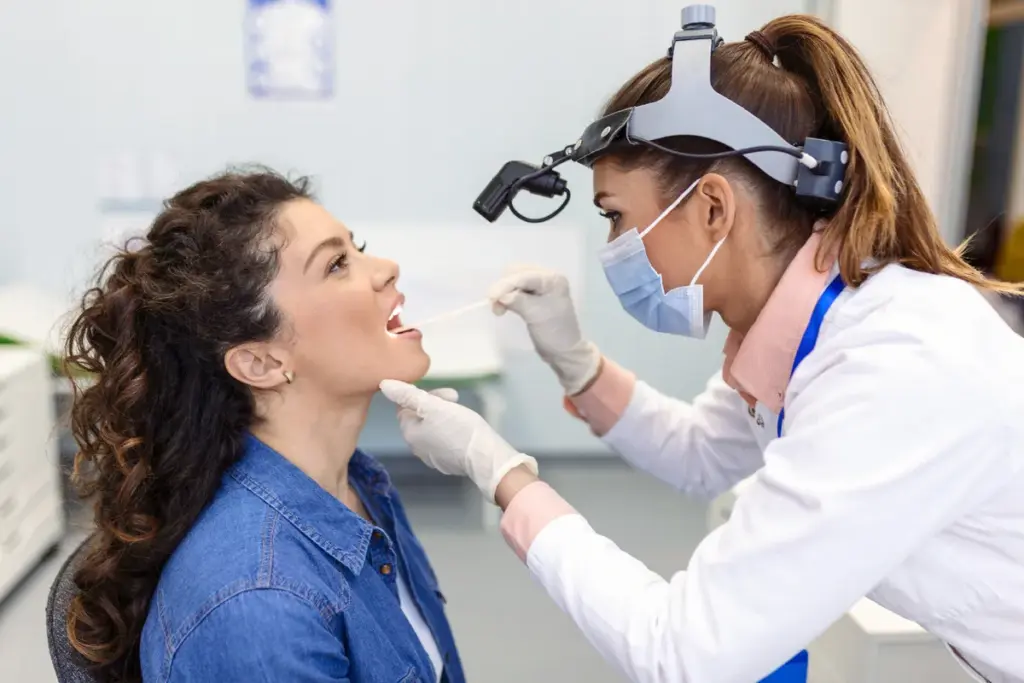
It’s important to know how laser therapy works. This knowledge helps us see its benefits and risks in medicine and beauty. Laser technology uses light that targets specific parts of the skin, like hair follicles or spots.
How Laser Technology Works
Laser technology uses selective photothermolysis. This means it uses specific light wavelengths to hit certain skin structures. This process destroys or changes these targets without harming the skin around them.
Depending on the condition, we use lasers with different wavelengths and pulse lengths. For example, longer wavelengths go deeper into the skin. They’re great for removing hair and blood vessel spots.
Common Medical and Aesthetic Applications
Laser therapy is used in many ways in medicine and beauty. Here are some examples:
- Skin rejuvenation and resurfacing
- Hair removal
- Treatment of pigmented lesions and tattoos
- Vascular lesion removal
- Scar management
|
Application |
Description |
Laser Type |
|---|---|---|
|
Skin Rejuvenation |
Improves skin texture and appearance |
Ablative and Non-Ablative |
|
Hair Removal |
Permanent reduction of unwanted hair |
Diode, Alexandrite |
|
Pigmented Lesion Removal |
Targets and removes pigmented lesions |
Q-Switched, Nd:YAG |
Understanding laser therapy’s science and uses helps us see its benefits and risks. This knowledge guides us in making smart choices about its use in health and beauty treatments.
Types of Laser Treatments in Modern Medicine

Laser treatments are key in modern medicine, solving many health and beauty issues. They come in various types, each suited for different needs. This makes treatments more effective and safer for patients.
Ablative Laser Procedures
Ablative lasers remove the skin’s top layers, helping new collagen grow and improving skin texture. They’re used for deep wrinkles, scars, and skin lesions. Ablative laser resurfacing can greatly enhance skin look but needs more time to heal.
A study on PubMed shows ablative lasers work well for many skin problems.
Non-Ablative Laser Procedures
Non-ablative lasers boost collagen without removing skin layers. They’re great for fine wrinkles, skin color issues, and other surface problems. They have less downtime than ablative lasers but results can vary.
Fractional Laser Treatments
Fractional lasers target specific skin areas, leaving others untouched. This method heals faster and treats aging, scars, and color issues. They can be ablative or non-ablative, giving more treatment choices.
|
Laser Type |
Mechanism |
Common Applications |
Recovery Time |
|---|---|---|---|
|
Ablative Lasers |
Remove top skin layers |
Deep wrinkles, scars, skin lesions |
Several weeks |
|
Non-Ablative Lasers |
Stimulate collagen production |
Fine wrinkles, skin discoloration |
A few days to a week |
|
Fractional Lasers |
Target specific skin areas |
Aging signs, scars, pigmentation |
A few days to a week |
Knowing about laser treatments is vital for choosing the right one. Each laser has its own benefits and risks. Always talk to a healthcare expert before starting treatment.
CO2 Laser Resurfacing: Benefits and Risks
CO2 laser resurfacing can remove damaged skin layers. It boosts collagen production, making skin smoother and reducing wrinkles. This makes it a key treatment in cosmetic dermatology for many skin issues.
How CO2 Laser Procedures Work
CO2 lasers use light to target water in the skin, causing controlled damage. This damage starts the body’s healing process. It leads to new collagen and elastin, making skin tighter and smoother.
The lasers are precise, removing damaged skin without harming the rest. This precision is key for the best results and to avoid complications.
Common Applications for CO2 Lasers
CO2 lasers are used for many skin treatments. They help with:
- Fine lines and wrinkles
- Skin laxity
- Scars
- Age spots and sun damage
These treatments can greatly improve skin look and health.
Specific Risks Associated with CO2 Lasers
CO2 laser resurfacing is mostly safe, but there are risks. These include:
- Infection
- Scarring
- Prolonged redness
- Changes in skin pigmentation
Knowing these risks and talking to a healthcare provider is important. It helps avoid problems and get the best results.
Fraxel Laser Treatment: Effectiveness and Complications
The Fraxel laser is a fractional laser technology. It offers a balance between being effective and having a quick recovery time. This non-invasive treatment is popular for rejuvenating the skin by stimulating collagen production and promoting skin renewal.
Fraxel Technology Explained
Fraxel lasers create micro-injuries in the skin. This triggers the body’s natural healing process. It leads to new collagen production and improves skin texture and tone.
The fractional nature of the technology means it only targets a fraction of the skin. This leaves surrounding tissue intact to aid in the healing process.
Typical Results and Recovery
Patients see improvements in fine lines, wrinkles, and skin discoloration after Fraxel laser treatments. The recovery time is relatively quick, with most returning to normal activities in a few days. The exact recovery time can vary based on the individual’s skin condition and treatment parameters.
Typical results include:
- Smoother skin texture
- Reduced appearance of fine lines and wrinkles
- Improved skin tone and reduced discoloration
Potential Side Effects of Fraxel Treatments
Fraxel laser treatments are generally safe, but there are possible side effects. These can include redness, swelling, and temporary changes in skin pigmentation. Rarely, more serious complications like infection or scarring can occur.
|
Side Effect |
Frequency |
Duration |
|---|---|---|
|
Redness |
Common |
Several days |
|
Swelling |
Common |
Several days |
|
Pigmentation changes |
Uncommon |
Several weeks to months |
|
Infection |
Rare |
Variable |
Following post-treatment care instructions carefully is essential. This helps minimize complications and ensures the best results.
The Science Behind Laser and Laser Interactions with Tissue
Laser light and tissue interaction is complex. It’s key to laser therapy’s success. Lasers are vital in medicine and beauty because of their precision and flexibility.
Wavelength Considerations
Lasers work by targeting tissues with specific wavelengths. For example, CO2 lasers hit water in skin, perfect for skin treatments. Visible spectrum lasers target blood in vascular treatments.
Choosing the right wavelength is critical. It ensures the laser works best on the target tissue without harming others.
|
Laser Type |
Wavelength (nm) |
Primary Target |
|---|---|---|
|
CO2 Laser |
10,600 |
Water in soft tissues |
|
Nd:YAG Laser |
1,064 |
Deeper tissues, hair follicles |
|
Pulse Dye Laser |
585/595 |
Hemoglobin in vascular lesions |
Energy Settings and Their Impact
The laser’s energy settings are vital. Fluence and pulse duration affect treatment results. Higher fluence can be more effective but also riskier.
Adjusting these settings helps tailor treatments to each patient’s needs and skin type.
Tissue-Specific Responses
Tissues react differently to lasers. For instance, pigmented lesions absorb laser light, getting destroyed. Surrounding skin stays safe if the wavelength is right.
Knowing how tissues react is essential. It helps predict results and avoid complications.
Common Minor Side Effects of Laser Therapy
Laser therapy can cause minor side effects in some people. These effects are usually short-lived and go away by themselves. It’s important for patients to know what to expect.
Temporary Discomfort and Pain
About 20-30% of patients feel temporary discomfort or pain after laser therapy. This pain is usually mild to moderate. It can be eased with topical anesthetics or cooling devices.
The feeling is often like a mild stinging or snapping during the treatment.
Redness and Swelling
Redness and swelling are common right after laser therapy. They happen because of the body’s reaction to the laser’s heat. These effects usually go away in a few hours to a few days.
Heat Sensitivity and Tenderness
Some people might feel heat sensitivity or tenderness after laser therapy. This is usually temporary and can be helped with over-the-counter pain relievers or cooling packs. It’s important to follow the post-treatment care instructions to lessen these effects.
The table below shows the common minor side effects of laser therapy, how often they happen, and how long they last:
|
Side Effect |
Frequency |
Typical Duration |
|---|---|---|
|
Temporary Discomfort/Pain |
20-30% |
During/Immediately After |
|
Redness and Swelling |
Common |
A few hours to a few days |
|
Heat Sensitivity/Tenderness |
Common |
A few days |
Knowing about these minor side effects can help patients get ready for laser therapy. While these effects are usually not serious, it’s important to talk to a healthcare professional if they last too long or worry you.
Serious Complications: When Laser Therapy Goes Wrong
Laser therapy is generally safe, but serious complications can happen. These rare issues can have big effects on patients. We’ll talk about the serious side effects of laser therapy, including risks and how to avoid or handle them.
Burns and Thermal Injuries (1-4% Incidence)
Burns and thermal injuries are serious side effects of laser therapy. They happen in about 1-4% of cases. These can come from wrong laser settings, not cooling the skin enough, or unexpected reactions from the body.
Prevention measures include training doctors well, choosing the right patients, and following safety rules.
Scarring and Tissue Damage (1-2% Incidence)
Scarring and tissue damage are possible side effects of laser therapy. They happen in about 1-2% of cases. These can come from too much heat damage, infection, or not healing well.
To lower risks, doctors should carefully check patients’ skin types and conditions before treatment.
Infection Risks
Infection is a serious side effect of laser therapy. Keeping wounds clean and following hygiene rules is key to avoiding infections.
We suggest that patients carefully follow post-treatment care instructions to reduce infection risks.
|
Complication |
Incidence Rate |
Prevention Measures |
|---|---|---|
|
Burns and Thermal Injuries |
1-4% |
Proper training, patient selection, safety protocols |
|
Scarring and Tissue Damage |
1-2% |
Careful skin assessment, appropriate laser settings |
|
Infection |
Variable |
Proper wound care, hygiene practices |
Pigmentation Issues Following Laser Treatments
Laser treatments can sometimes cause changes in skin pigmentation. This is a risk, more so for those with darker skin tones. Laser therapy is popular for many skin concerns.
Hyperpigmentation Concerns
Hyperpigmentation is when skin darkens. It happens when laser therapy boosts melanin production. Those with a history of hyperpigmentation or prone to it face higher risks. A detailed consultation before laser treatment is key.
Hypopigmentation Risks
Hypopigmentation, or skin lightening, is another risk. It’s caused by laser damage to melanocytes. Patients with lighter skin tones are more likely to experience it. Adjusting laser settings carefully can help reduce this risk.
Special Considerations for Darker Skin Tones
Darker skin tones have unique challenges with laser therapy. The higher melanin levels increase hyperpigmentation and hypopigmentation risks. It’s important to choose the right laser technology for your skin type. Working with an experienced practitioner is also vital.
Knowing the risks and how to avoid them is key. Following pre- and post-treatment guidelines carefully can help. This way, individuals can make better decisions about laser therapy.
Ocular Risks and Eye Safety During Laser Procedures
Eye safety is very important during laser procedures. We must take strict precautions. Lasers in medical treatments can seriously harm eyes if safety steps are ignored.
Potential Eye Injuries
Laser therapy can cause eye problems like retinal damage, cataracts, and corneal injuries. The harm depends on the laser type, wavelength, and energy levels.
- Retinal Damage: High-energy lasers can burn or damage the retina, possibly causing vision loss.
- Cataract Formation: Some laser wavelengths can speed up cataract growth.
- Corneal Injuries: Direct laser beam exposure can cause corneal abrasions or burns.
Protective Measures and Protocols
We follow strict safety rules during laser procedures. This includes using protective eyewear, calibrating lasers, and training staff.
- Protective Eyewear: Everyone wears laser-specific eyewear to avoid eye exposure.
- Laser Calibration: We regularly check and calibrate lasers to ensure they work safely.
- Training and Education: All staff get thorough training for laser procedures.
By focusing on eye safety and following our protocols, we reduce the risk of eye problems during laser therapy.
Statistical Analysis of Laser Therapy Complications
Understanding laser therapy complications is key to making smart treatment choices. As we dive into laser therapy’s uses and risks, looking at the data is vital. This helps us grasp the possible complications better.
Incidence Rates of Minor Side Effects
Minor side effects like discomfort, redness, and swelling are common after laser therapy. Research shows different rates for these issues. For example, a study found 20-30% of patients feel pain or discomfort after treatment. These numbers help us understand the risks of laser therapy.
Frequency of Serious Complications
More serious issues like burns, scarring, and infections are rare but serious. The rates of these problems vary based on the laser type, treatment area, and patient factors. Data shows 1-4% of patients face burns or thermal injuries, and 1-2% experience scarring or tissue damage.
Risk Factors That Increase Complication Rates
Some factors can raise the risk of complications after laser therapy. These include skin type, medical history, and certain health conditions. For instance, darker skin tones might face more pigmentation issues, and those with keloid scarring history could be more likely to scar after laser treatments. Knowing these risk factors helps us reduce complications and improve patient outcomes.
Comparing Risk Profiles: Ablative vs. Non-Ablative Lasers
When you think about laser therapy, knowing the difference between ablative and non-ablative lasers is key. Both are used for different skin problems, but they have different risks.
Recovery Time and Downtime Differences
Ablative lasers remove the top skin layers, needing more time to heal than non-ablative lasers. The recovery time for ablative lasers can be a few days to a couple of weeks, based on the treatment’s strength.
Non-ablative lasers, on the other hand, boost collagen without harming the skin’s surface. This means little to no downtime. Most people can go back to their usual activities right after the treatment.
Complication Rate Comparisons
Ablative lasers carry a higher risk of problems like infection, scarring, and long-lasting redness. This risk is even higher for ablative CO2 lasers.
Non-ablative lasers have fewer risks. Side effects, like mild redness and swelling, are usually short-lived and not severe.
|
Laser Type |
Recovery Time |
Complication Rate |
|---|---|---|
|
Ablative Lasers |
Several days to weeks |
Higher risk |
|
Non-Ablative Lasers |
Minimal downtime |
Lower risk |
Choosing the Right Laser for Your Skin Concern
The choice between ablative and non-ablative lasers depends on your skin issue, skin type, and medical history.
For deep issues like big wrinkles or scars, ablative lasers might be better, even with their higher risks. For minor concerns and maintenance, non-ablative lasers are safer and have less downtime.
Patient-Specific Risk Factors for Laser Complications
When thinking about laser therapy, it’s key to know that each person’s factors can change the risk of problems. Laser therapy isn’t the same for everyone. Its success and safety depend on many personal traits.
Skin Type and Ethnicity Considerations
Skin type and ethnicity play big roles in the risk of laser side effects. People with darker skin (Fitzpatrick skin types IV-VI) might face more risks like hyperpigmentation or hypopigmentation. Choosing the right laser and treatment plan is very important for these patients.
Medical History and Contraindications
A patient’s health history can affect their fit for laser therapy. Conditions like diabetes, autoimmune diseases, or a history of keloid scarring can raise the risk of issues. Also, those with skin cancer or on certain medications need extra care.
|
Medical Condition |
Potential Risk |
Precautionary Measures |
|---|---|---|
|
Diabetes |
Impaired wound healing |
Careful wound care and monitoring |
|
Autoimmune disorders |
Increased risk of scarring |
Adjust laser settings and consider test patches |
|
History of keloid scarring |
Keloid formation |
Avoid aggressive laser treatments |
Medication Interactions
Some medicines can make laser therapy riskier. For instance, blood thinners can lead to more bleeding, and certain drugs can cause bad reactions. Always check a patient’s medicines before starting laser therapy.
By looking at each patient’s unique risks, doctors can lower the chance of problems. This way, laser therapy can be both safe and effective.
Choosing a Qualified Laser Therapy Provider
Choosing the right laser therapy provider is key for a safe and effective treatment. Laser therapy is generally safe but can lead to serious issues if not done right. So, picking a qualified provider is vital for good results and safety.
Credentials and Certifications to Look For
A good laser therapy provider should have the right training and certifications. Look for:
- Board certification in their specialty (e.g., dermatology, plastic surgery)
- Completion of laser therapy training programs
- Membership in professional organizations related to laser medicine
These signs show the provider knows how to use laser therapy safely and well.
Questions to Ask Before Treatment
Before laser therapy, ask important questions to make sure you’re in good hands. Some key questions are:
- What experience do you have with laser therapy?
- What kind of laser technology do you use?
- Can you show before-and-after photos of previous patients?
- What are the possible risks and side effects of the treatment?
- How will you ensure my safety during the procedure?
These questions help you understand the provider’s skills and what to expect.
Red Flags to Watch Out For
Be cautious of certain signs that may mean the provider is not qualified or experienced. Watch out for:
- Unwillingness to provide information about their credentials or experience
- Pressure to undergo treatment without a thorough consultation
- Lack of transparency about possible risks and side effects
- Poorly maintained facilities or outdated equipment
Being alert to these red flags can help you avoid providers who may not meet your needs or ensure your safety.
In conclusion, finding a qualified laser therapy provider requires careful research and diligence. Focus on credentials, ask the right questions, and watch out for red flags. This way, you can greatly improve your chances of a successful treatment.
Pre-Treatment Protocols to Minimize Risks
Pre-treatment protocols are key to reducing risks in laser therapy. By carefully checking the patient’s condition and preparing them, we lower the chance of problems.
Patient Assessment and Screening
A detailed patient assessment is the first step to safe laser therapy. We look at the patient’s medical history, skin type, and the condition being treated. We must identify any possible contraindications, such as a history of keloid scarring or recent sun exposure. A detailed questionnaire and consultation are essential tools in this process.
During the assessment, we also consider the patient’s expectations and provide a realistic overview of the treatment outcomes. This helps in managing expectations and ensuring patient satisfaction.
Test Patches and Sensitivity Testing
Conducting test patches is a critical step in determining the appropriate laser settings for each patient. This involves applying the laser to a small, inconspicuous area of skin to assess the patient’s sensitivity and response to the treatment.The results guide us in adjusting the laser parameters to ensure safe and effective treatment.
Sensitivity testing also helps in identifying any adverse reactions early on, allowing us to take corrective measures before proceeding with the full treatment.
Informed Consent and Expectations Management
Informed consent is a vital component of the pre-treatment protocol. We ensure that patients are fully aware of the risks and benefits of laser therapy. This includes discussing possible side effects, the likelihood of success, and alternative treatment options.
Effective expectations management is also key. By clearly explaining what the treatment can achieve and the number of sessions required, we help patients understand the process and what to expect. This enhances their overall experience.
|
Pre-Treatment Protocol |
Description |
Benefits |
|---|---|---|
|
Patient Assessment |
Evaluating medical history, skin type, and condition |
Identifies possible contraindications |
|
Test Patches |
Applying laser to a small area to assess sensitivity |
Guides laser settings for safe treatment |
|
Informed Consent |
Discussing risks, benefits, and alternatives with the patient |
Ensures patient understanding and cooperation |
By following these pre-treatment protocols, we can minimize risks in laser therapy. This ensures a safe and effective treatment experience for our patients.
Post-Treatment Care to Prevent Complications
To get the best results from laser therapy, following a detailed post-treatment care plan is key. Proper care is vital to avoid complications and ensure the best outcome.
Essential Aftercare Instructions
After laser treatment, patients need clear aftercare instructions. They should keep the treated area clean, avoid direct sun, and use creams or ointments as directed. It’s wise to avoid hard activities and hot places for a few days to lower complication risks.
Understanding the need for gentle skin care during recovery is also important. Mild cleansers and avoiding harsh products can prevent irritation and aid healing. Studies show following these instructions greatly reduces complication risks.
Warning Signs That Require Medical Attention
While minor side effects are common, some signs need immediate medical help. Severe redness, swelling, or pain lasting longer than expected is a warning. Also, watch for signs of infection like more redness, swelling, or pus.
Changes in skin color, like hyperpigmentation or hypopigmentation, can also be a sign of a bad reaction. If skin changes are noticed, it’s important to contact a healthcare provider right away.
Follow-up Protocols
Follow-up protocols are critical for post-treatment care. They let healthcare providers check on the patient’s recovery and handle any issues. Follow-up visits are usually within a few days to a week, depending on the treatment and patient response.
At these visits, we check the treated area for complications and offer care advice. We also adjust the treatment plan as needed to ensure the best results for the patient.
By sticking to a detailed post-treatment care plan, patients can avoid complications and get the best from their laser therapy. This includes following aftercare instructions, knowing when to seek medical help, and keeping up with follow-up appointments.
Conclusion: Balancing Benefits and Risks of Laser Therapy
Laser therapy can be very helpful when used right. It has its risks, but it also has big benefits. We’ve looked at how laser therapy works, its uses, and its possible side effects.
It’s important to weigh the good and bad of laser therapy. This means choosing the right patients, using the right techniques, and giving full care. Knowing the risks helps doctors make laser therapy safer and more effective.
Success in laser therapy comes from finding the right balance. This way, patients get the best results without too many problems. As we learn more about laser therapy, keeping patients safe and happy is key.
FAQ
What is laser therapy and how is it used in medicine?
Laser therapy uses a focused light beam to target specific tissues or conditions. It’s used for skin rejuvenation, hair removal, and managing scars.
What are the different types of laser treatments available?
There are several laser treatments, like ablative, non-ablative, and fractional lasers. Each type is for different needs, like skin resurfacing and reducing wrinkles.
How does CO2 laser resurfacing work and what are its benefits?
CO2 laser resurfacing removes damaged skin layers. It boosts collagen production, improving skin texture. This leads to fewer wrinkles and a younger look.
What are the possible risks and side effects of CO2 laser resurfacing?
Risks include infection, scarring, and prolonged redness. Skin pigmentation changes are also possible. We take steps to reduce these risks.
How does Fraxel laser treatment work and what are its benefits?
Fraxel laser is non-invasive and stimulates collagen production. It improves skin texture and reduces wrinkles. It also evens out skin tone.
What are the possible side effects of Fraxel laser treatment?
Side effects might include redness, swelling, and temporary skin color changes. These effects are usually mild and short-lived.
What are the common minor side effects of laser therapy?
Minor side effects include discomfort, redness, swelling, and heat sensitivity. These are usually mild and go away on their own.
What are the serious complications that can occur with laser therapy?
Serious complications include burns, scarring, and infection. We follow strict protocols to avoid these risks.
How can pigmentation issues be managed after laser therapy?
We manage pigmentation issues with proper care before and after treatment. We assess risks and take steps to prevent them.
What are the ocular risks associated with laser therapy?
Eye injuries are a risk. We ensure eye safety with protective measures and safety protocols.
How can I minimize the risks associated with laser therapy?
Choose a qualified provider and follow their protocols. We assess risks and take steps to prevent complications.
How do I choose a qualified laser therapy provider?
Look for credentials and experience. Ask about their protocols, safety measures, and aftercare instructions.
What pre-treatment protocols can help minimize risks?
Pre-treatment includes patient assessment and sensitivity testing. We ensure informed consent and manage expectations.
What post-treatment care is essential after laser therapy?
Follow aftercare instructions and watch for warning signs. Attend follow-up appointments. Proper care prevents complications and ensures the best results.
References
National Center for Biotechnology Information. Evidence-Based Medical Insight. Retrieved from https://www.ncbi.nlm.nih.gov/books/NBK532248/